

You’ve probably seen it. The dog who figured out how to open the pantry door. The one who unlatched the gate in the backyard. The one who has memorized your daily schedule so precisely that he starts whining exactly four minutes before you usually get home. Smart dogs are genuinely mind-blowing companions – but living with one? That’s a whole different adventure.
With great intelligence comes a higher capacity for boredom, which, without an outlet, may manifest as destruction, anxiety, stress, behavioral issues, and general naughtiness. Here’s the thing – those behaviors aren’t your dog being “bad.” They’re your dog being brilliant and unstimulated. There’s a big difference, and understanding it changes everything.
Canine intelligence breaks down into three aspects: instinctive intelligence, adaptive intelligence, and working and obedience intelligence. Think of it like this – some dogs were born knowing exactly what to do (herding, guarding), others figure things out entirely on their own, and still others are absolute stars at learning from humans. The breeds on this list often shine in all three. Let’s dive in.
1. Border Collie – The Overachiever You Can’t Keep Up With
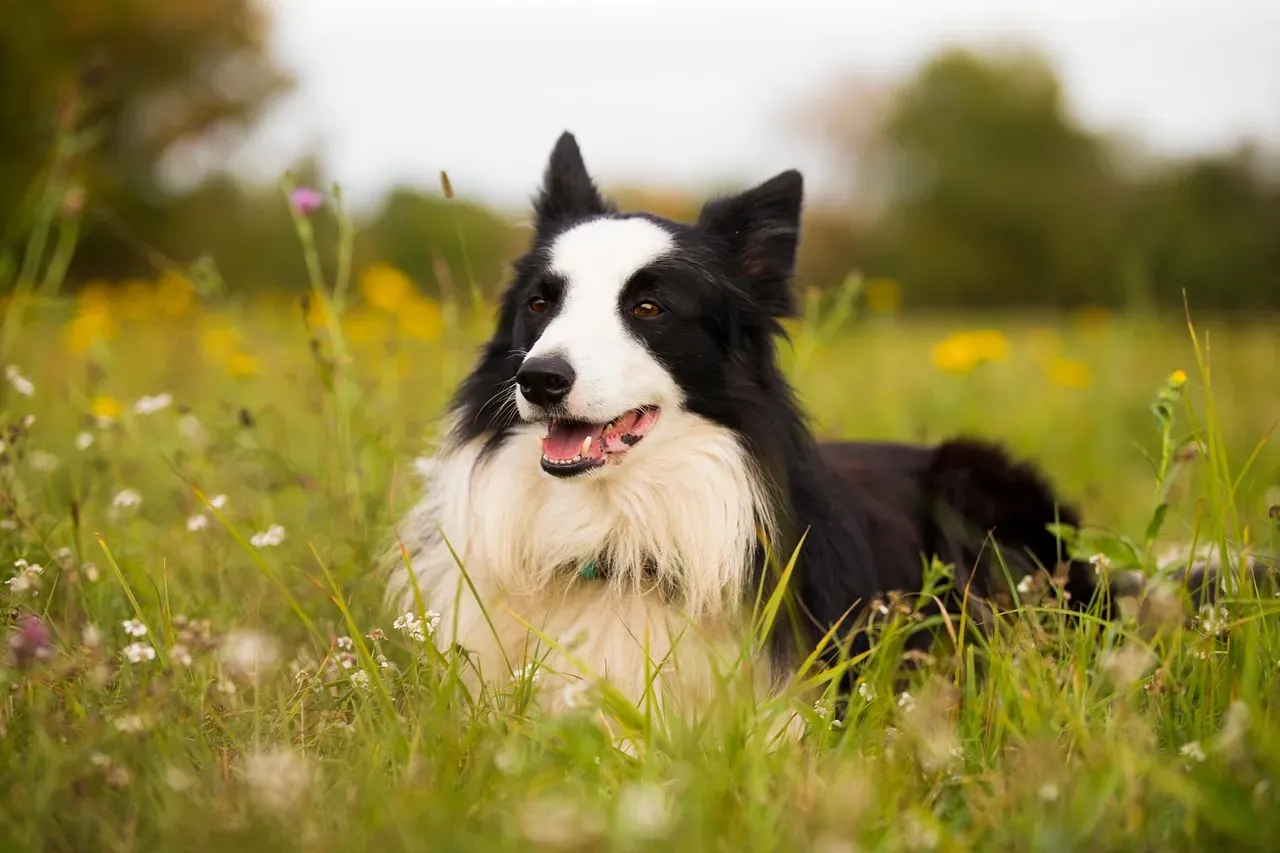
Honestly, if dogs had a valedictorian, it would be the Border Collie. Border Collies are the brainiacs of the dog world – most people consider them to be the smartest dog breed. Besides being highly intelligent, they are also known for their endurance, energy, loyalty, and friendliness. Sounds dreamy, right? Well, hold on.
In most cases, if a Border Collie is not given enough daily mental stimulation, they will begin showing unwanted behaviors such as barking, digging, and chewing on furniture. We’re talking chewed baseboards, reorganized laundry, and a dog that has essentially taken over your household schedule.
Due to their strong herding instinct, Border Collies might engage in behaviors such as nipping at heels or trying to herd family members or other pets. It can feel alarming, but it’s just instinct knocking on the door – loudly. To address this, engage them in activities that channel their herding instincts positively, such as agility training or herding sports. Redirect their attention with obedience training and teach a solid “leave it” or “off” command.
2. Poodle – Don’t Let the Curls Fool You
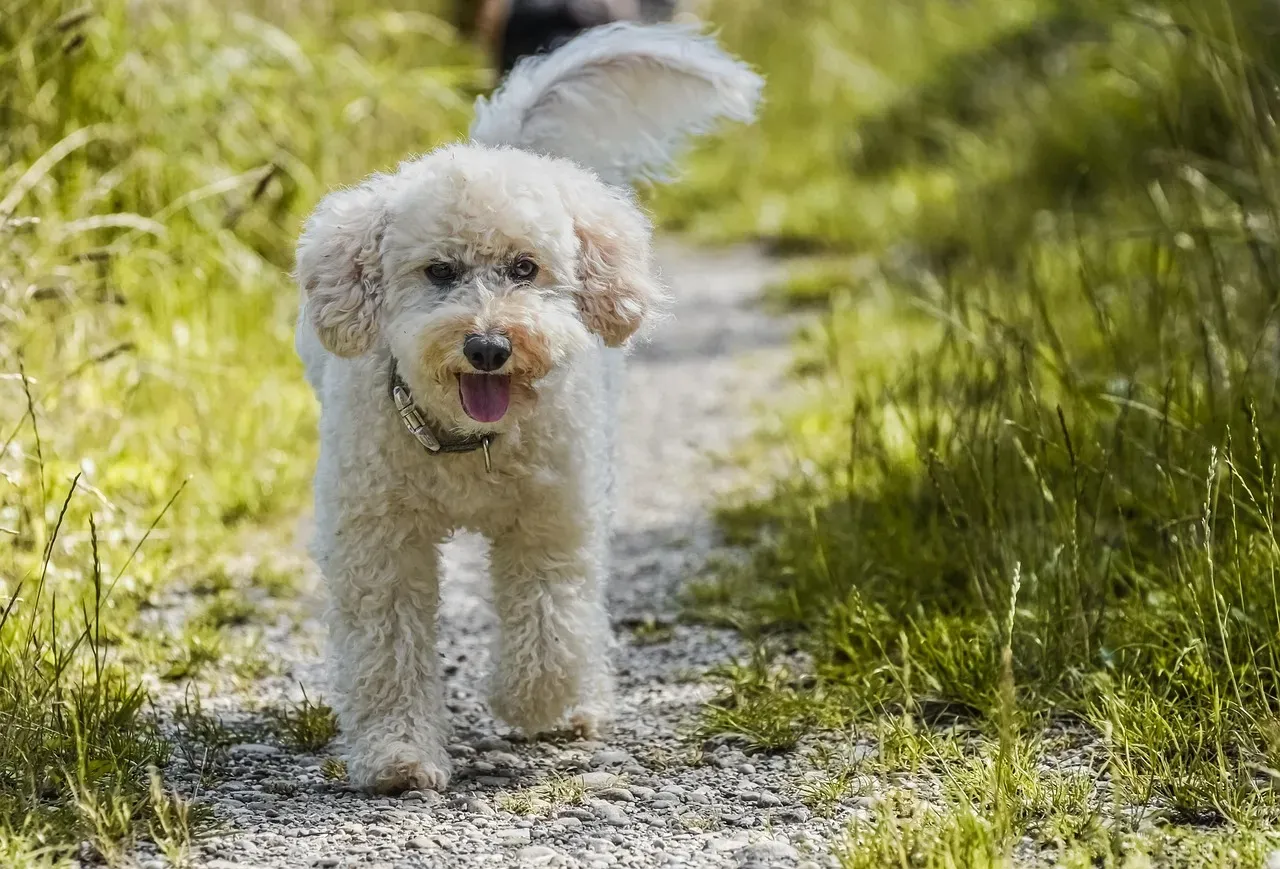
The Poodle is one of the most misunderstood dogs on the planet. People see the fancy haircuts and the prancing walk and think “show dog.” What they don’t see is an incredibly strategic mind working overtime. Originally bred as a hunting dog, Poodles have a long history of working alongside their humans. Present-day Poodles might be a more common sight curled up on the couch at home, but these smart pups are still frequently at the top of the winner’s podium at obedience and agility competitions.
Without consistent stimulation, Poodles may develop behavioral issues such as excessive barking or destructive chewing. Toy and Miniature Poodles, in particular, can be prone to anxiety if not properly socialized from a young age. Think of a Poodle like a brilliant teenager – ignore their need for engagement and you’ll regret it. Give them a challenge and they’ll absolutely shine. Without proper training, these bright dogs are sure to assume the alpha role in your house; it’s best to keep them engaged through activities like puzzles, agility training, and word recognition.
3. German Shepherd – The Dog Who Evaluates You First
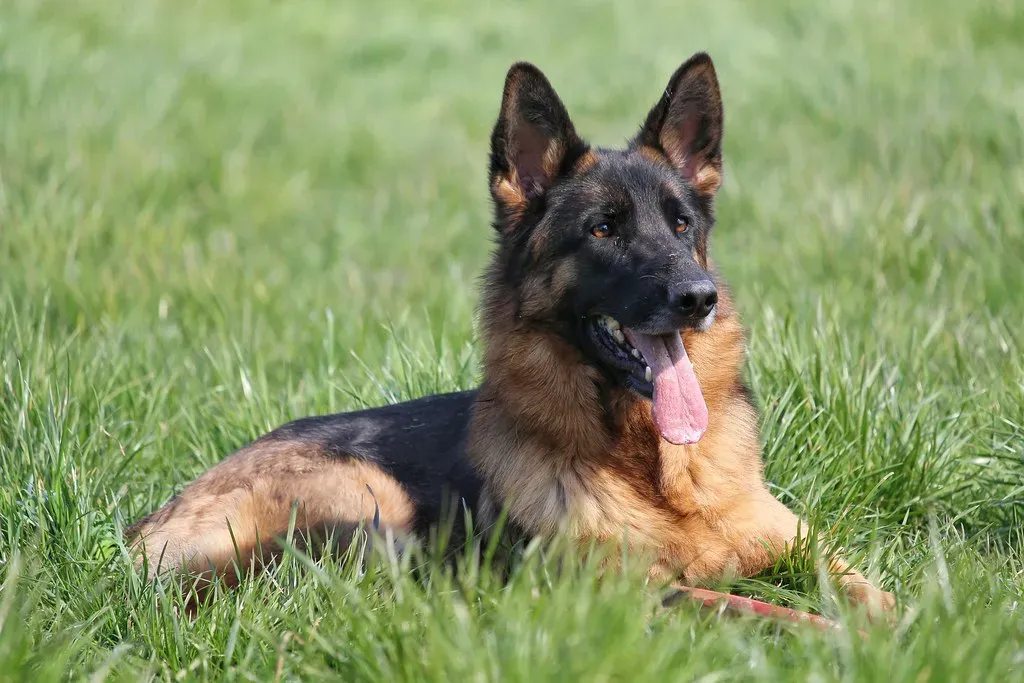
Let’s be real about something – when you first meet a German Shepherd, it’s evaluating you. Not aggressively, just… methodically. German Shepherds are considered one of the smartest dog breeds due to their exceptional intelligence, trainability, and versatility. Their instincts from hundreds of years protecting flocks are still intact today. Because of years spent problem-solving in the field, the adaptable and hard-working German Shepherd still excels in demanding jobs like police and military work or search and rescue missions.
Without structure, their intelligence turns mischievous. A bored German Shepherd is a force of organized chaos. They need purpose, daily mental challenges, and consistent training. They are quick learners who thrive on structure and purpose. With the right training, they can perform advanced tasks and remain focused in high-pressure environments.
4. Australian Shepherd – The Escape Artist With a Work Ethic
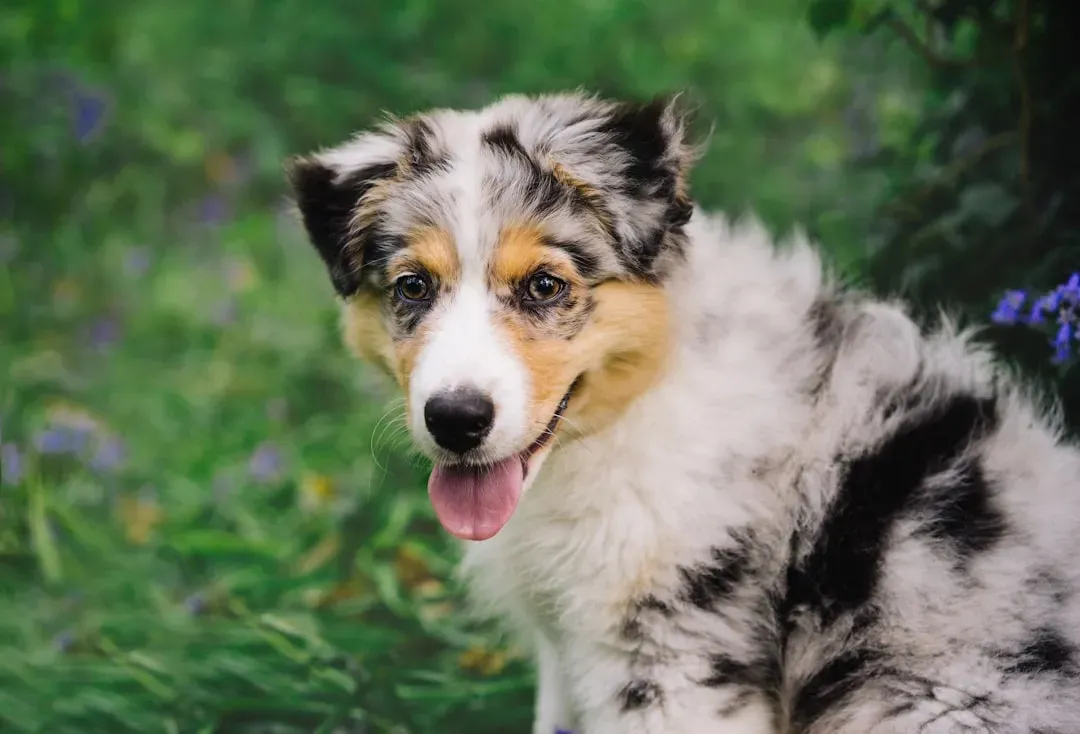
Australian Shepherds – or Aussies, as their devoted fans call them – are magnetic, gorgeous, and absolutely relentless. Aussies love having a job, whether it’s herding livestock, running agility courses, or learning new tricks. They figure out how to get what they want – whether that’s opening doors, escaping fences, or outsmarting their owners in training.
Aussies require daily physical exercise, or their intelligence will be channeled into undesirable behaviors like excessive barking, chewing, or herding children and other pets. That’s not a warning, that’s a guarantee. Imagine hiring a highly trained employee and giving them absolutely nothing to do. Australian Shepherds are known to be one of the most intelligent dog breeds recognized by the American Kennel Club, and are renowned for their obedience, agility, and excellence in herding and other active sports. They need a role that matches their capability.
5. Doberman Pinscher – Built for Brilliance, Demanding of Respect
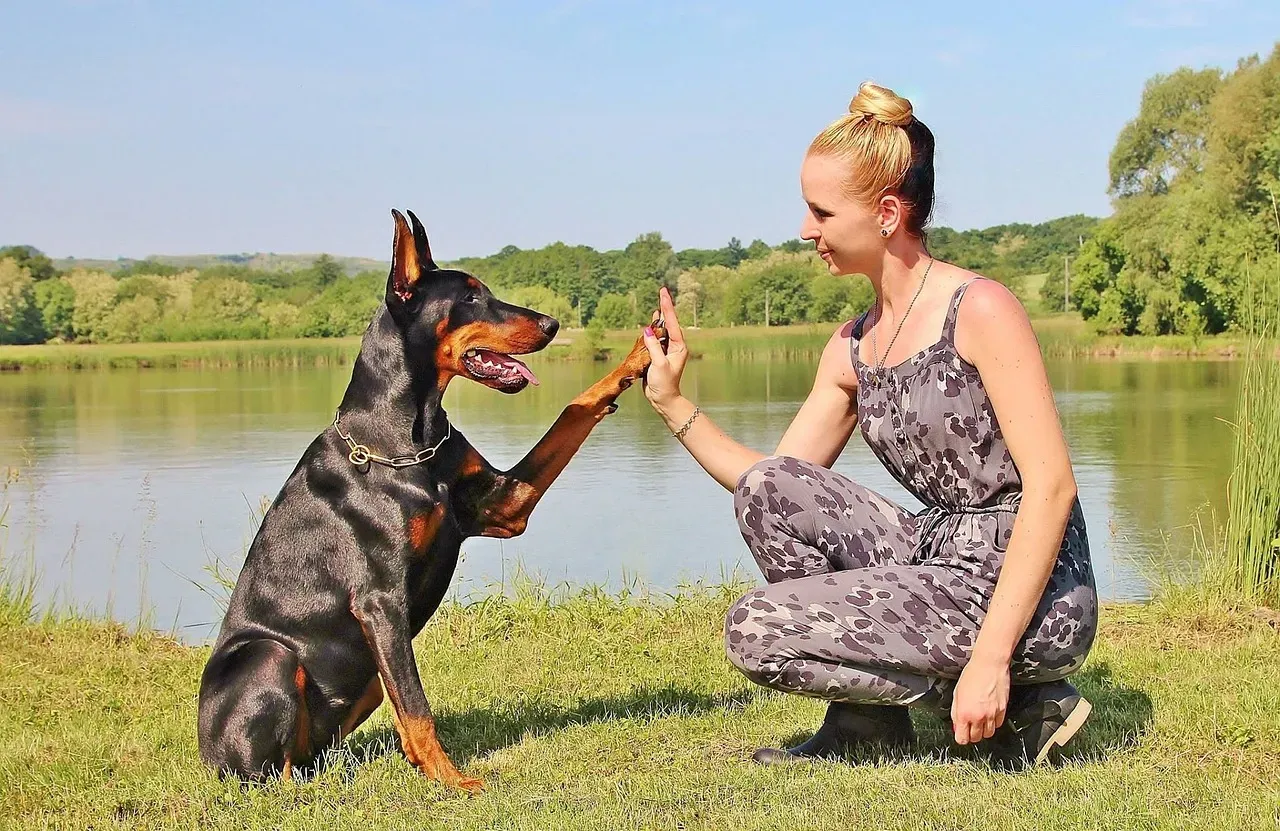
The Doberman has a reputation that often runs ahead of the actual dog. In reality, this breed is sensitive, deeply loyal, and extraordinarily sharp. The Doberman Pinscher was originally bred in the late 1800s as a personal protection dog. The goal was to develop a breed that combined intelligence, loyalty, speed, strength, and endurance into one dependable guardian.
Remaining busy, both physically and mentally, is essential for the Doberman Pinscher, as they learn quickly and training comes easily to them. However, due to their rapid learning, keeping training sessions engaging and fresh can be a challenge. Basically, you can’t recycle the same lesson twice. Early socialization is vital for Dobermans, involving exposure to diverse people, environments, and experiences during their formative months. This process helps ensure that they mature into well-rounded and well-behaved dogs.
6. Shetland Sheepdog – The Empath Who Notices Everything
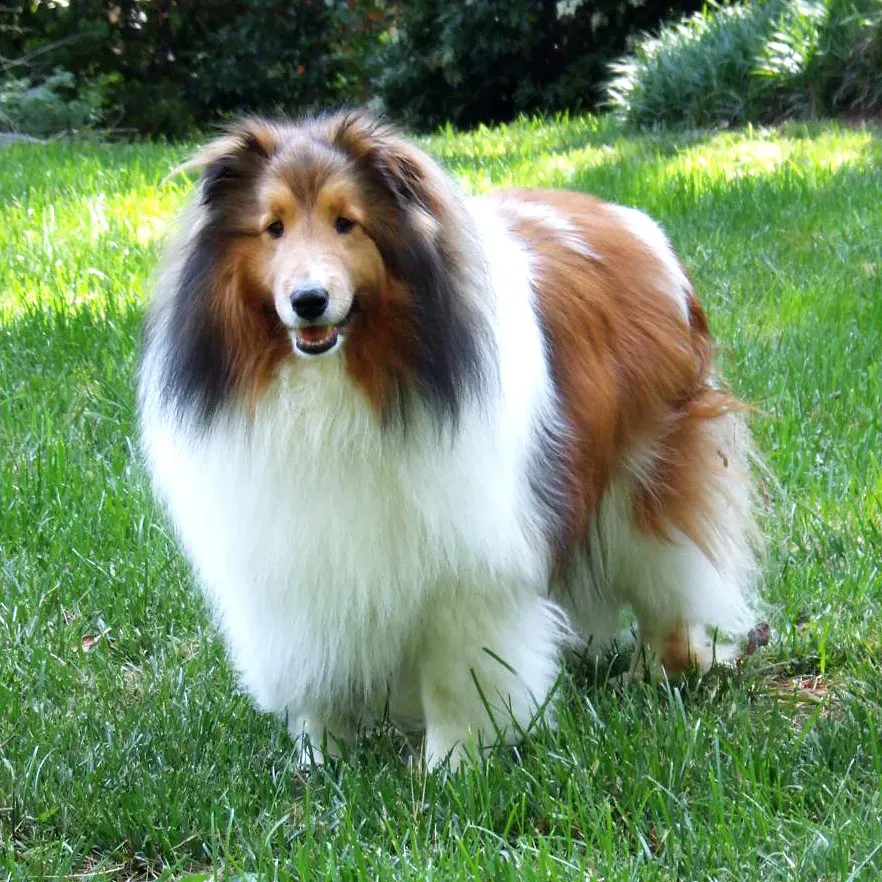
Shelties look like a miniature Rough Collie pulled straight from a fairy tale. But beyond the fluffy exterior lives a highly perceptive, emotionally tuned-in dog that will notice things you didn’t even realize happened. Shetland Sheepdogs are known for their high intelligence, trainability, and excellent problem-solving skills. Also known as Shelties, these quick learners excel in herding, agility, obedience, and working as therapy dogs.
Shetland Sheepdogs are highly observant and sensitive to their owners’ emotions. They quickly pick up on cues and excel in obedience. Their empathetic nature and keen intelligence make them great companions for training. That sensitivity, though, cuts both ways. Harsh tones or inconsistent handling can shut a Sheltie down emotionally. Sensitivity is something to watch for – harsh tones can shut them down. Gentle guidance works best.
7. Golden Retriever – Friendlier Than You Think, Smarter Than You Expect
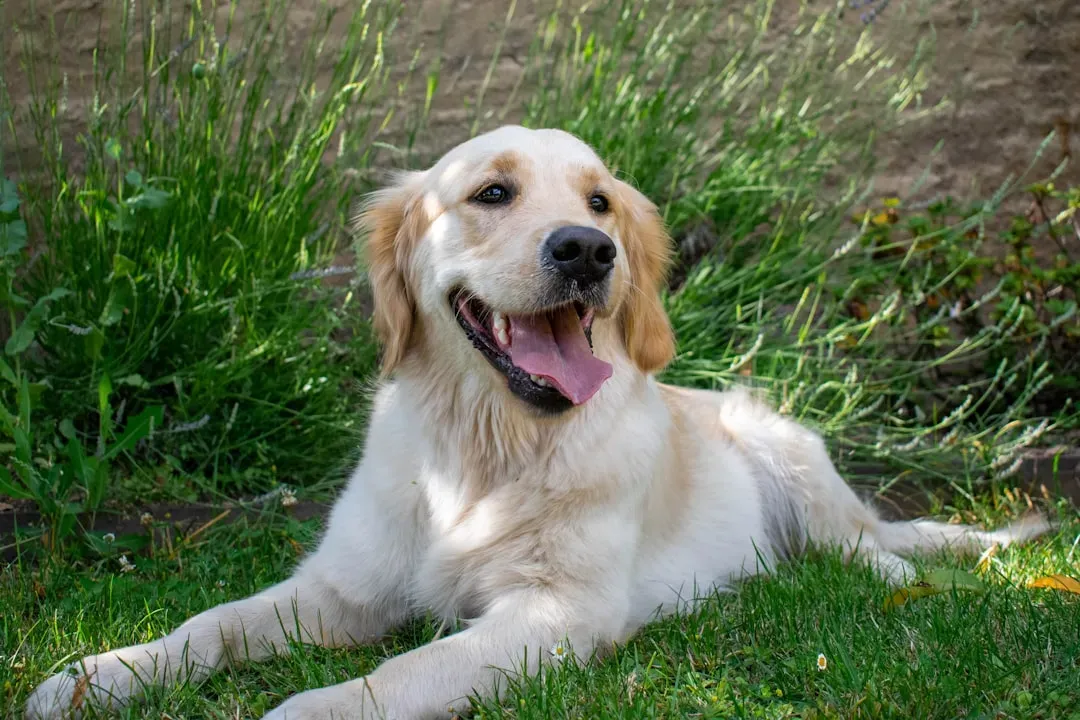
Everybody loves a Golden. They’re the warm hug of the dog world. But people often underestimate just how cognitively capable these dogs really are. Golden Retrievers combine intelligence with a gentle temperament. They understand commands quickly and retain them long-term. Because they read human facial expressions well, they excel as therapy and assistance dogs.
Goldens possess remarkable emotional intelligence alongside strong learning capabilities. They excel at reading human emotions, making them outstanding therapy and service dogs. Because they’re so eager to please, under-stimulated Goldens tend to redirect that energy into counter-surfing, obsessive chewing, or needy behavior. Labrador Retrievers and Golden Retrievers top the list for first-time owners – they’re forgiving of mistakes, highly food-motivated, and emotionally attuned. Just don’t mistake “forgiving” for “needing nothing.”
8. Labrador Retriever – The Foodie Genius You Underestimate

Labs are often typecast as simple, happy-go-lucky goofballs. And yes, they’re absolutely joyful. But there’s serious intelligence under that wagging tail and those soulful eyes. Labs have a long history of working alongside their humans to hunt and retrieve, meaning they’re instinctually perceptive and quick to learn. With adequate training, Labs can become champions in retrieving, obedience, and service and therapy work.
A bored Labrador is basically a four-legged tornado with a nose. They’ll find the food, they’ll find the bin, they’ll find whatever you’ve hidden and they’ll look utterly delighted about it. Without puzzles, training games, or jobs, intelligent breeds often develop anxiety or destructive habits – chewing, digging, barking – out of sheer boredom. Feed the brain. Your sofa will thank you.
9. Belgian Malinois – Not for the Faint-Hearted
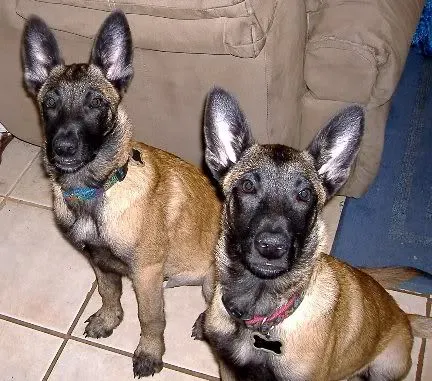
I’ll be honest with you here – the Belgian Malinois is not your average family dog. This breed is in a category of intensity that deserves full transparency before anyone considers bringing one home. Belgian Malinois are one of the most confident, intelligent, and hard-working dog breeds. These traits can make them phenomenal pets – if they’re in the right household. Belgian Malinois dogs need a dedicated and experienced pet parent who is excited to share an active lifestyle with a four-legged companion.
Belgian Malinois require constant daily training to help minimize any behavioral issues and keep their mind engaged. Consistent training and socialization should start as early as possible and continue throughout their life. This ensures good manners and provides your Malinois with the mental stimulation they need to feel happy and fulfilled. They’re not wired to just hang out. Belgian Malinois also have a high prey drive, making them extremely interested in moving objects. This can lead to chasing after cars, other animals, and even children.
10. Rottweiler – Misunderstood Mastermind

The Rottweiler doesn’t get nearly enough credit for being the emotionally deep, intelligent dog that it truly is. The Rottweiler is a powerful working breed with deep roots in Roman and German history. Originally bred in Rottweil, Germany, these dogs were used to herd cattle and pull heavy carts filled with butchered meat to market. Even as industrialization reduced their traditional roles, Rottweilers retained their strong work ethic and natural instinct to guard and protect.
While they are deeply loyal to their families, their protective instincts can sometimes be misinterpreted as aggression. Without proper training and socialization, fear-based behaviors can emerge. However, with the right guidance, Rottweilers are affectionate and disciplined companions. They need a calm, consistent leader – someone who earns their respect rather than demands it. Their need for structure and an authoritative yet gentle hand makes them excellent guardians when correctly raised.
11. Australian Cattle Dog – The Tenacious Little Genius

Here’s a breed that could probably run your household if you let it. The Australian Cattle Dog, also known as the Blue Heeler or Red Heeler, is tireless, clever, and hilariously determined. Known as a Blue, Red, or Queensland Heeler, the Australian Cattle Dog is related to the Australian wild Dingo. A tenacious herding breed with boundless energy, this dog relies on constant challenges.
Medium-sized and athletic, often with cute speckles on their fur, Australian Cattle Dogs were bred to work and perform difficult tasks. Nowadays, as the American Kennel Club reports, they are “famously smart.” It’s said that they often “outsmart” their owners. If your ACD isn’t working, they’re scheming. Keep them busy with agility, herding exercises, or interactive puzzle feeders. Daily 15-minute training sessions, puzzle feeders, and scent work prevent destructive boredom behaviors. Rotate activities weekly to maintain engagement.
12. Siberian Husky – The Dramatic Intellectual Who Doesn’t Obey You
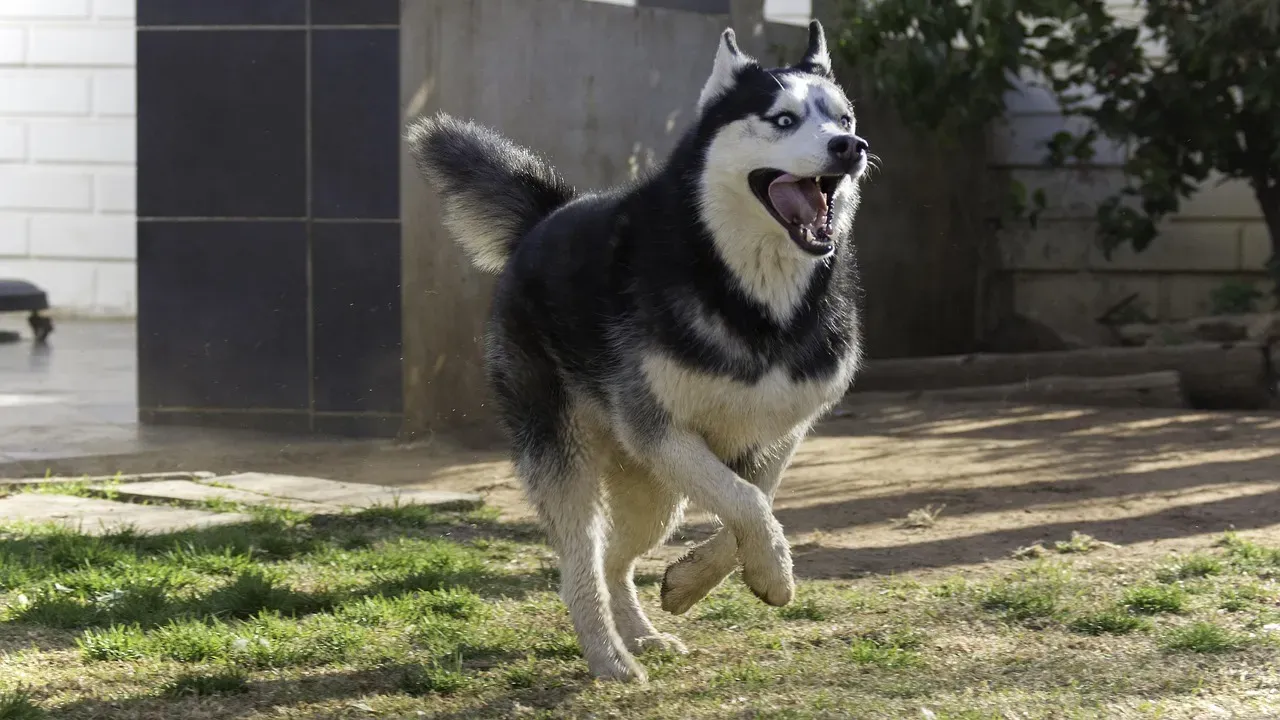
Calling a Husky smart is technically accurate, but their intelligence is a very different kind. Where a Border Collie asks “What would you like me to do?”, a Husky essentially asks “What’s in it for me?” Bred by the Chukchi people of Russia for sled-pulling, they possess a remarkable combination of endurance and speed. Their social and friendly nature, however, masks a strong independent streak, making training a challenge for the unprepared.
Huskies are far from being low-maintenance dogs. This high-energy breed requires a lot of exercise and is prone to bolting out the door. They are also very intelligent and skilled escape artists with a strong will that can lead them to ignore you in favor of doing whatever they want. Honestly, it’s hard not to admire them a little for the sheer audacity. Intelligent and energetic, these dogs are well known for their “talkative” nature and tendency to throw tantrums when they aren’t getting their way. These behaviors may be cute and funny initially, but they quickly become frustrating for inexperienced owners who don’t know how to work with these strong-willed dogs.
The Takeaway: Brilliance Comes With Responsibility
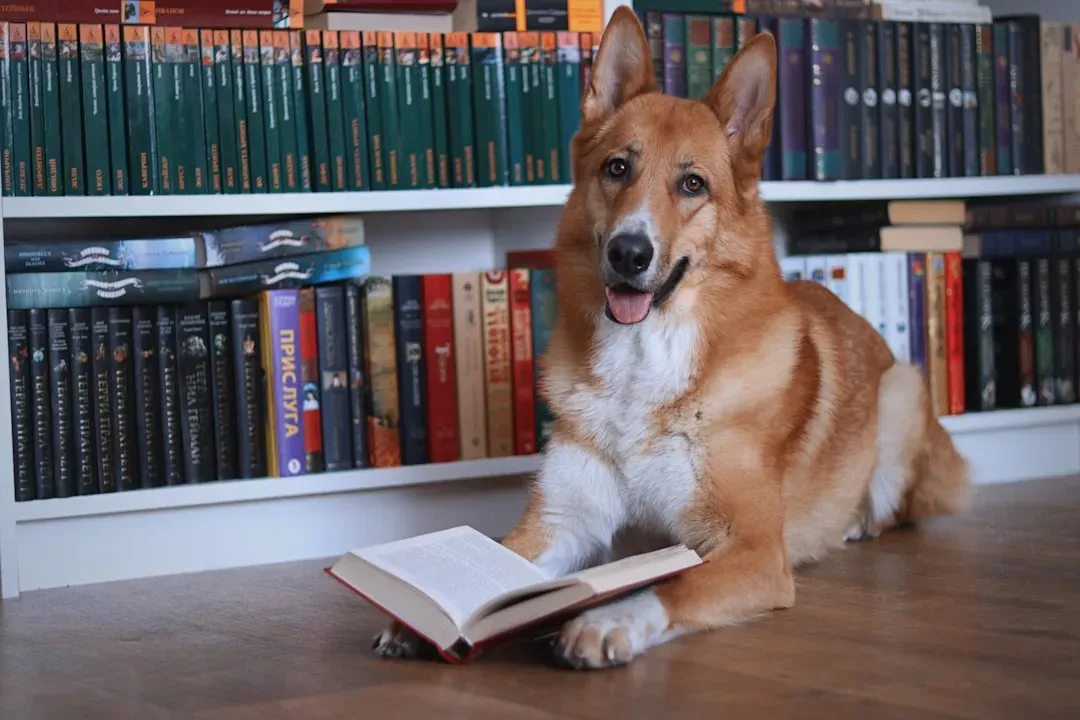
Every single dog on this list is extraordinary. They are loyal, passionate, and capable of forming bonds with their humans that feel almost spiritual. But they all share one non-negotiable truth: owning a highly intelligent dog is rewarding but requires dedication. These breeds need consistent mental engagement, structured activities, and ongoing challenges to prevent behavioral issues caused by boredom.
It’s worth remembering that high intelligence doesn’t guarantee easy training. Smart dogs get bored with repetition and may manipulate owners by pretending not to understand uninteresting commands. They’re not being defiant. They’re being brilliant. Your job is to stay one step ahead – or at least try.
The best gift you can give an intelligent dog isn’t a fancy toy or even more square footage. It’s your time, your consistency, and your willingness to grow alongside them. The smartest dogs often don’t make the best pets for everyone. Your job is to find a breed that suits your lifestyle and to focus on bringing out the best in your dog. So – do you think you’re ready for a dog that might just be smarter than you? Tell us in the comments which breed has challenged you the most!


