

You love your dog more than most people in your life, and honestly, that’s completely valid. You buy the good treats, you talk to them like they understand every word (they kind of do), and you’d cancel plans just to stay home and cuddle them. So it’s a little hard to hear that some of the things you’re doing with the best of intentions might actually be stressing your pup out.
Here’s the thing: dogs don’t stress the same way we do. They can’t scroll through their phones, vent to a friend, or take a long bath. Instead, they show it through behavior, body language, and sometimes, by quietly falling apart in ways we barely notice. The signs of anxiety in dogs are often subtle and can easily be misinterpreted unless the full context is understood. That’s why it matters so much to get informed. Let’s dive in.
Being Inconsistent With Rules and Commands

Imagine going to work every day not knowing whether your boss wants you to wear a suit or jeans. That’s basically what your dog experiences when the rules keep changing. Consistency is the cornerstone of effective dog training, yet many dog owners unknowingly send mixed signals. Allowing a dog to jump on guests one day but scolding them for it the next creates confusion. This inconsistency can lead to anxiety and stress, as the dog struggles to understand what is expected of them.
Inconsistent discipline can confuse your dog and cause stress. For example, if one family member says it is not okay to bite hands when playing, but another says it is, what is a puppy to do? Negative discipline techniques can cause confusion and actually result in new problems. The fix is simple: get everyone in the household on the same page, use the same commands, and enforce the same rules every single time. Your dog will feel safer for it.
Punishing Your Dog After the Fact

You come home, find a chewed-up shoe, and your dog gets a stern telling-off. Feels logical, right? Not to your dog. If you come home and your dog has had an accident, they will have already performed multiple behaviors since it happened. Punishing them hours later will only confuse them, as they won’t associate the telling off with their early misbehavior.
When dogs are punished for undesirable behaviors without understanding what they did wrong, they can become fearful of their owners and the training process. This fear can manifest in behavioral issues that are far more challenging to address than the original problem. Think of it like this: delayed punishment is like getting a parking ticket for something you did three weeks ago. It just breeds confusion, and in dogs, confusion quickly turns into anxiety.
Misreading “Stubborn” Behavior as Defiance

So many dog owners tell me their dog is being stubborn. They say their pup won’t listen, won’t come when called, or refuses to walk. But here’s what’s really going on. In a lot of these cases, puppies or dogs are not being “stubborn,” but are actually anxious or fearful of the situation they have been put in. Not being able to recognize when your dog is fearful is a big mistake that can be costly. If you are pushing your dog to do something and they are afraid, they could end up biting you or another dog or person.
Most obedience issues are not defiance. They are misunderstandings or motivation problems. Correcting a dog who does not understand a request reduces trust and increases stress. The next time your dog seems uncooperative, take a breath and ask yourself: is my dog confused, overwhelmed, or scared? The answer is usually one of those three.
Not Providing Enough Mental Stimulation
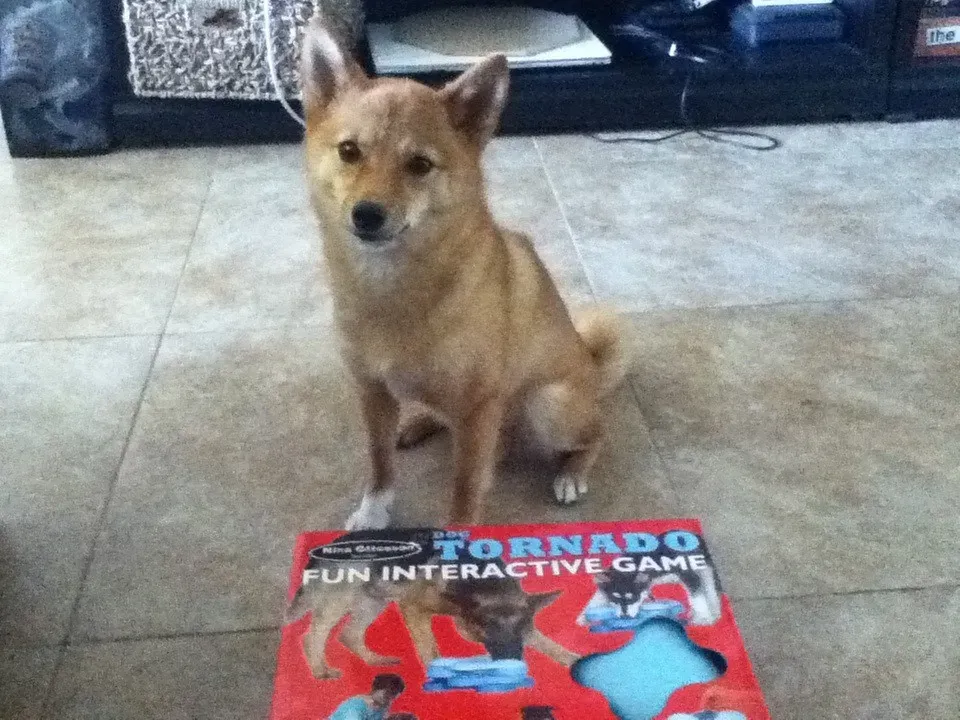
A walk around the block is great. But for many dogs, it’s just not enough. Think of mental stimulation as brain food. Without it, your dog’s mind goes somewhere it probably shouldn’t, like your furniture, your trash can, or your sanity. Dogs are natural scavengers and hunters. Without a productive outlet for their energy or enough mental stimulation, anxiety and destructive behaviors can manifest. Activity toys, particularly food-based ones, can be a great way to challenge them mentally and occupy their time.
Puzzle feeders, scent games, and short training sessions are all incredible tools that tire a dog out mentally in the best way possible. Keeping your dog mentally stimulated is just as important as giving them daily walks and physical exercise. Mental enrichment keeps your pup sharp, reduces boredom, and prevents unwanted behaviors. A bored dog is a stressed dog. Give that big beautiful brain something to do.
Skipping or Rushing Proper Socialization

Socialization is one of those things that sounds simple but is genuinely easy to get wrong. Many owners think it means letting their dog say hi to every person and dog they pass. That’s actually not it. Proper socialization is about exposure to a variety of environments, sounds, surfaces, people, and controlled interactions, not letting every dog run up and say hello. Over-socialization in chaotic settings can actually create reactivity or insecurities later. Quality over quantity makes the difference.
Dogs need exposure to diverse environments, people, and other animals to develop proper social skills. Failure to socialize a dog properly can lead to fear, aggression, or anxiety issues later on. Proper socialization is key to a well-adjusted and happy canine companion. Think of it as slow, intentional exposure rather than throwing your dog into the deep end and hoping for the best. Calm, positive experiences are the building blocks of a confident dog.
Ignoring Your Dog’s Stress Signals

Dogs are constantly talking to us. The problem is we’re often not listening closely enough. Stress signs to look for include whale eye (when dogs reveal the whites of their eyes), tucked ears or tail, raised hackles, lip-licking, yawning, and panting. Your dog might also avoid eye contact or look away. These signals are your dog’s version of saying “I’m not okay right now.”
Dogs yawn when they are tired or bored, and they also yawn when stressed. A stressful yawn is more prolonged and intense than a sleepy yawn. Dogs may also drool and lick excessively when nervous. The moment you spot those cues, the best thing you can do is remove your dog from whatever is causing the discomfort and give them space to decompress. Don’t push them further into the situation. Listen to what they’re telling you.
Leaving Your Dog Without a Predictable Routine

Dogs thrive on routine. Honestly, more than most of us do. When mealtimes, walks, and bedtime are unpredictable, dogs can start to feel genuinely unsettled, and that unsettledness builds into chronic anxiety over time. Lack of predictability and scheduling can result in anxiety and undesirable behaviors. Knowing when to expect interaction, activity, and attention can help your pet feel like they are in control of their environment.
Experienced owners usually understand daily structure is calming to dogs. First-timers often give a new dog tons of freedom right away, roaming the house, greeting everyone, sleeping wherever, and choosing their own pace. While well-intentioned, this can create anxiety and confusion. Clear patterns like routines, boundaries, and predictable interactions help dogs settle faster and behave more confidently. A simple consistent schedule is one of the most loving gifts you can give your dog.
Using Outdated Training Methods Based on Dominance

Let’s be real: the whole “alpha dog” thing has been thoroughly debunked. Yet plenty of well-meaning owners still try to “show their dog who’s boss” through intimidation or force-based techniques. Some people still rely on outdated techniques, such as dominance-based training or punishment. These methods, rooted in the now-debunked “alpha dog” theory, cause unnecessary stress. Dominance-based training operates on the mistaken belief that dogs are constantly seeking to assert dominance over their owners. This method is not only ineffective but also harmful, as it fails to address the underlying causes of unwanted behaviors and instead suppresses them through fear.
If someone suggests you need to be tougher or “Alpha,” you should ignore that advice and go back to better management and reward-based methods. People who choose to punish their dogs for disobedience tend to experience the most dog-to-human aggression. Modern, reward-based training works with your dog’s natural instincts, not against them. It builds trust, and trust is everything in your relationship with your pup.
Conclusion: Your Dog Is Always Communicating, Are You Listening?

None of these mistakes come from a bad heart. Every single one of them comes from love paired with a little missing information. Most dog behavior issues do not appear overnight. They develop through repetition, stress, and misunderstanding. They start with unrealistic expectations and poor management. The good news? Most of them are incredibly fixable once you know what to look for.
Your dog doesn’t need perfection. They need consistency, patience, and an owner who is willing to keep learning. Dogs that feel secure and emotionally supported are more likely to be responsive to training, exhibit fewer behavioral problems, and develop stronger bonds with their owners. That kind of relationship, built on real understanding, is what separates a stressed dog from a truly happy one.
Start small. Pick just one habit from this list to work on this week. Watch your dog’s body language shift. You’ll feel it when something clicks, and honestly, there’s no better feeling in the world than seeing your pup finally exhale and settle in peace. What do you think about it? Share your experiences and tips in the comments below!


