
Picture this. You’re out on a quiet afternoon walk with your dog, the one who snuggles with you on the couch and gives the gentlest kisses. Then, out of nowhere, a stranger passes by and your dog lunges, barks ferociously, and you’re left standing there, mortified, yanking the leash and muttering apologies. Sound familiar? You’re not alone, and more importantly, your dog is not broken.
What most people don’t realize is that what looks like aggression is often something much deeper and much more heartbreaking: pure, unfiltered fear. Understanding what’s actually going on inside your dog’s head in these moments can be a genuine game changer, for both of you. So let’s dig in.
It’s Not Aggression. It’s a Cry for Help.
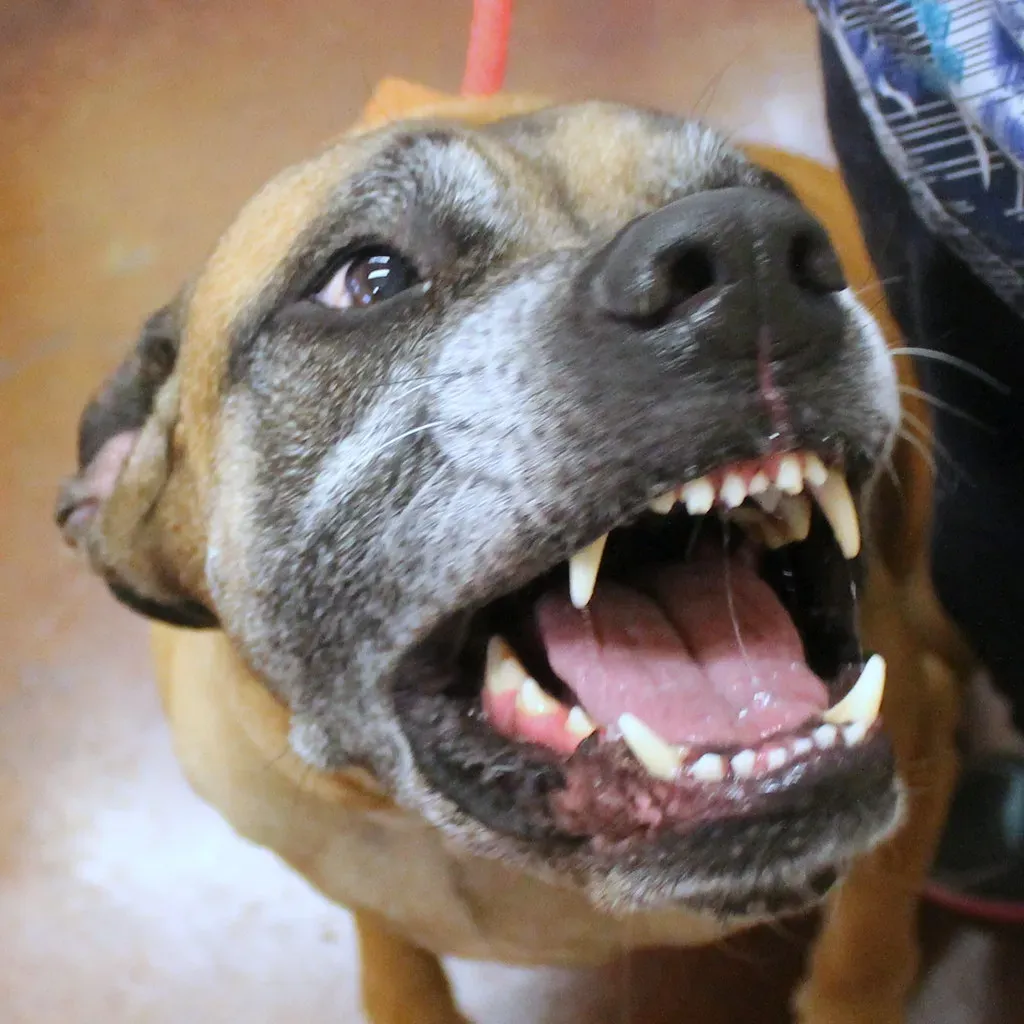
Here’s the thing most people get completely wrong. Dogs that display aggression are not mean or bad dogs. They are simply afraid, fearful, and anxious about a perceived or anticipated threat or unpleasant outcome. That growling, snarling dog on the end of your leash? He’s scared. Full stop.
Fear aggression happens when a dog wants to increase distance between himself and a trigger, commonly another animal or a human. He’s essentially saying he doesn’t want to engage and that the other party should keep their distance. Think of it like someone with a severe phobia of spiders suddenly finding one inches from their face. The reaction is instinctive, not calculated.
When a dog’s initial signs of fear are ignored, he may exhibit more intense and difficult-to-ignore behaviors, such as jumping up, lunging, or biting. After repeated exposure to threats or situations where the pet feels overwhelmed and fearful, his behavior can easily escalate to aggression without much warning. The dog isn’t trying to be a villain. He’s just desperately trying to feel safe.
The Warning Signs You’re Almost Certainly Missing
I’ll be honest, most dog owners don’t catch the early signals until it’s too late. Before fear-aggressive dogs growl, snap, or bite, they often exhibit early warning signs that they are uncomfortable. If you catch these early signs, fear aggression can actually be prevented. That’s a big deal.
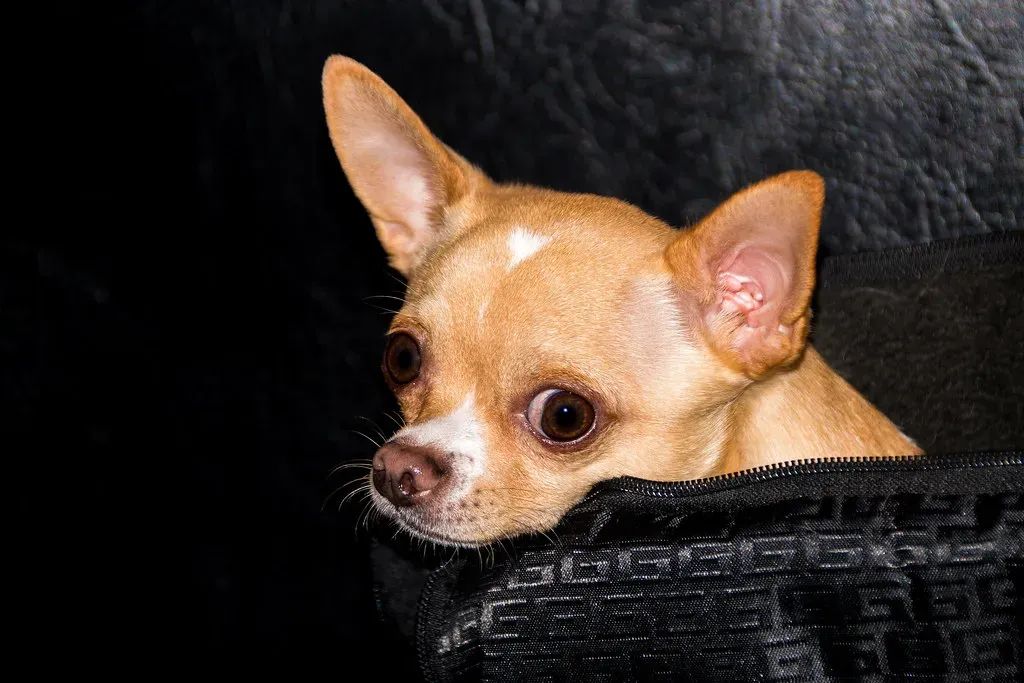
Body language cues can include a lowered or tucked tail, ears pulled back, wide eyes with large pupils known as “whale eye,” a wrinkled brow, tense face or body, a low and slow wagging tail, or crouched positioning. Behaviors that may indicate fear also include tremors, panting, standing still, looking away, freezing, and pacing or agitation.
It’s important to note that a wagging tail does not necessarily mean the dog is friendly. Aggressive or nervous dogs may also wag their tail. Generally speaking, a happy dog will have a wiggly backend with a loose tail wagging in a wide arc. An aggressive dog’s wag is narrower, and his tail and body will be stiffer. Learning this difference alone could prevent so many scary situations.
Why Does Fear Turn Into Aggression Towards Strangers Specifically?
Strangers are unpredictable. And dogs, bless them, are creatures that deeply crave predictability. Both familiar and unfamiliar people, particularly if they are invading a dog’s personal space, can cause a dog to become fearful and aggressive. Bending over the dog, reaching toward him, hugging, or petting may cause the dog to feel trapped and uncomfortable, similar to a person who receives unwanted attention from a stranger.
People wearing clothing or carrying objects that alter their appearance, such as hats, sunglasses, or bags, or those who appear or behave in an unfamiliar way, like wearing a uniform or costume, limping, or dancing, may cause a fear reaction in dogs. Honestly, it sounds almost funny until you realize how genuinely terrifying these things can feel to a dog who doesn’t understand human context.
Fast, sudden, or unexpected movements and sounds can trigger fear or fear aggression in some individuals. This includes people who move quickly or unexpectedly, such as visitors standing up, joggers, or skateboarders, and those who make loud noises like cheering. So the friendly neighbor who just waved enthusiastically? Yeah, your dog might not have seen it that way.
What Actually Causes a Dog to Develop Fear Aggression?

The roots of fear aggression run deep, and they’re often planted long before the dog even comes home with you. A dog may have received inadequate socialization as a puppy, may have been exposed to early traumatic experiences, may have experienced punishment such as having his leash tugged while wearing a choke or prong collar, or may have a genetic predisposition that makes him more likely to respond fearfully in certain situations.
Aggression often does not manifest right away and generally begins to show as the dog moves into adulthood. According to the ASPCA and AHAA, this can be anywhere from one to three years of age, depending on the size and breed mix of the dog. This is why so many owners are blindsided. Their once-friendly puppy seems to change personality overnight.
If dogs are experiencing pain, chronic inflammation, or other imbalances due to a medical condition, they may exhibit aggressive behavior even in non-threatening situations. The first step to address this issue is to take them to a veterinarian for a comprehensive examination, including bloodwork, to determine whether the aggression is a symptom of an underlying infection, hormone imbalance, an unseen injury, or a reaction to medication. Never skip the vet check. Never.
How to Actually Help Your Fearful, Reactive Dog
Let’s be real. There’s no overnight fix here, but there is genuine hope. The best way to stop fear aggression is to alleviate the dog’s fear. With the help of a behavior professional, you can use techniques such as desensitization and counter-conditioning to improve the symptoms long-term. These aren’t just buzzwords. They work when applied consistently and with patience.
You cannot correct fear or aggression with punitive measures such as scolding or physical correction through a choke, pinch, or shock collar. The use of punitive techniques can inhibit the dog’s behavior in your presence and even teach him not to exhibit warning signals, where the dog then bites without warning in the future. This is critically important. Punishing a scared dog is like yelling at someone having a panic attack. It only makes things worse.
Set your dog up to be successful by actively preventing situations that your dog finds threatening. For example, if your dog is nervous around new people, confine him to another room with a treat or toy when you have visitors. Small, thoughtful management steps like this make a bigger difference than most people expect.
Conclusion: Your Dog Needs Understanding, Not Judgment

If there’s one thing I want you to walk away with today, it’s this: your dog’s sudden aggression toward strangers is almost certainly rooted in fear, not malice. Canine fear aggression is a treatable but serious emotional condition that impacts the welfare and quality of life of both you and your dog. Understanding that your dog is acting out of fear, catching early signs of anxiety, and working with a behavioral professional to implement a tailored behavior modification plan will improve the odds of successfully overcoming fear aggression.
Your dog isn’t trying to embarrass you on that walk. He’s trying to survive what feels, to him, like a very scary world. With patience, the right professional guidance, and a whole lot of empathy, you can help him find his confidence again. The more effort and commitment you are willing to give, the higher the likelihood that your dog’s behavior will improve step by step. You can never truly cure an aggressive dog, but you can help ensure your dog feels much more comfortable with others coming into their space.
That’s not a small thing. That’s everything.
Has your dog ever surprised you with a sudden fearful reaction? What helped you most? Share your experience in the comments. Your story might be exactly what another struggling dog owner needs to hear today.


