
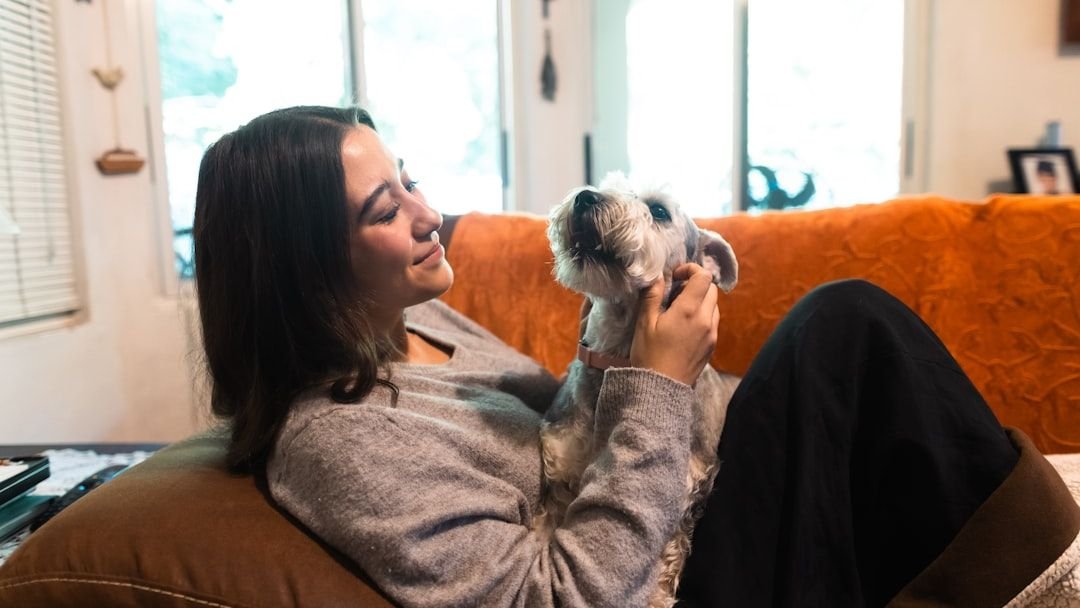
You’re standing in the kitchen, minding your business, maybe stirring a pot of pasta, and suddenly you feel it. That warm, solid, unmistakable pressure against your legs. Your dog has quietly pressed their entire body into you, almost like they’re saying something with their whole being. It’s one of those small moments that somehow feels enormous.
Most people laugh it off or reach down for an absent-minded pat. But honestly, that lean is one of the most loaded, meaningful things your dog will ever do. It’s communication. It’s vulnerability. It’s love in the most canine way possible.
So what’s really going on when your dog decides your legs are basically their personal leaning post? The answer is more layered, more fascinating, and more touching than you might expect. Let’s dive in.
It’s Their Version of a Hug (And It’s Surprisingly Scientific)
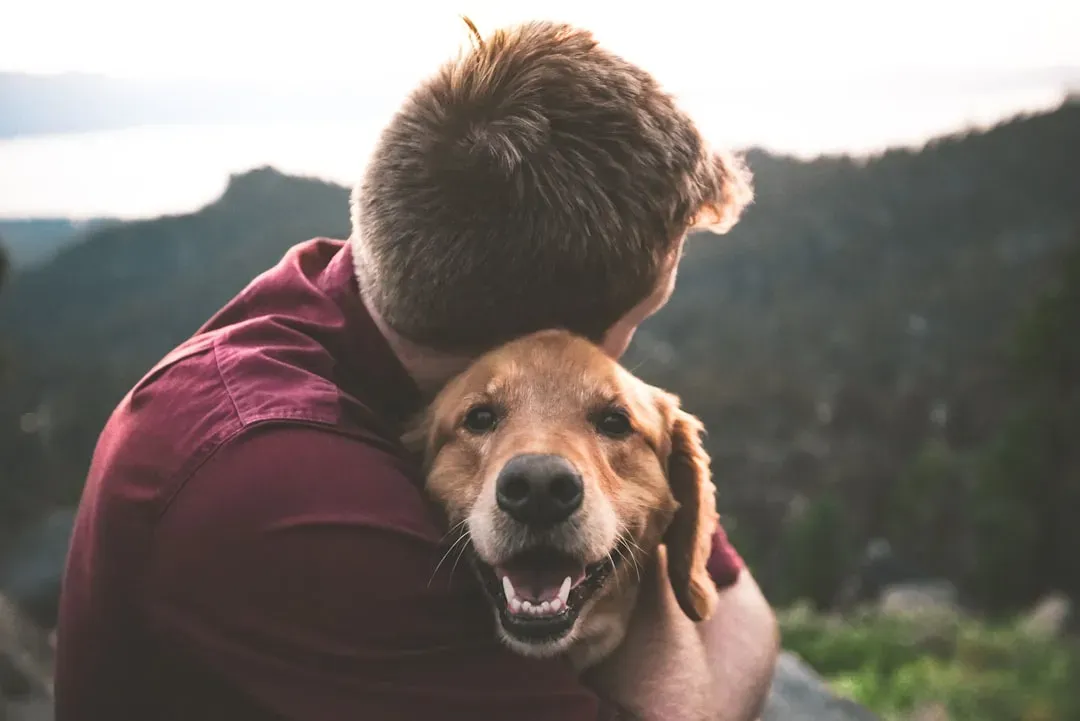
Here’s the thing about dogs: they don’t kiss, they don’t hold hands, and they will never send you a text telling you they love you. According to veterinary behaviorist Dr. Sagi Denenberg, dogs use leaning as what’s called an affiliative behavior, a way to forge social and emotional bonds. Think of it as their version of a warm embrace. It’s clunky and heavy and absolutely perfect.
Research has shown that physical contact between dogs and their humans can trigger the release of oxytocin, the so-called “love hormone,” in both species, and this hormone plays a crucial role in forming emotional bonds and fostering feelings of attachment. So when your dog leans into you, both of you are literally getting a chemistry boost. That warm fuzzy feeling you get? It’s mutual.
By far the most common reason dogs lean is plain, simple affection. Your dog loves you very much, thinks the sun rises and sets on your shoulders, and can’t talk, so they have to show affection in other ways. Leaning is one of those ways. It’s sort of a doggy hug. And honestly, I think that’s one of the most beautiful things about living with a dog.
They’re Seeking Comfort and Emotional Security
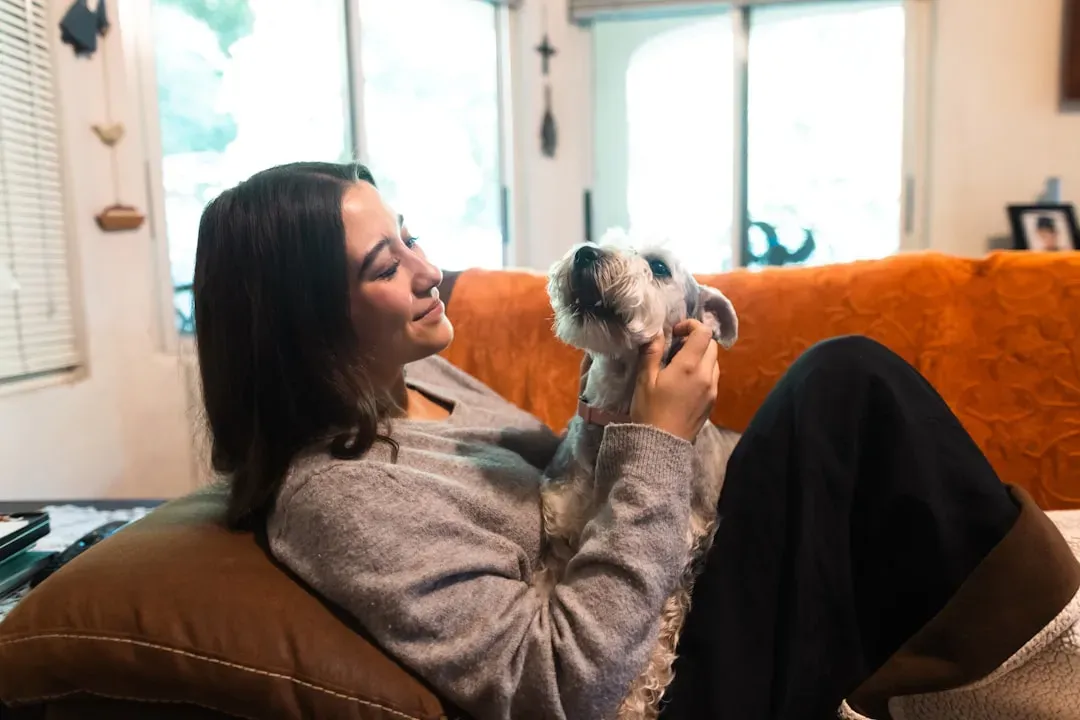
To understand why dogs lean against us, we have to recognize their instinctual nature as pack animals. In the wild, dogs thrived in social groups, relying on physical closeness for warmth, security, and emotional support, and leaning is a natural extension of this behavior. Thousands of years of evolution didn’t disappear when your dog moved onto the sofa. That deep need for closeness is still very much alive.
Leaning can be an expression of anxiety or insecurity. In stressful situations or environments, a dog may lean on their human as a coping mechanism, seeking comfort and reassurance, and this behavior indicates the dog’s trust in their owner to provide protection and emotional support. Think about thunderstorms, vet visits, or a house full of unfamiliar guests. Your dog isn’t being clingy. They’re being honest about needing you. That’s a gift, not a burden.
Dogs also get an emotional and psychological sense of safety from leaning on you. From an evolutionary standpoint, dogs have always been and still are pack animals, and they feel most secure when they are close to their pack mates. You are their pack. Never forget that.
Reading the Body Language Behind the Lean
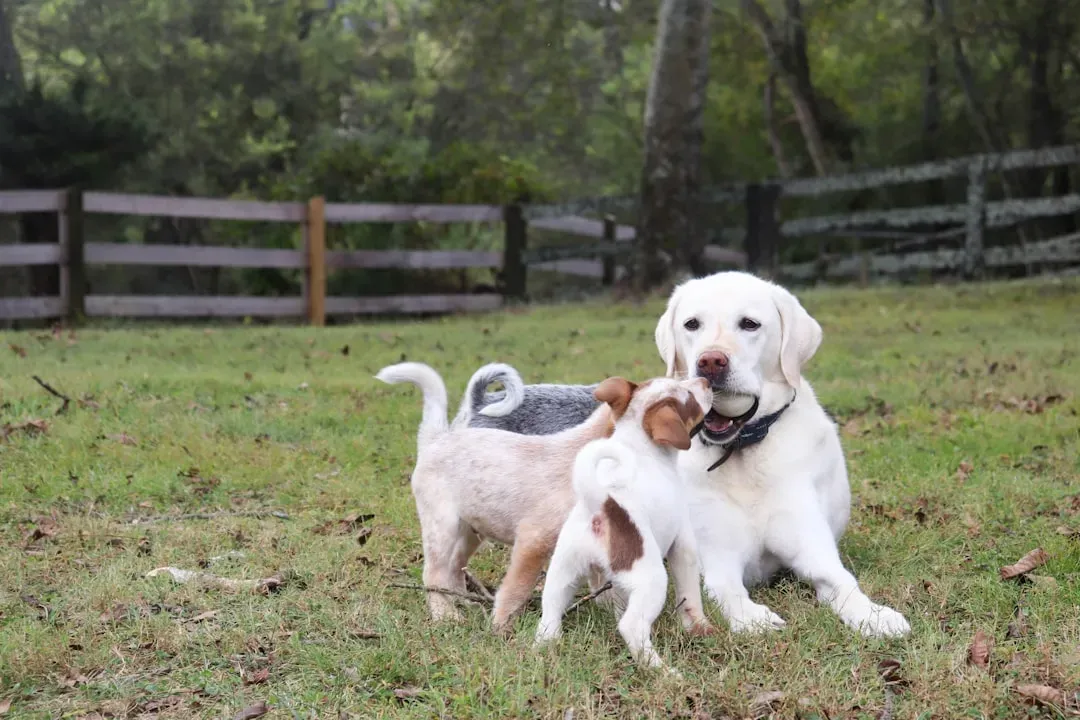
Not all leans are created equal, and this is where things get genuinely fascinating. Not all forms of leaning are created equal. Understanding your dog’s body language can provide valuable context. If your dog leans against you with a relaxed body posture, this typically indicates affection and comfort. Conversely, if your dog is tense, with ears pinned back or a tucked tail, the leaning might signal anxiety or fear.
If a dog is leaning for comfort because they are insecure or frightened, they may exhibit other behaviors that indicate stress such as lip-licking, stress yawning, and other behaviors termed “displacement signals,” and context matters enormously. So before you just melt into the moment, do a quick scan. Soft eyes and a waggy tail? Pure love. Stiff body and flattened ears? Your dog needs some calm reassurance, not just a pat.
If a dog is leaning to assert dominance, expect them to show other signs such as holding their tail stiff and straight up, ears up or back, and perhaps even baring their teeth. Spoiler alert: this is rare. Most of the time, a lean is just a lean, and it’s a beautiful one at that.
The Dominance Myth (Let’s Put This One to Bed)
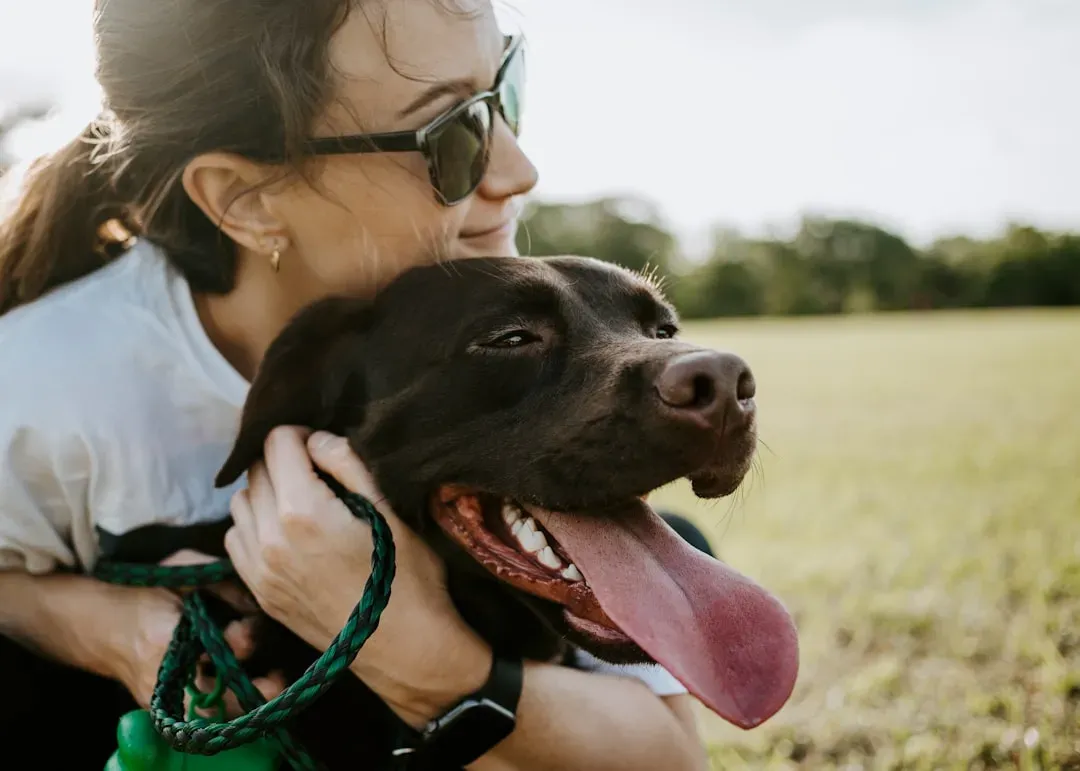
There is a largely debunked theory that says if a dog is leaning against you, they are trying to be manipulative or trying to assert dominance over you, but both veterinary experts and canine behaviorists refute this idea, claiming that the majority of the time dogs lean as a way to express affection. I know this myth still floats around in certain dog circles, but modern canine science has largely moved on from the whole “alpha” obsession.
Dogs lean on their people out of love, to display affection, or to seek reassurance when they are anxious or afraid. In general, dogs lean on you to express affection and comfort, or to seek reassurance, rather than to display dominance. There’s a world of difference between a dog who is relaxed and snuggling into your legs and one who is deliberately trying to push you around. Context, body language, and knowing your own dog matter far more than any blanket theory.
More and more dog professionals are dispelling the dominance myth. Unless your dog is very dominant in every aspect of their personality, chances are good that they’re not leaning on you to prove their alpha status. So breathe easy. That warm weight on your legs is almost certainly just love.
When Leaning Becomes Excessive: What to Watch For
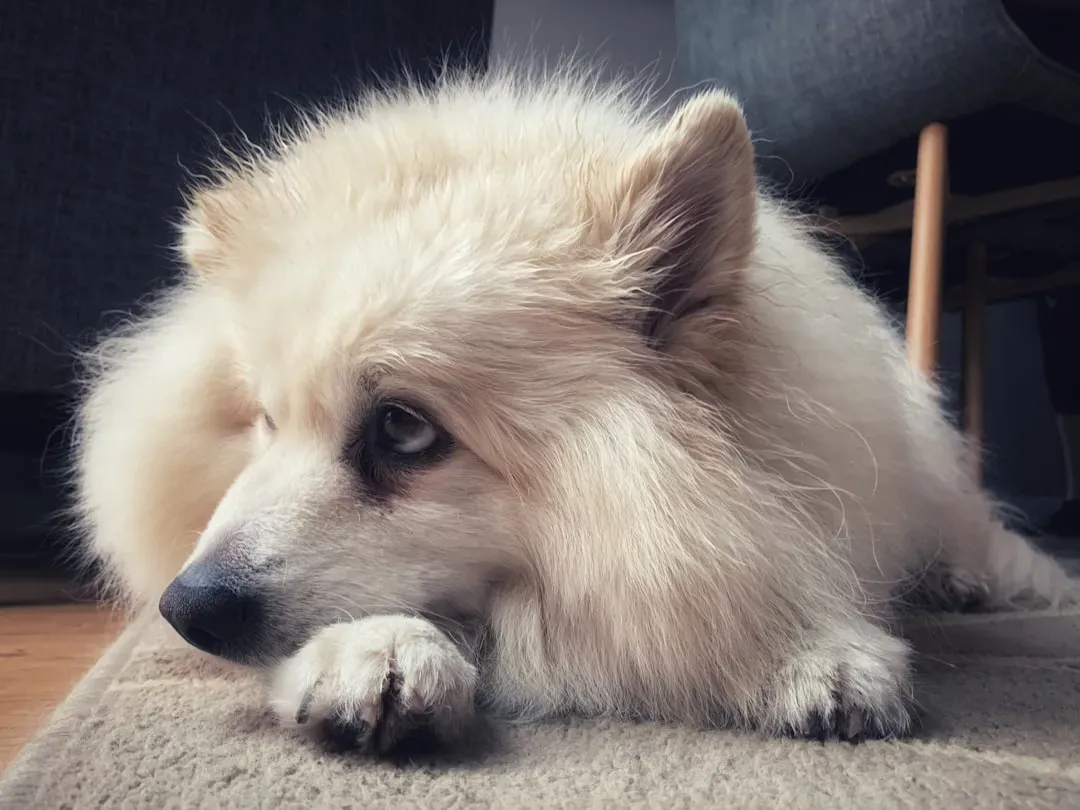
Let’s be real. Most leaning is sweet and harmless. But sometimes, if your dog seems to lean constantly and can barely tolerate being separated from you, it’s worth paying closer attention. Insecure dogs that are overwhelmed and stressed will lean on you, but a dog that leans because they feel they cannot be apart from you is not showing healthy behavior. It could be a sign of separation anxiety, where they’re fearful and nervous if they aren’t around you.
If your dog’s leaning becomes excessive, it may be helpful to teach them an alternative way to seek attention. For example, you can train your dog to sit beside you or place their paw on your leg instead of leaning, which can help reduce any potential discomfort while still allowing them to express their affection. It’s about channeling that love into a form that works for both of you.
Regular training and socialization can help build your dog’s confidence, reducing anxious tendencies that may lead to excessive leaning. Think of it like this: a confident dog still leans out of choice, not out of desperation. That’s the sweet spot you’re aiming for. If your dog leans on you when feeling anxious, it’s crucial to provide comfort and reassurance. Speak softly, pet them gently, and create a calm environment. If the anxiety persists, consider consulting with a veterinarian or dog behaviorist for additional strategies.
Conclusion: That Lean Means More Than You Think
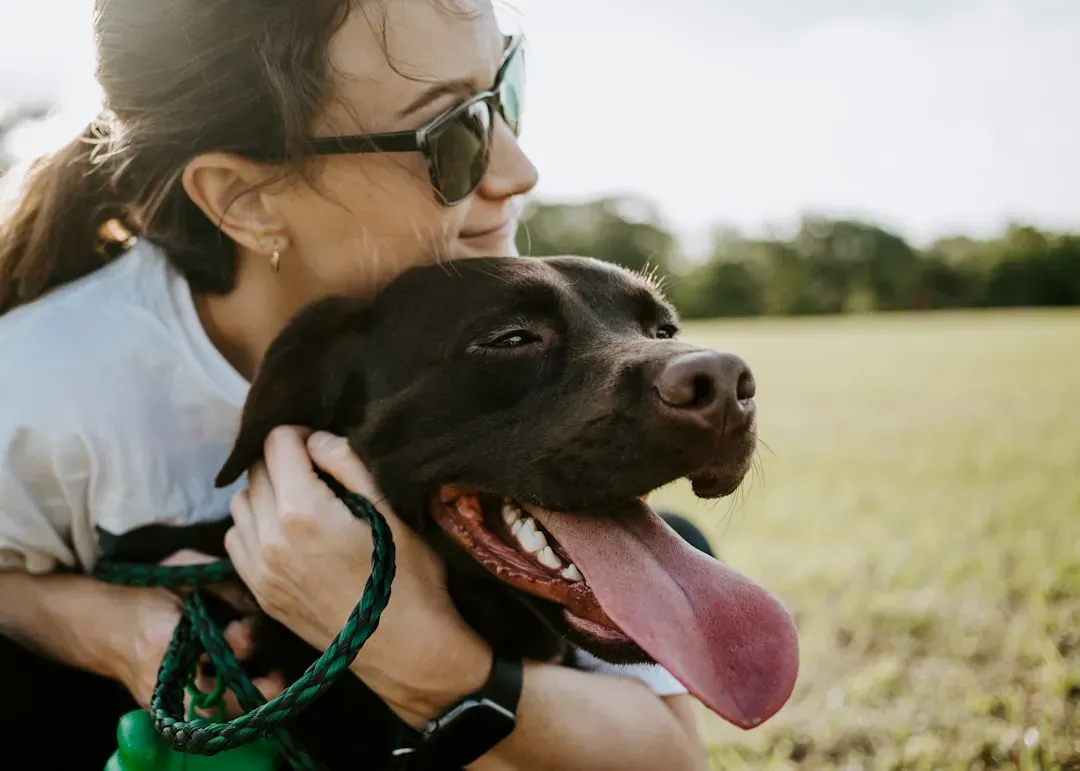
The next time you feel that familiar weight press into your legs, take a moment. Don’t just brush it off or shuffle sideways. If a dog leans on you, it means they trust you and have a strong bond with you, whether they are seeking reassurance, affection, or comfort in a tricky situation. That’s not nothing. That’s everything.
Research even suggests that stroking by owners and leaning by pets have important restorative functions for both the owner and the pet, and together these behaviors contribute to affiliative processes between both parties. In other words, this little physical moment is genuinely healing for both of you. Your dog is doing something profound with a simple gesture.
So lean back. Literally. Your dog is speaking to you in the only language they have, and it is fluent, it is sincere, and it is one of the purest things in the world. What would we do without them?


