
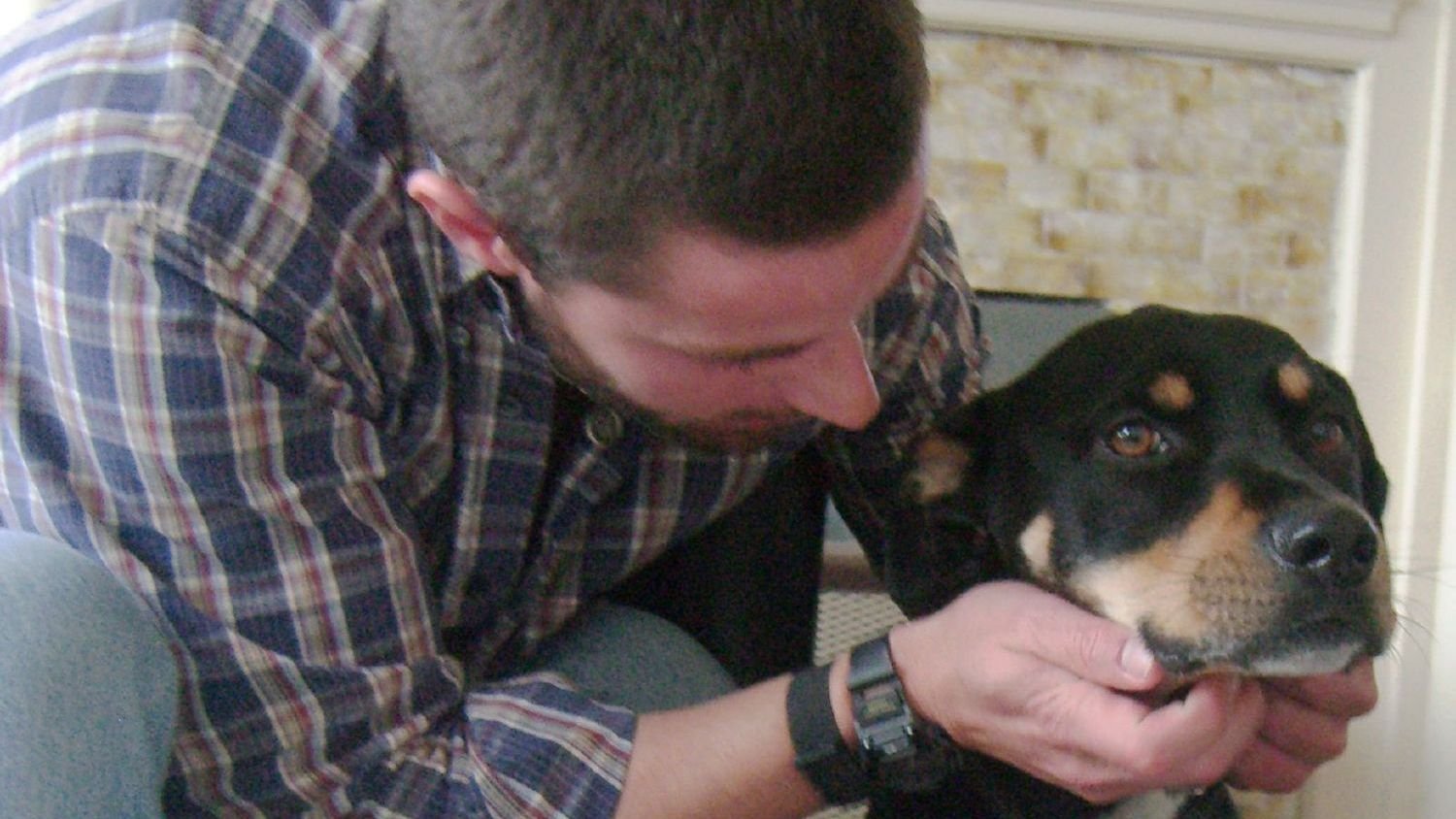
You stumble upon a cardboard box on the roadside. Inside, a tiny pile of warm, wriggling fur. Your heart completely breaks open. Abandoned puppies have a way of doing that to people. They are helpless in the most literal sense of the word, and the impulse to scoop them up and save them is one of the most human things there is.
Here’s the thing though. Love alone is not enough. The window between life and death for a newborn or very young abandoned puppy can be heartbreakingly narrow. And some of the most well-meaning people accidentally make mistakes that put these fragile little lives at serious risk. The good news? Every single one of those mistakes is avoidable. Let’s dive in.
Mistake #1: Feeding Them the Wrong Thing
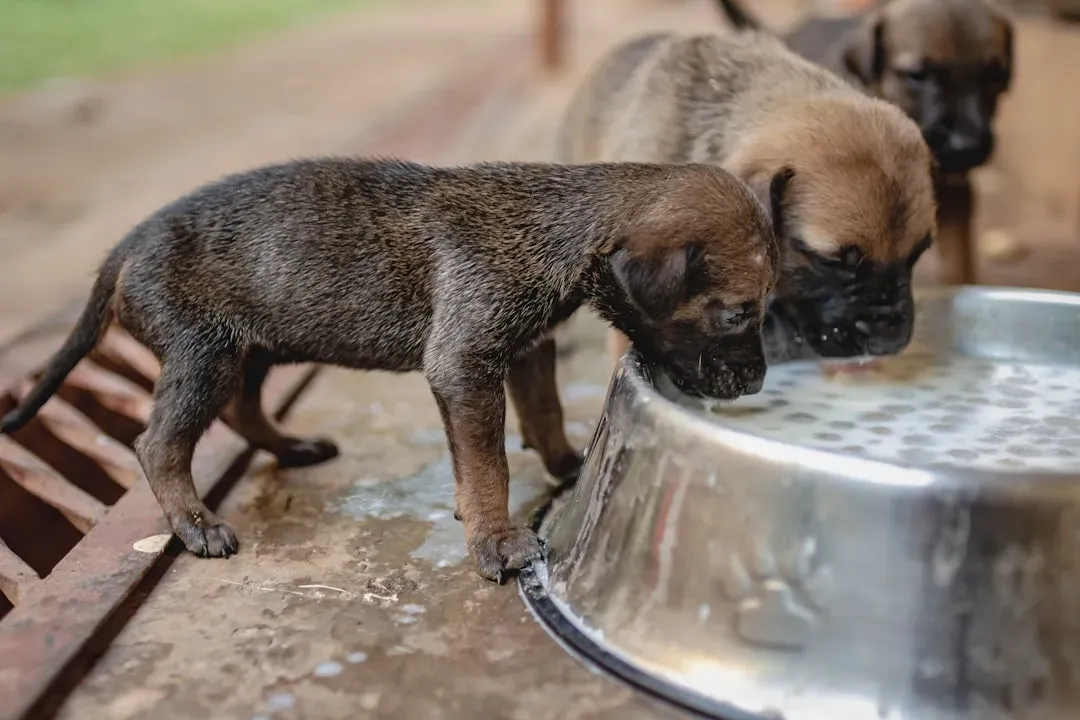
This is probably the most common error, and honestly, it’s an easy one to make. You find a tiny puppy and your first instinct is to grab whatever milk is in the fridge. Cow’s milk, goat’s milk, regular formula. It feels logical. But it can be genuinely dangerous. Cow’s and goat’s milk are both inadequate sources of nutrition and are especially deficient in protein and fat.
Feeding newborn puppies incorrectly can cause harm, and feeding cow’s milk or an inappropriate milk replacer can cause diarrhea and other complications. Think about what diarrhea does to a tiny creature that already has no mother. Dehydration sets in terrifyingly fast. Canine milk replacer is the preferred method for feeding orphaned puppies. The milk replacer should contain optimal levels of DHA, an omega-3 fatty acid that is important for the development of the puppies’ brains and eyes.
It is recommended that you warm puppy milk replacer to approximately 100°F before feeding, but be careful not to overheat it. Cold formula, overly rapid feeding rates, and overfeeding can lead to regurgitation, aspiration, bloating, and diarrhea. Temperature really matters here. Think of it like warming a baby’s bottle. A quick test on your inner wrist goes a long way.
Mistake #2: Skipping the Vet Because the Puppy “Looks Fine”
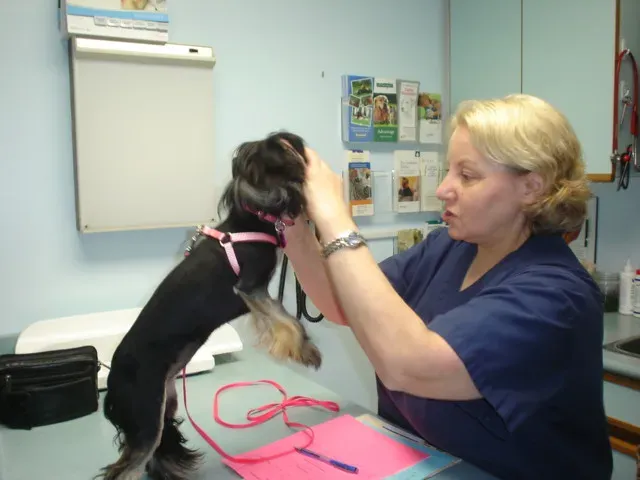
I get it. The puppy is breathing, seems alert, maybe even squirming around looking for warmth. You think, okay, we’re good. But looks can be wildly deceiving with neonates. Even if the puppies seem healthy, there can be illnesses or diseases not obvious to the eye. This is not a situation where you wait and see.
A physical examination by your veterinarian should be scheduled as soon as you obtain an orphaned puppy. This examination can provide an opportunity to identify birth defects and other health issues, address questions about feeding and other home care, and schedule a preventive health plan. That first vet visit is not optional. It’s the foundation everything else is built on.
Puppies that have lost their mothers typically lack the immunity that would have been passed down through her milk, making them more vulnerable to diseases such as distemper and parvo. Your vet will also advise on vaccinations. If puppies appear healthy, most veterinarians recommend that they receive their first round of standard vaccinations at around 6 weeks of age.
Mistake #3: Letting Them Get Too Cold (or Too Hot)
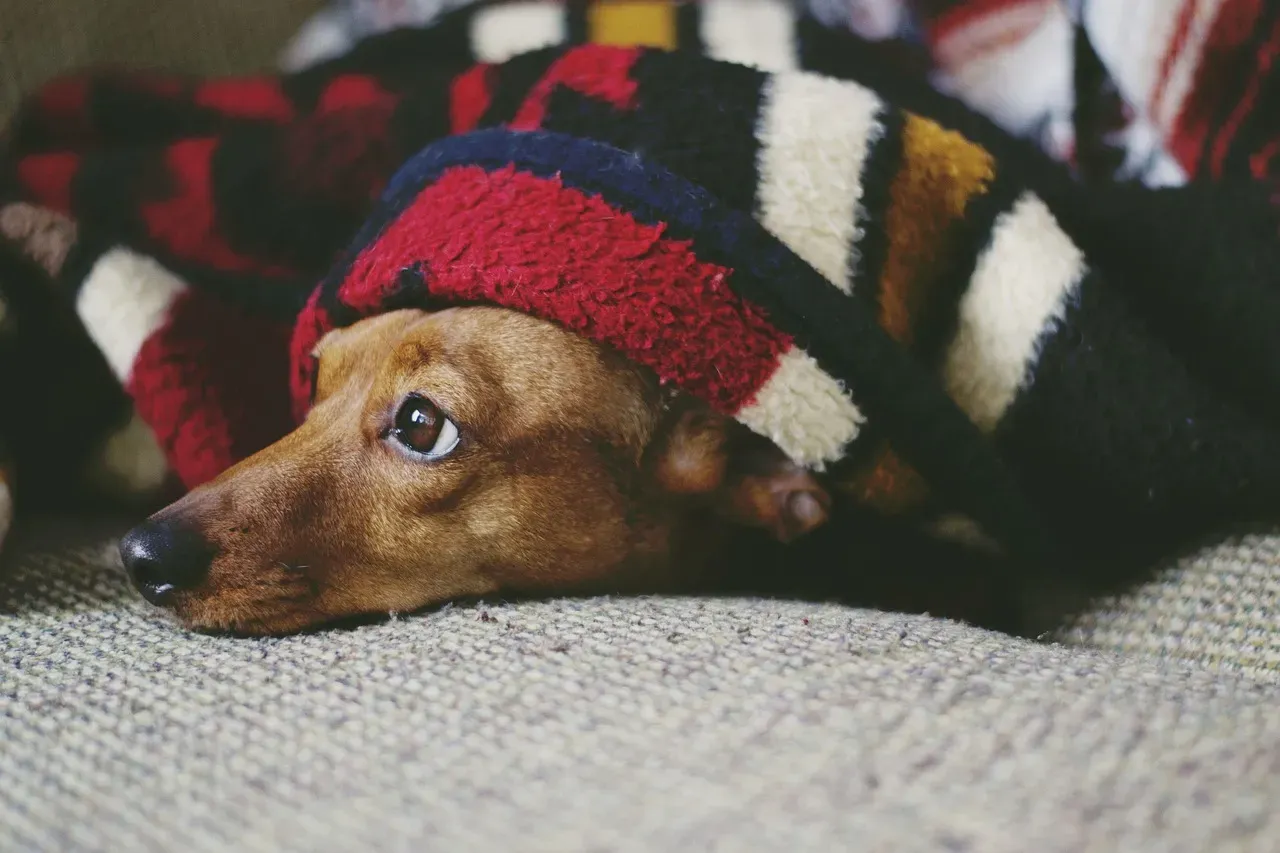
Temperature regulation is something adult dogs manage naturally. Abandoned puppies cannot. At all. Puppies will lose far more body heat per kilogram of body weight than an adult dog. Puppies rely on their mother for radiant heat to help maintain their body temperature. Without her, that job falls entirely to you.
Orphaned puppies will require alternative methods of warmth such as incubators, heat lamps, heating pads, or hot water bottles. Any heating needs to be done very carefully as if the puppy is warmed too rapidly this may result in a heat-stressed puppy. It’s a balancing act. Too cold is dangerous. Too hot is also dangerous. During the first four days of its life, the orphaned puppy should be maintained in an environmental temperature of 29.4 to 32.2°C.
A useful tip? Think of it like Goldilocks. Not too hot, not too cold. Watch the puppy’s behavior. A puppy curled tightly into a ball and crying is too cold. A puppy spread flat and panting is too warm. They will tell you, if you know what to look for.
Mistake #4: Forgetting to Help Them Go to the Bathroom
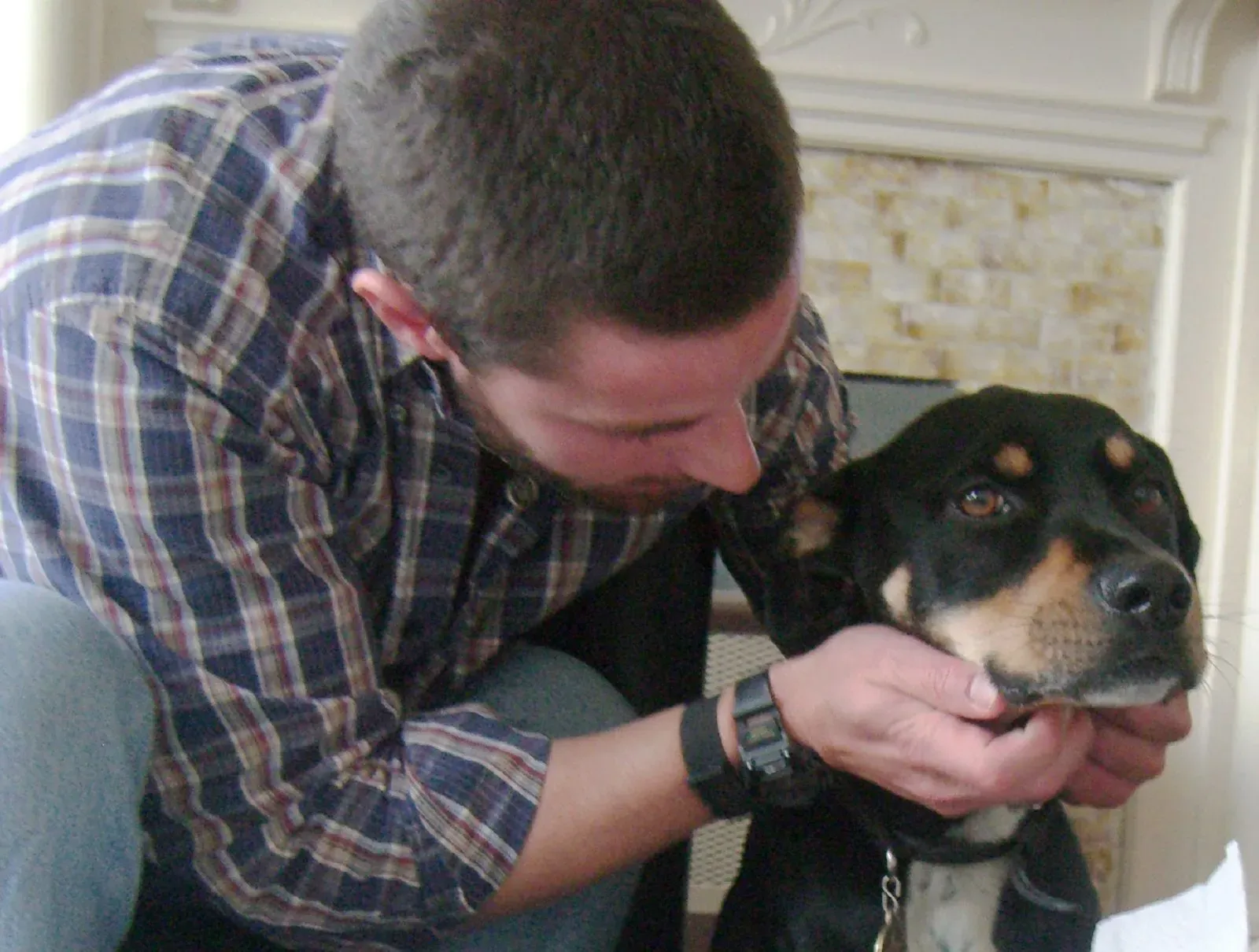
This one surprises a lot of first-time puppy rescuers. It sounds strange, but newborn puppies simply cannot eliminate waste on their own. Canines require help with urination and defecation for the first three to four weeks of age. This is usually handled by the mother dog; however, with orphaned puppies, that task falls to the caregiver. To assist the infant dog with these processes, the caregiver can gently massage the anal and urinary areas with a wet washcloth or cotton ball after each meal.
Skip this step and things go very wrong, very quickly. There are several potential issues at play, including infection, toxic buildup from improper elimination, or even organ system failure. That is a scary reality. The good news is the solution is simple and takes about thirty seconds per feeding. Puppies begin excreting on their own at about three or four weeks of age, so this won’t be a forever task. Just a critical early one.
Mistake #5: Ignoring Their Social and Emotional Needs
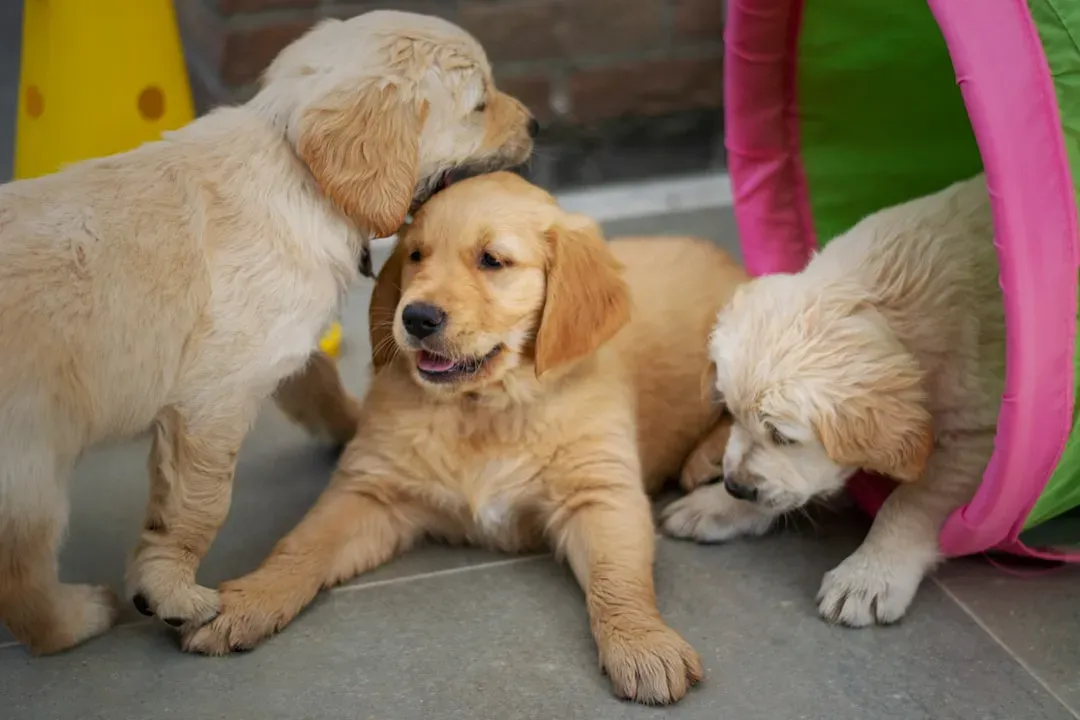
Once you have the feeding schedule down and the temperature sorted, it’s easy to slip into autopilot. Feed, warm, repeat. But abandoned puppies need more than just physical survival. Along with the physical care that is required to successfully raise puppies, it is also vital that their emotional and social needs are met if they are to grow into happy and healthy adult animals.
The critical socialization of puppies can span from three weeks all the way to twelve weeks of age and is the time in which the puppy is learning what it is to be a dog. During this period the puppy will be learning about social skills, play behaviors, and physical coordination. They should be exposed to as many safe but novel interactions with people, dogs, and even other animals as possible, without overwhelming the puppy.
Miss that window and you may end up with a dog who struggles with fear, aggression, or anxiety later in life. During the neonatal period from zero to two weeks, gentle daily handling helps to imprint puppies to people via touch and smell. The transition period from two to four weeks defines functional use of eyes, ears, and legs. Daily handling of one minute minimum per day per puppy helps bond dogs to humans. Even in those early days, your presence matters deeply.
A Final Thought for Every Brave Soul Who Rescues

Caring for an abandoned puppy is one of the most selfless, exhausting, and ultimately beautiful things a person can do. It demands everything from you, sleep, time, patience, and emotional resilience. But these tiny creatures? They give back tenfold.
The mistakes covered here are not meant to scare you. They are meant to arm you. Because knowledge is the real difference between a puppy that makes it and one that doesn’t. It is a serious responsibility that requires time, effort, and money on your part if you want to help the little ones grow up healthy and happy. Close observation and prompt attention if any problems develop are especially important.
So the next time you find yourself holding a trembling, abandoned pup in your hands at two in the morning, remember this. You are their whole world right now. Feed them right, keep them warm, get to the vet, help them eliminate, and love them fiercely but wisely. That little life in your hands is counting on exactly that.
What would you have done differently before reading this? Drop your thoughts in the comments. Your experience might just save another puppy’s life.


