

Picture this: you’ve just spent forty minutes carefully preparing a bowl of high-quality kibble mixed with warm chicken broth, and your dog gives it one slow, unimpressed sniff before walking away. No drama, just quiet judgment. Sound familiar?
On the other side of the fence, there are dogs who would cheerfully inhale a shoe if it smelled vaguely like something edible. Two dogs, two completely different realities at dinnertime. Honestly, it never stops being funny – and a little baffling.
Whether you’re dealing with a food critic wrapped in fur or a four-legged vacuum cleaner, understanding your dog’s relationship with food isn’t just entertaining. It’s essential to their health, training, and happiness. So let’s settle in and get into it.
The Tiny Gourmet: Chihuahua

Don’t let the small size fool you. Chihuahuas are notorious for being picky eaters, and their small size means they require less food overall – but what they do eat needs to be nutrient-rich to support their surprisingly high energy levels. They approach every meal like a restaurant critic approaching a new tasting menu: skeptical, nose-first, and ready to be disappointed.
Chihuahuas may refuse food based on texture, taste, or even the size of the kibble, and they can easily become spoiled on human food, leading to strong flavor preferences that are hard to break. This can lead to real nutritional gaps if left unchecked. Prevention tip: avoid sharing table scraps early in life, stick to small-breed formulas high in protein, and avoid ingredients like corn and soy since Chihuahuas have delicate digestive systems and do much better with protein-rich foods that are easier to digest.
The Distinguished Judge: Poodle

Poodles are brilliant, sensitive dogs – and that intelligence cuts both ways at mealtime. Poodles can exhibit genuinely picky eating behaviors, often preferring variety in their diet and losing interest in food that becomes too monotonous. They can also be sensitive to both the texture and taste of their meals. Think of it like this: a Poodle eating the same kibble every day is like a gourmet chef being forced to eat the same sandwich for a month. Something’s going to give.
Their discerning nature may actually require owners to rotate between different high-quality food brands or incorporate fresh, whole-food ingredients to keep their Poodle interested and ensure a balanced diet. That said, make any changes gradually. Any sudden changes to your dog’s feeding routine can cause problems like gastroenteritis, so transition between food types slowly over the course of several days. Your vet is always the best first call when in doubt.
The Regal Food Critic: Shih Tzu

Shih Tzus are characters with sophisticated tastes, and those tastes often extend to what goes in their bowl. They may choose gourmet food over regular kibble without hesitation. It’s endearing until you’re standing in the pet food aisle at 9 PM, desperately reading ingredient labels and questioning all your choices. Let’s be real: it happens to the best of us.
As a result of their brachycephalic condition – meaning they have short, flat snouts – Shih Tzus can genuinely find it harder to chew certain foods, which makes them even more selective about what they’ll accept. This is an important behavioral cue to watch for. For keeping a Shih Tzu healthy and happy, high-quality dry kibble formulated for small breeds works well because it supports dental health and energy needs – and puppies especially need frequent meals to avoid blood sugar crashes.
The Unimpressed Sophisticate: Yorkshire Terrier

Don’t let the dainty size fool you – Yorkies are small dogs with very specific terms and conditions attached to their appetite. These pint-sized pups are known for being picky eaters due to their sensitive tummies and discerning taste buds. One day they love something. The next day that same bowl gets the most withering look you’ve ever seen from something that weighs less than a bag of flour.
Yorkshire Terriers are well-known for their rambunctious personality, and you genuinely need to pay attention to their dietary preferences if you hope to keep them healthy. They require a high-quality commercial diet with specific protein sources like chicken or beef. Watch for signs like sudden food refusal or weight loss – these can sometimes signal dental issues or digestive sensitivity. If you notice your dog’s appetite and behavior changing noticeably, take them to the vet as soon as possible to rule out illness.
The Sensitive Soul: Cavalier King Charles Spaniel
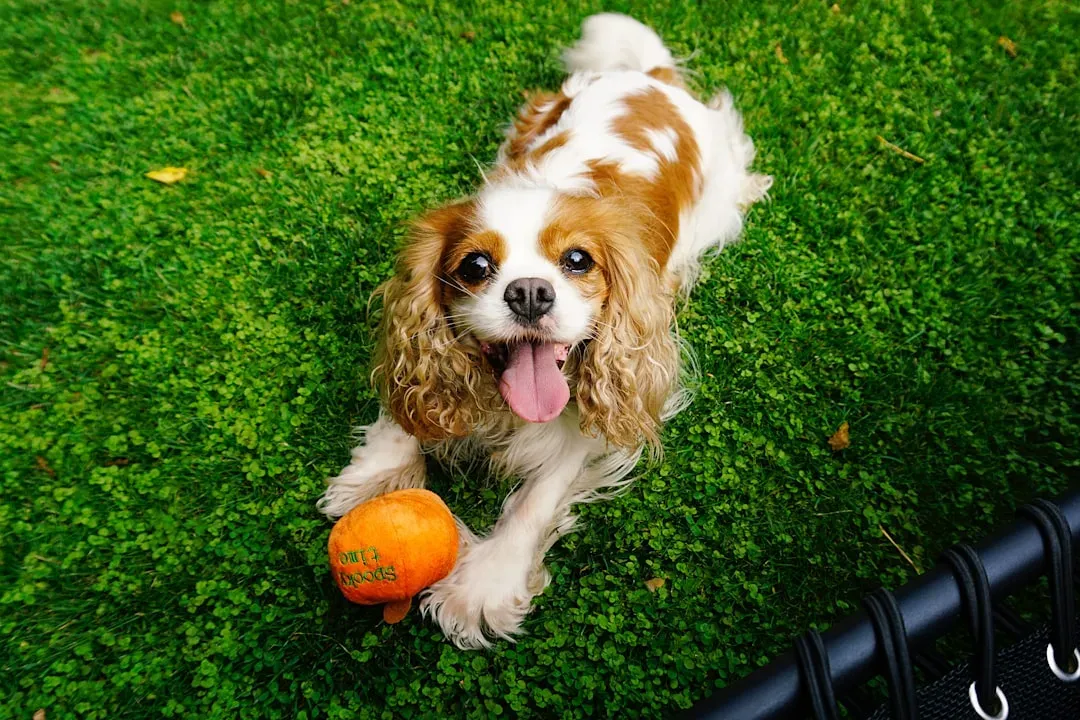
Cavalier King Charles Spaniels can be genuinely fussy eaters. This breed might become selective based on the size or flavor of their food, and some may even prefer eating only when hand-fed. Their picky eating habits can sometimes be tied to dental issues or a sensitivity to certain ingredients. I think the hand-feeding thing is particularly telling – these dogs are emotionally wired to their humans, and mealtime is no exception.
Cavaliers can suffer serious health damage like heart disease if they become overweight, so looking for a weight-control formula when selecting food is genuinely important – it’s not just about pickiness, it’s about longevity. Create a calm, consistent feeding environment. Changes in routine or environment can affect their appetite and make them more selective, so maintaining a consistent feeding schedule in a calm space makes a real difference.
The Bottomless Pit: Labrador Retriever

Here’s the thing about Labradors: their love of food isn’t just a personality quirk. It’s actually written into their DNA. In 2016, researchers identified a gene called the pro-opiomelanocortin (POMC) gene that contributes to obesity in Labrador Retrievers. A specific mutation involving the deletion of 14 DNA base pairs has been shown to contribute to increased body weight, increased body fat, and increased food motivation. So if your Lab has ever stared at you with that desperate, pleading expression twenty minutes after a full meal – this is why.
New research finds that around a quarter of Labrador Retrievers face a double situation of feeling hungry all the time and burning fewer calories due to this genetic mutation – a combination that means owners must be particularly strict with feeding and exercise to keep them slim. The fix? Researchers suggest keeping Labradors distracted from constant hunger by spreading out their daily food ration using puzzle feeders or scattering food around the garden so eating takes longer. Smart, practical, and it makes mealtime mentally stimulating too.
The Nose That Knows: Beagle
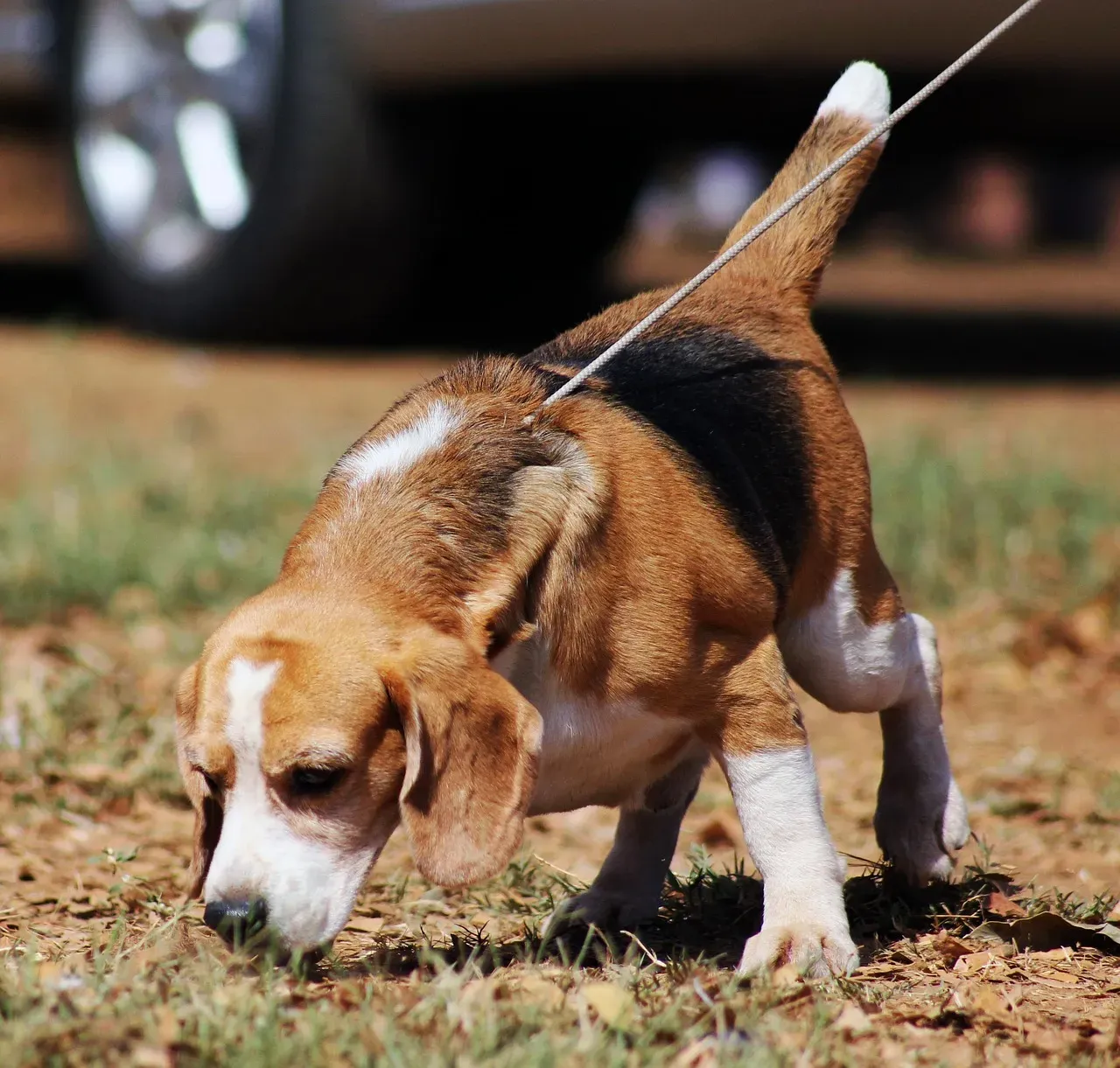
Beagles, with their powerful sense of smell, are driven to sniff out and consume food, making them one of the most food-obsessed breeds. This food motivation is great for training, but it can lead to overeating. Beagles have been known to steal food if given the opportunity, so structured feeding times and portion control are absolutely key. Picture leaving a plate of food unattended for thirty seconds. With a Beagle in the house, that plate is a goner.
Unlike many other dogs, Beagles don’t always seem to know when to stop eating and may overeat if given the chance. Their powerful sense of smell helps them locate food from impressive distances, and they’re clever enough to open cabinets or jump on surfaces to find a snack. Prevention tip: puzzle feeders and slow-eating bowls are excellent tools to prevent Beagles from eating too quickly while still satisfying their natural hunting instincts. Use that nose for good, not chaos.
The Enthusiastic Gobbler: Golden Retriever

Golden Retrievers are not just friendly and loyal – they’re also enthusiastic eaters who genuinely enjoy every single bite of their meals. Like Labradors, Goldens can be prone to obesity, so monitoring their food intake is genuinely necessary. It’s hard to say no to that wagging tail and those warm, adoring eyes, but doing so is one of the kindest things you can do for them.
Golden Retrievers are known for their love of food and tendency to eat pretty much anything they can find. They are highly food-motivated and often use their intelligence to figure out how to access food, whether that’s opening doors or cupboards. They are not picky eaters and will consume almost anything. This food drive is a trainer’s dream. Use it wisely with reward-based training, and always measure meals precisely rather than estimating portions by eye.
The Unstoppable Scavenger: Pug
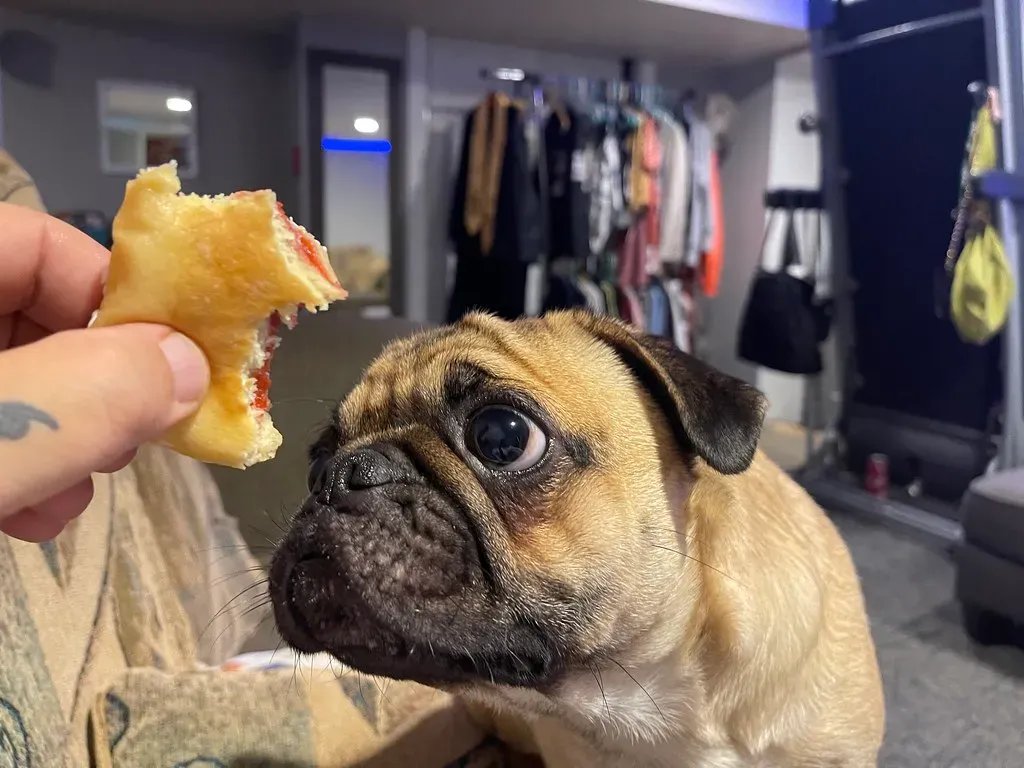
Pugs are small dogs with big personalities and an even bigger appetite. This breed is known for its love of food and tendency to eat anything they can find. Pugs are highly food-motivated and can be quite persistent when getting what they want. They are not picky eaters and will consume food and non-food items, sometimes to their own detriment. I know it sounds extreme, but it’s genuinely something to take seriously.
Pugs are prone to obesity and other health issues related to overeating, so owners need to monitor their diet carefully and ensure they’re getting proper nutrition. Keeping harmful substances out of reach is also crucial, as Pugs are known for their indiscriminate eating habits. Brachycephalic breeds like Pugs are also naturally challenged when eating both wet and dry food – without a longer snout, they have to bury their face in their food and gulp air in order to breathe while eating. Slow feeders and shallow bowls genuinely help here.
The Food-Obsessed Herder: Pembroke Welsh Corgi
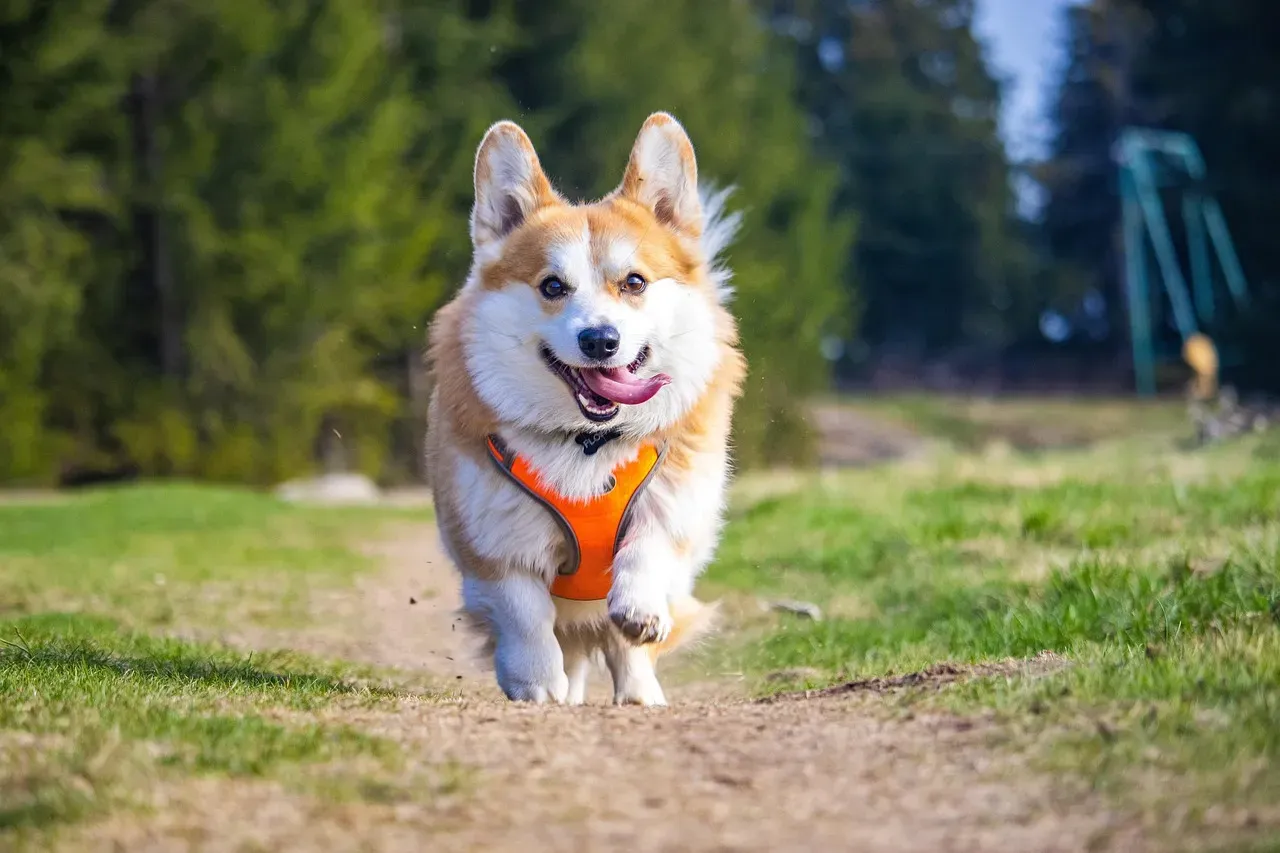
Pembroke Welsh Corgis are known for their herding abilities and irresistible charm, and they often use that charm to their advantage when it comes to getting extra snacks. These determined dogs have a knack for finding anything remotely edible, whether it’s their own food, the cat’s leftovers, or a treat found on the sidewalk. Corgis are highly food-motivated, which helps during training but also makes them prone to overeating.
Corgis are notorious foodies, and while this makes them eager to train, their small stocky build makes them prone to gaining weight quickly. They also have a herding instinct, which means they can become bored easily. Incorporating food-dispensing toys not only engages their problem-solving skills but also slows down their eating habits. It’s recommended to feed Pembroke Welsh Corgis roughly three quarters to one and a half cups of high-quality dry food per day, split across two or three meals to manage their weight effectively. Think of mealtimes as mini training sessions – mentally satisfying and portion-controlled.
Every Bowl Tells a Story
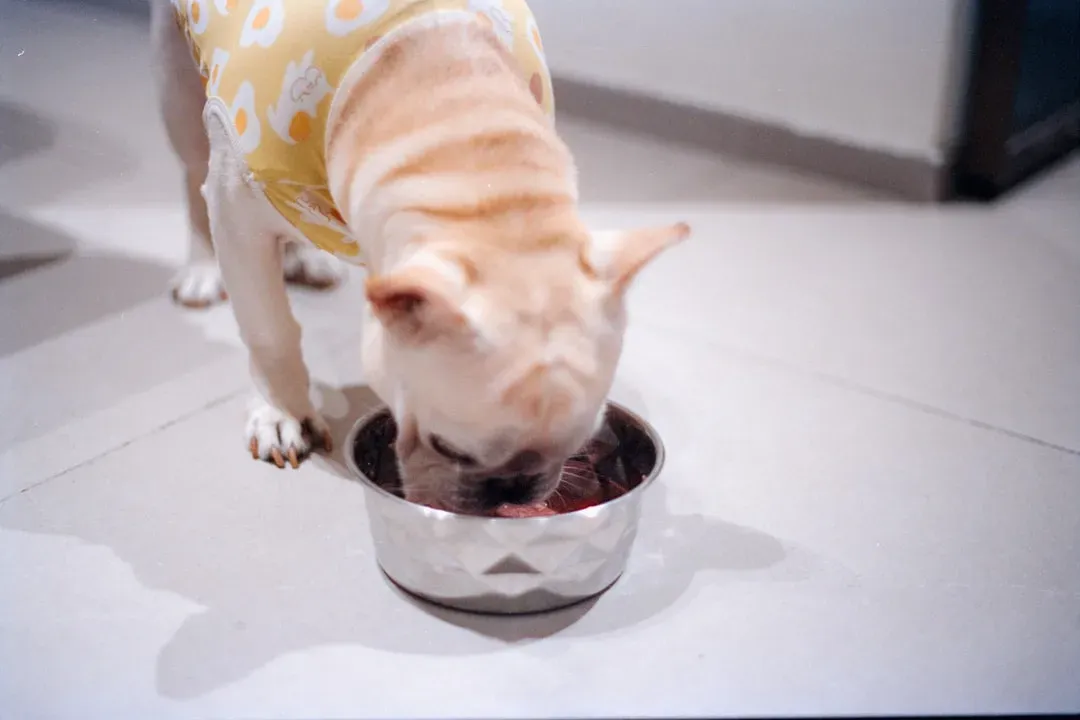
Here’s what strikes me most about all of this: whether your dog is silently judging your culinary offerings or inhaling their food before you’ve even put the bowl down, both behaviors are telling you something important about who they are. The picky eater needs patience, consistency, and a health check to rule out anything medical. The enthusiastic gobbler needs structure, portion control, and a little creative slowing down.
While some breeds are known to have heartier appetites, many of your dog’s eating habits are tied to their environment and routine. How and when you give them their food can significantly affect how much they eat, which is why creating a consistent, structured mealtime routine makes such a big difference. None of this is about perfect feeding – it’s about understanding your dog deeply enough to give them what they actually need.
And honestly? The fact that you’re reading this means you already care more than most. Your dog is lucky to have someone paying attention. So – does your pup fall into the food critic camp or the bottomless pit club? Drop a comment and let us know!


