
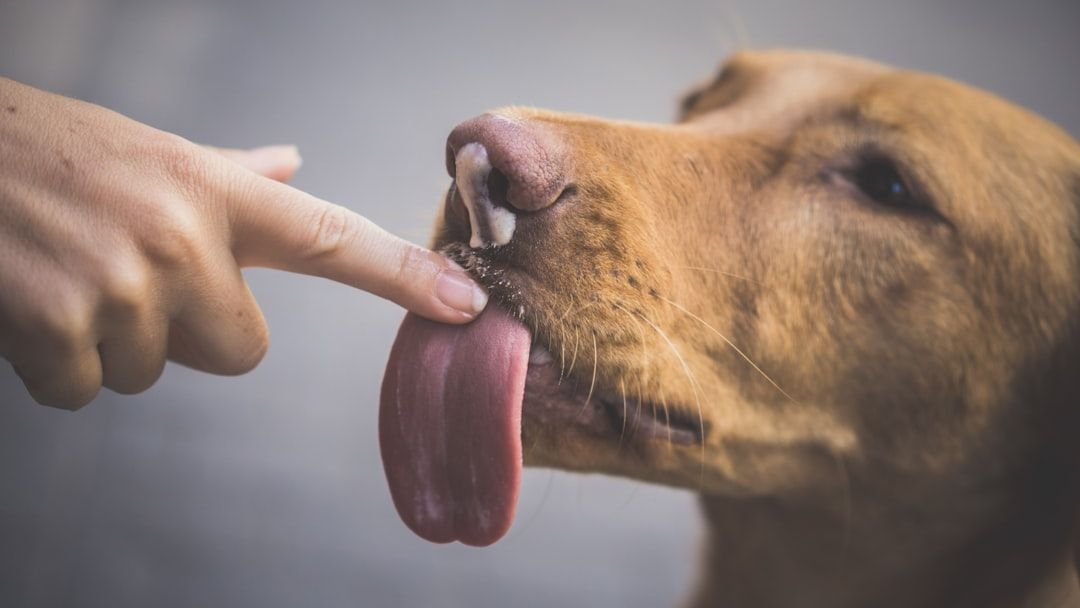
You know that moment when your dog curls up beside you and starts licking your hand, your arm, or even the couch cushion right next to your leg? Sweet, right? Maybe even a little funny. Most of us smile and think, “Aww, they love me.” Honestly, a lot of the time that’s true. Dogs are affectionate, communicative creatures, and licking is a deeply natural part of who they are.
Here’s the thing though. When the licking doesn’t stop, when it shifts from occasional and sweet to relentless and focused, something bigger might be going on beneath the surface. And as someone who genuinely adores dogs, I think every loving owner deserves to understand the difference. So let’s dive in.
Licking Is Built Into Their DNA – But There Are Limits
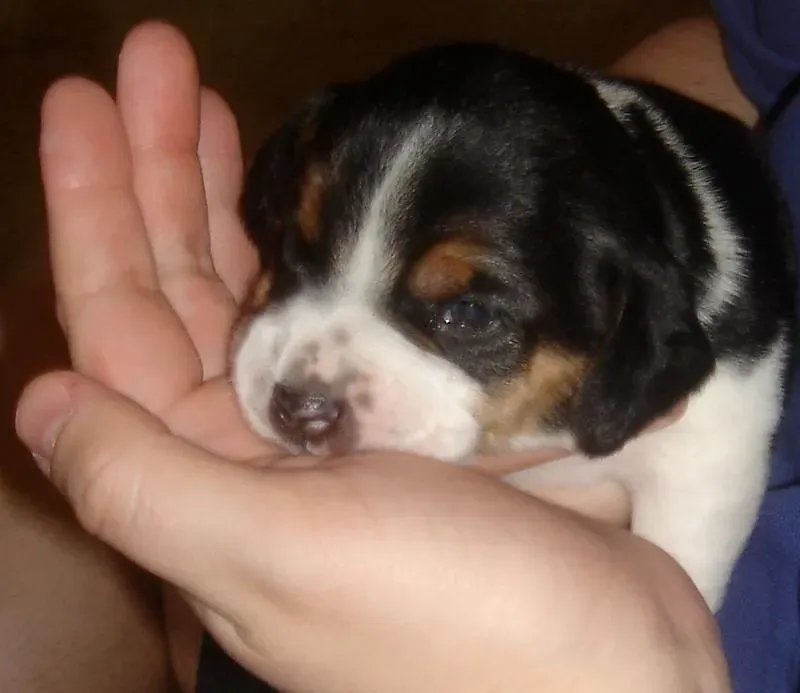
Licking is deeply ingrained in a dog’s behavior. From their earliest days, puppies rely on licking their mother for nourishment and comfort, and this early association establishes licking as a soothing and nurturing activity. Think of it as their first language. Before barking, before tail wagging, there was the lick.
Even as adults, dogs use licking as a primary way to explore their environment, investigate new objects, and groom themselves. Their rough tongues, covered in papillae, act like tiny brushes, helping them to keep their coats clean. It’s genuinely impressive, like carrying a built-in grooming kit everywhere you go.
Licking is also crucial in social interaction within the canine world. Dogs often lick each other as a sign of submission, appeasement, or affection, and you might observe this behavior when a dog greets a more dominant member of the pack or tries to diffuse a tense situation. So yes, when your dog licks you, it really can mean “I love you.” Just not always.
Normal licking usually happens occasionally and is easy to redirect. However, if you notice your dog’s excessive licking becoming more frequent or more intense, or occurring while your dog is resting, stressed, or bored, it’s important to pay closer attention. That shift from easy and occasional to persistent and obsessive? That’s your signal to look deeper.
When Anxiety Is Driving the Lick
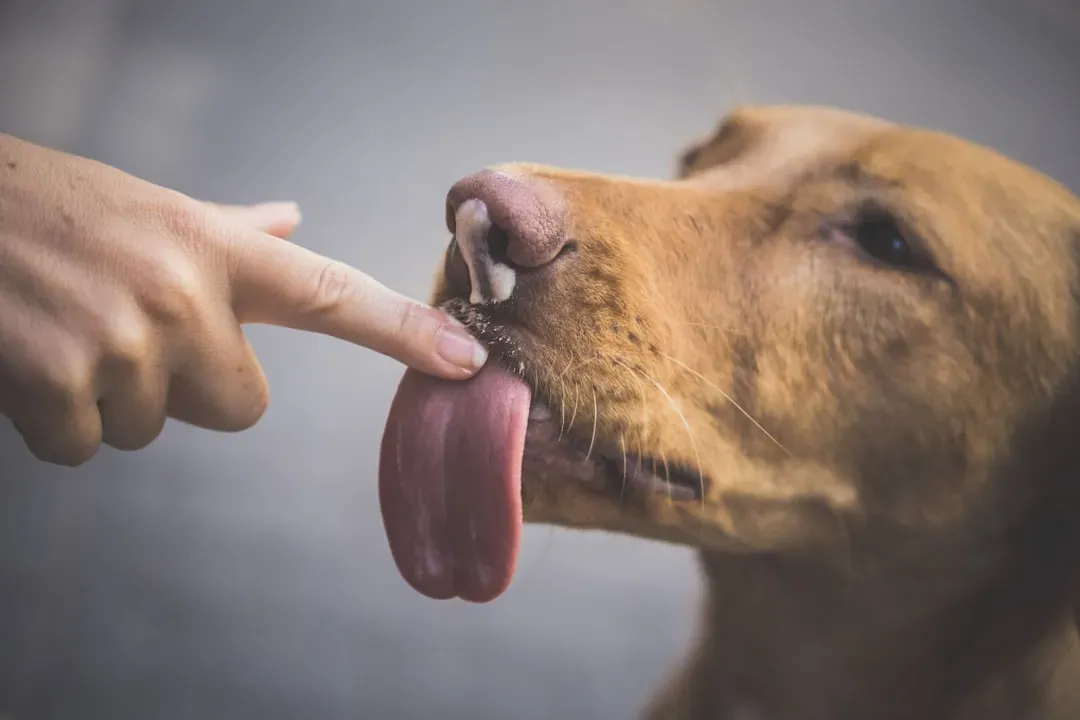
Similar to humans, dogs can experience anxiety. Common causes include fear, separation, and aging, and repetitive or compulsive behaviors like obsessive licking are one sign of anxiety in dogs. It’s surprisingly easy to miss this because licking looks so harmless on the outside.
The act of licking can release hormones that help your pup relax, like dopamine and endorphins, which is a similar mechanism to a nervous person twirling their hair. So while your dog seems calm while licking, they’re actually in the middle of a self-soothing ritual. Kind of heartbreaking, right?
Excessive licking often appears when dogs feel anxious, and triggers like separation, loud noises, or changes in routine can lead them to lick excessively as a way of coping. Over time, this habit can turn into a repetitive behavior that is difficult to break. Imagine your dog spending the entire day licking the sofa while you’re at work. That’s not quirky behavior. That’s distress.
Separation anxiety can cause licking, especially when you leave the house or change routines unexpectedly. Having a daily routine is vital for your dog’s mental health. Consistency is more comforting to dogs than we often realize. A predictable schedule can honestly be one of the best things you give them.
Hidden Health Signals You Should Never Ignore

Dogs may lick excessively due to health issues, including allergies, infections, parasites, pain, and nausea. That list is longer than most people expect. I’ve spoken to many dog owners who assumed their dog was just “being affectionate,” only to discover an underlying skin infection or allergy that had been quietly building for months.
Dental problems, toothaches, gum disease, or foreign objects lodged in the mouth can cause a dog to lick frequently to relieve the pain or irritation. Itchy skin due to allergies, parasites, or dry skin can also lead to relentless licking of the affected areas, and unfortunately, this can exacerbate the problem, leading to secondary infections. Licking a sore spot makes it worse. Classic dog move, unfortunately.
Gastrointestinal disorders such as nausea or acid reflux are two common culprits underlying lip-licking, and inflammatory bowel disease and intestinal parasites may also cause excessive licking of objects and surfaces. So if your dog is suddenly obsessed with licking the floor or the walls after eating, their stomach might be the real story here.
If your dog has hair loss, skin redness, dandruff, or oozing anywhere on their body, or is unable to sleep or frequently wakes because of the urge to lick or chew, or moans or whines when focused on an area, the licking may be excessive and worth investigating. These are the red flags every dog owner should know by heart.
Allergies Are One of the Biggest Culprits
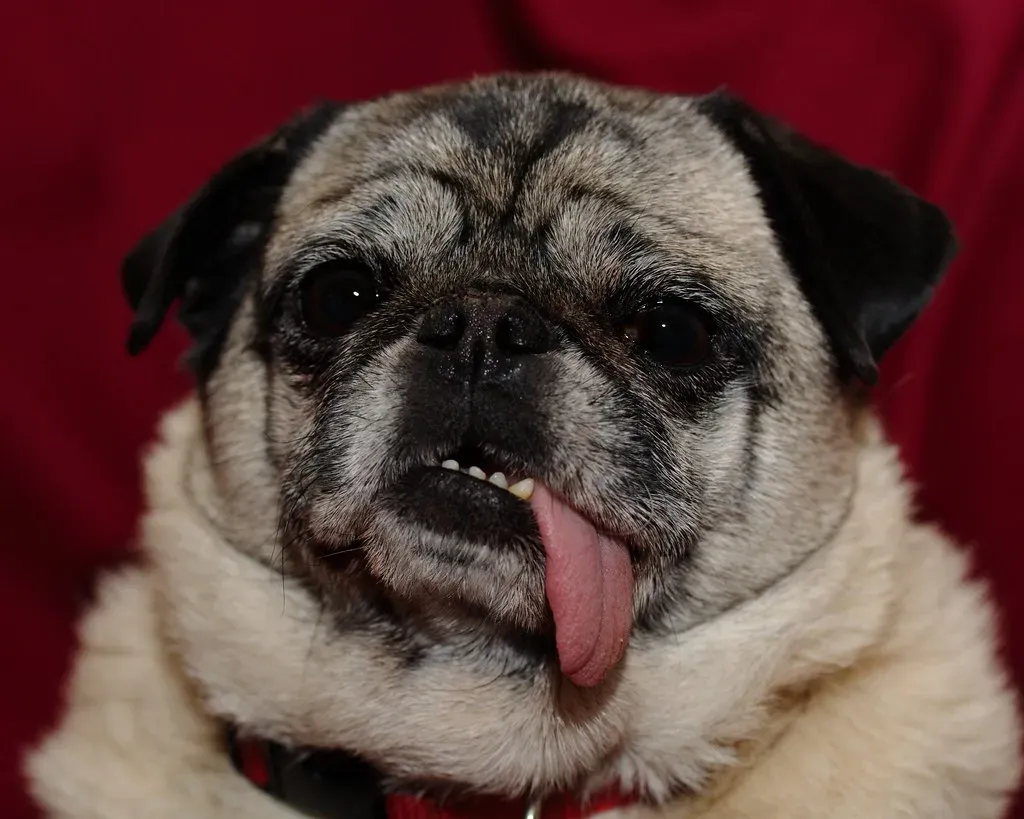
Allergies are one of the most common causes of itchiness in dogs. There are generally three types of allergies in dogs: environmental allergy, flea allergy, and food allergy. A dog with allergies may lick, chew, or scratch, or they may even have digestion problems. I think of allergies as the “sneaky villain” of dog health. They mimic so many other things.
Environmental allergies, or atopy, are reactions to airborne allergens like pollen, dust mites, mold, and grass, causing symptoms like itching and licking. It’s also very common to have secondary infections in the skin or ears, and these must be treated at the same time. Spring and fall can be particularly rough seasons for allergic dogs. Sound familiar?
Food allergies are an immune response to ingredients in a dog’s diet, and the most common dog food allergens are proteins such as chicken, beef, and dairy proteins. It’s worth keeping a simple diary of what your dog eats and when the licking spikes. The pattern might surprise you.
If a food allergy is suspected, your vet may recommend a hypoallergenic food trial using a prescription allergy diet. To perform a food trial, you and your vet determine the best diet for your pet, with hydrolyzed or novel protein being two very common choices. It takes patience, but finding the right food can be genuinely life-changing for an itchy, uncomfortable dog.
What You Can Actually Do About It
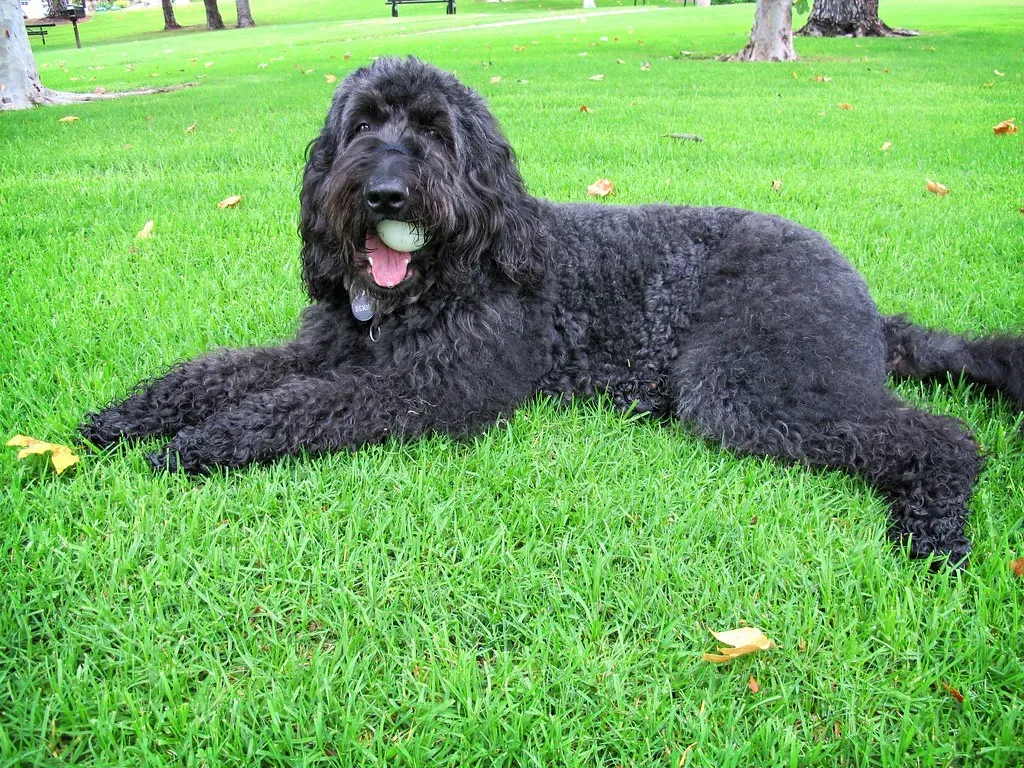
If you notice your pet self-grooming mostly when they are idle, try increasing their daily exercise and giving them a job. All dogs need daily exercise and mental stimulation, which can include long walks or runs, fetch, flyball, agility, obedience classes, and doggy day care. Keep their brain busy with time-released treats, interactive food toys, or puzzles with hidden treats. Boredom is a bigger driver of licking than people think. A tired dog is a happy, calm dog.
Dogs thrive on routine, and establishing a consistent daily schedule mitigates compulsive behaviors like excessive licking. Ensure your dog receives regular exercise, mental stimulation, and ample opportunities for social interaction. A well-structured routine reduces stress and anxiety, which are common triggers for compulsive licking. Think of routine as your dog’s emotional anchor.
Because many dogs avoid showing signs of illness at the vet, you can help your vet figure out what’s causing it by bringing photos or videos of your dog while they are constantly licking. This is such a practical tip. A short phone video captures what a vet visit never can. Use it.
If no clinical diagnosis can be made and the licking is behavioral, your veterinarian can make some recommendations on behavior modification or the introduction of medications that reduce anxiety. They may even recommend consulting a dog trainer to work with you and your pet to help curb habitual excessive licking. You don’t have to figure this out alone, and honestly, you shouldn’t try to.
Conclusion: Your Dog Is Talking – Are You Listening?
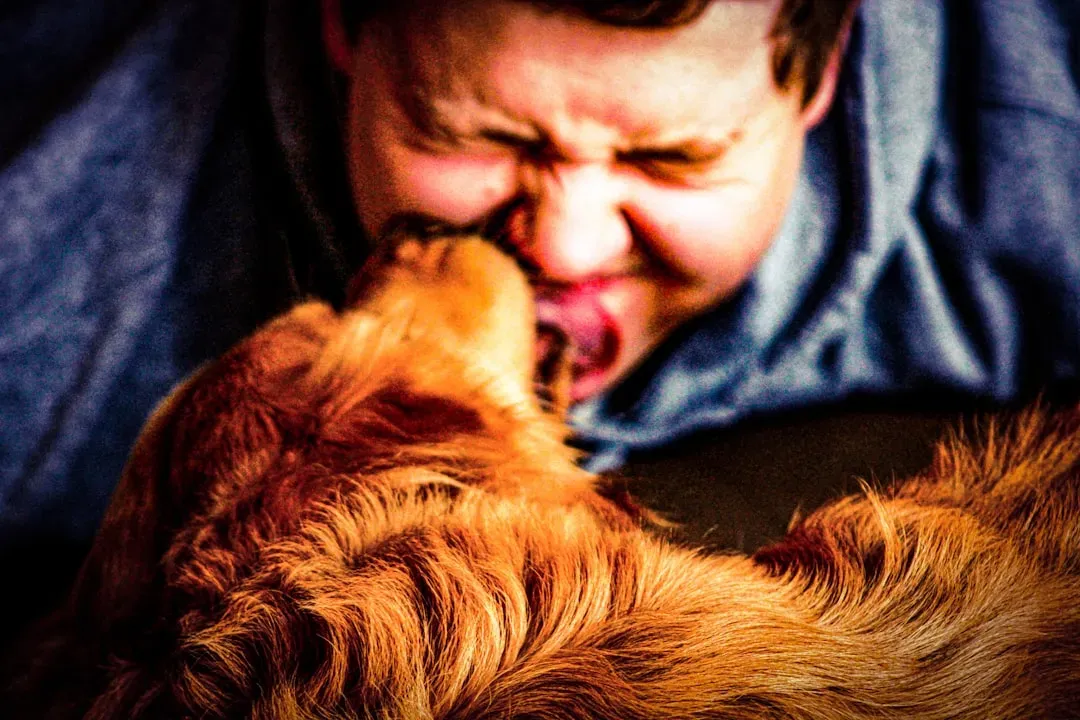
Dogs can’t walk up to you, tap your shoulder, and say “Hey, my paws itch” or “I’m really anxious when you leave.” Licking is one of the loudest ways they have to speak. A few loving licks? Beautiful. Constant, focused, frantic licking? That’s a conversation you need to hear.
The good news is that once you understand the why, you have real, practical tools to help. Whether it’s adjusting their diet, adding mental enrichment, creating a calmer routine, or getting a proper vet assessment, there’s almost always something meaningful you can do. Taking the proper steps can help reduce excessive licking, making your dog more comfortable and improving their quality of life. The goal isn’t to stop your dog from licking entirely, but to keep it balanced and healthy.
You chose to love a dog. That means learning their language, even the quiet, wet, repetitive parts of it. So next time your pup starts licking a little too much, pause and ask yourself: what are they trying to tell me? You might be surprised by what you find out. What has your dog’s licking been trying to say? Share your experience in the comments below!


