
We all grow up hearing them. From grandparents, neighbors, well-meaning friends at the dog park, and countless comment sections online. Little nuggets of dog wisdom passed down through generations, repeated so often they start to feel like gospel truth. But here’s the thing – some of the most confidently shared “facts” about our dogs are completely, provably wrong. Not just a little off. Totally, sometimes dangerously, untrue.
Some of these myths are just harmless misunderstandings. Others? They could genuinely affect how you feed, train, read, and care for your dog. And as someone who is passionate about dogs getting the love they deserve based on real knowledge, not folklore, I think it’s time we set the record straight. Buckle up, because a few of these might genuinely surprise you. Let’s dive in.
Myth 1: A Dry or Warm Nose Means Your Dog Is Sick

This is probably the most casually repeated dog myth of all time. You touch your pup’s nose, it’s a little warm and dry, and suddenly the worry sets in. Honestly, I’ve done it myself. But the temperature and moisture level of your pet’s nose fluctuates throughout the day and can be impacted by genetics, environment, activity level, and more.
There’s no direct correlation between nose temperature or moisture and illness. A dog who just woke up from a nap, spent time near a heater, or simply hasn’t licked their nose recently might have a warm, dry snout. A dog’s nose can be dry for many reasons that have nothing to do with illness. Weather, dehydration, or even nap time can affect how moist their nose feels.
More appropriate meters of your pet’s health are their appetite, energy level, and overall comfort level. What should actually concern you? You should be concerned when your pet’s nose has a discoloured discharge. That’s the real red flag, not a little dryness on a sunny afternoon.
Myth 2: A Wagging Tail Always Means a Happy Dog
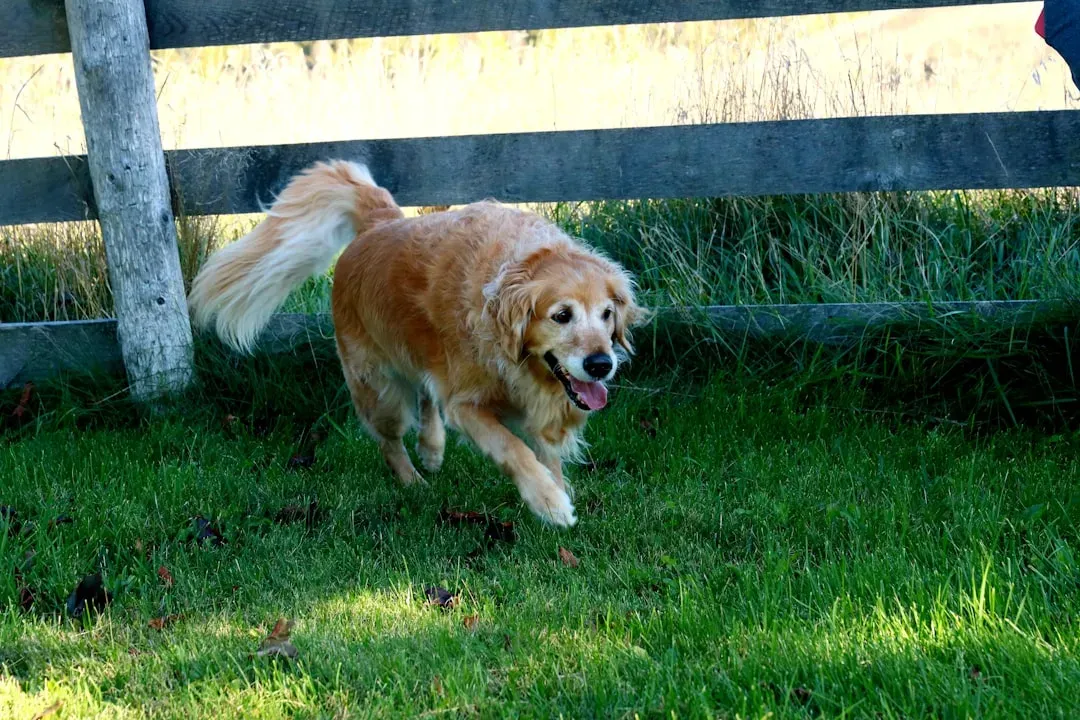
We see a wagging tail and our hearts melt. Instantly friendly, instantly safe, right? Not quite. Just like a human smile, a dog’s wagging tail does not necessarily reflect happiness or something positive. Dogs frequently wag their tails when they are agitated, irritated, tense, anxious, annoyed, frightened, angry, or aggressive. Think of it like a smile on a nervous first date. The expression is there, but the emotion behind it is complicated.
A vigorous tail wag to the right means happiness at seeing its owner, but slow wags of a tail held halfway down can mean fear or insecurity. Additionally, a tail held very high and wagged extremely fast can mean fear or aggression for some dogs. So instead of just watching whether the tail moves, watch how it moves. The direction, speed, and height all tell a different story.
Myth 3: Dogs See Only in Black and White

This one gets repeated so often that most people never think to question it. The truth is genuinely more colorful, literally. Dogs are not entirely colorblind, but instead they see colors differently from humans. Humans’ eyes have three sets of cone photoreceptors while dogs’ eyes have just two.
Their eyes detect fewer colours than ours, so their perception is similar to humans with colour blindness. They can tell the difference between blue and yellow, but see green and red as shades of grey. So your dog actually can appreciate that bright blue ball you throw at the park. Red toys on green grass, though? To them, it’s basically camouflage. Worth knowing when you’re picking out toys.
Myth 4: One Human Year Equals Seven Dog Years

This one feels so tidy and logical that it’s hard to let go of. But it simply doesn’t hold up. Recent research, which includes advanced DNA studies, shows that the long-held formula that one human year equals seven dog years no longer holds true. In fact, there are so many factors involved in comparing the aging of dogs to humans that it’s a lot like comparing apples and oranges.
The newest info shows that dogs and humans experience similar physical milestones at different paces. For instance, a 1-year-old dog doesn’t equal a 7-year-old child but instead corresponds to a 30-year-old human. A 4-year-old dog aligns with a 52-year-old human. Different breeds also age in different ways. Small dogs develop faster and live longer lives in comparison to larger breeds. Understanding this helps you anticipate and meet your dog’s actual life stage needs, not an oversimplified formula.
Myth 5: Dogs Eat Grass Because They’re Sick

Picture this: your dog lunges enthusiastically into a patch of green grass on your morning walk, and your heart sinks a little. Are they nauseous? Something wrong? Here’s the thing. One of the most common dog myths is that eating grass is a sign your dog is sick, but that’s not necessarily true. In fact, the science on this is refreshingly reassuring.
Less than roughly a quarter of dogs vomit after eating grass, and only about one in ten show signs of illness before eating grass. So, chances are, in most cases, the two behaviors are unrelated. Dogs eating grass is much more likely to be because it tastes nice, particularly in the spring and summer months when it’s green and fresh. Just be mindful about chemically treated lawns. That part actually does matter.
Myth 6: The “Guilty Look” Means Your Dog Knows They Did Wrong
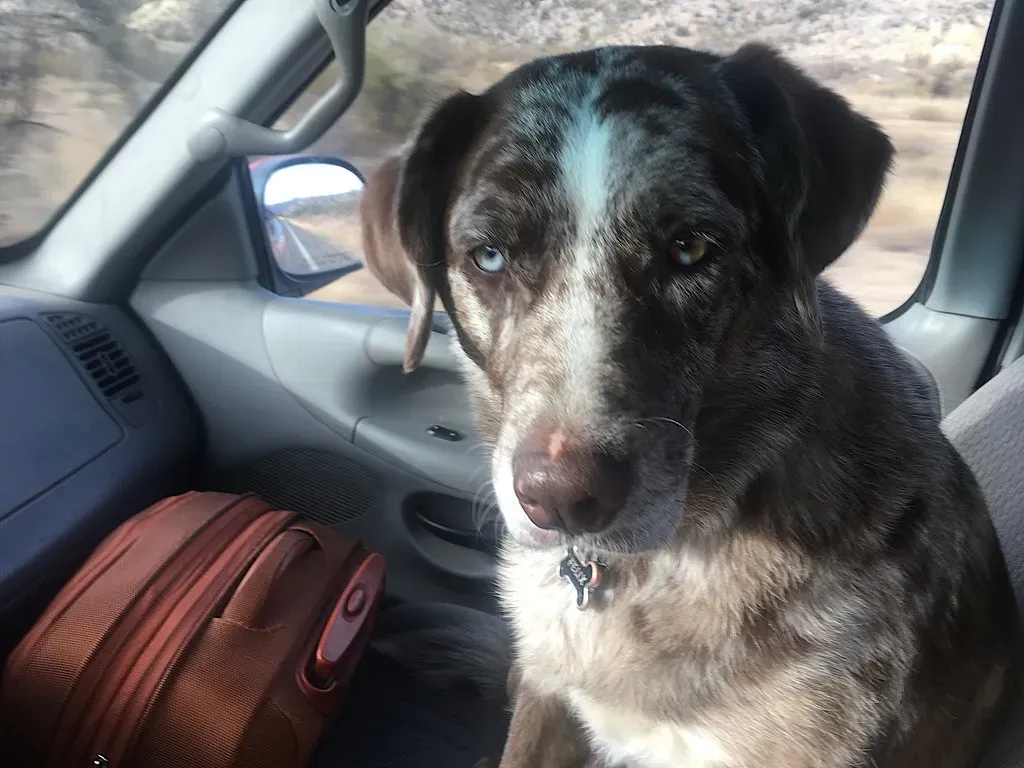
Oh, this one. We’ve all been there. You walk in, and your dog is low, slow, ears pinned back, eyes enormous and soft. The sofa cushion is in pieces behind them. Clearly, they know what they did. Except, they really don’t. Owners often mistakenly believe their dog knows they have done wrong, but what you’re actually seeing is appeasement behaviour. Dogs that look guilty are simply responding to an owner’s disappointment, upset or anger.
Researchers challenge the idea that dogs feel morally guilty or preemptively sorry about their misdeeds. More plausibly, dogs displaying submissive “guilty” behaviors are simply responding fearfully to pet parent cues predicting punishment may come next. They’re reading your body language, not their conscience. Understanding this completely changes how we handle those moments, and honestly, makes punishment feel a lot less fair.
Myth 7: You Can’t Teach an Old Dog New Tricks

This old saying has probably kept a fair number of senior dogs from getting the mental stimulation they genuinely need. It’s not just wrong, it’s a little bit heartbreaking that people believe it. Dogs can learn new tricks, skills, and commands within their physical capabilities. What’s more, they usually want to learn. Their minds need stimulation, just like ours. With patience, kindness, persistence, and consistency, owners can teach their older dogs all sorts of new tricks.
Some geriatric dogs that struggle with vision, hearing or mobility issues may not be as easy to train. However, as long as their brain is in good shape, they can absolutely learn new things. So if you’ve adopted an older dog or your beloved companion has some grey around the muzzle, don’t sell them short. Training is one of the best gifts you can give a senior dog.
Myth 8: Female Dogs Need to Have One Litter Before Being Spayed

This myth gets passed around with such certainty, it can feel almost cruel to push back on it. But veterinary science is clear. It’s a myth that female dogs need to have one litter before spaying. Dogs are unable to feel broody, and allowing them to have one litter before getting them neutered has no proven health or behaviour benefit for them. There’s no maternal instinct being denied here. That’s a very human projection onto a dog’s experience.
In fact, spaying before a first litter can carry real health benefits. Neutering your female dog can prevent some illnesses such as womb infections, called pyometra, which can sadly be fatal. If you’re unsure about timing, always talk to your vet. There is not enough evidence to say when is the best time to neuter your dog, and it can vary based on their breed, size and sex. But the “one litter first” idea? There’s simply nothing to support it.
Myth 9: Garlic Keeps Fleas and Ticks Away
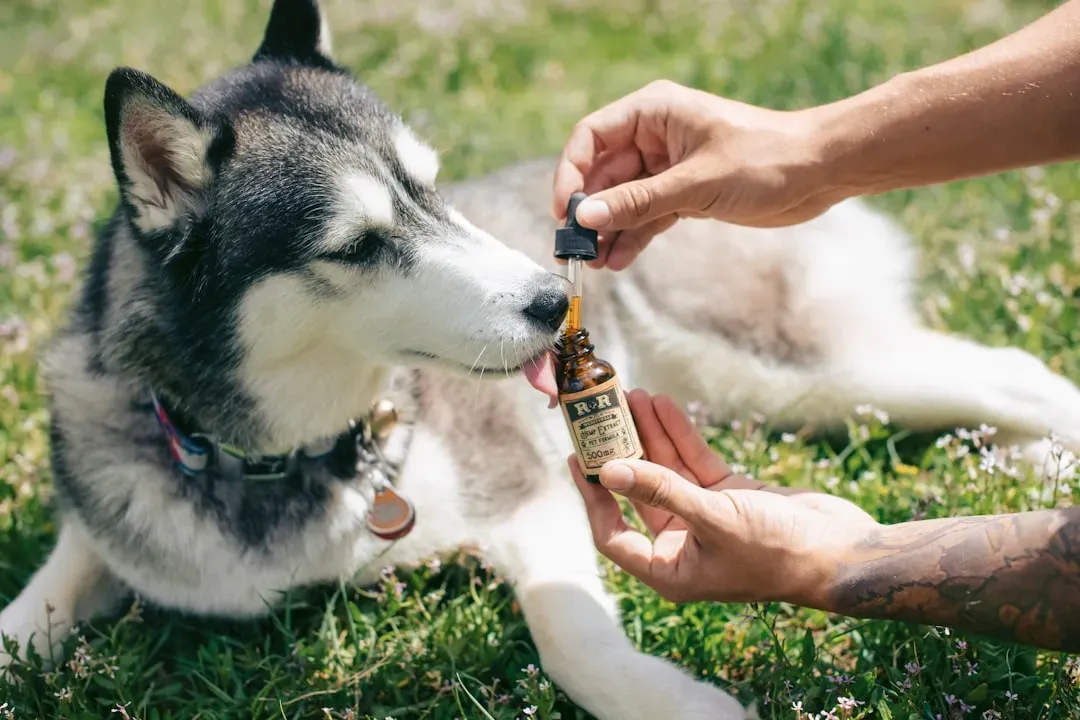
Somewhere along the way, someone decided that garlic was a natural flea repellent for dogs. It sounds earthy and wholesome. It is neither safe nor effective. Not only will garlic do nothing to help with fleas and ticks in your dog, but garlic has also been known to cause hemolytic anemia in dogs, a condition where the body attacks and destroys its red blood cells. That’s not a small side effect. That’s a genuine medical emergency.
Garlic can cause hemolytic anemia, leading to the destruction of red blood cells. Treating hemolytic anemia requires multiple days of hospitalization and often blood transfusions. Not all dogs who eat garlic will develop this condition, but feeding your pet garlic increases the risk. Please, skip the garlic and talk to your vet about proven, safe flea prevention options instead. Your dog will thank you.
Myth 10: A Dog’s Mouth Is Cleaner Than a Human’s

Let’s be real. You’ve probably heard someone say this right before letting their dog lick their face or, worse, an open wound. It sounds like it could be true, almost scientific. It is not. Dogs’ mouths are filled with bacteria and are far from clean. Dogs often eat their own poop, contributing to the bacterial load in their mouths. Research shows that those mouths are very dirty.
Letting your pet lick their wound is likely to do more harm than good. Your pet’s mouth is often full of bacteria that can build up inside the wound, leading to infection. And speaking of mouths, chronic bad breath in dogs is caused by bacteria in the mouth and is often the first sign of dental disease. In addition to tooth loss, abscesses and periodontal disease, poor oral hygiene can lead to life-threatening conditions, including kidney, liver and heart damage. A clean mouth needs brushing and dental care, not myths.
The Bottom Line: Better Knowledge Means Better Love
Myths survive because they’re passed from one caring dog owner to another, often with the best intentions. Nobody is sharing these tales to harm their pets. Still, the truth matters deeply when it comes to the health, happiness, and safety of the dogs we love so fiercely.
The good news is that every myth you unlearn makes you a more empowered, more responsive, and ultimately more connected dog parent. Your dog can’t read these articles. You can. That’s the whole point. When you understand what your dog’s nose really tells you, what that tail wag actually means, or why that “guilty look” deserves gentleness rather than scolding, your whole relationship shifts.
So here’s a gentle challenge: share one of these with a fellow dog lover today. Because sometimes, the most loving thing we can do for our dogs is simply to get better informed. Which of these myths surprised you most? Drop it in the comments. I have a feeling a few of these hit pretty close to home.


