
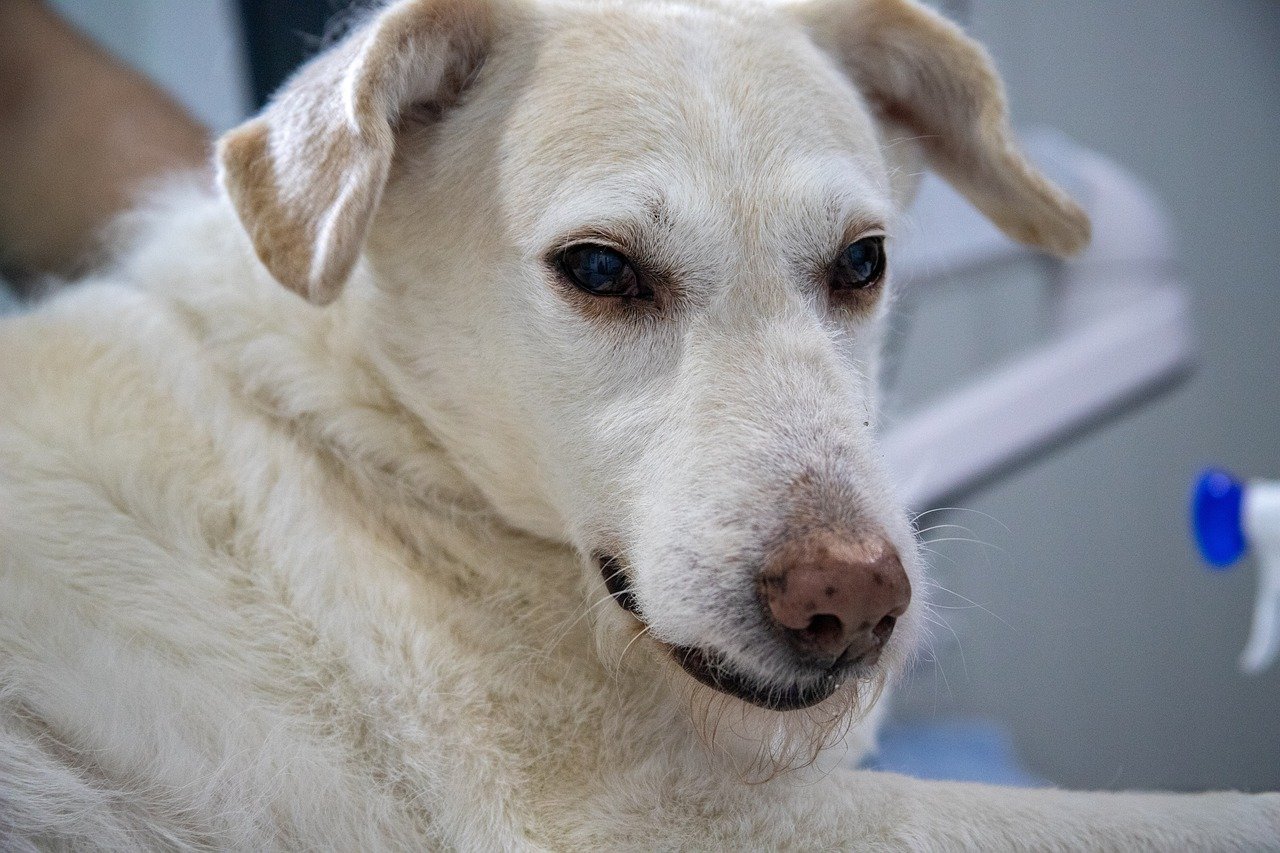
Clusters of Cases Prompt Swift Action (Image Credits: Pixabay)
Bay Area – Veterinarians observed a surge in leptospirosis infections among dogs this season, raising alarms amid recent rainy weather.[1][2]
Clusters of Cases Prompt Swift Action
Clinics across the region treated multiple dogs for the bacterial illness in recent weeks. At Lenity Vet Specialists in San Mateo County, Dr. Kim Carlson reported three confirmed cases over the past couple of weeks alone. She emphasized the need for isolation and antibiotics to curb spread within facilities.[1]
In Berkeley, public health officials issued alerts after infections surfaced near the Harrison Street encampment in late 2025. Alameda County Vector Control confirmed the bacteria in trapped rats during December, alongside two dogs that fell ill in November and December. One puppy recovered following treatment, while another litter mate succumbed to severe liver failure.[3][2][4] Santa Clara County recorded at least one case last year, and San Francisco saw another when a reporter’s dog, Bubba, tested positive after showing sudden lethargy and vomiting. The pet later passed away due to complications from underlying conditions exacerbated by the infection.[1]
Transmission Thrives in Wet Conditions
Leptospirosis spreads through urine from infected animals like rats contaminating soil, mud, or standing water. Recent storms created ideal breeding grounds, with bacteria persisting for weeks in puddles and biofilms at dog parks. Dogs contract it by wading through tainted areas or licking their paws afterward.[1]
Symptoms often emerge subtly at first. Common signs include:
- Increased thirst and urination
- Loss of appetite
- Lethargy and vomiting
- Jaundice or yellowing of eyes and skin
- Diarrhea or muscle pain
Dr. Katherine Geating of the San Francisco SPCA noted that every rainy season brings more cases, urging owners to treat any puddle as a potential hazard.[1]
| Location | Reported Dog Cases |
|---|---|
| Santa Clara County | 1 (2025) |
| Berkeley | 2 (late 2025/early 2026) |
| San Mateo County | 3 (recent weeks) |
| San Francisco | 1 (2026) |
Vaccination Emerges as Key Defense
Early intervention with antibiotics halts progression, but prevention remains paramount. The leptospirosis vaccine, administered as a two-shot series followed by annual boosters, shields dogs effectively against common strains. Untreated infections can lead to kidney or liver failure, with shedding continuing for months.[1]
Owners can further reduce risks through simple habits:
- Avoid letting dogs drink from puddles, creeks, or unknown water sources.
- Keep pets leashed near high-risk areas like Codornices Creek in Berkeley.
- Wash paws after walks and maintain hygiene around food bowls.
- Secure trash to deter rats, primary carriers in urban outbreaks.
- Consult vets promptly for flu-like symptoms in pets.
Dr. Carlson stressed that vaccinated dogs fare far better, even if exposed.[1]
Zoonotic Threat Looms for Humans Too
Though rare, the disease jumps to people via similar contaminated sources or contact with infected pet urine. Bay Area health departments logged one human case in San Francisco this year, with no direct links to the dog clusters. Flu-like symptoms such as fever, chills, and headache signal possible exposure, treatable with antibiotics if caught early.[1][5]
Officials designated risk zones around Berkeley’s encampments, advising residents to relocate and use protective gear. No airborne spread occurs, but vigilance protects vulnerable groups like the immunocompromised.[4]
Key Takeaways
- Vaccinate dogs annually against lepto, especially in rainy regions.
- Steer clear of standing water and rodent-heavy areas during walks.
- Seek vet care immediately for thirst, lethargy, or appetite changes.
Veterinarians urged pet owners to act now, as winter rains persist and cases mount. Proactive steps today safeguard beloved companions tomorrow. What steps have you taken to protect your dog? Share in the comments.


