
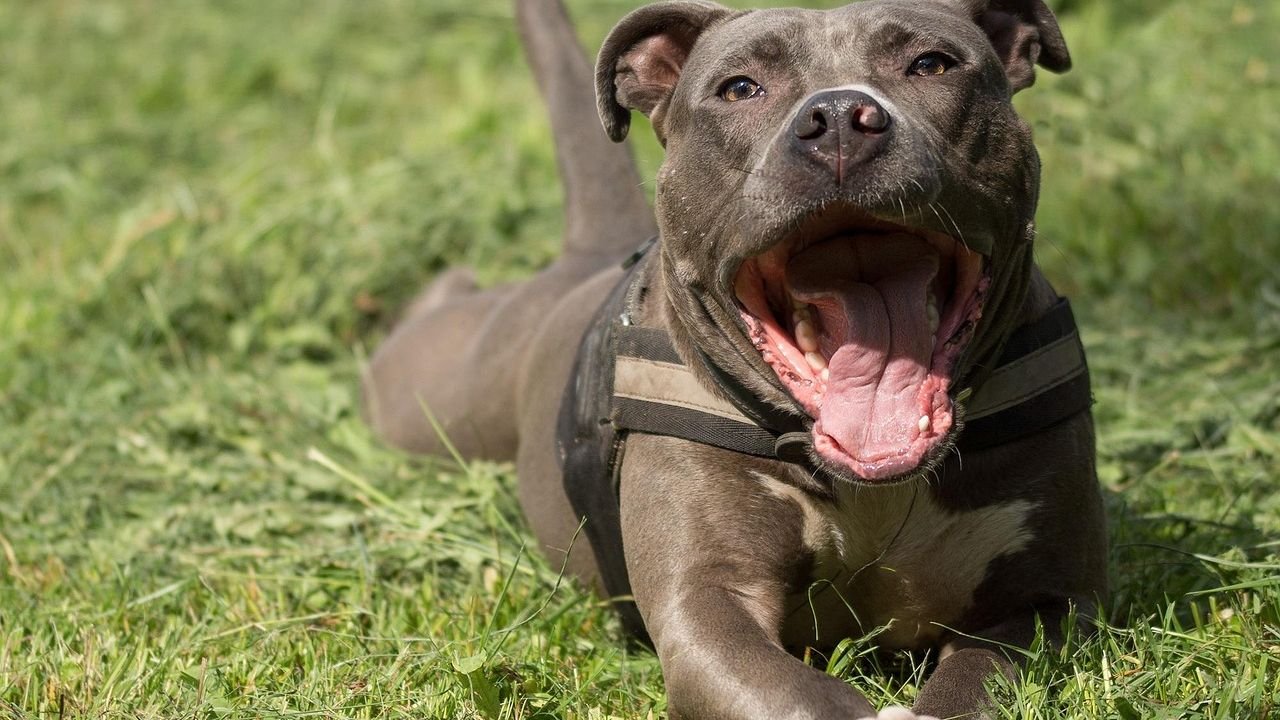
Picture this. A toddler tumbles onto the living room floor, lower lip trembling, somewhere between a laugh and a cry. Before mum can even get up from the sofa, a stocky, wide-eyed Staffordshire Bull Terrier has already padded over, pressed his warm body against the child, and begun licking away the confusion. The room goes quiet. The little one giggles.
That is not a one-off heartwarming story. For countless families across the UK and beyond, it is simply a Tuesday. The Staffie, or Staffordshire Bull Terrier, carries a nickname that is both beautiful and fiercely debated: the “Nanny Dog.” It is a title soaked in history, shaped by loyalty, and today, desperately in need of defending. Whether you already share your home with one of these magnificent dogs or you are simply curious about the truth behind the reputation, what follows might just surprise you. Let’s dive in.
From the Bull Pit to the Nursery: The Origins of the “Nanny Dog” Nickname
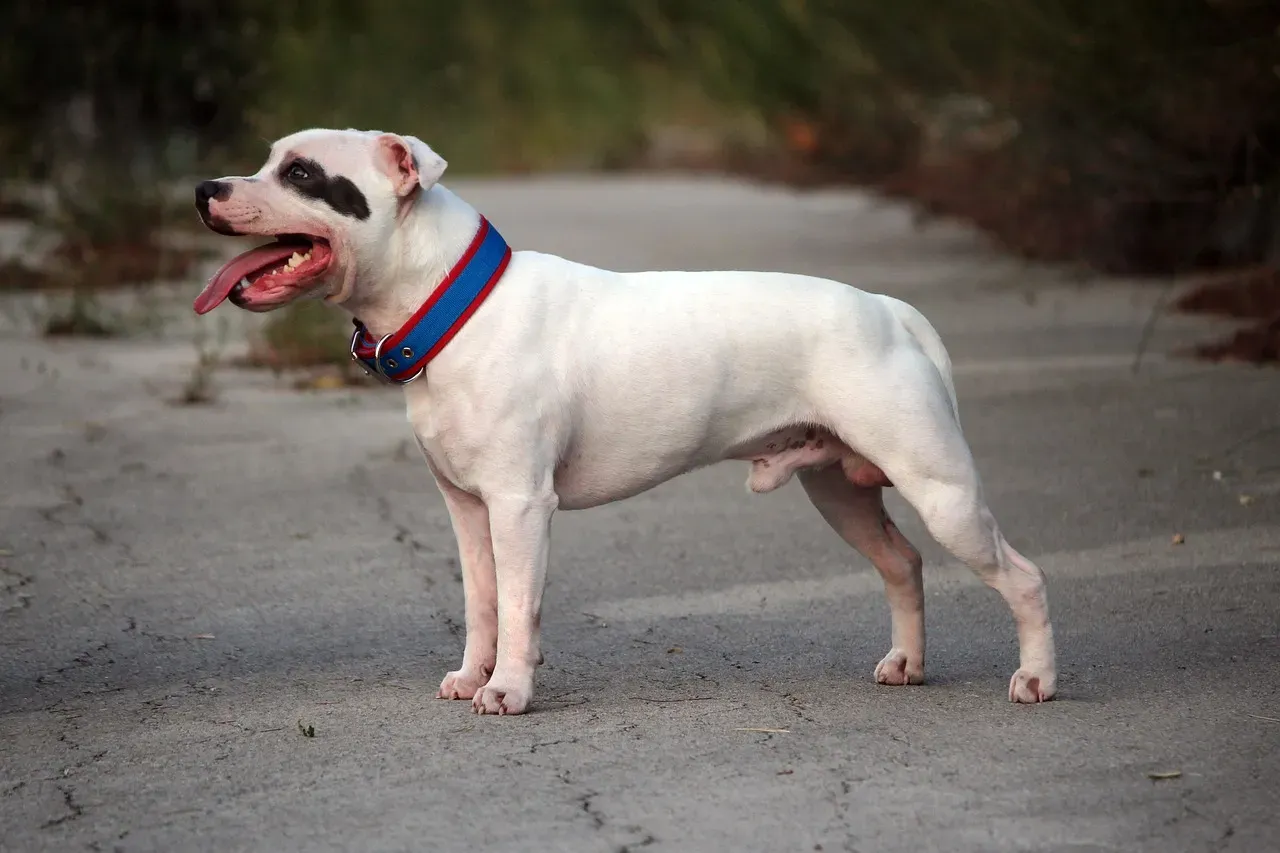
In the bustling streets of 19th-century England, the Staffordshire Bull Terrier emerged from a mixture of Bulldogs and Terriers, originally bred for bull-baiting, a gruesome sport of the era. Honestly, when you first learn that, it feels almost impossible to reconcile with the goofy, tail-wagging creature sitting on your lap today. The transformation is remarkable.
Dogfighting ultimately lost its popularity and was banned in 1835, yet the Staffordshire Bull Terrier remained a favourite breed of working-class families. Eventually, a group of workers in the Staffordshire area preserved the breed by introducing it into the world of dog shows. It was during this period, embedded in domestic life, that their gentle side truly came to light.
In England, the Staffordshire Bull Terrier is nicknamed the “nanny dog,” such is its reputation as a child’s playmate and guardian. Despite their fierce appearance, these dogs are lovers, not fighters. The breed is gentle, docile, and always on the lookout for fun. The nickname itself carries real weight. We can likely point to a newspaper article in which a breeder of Staffordshire Bull Terriers mentioned that the dog was a great “nursemaid” for children. Nursemaid. That is an old-fashioned word, but the instinct it describes is very much alive today.
What Makes a Staffie So Naturally Good With Children
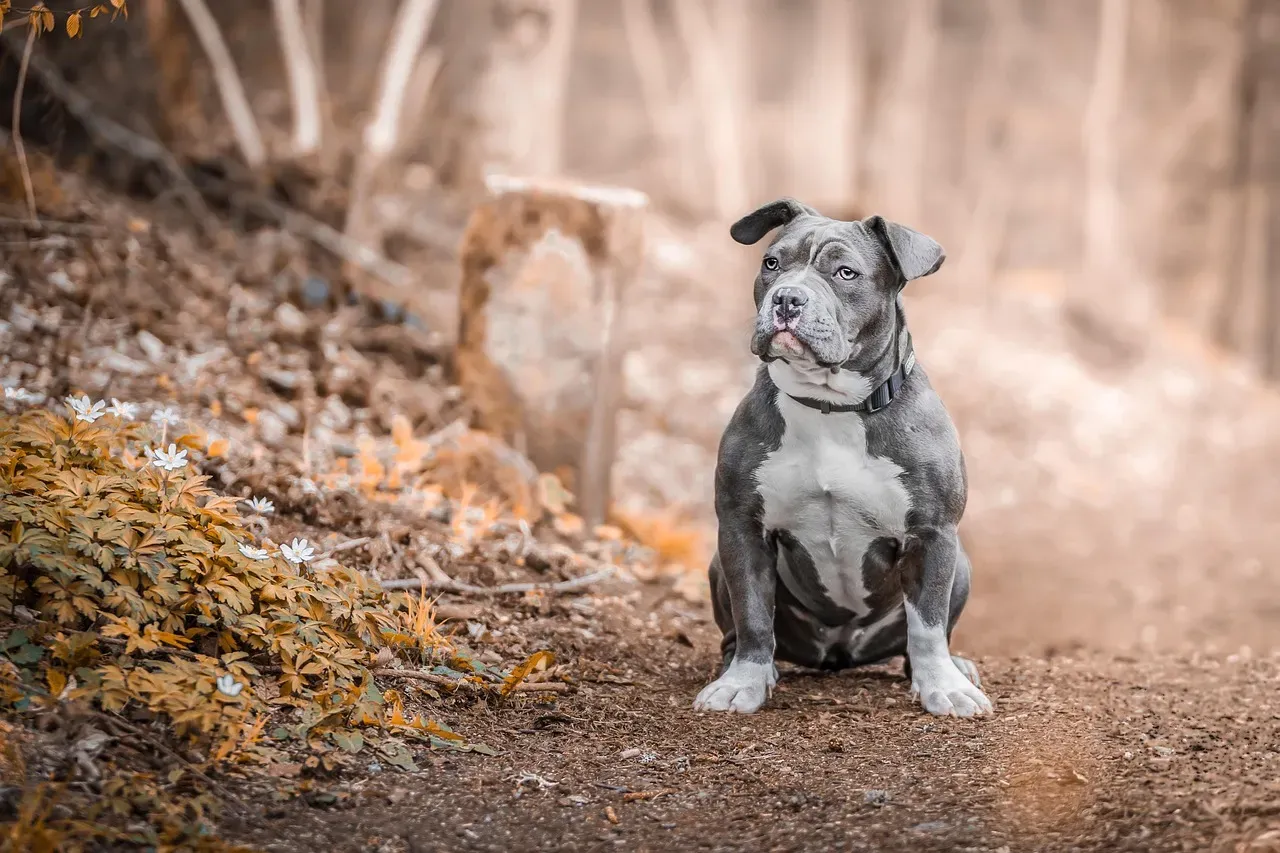
Let’s be real: not every breed tolerates a toddler yanking its ear. The Staffie not only tolerates it, it seems to actually enjoy the chaos of family life. Many parents have observed the soothing effect a Staffordshire Bull Terrier can have on children. These dogs seem to possess an inherent understanding of a child’s emotions and are quick to offer comfort during sad or distressed moments.
Their love of children has given Staffies the nickname of “nanny dogs,” as they’re gentle, affectionate, and patient with little ones. Think of it like this: if Golden Retrievers are the polished family sedan, Staffies are the beloved old campervan that goes everywhere with you and never lets you down. They thrive on human companionship, often following their family members from room to room just to be close.
The nanny dog’s presence also contributes to a child’s social development. Interaction with these dogs teaches youngsters empathy, respect, and responsibility, nurturing their emotional growth in a unique and impactful way. That is a benefit no tablet or playgroup can fully replicate. Their loyalty to their families makes them natural protectors, ensuring the safety of the kids they watch over. Their high energy levels and playful spirit also make them ideal companions for active children.
The Truth About Staffie Behaviour: Separating Fact From Fear
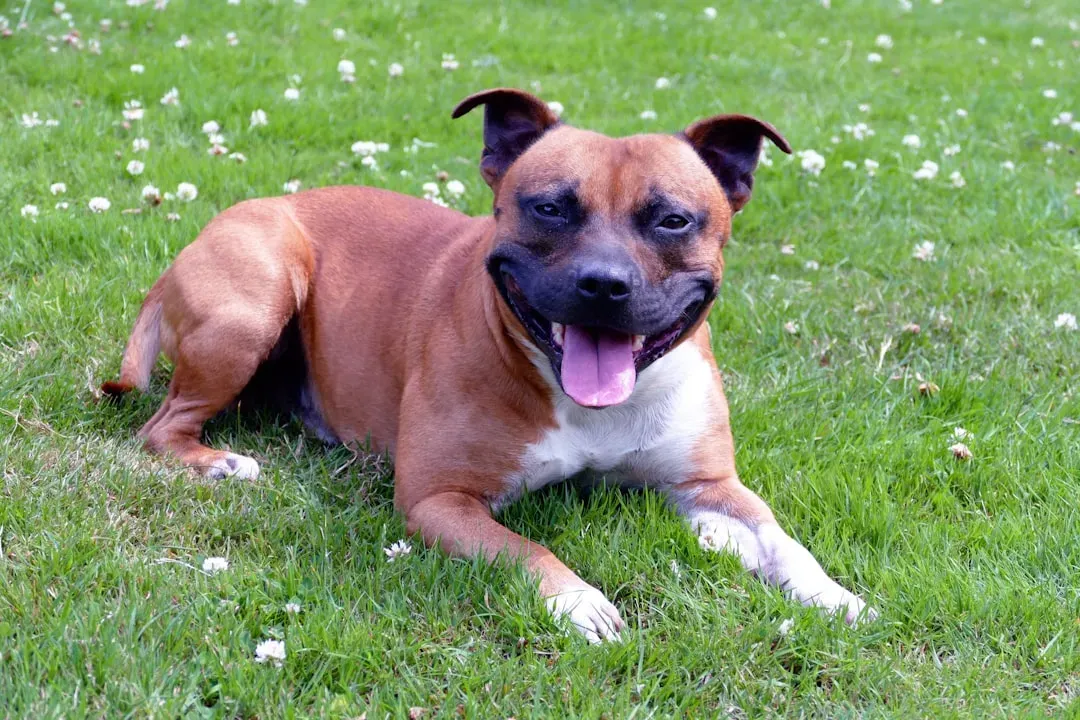
Here’s the thing. The Staffie’s reputation has taken a battering over the past few decades, and a lot of it is frankly unfair. Their history has contributed to the misconception that they are inherently aggressive. However, modern breeding practices and responsible ownership focus on promoting the breed’s positive qualities, such as loyalty, courage, and affection.
Research supports Staffy friendliness: studies show they’re less aggressive towards humans than many other dog breeds. Poor upbringing can trigger aggression, as neglect, isolation, or harsh discipline often lead to behavioural issues in Staffies. Positive training improves outcomes, with rewards and early exposure to various settings encouraging calm, sociable Staffies.
Myths proliferate about them, such as the misconception that they can lock their bite, which is not something dogs do. In fact, going “crazy with aggression without warning” is not only untrue but much less likely in Staffies than in some other breeds. The behaviour cue to watch for is not aggression but overexcitement. Staffies can be over-excitable and impulsive, with the tendency to throw their weight around and use their mouths in play. This boisterous behaviour can put children at risk of being knocked over, so a Staffy should always be supervised and managed with children. Supervision is not a sign of distrust. It is simply smart parenting.
Health Signs Every Staffy Owner Needs to Know
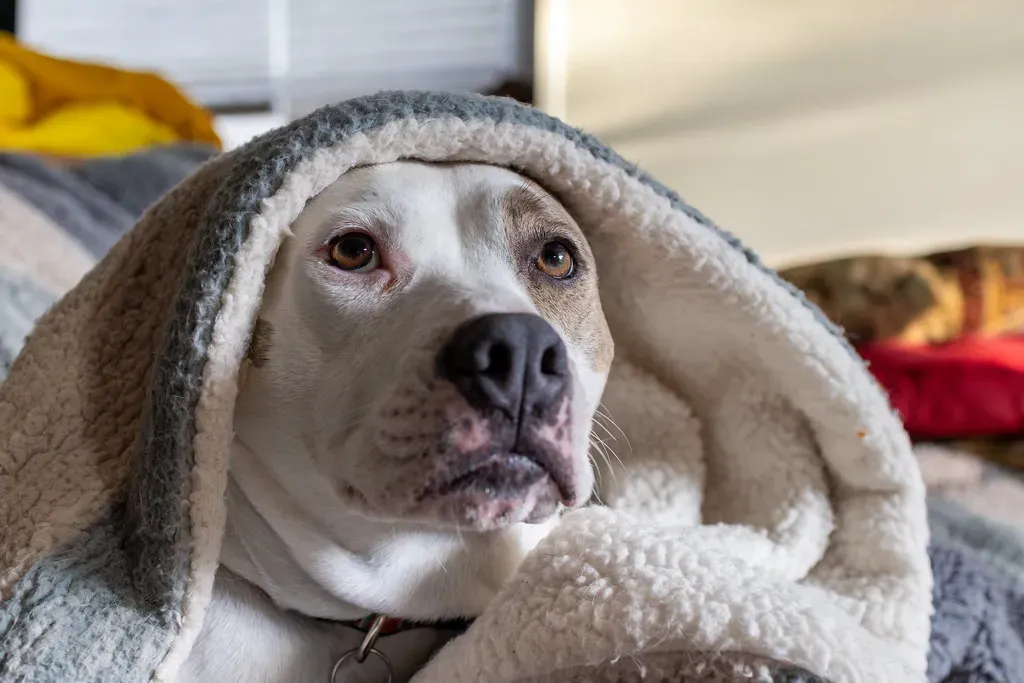
Loving a Staffie well means knowing what to watch for. The average Staffordshire Bull Terrier lifespan is 12 to 14 years, and the breed is statistically a healthy dog. Still, there are some specific conditions worth being prepared for.
Hereditary cataracts are a serious problem with Staffies; they can appear when the dog has reached 18 months old and can lead to blindness. Progressive retinal atrophy can also occur in some Staffies, a condition that will always lead to the dog going blind. Watch for cloudiness in your dog’s eyes or any signs of bumping into furniture or hesitating on stairs. Early detection is vital, so regular vet check-ups are essential. If you notice any changes in your dog’s eyes or any signs of vision loss, contact your vet immediately. Surgical treatment can often restore vision in dogs with cataracts.
L-2-HGA is a neurometabolic disorder that is genetic, with symptoms including epileptic seizures, tremors, and a wobbly gait. It is hard to say for sure how many dogs are affected, but responsible breeders test for it. Symptoms include seizures, muscle stiffness, uncoordinated movements, and behavioural changes. There is no cure for L2-HGA, but symptoms can often be managed with medication and a special diet. Always ask your breeder for health clearance certificates covering both L2-HGA and hereditary cataracts before bringing a puppy home.
Fighting for the Staffie: Overcoming Stigma and Shelters Full of Love
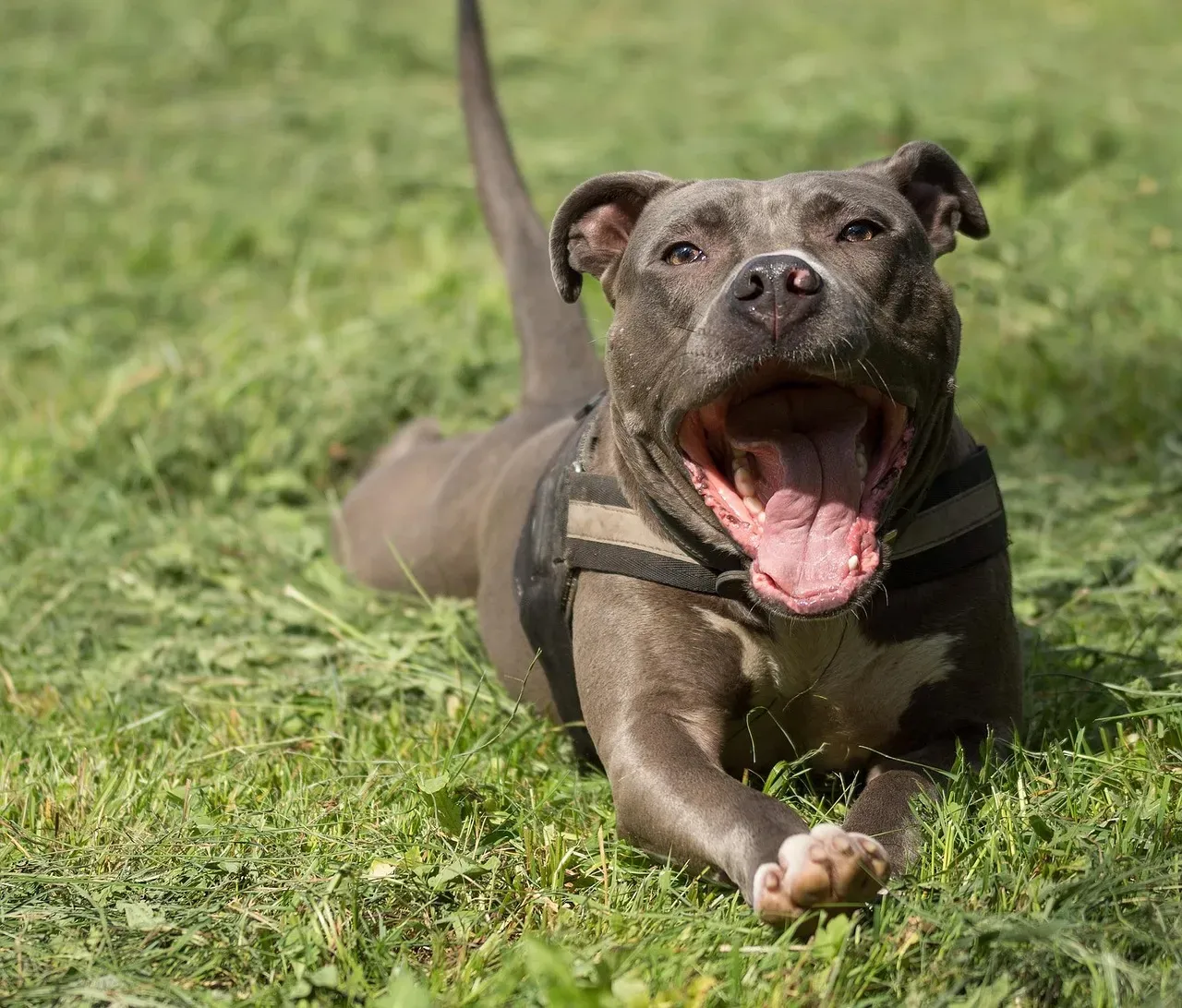
This is the part that honestly breaks my heart a little. Despite everything we know about how wonderful Staffies are, Staffies really struggle to adapt to kennel life because of their sheer love of spending time with people, a need which is difficult to meet in a shelter environment. These are not dogs who can switch off their need for human connection.
So many Staffordshire Terriers are in shelters mostly due to their popularity leading to overbreeding and misconceptions about their temperament and needs. Breed-specific legislation causes concentrations of Staffies in shelters in areas where they are allowed. Misunderstandings about their nature and the challenges of their high energy levels often result in abandonment by unprepared owners.
The Kennel Club, RSPCA, Dogs Trust, and Blue Cross are urging MPs to reject calls to add Staffordshire Bull Terriers to the list of “banned breeds.” The leading animal welfare organisations strongly believe that current breed-specific legislation should be repealed and replaced with legislation which targets irresponsible owners and not dogs guilty of nothing other than looking a certain way. The problem was never the breed. It was always the humans behind it. Aggression is not an inherent trait of the Staffordshire Bull Terrier. In fact, responsible breeders actively select against aggressive tendencies, prioritizing stable temperaments. A well-bred, well-socialized, and properly trained Staffie is just as likely to be a loving and gentle companion as any other breed.
Conclusion: The Nanny Dog Still Has So Much Love to Give
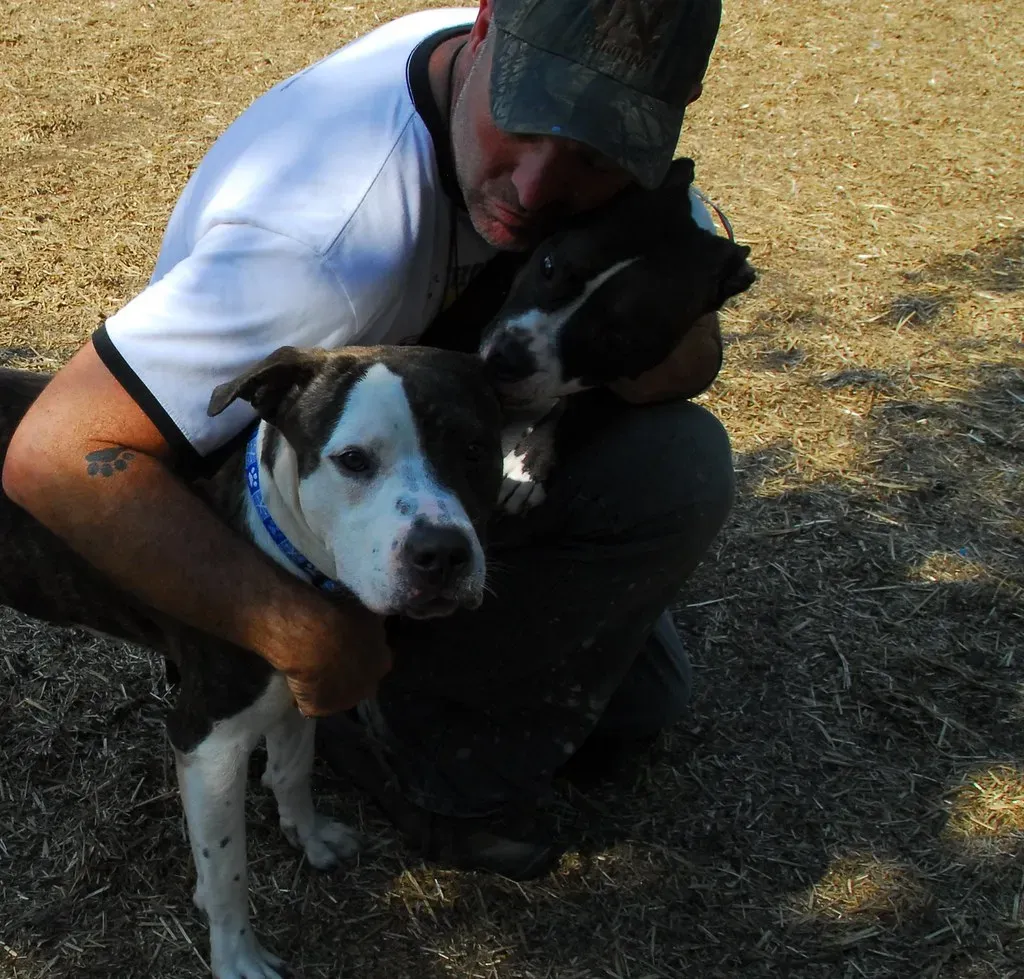
The Staffie’s journey from a fighting dog to a family favourite is, in many ways, one of the most extraordinary stories in the entire canine world. The Staffordshire Bull Terrier’s journey from a fierce fighter to a gentle guardian reflects the breed’s adaptability and capacity for love. That is not something you can train into a dog. It runs deep.
When given appropriate avenues to express their natural play styles and taught how to be calm around children and in the home, Staffies make fun and friendly family members. If you are keen to add a Staffy to your family, plan to start positive reinforcement training early to help your Staffy become a confident and polite dog around people and other dogs. Early socialisation is the single best investment you can make.
If you are thinking of opening your home to one of these dogs, please consider adoption first. The majority have so much love, loyalty and kindness to give, and they are just waiting in a rehoming centre for someone to see them clearly. The nanny dog title was earned over generations. Every Staffie sitting in a shelter right now is just waiting for the chance to earn it all over again, with you.
What do you think – has your Staffie lived up to the “Nanny Dog” name? We would love to hear your stories in the comments below.


