

You found them online. The website looked clean and professional. The photos showed fluffy, bright-eyed puppies snuggled in cozy blankets, the mother dog looking healthy and happy in a sunlit yard. Your heart melted on the spot. But here’s something that should make every dog lover pause: those gorgeous photos might have been stolen from an actual ethical breeder’s Instagram page, and the “breeder” behind the listing could vanish the moment your payment clears.
In recent years, online puppy fraud has exploded, costing unsuspecting families millions of dollars and untold heartbreak, with scammers setting up fake breeder sites, stealing photos, and vanishing the moment money changes hands. The worst part? These scams are becoming harder to spot. They are polished, emotionally manipulative, and terrifyingly convincing. So before you hand over your heart or your wallet, let’s walk through every single red flag you absolutely need to know. Let’s dive in.
1. The Photos Are Almost Too Perfect

There’s a difference between a real breeder’s snapshot of a wriggly puppy on a kitchen floor and a suspiciously magazine-worthy portrait that looks like it was lit by a professional photographer. Scammers often steal pictures from real breeder websites or Instagram accounts, so if every photo looks like it belongs in a magazine, ask for a real-time video of the puppy with a timestamp or your name on a piece of paper in the shot.
To verify puppy images, use Google image search to conduct a reverse image search, which helps in checking if the photos are unique to the breeder or if they have been lifted from other websites or used as stock images. Think of it like checking whether your “designer” handbag is genuine. If the same image shows up on ten different listings, you already have your answer.
2. They Refuse to Do a Live Video Call

One of the first warning signs is when a seller refuses to talk on the phone. Honest breeders want to get to know you and will be more than happy to answer questions over a call or video chat. Scammers, on the other hand, often stick to email or messaging apps, especially if they’re outside the country.
Always ask for new, timestamped photos and ask for a live video chat. If a breeder is not willing to facilitate a live video chat where you can “meet” the puppies, run. A real breeder has nothing to hide. They want you to see those wiggly tails and that healthy mama dog. Excuses are a massive red flag.
3. They Won’t Let You Visit in Person

Breeders should want you to meet the new puppy and may even want to visit your home to ensure it’s a good fit for the animal. It’s a red flag if they won’t let you meet the parents or visit the home. Honestly, a breeder who loves their dogs will be proud to show off where those pups were born and raised.
The kennels of fraudulent operations are so unsanitary that they never want buyers to visit them on-site. Instead, they execute their trades off-site, in car parks or other public spaces, suggesting it’s for your convenience. If you’re being offered a “neutral location” handoff instead of a home visit, that should set off every alarm bell you have.
4. The Price Is Suspiciously Low

A big warning sign is when the price of a puppy seems way too low, especially for popular or usually expensive breeds. Scammers might advertise puppies that don’t even exist or offer rare breeds at surprisingly cheap prices, hoping you’ll jump at the chance to get a unique pet.
If a puppy, especially a popular or purebred breed, is priced suspiciously low, it may be a red flag. Always compare prices with other breeders. I know it sounds crazy, but a deal that feels too good really is too good. Think of it this way: ethical breeding involves health testing, vet care, proper feeding, and years of expertise. None of that comes cheap.
5. They Create a Sense of Urgency

Scammers often create a sense of urgency, claiming multiple interested buyers or pushing for immediate payment. Phrases like “only one puppy left” or “another family is ready to pay right now” are classic manipulation tactics designed to short-circuit your rational thinking. It works because the excitement of a new dog can genuinely cloud your judgment.
Don’t rush your decision, because scammers often pressure buyers to act quickly. A legitimate breeder who has spent months carefully planning a litter is not going to rush you into a snap decision. They want the right home for their puppies just as much as you want the right puppy for your home.
6. They Ask for Untraceable Payments

Fraudulent breeders may insist on non-standard payment methods such as wire transfers, gift cards, or cryptocurrency, which are difficult to trace and recover. They often avoid secure payment options and may ask for large deposits or full payments upfront without providing guarantees.
If a breeder insists on wire transfers, Zelle, or gift cards, it’s almost always a scam. Reputable breeders typically accept secure methods such as PayPal or credit card, which give you options to dispute charges if something goes wrong. The moment someone says “gift cards only,” close that browser tab. Full stop.
7. There’s No Health Documentation Whatsoever

Be wary of ads with vague descriptions, high-pressure sales tactics, and lack of proper health documentation for the puppies. A genuine breeder keeps meticulous records. Vaccination schedules, deworming records, vet visit summaries for both the puppy and the parents. These are not optional extras. They are the bare minimum.
Fraudulent operations spare themselves the expense of genetic screening before they breed, so they have no idea what inherited diseases are passed on to puppies. Genetic screening is especially important when mating purebred dogs, who have a much more limited gene pool. Puppies born without this screening may succumb to serious in-born diseases, leading to expensive vet treatments and even an early death.
8. They Never Ask You Any Questions

A legitimate, responsible dog breeder will always check out your credentials before allowing you to take a dog home. Think about it from the breeder’s perspective. If someone put their heart and years of work into raising a litter of healthy puppies, they would absolutely want to know those puppies are going somewhere wonderful.
A reputable breeder can provide you with the dog’s entire pedigree, including health history and anything else you may want to know. They also care about their puppies and will want to know more about you to ensure their pups are going to the right people. If the “breeder” has zero questions for you and just wants payment, that silence is very loud.
9. The Website Has No Real Digital Footprint

Legitimate breeders usually have some digital footprint: reviews, Google listings, or social media engagement. If you can’t find anything outside their website, that’s a red flag. Do not trust reviews on their own website as they’re probably fabricated.
Nice looking websites don’t mean anything. Anyone can make a nice website. In 2026, a professional-looking site can be built in an afternoon. Instead, look for a breeder’s presence on breed-specific forums, genuine Google reviews, and active social media where real past customers comment naturally over time. That kind of history takes years to build, and scammers rarely have it.
10. They Offer Multiple Breeds, All Available Right Now

If a “breeder” has multiple puppies for sale that are all different ages and breeds, they are either lying or they are brokering puppies from puppy mills. Responsible breeders typically focus on one or two breeds at most. They plan litters carefully, with waiting lists that sometimes stretch months ahead.
Good breeders don’t need to post on Craigslist. They often have waiting lists and don’t need to search for buyers. If a website reads more like an online pet store with fifteen breeds all “ready now,” you are almost certainly looking at a puppy broker or outright scammer. Real passion for breeding doesn’t look like a catalog.
11. They Spin an Emotional Sob Story
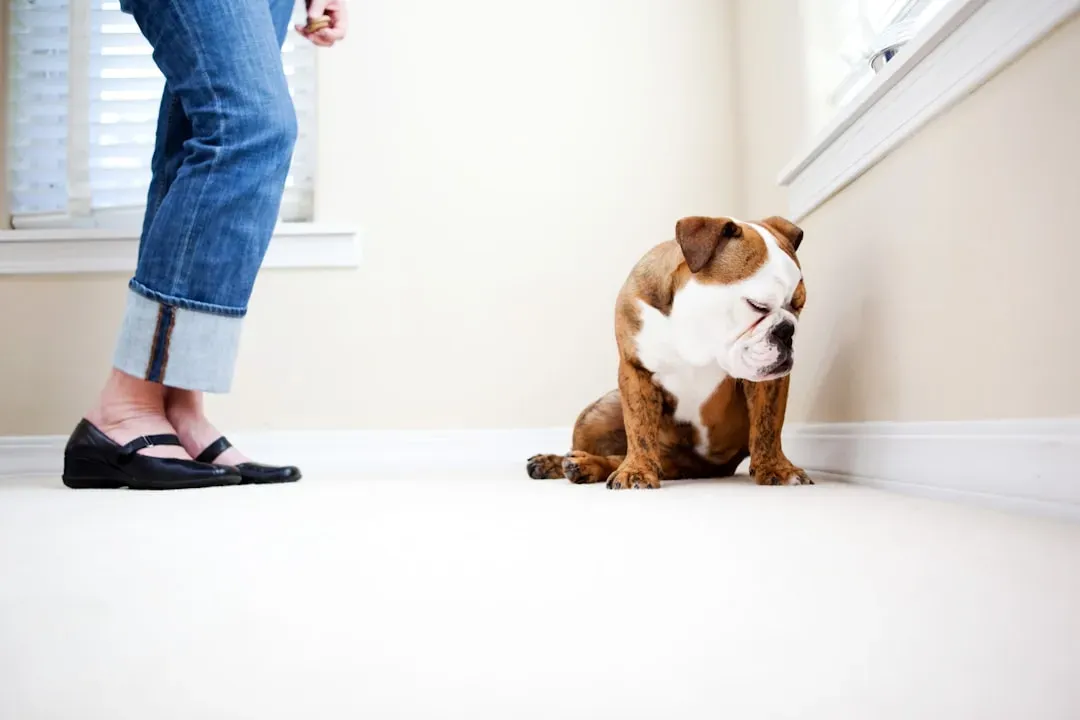
Scammers almost always tell you a sad story about why the puppy is for sale, such as family hardship, relocation, or death. These stories are expertly crafted to lower your guard and trigger your compassion. A deployed soldier who needs to rehome his dog urgently. A widow who can no longer care for her beloved pups. Sound familiar?
Online pet listings can look legitimate, but some are carefully crafted scams designed to take your money and disappear. Consumer advocates warn these fake breeders and rescues are still tricking buyers, often by exploiting emotion and urgency. Sympathy is a powerful tool, and scammers know exactly how to use it. Stay compassionate, yes, but keep your critical thinking firmly switched on.
12. They Claim Fake AKC or Kennel Club Certification

The AKC does not distribute badges to breeders. This is a commonly misunderstood point that fraudsters exploit constantly. Seeing an “AKC Registered” badge plastered on a website means very little on its own. One Nashville scam victim recalled that the seller claimed the dogs were registered with the American Kennel Club, which felt convincing enough to lower his guard completely.
When selecting a puppy, asking to see the dog’s registration paperwork is an important step. This documentation, provided by kennel clubs like the American Kennel Club, can offer valuable insights into the dog’s lineage. Always ask for the actual registration papers and verify them directly through the official organization’s website. Do not just take the seller’s word for it.
13. Puppies Are Offered at Under Eight Weeks Old
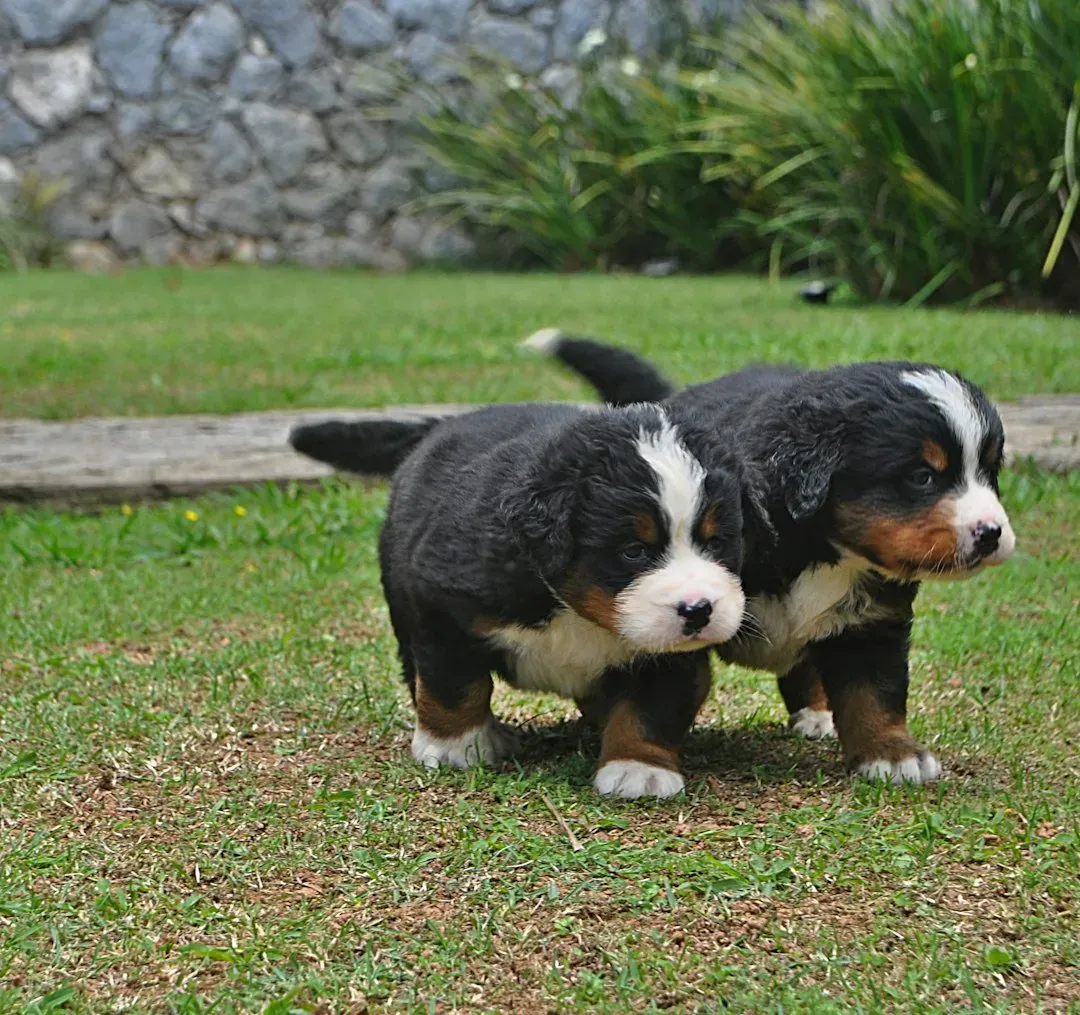
The ideal age range for a puppy to be rehomed is typically between 8 and 12 weeks. During the first 8 weeks, puppies learn vital social and behavioral skills from their mother and siblings. A breeder willing to separate a puppy before that window closes is prioritizing a fast sale over the puppy’s wellbeing. That alone tells you everything.
Puppies pulled away too early often develop anxiety, difficulty bonding, and aggression issues later in life. It’s like sending a child to university before they’ve learned to tie their shoes. The damage is real and long-lasting. If a breeder mentions a puppy is “ready now” at five or six weeks, walk away immediately and report the listing.
14. There Is No Written Contract or Health Guarantee

A legitimate breeder will often have a contract that outlines the terms of the sale, guarantees, return policies, and other vital details. The contract is not bureaucratic red tape. It is a sign that a breeder stands behind their animals and takes responsibility for what they bring into the world.
Responsible breeders also provide a written health guarantee, which shows they’re confident in the health of their dogs and committed to supporting you long after the sale. If a seller brushes off your request for a contract or health guarantee with “it’s just a puppy, we don’t need all that,” consider that a flashing neon warning sign. No paperwork often means no puppy, or one you’ll spend a fortune trying to heal.
15. Your Gut Is Screaming at You

If something feels off, or the breeder seems evasive or pushy, trust your instincts and consider walking away. Honestly, this one deserves more credit than it gets. Your instincts are incredibly well-calibrated when you slow down enough to listen to them. Scammers rely on you overriding that uneasy feeling with excitement.
A trustworthy breeder will communicate openly, provide proof of their puppies, and make you feel comfortable with the process. After all the research, tools, and advice, the best protection is your own intuition. If something feels off, even if the website looks polished or the seller sounds convincing, listen to your gut. Your future dog is worth the patience it takes to get this right.
Conclusion: Your Puppy Deserves a Truthful Beginning

Bringing a dog into your life is one of the most joyful, profound decisions you will ever make. These animals give us everything, their loyalty, their comfort, their ridiculous hilarious personalities, and they deserve to come from a place rooted in genuine love and ethical care. Fraudulent breeders don’t just steal your money. They steal your trust, your excitement, and sometimes they send a sick and traumatized puppy to your door.
The Better Business Bureau says that pet scams make up roughly a third of all online shopping scams reported to them, with the vast majority involving puppies. That is a staggering number of heartbroken families. You now have the knowledge to not be one of them.
Take your time. Ask every question. Demand every document. Visit in person. And if something tugs at you the wrong way, honor that feeling. The right breeder will welcome your diligence. After all, a puppy is not an impulse purchase. It’s a decade-long love story. Make sure yours starts on the truest, safest ground possible.
Have you ever encountered a suspicious breeder listing? What tipped you off? Share your experience in the comments below. Your story might just save someone else’s heart and their savings.


