
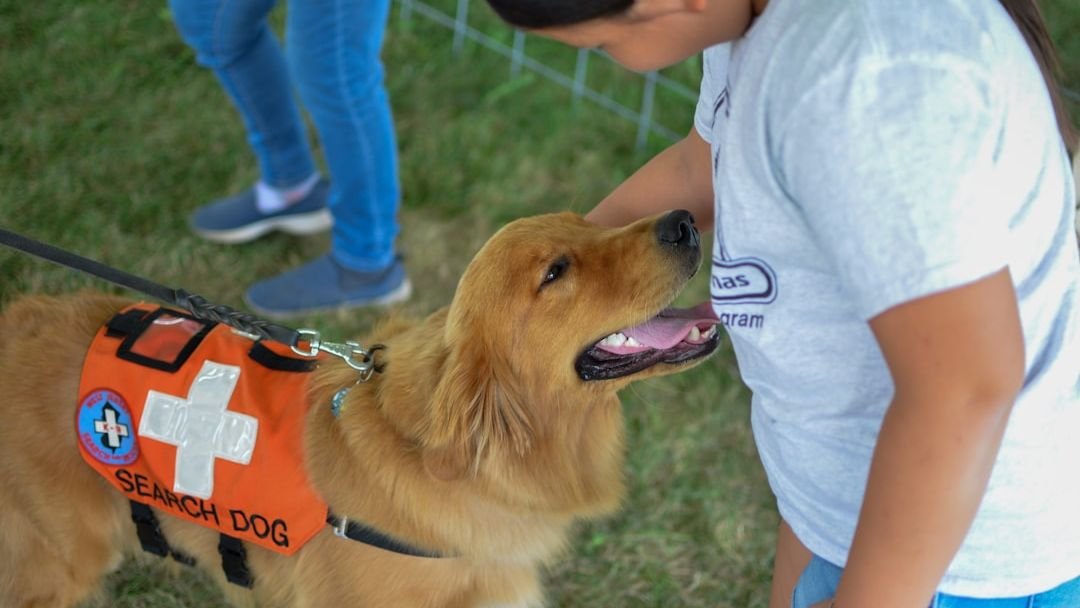
You’re scrolling through Instagram, half-asleep on the couch with your own dog curled at your feet, when a reel stops you cold. A frail, trembling puppy. Soulful eyes. A desperate caption: “Needs surgery by tomorrow or he won’t make it.” Your heart clenches. Your hand moves toward your wallet almost automatically.
That feeling? Completely real. Completely human. Honestly, it’s one of the most beautiful things about dog lovers – we feel everything. But here’s what nobody’s telling you loudly enough: that video might be a lie. A carefully engineered, emotionally weaponized lie designed to drain your bank account, not save a single dog. Before you tap “send,” there are some things you really need to know. Let’s dive in.
The Scale of This Problem Will Shock You

Most people think of scams as something that happens to less savvy internet users. I used to think that too. Then I looked at the numbers, and honestly, they floored me.
In 2024, the Social Media Animal Cruelty Coalition (SMACC) documented over a thousand links to suspected fake rescues across Facebook, Instagram, YouTube, TikTok, and X in just six weeks, generating a staggering 572 million views. Let that sink in for a second. Over half a billion views.
Scammers create look-alike social media pages, lift photos and videos of sick or abused animals from real rescues, and post urgent pleas for money. They’re not just random bad actors. This is organized, efficient, and ruthless.
Fake rescue content is a growing problem across all major platforms. Facebook and Instagram host nearly half of it, while TikTok and YouTube aren’t far behind. The algorithm doesn’t care if the content is real. It only cares if it gets clicks, and suffering animals always get clicks.
How Your Emotions Are Literally Being Weaponized Against You

Here’s the thing about dog lovers: our empathy is our greatest strength. Scammers know this better than anyone, and they have built an entire playbook around exploiting it.
In the animal shelter scam, crooks post pictures of animals with false information about “high kill” shelters and imminent death unless they immediately receive money to rescue the pets. The urgency is artificial and weaponized. Once someone believes an animal will die in hours without their help, rational thinking goes out the window. Scammers know this, and they exploit it without a single moment of hesitation.
New or low-history accounts impersonate a real rescue or invent a “shelter,” post graphic, urgent cases like “closing tomorrow” or “puppies need surgery today,” and steer you to direct payments via Venmo, Cash App, or PayPal instead of Instagram’s nonprofit tools. Comments may be limited, and DMs push for quick payment.
Think of it like a fire alarm in a crowded room. The moment it goes off, people stop thinking and start running. Scammers are pulling that alarm over and over again, every single day.
The Truly Disturbing Truth: Some Animals Are Actually Being Harmed for These Videos
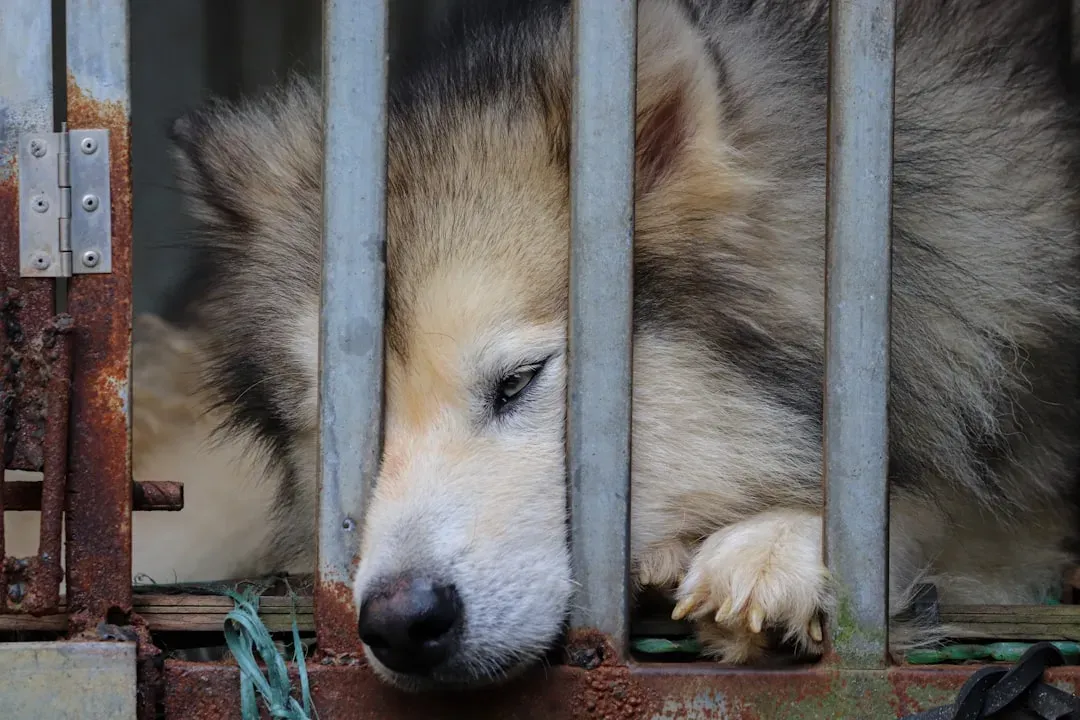
Okay, I have to warn you. This part is genuinely upsetting. It goes well beyond fraud. It cuts right to animal cruelty.
Animals have been known to be deliberately and intentionally exposed to dangerous and life-threatening situations, to be “rescued” by people posing as animal rescue groups or animal activists. The rescue you’re watching? It might be the same person who created the danger in the first place.
In some recorded content, animals are shown trapped or stuck in places, under or inside objects. Often the animal is left struggling for periods of time before the “rescuer” even attempts to help them. All of it filmed. All of it posted. All for donations.
The fake animal rescue scam is a uniquely cruel form of fraud because it weaponizes something beautiful: the human capacity for compassion, turning it into a tool for exploitation. It harms donors, cripples real charities, and in some cases causes direct suffering to the very animals being used as bait. That’s not a small thing. That’s a moral catastrophe hiding behind a cute thumbnail.
The Red Flags You Need to Know Right Now
The good news? Once you know what to look for, these scams become surprisingly easy to spot. You just have to pause long enough to look.
Videos often depict a dramatic transformation, sometimes using multiple animals or editing tricks to feign miraculous healing. Emotional appeals accompany the content, urging viewers to donate “whatever they can” to continue the work. Financials, veterinary records, and adoption procedures are either missing or vague. When questioned, operators may become defensive or evasive.
Photos and videos are frequently taken from legitimate rescues or from the broader fake rescue world. A quick reverse-image search on the most emotional photos often finds them reused elsewhere. Seriously, this one simple step can save you hundreds of dollars and a lot of heartbreak.
Scammers place time pressures on adopters, especially when it comes to money. Conversely, legitimate rescues often ask for a small fee to process your application, but won’t pressure you to send money, nor will they threaten to give the dog to someone else because you’re not following their demands. Pressure is always, always a red flag. Real rescues know real love takes time.
How to Give Safely and Still Be the Dog Lover You Are
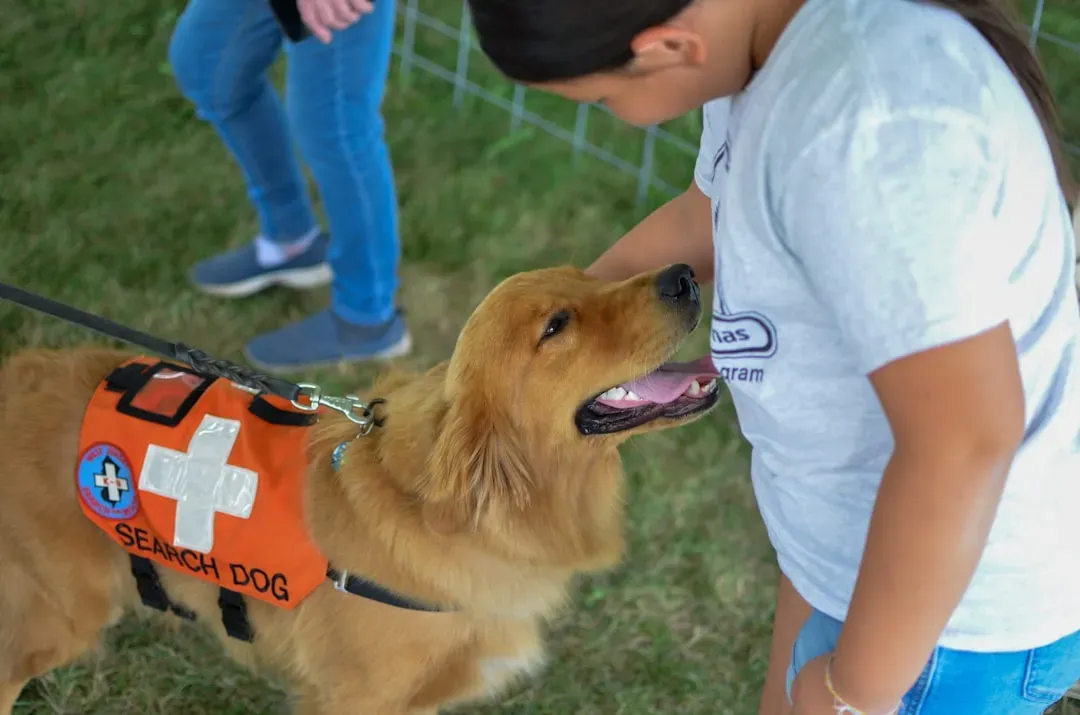
Let’s be real: the answer is not to stop caring or close your heart. Real rescue organizations do extraordinary, life-saving work every single day, and they genuinely need your support. The mission is to channel your generosity smartly.
Experts recommend verifying organizations before donating by visiting their official websites rather than social media pages. The best way is to go directly to that organization’s website, not social media, not a Facebook or Instagram, but find their real website. It takes two minutes. It could save you thousands.
In the U.S., a legitimate animal rescue organization typically has 501(c)(3) nonprofit status, meaning it’s federally recognized and accountable. You can verify this directly through the IRS database. Public registries like IRS/GuideStar in the U.S. and the Charity Commission in the U.K. are solid starting points for verification.
Most rescue scams go unreported because victims feel embarrassed. Scammers rely on this, but reporting them can protect others and help keep rescue funds where they belong: with honest rescues. You can report fraud to the Better Business Bureau, your state’s Consumer Protection Agency, or the National Consumers League. If it happened to you, speaking up is one of the most powerful things you can do.
Conclusion: Your Compassion Is Worth Protecting

The love dog people have for animals is rare and precious. It’s the kind of feeling that makes the world genuinely better. Scammers didn’t create that love, but they have learned to feed off it, and they are doing so at an industrial scale.
Protecting your compassion is not the same as dulling it. Pausing before you donate, running a quick reverse image search, checking for a registered nonprofit status – none of these things make you less caring. They make your caring more powerful, because your money will actually reach a dog who needs it.
Real dogs in real shelters need real people like you. The animals that truly need you deserve a donation that actually reaches them. So next time a tearjerking reel floods your screen, take one slow breath. Then verify. Then give – with your whole heart, and both eyes open.
What do you think about it? Have you ever come close to falling for one of these scams? Share your experience in the comments below – your story might just protect another dog lover from making a costly mistake.


