
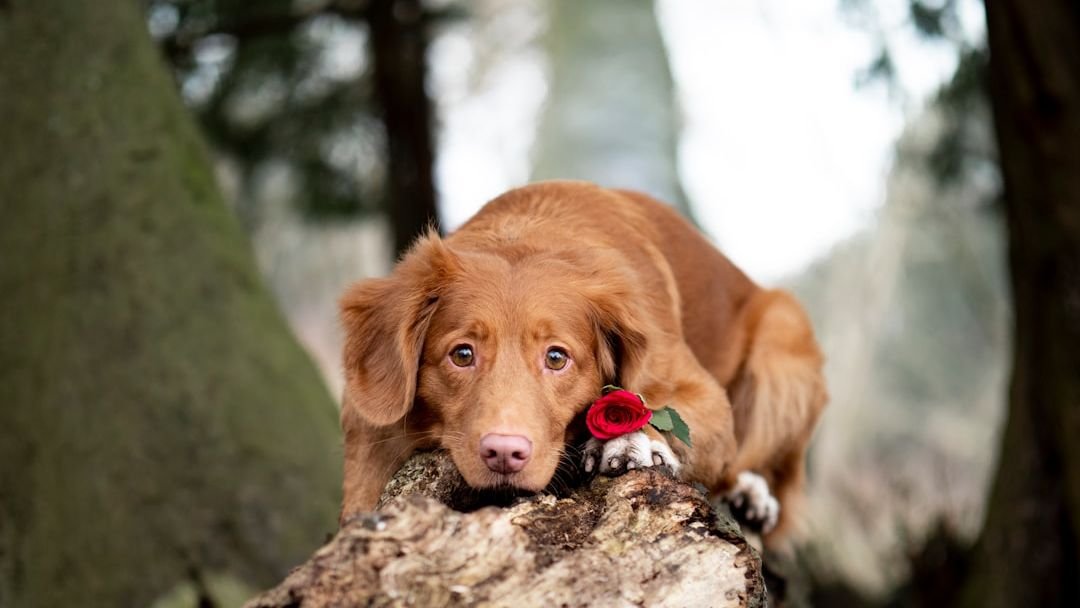
Your dog can’t send you a text message saying “Hey, I’m not okay.” They can’t call a friend to vent, or take a long bath to unwind after a rough day. What they can do is communicate, quietly, through their body, their behavior, and tiny signals that are heartbreakingly easy to miss if you don’t know what to look for.
Here’s the thing: stress in dogs is far more common than most pet parents realize. The signs of anxiety in dogs are often subtle and can easily be misinterpreted unless the full context is understood. That neighbor’s dog who “just has a quirky personality”? The pup who “gets a little hyper sometimes”? They might actually be crying out for help in the only language they know. So let’s take a slow, honest walk through the signs your dog might be silently stressed, and what you can genuinely do about it.
Sign #1: Excessive Yawning, Lip Licking, and Drooling

You’ve probably seen your dog yawn and thought nothing of it. Adorable, right? Well, here’s a twist you might not expect. Dogs yawn when they are tired or bored, and they also yawn when stressed. A stressful yawn is more prolonged and intense than a sleepy yawn. It’s a bit like how humans sigh deeply when they’re overwhelmed. Same energy, different species.
Dogs may also drool and lick excessively when nervous. If your dog keeps licking their lips when there’s no food in sight, or drooling in the car for no apparent reason, pay attention. To differentiate stress signs from normal behavior, you must be familiar with your dog’s regular demeanor and pay attention to the context. That way, you can tell if they are licking their lips because they are anxious or because they want a treat.
The fix? First, identify the trigger. Is it car rides, visitors, or the vet’s office? Once you know the cause, you can gradually work to desensitize your dog to it using positive, reward-based associations. Sometimes, just moving your dog to a calmer space is enough of a reset.
Sign #2: Pacing, Shaking, or That Tell-Tale “Shake-Off”

Think your dog is just being a weirdo when they shake their whole body for no reason? Honestly, it might be more meaningful than that. That whole-body shake can be amusing and is quite normal, unless it occurs as the result of a stressful situation. For example, the “shake off” that dogs often do after they descend from the veterinarian’s exam table is likely triggered by stress.
When dogs are pacing back and forth, it’s a sign they can’t settle down because something is stressing them. If this happens during mealtimes or for short periods, it might not be a big deal. Noticing when your dog engages in this behavior can give you clues as to what’s triggering their anxiety.
To help a pacing, restless dog, try gentle physical contact. Few things get a dog to calm down faster than the owner’s touch. Pet parents can help alleviate their dogs’ stress by holding them or petting them during stressful events. Sometimes, your presence really is the most powerful medicine.
Sign #3: The “Whale Eye” and Other Telling Facial Cues
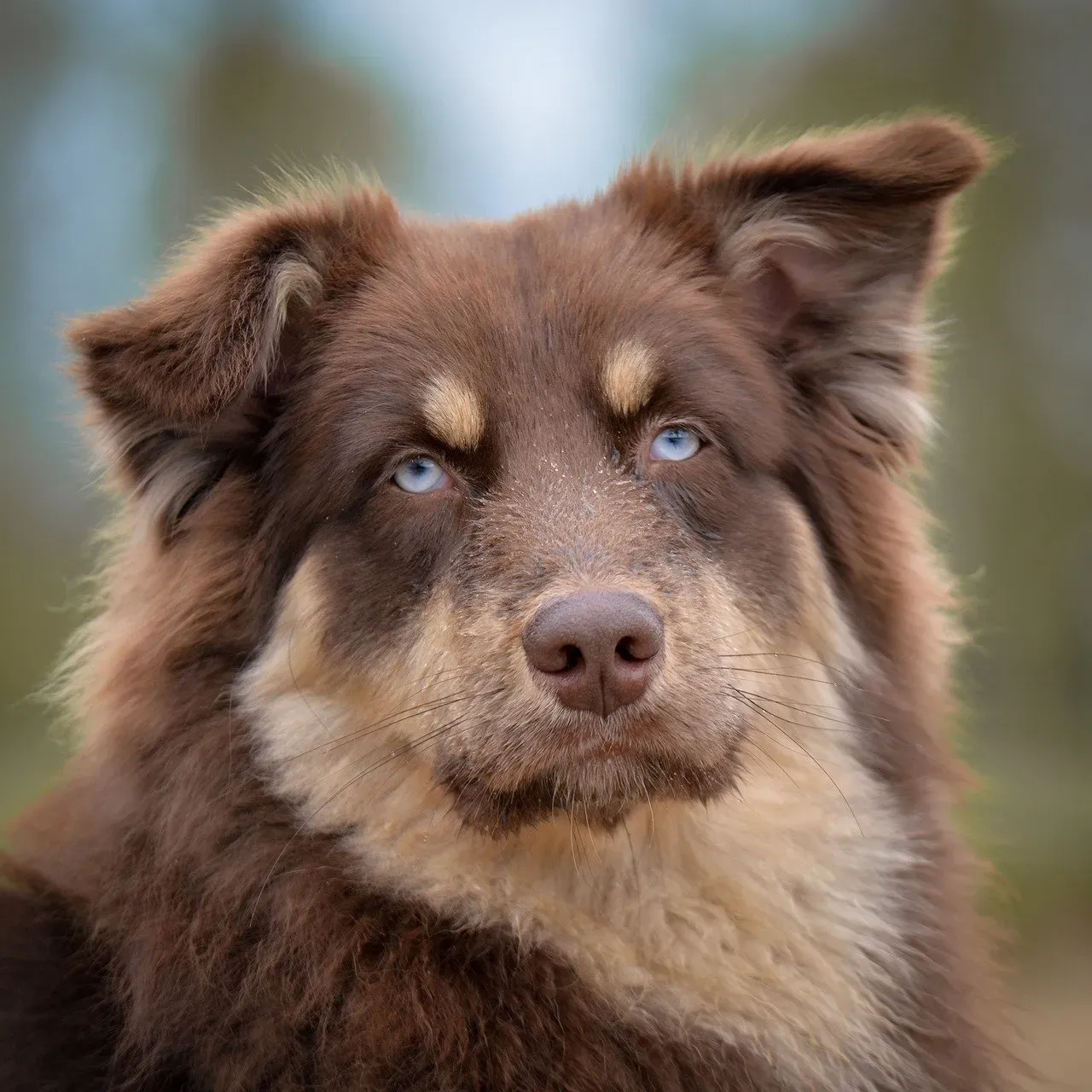
This one stopped me in my tracks the first time I learned about it. Dogs communicate volumes through their eyes and ears, and most of us completely miss it. Stressed dogs, like stressed people, may have dilated pupils and blink rapidly. They may open their eyes wide and show more sclera (white) than usual, giving them a startled appearance. Their ears may be pinned back against their head.
Stress signs to look for include whale eye (when dogs reveal the whites of their eyes), tucked ears or tail, raised hackles, lip-licking, yawning, and panting. Your dog might also avoid eye contact or look away. Think of it like someone subtly crossing their arms and looking at the floor during a tense conversation. The body tells the truth even when words don’t.
If you notice these facial signals, give your dog immediate space and a quiet retreat. If you notice signs that your dog is stressed, first remove them from the stressor. Find a quiet place to regroup. A calm corner, a familiar blanket, and a gentle voice can do wonders.
Sign #4: Changes in Body Posture and Weight Shifting
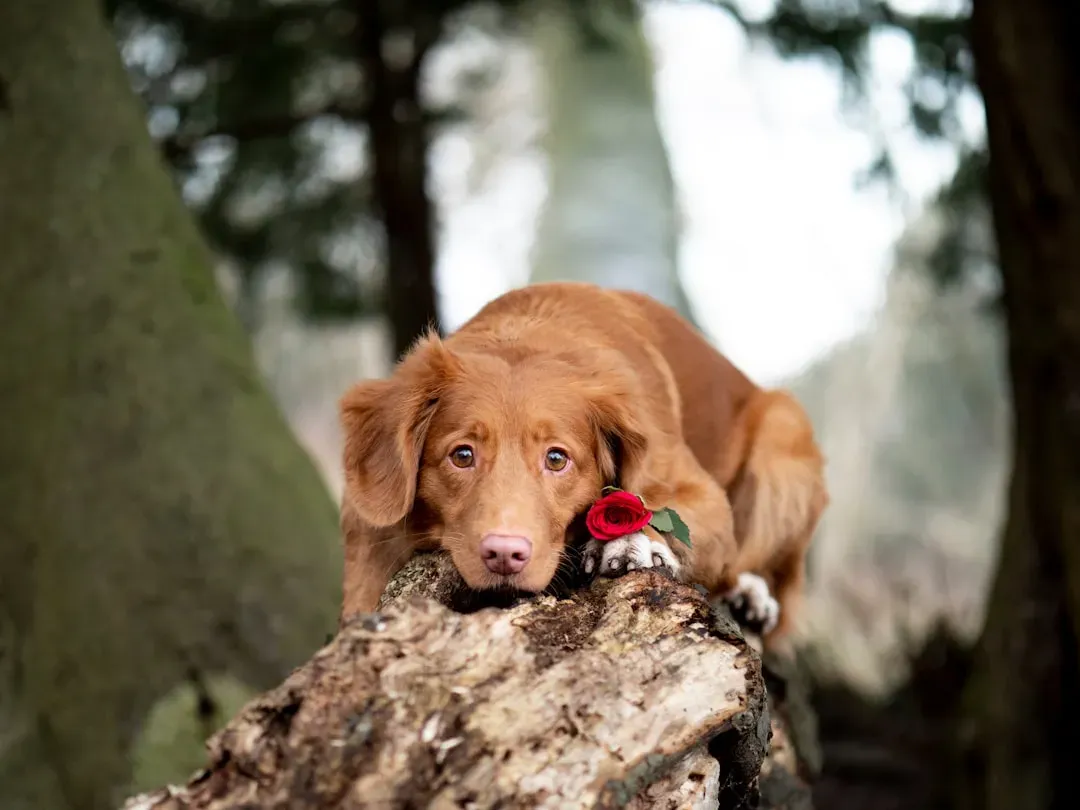
A confident dog stands tall, weight balanced evenly on all four paws, tail relaxed. A stressed dog tells a very different story with their body. Dogs normally bear weight evenly on all four legs. If a healthy dog with no orthopedic problems shifts their weight to the rear legs or cowers, they may be exhibiting stress. When scared, dogs may also tuck their tails or become rigid.
It’s like watching someone slowly shrink into themselves at a party they didn’t want to attend. That crouching, that cowering, that tail tucked right under the belly? It’s not submission for submission’s sake. It’s fear. Your dog will use their body language to communicate how they are feeling, and their unique body language will depend on their history.
The best response is never to force interaction. If your dog avoids interaction with other dogs or people, do not force the issue. Respect their choice. Let them come to you. That act of patience builds trust in a way that nothing else can.
Sign #5: Sudden Changes in Appetite or Digestive Upset

I know it sounds dramatic, but your dog’s gut is surprisingly honest. Like people, nervous dogs may experience an increased urgency to urinate or defecate. Dogs may experience gastrointestinal (GI) upset that can include vomiting, diarrhea, and refusing food. Sound familiar? Stress hits the stomach hard in both humans and dogs.
An increase or decrease in barking or other vocalizations can signal stress. Additionally, changes in appetite, whether overeating or refusing food, can be a sign that something is wrong. If your dog suddenly turns their nose up at dinner they normally inhale in three seconds flat, take a moment to consider what changed in their environment recently.
Chronic health conditions such as gastrointestinal upset (including diarrhea or vomiting from no other known condition) can be a clue that your dog is under ongoing, persistent stress rather than just a one-time scare. If it keeps happening, a vet visit is not optional. It is essential.
Sign #6: Hiding, Withdrawing, or Escape Behaviors

When a dog slinks behind the sofa, wedges themselves under the bed, or frantically tries to squeeze through a fence they couldn’t possibly fit through, it can be heartbreaking to witness. Your dog might move away or actively try to avoid whatever is worrying them. Bear in mind that in some situations it might be you that they are worried about, or someone you are with, such as a veterinary surgeon. Some dogs will try to hide or withdraw from a situation.
If your usually social pet starts isolating themselves or sleeping more than usual, this could be a sign of stress. A dog who normally greets you at the door like you’ve been gone for a century but now barely lifts their head? That shift matters enormously. Don’t brush it off as the dog “just being tired.”
It is also important to provide your dog with a safe place in the home where they can escape stimuli that trigger a stress response. Create a dedicated, cozy retreat for your dog with familiar smells, their favorite blanket, and minimal traffic. Think of it as their personal sanctuary, a place that is entirely theirs.
Sign #7: Destructive Behavior and Restless Energy

Chewed sofa legs. Shredded pillows. Scratch marks on the door. Before you get frustrated, consider this: that destruction might not be defiance. It might be desperation. Dogs need both physical and mental stimulation. A bored dog can often lead to a stressed, unfulfilled dog, especially in working breeds. A dog without a job or purpose can lead to them coming up with their own “work,” which often includes destructive habits or compulsive behaviors like excessive chewing or digging.
Chewing, scratching, or other destructive behaviors can be a way for stressed pets to cope with their anxiety. Dogs might chew on furniture, while cats might scratch excessively or knock things over. It’s essentially their version of stress-eating a bag of chips or scrolling mindlessly for an hour. Not great, but understandable.
Playtime and exercise are essential for a dog’s mental and physical health. In addition to burning off excess energy, regular exercise releases endorphins, which reduce anxiety and stress in dogs. A solid daily walk, a puzzle feeder, a game of nose-work around the house. These aren’t luxuries. They’re necessities for a mentally balanced dog.
Sign #8: Excessive Whining, Barking, or Clingy Behavior

Some dogs go quiet when they’re stressed. Others turn the volume all the way up. Vocalization is normal self-expression in dogs but may be intensified when under stress. Dogs that are afraid or tense may whine or bark to get your attention, or to self-soothe. When your dog won’t stop whining even though nothing seems obviously wrong, trust your gut. Something is wrong to them, even if you can’t see it.
Many dogs cannot control their whining when they feel stressed, as it’s more of an automatic response. It is a clue for humans that something in the environment is causing anxiety. Clingy behavior, constantly following you from room to room, jumping up, pawing at you repeatedly, these are also stress signals dressed up as affection. Your dog might become suddenly very active and seek attention from you by jumping up, pawing at you, or even mouthing or mounting when they wouldn’t normally. They might find it difficult to follow well-known requests like “sit” because the stress response in their body makes it harder to stay still or concentrate.
It’s essential to establish a routine for your dog so they feel comfortable and secure. Dogs are creatures of habit and thrive on predictability and structure. Consistent mealtimes, walk schedules, and even a regular bedtime create a framework of safety that dramatically reduces day-to-day anxiety in most dogs.
How to Help Your Dog: A Gentle, Practical Approach

Here’s the most important thing: you don’t have to figure this out alone. Chronic stress puts your dog’s nervous system in constant fight or flight, changing their behavior and ability to cope. That’s not something to take lightly, and it’s not something a few extra treats will fix on its own.
Start with the environment. Anxious dogs benefit from a safe place that they associate with positive things such as treats, toys, or undisturbed rest. A dog bed or mat is perfect for this because it’s portable, meaning you can take that safety on the road. The mat can be used at the vet’s office, in the car, or at a friend’s home to help your dog feel calm and secure.
Consider calming tools like music. When dogs experience anxiety, music or white noise can help calm them down. This provides a soothing and calming environment, and it can naturally reduce their stress and anxiety levels. White noise or music can also drown out the unpredictable noises from thunderstorms or fireworks that trigger anxiety.
If your dog becomes stressed often or in response to many triggers, see your veterinarian. After ensuring that your dog’s behavior does not have a physical basis, your veterinarian may refer you to a trainer or veterinary behaviorist for further assessment. A treatment plan may include behavior modification, a change in the daily routine, medications to relieve physical discomfort, and medications to reduce the emotional response to the triggers.
Conclusion: Your Dog Needs You to Notice

The relationship between a dog and their person is one of the purest things in this world. They trust us completely, and that trust comes with a beautiful responsibility. Paying attention to your dog’s stress signals can help avoid bigger issues, both medical and behavioral, down the line. Severe stress in dogs can become long-term, intense anxiety or fear that affects their quality of life.
You don’t need to be a veterinarian or a professional dog trainer to make a difference. You just need to pay attention. Watch your dog the way a good friend watches you, looking for the small things, the quiet signals, the subtle shifts. Learning the signs of stress in dogs is the first step to fostering a fulfilling and happy bond with your pup.
Your dog chose you, every single day, without question or condition. The least we can do is choose to truly see them back. Did you spot any of these signs in your own dog? Tell us about it in the comments. You might just help another dog lover recognize something they’ve been missing all along.


