
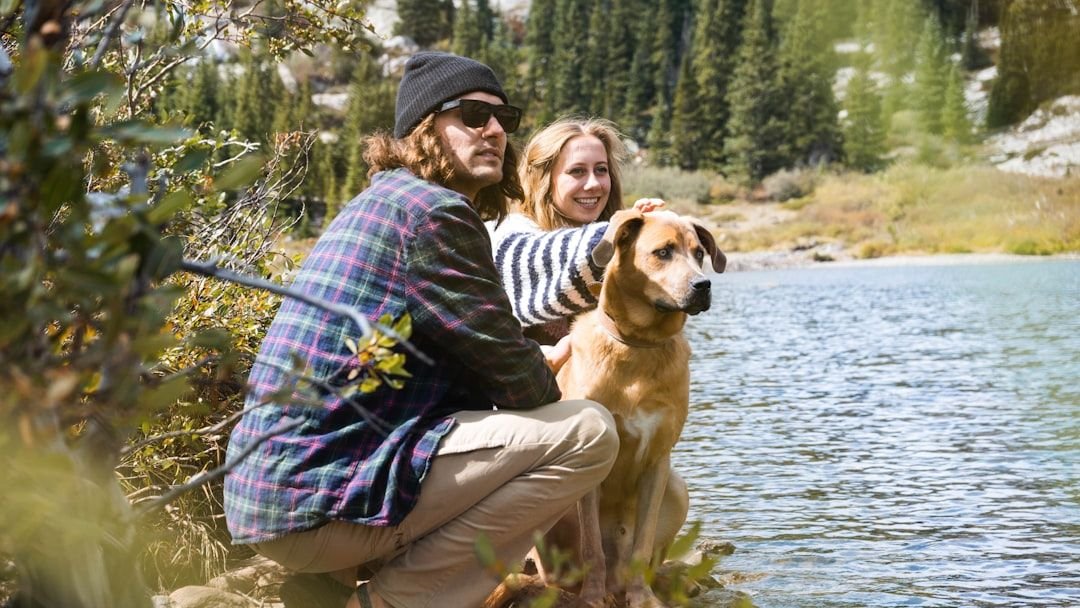
There is something almost miraculous about living with a dog. One moment you are having the worst day imaginable, and then a warm, furry body presses itself against your leg, and somehow the world softens a little. Dogs do not just tolerate us. They tune into us, study us, and genuinely root for us in ways that science is only beginning to fully explain.
The connection you share with your dog is not fixed. It is not sealed the moment you bring them home. It is living and breathing, and it grows, or shrinks, based on what you do every single day. The good news? The habits that build that bond are surprisingly simple. You do not need fancy gear, expensive classes, or hours of free time. You just need intention.
So if you have ever wondered whether your dog truly feels as close to you as you feel to them, the answer is almost certainly yes. What follows are 20 daily habits that will make that bond stronger, deeper, and more joyful for you both. Let’s dive in.
1. Look Into Their Eyes With Love (Not Just Orders)
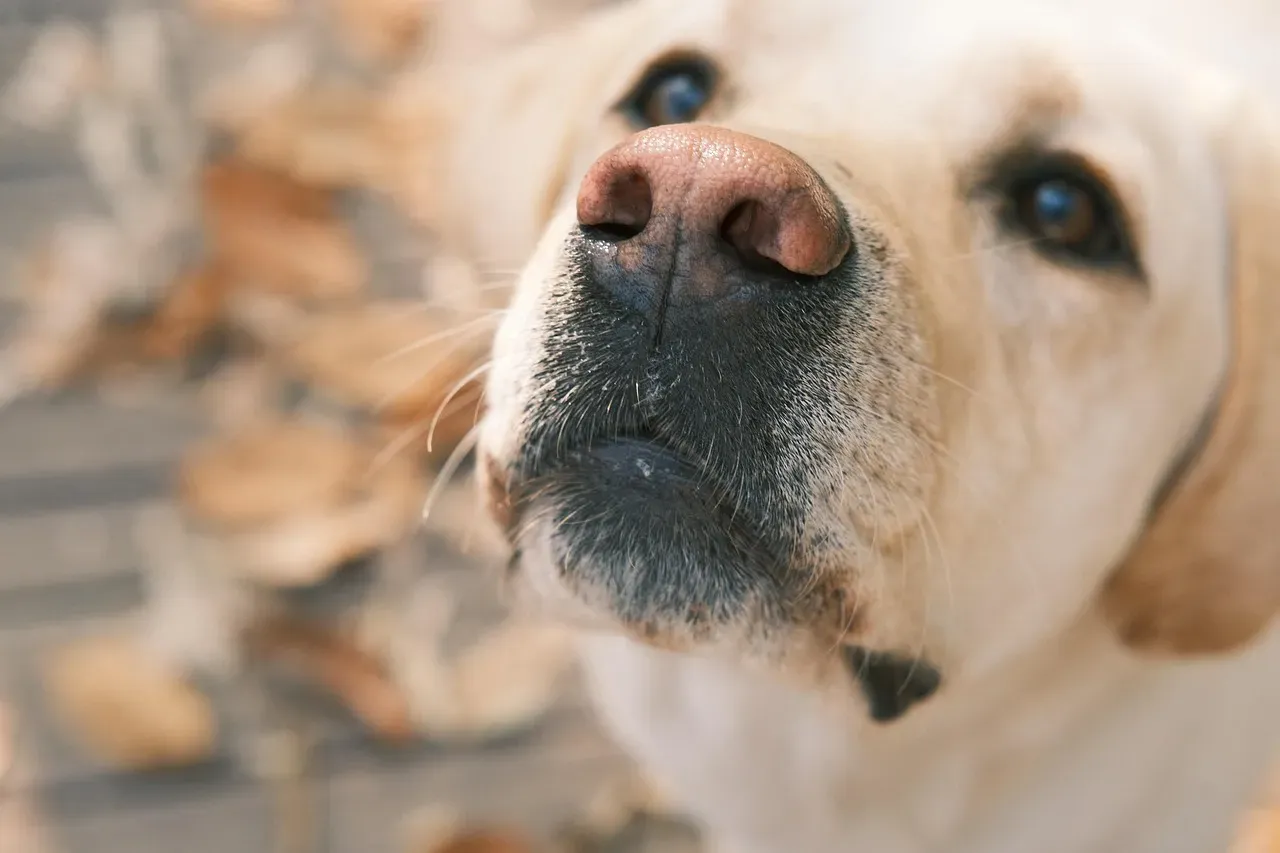
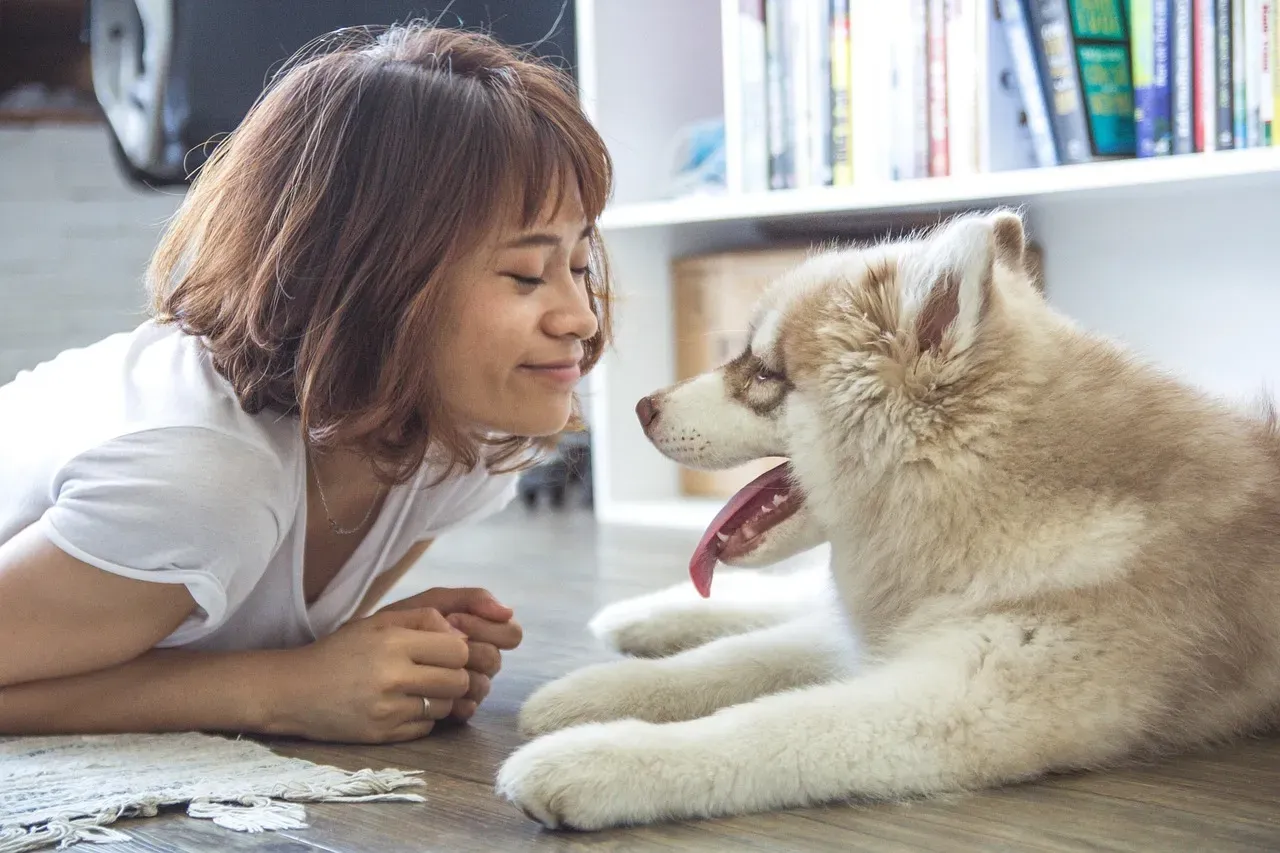
Most of us make eye contact with our dogs when we are telling them to sit, stay, or get off the couch. But here is something worth knowing. Studies have revealed that mutual gaze triggers the release of oxytocin, the “love hormone,” in both humans and dogs. That is the same chemical that flows between mothers and their newborn babies.
Research shows that direct eye contact increased oxytocin levels by roughly 130 percent in dogs and by as much as 300 percent in people. That is a staggering number. So tonight, put the phone down, sit with your dog, and just look at each other for a minute or two. No agenda. Just presence.
One important note though. Eye contact is complex, nuanced, and context-dependent. While gazing into the eyes of a dog you love can create a tender moment, staring into the eyes of an unknown or unfriendly dog can be perceived as threatening. With your own dog, in a calm and loving setting, it is pure magic.
2. Give Them a Daily Sniff Walk
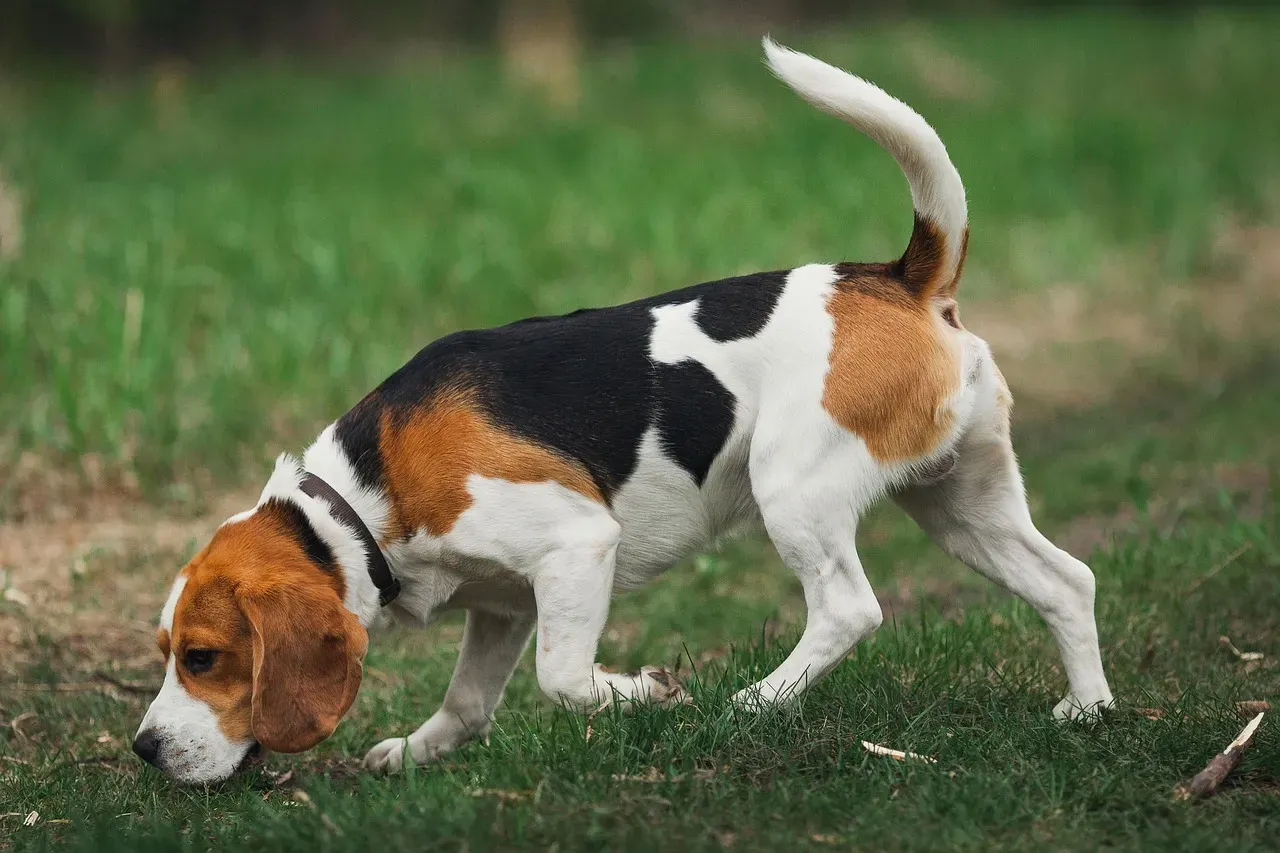
We have all been there. You are walking your dog, they stop to sniff a patch of grass for what feels like a geological era, and you tug the leash gently and say “come on.” Honestly? We should stop doing that. Dogs have a powerful sense of smell that helps them interpret their environment, much like humans use sight. Scent walks allow dogs to use their natural sniffing instincts, providing both mental stimulation and enrichment.
It is said that 15 to 20 minutes of sniffing is the equivalent of around an hour’s walk. Think about that the next time you are short on time but still want to genuinely tire your dog out. Sniffing activates many parts of a dog’s brain, releasing the pleasure hormone dopamine and promoting rest, thereby helping to reduce stress.
You do not need to make every walk a sniff walk, but even giving them a few unstructured minutes to follow their nose shows your dog you respect how they experience the world. That respect is the foundation of real trust.
3. Establish a Consistent Daily Routine

Dogs are not fans of surprises. Dogs thrive on routine. Predictable mealtimes, walks, play, and rest help your dog feel safe and secure, especially if they are new to your home. Think of routine as your dog’s love language. When they know what comes next, their nervous system relaxes.
Dogs are creatures of habit, so creating routines they can depend on helps to reduce their stress and increases their trust in you. Whether it is feeding time, bathroom breaks, or play sessions, having a routine helps your dog feel more secure, comfortable, and more connected to you and their environment.
4. Use Touch Intentionally Every Day
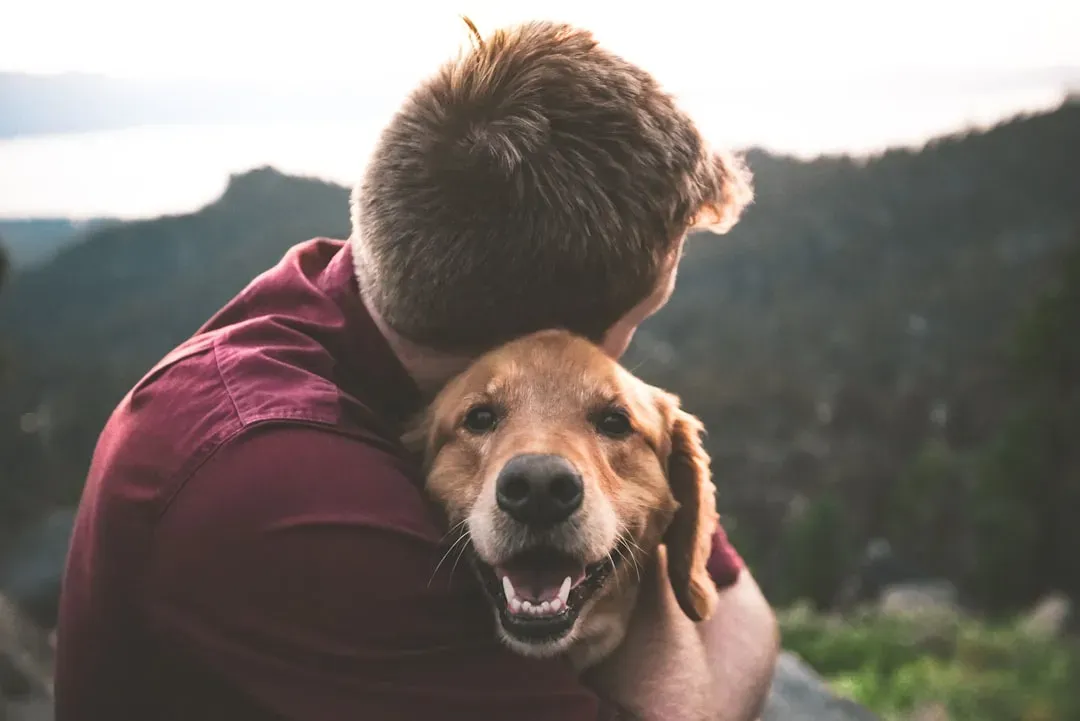
A quick pat on the head counts for something. But it is not the same as intentional, connected touch. Studies have shown that activities like brushing, petting, or cuddling your dog increase oxytocin levels in both dogs and humans, fostering trust and emotional connection. Your hands are powerful bonding tools.
Most dogs do not want to be petted on their head. Your pup might prefer a good chin or chest scratch, a scratch at the base of the tail, some long strokes on the back or sides, a belly rub, or simply just leaning against you. Take the time to learn what your specific dog loves. They will absolutely show you.
5. Learn to Read Their Body Language
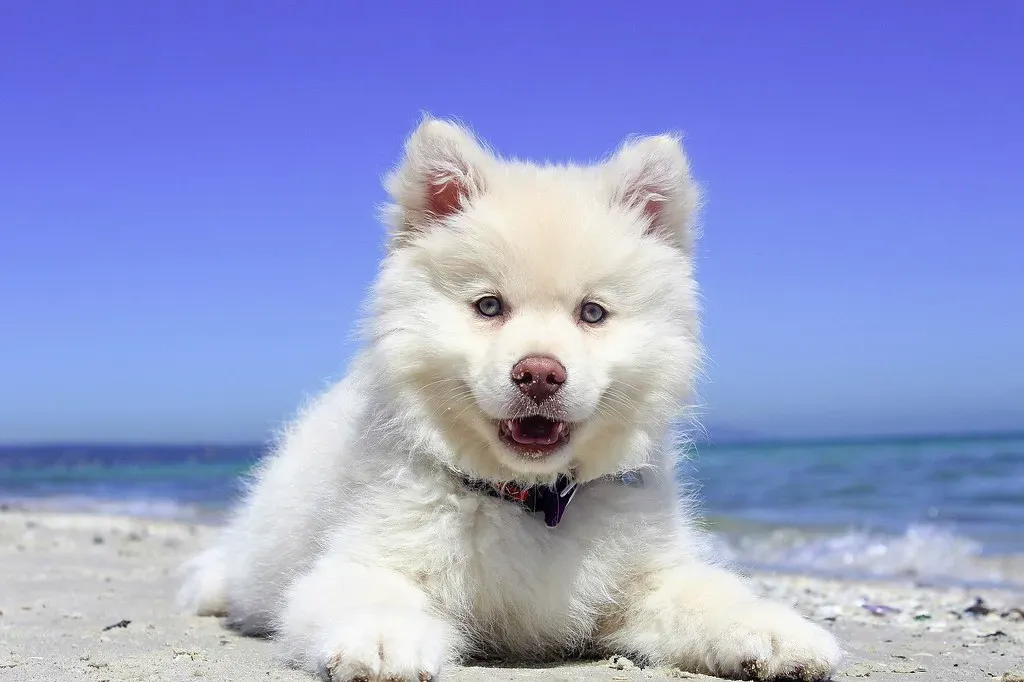
Your dog is talking to you constantly. The question is whether you are listening. Understanding your dog’s body language is one of the most powerful ways to strengthen your bond. Dogs communicate how they feel through their posture, tail movements, ears, eyes, and overall behavior.
Learn the difference between a relaxed tail wag and a stiff, alert stance. By recognizing their signs of stress, fear, or excitement, you can respond more appropriately to their needs and better manage potentially stressful situations. When your dog realizes that you actually understand them, their trust in you deepens in ways that no treat can replicate.
6. Make Training Sessions a Daily Ritual
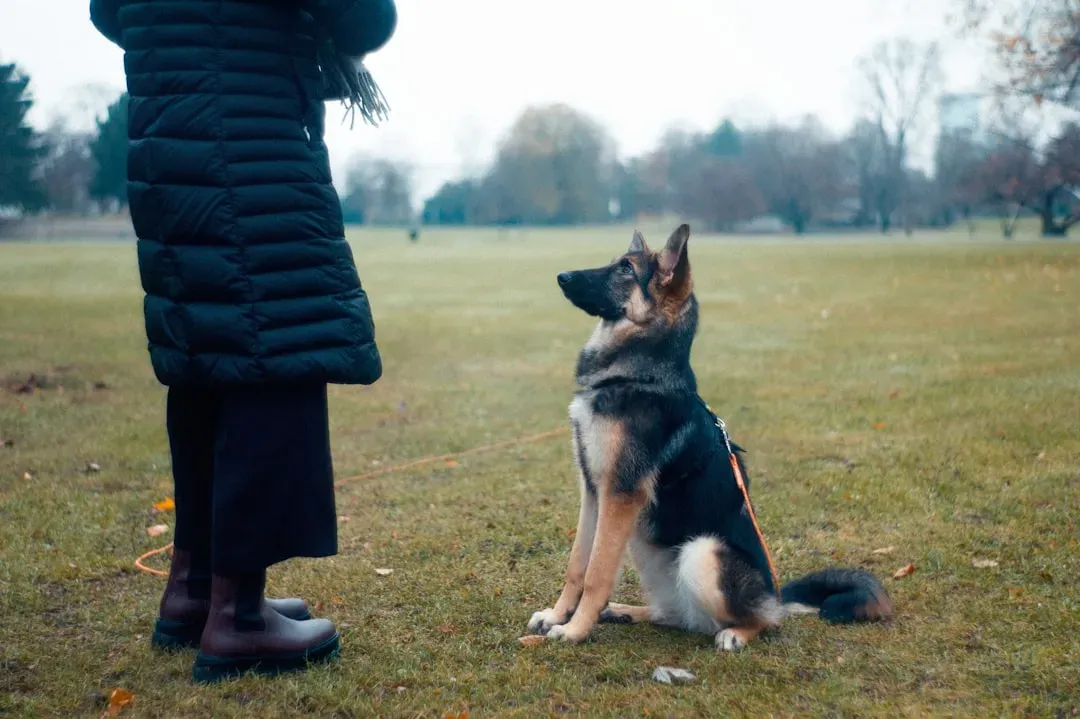
Training is not just about good manners. It is a conversation. Training is one of the best ways to bond with your dog. Whether you are teaching basic commands or complex tricks, training is an opportunity to provide mental stimulation for your dog while also fostering trust.
Teaching a new trick or skill will exercise your dog’s brain and strengthen their cognitive abilities as they approach their grey muzzle years. Designate daily training sessions with your furry pal and teach them new tricks like high five or roll over. Keep sessions short, around five to ten minutes, and always end on a win. That positive feeling lingers for hours.
7. Play Interactive Games Together
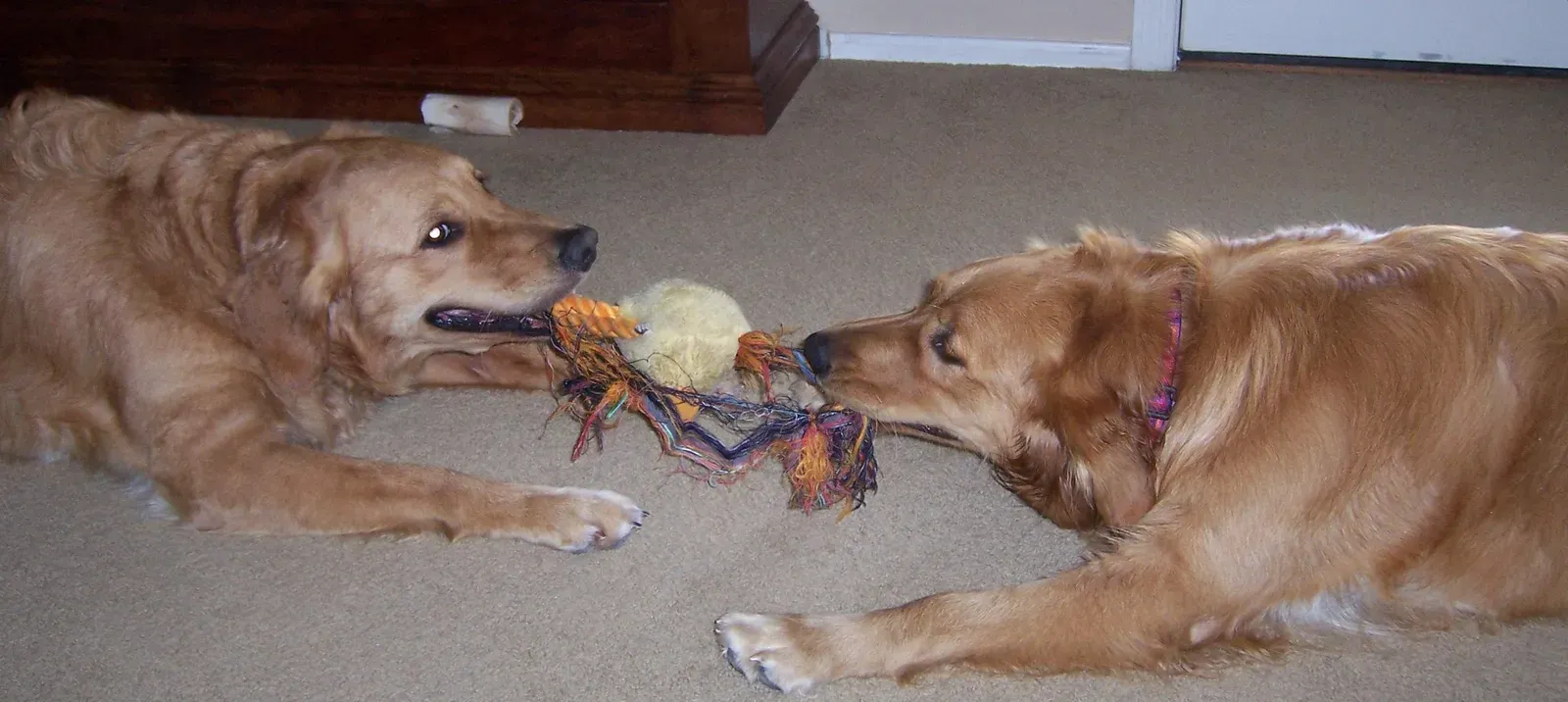
Let’s be real. Sometimes we toss a ball into the yard and call that playtime. There is nothing wrong with that. But interactive play, where both of you are engaged together, is a completely different thing. Interactive games like fetch, tug-of-war, or hide-and-seek are not just fun. They are scientifically proven to build trust and improve your dog’s confidence. Tug-of-war, for example, has been shown to enhance cooperation without increasing aggression when played fairly.
Figure out what your dog’s favorite activity is and engage with them fully. Actively participate in fetch or tug-of-war and your dog will feed off your excitement. Your energy is contagious. When you show up with genuine enthusiasm, your dog feels it instantly.
8. Hand Feed Occasionally
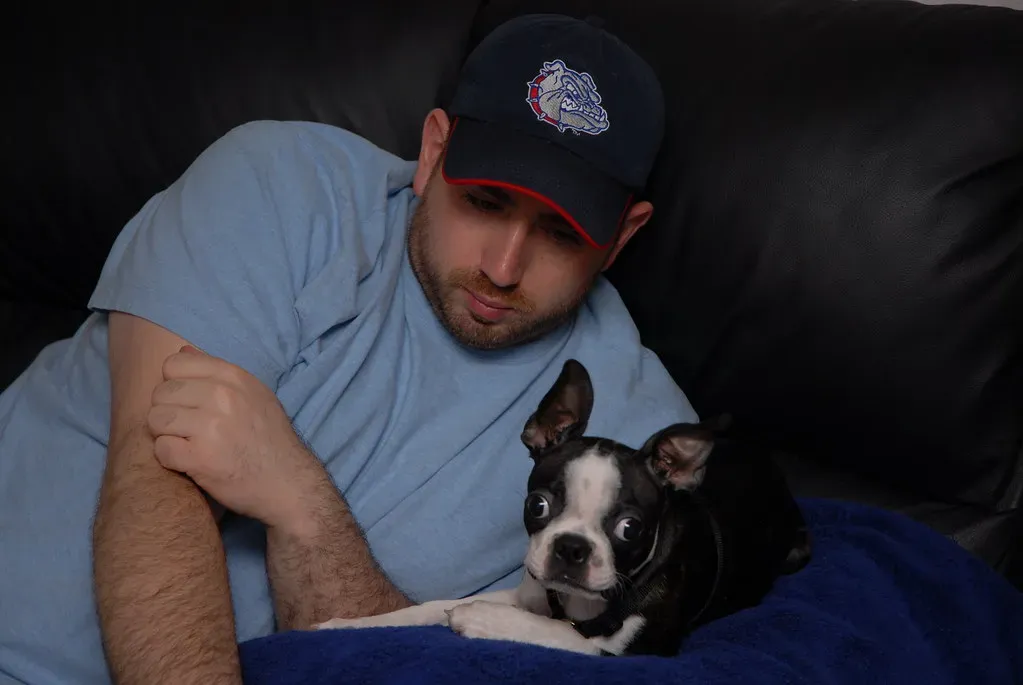
This one surprises people. Hand feeding your dog, even just a portion of their regular meal or some training treats, sends a remarkably clear signal. Hand feeding is an often overlooked way to bond with your dog. By occasionally feeding your furry friend treats or meals by hand, you create an intimate experience that encourages your dog to focus on you and your commands. This interaction teaches your dog to trust you and strengthens the idea that you are their provider.
Make mealtimes interactive by asking your dog to sit or wait before eating. This simple ritual reinforces your role as the provider while teaching basic manners. Consider hand-feeding occasionally, as this intimate gesture deepens your connection and builds trust. It takes barely two minutes but the emotional impact is significant.
9. Manage Your Own Emotions Around Your Dog
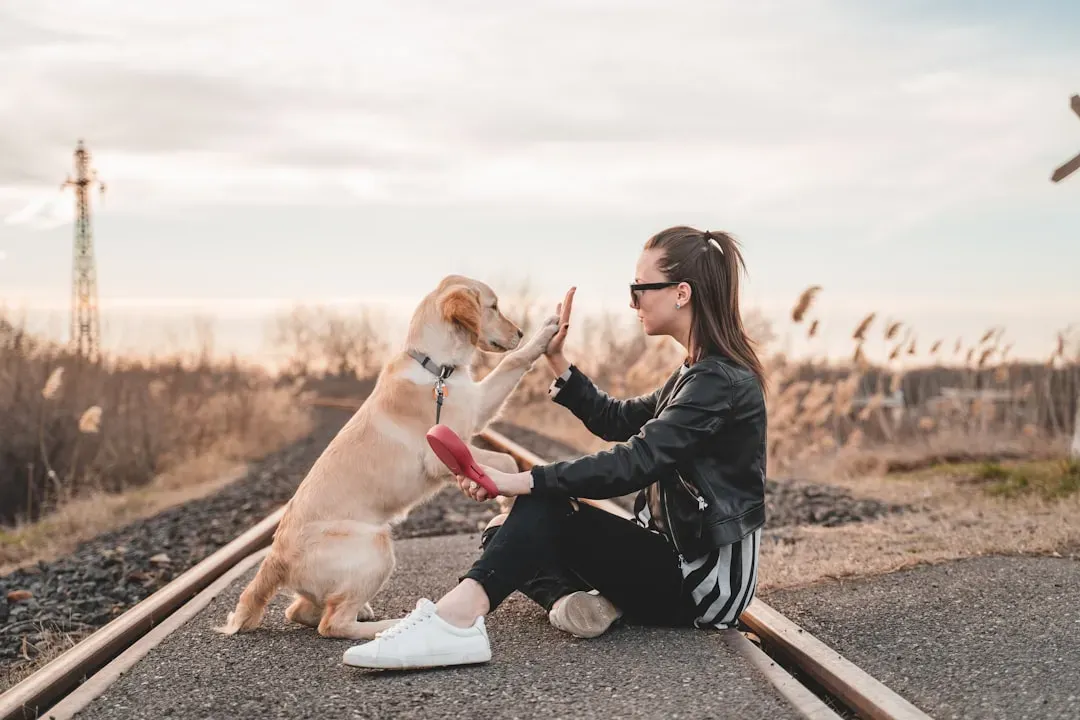
Here is something that might feel a little uncomfortable. Your dog knows when you are stressed. Not vaguely. Precisely. A study found that dogs respond to human faces that express six basic emotions, including anger, fear, happiness, sadness, surprise, and disgust, with changes in their gaze and heart rate. They are not just watching. They are feeling it too.
Science has shown that dogs synchronize their stress levels with their owners. Sharing quiet moments, whether lounging on the couch or enjoying nature, promotes relaxation and strengthens your emotional bond. So the habit here is simple. When you are feeling anxious or overwhelmed, try to consciously settle your body before interacting with your dog. Take a breath. They will thank you for it.
10. Groom Them Regularly and Mindfully
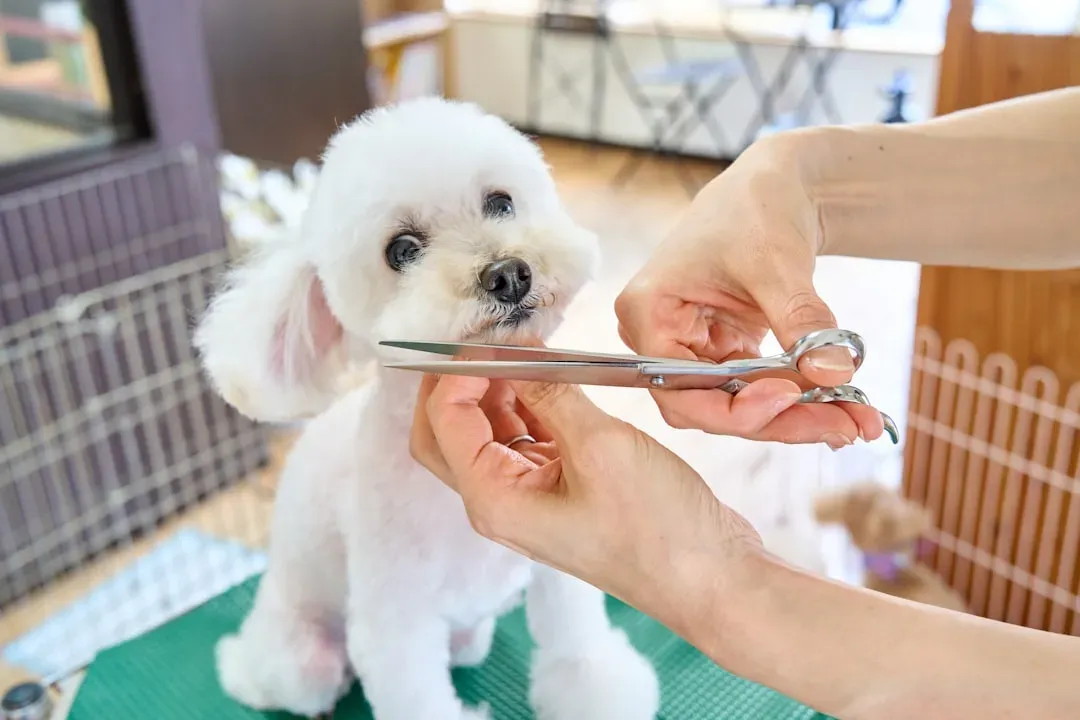
Grooming is not glamorous, but it is deeply bonding. Grooming a dog can strengthen the human-animal bond if done right and makes your dog feel good. Brushing your dog’s coat two or three times a week removes dirt, debris, and loose fur, and it can be very soothing to many dogs.
Brushing your dog daily will prevent matted fur and is the perfect way to gently check your pet for any lumps, bumps, or skin abnormalities. Think of grooming time as your own version of a wellness check wrapped inside a cuddle session. You are keeping them healthy and showing them care at the same time. That is a pretty beautiful combination.
11. Share Quiet Time Without Any Agenda
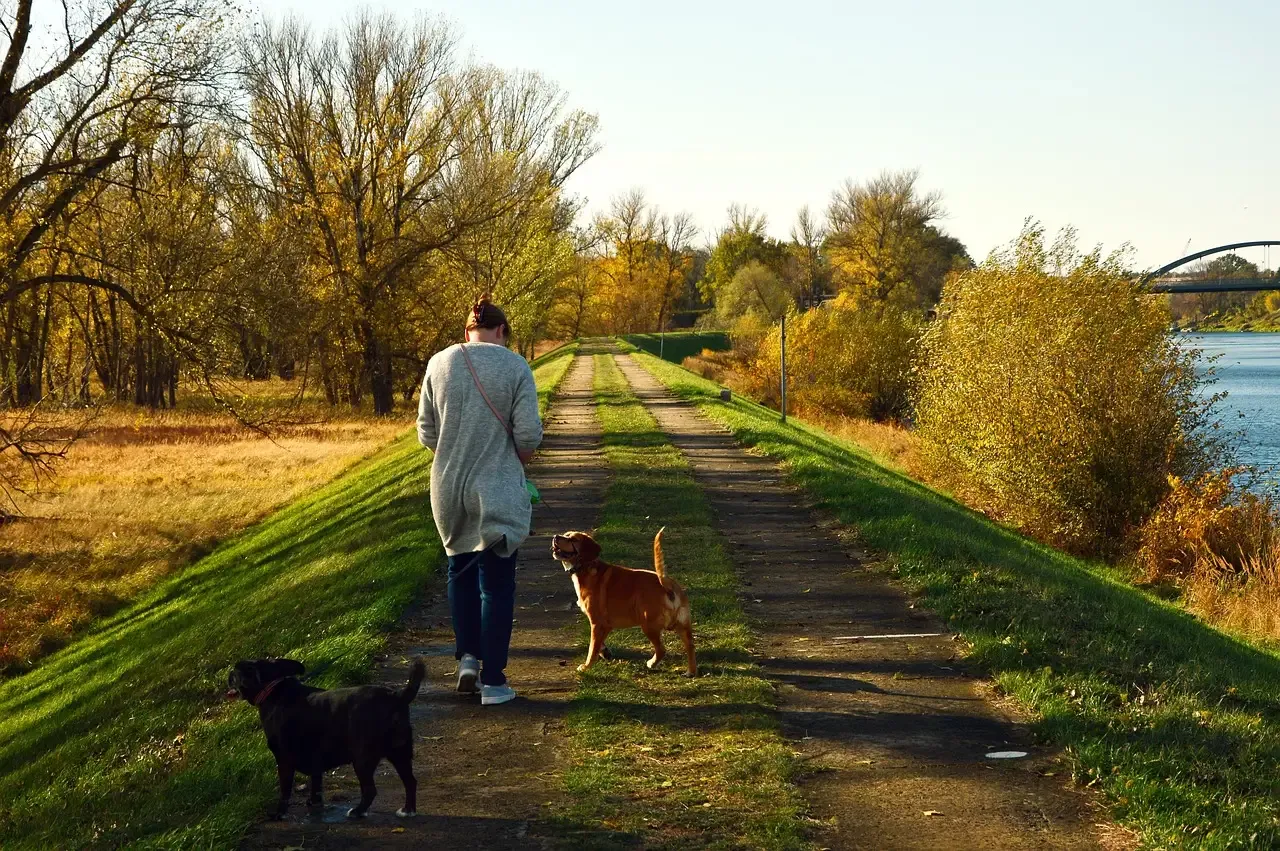
Not every bonding moment needs to involve movement, play, or a training goal. Sometimes the most meaningful thing you can do is simply exist together. After active sessions, spend quiet moments together to strengthen your emotional connection. Create a peaceful environment where your dog feels safe to relax beside you. This downtime is essential for building trust and deepening your bond.
Be fully present during these moments, avoiding distractions like phones or television. Your undivided attention during these special times shows your dog they are valued and important to you. I think this is one that most of us genuinely underestimate. Presence is its own kind of gift.
12. Advocate for Them in Uncomfortable Situations
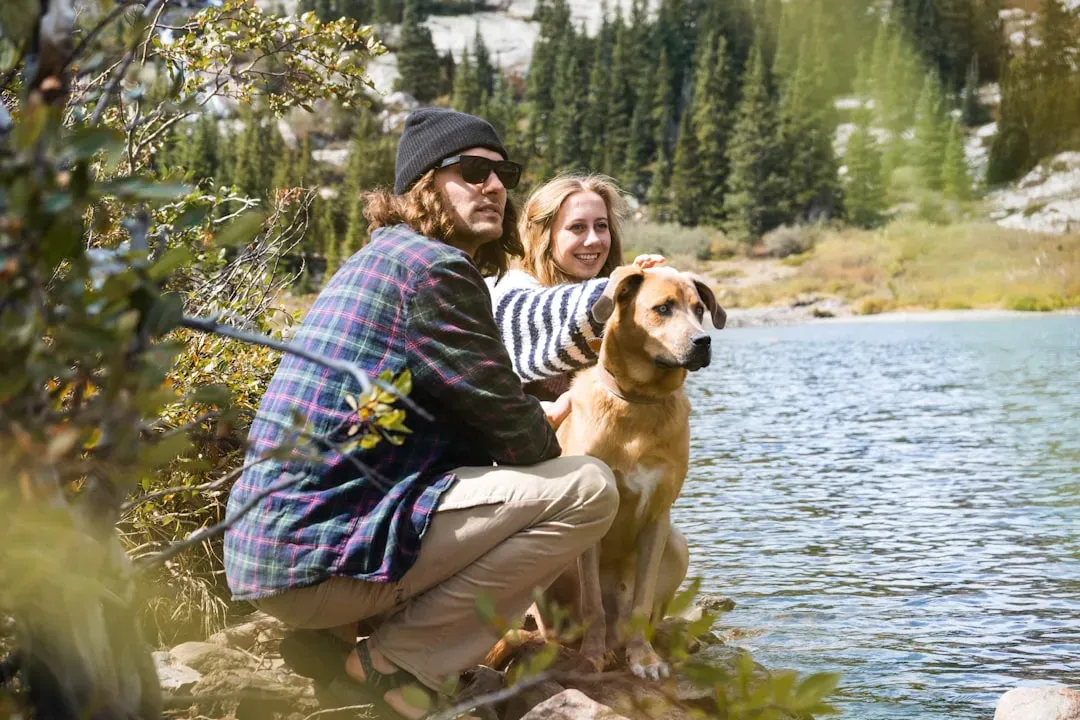
This one is a biggie. Your dog cannot speak up for themselves when they feel uncomfortable. You have to do it for them. Advocate for your dog in new or stressful situations, and do not force them into uncomfortable interactions with people or other animals. Pay attention to what makes your dog uneasy, and step in to protect their emotional and physical wellbeing.
If a stranger approaches you and your dog while on a walk and your pup appears uncomfortable, do not be afraid to say no if they ask to pet your pup. Every time you protect your dog’s boundaries, you are sending them a clear message: I see you, I hear you, and I have your back. That kind of reliability builds a bond that lasts a lifetime.
13. Talk to Your Dog Throughout the Day
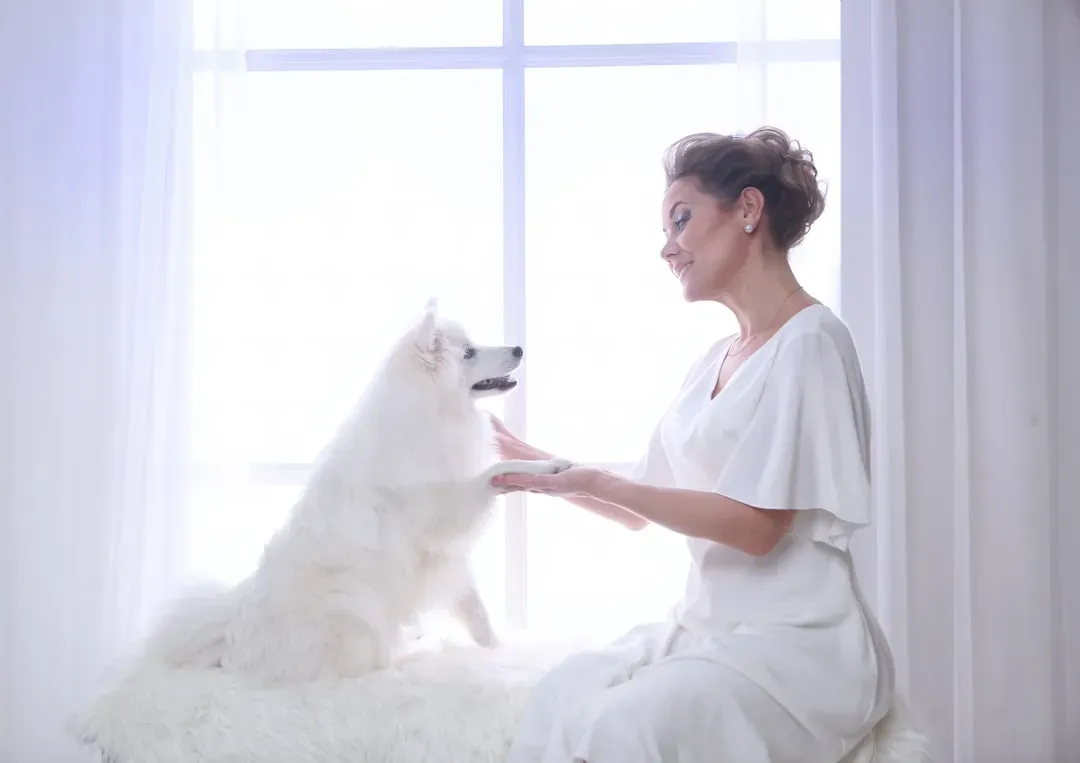
Yes, your dog probably does not understand every word. But they absolutely understand tone, rhythm, and emotional energy. Consistent, positive communication can help strengthen the bond with your dog, and this includes both verbal and non-verbal cues. Whether you are training them to sit or simply going through their daily routine, dogs appreciate knowing what is expected of them. Your best friend will respond better when you communicate clearly and regularly. This consistency helps avoid confusion and builds trust.
Narrating your day to your dog, greeting them warmly when you enter a room, using a gentle and loving voice during everyday interactions. These are all tiny deposits into your shared emotional bank account. They add up faster than you think.
14. Create a Safe Space That Belongs to Them

Every dog needs a place that is undeniably theirs. A den, a bed, a quiet corner. While dogs love spending time with their humans, they also need personal space from time to time. Dogs are den animals, and creating a cozy retreat, like a crate or a dog bed, allows your dog to have a safe space where they can relax and unwind. Providing your dog with their own space helps them feel more secure and can actually strengthen your bond when they know they have a place to go when they feel overstimulated or tired.
Respecting that space matters just as much as creating it. If your dog retreats to their bed, let them recharge without following them. Honoring their need for downtime shows a level of emotional intelligence that your dog will absolutely notice and appreciate.
15. Use Positive Reinforcement Every Single Day
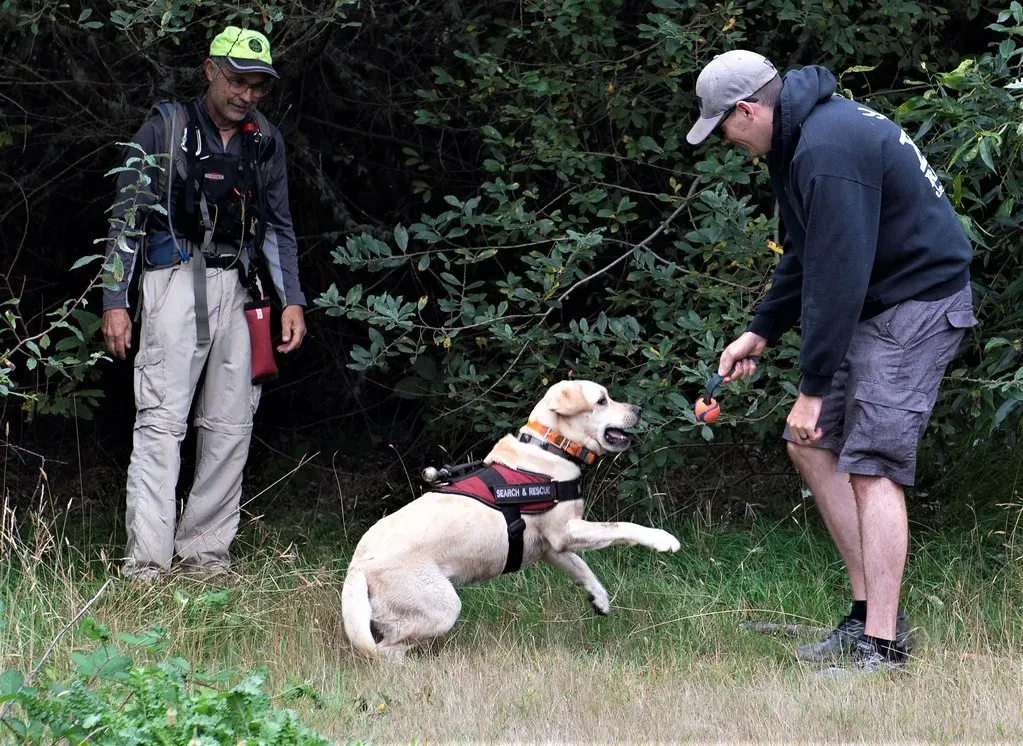
The way you respond to your dog’s behavior shapes how they feel about being around you. Positive reinforcement enhances the human-animal bond by fostering a common language that pet parents can use to interact with their dog. With it, a dog learns to listen to the pet parent and perform the behavioral cues they were taught. The use of positive reinforcement training methods builds up a dog’s confidence and trust in their pet parents.
Using punitive techniques, such as spraying your dog with water when they bark, can increase a dog’s fear and anxiety and even lead to aggressive behavior. Instead of punishing your dog for bad behavior, teach them behaviors you want them to do by using rewards like training treats, favorite dog toys, and praise. A dog who feels safe with you is a dog who chooses to stay close to you.
16. Take Them to New Environments Regularly

New smells, new sounds, new textures under paw. Every novel environment is a mental adventure for your dog, and sharing that adventure together is powerfully bonding. Taking your dog to new environments, such as a different park or a pet-friendly café, is beneficial for their mental stimulation. Research indicates that shared adventures help dogs feel secure and deepen the bond with their owner through positive experiences.
Since dogs love sniffing, exploring, and seeing and hearing new things, they will be grateful to you for the fun outing, and will begin to associate you with that good feeling. Daily long walks are also great because a well-exercised dog makes for a calm dog. Think of yourself as your dog’s travel guide to the world. They trust you to show them interesting things safely.
17. Practice Cooperative Grooming and Handling
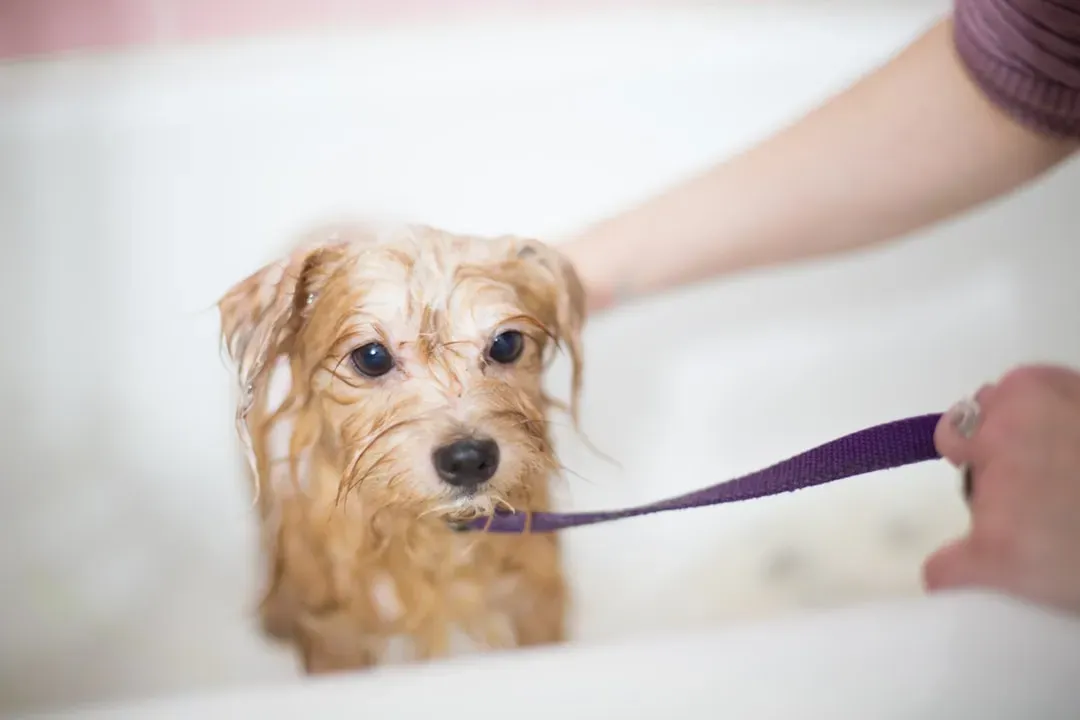
This goes slightly beyond regular brushing. Cooperative care means gradually getting your dog comfortable with all kinds of handling, including paw touches, ear checks, and mouth inspections. Practicing cooperative care and touching with your dog from a young age will also set you up for success in the future for vet appointments, grooming, or emergencies.
Take time to learn how your dog likes to be handled. Some love belly rubs, while others prefer ear scratches or just being near you. When your dog allows you to check their body without stress or resistance, that is a sign of deep trust. Building that trust starts small, one gentle touch at a time, and rewards both of you enormously in the long run.
18. Celebrate Small Wins Together
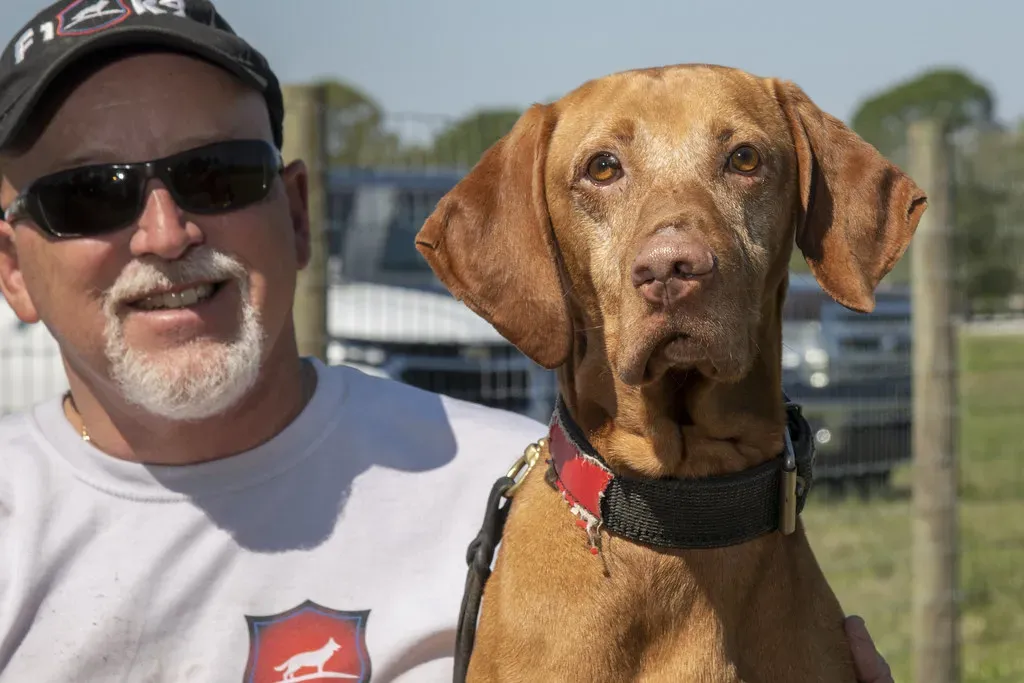
Dogs are extraordinary people-pleasers. Pets, especially dogs, are natural people pleasers and will thrive from learning new skills with their favorite human companion. When your dog does something right, even something small like waiting patiently at a door, make a moment of it. A bright voice, a scratch behind the ears, a small treat. Your reaction matters more than you know.
The emotional warmth of being celebrated creates a feedback loop. Your dog works hard to earn that feeling again. Training requires your dog to be tuned into you for guidance. They will master new commands and be rewarded with praise and treats from you, building their confidence. Confidence and connection grow from the same soil.
19. Give Them Daily Mental Enrichment
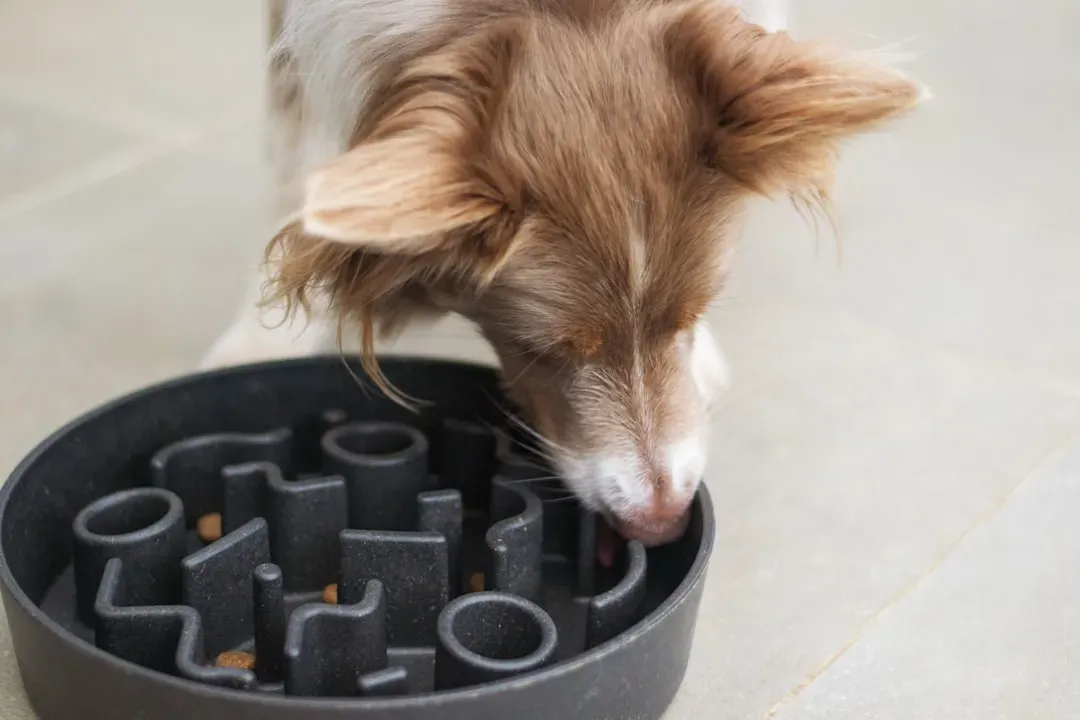
Physical exercise matters enormously, but a tired body with a bored brain is only half the equation. Puzzle feeders, snuffle mats, scatter feeding in the grass, hiding treats around the house. These small activities light up your dog’s brain in ways that running in circles simply cannot. We often think of physical exercise as the main way to keep dogs healthy, but exercising the mind is also exercise. Mental stimulation for dogs plays an important role in keeping them happy, sharp, and well-behaved. By engaging your dog’s mind, you help them create new neural pathways and stay mentally active.
Sniffing is one of the most enriching activities a dog can do, requiring focus, problem-solving, and sensory processing. Studies show that engaging in nosework activities leads to more optimistic behavior in dogs. A dog with an enriched mind is a calmer, happier, and frankly more pleasant housemate.
20. Be Patient and Consistently Present

Honestly, this is the one that ties all the others together. Building a deep bond with your dog is not a project you finish. It is a practice you return to, day after day. Building a strong bond with your dog does not happen overnight. Every dog is different. Some are naturally cuddly and eager to please, while others take time to warm up.
Recognize that progress may not happen as quickly as you want it to, but that is okay. The key is to be present, patient, and attuned to your dog’s needs. The bond between you and your dog is built on trust, communication, and love. Some days you will nail every habit on this list. Other days you will manage one. That is more than enough. Show up, keep showing up, and your dog will meet you there every single time.
Conclusion: The Bond You Build Is the Life You Share
The beautiful truth about all 20 of these habits is that none of them require perfection. They require attention. The kind of quiet, daily attention that says “you matter to me” in a language your dog understands completely. Each gentle gaze, each sniff walk, each training session where you both laugh a little, is a stitch in the fabric of something genuinely extraordinary.
Your dog wakes up every morning choosing you. They are loyal before you have even earned it. The least we can do is show up for them in the small, consistent, deeply human ways that build real trust. And here is the thing nobody tells you until you experience it: as that bond deepens, it changes you too. You become more patient, more present, more tuned into the world right in front of you.
So which of these habits will you start with today? Pick one, try it tonight, and see what happens. We would love to hear how it goes. Drop your thoughts in the comments below and tell us which habit has made the biggest difference with your dog.


