
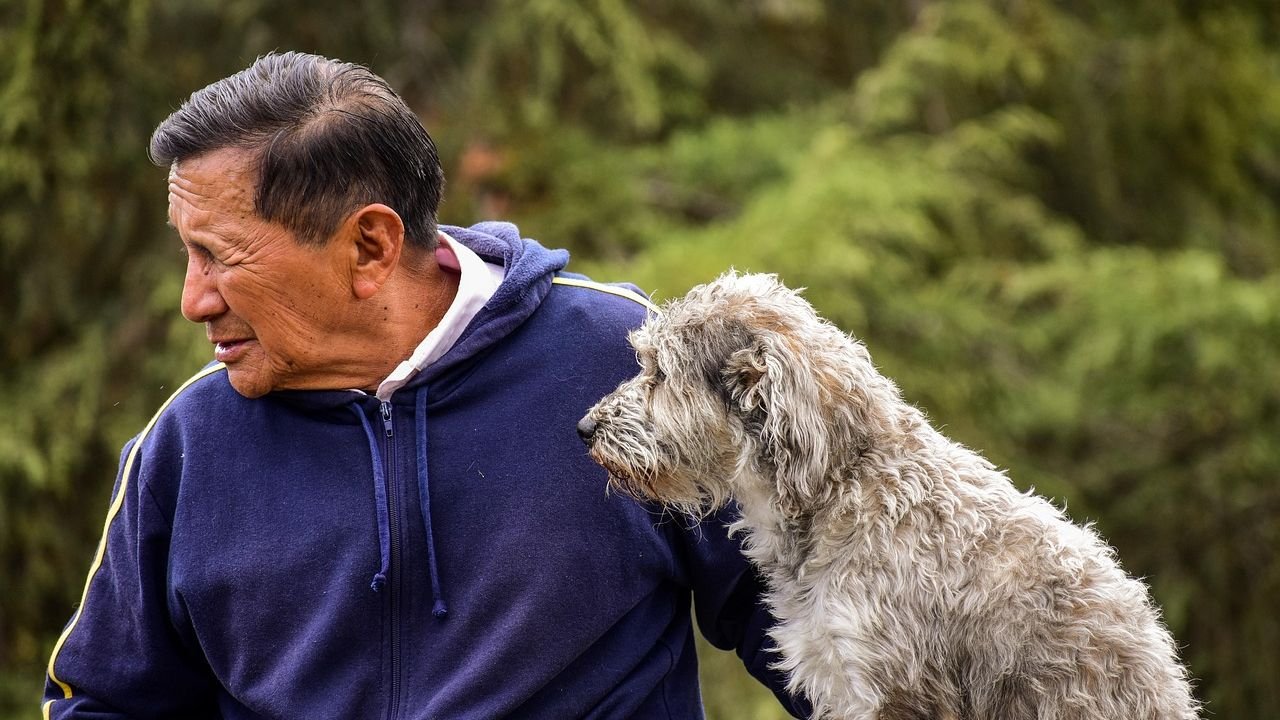
There’s something quietly powerful that happens when a dog trots into a room. The tension in your shoulders softens. Your breathing slows down. A smile arrives before you even realize it. For millions of people over 50, that furry presence isn’t just a comfort. It turns out, it may genuinely be life-changing.
Life after 50 carries a unique emotional weight. Retirement, children leaving home, the quiet of an empty house, the occasional ache that reminds you the body isn’t quite what it was. These things accumulate. Yet research is making a compelling case that one of the most powerful tools for protecting your mental health during these years has four paws and a wagging tail.
So if you’ve ever wondered whether your bond with your dog is actually doing something real for your mind and mood, you’re about to find out just how deep that magic runs. Let’s dive in.
1. They Trigger a Real, Measurable Stress Response in Your Brain

Here’s something that genuinely amazed me when I first learned it. Your dog’s presence doesn’t just make you feel better subjectively. It actually changes your brain chemistry in a measurable way. Research has shown that simply petting a dog lowers the stress hormone cortisol, while the social interaction between people and their dogs actually increases levels of the feel-good hormone oxytocin, the same hormone that bonds mothers to babies.
Interacting with animals triggers biological responses that enhance mood and promote overall emotional well-being. Animal contact can release mood-enhancing chemicals like endorphins and oxytocin, while simultaneously decreasing stress hormones such as cortisol.
Think about that for a moment. You’re essentially getting a natural, free dose of calm every single time you sit on the couch with your dog beside you. No prescription needed. No waiting room. Just a warm, furry body and the science to back it up.
2. They Slow Cognitive Decline in Ways Scientists Are Still Unpacking
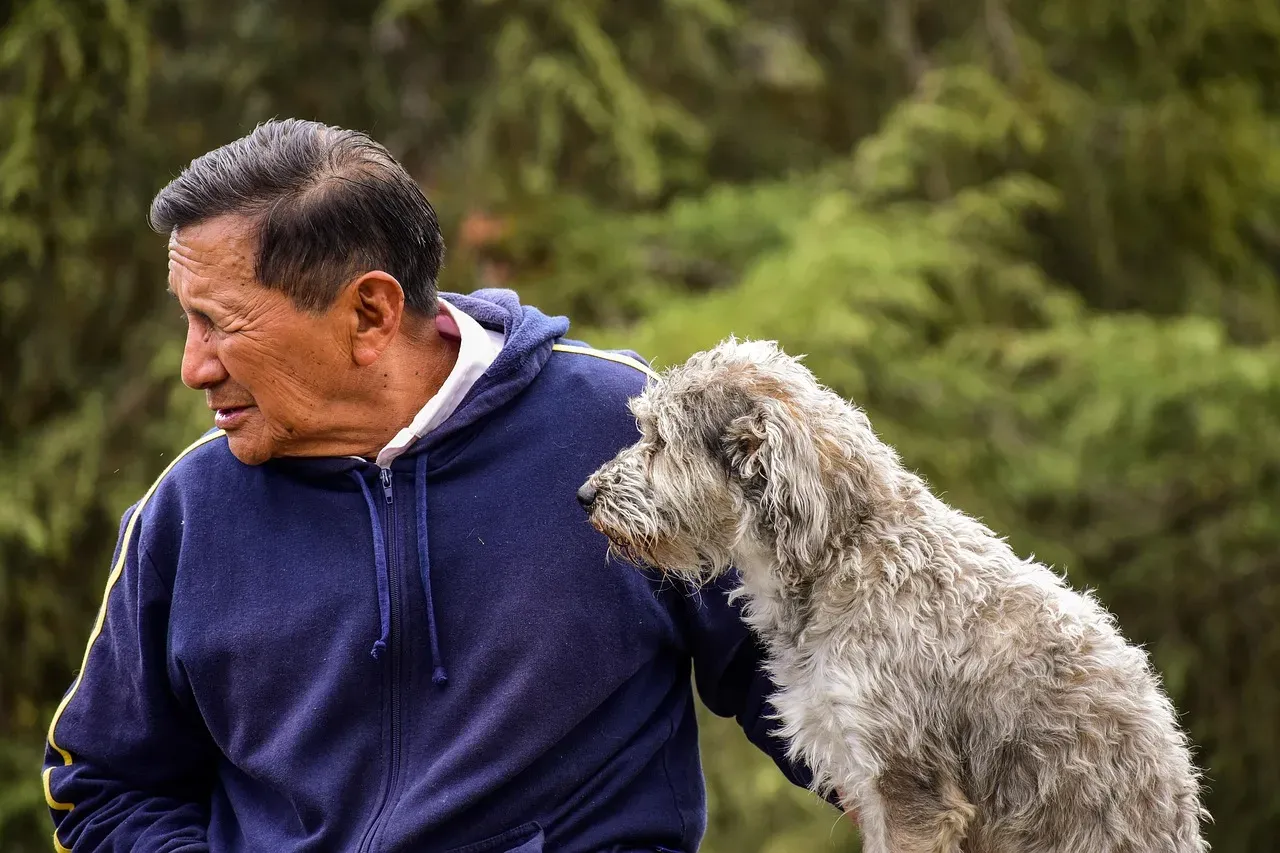
A major study used data from eight waves of the Survey of Health and Retirement in Europe to longitudinally examine the relationship between pet ownership and cognitive decline over 18 years among adults aged 50 and older. The targeted cognitive domains were executive functioning and episodic memory. Results confirmed that pet ownership is associated with slower decline in both cognitive domains.
In a study of nearly 8,000 older adults published in JAMA Network Open, researchers found that among those living alone, having a pet was associated with a slower rate of cognitive decline, specifically composite verbal cognition, verbal memory, and verbal fluency. The study used data from the English Longitudinal Study of Ageing over an eight-year period.
Honestly, those are remarkable numbers. It’s not a guarantee, and science is careful about causation. But the pattern is hard to ignore. For older adults, particularly those living alone or with cognitive impairment, interaction with dogs stimulates memory, communication, and a sense of purpose.
3. They Give You a Purposeful Daily Routine That Anchors Your Mood
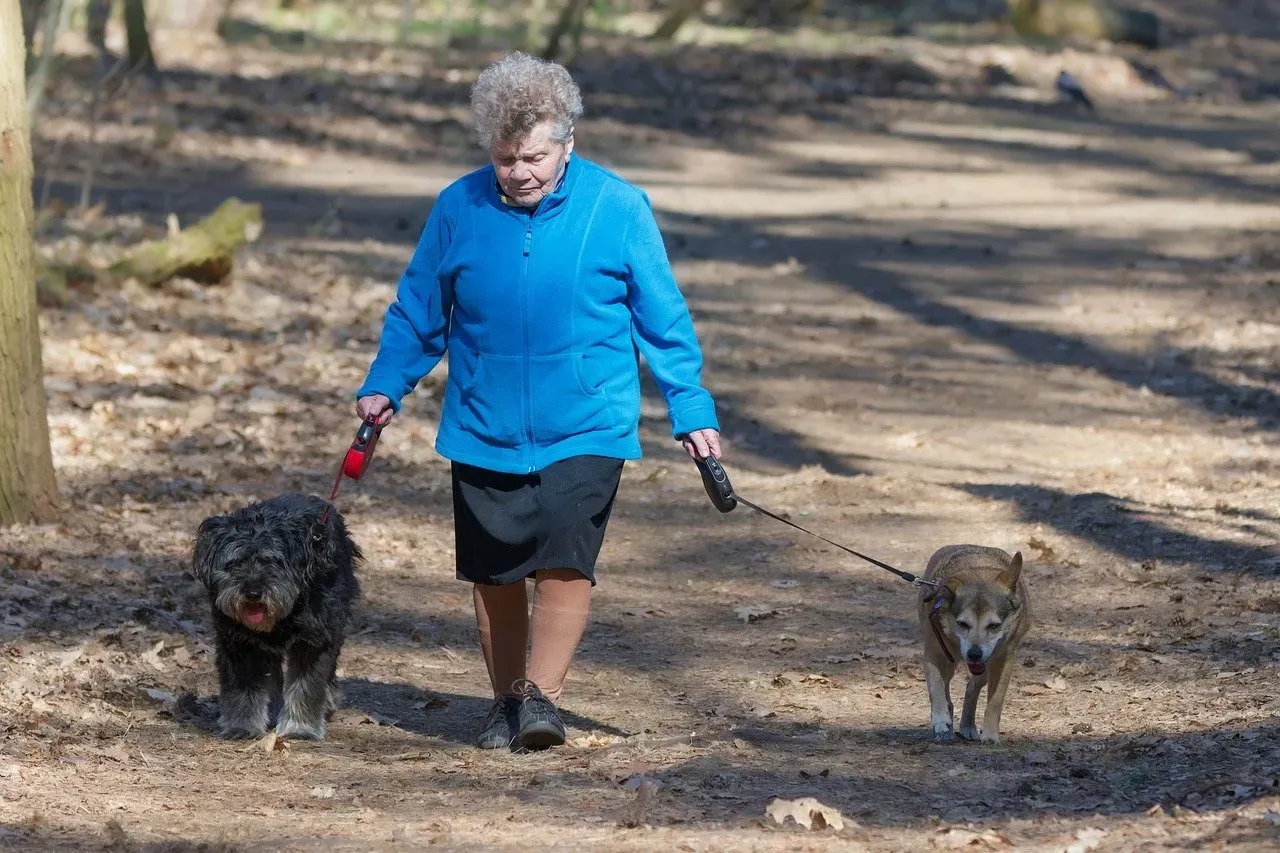
One of the most underrated mental health needs after 50 is structure. When routines dissolve after retirement or major life changes, anxiety has a habit of rushing in to fill the void. This is where dogs quietly perform what I’d call their most underappreciated miracle. The responsibility of owning a pet can seem overwhelming, but it is a great way to add structure to your daily routine. Establishing healthy routines for a pet such as daily walks, healthy meals, and active playtime provides many pet parents with a sense of purpose and accomplishment.
The responsibilities of pet ownership motivate older adults to “get up and do things every day,” which assists in developing a routine. These factors help avoid feeling “useless” and increase self-esteem by creating a sense of purpose.
Dogs don’t take days off. They need feeding, walking, and attention regardless of how you’re feeling. That might sound demanding, but for many people over 50, that gentle nudge from their dog is precisely the thing that gets them out of their own head.
4. They Fight the Epidemic of Loneliness Head-On

Aging can bring unique challenges, including loneliness and depression, which are alarmingly common among older adults. According to the Centers for Disease Control and Prevention, nearly one quarter of adults aged 65 and older experience social isolation, a condition closely tied to depression, anxiety, and physical health decline.
Research suggests that pet ownership may benefit community-dwelling older adults by providing companionship, giving a sense of purpose and meaning, reducing loneliness, and increasing socialisation. Dogs, in particular, are especially effective social catalysts. Pets, particularly dogs, were perceived to provide social benefits through facilitating social interactions and through promoting favorable social support relationships and feelings of social connectedness.
It’s a simple truth. Walking your dog down the street opens conversations that would never happen otherwise. Your dog becomes a living social bridge between you and the rest of the world.
5. They Physically Get You Moving, and That Directly Improves Your Mental State

Let’s be real. Exercise is one of the most well-evidenced mental health interventions we have. It reduces depression, eases anxiety, and boosts self-esteem. The brilliant thing about dogs is that they make it mandatory. Over 60% of dog owners meet the recommended weekly amount of exercise, meaning they get 150 minutes of moderate exercise or 75 minutes of vigorous exercise each week.
Pet owners who owned dogs reported better overall health and more physical activity over the past year as compared to non-pet owners. That movement isn’t just keeping your joints mobile. By encouraging regular physical activity through walks and outdoor play, dogs help improve cardiovascular health, mobility, and overall fitness, which are critical factors for maintaining independence in older age.
There’s something deeply grounding about moving your body outside with a creature who is completely and joyfully in the present moment. Your dog doesn’t know about your worries. That energy is contagious in the very best way.
6. They Provide Comfort and Emotional Safety Without Judgment
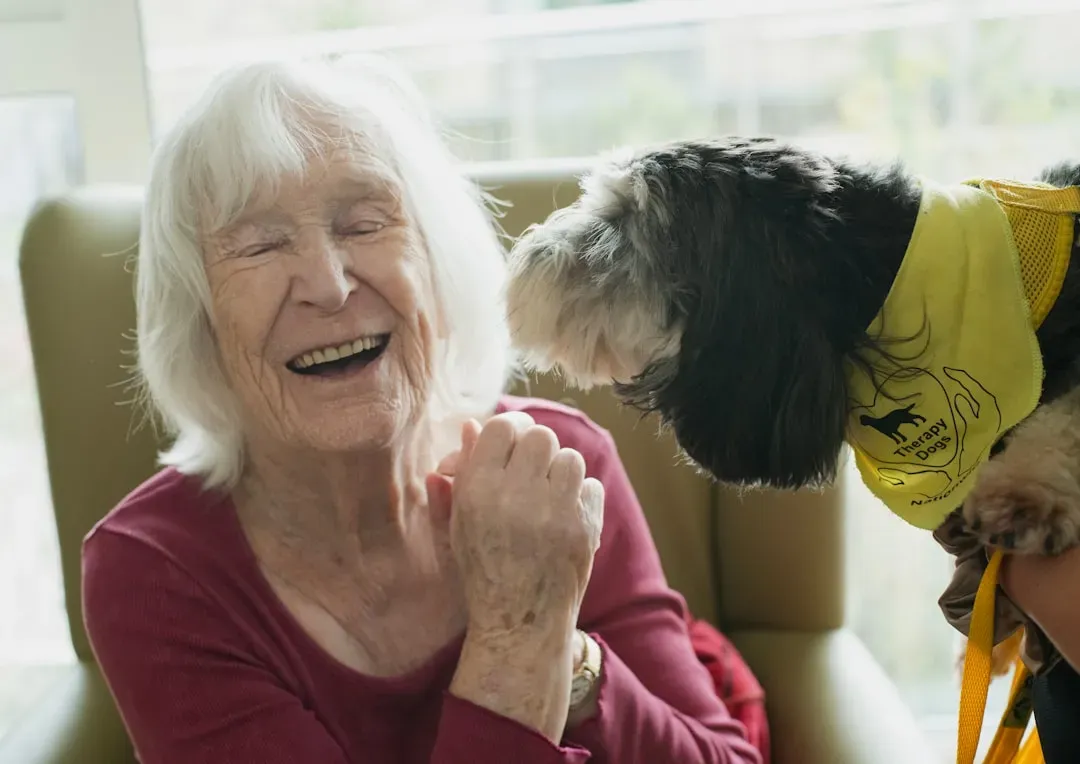
Dogs’ nonjudgmental nature allows seniors to simply be themselves, with no pressure and no expectations. That might sound simple, but it is genuinely profound. After 50, many people carry layers of social expectation, grief, regret, and identity change. A dog accepts all of it without question. Seniors can express their feelings without worrying about being rejected, since animals offer unconditional love and acceptance. A therapy dog offers the genuine, present-moment connection that many senior citizens long for, without pointing fingers at past mistakes or current restrictions.
Pet owners reported their animals could lift their moods by being a “constant” in their lives. All participants discussed positive experiences and memories of how their pets influenced their current situations.
That word “constant” matters enormously. When life after 50 often feels like a series of losses and changes, your dog is the one relationship that stays steady, warm, and reliably there.
7. They Support Dementia Prevention in Regular Dog Walkers
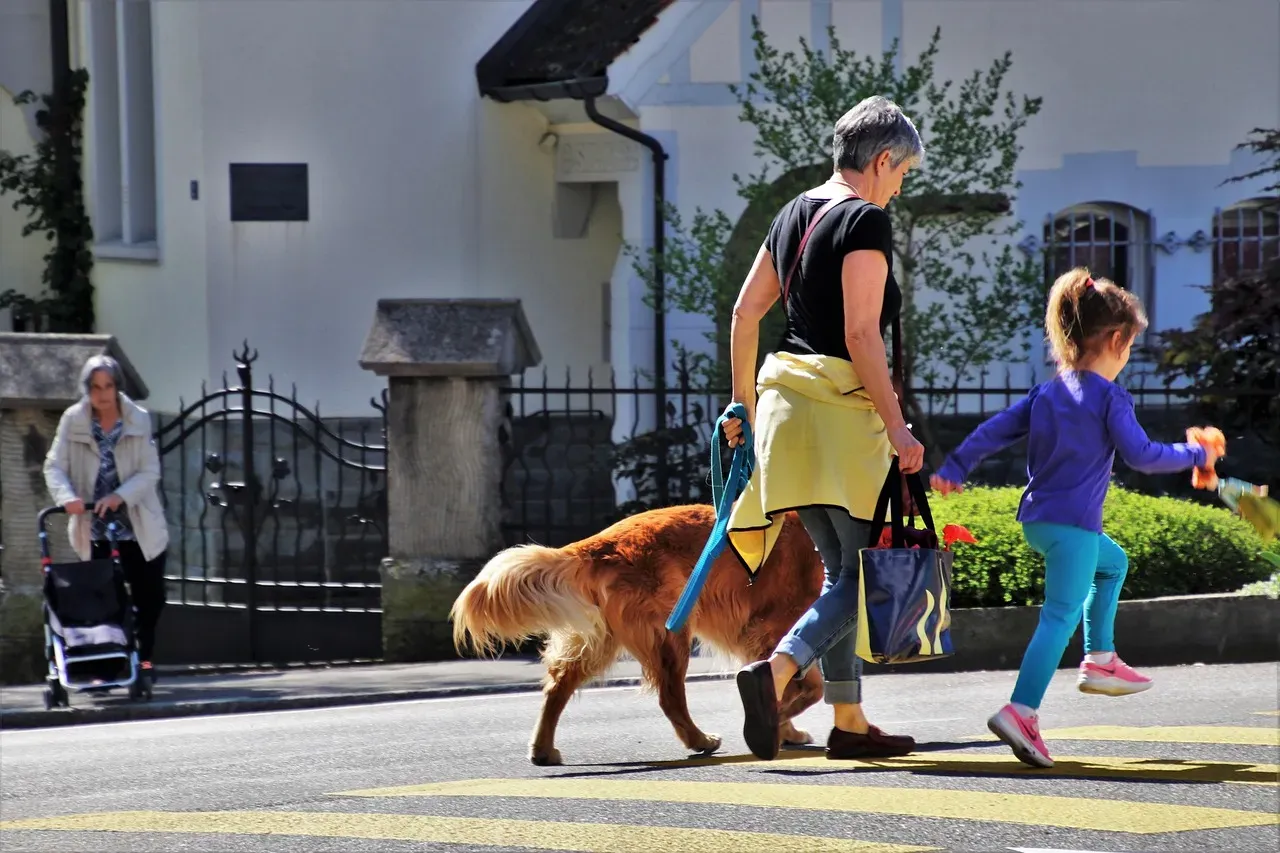
This one surprised me when the research came out, and I think it deserves far more attention than it gets. A 2023 study found that while dog owners overall saw dementia-reducing benefits, those who regularly walked their dogs and were not experiencing social isolation had a significantly lower risk of dementia.
Dementia is most prevalent as adults age and get older, and the effects of dementia can be detrimental to seniors and challenging for family caregivers. Therapy dogs can provide a calming effect and improve the mood for those with dementia and related diseases like Alzheimer’s.
The combination of physical activity, social engagement, and the cognitive stimulation of caring for another living being creates a kind of mental workout that benefits the aging brain in genuinely exciting ways. It’s not magic. It’s science. And your dog is delivering both every single day.
8. They Reduce Depression Symptoms in Meaningful, Documented Ways
Aging adults are at an increased risk of depression, anxiety, and poor mood. The numbers are sobering. Yet dogs appear to offer something surprisingly effective in response. Results from a randomized controlled trial show a significant change in trajectory for the animal-assisted intervention group from pre to post-intervention for anxiety and mood. Study satisfaction was also significantly better in that group.
Psychologically, animals provide unconditional love and support, which can uplift mood, reduce depression and anxiety, and stimulate residual cognitive skills such as memory and communication.
Think of your dog as a small daily antidepressant that comes with fur, enthusiasm, and absolutely zero side effects. It’s not a replacement for professional help when that’s needed. Still, as a daily complement to good mental health habits, a dog is genuinely hard to beat.
9. They Create a Meaningful Life Role That Retirement Can Sometimes Remove

Here’s something nobody really talks about enough. When work ends, so can a powerful sense of identity and usefulness. Caring for a dog fills that gap in a way that feels surprisingly significant. Owning a pet has been compared to parenting. Research on older adults shows that parenting and caring for a pet are socially valuable and meaningful.
For older adults, maintaining a sense of purpose is essential for mental well-being. A dog introduces small, meaningful responsibilities into daily life, from feeding and grooming to scheduling walks. These activities help fill the day with consistent, rewarding tasks that prevent idle time, which can amplify feelings of loneliness or depression.
The dog’s dependency on its handler fosters a sense of being needed and valued, which is vital for emotional resilience and self-worth. That sense of being needed is something many people quietly grieve after major life transitions. A dog brings it right back.
10. They Make Social Connection Happen Naturally and Consistently

Dogs are social magnets. It’s almost comically reliable. You take your dog to the park, and suddenly three strangers want to tell you about their childhood Labrador. Pet ownership can provide essential social and emotional support for older adults. Older adults who own pets report a reduction in stress and loneliness, and they also experience an increase in activity and overall quality of life.
Interacting with pets can reduce feelings of loneliness and isolation commonly experienced by seniors. More than that, those casual conversations at the dog park or on the walking trail build something cumulative over time. Acquaintances become friends. Neighbors become community. Seniors can develop new bonds through discussions based on common experiences and a love of animals, strengthening links within the community.
It’s the kind of social fabric that many people over 50 find harder to rebuild after it frays. Your dog, completely unaware of any of this, is out there rebuilding it for you every single day.
Conclusion: Your Dog Might Be the Best Wellness Investment You Already Have

When you add it all up, the case for the dog-human bond as a genuine mental health intervention after 50 is quietly, powerfully compelling. The Human Animal Bond Research Institute recently issued a new report focused on providing data, insights, and best practices to elevate the role of pets for improved mental health. The positive impact of the human-animal bond for mental well-being has been validated through decades of scientific research.
From the biochemistry of cortisol and oxytocin, to slower cognitive decline, reduced depression, stronger social ties, and a renewed sense of purpose, your dog is working overtime on your behalf. Often without you even noticing. Pet ownership may benefit community-dwelling older adults by providing companionship, giving a sense of purpose and meaning, reducing loneliness, and increasing socialisation. These benefits may also increase resilience in older adults against mental health disorders, which may positively influence their mental health outcomes.
So the next time your dog nudges your hand with a cold nose, or curls up at your feet without being asked, know this. That small, ordinary moment is doing something genuinely extraordinary for your mind. Cherish it. Nurture it. And maybe take them for an extra walk today.
Which of these benefits surprised you most? We’d love to know. Share your thoughts in the comments below.


