
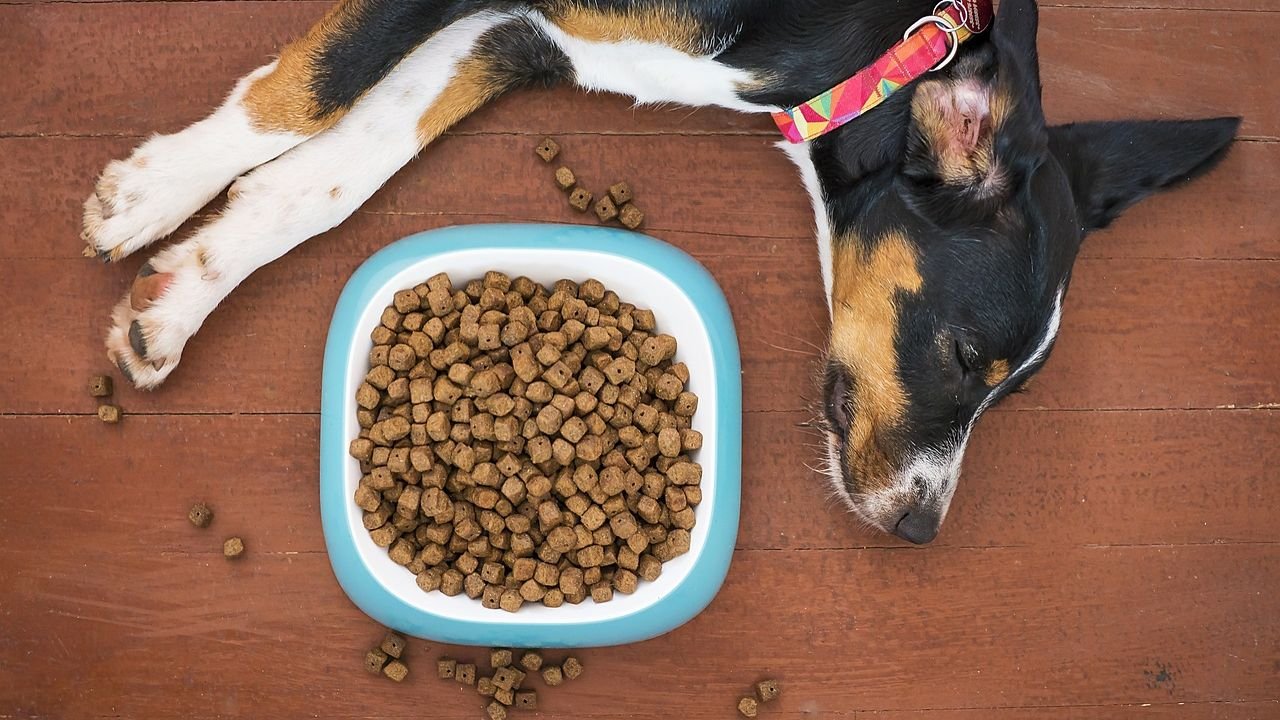
Picture this: you reach into the treat bag, your dog’s number one favourite sound in the entire universe, and… nothing. No tail spin. No laser-focused eyes. Just a polite sniff and a slow walk away. For most dog parents, that moment lands somewhere between confusing and genuinely alarming. And honestly? It should make you pay attention.
Treats are usually the one thing a dog will never say no to. So when they do, it tells a story. Sometimes it’s simple. Sometimes it’s a signal you really don’t want to miss. Let’s get into it.
It Could Be a Hidden Health Issue Talking

A common reason for a dog refusing treats is simply feeling unwell. Just like us, dogs tend to eat less when they’re not feeling their best. The tricky part is that dogs are masters at hiding discomfort. They won’t sit you down and explain their tummy ache. Instead, they’ll quietly turn away from the bowl, or in this case, from that cheese-flavored biscuit they would normally inhale in 0.3 seconds.
A decreased appetite in dogs is often a sign of sickness, especially if your dog is showing other symptoms at the same time. It could indicate serious illness, including cancer, various systemic infections, pain, liver problems, and kidney failure. That’s a wide range, I know, and I don’t say that to scare you. Most cases turn out to be minor. But knowing the full picture helps you act faster when it matters most.
Dental Pain: The Silent Mealtime Thief
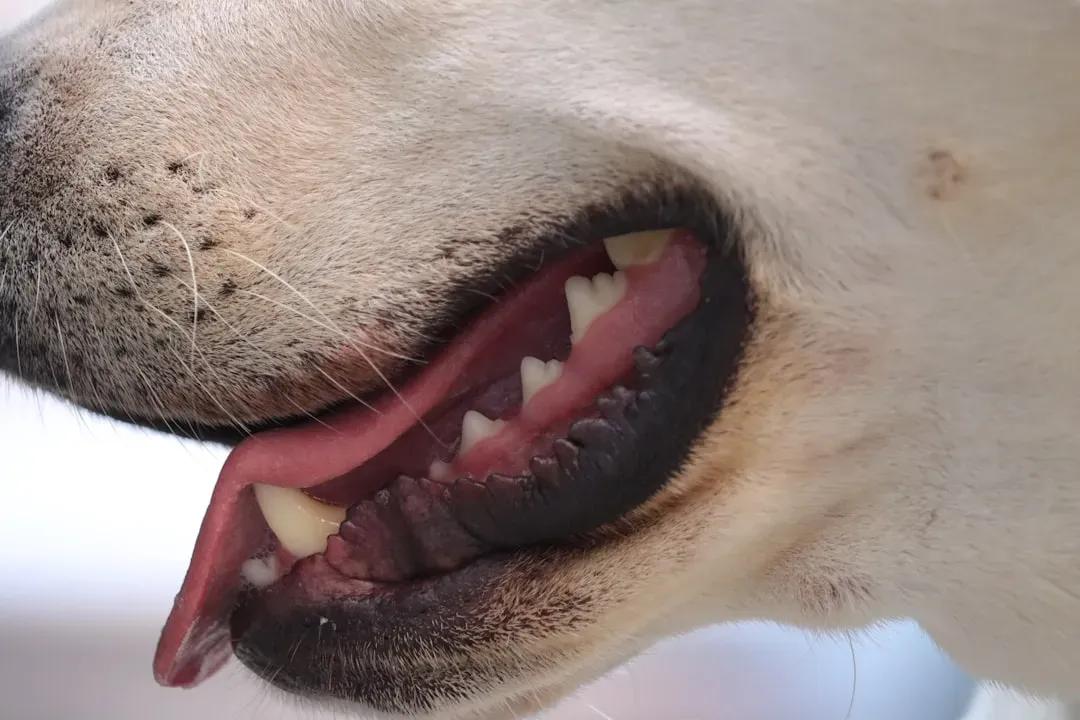
Here’s something that surprises a lot of dog owners. Discomfort caused by dental disease, fractured teeth, or oral ulcers can make chewing treats genuinely painful for your dog. This often leads to a refusal of treats, particularly hard or crunchy ones. Think about it the same way you’d think about biting into a crusty baguette when you have a sore tooth. You’d skip it too.
Dental issues can often cause appetite loss. Your pup may not feel much like eating if there’s something amiss with their teeth. Signs of a larger dental problem include a foul smell, any loose teeth, or lots of tartar buildup. So if your dog is turning away from their favourite chewy treat, take a gentle peek inside their mouth. What you find there might surprise you, and getting it treated could change everything.
Stress and Anxiety Are Powerful Appetite Suppressors
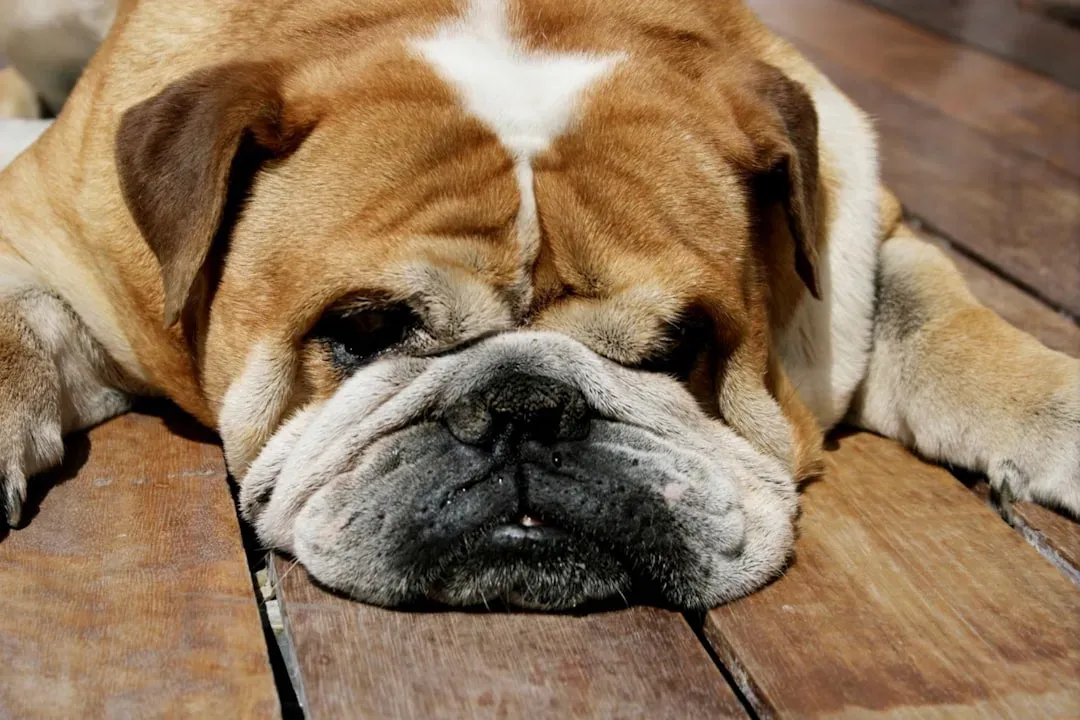
Stress plays a significant role in a dog’s appetite. Loud noises, unfamiliar environments, new pets or people, and changes in routine can all cause anxiety that suppresses interest in treats. If your dog is too stressed, even their favourite treat might be refused. I think this is one of the most underestimated causes out there. We forget that dogs feel things deeply, often more than we realize.
Moving to a new home, traveling, or having unfamiliar visitors can cause temporary stress that affects eating habits. A stressed dog may still accept treats because they’re quick and comforting, while ignoring a full meal feels overwhelming. So if your dog is refusing treats in a specific situation, like during a thunderstorm or after a house move, stress is almost certainly involved. Create calm, give comfort, and give them a little time.
They Might Be Full From Too Many Treats Already
Let’s be real. Most of us are guilty of this one. If treats are given too frequently, dogs may start to view them as their primary food source. Over time, this can condition them to reject their actual meals. Excessive treats can fill a dog up before mealtime, making them less interested in their regular diet. This can lead to unbalanced nutrition if it happens consistently.
Treats should make up no more than roughly ten percent of your dog’s daily caloric intake. If your dog needs five hundred calories a day, treats should stay at fifty calories or less. It sounds strict, but think of it this way: a treat only stays special if it’s not the norm. Keep them rare, keep them meaningful.
When to Stop Waiting and Call the Vet

This is the section I really want you to read carefully. If your dog goes off their food for a day or two but then resumes eating without displaying any other concerning signs, you shouldn’t be overly worried. Signs to watch out for include any significant change in your dog’s eating habits that persists more than a couple of days, repeated vomiting or diarrhea, lethargy, sudden weight loss, excessive thirst, not pooping or unusual stool.
Puppies, elderly dogs, and dogs with pre-existing health conditions should not be skipping meals. For these groups, the window for waiting is much shorter. Puppies under six months should not go more than twelve hours without eating. Contact a vet if refusal extends beyond these timeframes or if other symptoms appear. Trust your gut as a dog parent. You know your dog better than anyone. If something feels off, it probably is.
Conclusion: Your Dog’s Appetite Is Trying to Tell You Something
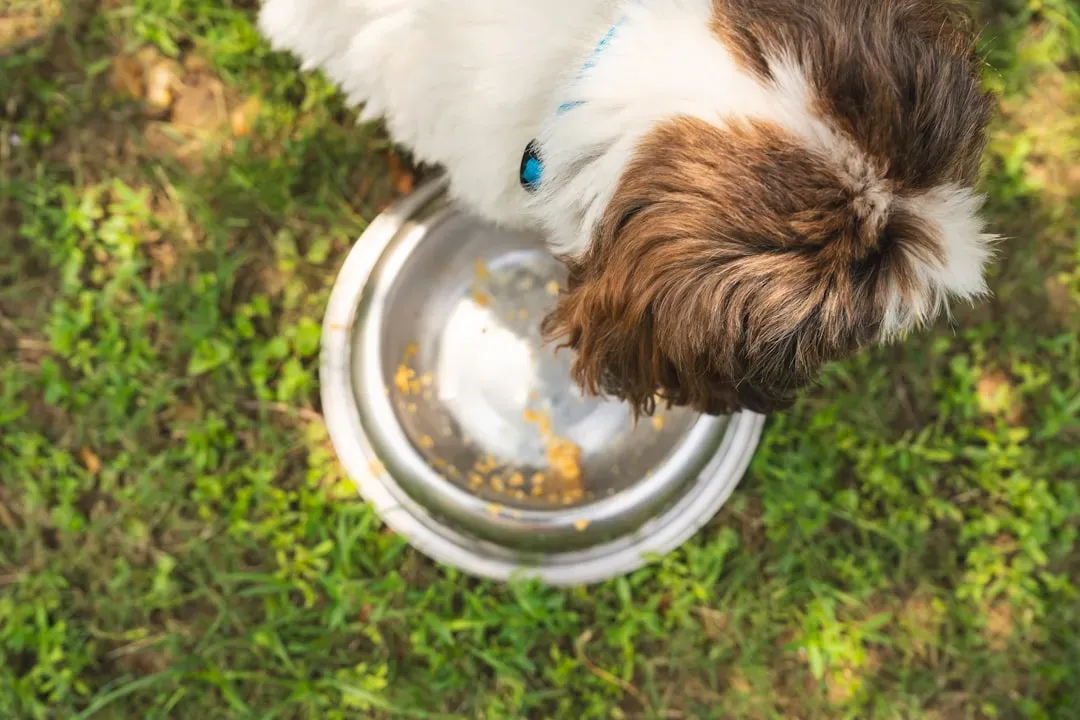
A dog refusing a treat is never nothing. It might be a minor blip, a stressful afternoon, a tummy that’s a little off, or it might be the first quiet whisper of something that needs real attention. Either way, it’s worth listening.
The good news is that most causes are manageable once you know what you’re dealing with. Watch for patterns. Check their mouth. Consider what’s changed in their world lately. Keep treats at a healthy limit. It can be stressful when your dog refuses to eat, but it’s important to stay patient and attentive to their needs. Keep your dog’s diet varied and balanced, limit their treats, and monitor their eating habits.
You chose to share your life with a dog, which already says everything about the kind of person you are. Keep paying attention like this, and your pup is lucky to have you. What changes have you noticed lately in your dog’s eating habits? Drop it in the comments. You might just help another dog owner figure it out too.


