
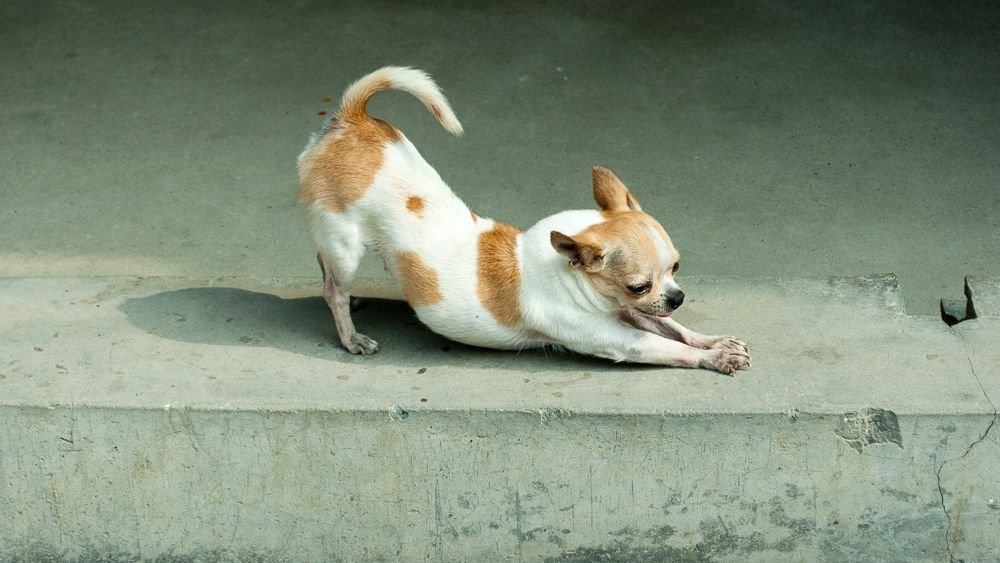
You walk through the front door after a long, exhausting day. Before you’ve even dropped your bag, your dog is already mid-stretch – front legs extended, rear end up, tail doing that slow, satisfied wag. It’s one of the most quietly beautiful things a dog does. Most people assume their pup was napping and simply woke up. Honestly, that interpretation is sweet, but it barely scratches the surface.
There’s a whole language happening in that stretch, and once you understand it, you’ll never look at your dog the same way again. Let’s dive in.
The “I Love You” Stretch Is Actually a Thing
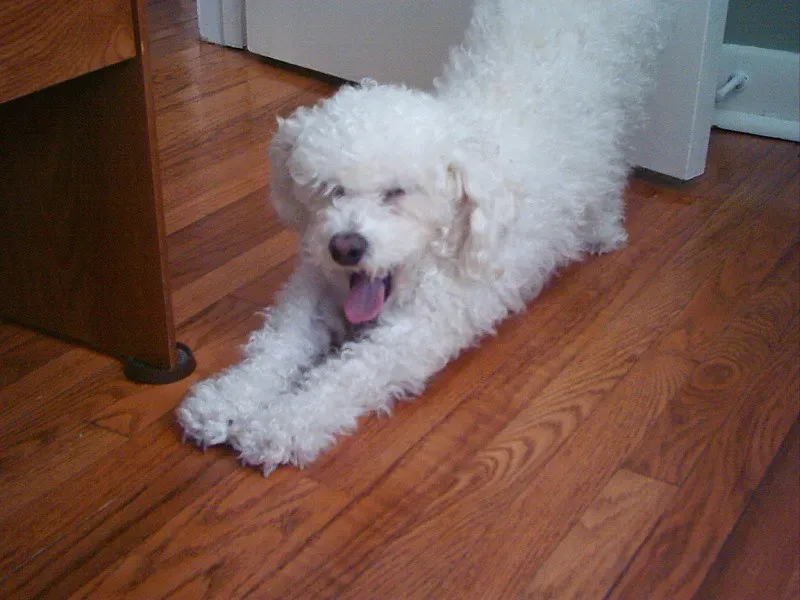
When a dog stretches and greets you, this is often called the “I love you” stretch. That’s not just a cute name dog lovers invented on the internet – it’s a recognized behavior pattern with real emotional weight behind it. Think of it as your dog’s version of a warm, open-armed hug.
This is known as the “greeting stretch,” and it’s a sign of affection and comfort – the dog’s front legs are extended forward, their chest is close to the ground, and their rear end is raised. It’s a posture that says, in the most physically expressive way possible, “I’m relaxed, I’m happy, and I am genuinely thrilled you’re home.”
There are lots of different reasons why dogs stretch, and the greeting stretch is very different from a play bow or calming stretch, and is commonly only done towards loved ones. That detail matters more than most people realize. Your dog isn’t doing this for strangers. It’s for you, specifically.
The Science Behind That Full-Body Stretch
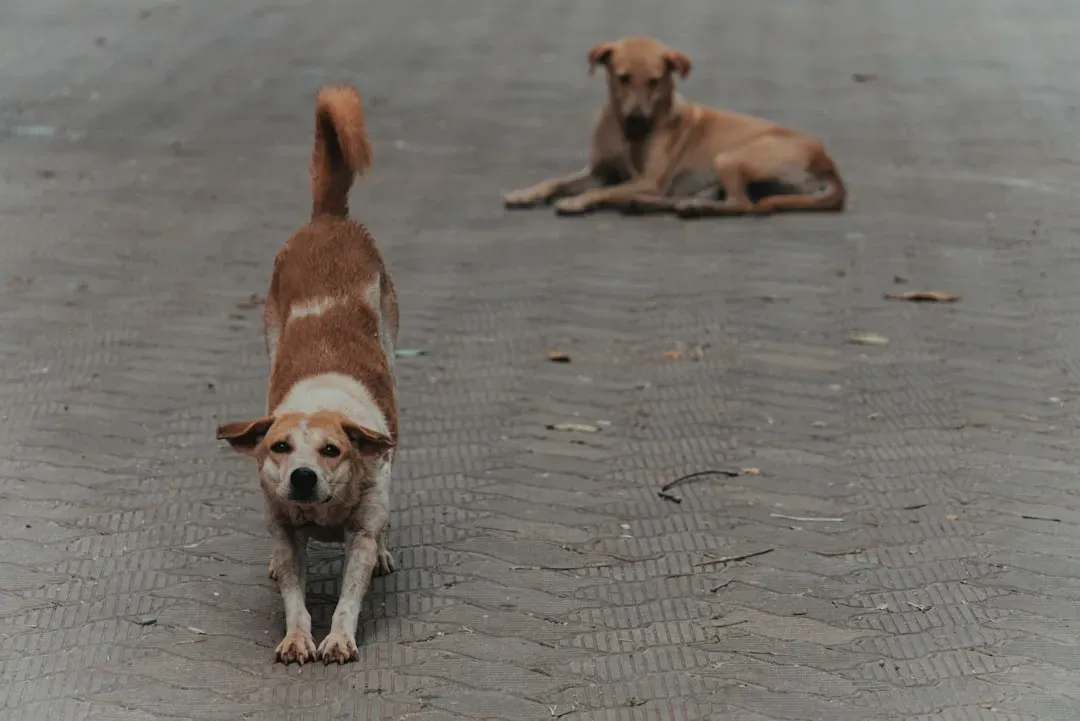
Here’s the thing – there’s a fascinating biological process happening every time your dog does this. Pandiculation is our nervous system’s natural way of waking up our sensorimotor system and preparing us for movement. Humans, along with all vertebrate animals, tend to automatically pandiculate when they wake up or when they’ve been sedentary for a while. Your dog is essentially rebooting their body when they see you.
It may look like a simple stretch, but when we pandiculate, we’re actually contracting muscles that have been inactive. Pandiculation is our innate response to the sensations of lack of movement and to tension building up in our muscles. So your dog wasn’t just being adorable – their nervous system was literally preparing their body for the action they’re anticipating with you.
Just like humans enjoy a good stretch after being sedentary, dogs stretch to stimulate blood flow, loosen muscles, and prepare their body for movement. Stretching activates muscles and joints, helps prepare the body for movement reducing the chance of strains, and after napping or lying still for a while, alleviates stiffness and improves comfort. It’s purposeful. It’s intelligent. And it’s beautiful.
When the Stretch Becomes a Learned Love Language
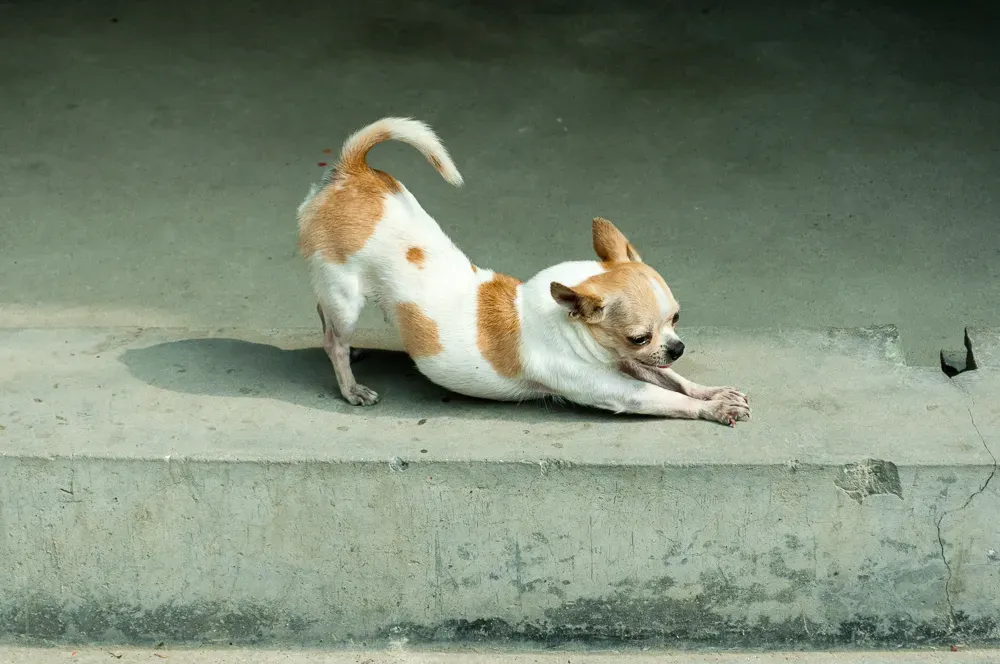
Dogs are remarkably clever social creatures, and I think this is where things get genuinely magical. Some dogs might learn to exhibit this stretching behavior when the behavior is reinforced. So, if you think this behavior is cute and praise your pup every time they perform the stretching behavior, they’re more likely to stretch for you again. You’ve been training your dog without even knowing it.
Dogs are quick learners, and if they notice that stretching gets a positive reaction – like praise, petting, or laughter – they’re more likely to repeat the behavior. Over time, this stretch can become a learned way of seeking attention and affection. It’s essentially your dog saying, “I know this makes you happy, so here it is, every single day.”
If your pup associates your arrival with playtime – walks, fetch, or bonding – they may stretch to limber up. Repeat positive responses reinforce stretching. Over time, it becomes a learned greeting cue. It’s a ritual built on trust, repetition, and genuine joy. Let’s be real, that’s pretty extraordinary.
Reading the Difference – Greeting Stretch vs. Health Warning Signs
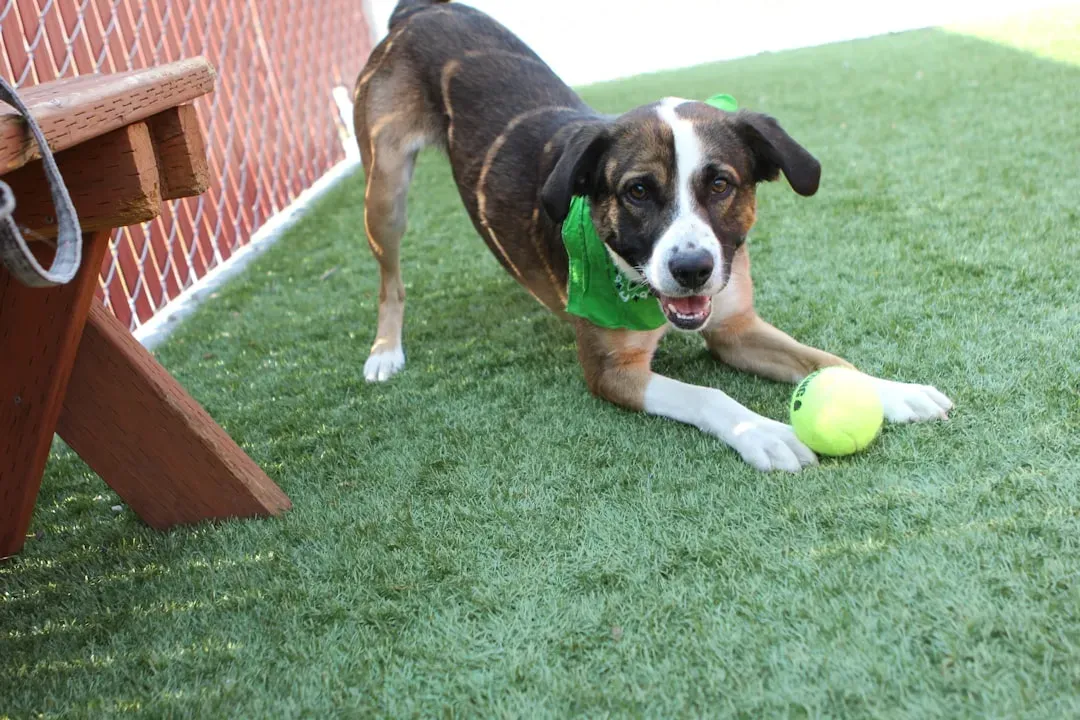
Now, this part is important, and I’d be doing you a disservice if I skipped it. Not every stretch is a celebration. While stretching is a normal behaviour in dogs, it’s crucial to pay attention to the type and frequency of the stretches and the contexts in which they are occurring in order to determine the function the stretch is serving. Understanding the differences between these stretches can help you better understand your dog’s behaviour and health.
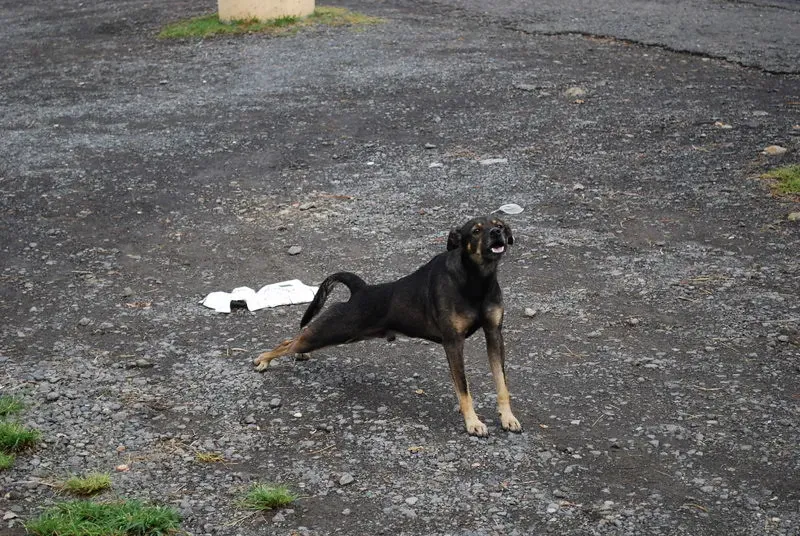
Sometimes, a dog’s stretch can indicate discomfort or pain. One such stretch is the “prayer position,” where the dog’s front legs and chest are on the ground, and its rear end is raised. This stretch can be a sign of abdominal pain or discomfort. If your dog is performing this stretch frequently, the dog might be suffering from a medical condition such as pancreatitis, Giardia, or bloating.
Stretching of the back legs specifically may indicate your pup pulled a muscle. They could have joint pain, including arthritis, which is why it is imperative to know your dog’s usual physical behaviors and monitor their movements to observe any changes over time. Trust your gut. If something feels off, it probably warrants a check-in with your vet.
The Sploot, the Bow, and Other Stretches You Should Know About
While the greeting stretch is the star of this article, your dog has a whole vocabulary of stretches worth understanding. One of the most viral and beloved is the sploot. Splooting refers to a dog position where a dog lies on their stomach with their hind legs extended behind them and their belly in full contact with the floor. It looks ridiculous and wonderful at the same time – like your dog suddenly forgot how legs work.
Splooting allows your dog to stretch their hips and legs. They might do it after running or walking long distances. Splooting can help relieve tension in a dog’s lower back and hind legs. Think of it as the canine equivalent of a human flopping down on the sofa after a long run. Pure, unapologetic relief.
Then there’s the play bow, which looks similar to the greeting stretch but carries a totally different message. Also known as the greeting bow or the playful bow, this position signals your dog’s invitation to play and communicate. You will clearly recognize the bow by your dog’s most common friendly posture: front legs stretched forward, rear end up in the air, and head up. It’s his cute way of saying hello to you and inviting you to play. The difference is mostly energy – the play bow is bouncier, more electric, more urgent.
Conclusion: Your Dog Is Speaking – Are You Listening?
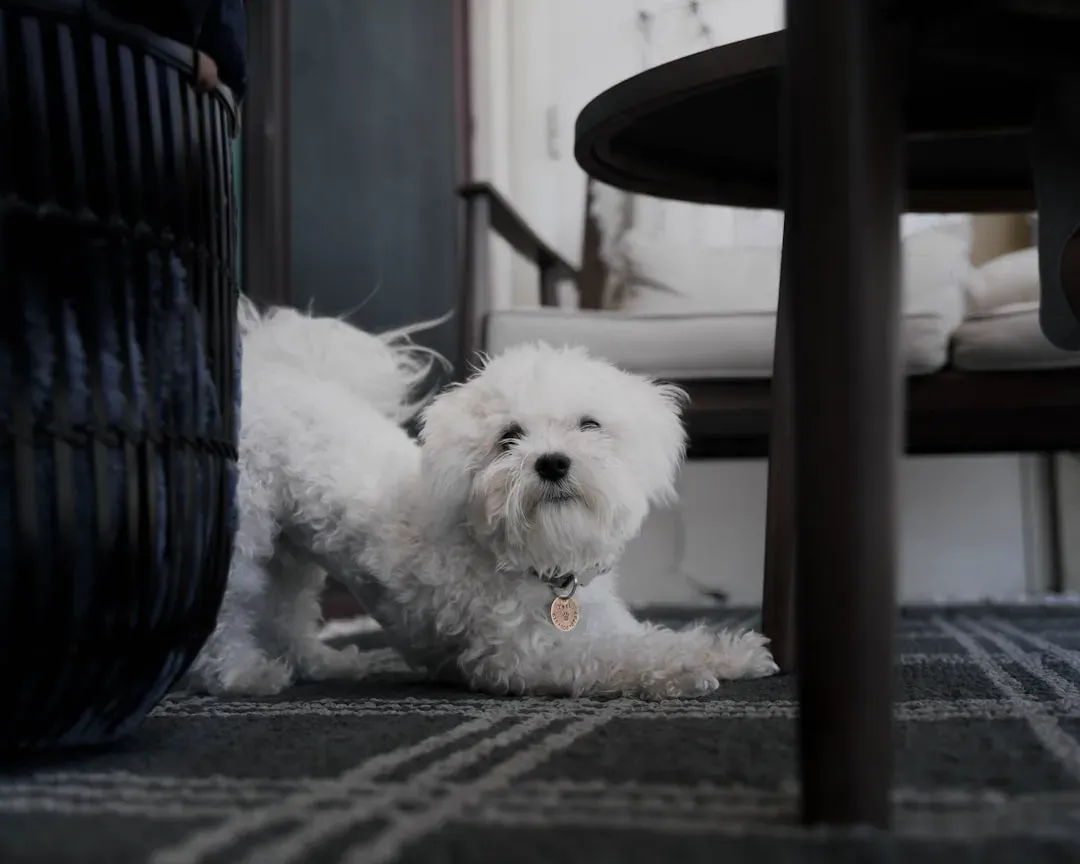
Every stretch your dog offers when you walk through that door is a small, wordless poem. It’s their way of saying that you matter, that your presence changes their entire day, and that they’ve been counting the minutes until you returned. That’s not projection – that’s animal behavior backed by science, observation, and centuries of bonding between humans and dogs.
Stretching, whether as a way of loosening up or a form of communication, is an important aspect of your dog’s wellbeing. Although owners don’t pay much attention to this common behavior, it’s beneficial for your dog to understand their body language and translate it into actions. Start paying attention. The messages are there every single day.
The next time your dog does that slow, dramatic stretch the moment you come home, pause for just a second before you rush off to unpack your bag. Kneel down, meet their eyes, give them a gentle scratch on the chest. When your dog stretches to greet you, it’s usually a sign of love, comfort, and anticipation of fun. Whether they’re loosening up after a nap, signaling their excitement, or simply enjoying your presence, this adorable behavior is one of the many ways dogs express their affection.
So here’s a thought to leave you with: your dog has no way to say “I missed you” in words – but somehow, that stretch says it better than words ever could. What does your dog’s greeting tell you about the bond you’ve built together?


