
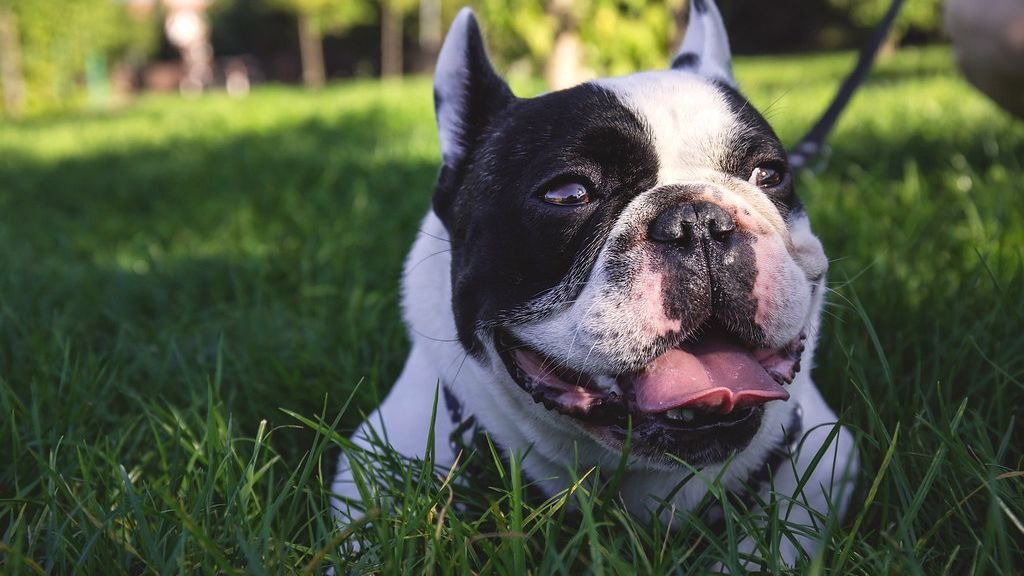
You toss the ball, your dog sprints after it with that full-body joy you love so much. Their tail is wagging, their ears are flying in the wind, and your heart fills with warmth. It looks perfect. It looks like exactly what a happy dog should feel. But here’s something that might surprise you: that same playtime you treasure could quietly be pushing your dog past their emotional limit, and they might already be showing you signs you just haven’t learned to read yet.
Play is deeply important to our dogs, of course. When it comes to our beloved furry friends, dog play is an essential part of their social, emotional, and physical well-being. The problem isn’t play itself. It’s when play tips over into something the dog’s nervous system simply wasn’t ready to handle. The good news? Once you know what to watch for, you can step in gently, reset the moment, and keep your dog feeling genuinely safe. Let’s dive in.
The Hidden Line Between Fun and Overwhelm
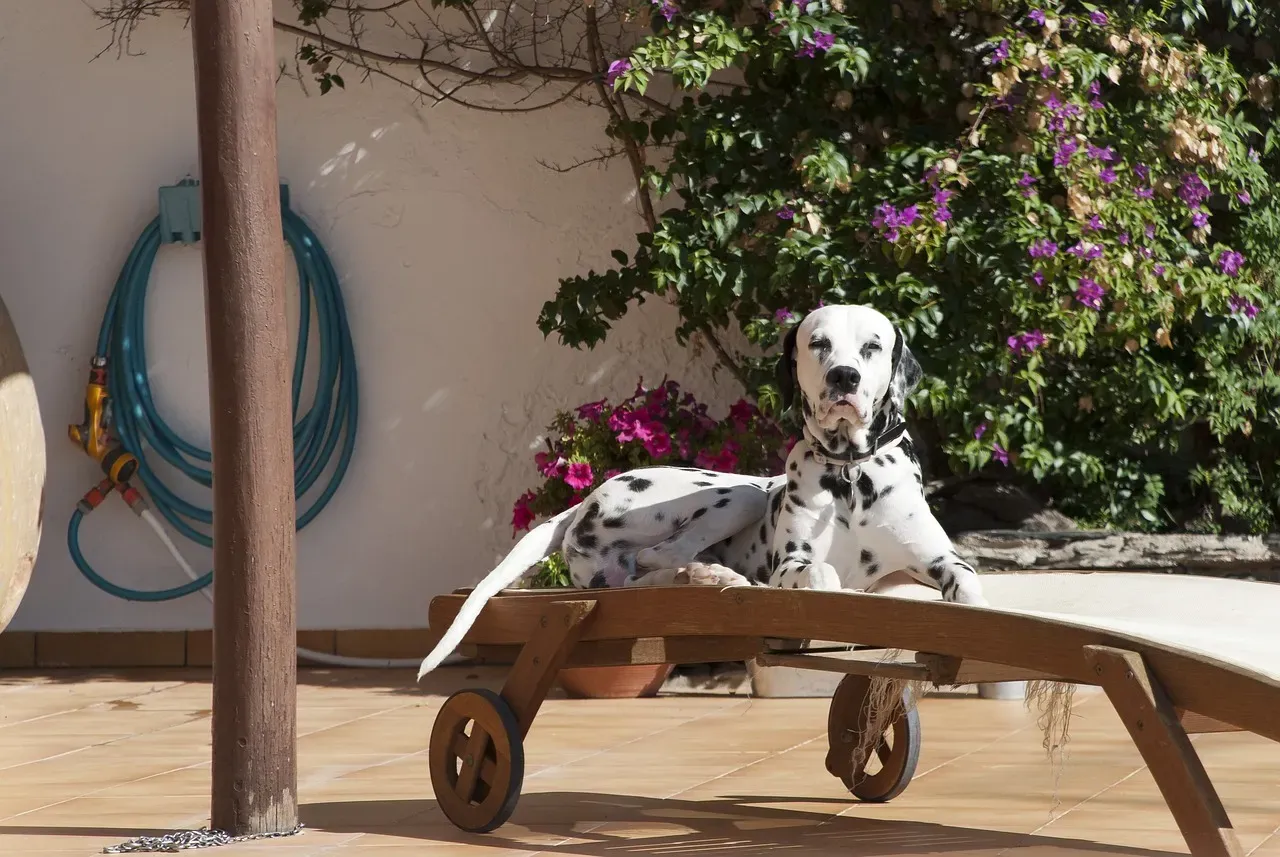
Most of us picture stress in dogs as something triggered by thunder, a vet visit, or a scary encounter on a walk. Rarely do we think to look for it in the middle of a joyful game of tug or a sunny afternoon at the dog park. Honestly, that’s where the confusion begins.
Dogs can get overstimulated during play, and when that happens, their excitement tips into a state where they’re no longer thinking clearly. Think of it like a toddler at a birthday party. Everything starts out wonderful, then suddenly they’re crying on the floor because someone touched the balloon wrong. Too much of a good thing really does have consequences.
When we are stressed, stress hormones are released into our brains. During this time we can’t concentrate properly, our tolerance levels drop, and our sleep is affected. Over-excitement, high levels of stimulation and endurance exercise can have the same physiological effects, owing to stress hormones being released into our brains. That’s a remarkable thing to sit with. Your dog’s excited game of fetch may be flooding their body the same way a stressful situation would.
The threshold of overwhelm can really vary from dog to dog – some people (and some dogs) have higher or lower tolerances for stimulation. So don’t compare your mellow Basset Hound to your neighbor’s Border Collie. They are wired very differently.
Body Language Cues You Might Be Missing
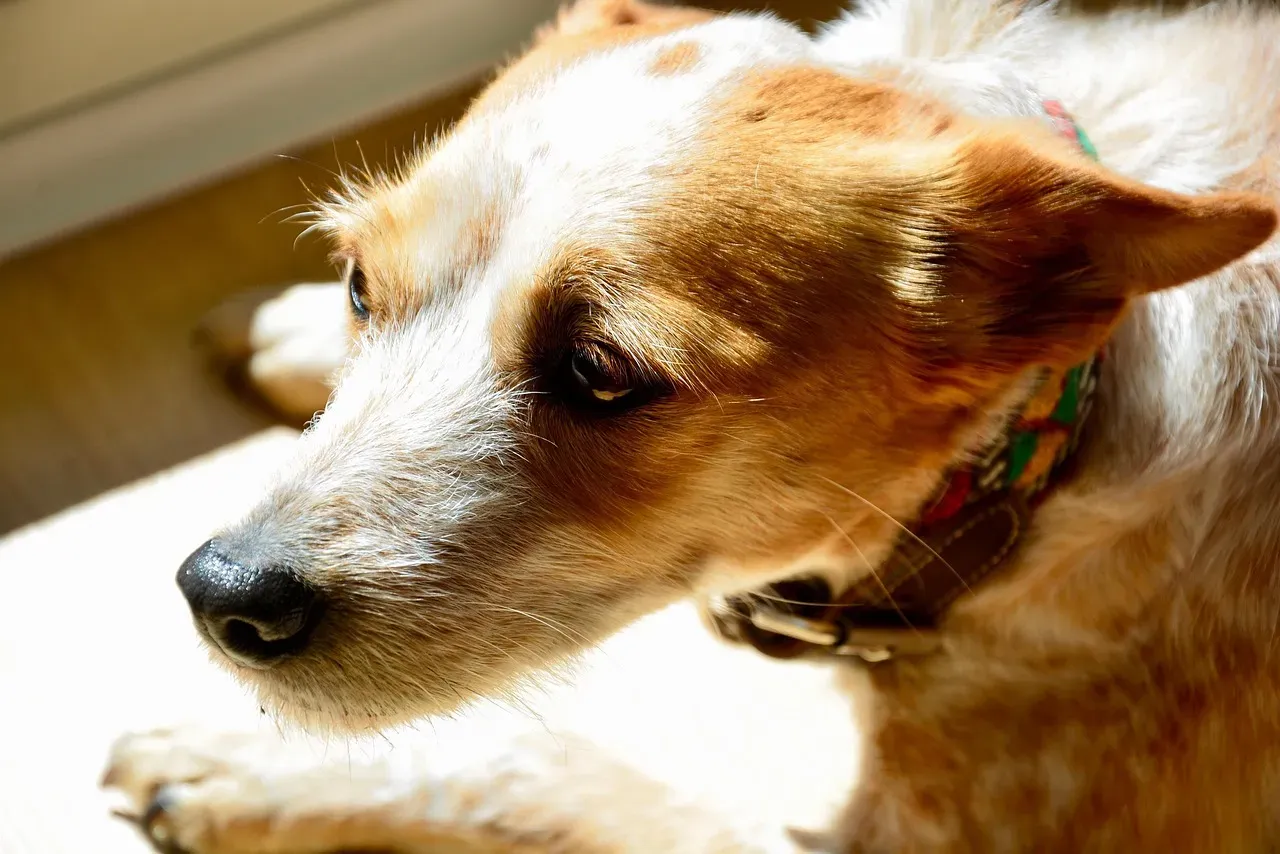
The signs of anxiety in dogs are often subtle and can easily be misinterpreted unless the full context is understood. This is where so many loving owners accidentally miss the signals. You’re watching the fun, not the dog’s face, their tail, their posture.
Stress signs to look for include whale eye (when dogs reveal the whites of their eyes), tucked ears or tail, raised hackles, lip-licking, yawning, and panting. If your dog is doing any of these things mid-play, it’s their polite way of tapping out before they have no choice but to escalate.
If a dog’s body becomes stiff or rigid, it may be a sign of discomfort or aggression. A dog that snaps frequently or persistently to correct another dog is likely feeling overwhelmed. That stiffness is one of the earliest physical warnings, and it tends to happen before anyone notices anything is “wrong.”
Another sign of overstimulation is when a dog suddenly starts offering displacement behaviors like sniffing the ground, looking away, or pausing mid-play. These are canine coping mechanisms that show things are becoming “too much.” I think of it like a person suddenly needing to check their phone in the middle of an overwhelming conversation. It’s not random. It’s a strategy.
When Play Stops Being Play: The Overstimulation Spiral
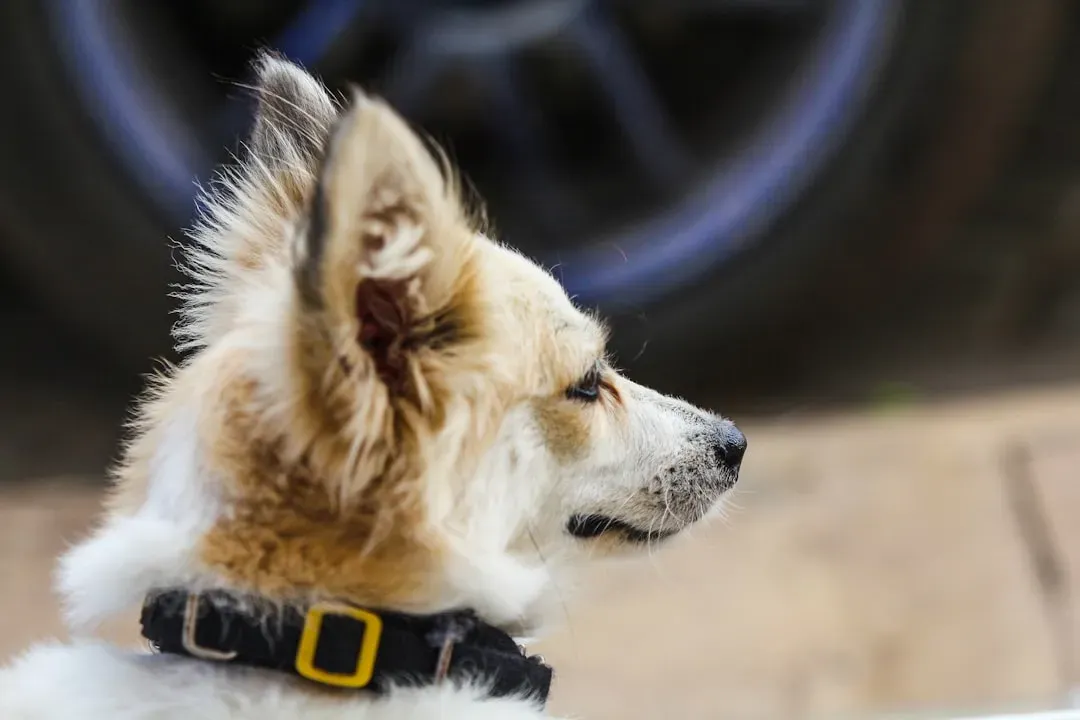
Here’s a scenario that probably sounds familiar. Your dog is having a blast at the dog park. Everyone’s running, wrestling, chasing. Then, seemingly out of nowhere, your dog snaps at another dog or suddenly can’t stop zooming in circles. You feel embarrassed. But your dog wasn’t being bad.
Your dog could display a range of behaviours when overstimulated, including excessive jumping up, humping, mouthing, nipping, grabbing, and ragging on the lead, your clothes and other equipment. These aren’t personality flaws. They’re a nervous system screaming for a pause button.
Stress often shows up as overstimulated play, intense greetings, high arousal mouthing, grabbing, humping and inability to recover when they get worked up. Once a dog hits that point, it becomes genuinely hard for them to calm themselves down without help from you.
Trying to “wear them out” can backfire. Encouraging high arousal games every time they ask creates a dog who can’t accept it when you say, “not now, later.” Let’s be real, that’s a pattern that sneaks up on so many of us who just want to be the best dog parents possible.
Physical Health Signs That Stress from Play Is Building Up
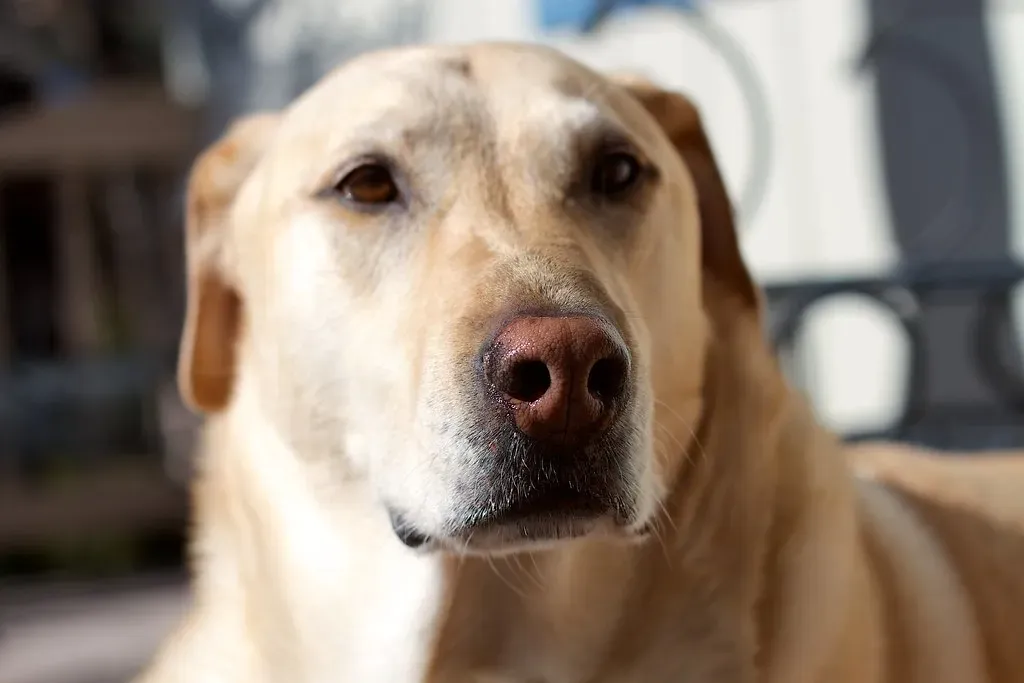
Stress isn’t only emotional. It shows up in the body too, and chronic overstimulation during play can actually wear on your dog’s physical health over time. Pain and stress can often manifest as similar signs in dogs. If you believe that your dog is stressed, they might actually be in pain.
Stress can affect your dog’s appetite. If they’re suddenly disinterested in food or treats they usually love, it’s a potential sign of stress. So if your dog turns up their nose at dinner after a big play session, don’t brush it off as a fluke.
Stressed dogs, like stressed people, may have dilated pupils and blink rapidly. They may open their eyes wide and show more sclera (white) than usual, giving them a startled appearance. Their ears may be pinned back against their head. These are physical signs that go far beyond behavior and tell you the body is in a heightened state of alert.
If you notice a sudden change in your dog’s willingness to play and they are more reactive than usual around other dogs, it might be an indication of pain or an underlying injury. Bring them to your veterinarian for an evaluation to make sure that the reason they no longer want to engage in play isn’t a medical issue.
How to Help Your Dog Reset and Play Healthier
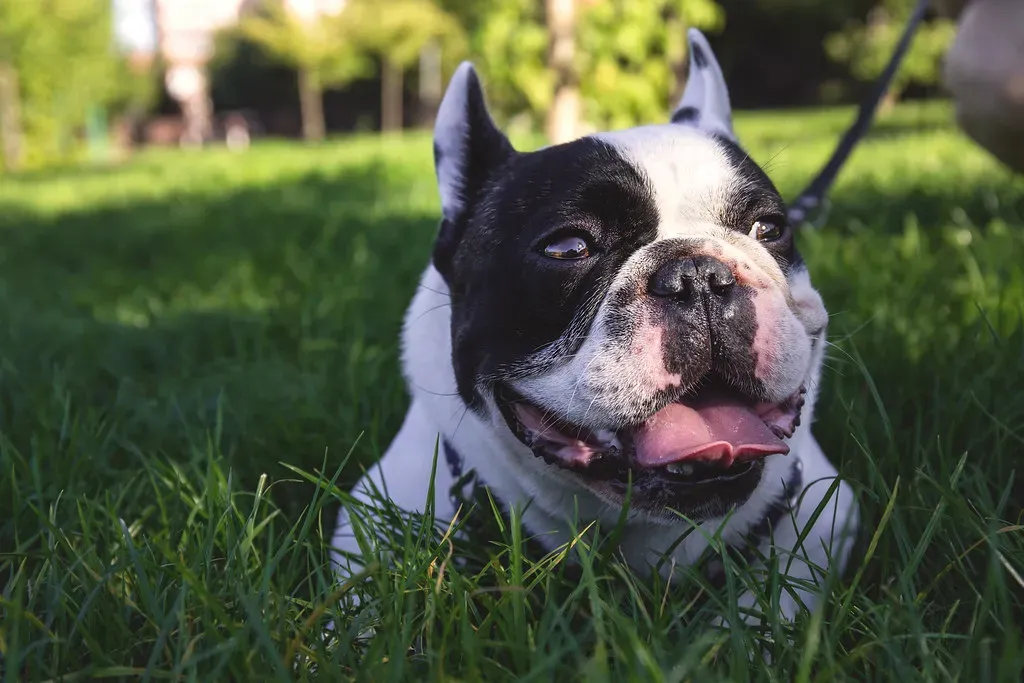
The goal is never to take play away. Play is a gift you give your dog. The goal is to make that play sustainable, readable, and genuinely joyful for them, not just exciting to watch from our side of the fence.
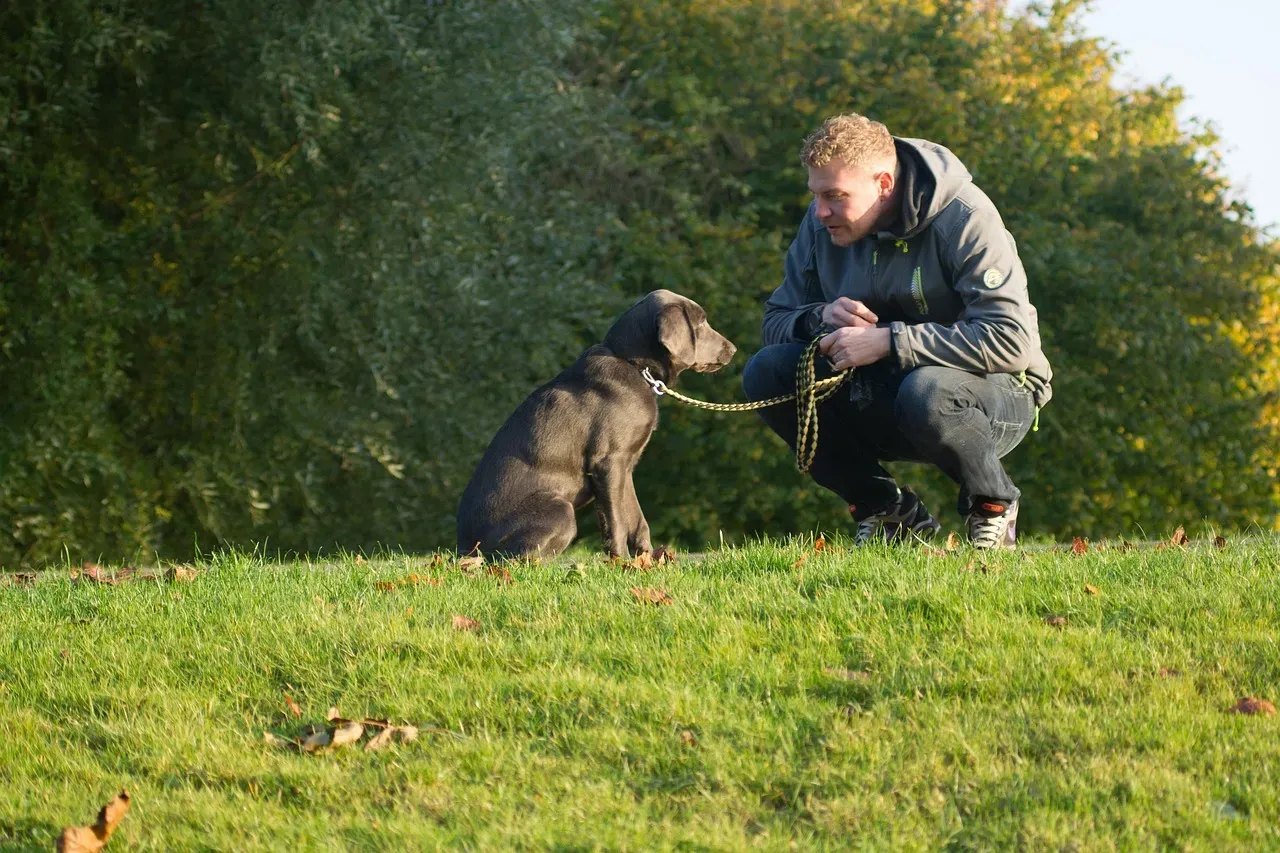
If you notice signs that your dog is stressed, first remove them from the stressor. Find a quiet place to regroup. Even a two-minute break at the edge of the dog park, just sitting quietly together, can do wonders for resetting the emotional temperature.
Dogs thrive on structure and predictability. A daily routine for feeding, exercise, and downtime helps them feel secure. Weaving in intentional rest between play sessions isn’t lazy dog ownership. It’s actually one of the most caring things you can do.
Giving your dog mentally stimulating activities that are of low arousal will help to engage their senses and increase their overall level of calmness. Sniff games, puzzle feeders, and calm leash walks are not “lesser” activities. For many dogs, especially high-drive breeds, they are genuinely more satisfying than a frantic game of chase.
Conclusion: Seeing Your Dog More Clearly
Loving your dog well doesn’t just mean giving them everything they seem to want. It means paying attention to the quieter signals underneath all that happy chaos. The yawn in the middle of a fetch session. The sudden stillness at the dog park. The dog who just keeps going and going and going, even when they’re clearly exhausted.
Overstimulation isn’t bad behavior, it’s just your dog’s nervous system getting overwhelmed. When you know what to look for, you can step in before play shifts from fun to frantic. That shift, from reactive to proactive, is everything.
Your dog can’t use words to ask for a break. They can only use their body, their behavior, and their trust in you to show you when something is too much. The more fluent you become in their language, the safer and happier their world becomes. So the next time your pup seems “hyper,” “naughty,” or oddly distant after a play session, pause and ask yourself: could they be telling me something? I bet they are.


