
You hand your dog a brand-new plush toy. Thirty seconds later it’s a pile of fluff on the floor, and your dog looks up at you with the most satisfied expression you’ve ever seen. Sound familiar? If you live with a dog who systematically dismantles every toy like a tiny, four-legged engineer, you’re not alone. Dogs just want to have fun, and toy destroying genuinely is fun for them. It gives your dog mental stimulation as they enjoy finding the weak points in the toy.
Here’s the thing though. While toy destruction is one thing to manage, constant barking is another challenge entirely. Not everyone wants a dog that announces every leaf blowing past the window. Whether you live in an apartment, have close neighbors, or simply crave a quieter home life, some dog breeds are just naturally more laid-back in the vocal department. While all dogs have the potential to bark, certain breeds are naturally quieter than others. So, let’s dive in.
1. Basenji: The Dog That Literally Cannot Bark
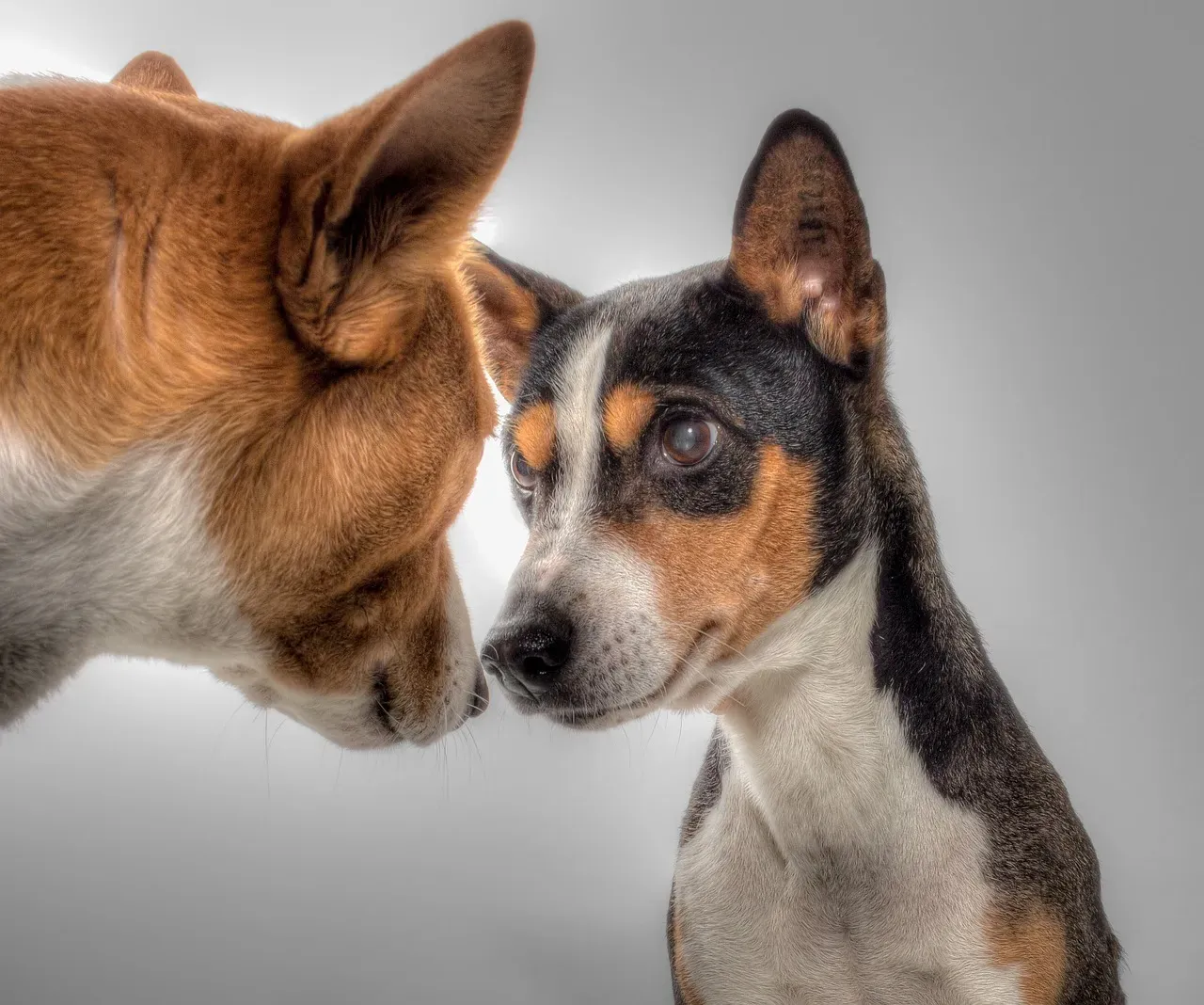
The Basenji is a rare Congolese hunting dog well-known as a “barkless” dog. However, it’s not that he’s silent, he just chooses to sing instead. Basenji owners pride themselves on having dogs that yodel. Honestly, if you want a dog that communicates in a completely unexpected way, the Basenji is absolutely your match.
The Basenji is an African dog breed bred to hunt small game in the bush. These dogs would move in large packs but stayed quiet to avoid disturbing their prey. That hunting heritage runs deep, which is why even today’s household Basenji keeps that instinctive hush. Be sure to give your Basenji enough exercise to meet his high activity needs, since he’s a hunting dog after all, and socialize him well to ensure he’s calm and confident.
2. Cavalier King Charles Spaniel: Royally Reserved
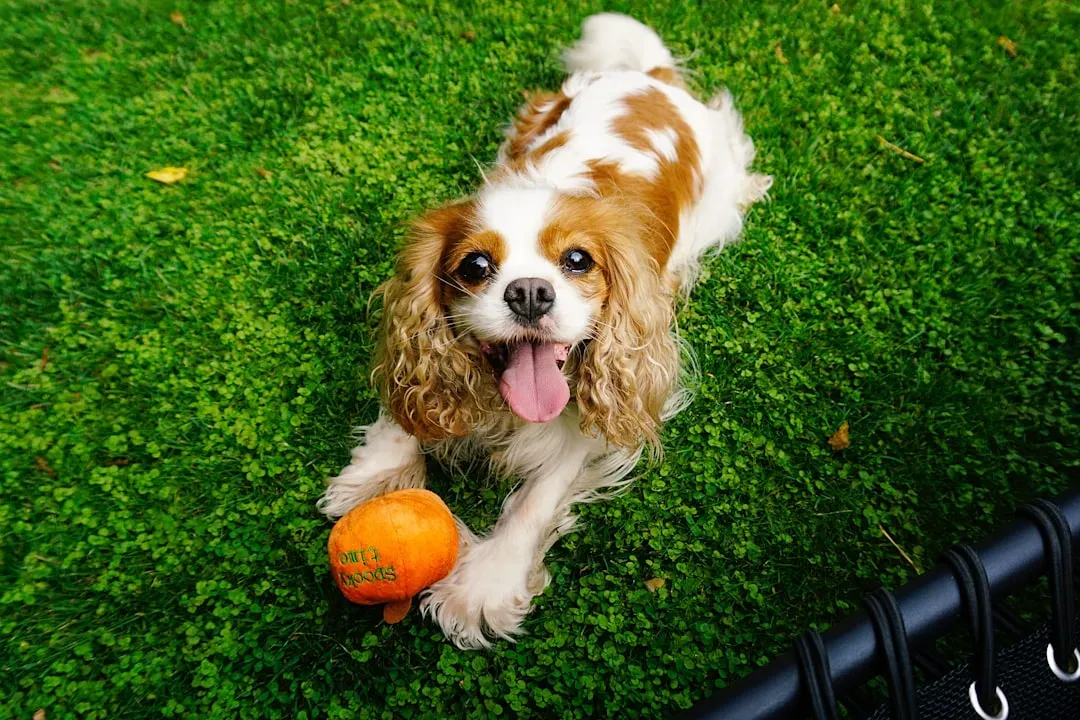
The Cavalier King Charles Spaniel is usually a quiet and calm companion who is ready to occupy laps and dish out a ton of affection. Part of his companion appeal is that he’s not a barker, which, coupled with his gentle and affectionate nature, makes him the ideal house dog. I think it’s nearly impossible not to fall in love with a Cavalier.
The Cavalier King Charles Spaniel has royal roots, so it’s no wonder they have a poised demeanor. Instead of guarding the home with an aggressive woof, you’re more likely to find the Cav calmly greeting strangers or cuddled up from a long day of napping. They do require daily grooming, but their quiet, easygoing presence makes every brushing session worth it.
3. Bernese Mountain Dog: The Gentle Giant Next Door
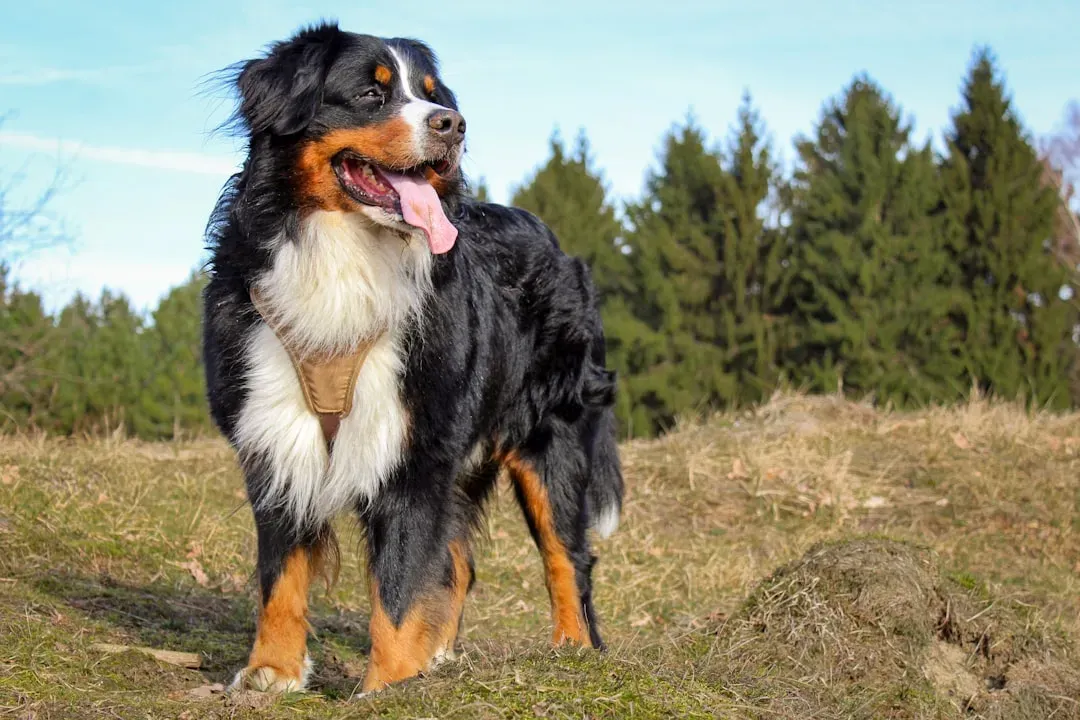
Bernese Mountain Dogs are calm, good-natured, and strong. They’re known for being among the dogs that don’t bark and are very placid. However, they’re also always ready to play or go on a long walk with their owner. They love to please people and are particularly good with children, which makes them a great addition to a family looking for a quiet but loving pet.
Think of a Berner like that wonderfully calm friend everyone has. You know the one who never raises their voice, yet somehow always commands the room. The Bernese Mountain Dog is a family favorite for many reasons, including their quiet nature. This large dog breed can weigh over 100 pounds, so even if they don’t bark, they’ll grab your attention one way or another.
4. French Bulldog: Small Dog, Tiny Voice
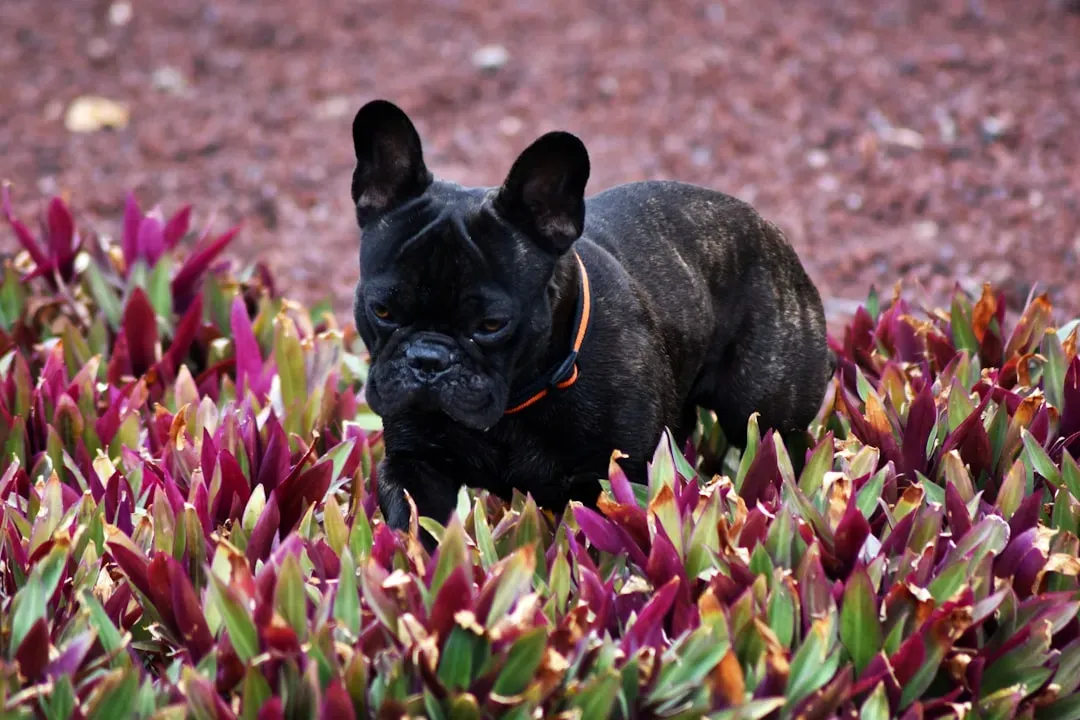
The French Bulldog is a popular breed, and its bark is much smaller than its personality. With a pudgy, smudgy face, you can’t help but fall in love with the French Bulldog, and you’ll love this breed even more when you realize its bark is fairly non-existent. That means this little guy or gal could be perfect for apartment or condo living.
Generally, French Bulldogs are considered quiet dogs that aren’t especially vocal. Yes, they still might bark or whine, but their noises are more likely to sound like grunts or grumbles. Let’s be real, a few adorable grumbles from a Frenchie are basically music to most dog lovers’ ears. Their low exercise needs make them a wonderfully manageable companion.
5. Newfoundland: The Nanny Dog Who Whispers
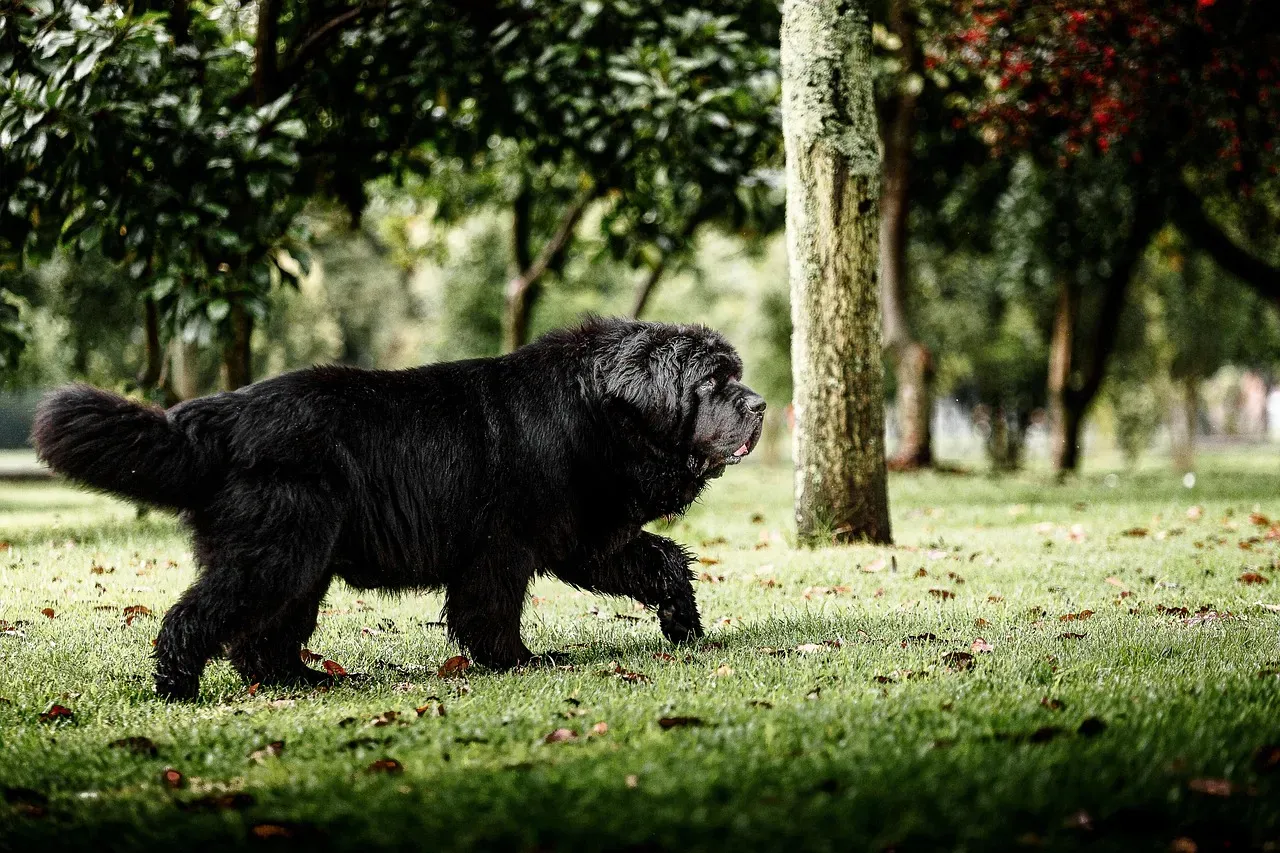
It’s hard to fathom this large breed sitting on your lap, but the Newfoundland is known for its inclination to be a lapdog, that is, if there isn’t a body of water nearby. They are top-notch swimmers and well suited in rescue efforts. Because of their quiet nature, they don’t bark much, a welcome trait if you already have a house with noisy kids.
Also called “Newfies,” the Newfoundland dog is far more well known for its calm nature and thick fur rather than its bark. Overall, Newfoundlands are not known to be excessive barkers and instead bark for a reason. Early socialization and training keeps that calm personality locked in for life, and honestly, these dogs are the definition of gentle giants.
6. Akita: Quiet, But Don’t Mistake Silence for Weakness
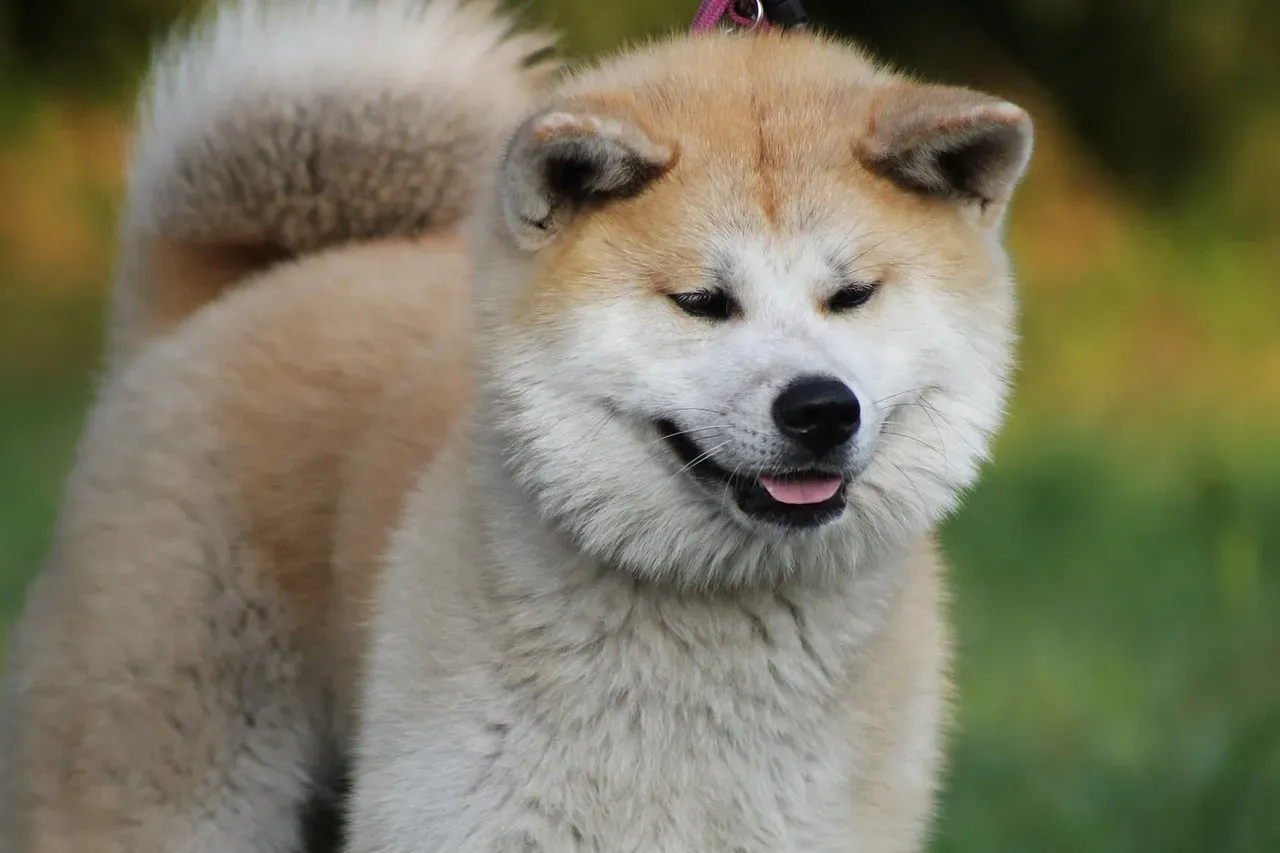
Akitas are alert dogs, meaning they only bark to let their owners know when strangers are around or something unfamiliar is present. Other reasons they may bark or howl include being left alone for too long or feeling threatened by other dogs or strangers. Otherwise, an Akita’s bark comes with a purpose, something all dog owners are sure to appreciate.
An Akita is an intense breed who loves fiercely and loyally but is quite independent, and they’ll guard and protect you but shy away from a more playful nature. This breed isn’t for first-time dog owners, if I’m honest. They need a confident, consistent handler. Socialize them early and you’ll have one of the most devoted, silent guardians imaginable.
7. Whippet: Speed Demon, Gentle Soul
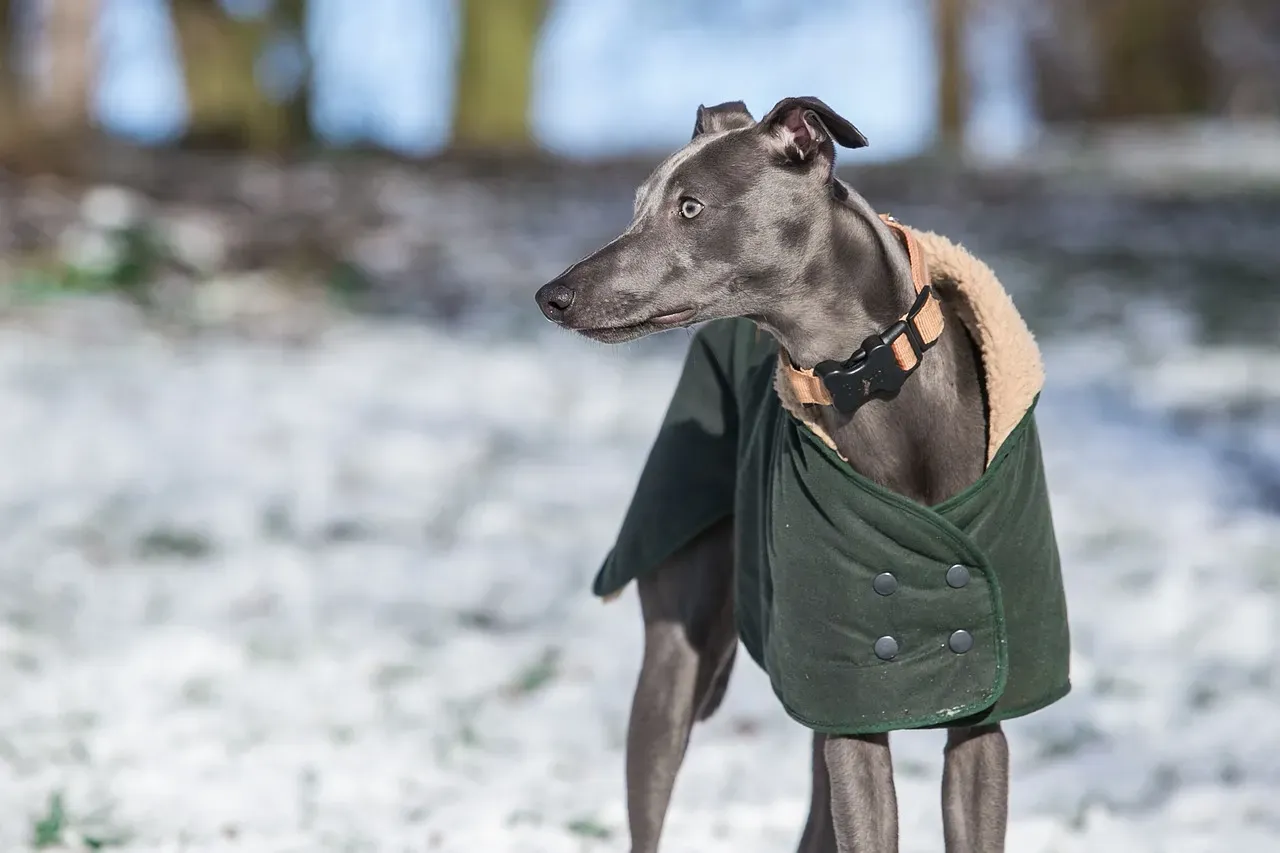
Similar to the Greyhound, the Whippet is a quiet breed that rarely makes its presence known by barking. If you’re looking for a good guard dog, this may not be it. However, they’re the perfect breed for those looking for a quiet, peaceful dog.
When Whippets are comfortable and feel a part of the family, they are quite loving and playful, but if you’re a stranger they may take some time to warm up to you. If you’re planning on getting a Whippet based on their quiet personality, keep in mind they need a lot of exercise, because when they don’t get enough they can become destructive and stubborn. Think of a Whippet as a sports car with a library card. Fast when needed, but perfectly happy being quiet the rest of the time.
8. Saint Bernard: Big Heart, Soft Voice
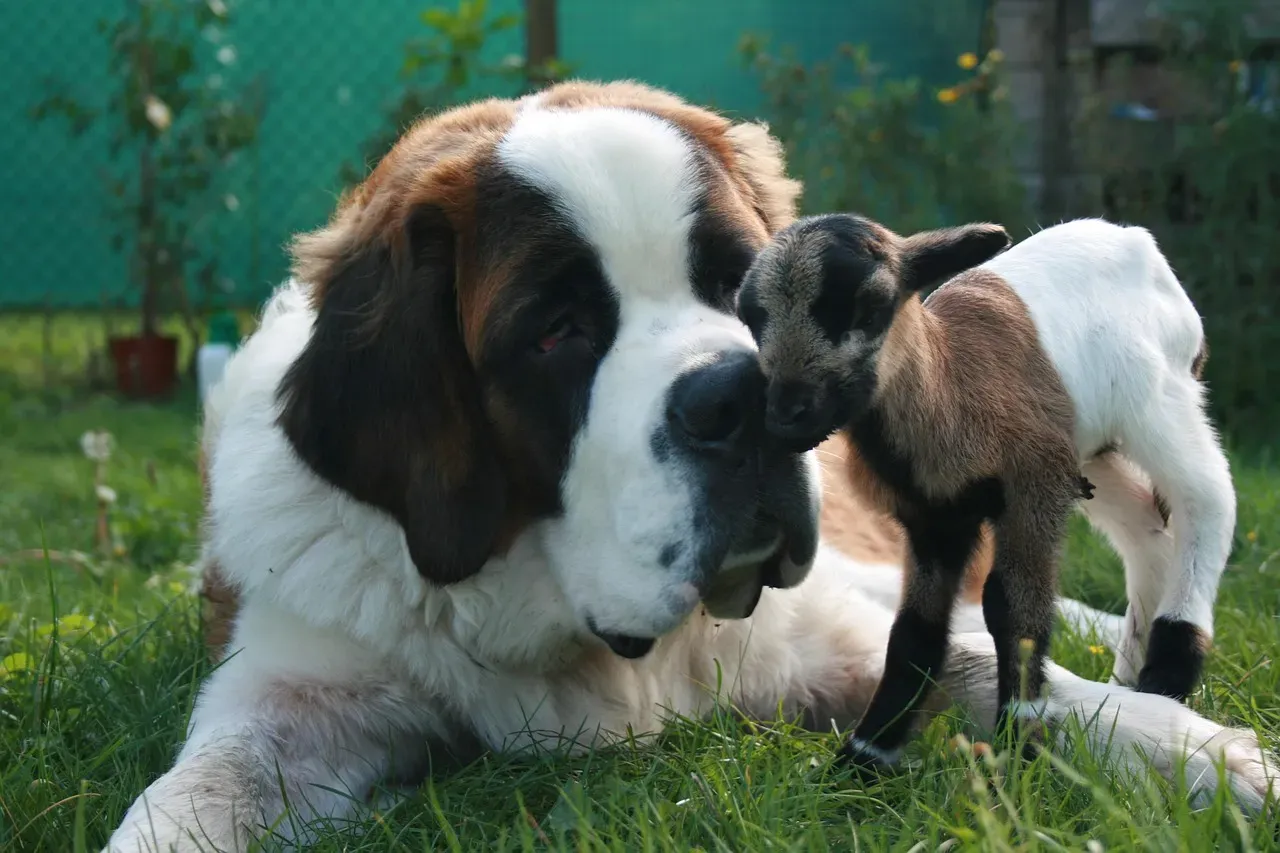
Saint Bernards are the ultimate family dog and rarely bark unless there’s a need. Saint Bernards feel that barking must have a purpose. Sometimes, these gentle giants bark for attention, but still, their bark is more purposeful and not as frequent as more vocal breeds.
If they do bark, experts suggest teaching the “quiet” command, reinforcing corrective behavior with treats and affection, and making them more comfortable around their triggers so the reaction is minimal. For a dog this large and this magnificent, the restraint they show with their voice is genuinely remarkable. They’re one of those breeds that truly makes you feel at peace just having them around.
9. Shih Tzu: The Little Quiet Royalty

The Shih Tzu is popularly known as the “Lion Dog.” Because of their long coat, they make a popular choice as lap dogs. Moreover, they make a great choice for apartment living or other situations where excessive barking would be a problem. They rarely bark and are considered quiet dog breeds.
Although Shih Tzus were bred as palace watchdogs and occasionally barked at people or dogs passing by, their barking can be controlled through training. Moreover, if they get enough attention and exercise, Shih Tzus will rarely bark. Early socialization is key here. A bored Shih Tzu with nothing to do can get a little chatty, so keep them stimulated and they’ll reward you with golden silence.
10. Borzoi: The Silent Aristocrat
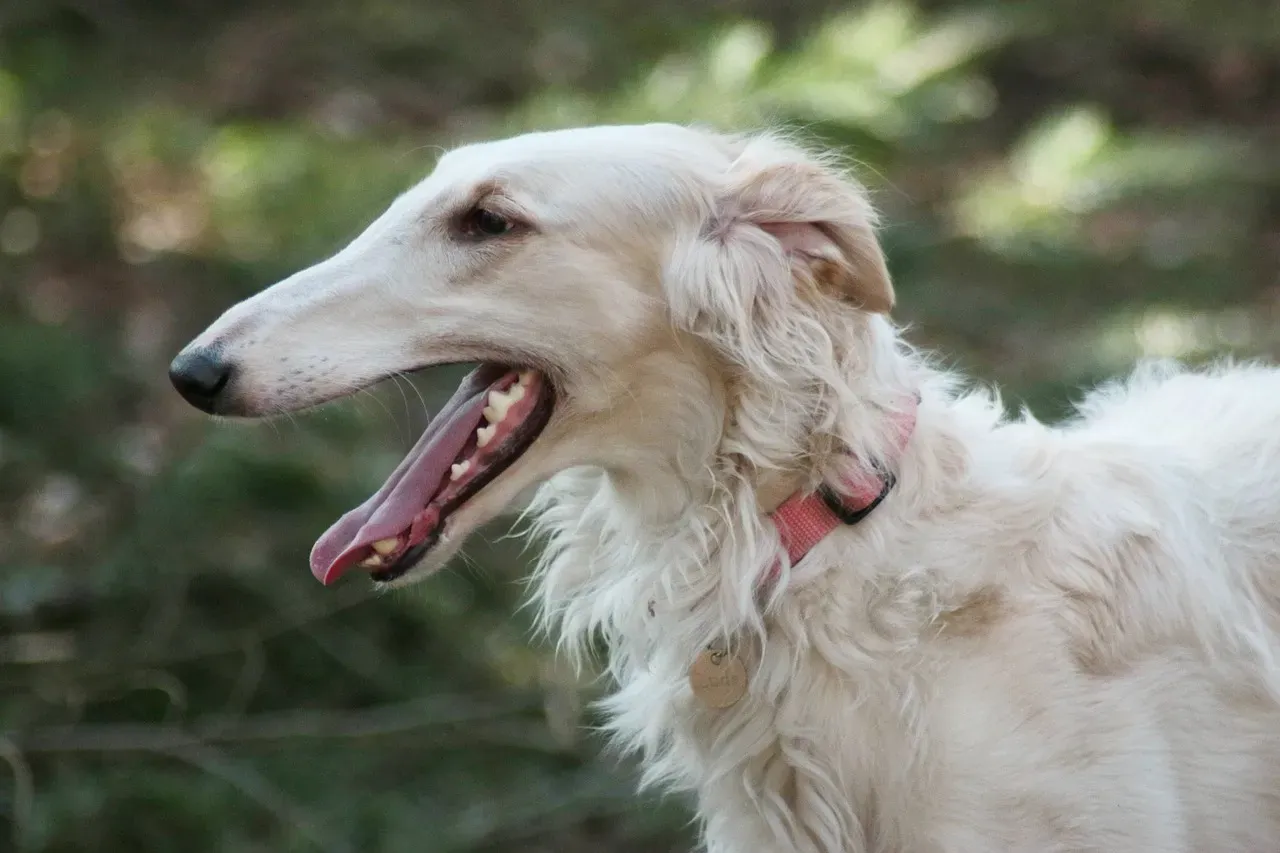
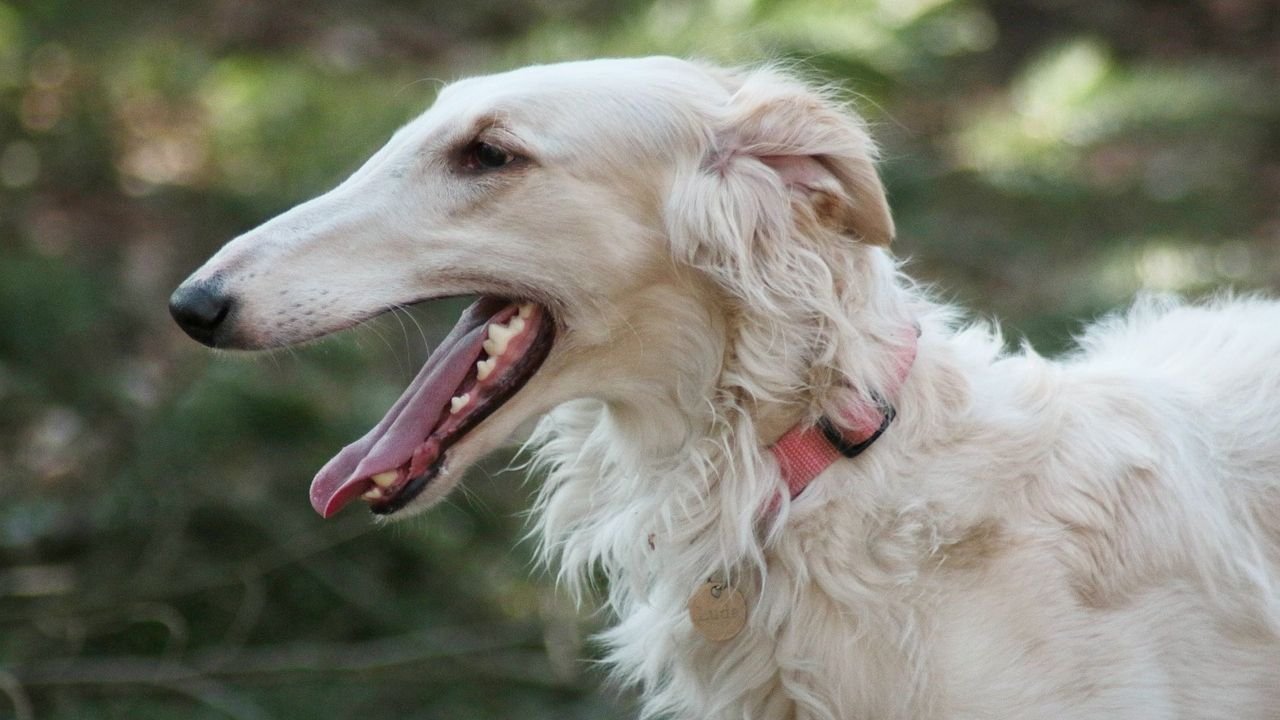
The Borzoi is known as an intelligent, independent, kind, and most importantly, silent breed. It’s also famous for imposing respect, mainly through its stature and proud stance. Just like other breeds on this list, the Borzoi was developed to hunt by sight and was once used to hunt wolves. Borzois are sought-after thanks to their calm temperament.
The Borzoi is recognized by their athleticism and distinctly long snout, but you might not know that they are also a quiet dog breed. This furry friend is one of the fittest dogs you’ll ever see, so it can be tricky to keep them both mentally and physically engaged all the time. They love a challenge, so try occupying them with a fun treat toy. Puzzle feeders work brilliantly for this breed, keeping that smart, silent mind productively engaged.
Understanding Why Your Dog Destroys Toys (And What to Do About It)
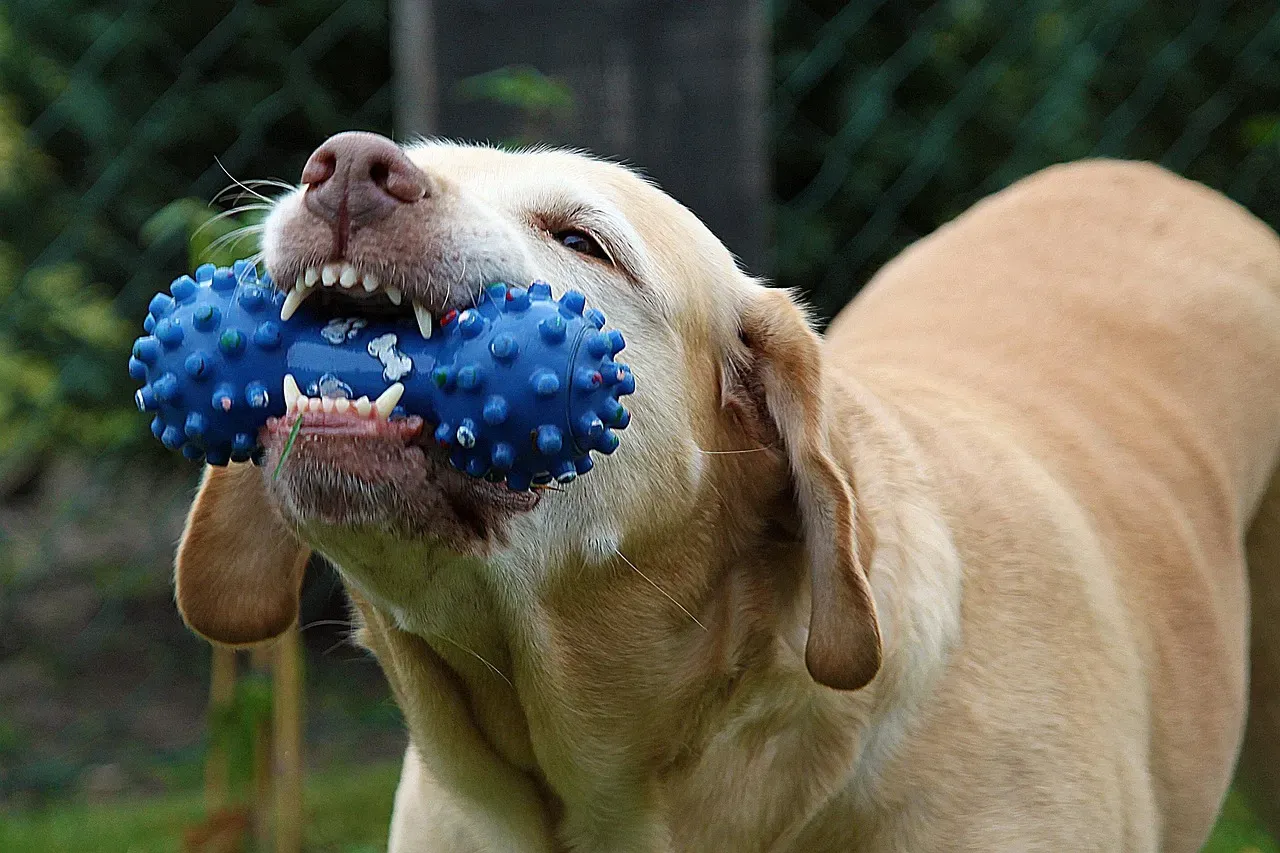
Before we wrap up, let’s circle back to that toy destruction habit. One of the primary reasons dogs destroy toys is rooted in their natural hunting instincts. Even domesticated dogs retain many traits passed down from their wild ancestors. In the wild, dogs and their relatives, such as wolves, engaged in activities like hunting and tearing apart their prey.
The squeakers in dog toys mimic the sound of prey. Although it’s not pleasant to think about your sweet dog as a predator, all that pouncing, shaking, tearing, and removing the fluff-filled insides is mimicking attacking prey. It’s hard to say for sure just how aware your dog is of this instinct, but knowing it helps you respond with empathy rather than frustration.
You should not let your dog destroy toys unchecked because swallowing large chunks of the toy’s insides or the plastic squeaker can cause a partial or complete intestinal blockage. That’s the safety piece that genuinely matters. To minimize the destruction of toys, it’s crucial to select the appropriate types for your dog’s size, breed, and chewing habits. Durable toys made from robust materials such as rubber, nylon, or specially designed indestructible fabrics are often better suited for heavy chewers.
Remember, you should never punish a dog for inappropriate chewing. This will not only encourage attention-seeking chewing, but may also cause anxiety, which is guaranteed to make the behavior worse. Redirect, don’t scold. Always.
Conclusion: Your Perfect Quiet Companion Is Out There
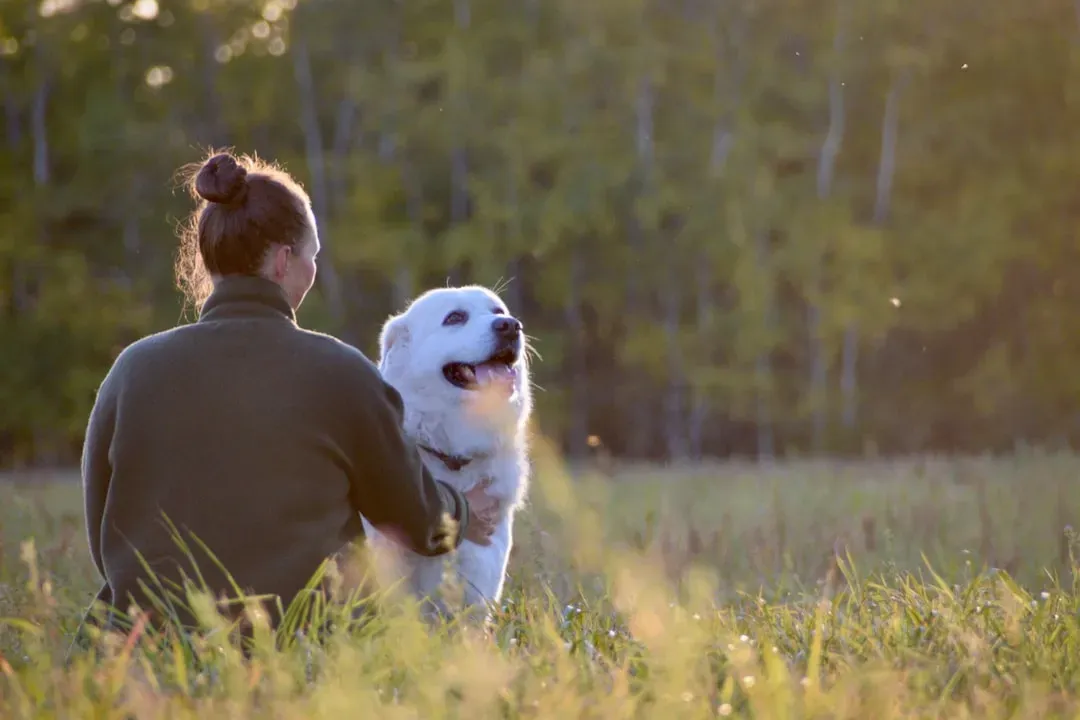
Whether you’re dreaming of a peaceful apartment life with a French Bulldog snoring softly beside you, or you want a majestic Borzoi lounging silently across your sofa like a living painting, the right quiet breed is out there waiting for you. While no dog is truly silent, there are breeds that are much less vocal than others, and extensive training can go a long way in keeping any dog from barking unnecessarily.
The toy destruction and the barking, they’re both just your dog speaking their language. Understanding your dog’s behavior and their needs is always the best way to tackle any unwanted behavior. This allows you to redirect their behavior to a more appropriate place, so their needs are still being met, but in a way that is acceptable to you.
Every dog, quiet or vocal, destructive or gentle, deserves an owner who truly tries to understand them. The breeds on this list simply make that journey a little more peaceful. Which of these surprisingly quiet breeds surprised you the most? Drop your thoughts in the comments, we’d love to hear from you!


