
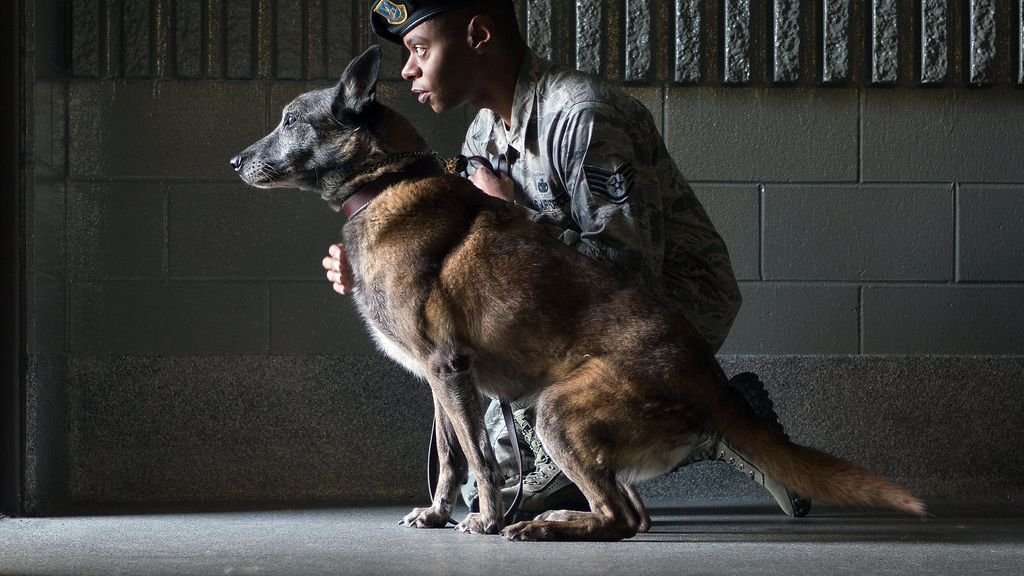
They serve on the front lines. They detect explosives, guard installations, and put themselves in harm’s way alongside soldiers without asking for anything in return. Military working dogs are, without question, among the most dedicated and capable assets in the U.S. armed forces. So the idea that these animals have been living in crumbling, neglected kennels, suffering health crises and dying as a result, is more than troubling. It is deeply alarming.
Now being reported on several news platforms including people.com and CBS, A newly published report from the Defense Department’s Office of the Inspector General has pulled back the curtain on what can only be described as a systemic failure to protect the animals that protect us. The findings are striking, the details are disturbing, and the questions they raise about Pentagon priorities deserve a serious answer. Let’s dive in.
A Damning Report From the Pentagon’s Own Watchdog
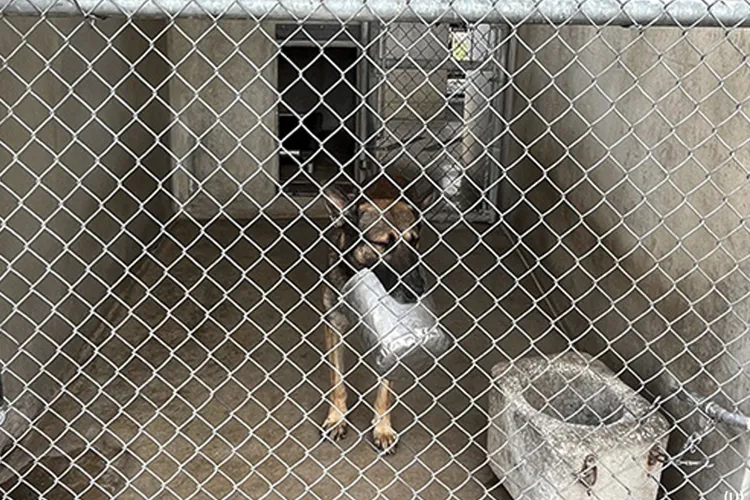
The report from the Defense Department’s Inspector General’s office revealed failures to protect dogs from extreme weather, a lack of canine engagement, staffing shortages, and widespread facility decay across 12 base kennels. This was not an outside critic lobbing accusations. This was the Pentagon’s own watchdog sounding the alarm.
Many of the dogs are housed and trained in aging and unsatisfactory kennel facilities, with some constructed over 40 years ago, resulting in the death of four dogs from fiscal year 2021 through fiscal 2023, according to the 42-page report released on February 17. Four deaths tied directly to the conditions these dogs were forced to live in. That is not a footnote. That is a failure.
Ten Out of Twelve Facilities Fell Short
The scope of the problem is hard to overstate. The report found that 10 of 12 inspected kennels had “aging and unsatisfactory” facilities, which caused the death of four working dogs from fiscal year 2021 through 2023. Honestly, when you realize that the failure rate was that high across the board, it stops looking like isolated incidents and starts looking like a culture of neglect.
DoD Service Component officials told investigators that the unsatisfactory kennel facility conditions occurred because the Service Component Commands did not prioritize renovation or new construction of the kennels over other mission requirements. In other words, kennel upgrades simply were not seen as important enough. That reasoning, if you can call it that, is difficult to accept when lives, even canine ones, are on the line.
Extreme Heat, Mold, and Standing Water
The specific conditions documented at individual bases paint a particularly grim picture. At bases with hot desert climates in California and Texas, the IG found that dogs were kept in open-air cages during the summer months. At the 341st in Texas, over a three-year span, 22 dogs sustained heat injuries while living outside.
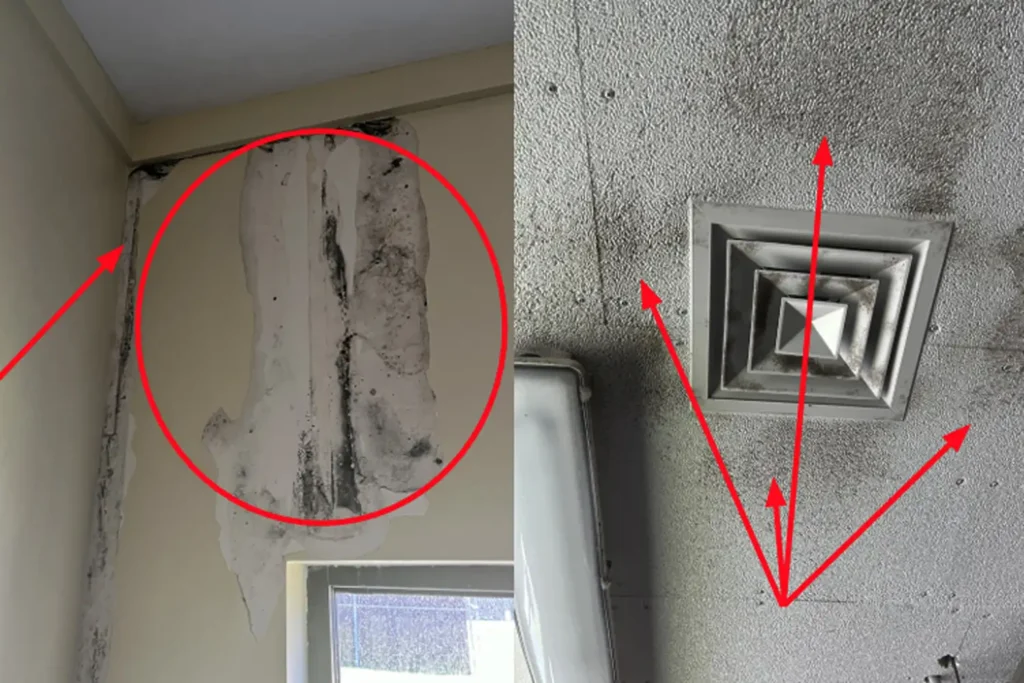
Dogs at Fort Bragg, North Carolina were exposed to mold, while those at Joint Base Langley-Eustis, Virginia, were put in kennels with poor ventilation and left with standing water. These are not minor inconveniences. Mold exposure and stagnant water are legitimate health hazards, and in an enclosed kennel environment, they can become deadly very quickly.
The 341st Training Squadron: The Worst Offender
There are about 1,600 military working dogs across branches, and they all originate from the same base: the 341st Training Squadron at Joint Base San Antonio, Texas. This is the nerve center of the entire military dog program, which makes what investigators found there all the more shocking.
The 341st dogs had higher rates of “sentinel diseases,” meaning illnesses contracted because of the facility condition or environment, and showed more “stress behaviors” than other working dog locations. In fiscal year 2023, roughly one in five of the 520 working dogs at the Texas base were infected with an intestinal disease that was largely unseen among the dogs at other bases. To make things worse, investigators observed widespread stress behaviors, including repetitive spinning in tight circles and chewing on metal bowls.
Manpower Shortages Left Dogs Without Basic Care
Beyond the physical condition of the facilities, investigators uncovered a serious staffing problem that had direct consequences for the animals’ daily welfare. Investigators found a group of about 200 dogs at Joint Base San Antonio Lackland, in Texas, did not receive the required amount of physical or social activity because of a caretaker shortage. Instead of the five hours of physical activity, social, and cognitive enrichment required for the dogs each day, the dogs were walked for about 10 minutes, four times a week, or less.
The 341st kennel master told investigators that they “could not meet the 5 hours of enrichment required because of manpower challenges.” Even then, the report details that all dogs were given some holistic enrichment through inflatables, audio books, music, and scented bubble machines. Investigators said this was not sufficient. Think about it this way: imagine being confined to a small room, given a scented candle instead of fresh air and exercise. That is essentially what these dogs were experiencing.
Recommendations Made, Air Force Pushes Back, Funding Flows In
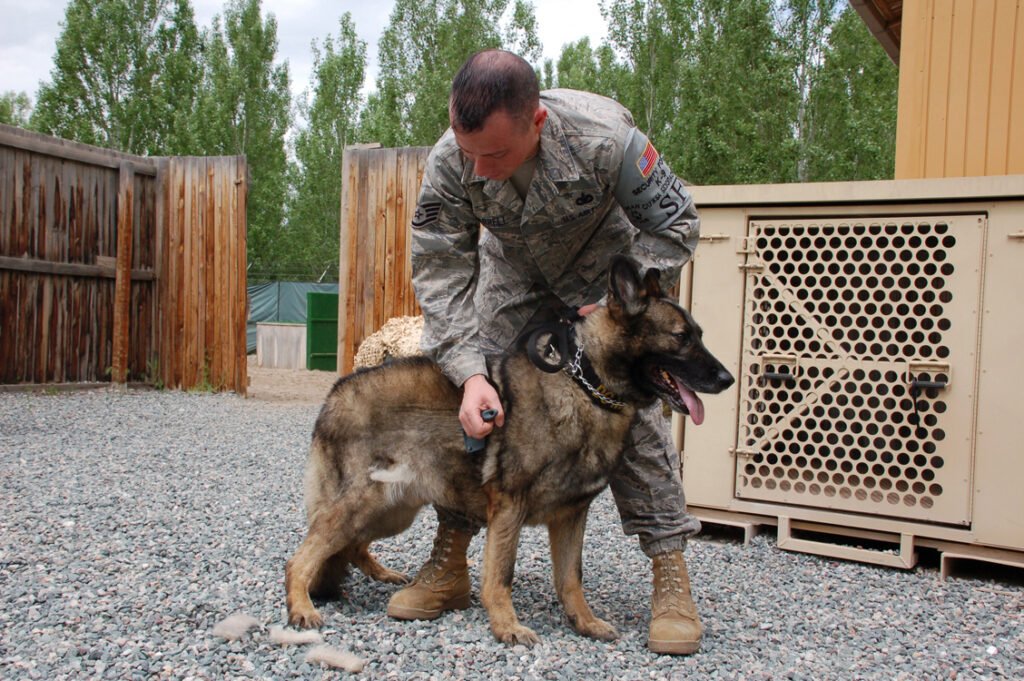
The Inspector General issued two key recommendations. The first was to reduce the number of military working dogs in non-training status at the 341st Training Squadron until there are enough caretakers. The second was developing and implementing a plan to upgrade the kennel facilities to meet current standards.
The Air Force, for its part, disputes the framing. An Air Force spokesperson said autopsies determined one of the dogs died of severe bronchopneumonia and three died due to extraintestinal pathogenic Escherichia coli pneumonia. The autopsies did not attribute the deaths to neglect, according to the spokesperson. Still, the Air Force concurs with the overall recommendation to increase the number of caretakers and to develop a plan to upgrade all kennel facilities. Meanwhile, in its response to investigators, the Air Force said it has received nearly $170 million for structural improvements and staffing hires.
Conclusion: These Dogs Deserve Better
Let’s be real for a moment. Military working dogs are not equipment. They are living, feeling animals that dedicate their entire lives to service, often in the most dangerous environments on earth. Health problems impact how long a dog can serve, and a 2025 study by Army veterinarians found that the vast majority of working dogs discharged between 2019 and 2021 left early due to neuromusculoskeletal disease, heat injuries, or fear and anxiety. That alone should be enough to demand urgent reform.
Upgrading kennels can take years and cost millions of dollars, but kennel masters say they can tell the difference improved facilities have on the dogs’ health and morale. The investment is clearly worth it. I think there is something deeply revealing about how a nation treats the animals it sends into harm’s way. If the Pentagon can allocate billions for the latest fighter jets and weapons systems, finding proper funding for the kennels housing its canine soldiers should not be a debate. These animals gave everything. The least they deserve is a safe place to rest.
What do you think the military’s responsibility is toward its working animals? Drop your thoughts in the comments below.


