
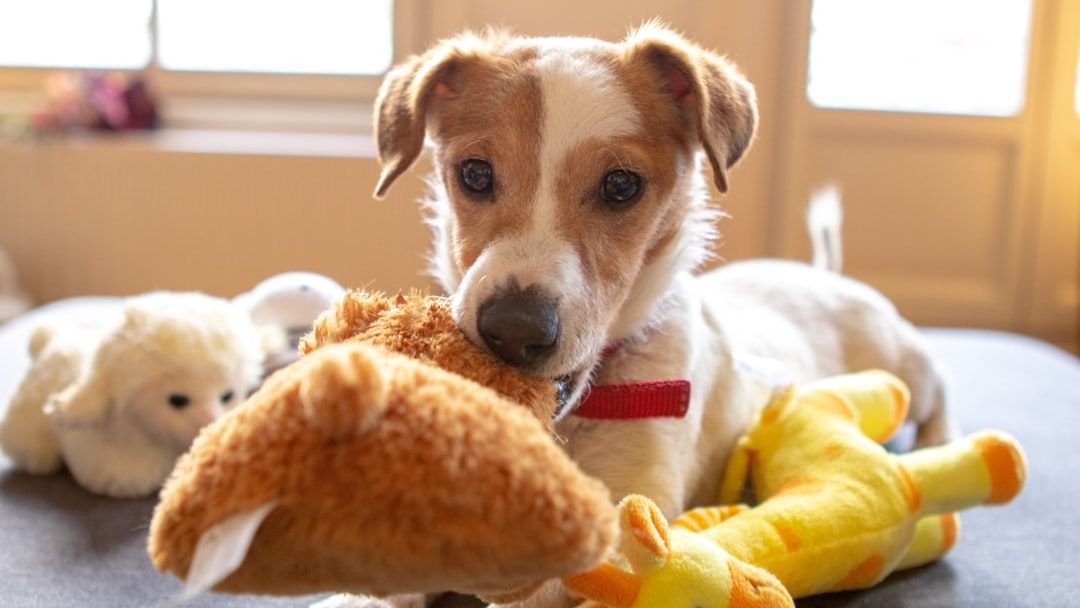
Picture this. You’ve just spent a small fortune on a fancy new dog toy, complete with crinkle sounds, feathers, and even a squeaker. You set it down with genuine excitement. Your dog sniffs it once, wanders off, and returns to that flat, faded, barely-recognizable plush from two years ago. Sound familiar?
Here’s the thing – that worn-out toy your dog refuses to part with is not just a coincidence. It is a window into your dog’s inner world. The toys they choose, how they play with them, and how fiercely they protect them tell a deeply layered story about their personality, emotional needs, instincts, and even their health. Honestly, once you understand what’s really going on, you’ll never look at your dog’s toy basket the same way again. Let’s dive in.
That Battered Old Toy Is Actually an Emotional Anchor
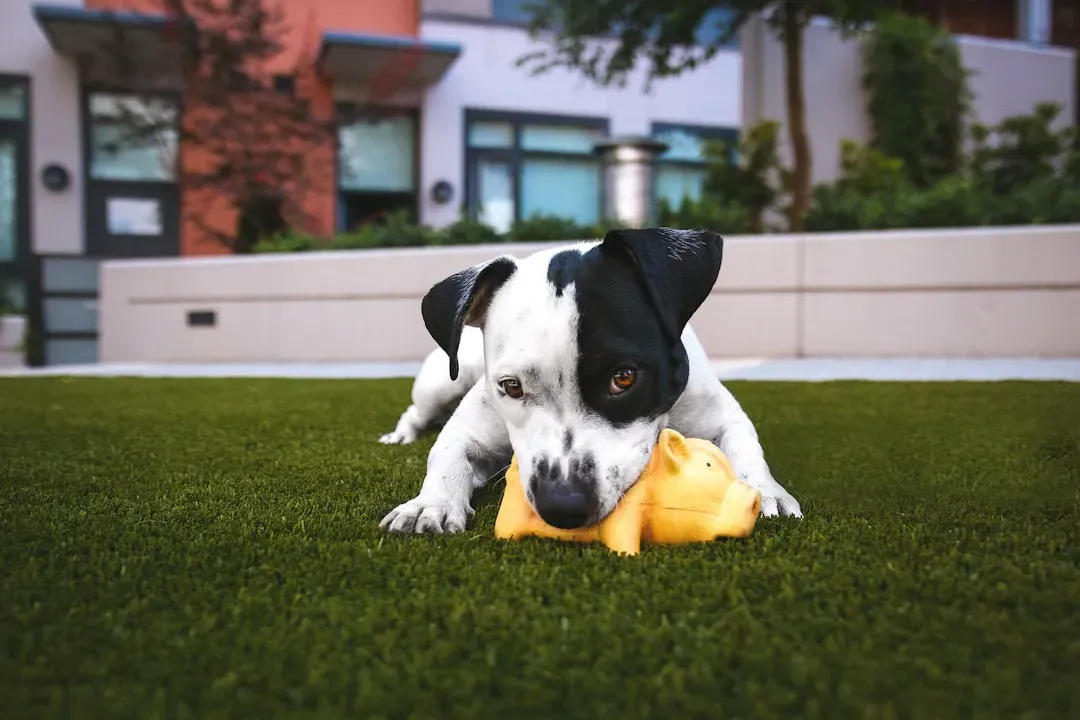
Have you ever watched your dog carry their favorite toy to greet you at the door, tail spinning like a helicopter? It feels sweet. It IS sweet. Your dog’s favorite toy may be snuggly and plush, providing them with a sense of security and comfort in times of stress. For many dogs, just holding something in their mouth is comforting, and they will seek out their favorite toy to carry around whether they are nervous or excited.
A toy introduced during a sensitive developmental stage can become a true emotional anchor for a dog, because the pup formed a powerful positive association when that toy first came into their life. This can often happen during puppyhood, when dogs find emotional comfort in the scent or texture of a familiar object. Think of it like your childhood security blanket. Same idea, different species.
Some dogs become deeply attached to specific toys, treating them as comfort objects. This behavior is especially common among puppies and dogs with separation anxiety. So if your dog drags their old stuffed duck into their bed every single night, they are not being quirky. They are self-soothing, and it is completely healthy.
As long as their behavior is not compulsive, it is sort of endearing. It certainly does more good than harm, as it provides the dog with a sense of comfort and security. The key word there is “compulsive” – more on when to watch out for that a little later.
The Toy They Choose Reveals Who They Really Are
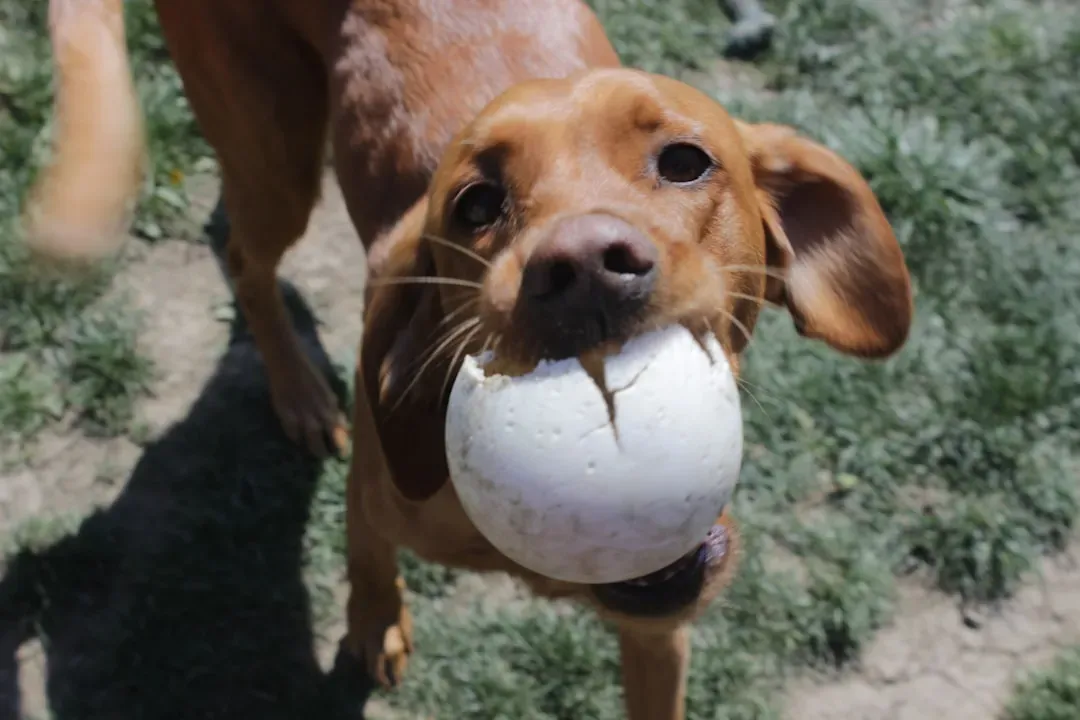
Let’s be real, your dog is basically leaving you little personality notes every time they pick up a toy. A dog’s wagging tail at the sight of a new toy isn’t just about fun – it’s a window into the canine psyche. Dog toys are more than simple playthings; they offer a glimpse into a dog’s world, revealing a combination of instincts, preferences, and emotions.
If your dog loves squeaky toys, you’ve got a furry little hunter on your hands. The squeak made by these toys is comparable to sounds that potential prey would make if frightened or injured. Dogs with high prey drives that have an instinctual urge to hunt may be more attracted to these types of toys. Terriers, Beagles, and Dachshunds? Classic squeaky toy fanatics.
Hunting breeds like Retrievers often favor objects that move and return. Herding breeds tend to lean toward toys that allow for control and repetition. Terriers tend to enjoy toys that can be challenged or dismantled. It is basically breed history playing out right there on your living room floor.
What’s more interesting is how quickly an individual’s personality takes over. Two dogs from the same litter can show completely different toy preferences. So even within the same breed, your dog is uniquely, wonderfully their own person.
Your Dog’s Senses Are Running the Show (Not Their Eyes)
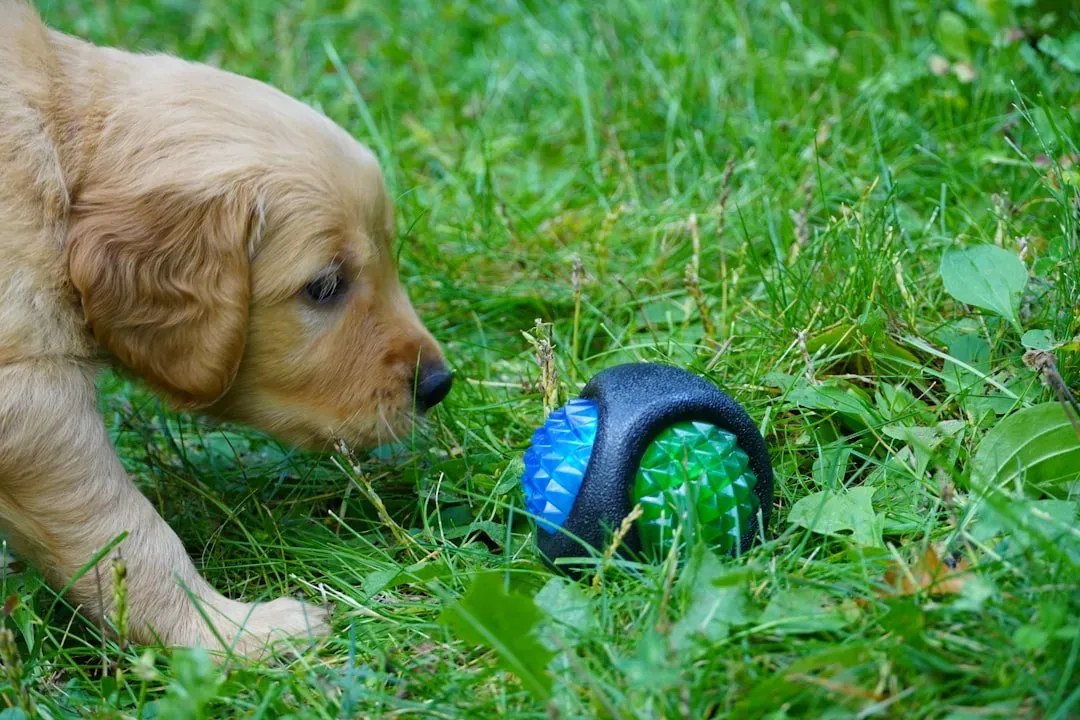
Here is something most dog owners genuinely don’t realize. That toy you picked because it looked adorable in the shop? Your dog could not care less about how it looks. The best toys for dogs let them take part in behaviors that are natural for them and use their strongest senses. Experts note that people put too much emphasis on what things look like, because for humans, vision is so important. For dogs, vision is not that important.
According to one study, dogs rely heavily on their super-powered sense of smell when selecting their favorite toys. They often gravitate toward items carrying familiar scents, particularly those marked with their own scent or their owner’s fragrance. This is why a toy you’ve handled a lot often becomes your dog’s most prized possession.
Sound and smell are very important to dogs when it comes to toy selection. When choosing a toy for your dog, consider senses like smell, sound, and touch. Texture matters deeply – toys that crinkle versus toys that are soft versus toys with a gummy quality when chewed will go a longer way than varying colors.
Honestly, this explains everything. That hideous, shapeless lump your dog adores smells like comfort, home, and you. No amount of flashy design can compete with that.
When Toy Love Crosses Into a Health Warning Sign
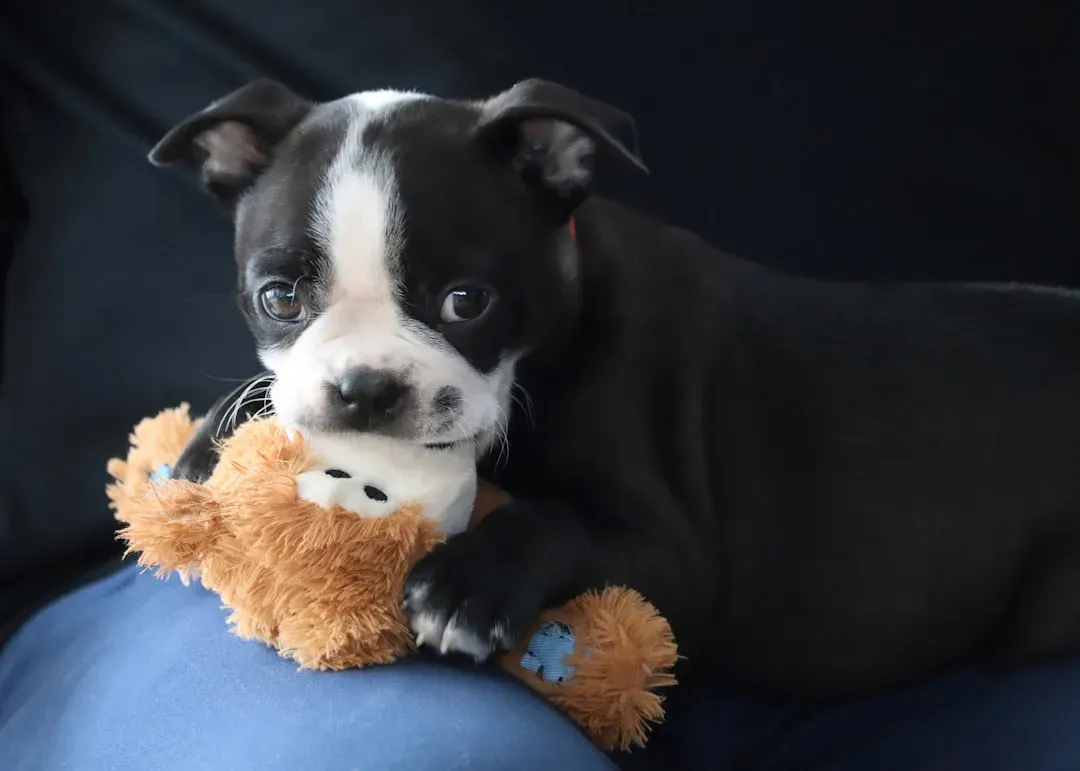
Most of the time, a dog obsessing over their favorite toy is completely normal. Sweet, even. But there is a line, and it is worth knowing where it sits. It’s normal for dogs to have a favorite toy, but occasionally it may be a signal of an underlying issue. Repetitive or compulsive behaviors related to the toy, such as obsessive licking, chewing, or carrying it around everywhere, could be signs of underlying stress, anxiety, or boredom. The toy may serve as a coping mechanism for separation-related issues.
If your dog needs to take their toy on every single walk, that’s perfectly fine. But if they are so obsessed with it that it’s interfering with eating or going to the bathroom, then it can turn into an unwanted behavior where a redirect may be necessary. Basically, the toy should add joy to your dog’s life, not consume it.
According to the Merck Veterinary Manual, toys can sometimes function as high-value resources, meaning a favorite toy may trigger tension or guarding behavior in certain dogs. In some cases, that tension can turn into possessive aggression directed toward another pet or person who approaches or attempts to take the toy. This is called resource guarding, and it is trainable with patience.
Never try to force your dog to give up their toy. Try to convince them to let go by showing them an enticing reward they’ll receive in exchange. Once they’ve willingly given you their toy, returning it to them shows them that they won’t need to guard it and that you’re a safe person who can be trusted. Building that trust changes everything.
How to Choose Toys That Truly Enrich Your Dog’s Life
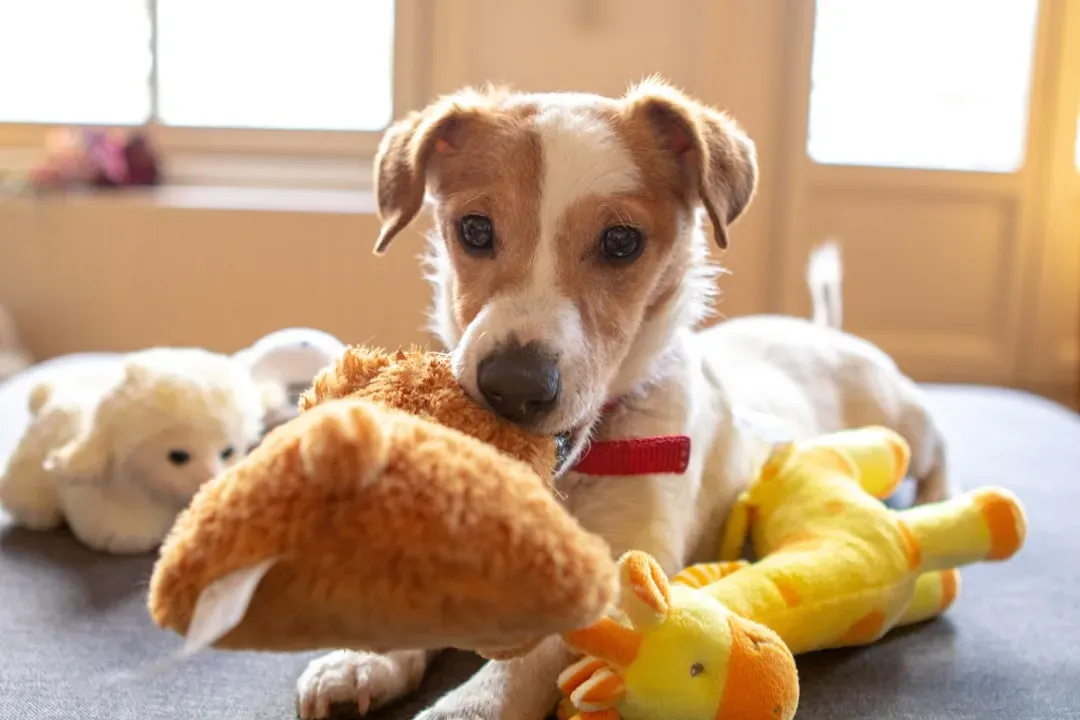
Now that you know what’s really going on behind your dog’s toy obsession, you can actually use this to do something wonderful for them. Research from Duke University’s Puppy Kindergarten shows that dogs who engaged with their owners in interactive play made double the eye contact with their owners compared to those who didn’t. It’s healthy for dogs to have choices in their lives, and the choice of which toys to play with is genuinely good for their mental health.
A dog’s age can heavily influence the types of toys they prefer. Puppies, with their high energy and need to chew, often favor softer, smaller toys they can carry and bite. Older dogs might gravitate toward toys that are gentler on their teeth and gums, as they may not have the same dental strength they once did. Matching the toy to the life stage matters more than most people realize.
While it’s endearing to see your dog form a bond with a particular toy, it’s essential to ensure the toy remains safe for use. Regularly inspect toys for signs of wear and tear and replace them when necessary to prevent potential hazards. A well-loved toy is wonderful. A disintegrating one with loose parts is a vet visit waiting to happen.
Selecting appropriate toys requires understanding your dog’s unique personality and play style. High-energy dogs often thrive with fetch toys and rope tugs that allow for vigorous exercise. Gentle players may prefer plush toys for comfort and soft interaction. For intense chewers, extra-tough nylon or rubber toys prevent rapid destruction while satisfying their urge to gnaw.
A Final Thought Worth Carrying With You
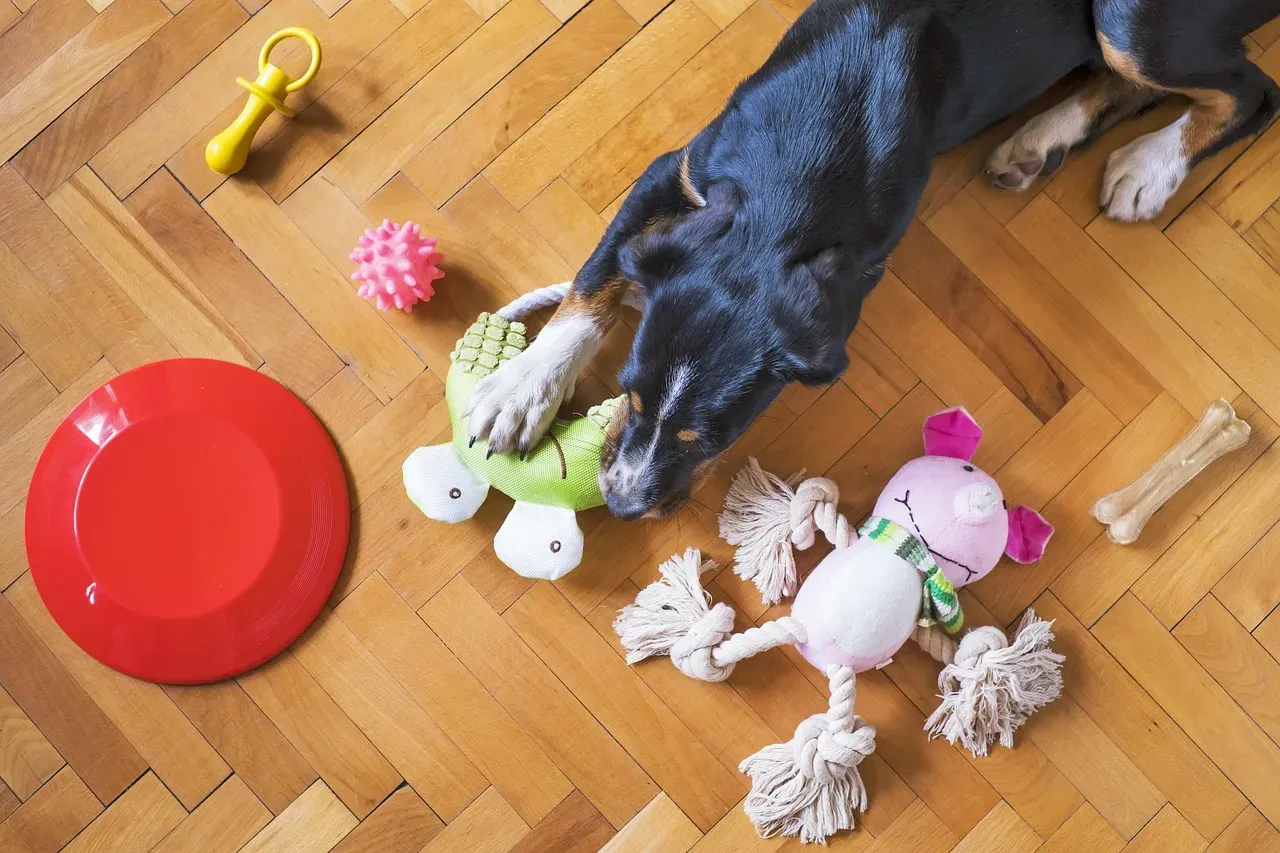
That tattered, chewed-up, slightly unidentifiable object your dog sleeps with every night? It is not just a toy. It is a story. It tells you about their ancestry, their emotional world, their fears and their joys, and maybe even their earliest memories of feeling safe.
The next time your dog drops their favorite toy at your feet, take a moment. See it not as a worn-out piece of fabric but as an invitation, a little act of trust and love offered in the only language they have. Dog toys, in all their variety, offer more than entertainment – they’re insights into our furry friends’ minds. By understanding their preferences, instincts, and emotions, we can make playtime even more enriching.
Understanding your dog’s relationship with their toys is one of the simplest, most powerful ways to deepen your bond. So look a little closer, play a little more intentionally, and choose toys that speak to who your dog actually is, not just what looks cute on a shelf.
Now here’s something to sit with – what does your dog’s favorite toy say about them? Drop your answer in the comments. I’d genuinely love to know.


