
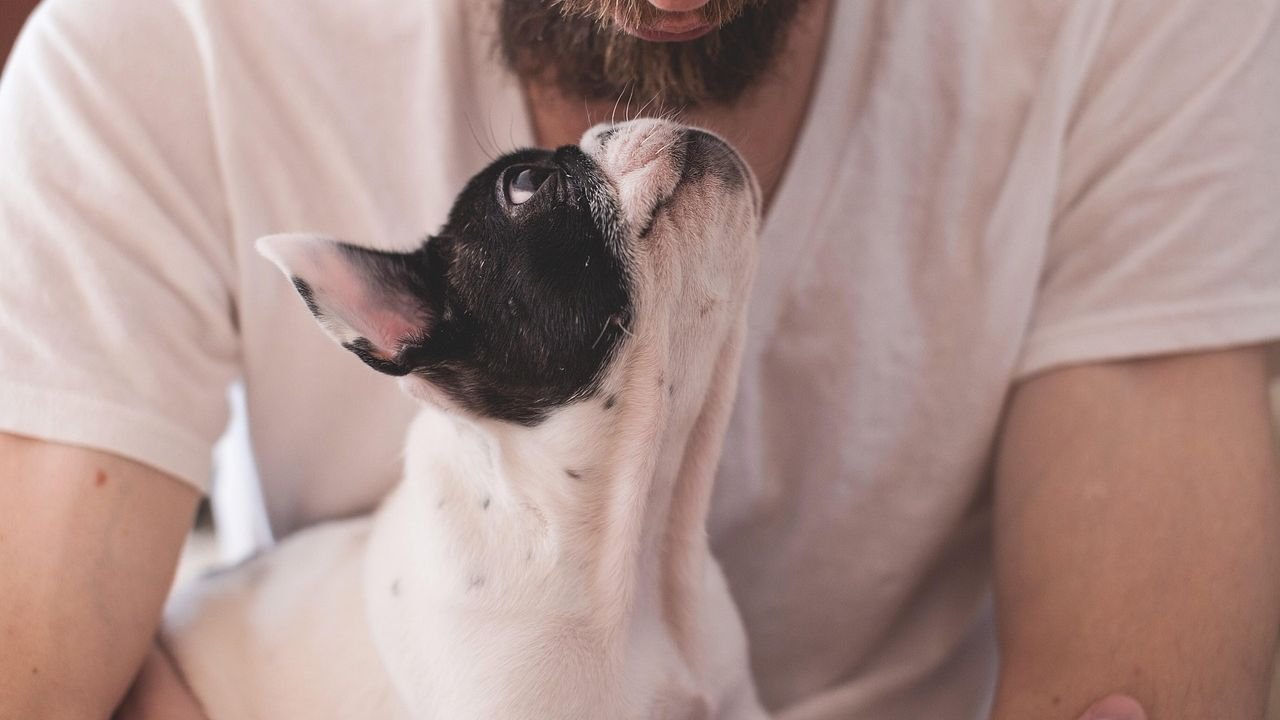
Picture this: you’re folding laundry, and your golden retriever pads over, grabs a sock, and looks at you with those bright, expectant eyes. You laugh. Maybe you shake your head a little. But what if that moment, goofy and chaotic as it is, is actually one of the best things you can do for your dog?
Here’s the truth most dog owners miss. Letting your pup participate in everyday household tasks isn’t just adorable. It’s genuinely good for them, and honestly, it’s good for you too. The science backs it up, the trainers swear by it, and thousands of dog lovers who’ve tried it won’t go back. So let’s dive in.
Your Dog Craves a Job More Than You Realize
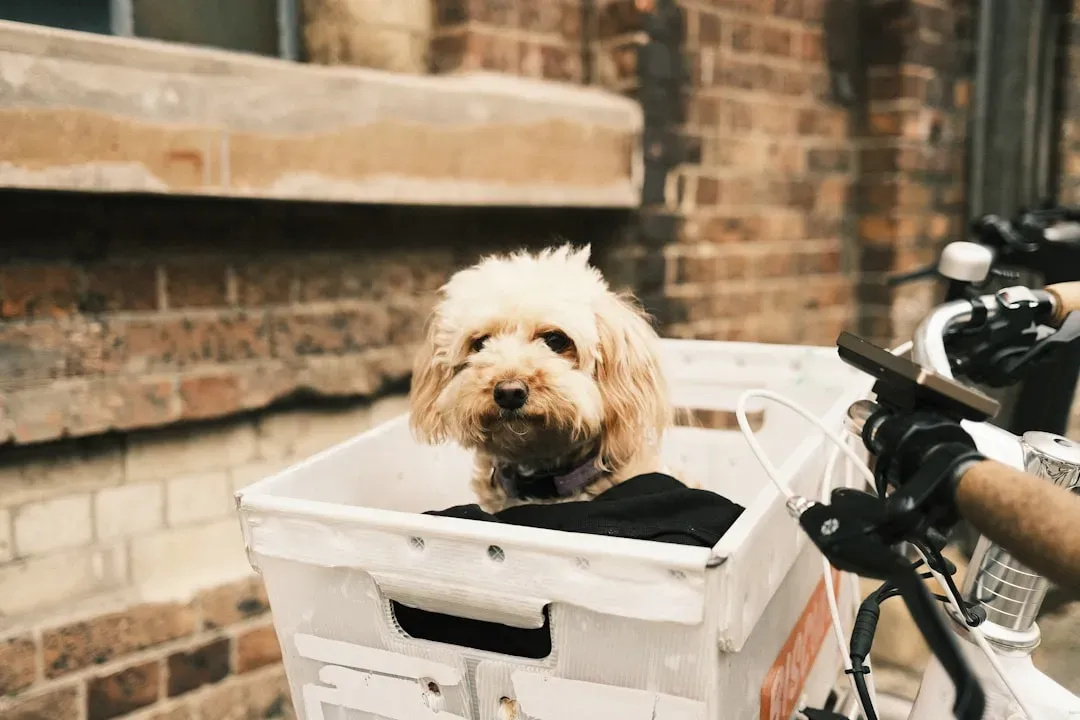
Dogs aren’t designed to lounge around all day waiting for their next meal. Historically, different dog breeds were bred for specific jobs like herding or hunting, and while most pet dogs today still possess the genetic drive and stamina needed to perform those original roles, they often lack productive outlets in our modern world. That restless energy has to go somewhere.
When you invite your dog to “help” around the house, you’re essentially giving them back their sense of purpose. Training your dog to pick up laundry gives them a job to help with household chores, and not only does it save you time and effort, it gives them a sense of accomplishment and a fun job that provides mental and physical stimulation, which is especially beneficial for herding and working dog breeds who can become anxious without a sense of purpose.
Think of it like this. A border collie without a flock is like a chess grandmaster forced to play checkers all day. Underutilized and a little frustrated. Giving your dog small household tasks changes everything about their daily mood.
Mental Stimulation You Can Sneak Into Everyday Life
Let’s be real, most of us can’t afford a dog behaviorist on call or an agility course in the backyard. The beautiful thing about chore-based engagement is that it’s free and already built into your daily routine. Having your dog trained to do tasks at home, like fetching the newspaper or helping collate laundry, keeps your pet mentally stimulated, and training your dog to assist with tasks isn’t simply about getting extra help but is a wonderful means of stimulating their mind and body.
Building confidence through mastering new challenges can improve resilience and adaptability, while puzzle-style tasks and training games exercise the brain and may help reduce cognitive decline in aging dogs. A tired brain is a happy brain, and a happy brain means fewer chewed-up cushions and less frantic zoomies at midnight.
Using retrieval cues frequently around your home encourages your dog to stay close and pay attention to you, and your dog learns to expect fun and rewards while helping out with daily activities. It turns mundane moments into micro-training sessions without any extra prep from you.
The Bond It Builds Between You Is Genuinely Special
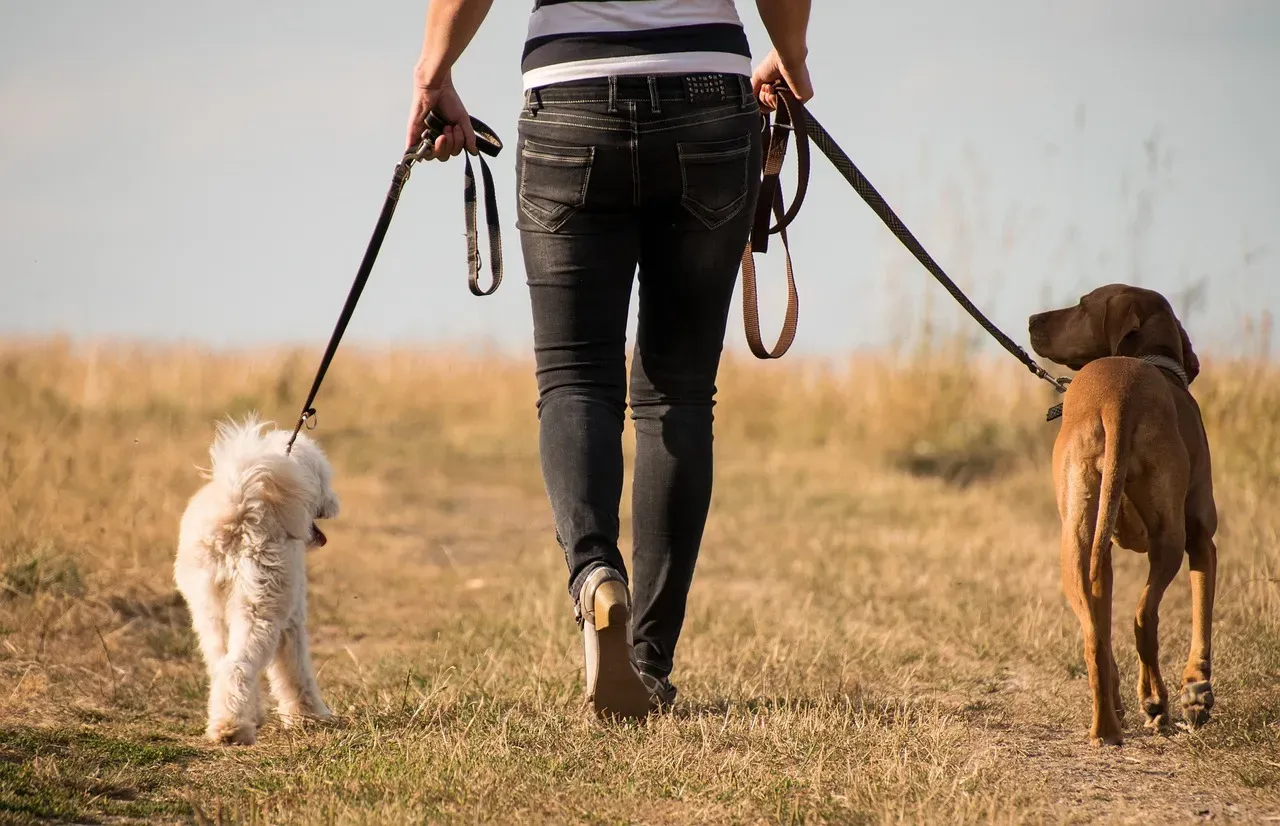
There’s something quietly magical about working side by side with your dog, even if “working” means asking them to bring you a towel or put a toy in a basket. Training your dog to help with household chores is not only fun but also a great way to enrich their lives and strengthen your bond, with many household tasks involving movement that keeps your pup active while working together deepens trust and communication between you.
Using positive reinforcement training methods enhances the human-animal bond by fostering a common language that pet parents can use to interact with their dog, and with it, a dog learns to listen and perform the behavioral cues they were taught, building confidence and trust. It’s not training in the strict, military sense. It’s a conversation, and your dog absolutely loves being heard.
Honestly, I think this is the benefit most people overlook. The chore itself matters very little. What matters is the shared attention, the praise, the teamwork. That’s the golden thread running through every successful dog-human relationship.
It Naturally Reduces Boredom and Destructive Behavior
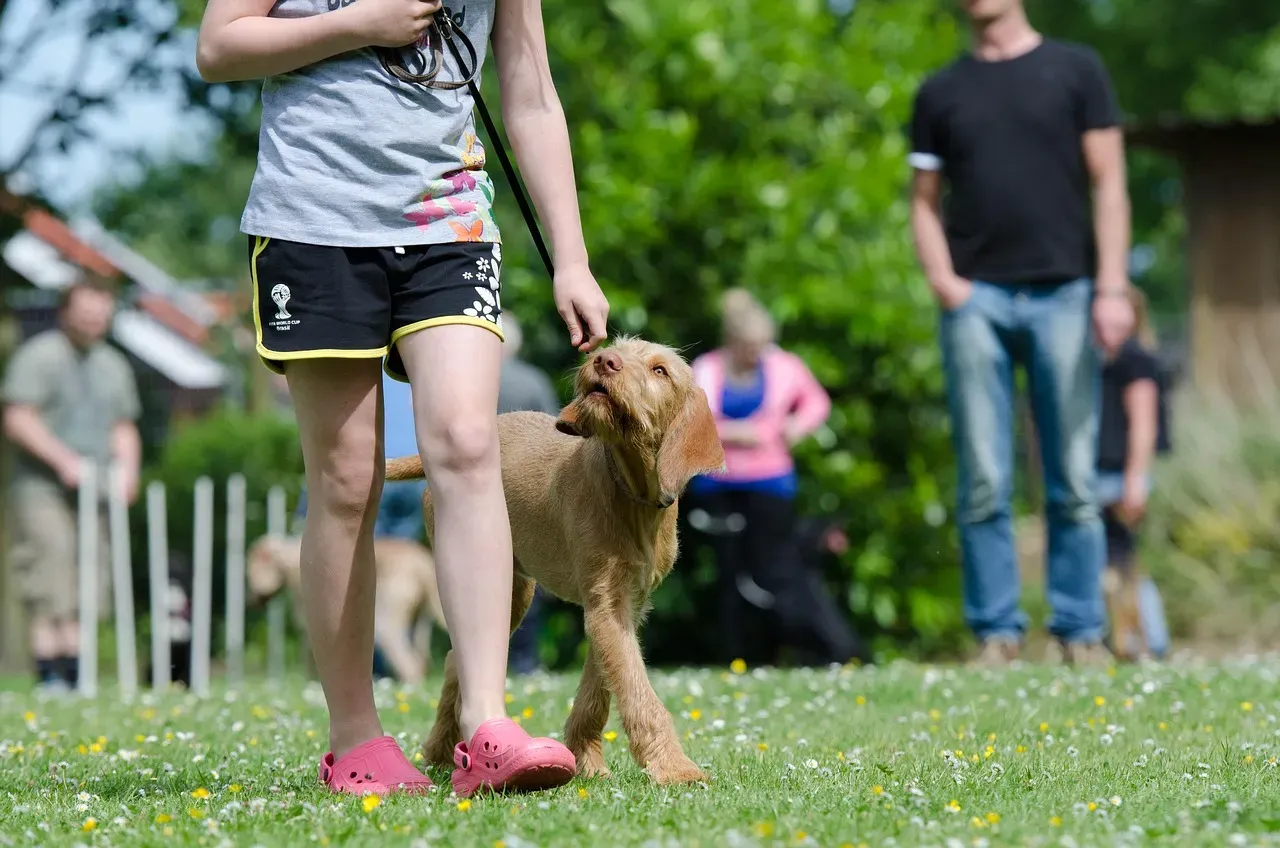
If your dog has ever redecorated your sofa or excavated your garden, you already know what boredom looks like. Enrichment activities reduce stress and anxiety since activities like licking, chewing, and sniffing can activate the parasympathetic nervous system promoting relaxation, while dogs left without stimulation often resort to chewing furniture, excessive barking, or digging. Chore participation is a form of enrichment hiding in plain sight.
Another benefit of task-based training is to curb unwanted behaviors such as chewing or stashing socks, a habit many dogs pick up as puppies, and giving your dog an appropriate alternative behavior that is rewarded will eventually extinguish the unwanted old behavior. So your dog fetching socks for you is genuinely better than your dog hiding socks from you. Win-win.
Keep an eye on your dog’s body language during training sessions too. A confident and alert dog holds their ears forward, head up, and tail up, while a dog with ears turned to the side, head lowered, avoiding eye contact, and with their tail tucked between their legs is conveying a message of fear, anxiety, or stress. Always stop if you see those signs and make the task easier and more rewarding before continuing.
The Surprising Way It Benefits Your Own Health Too
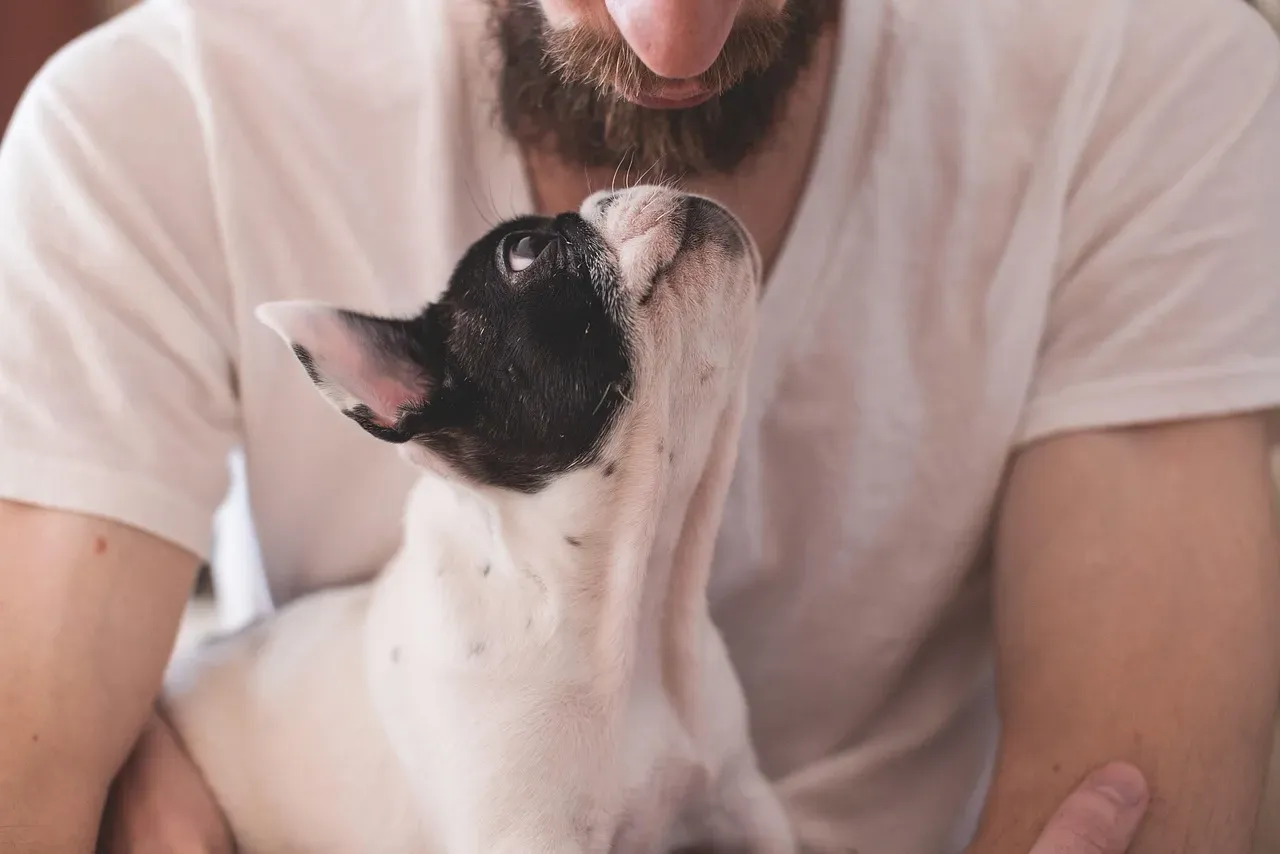
Here’s something most dog owners don’t see coming. The benefits travel in both directions. Interacting with animals has been shown to decrease levels of cortisol, a stress-related hormone, and lower blood pressure. Something as simple as working through a training task with your dog while folding laundry can genuinely calm your nervous system.
Growing evidence indicates that pets may trigger feelings of comfort, security, and emotional support, which probably have positive effects on humans by counteracting feelings of anger, sadness, anxiety, and depression. Turning chore time into dog time is a surprisingly effective mood booster. It’s hard to stay grumpy when your labrador is proudly trotting toward you with a dish towel in his mouth.
The love, care, daily structure, and routine needs of a dog can fill us with purpose, and building small rituals around household tasks reinforces that structure. It’s the kind of daily rhythm that quietly supports your mental health without you even noticing it happening.
Getting Started: Practical Tips to Make It Work
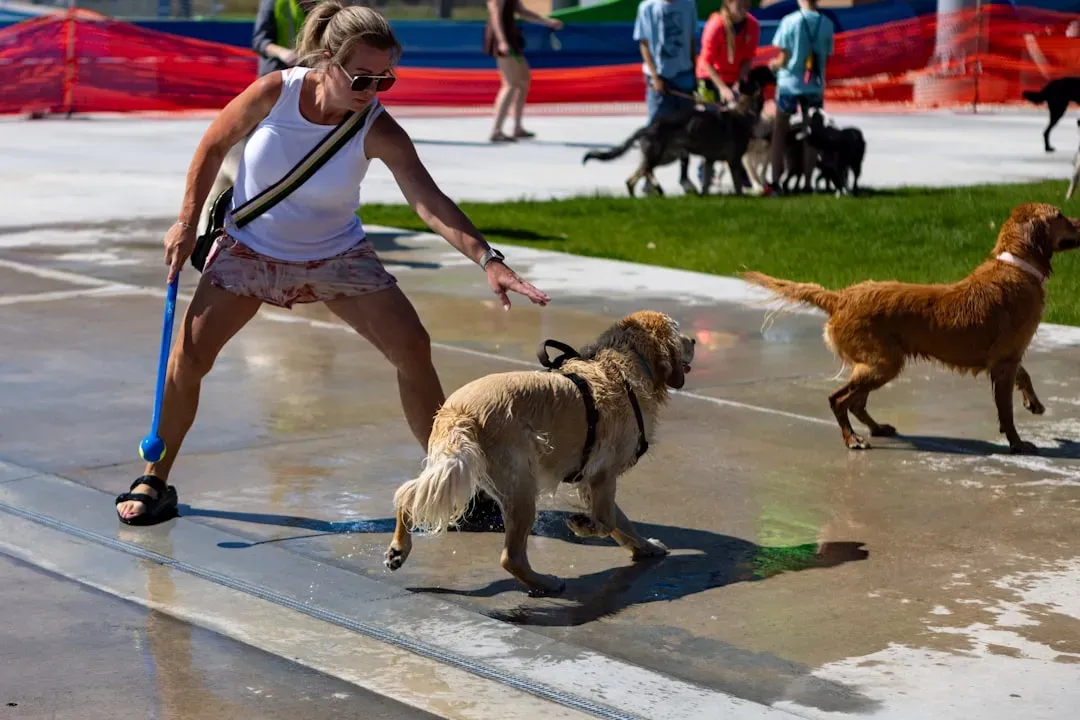
The most common mistake people make is jumping straight to complicated tasks. Start embarrassingly simple. Before you can teach your dog complex household tasks, ensure they have a solid understanding of basic commands like sit, stay, come, and fetch, which provide the foundation for more advanced tasks, so spend time reinforcing them with short, consistent training sessions if needed.
With patience, your dog will be able to fetch a variety of objects helping you with chores like gathering things from around the house, and another useful skill is teaching your dog to clean up their toys, which helps keep your living space tidy while giving your dog a sense of purpose. That toy basket trick is genuinely one of the easiest places to start and produces visible results fast.
It’s also worth remembering that size and temperament matter. Larger dogs may have an easier time with tasks like closing doors or carrying laundry, while smaller dogs might excel at fetching small items, and high-energy dogs may enjoy more physically demanding chores while calmer dogs might prefer simpler tasks like putting toys away. Tailor the task to your specific dog, not the other way around.
Conclusion: The Chores That Change Everything

It sounds a little crazy, doesn’t it? That asking your dog to fetch a sock or close a cabinet door could be a meaningful act of care. Yet the evidence is clear, and the dog trainers, behaviorists, and happy dog owners around the world agree. Training your dog to help with household tasks can be a fun and fulfilling bonding experience, and whether they’re fetching items, cleaning up, or even turning off lights, these tasks not only make your daily life easier but also keep your dog engaged and mentally stimulated.
Your dog isn’t just a pet waiting for walks and dinner. They are a capable, intelligent, emotionally connected companion who wants to be part of your world. Letting them into the mundane parts of your day, the laundry, the tidying, the small daily routines, gives them exactly that.
So next time your dog follows you to the kitchen and watches you unload groceries with those hopeful eyes, maybe hand them something to carry. You might be surprised just how much it means to both of you. What small chore will you try first with your dog? Drop a comment and let the community know!


