

You love your dog fiercely. You talk to them, cuddle them, celebrate their birthdays, and honestly, sometimes they feel more like a best friend than a pet. So it can be genuinely shocking to discover that some of the things you do every single day – things that feel totally natural to you – are leaving your dog confused, stressed, or even a little bit anxious.
Here’s the thing: dogs and humans speak completely different languages. Not just in words, but in body signals, social gestures, and everyday habits. The messages that humans intend to send are often very different from the messages that dogs actually receive. In fact, our languages are so different, it’s nothing short of a miracle that our two species get along as well as we do. So let’s dive in and fix that gap together.
1. Hugging Your Dog Like They’re a Person

We hug the people we love. It’s instinct. So naturally, we wrap our arms around our dogs and expect them to melt into the embrace. Honestly, it feels like the most loving thing in the world – but your dog may not agree.
Dogs grasp each other loosely during play-wrestling, and also when mating and fighting. Being pinned by another dog hinders a quick escape – so how are puppies to know what a hug from a human means, when that same behavior from a dog might be threatening? Watch for stress signals during hugs: a dog looking away, tensing up, or leaning back is politely saying “please stop.”
Video some hugs in action and take a hard look at your dog’s body language. If your dog leans into the hug with a relaxed body and soft expression, you’re on solid ground. If you see ducking, looking away, leaning away, or tensing up, it may be time to rethink your hugging habit. Try side-by-side snuggles on the couch instead – less constricting, equally loving.
2. Staring Directly Into Their Eyes
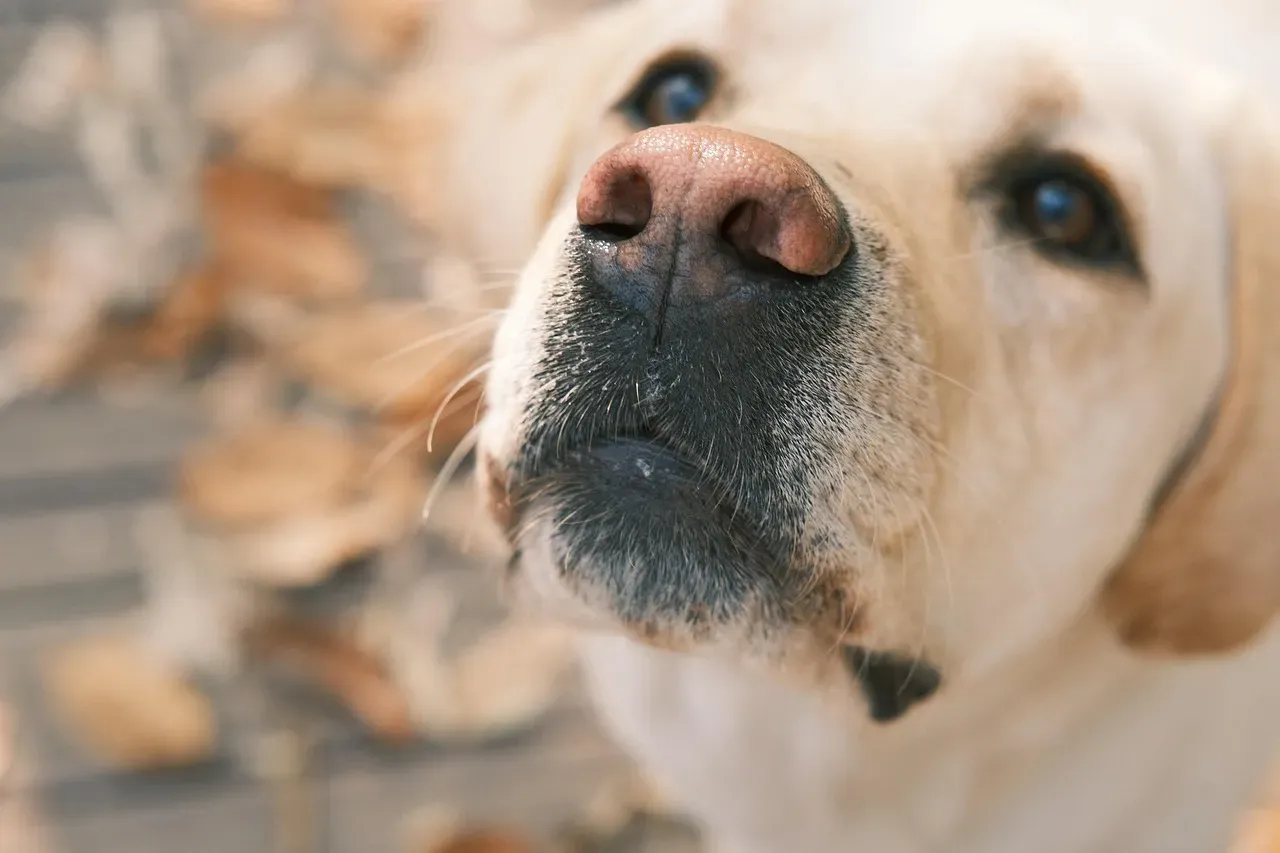
To us, eye contact says “I see you, I’m present, I care.” We hold eye contact in conversations to show trust and attention. But your dog reads a direct, sustained stare in a very different way.
When talking to another human, eye contact shows interest and engagement. To a dog, however, maintaining eye contact is perceived as a challenge or a threat. Dogs will look directly at us if they trust us and feel at ease, but they frequently turn their head or look away to show they are being non-confrontational. Prolonged periods of eye contact can make a dog feel really worried.
When looking at your dog, try to do so with as soft a gaze as possible to keep them calm and comfortable, and avoid holding direct eye contact. Think of it as the difference between a warm glance and an interrogation. Soft eyes, slow blinks – that’s how dogs say “I love you too.”
3. Using Inconsistent Commands
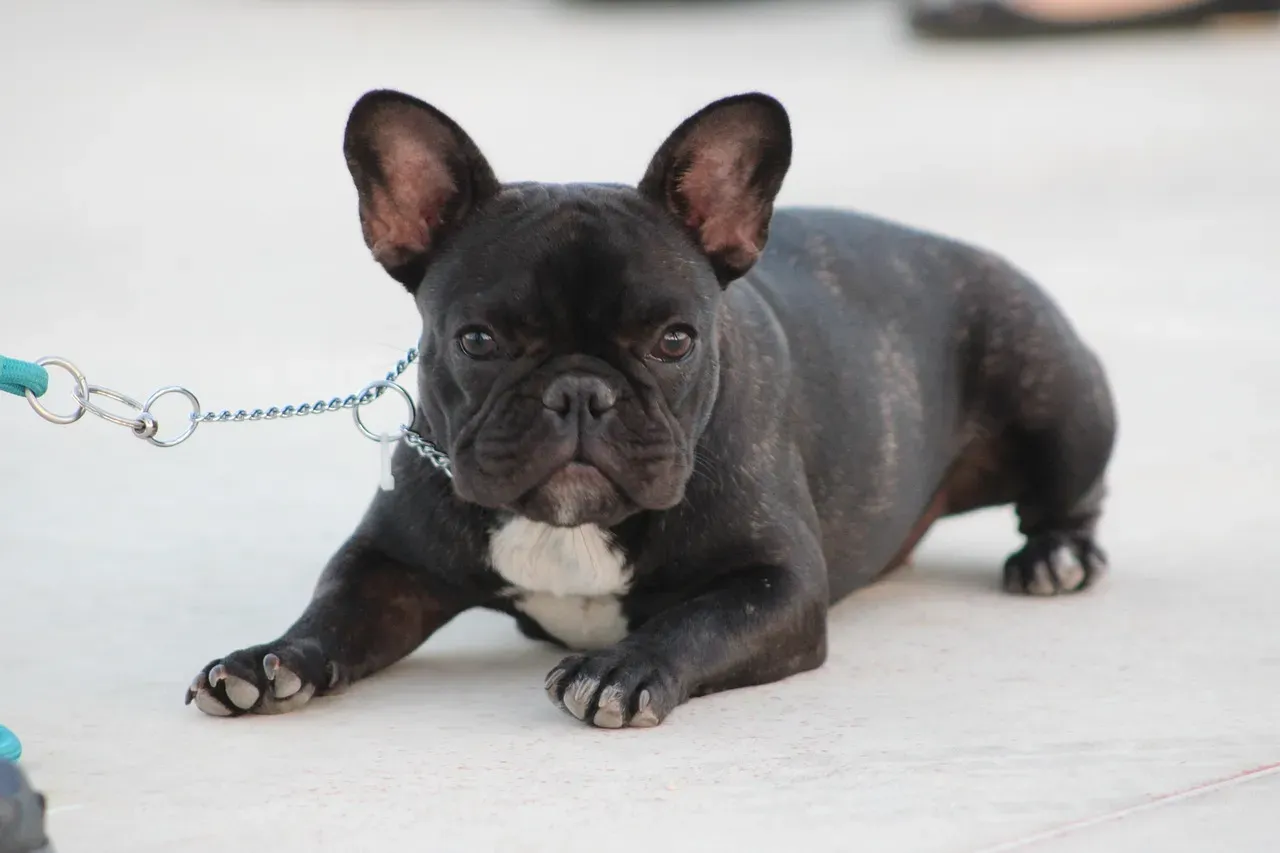
One day you say “sit.” The next day it’s “sit down.” On the weekend, your partner uses “park it.” Your dog isn’t being stubborn when they look confused – they genuinely have no idea what you want from them.
Dogs are intelligent and can learn human commands, but they are not smart enough to grasp synonyms. If on the first day you train with the command “stand up” and the next day you say “stand,” it will confuse them – dogs don’t realize these two words represent the same action. This lack of consistency reduces the efficiency of how dogs execute commands.
It’s essential for all family members to be involved in the training process. Consistency is key, and having everyone use the same commands and rules prevents confusion for the dog. It ensures the dog receives clear signals about what behaviors are expected. Write your command list on the fridge if you have to – it genuinely makes a difference.
4. Making a Huge Fuss When You Leave or Arrive
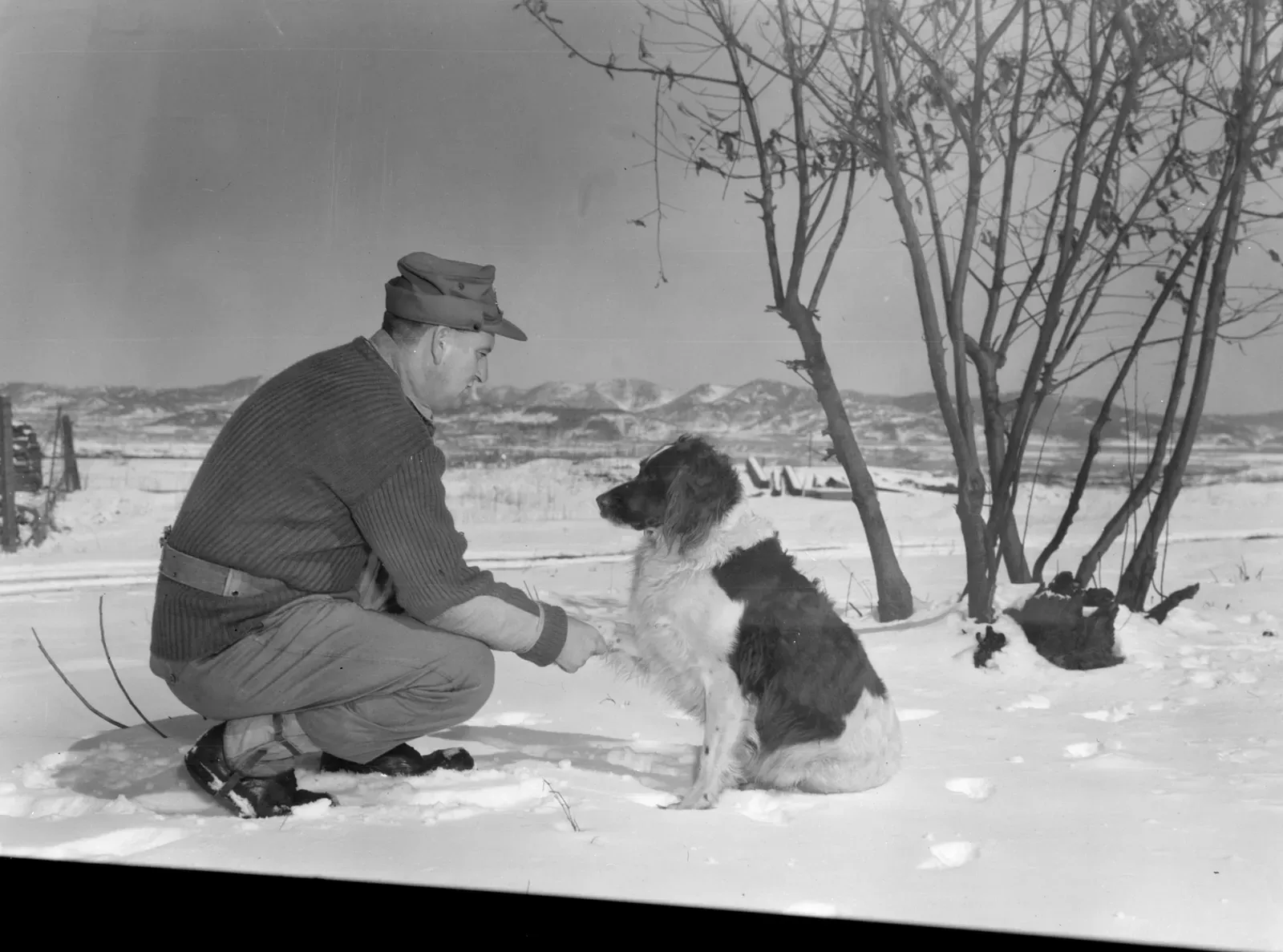
Picture this. You grab your keys, and suddenly your voice goes three octaves higher. “Mommy’ll be back soon! Be good! I’ll miss you!” Then you walk through the door at 6 PM and it’s a full celebration. Sound familiar? Your dog lives for those moments – but they may also be teaching them that your departure is a crisis.
Some dogs with separation anxiety become agitated when their guardians prepare to leave. Others seem anxious or depressed prior to their guardian’s departure. Some try to prevent their guardians from leaving. Usually, right after a guardian leaves, a dog with separation anxiety will begin barking and displaying other distress behaviors within minutes.
The fix is simpler than you think. Keep departures calm and low-key. Ignore your dog for a few minutes when you first get home before transitioning into calm petting, to emphasize that leaving and coming back is a normal occurrence – not a cause for overexcitement. Your dog will feel more secure knowing your comings and goings are no big deal.
5. Punishing Your Dog Long After the Fact
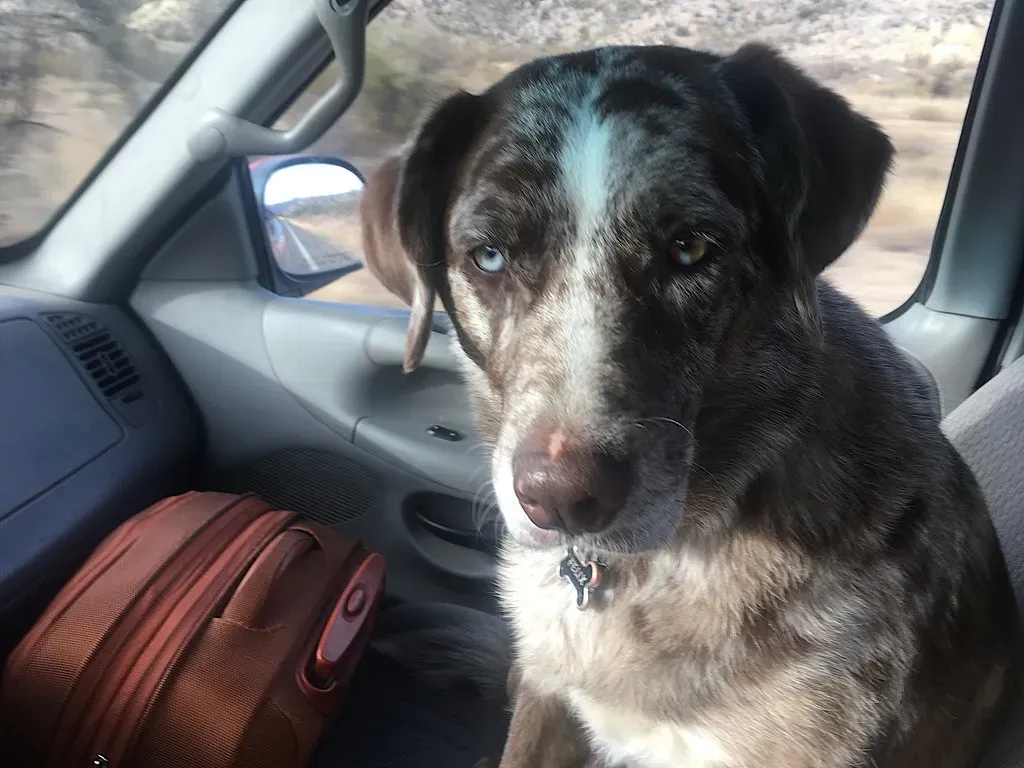
You come home to a chewed-up sofa cushion and an upturned bin. You’re furious, and you march straight over to your dog to let them know. Here’s the heartbreaking truth: your dog has absolutely no idea what they did wrong.
When you come home and discover your dog has made a mess of the house, you are sure to be furious. However, punishing the dog at that moment may not be very helpful. Dogs are not able to connect your current angry behavior with their past mistakes – if your dog made a mess at 10 a.m. and you scold them at 6 p.m., the dog simply won’t understand why.
Don’t assume that your dog knows they did something wrong just because they lay down and roll over – they probably have no idea what you want, and they just hope this grand gesture of appeasement will work. That guilty look? It’s actually fear, not remorse. Redirect and prevent, rather than punish after the fact.
6. Leaning Over and Patting the Top of Their Head
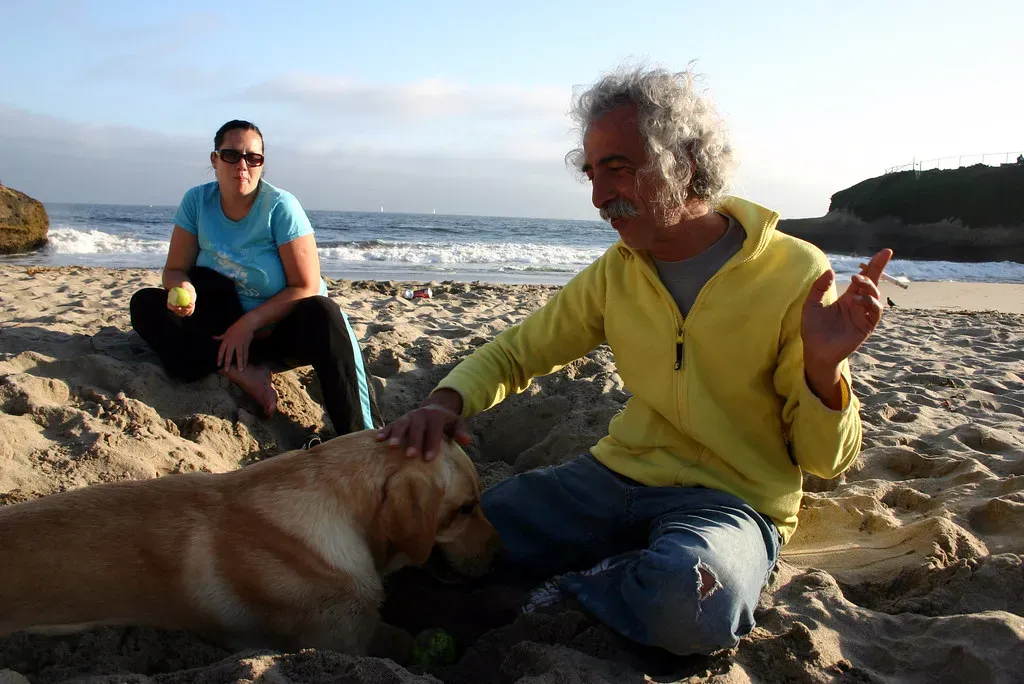
Reaching out and patting a dog on the head is practically reflex for most people. It seems friendly and affectionate. But imagine a stranger walking up and resting their hand on top of your head – uninvited. Not quite as charming, right?
When humans meet new people, we face toward them and might extend a hand to greet them. For dogs, however, approaching head-on or leaning over them can make them nervous – they may interpret this as a threat or challenge. Many dogs who get snapped at by strangers have simply been approached this way, repeatedly.
When meeting a new dog, stand calmly to its side or crouch at arm’s length and let the dog approach you. This way you are showing the dog that you are not a threat. For your own dog, scratch under the chin or on the chest instead – most dogs adore that far more than a head pat anyway.
7. Misreading a Wagging Tail as Pure Happiness

Every dog owner knows the wagging tail means “I’m happy!” But here’s where a lot of us get caught off guard. A wagging tail is not a simple, one-note signal – it’s a full emotional spectrum wrapped in movement.
Tail-wagging seems like an obvious body language signal. If a dog’s tail is wagging, the dog is happy, right? Actually, all a wagging tail means is that the dog is emotionally aroused. Essentially, the higher the tail, the more assertive the dog. Dogs with their tails pointing down to the ground or tucked between their legs are feeling fear and stress. Dogs with their tails held up like a flag are feeling confident, perhaps even aggressive.
Pay attention to the whole picture, not just one signal. If the tail wags very stiffly, you may need to step back – this dog could be displaying aggressive body language and preparing for a negative interaction. Think of it like reading a face: one feature alone doesn’t tell you the whole story.
8. Reinforcing Fear With Comfort
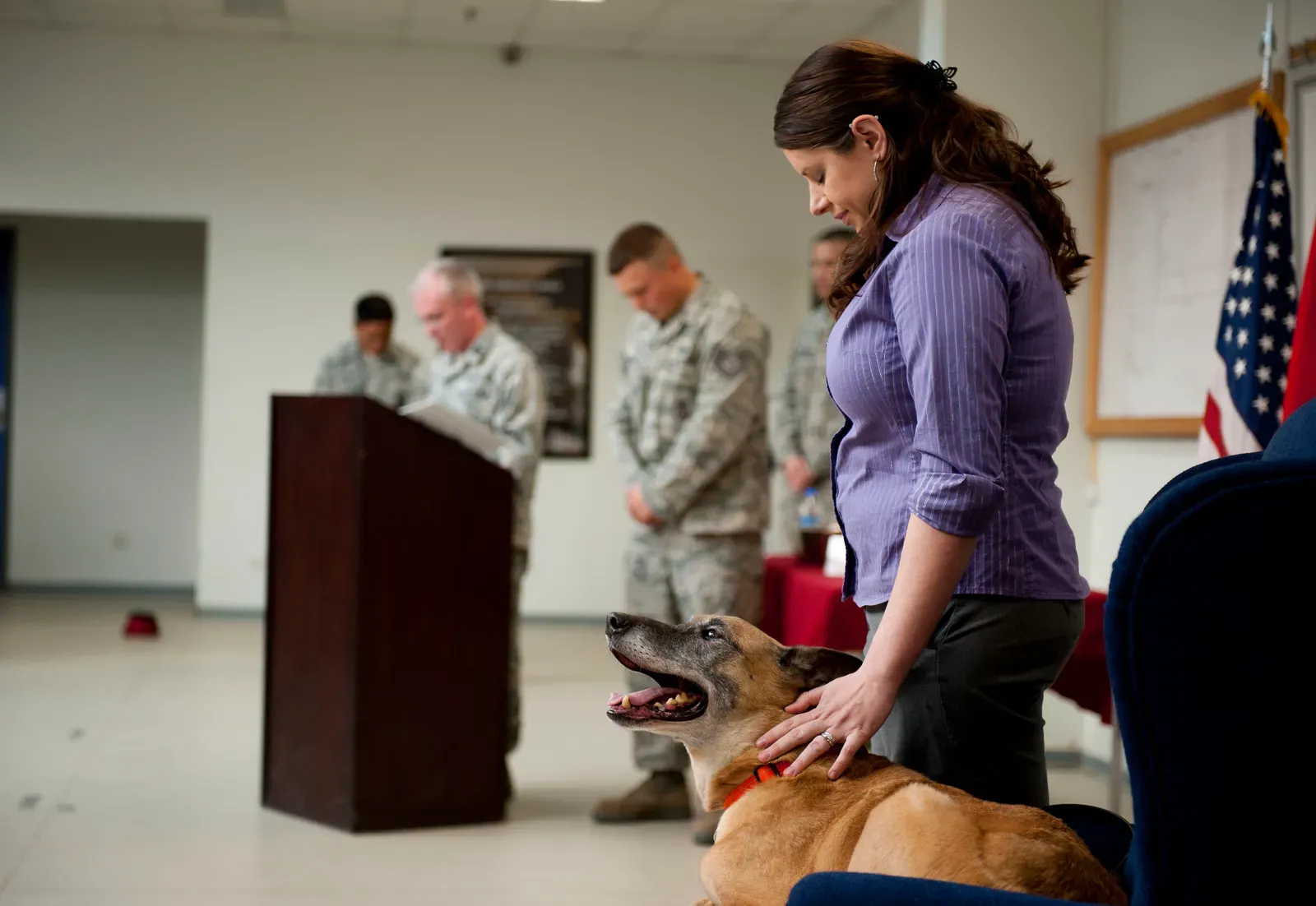
Your dog is trembling during a thunderstorm, and your heart breaks a little. So you rush over, scoop them up, and shower them with soothing words and strokes. It feels like the right thing to do. In human terms, it absolutely is. In dog terms, it’s a bit more complicated.
When humans feel tense, loved ones comfort them through petting and soothing words. But does this work for dogs? Veterinary experts say no – from a dog’s perspective, such human behavior is interpreted as encouraging the dog’s fear through affectionate gestures and sweet talk. You’re unintentionally confirming that yes, there really is something to be afraid of.
Instead, stay calm and act unbothered. Your energy is your dog’s compass. Non-verbal signals transfer between you and your dog constantly – they sense any tension you carry. Staying calm and relaxed will help keep your dog happy too. A quiet presence and a steady demeanor tells your dog far more than a panicked cuddle session ever could.
9. Letting Rules Slide “Just This Once”

Your dog gives you those eyes. Those eyes. And you let them up on the sofa, just this once. Or you slip them a bite of your dinner, just this once. Let’s be real – we’ve all done it. It feels harmless. Your dog, however, notes the exception immediately and files it under “things that work.”
When expectations are unclear or boundaries are inconsistent, dogs can become confused and anxious. This confusion can manifest as destructive behaviors, aggression, or separation anxiety, straining the human-dog relationship further. Your dog isn’t being manipulative when they keep trying – they’re just following the logic you accidentally taught them.
If one person permits jumping on furniture while another discourages it, the inconsistency undermines progress. Having everyone participate in the training plan ensures rules are clear and that your dog can predict responses from all household members. A little consistency now saves a lot of confusion later. Everyone in the house needs to be on the same page – every time.
10. Misunderstanding Yawning and Lip-Licking as Tiredness or Hunger
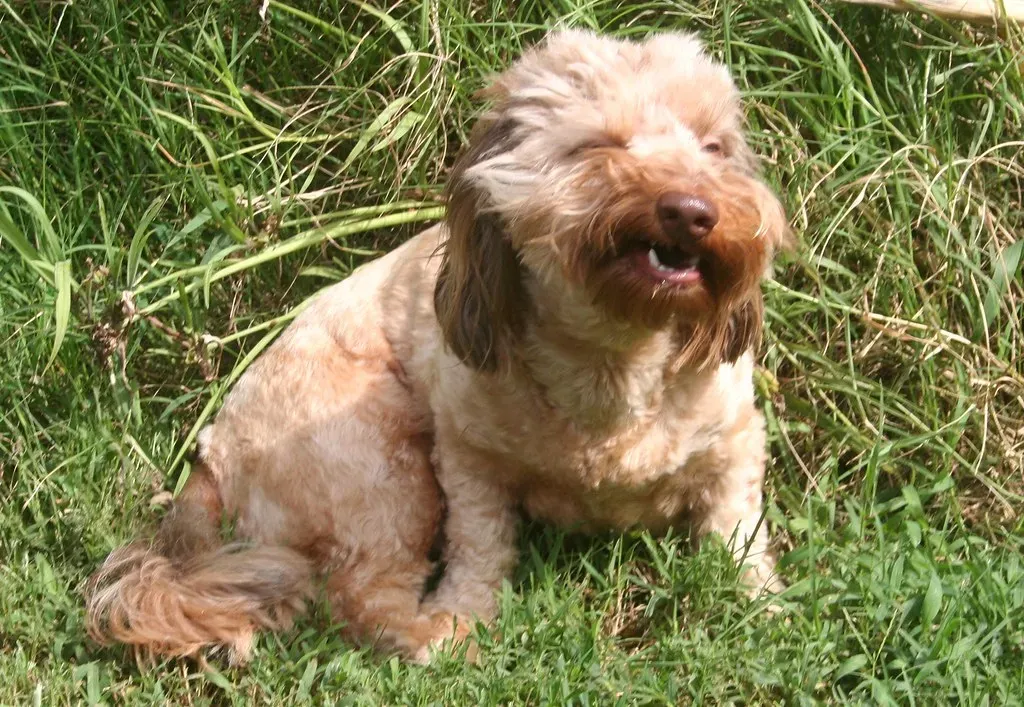
Your dog yawns during a training session and you think, “Aww, they’re sleepy.” They lick their lips and you wonder if they smelled something tasty. But both of these signals can mean something very different from what you’d expect, and missing them means missing your dog’s quiet cry for help.
Consider yawning. People yawn when they’re tired or bored, but dogs yawn when they’re stressed. According to Turid Rugaas, author of “On Talking Terms With Dogs: Calming Signals,” dogs use yawning to calm themselves in tense situations and to calm others, including their owners. Lip-licking is another bit of dog body language that people often misinterpret. Just like people, dogs will lick their lips after a delicious meal – but they’ll also do it when they feel anxious. Sometimes the tongue flick is so quick it’s tricky to notice.
Calming signals and appeasement behaviors recognized as indicators of stress include: turning head away, blinking, lip and nose licking, freezing, play-bow, yawning, licking humans, ears back, and panting. If your dog does several of these during an interaction, they’re asking you – in the most polite way they know – to give them a moment. Listen to them.
Conclusion: Understanding Your Dog Is an Act of Love
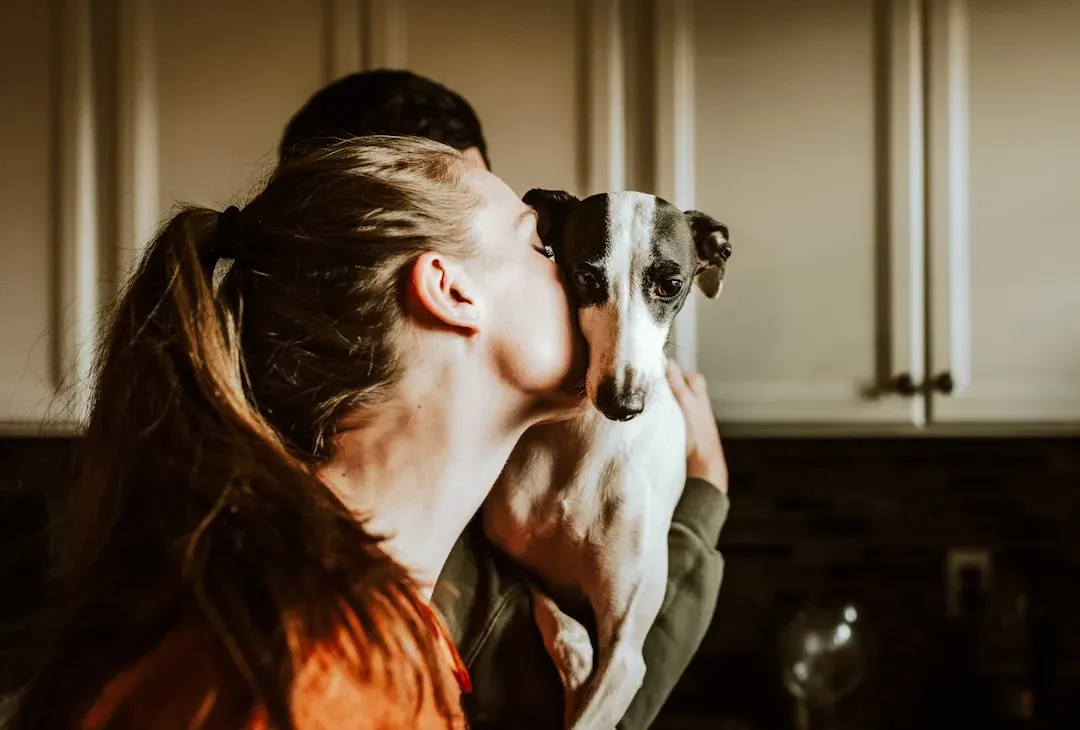
Honestly, none of the habits on this list come from a bad place. They come from love – from humans trying their very best to connect with a creature they adore. That’s beautiful, even when it gets lost in translation.
Dog behavior is extraordinarily flexible – this is why we can keep them in our homes and take them to cafes with us on weekends. Nevertheless, there are ways in which evolution has not equipped dogs for the challenges of living in our world, and puppies must learn how to cope. The good news is, so can we.
Every small adjustment you make – a softer gaze, a calmer goodbye, a consistent command – is a step toward a relationship built on real understanding, not just good intentions. Reading, understanding, and responding to your dog’s body language is a key part of the companion-to-owner relationship. By understanding their cues and appropriately advocating for your dog, owners can continue to ensure their dogs remain happy, comfortable, and safe.
Your dog is trying to tell you something every single day. Now that you know what to look for, are you ready to finally listen? Drop your thoughts in the comments – we’d love to hear about those “aha” moments with your own pup.


