
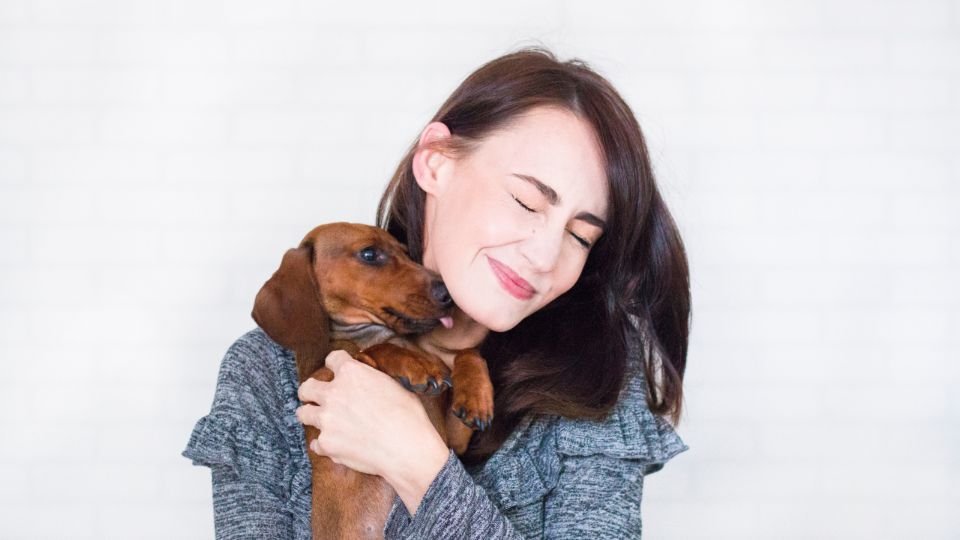
You walk through the front door after a long day and your dog goes absolutely wild, tail spinning like a helicopter, practically vibrating with joy. But then your partner walks in twenty minutes later, and the greeting? Polite. Warm, sure, but nothing close to that full-body celebration. If you’ve shared your home with a dog and more than one person, you know this scene all too well. It’s equal parts flattering and just a tiny bit awkward.
The truth is, dogs are not equal-opportunity love dispensers. They feel things deeply, they notice everything, and they quietly make choices about who matters most. In multi-person households, dogs consistently demonstrate clear preferences for specific individuals, often forming their strongest emotional bonds with just one or two people, and this phenomenon isn’t random. It’s the result of complex psychological and behavioral factors. So what exactly is going on inside that furry head? The answer might surprise you. Let’s dive in.
It All Starts Earlier Than You Think: The Socialization Window
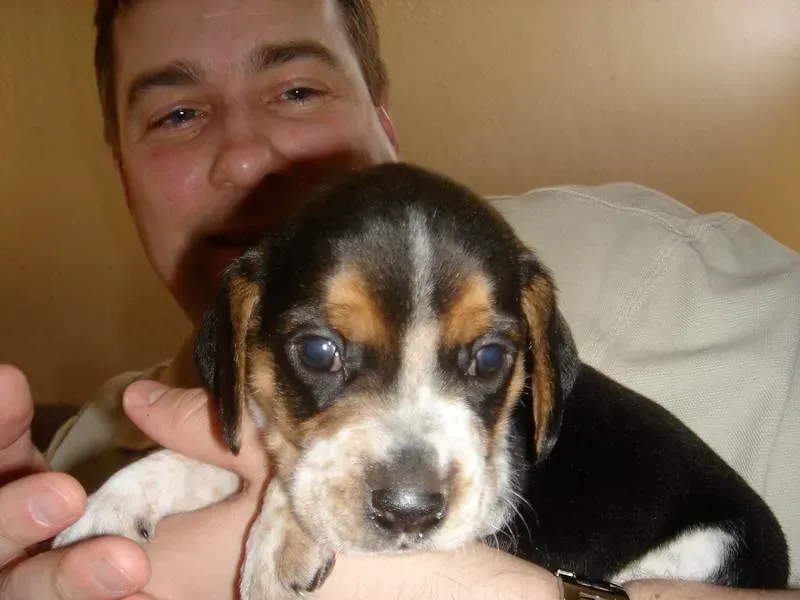
Here’s something that genuinely blew my mind when I first learned about it. Many dogs bond hardest to whoever cares for them during their key socialization period, which occurs between birth and six months. Think about that. The foundation of who your dog loves most may have been laid before you even knew each other properly.
Positive experiences during this window are vital for ensuring that dogs can bond with their future owners, and adverse events can have life-long consequences. It’s a bit like how early childhood shapes adult relationships in humans. The emotional wiring happens fast and runs deep. If your dog was already an adult when you adopted them, don’t worry, it’s not too late to become their favorite. While early experiences are important, continued socialization through experiences like doggy daycare, play dates, and daily walks matters a lot.
The “Learning History” Factor: Who Brings the Good Stuff?
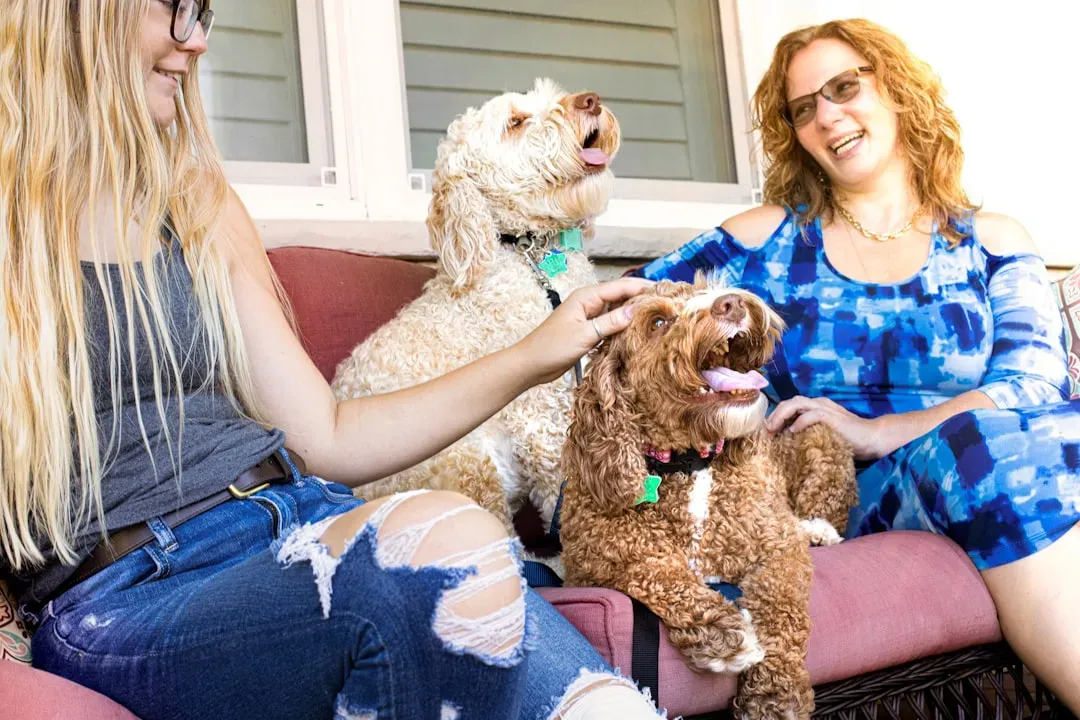
Let’s be real. Dogs are not complicated philosophers pondering the meaning of loyalty. They are, at their core, extremely smart beings who keep mental tallies of who makes life feel good. Dogs tend to choose their person based on “learning history,” meaning the person they’ve learned provides the most resources, which could be anything from food, to playtime, to attention and affection.
Here’s the thing though: it’s not always about who holds the food bowl. Different dogs will value all of those assets differently. While some may value food, others may value play more. In that case, even if “mom” is giving the most meals, if “dad” is taking the dog out for the most fetch, “dad” might then be the person. Imagine two housemates: one who buys you groceries and another who always has time to laugh with you. Who would you feel closer to? Dogs make similar calculations, just with tail wags instead of text messages.
Personality Match: Like Attracts Like
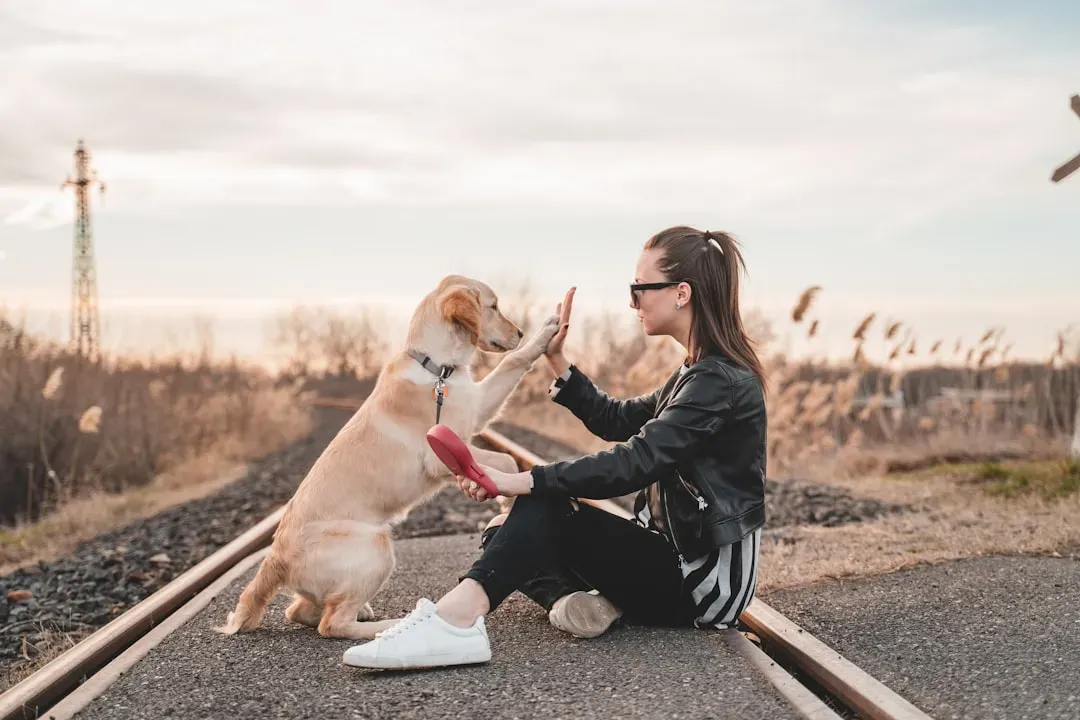
This one is honestly one of the most fascinating pieces of the puzzle. A dog’s favorite person often turns out to be someone who matches their personality and energy levels. A dog that gets excited by long country walks isn’t going to consider a devoted couch potato very good company. It’s the canine version of compatibility.
Dogs and humans have different personalities and energy levels that can affect their bond. A high-energy dog may prefer a more active person, while a laid-back dog may prefer someone calmer. A study found dogs often prefer individuals who share similar personalities. Dogs with calm temperaments might gravitate toward relaxed people, while active dogs might prefer energetic owners, and this matching of personalities can lead to more harmonious relationships. So if the family member who does absolutely nothing athletic ends up with a Border Collie shadow glued to their heels, well, maybe check their energy levels again.
The Telltale Signs: How to Know If You’re the Chosen One
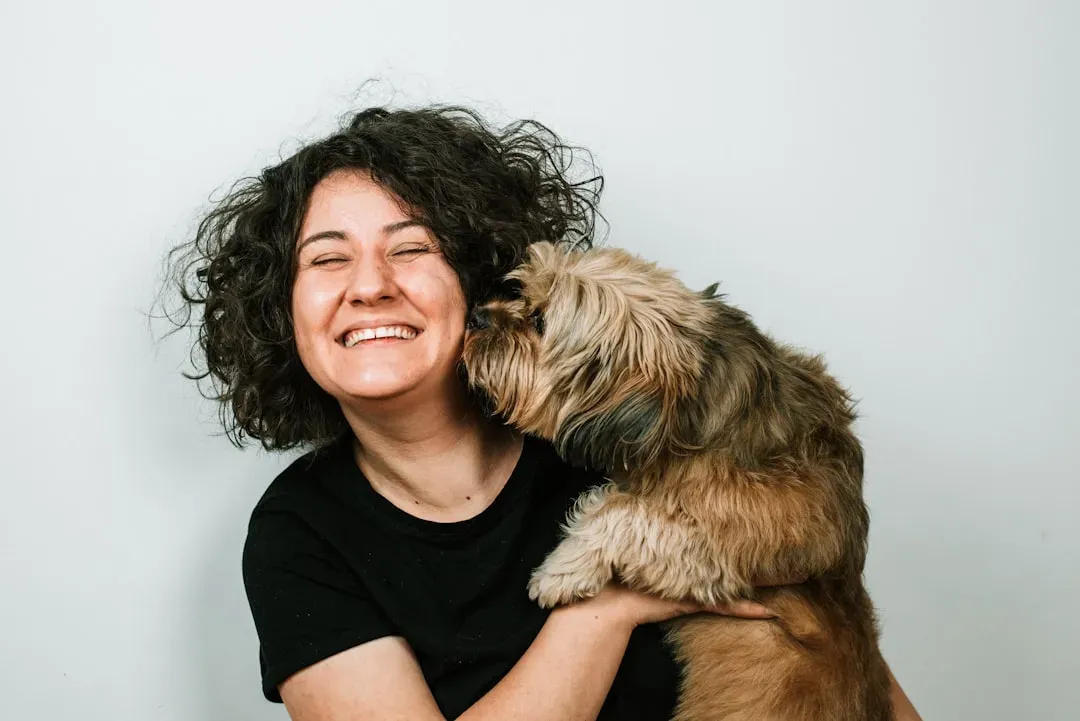
Wondering if you’ve made the cut? Dogs are surprisingly transparent about their preferences, if you know what to look for. Dogs typically choose to rest next to, on, or touching their favorite person when multiple family members are present. They also demonstrate preferential greeting behaviors, showing more enthusiasm and excitement when their preferred person returns home. During stressful situations, dogs consistently seek comfort from their favorite person, ignoring other available family members.
While at home, you will notice a dog may follow their favorite person either from room to room or simply with their eyes. If that person gets ready to go out somewhere, the dog will want to go with that person. Snuggling up to you or showing vulnerable positions, such as laying on their backs so you can pet the belly, shows trust and comfort. These signs of love can often be reserved for the favorite human of the house. That belly-up moment? That’s not just cute. That’s your dog’s deepest vote of confidence in you.
How Every Family Member Can Strengthen Their Bond
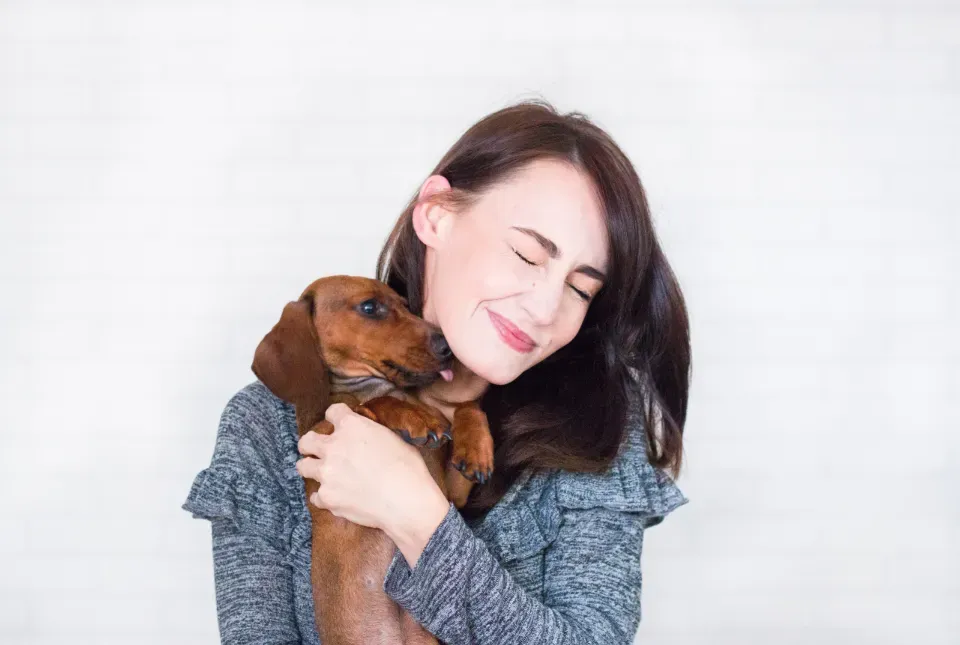
Here’s the good news, and it’s genuinely encouraging. Just because you’re not currently the favorite doesn’t mean that can’t change. Dogs are relational and responsive. Building positive experiences like playtime, enrichment activities, and calm bonding moments can help deepen your connection over time.
The best way to build a strong bond with your dog is by learning to read their facial expressions and body language. Once a family member learns what their dog is trying to say, the door to improved understanding and communication opens. Consistency in enforcing household rules without confusion or mixed signals builds trust and establishes you as a reliable leader in your dog’s eyes. Dogs feel more secure with humans who provide clear, consistent boundaries and expectations, making these individuals more likely candidates for favorite person status. This doesn’t mean being strict or harsh, it means being predictable and fair in your interactions. Show up every day, be kind, be consistent, be present. It really is that straightforward.
Conclusion: Every Dog Has a Favorite, and That’s Okay
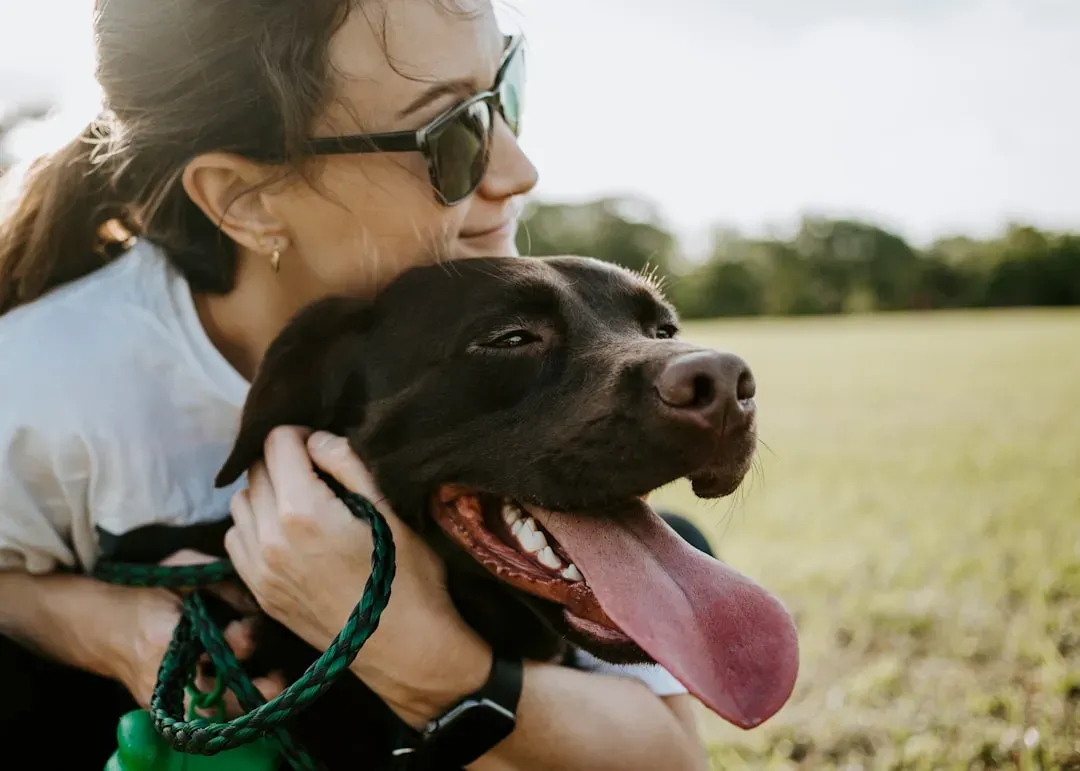
Experts agree that dogs can have healthy, strong bonds with multiple humans in the house, and in fact this is most common. So even if your dog has a number one, it doesn’t mean the other family members are unloved. Dogs simply love differently, not less.
The beautiful truth about dogs is that they never fake it. They don’t choose their favorite person out of politics or obligation. They choose based on trust, joy, safety, and the simple magic of feeling truly understood. Dogs gravitate toward individuals who make them feel protected and understood, often selecting the person who best reads their body language and responds appropriately to their emotional needs.
So maybe the real question isn’t “Why did my dog pick them?” Maybe it’s “What kind of person does my dog inspire me to become?” Keep showing up, keep loving actively, and your dog will notice. They always do. What do you think, did you already know who the favorite in your household is?


