
Have you ever caught your dog freezing at a specific street corner, ears pinned back, body tense, even though nothing visibly scary is there? Or maybe your dog goes absolutely wild the moment you pick up the car keys, bouncing off the walls before you’ve even said a word? That is not random. That is memory in action, and it is far more sophisticated than most of us give our dogs credit for.
Dogs remember in ways that are deeply woven into their senses, emotions, and daily experience. The science is catching up with what dog lovers have always suspected: our pups are holding onto far more than we imagined. So let’s dive in and explore what is actually happening inside that beautiful furry brain.
The Science Behind How Your Dog Actually Stores Memories

Here’s the thing most people get wrong. They assume dogs either remember something clearly or forget it entirely, like a simple on/off switch. The reality is far more nuanced and, honestly, kind of fascinating. Dogs possess different forms of memory that they use in distinct ways. Short-term memory, sometimes called working memory, helps dogs remember information for seconds to minutes, such as where a ball just landed. Long-term memory stores skills, habits, and learned associations over time, like knowing a sit command or where the treat jar lives.
Episodic memory, which is the remembrance of something that happened to you personally, was long thought to belong only to humans and a handful of other animals. Some early research suggested dogs might sort of have that ability, and then a groundbreaking study published in Current Biology provided strong evidence for episodic-like memory in dogs. Think of it as the difference between knowing how to ride a bike and actually remembering the day you learned. Dogs appear to operate somewhere between these two worlds.
Research published in Scientific Reports found that dogs repeated their own actions after delays ranging from a few seconds to an hour, with their performance showing a decay typical of episodic memory. The combined evidence suggests a far more complex representation of self than had previously been attributed to dogs. I think that finding genuinely changes how we should think about what our dogs experience day to day.
Your Dog’s Nose Is the World’s Most Powerful Memory Trigger
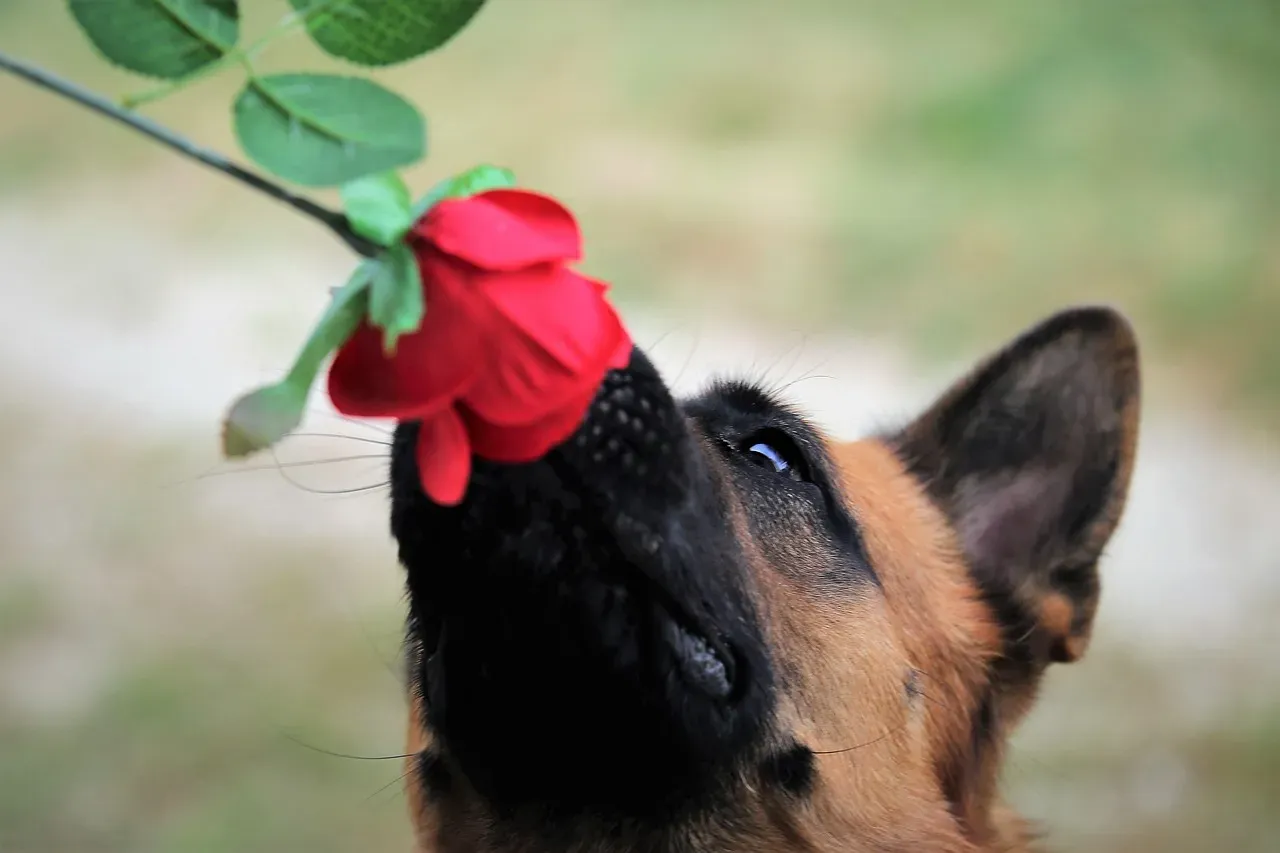
If there is one thing that deserves far more attention in the dog memory conversation, it is the nose. Forget the eyes, forget the ears. The nose is where the real magic happens. A dog’s olfactory system is approximately 40 times more powerful than a human’s, featuring up to 300 million olfactory receptors compared to our mere 6 million. This extraordinary sense of smell serves as their primary tool for recognition and memory formation.
A dog’s sense of smell is absolutely pivotal to their memory processes. With nearly 300 million olfactory receptors, dogs rely on scent to remember familiar people, places, and experiences. This is why your pup recognizes you even after physical changes or long absences. Their scent memory captures subtle nuances, allowing them to detect shifts in their environment and recall interactions tied to those scents.
Scent memory in dogs is potentially lifelong, as dogs rely so heavily on olfactory cues. Some evidence suggests dogs can remember scents for their entire lifetime. So the next time your dog takes a slow, deep sniff of a stranger’s hand, know that they are essentially filing away a memory card that may never fully expire. Pretty mind-blowing, right?
How Emotional Experiences Shape What Your Dog Remembers

Let’s be real: emotions are the filing system of canine memory. Not all memories are created equal for dogs. A random Tuesday afternoon walk? Probably gone in minutes. The day a child yanked their tail at the park? Stored deep and recalled every single time a child runs toward them. Dogs are particularly adept at remembering emotional experiences because their amygdala, the part of the brain that processes emotions, is highly active.
Things a dog remembers from puppyhood can be expressed in their mannerisms much later in life. This may explain how dogs who were mistreated early on might be reactive toward people when they are older, due to the deep association between an event and the pain they experienced. This is not stubbornness. It is memory, plain and simple, and it deserves our compassion.
Dogs can remember both good and bad experiences. Negative experiences, depending on their intensity, can leave lasting impressions. A bad experience at a veterinarian’s office might cause anxiety in similar settings. However, dogs are resilient, and with positive reinforcement, negative associations can be replaced with positive ones. Training sessions using rewards and encouragement can reshape a dog’s emotional response, turning apprehension into anticipation. That is genuinely hopeful news for anyone working with a rescue dog carrying a painful past.
The Behavior Cues That Reveal Your Dog Is Remembering Something
You do not need to be a scientist to spot a dog accessing a memory. You just have to know what to look for. Think about the dog who suddenly refuses to walk past a specific house on your usual route, or the one who hides the moment they hear a particular sound. Dogs communicate with their environment using body language, and while this can vary depending on a dog’s breed or temperament, there are still very specific behaviors a dog will exhibit to show their memory.
Dogs also associate certain times of day with certain events, such as understanding that they get a long walk outside as soon as you get home from work at the same time every weekday. If you have ever noticed your dog sitting by the door at 5:45 PM before you pull into the driveway, that is associative memory working like clockwork. It is almost uncanny.
A dog’s ability to remember, whether good memories or bad, will affect their current and future behaviors. Loud noises and other bothersome sounds can jog a dog’s memory and cause them to react negatively. This is a common occurrence with items like the vacuum cleaner, where the loud noise of a machine that follows them can evoke a memory of being yelled at or otherwise treated negatively in the past. Understanding this gives us a real chance to respond with patience rather than frustration.
What Happens to Memory as Your Dog Ages
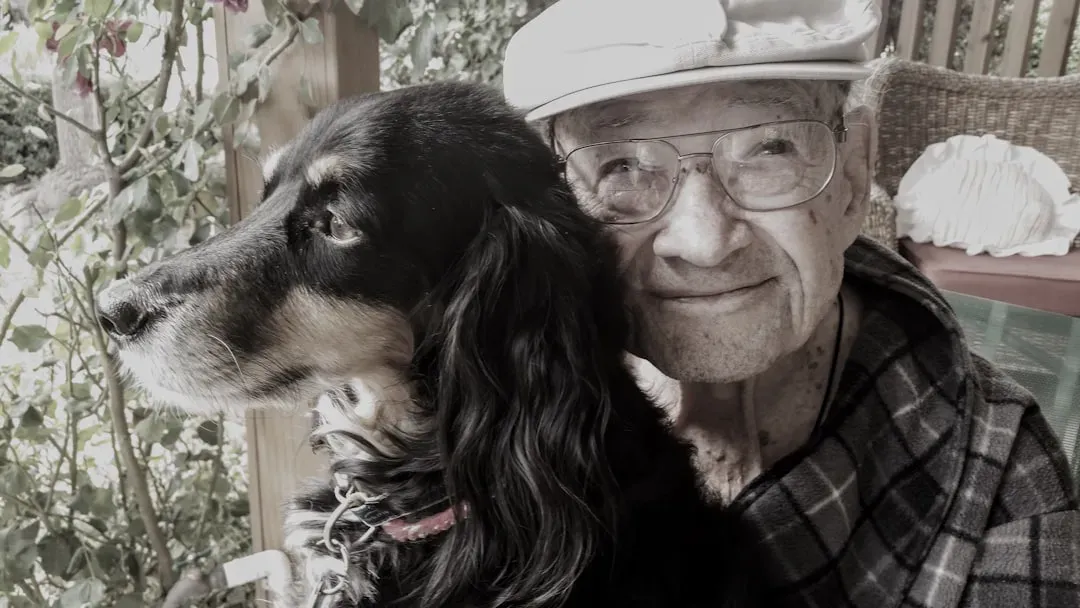
Here is something many dog owners do not expect to face until it is right in front of them. As dogs get older, memory does not stay perfectly intact forever. Unfortunately, dogs’ memories can decline with age. Research suggests that around 60% of animals show signs of cognitive decline, an Alzheimer’s-like disease that affects pets. It generally affects medium and small-breed dogs around eight years of age and large-breed dogs as early as five.
If your dog does not seem to remember walking routes or household members they once knew well, that is a warning sign that should not be ignored. Acting forgetful is one thing, but genuinely forgetting basic things is a signal worth discussing with your vet. Honestly, catching this early makes a real difference in quality of life for your pup.
Environmental enrichment, such as mental stimulation and social interaction, can enhance a dog’s memory function. Regular training sessions, interactive games, and exposure to new experiences can help keep a dog’s mind sharp and improve their memory abilities. Positive reinforcement techniques, rewards, praise, and regular walks can all strengthen the association between behavior and memory, facilitating learning and retention. Think of it like keeping your dog’s brain on a daily workout routine. The mental gym matters just as much as the physical one.
Conclusion: Your Dog Is Carrying More Than You Know
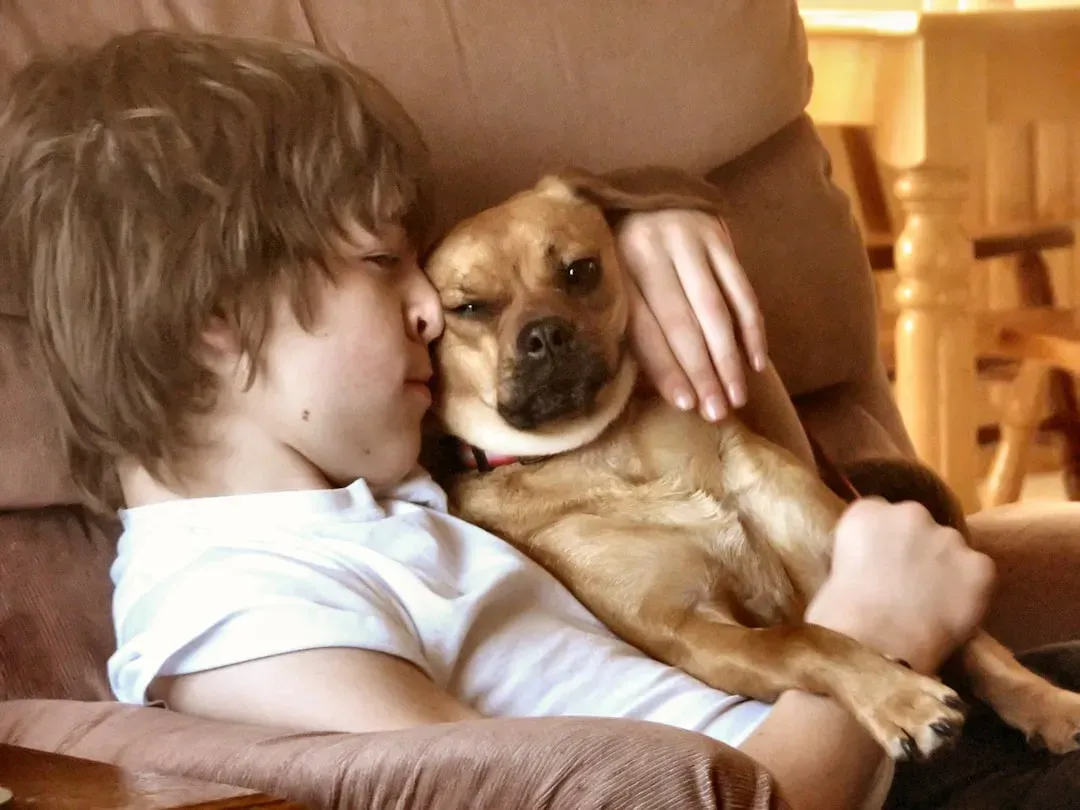
Every walk you take together, every gentle word, every moment of patience when they are scared. It is all being stored somewhere in that extraordinary canine mind. Your dog does remember you, even if they experience memory differently than we do. They connect you to positive feelings and experiences rather than replaying specific events like a highlight reel.
Dogs do not reflect on the past in the same way humans do, but they can recall certain events when triggered by familiar cues. Using consistent positive reinforcement, providing enriching experiences, and building strong emotional connections through play, walks, and affection all contribute to a richer inner world for your dog.
So the next time your dog hesitates at a strange smell, lights up at the sound of your voice after a long day, or curls into you like you are the safest place on earth – remember that you are. You are living inside their memory, and from where I sit, that is one of the most beautiful things about sharing your life with a dog. What kind of memories are you building with yours?


