

Picture this: you’re three episodes deep into a dramatic reality show, snacks in hand, completely zoned out. Then you glance down and catch your dog staring at you with that unmistakably intense, slightly disapproving look. You laugh it off. But what if they actually have opinions? Honestly, the idea is not as far-fetched as it sounds.
Dogs are extraordinarily perceptive animals. They read our body language, respond to our emotions, and react to our screens in ways that continue to surprise researchers. So let’s dive in and figure out what’s really going on when your furry best friend becomes your most critical viewing companion.
Your Dog Really Is Watching the Screen (No, Seriously)
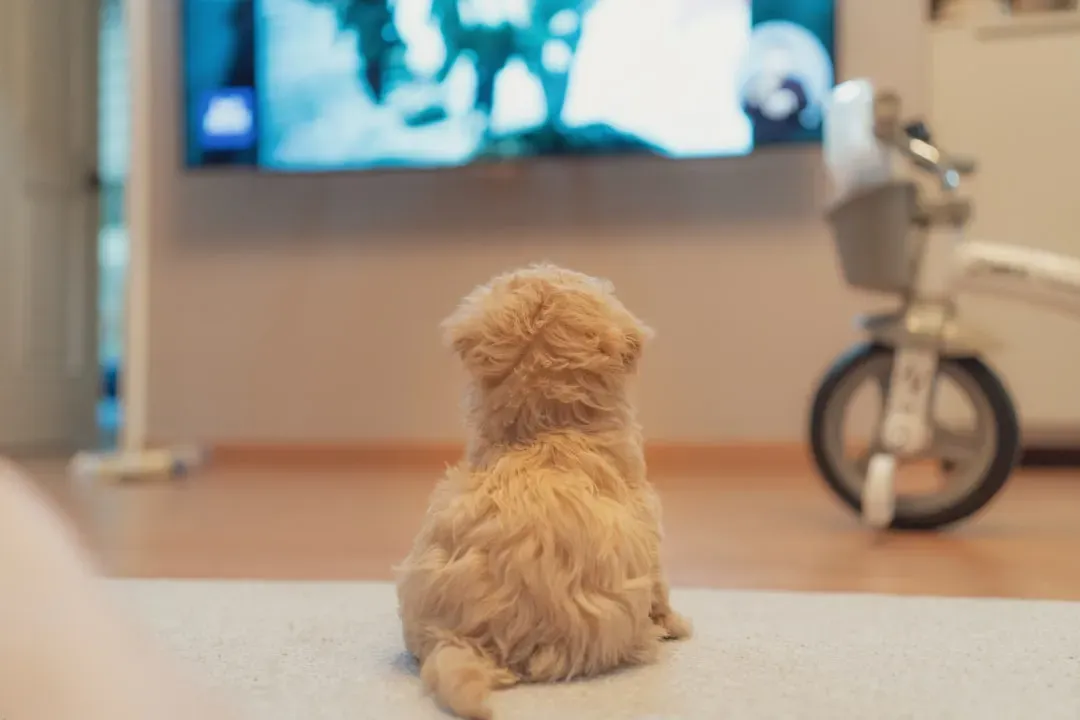
Let’s be real, most of us assume our dogs just sit near the TV for warmth or company. But science says otherwise. Domestic dogs can perceive images on television similarly to the way we do, and they are intelligent enough to recognize onscreen images of animals as they would in real life, even animals they’ve never seen before, and to recognize TV dog sounds like barking. That’s not just cute. That’s genuinely impressive.
Dogs can make out fast-flickering images better than humans can, and with older TVs they would have seen a series of still images rather than a continuous video. Now, high-resolution LED screens refresh the picture at a higher rate, meaning TV shows appear smoothly to your pet. So that sleek 4K screen you splurged on? Your dog is benefiting from it too.
A survey found that nearly seven out of ten respondents’ dogs interacted with an active screen at least once a day, and nearly nine out of ten said their dogs were most interested in animal content, especially dogs on screen. So next time a nature documentary comes on and your pup perks up, trust what you’re seeing.
The Secret Language of Tail Wags and Stares

Here’s the thing, your dog cannot tell you it’s bored by your crime documentary marathon. Instead, it communicates through a whole body language vocabulary that most owners walk right past. Checking your dog’s body language while the TV is on can tell you how they feel about what they’re watching. An intense gaze and wagging tail signal they are happy and intrigued, while barking or pacing could mean they feel uneasy about the sights and sounds they’re experiencing.
The most commonly observed TV-watching emotions in dogs were described as “active,” including running, jumping, and tracking, compared with “passive” behaviors like lying or sitting. Vocalization such as barking, whining, and growling was also a commonly described behavior. Think of it like reading subtitles. Once you know what to look for, the story becomes very clear.
What Your Dog Actually Wants to Watch

Spoiler alert: your dog is almost certainly not interested in your political talk shows. Humans do not appear to be very appealing for dogs to watch, ranking ninth out of seventeen predetermined content categories. Cartoons were engaging for more than one in ten dogs, and movement on screens was a strong motivator for screen attention. So that action thriller with lots of fast motion? Your dog might actually be into it.
It’s not uncommon for dogs to take an interest in nature shows featuring animals moving about. On-screen animals must be real to trigger a reaction, though. A cartoon dog simply doesn’t cut it. Think David Attenborough over Disney, at least from your dog’s perspective. Favoured sounds include dogs barking and whining, people giving dog-friendly commands and praise, and the noise of toys squeaking. So audio matters just as much as visuals.
Personality Plays a Bigger Role Than You Think

I think this is the part most dog owners find genuinely surprising. Your dog’s TV-watching habits are not random. A new study finds that dogs’ television-watching habits may depend on their personality. That’s a finding that should make every dog owner pause and reflect on their pup’s unique quirks. According to survey results, dogs that owners described as excitable more frequently followed on-screen objects as if they were real, perhaps searching for them inside the room. Anxious or fearful dogs were more likely to engage with non-animal stimuli like cars or doorbells. In other words, dogs’ individual personalities seemed to impact their TV viewing habits.
What breed a dog is may influence its reactions to TV. Hounds, which are driven by smell, aren’t as interested in visuals, but herding breeds such as terriers may be more stimulated by moving objects they see on the small screen. It’s a bit like how some people can’t sit still through a documentary while others are glued to it. Nature, nurture, and a whole lot of instinct.
How to Actually Make TV Time Better for Your Dog

Now that you know your dog has opinions, what do you do with that information? The good news is, a few simple tweaks can make sofa time genuinely enriching for both of you. To test whether your dog is interested in TV, pick a show with very active animals, especially those your dog is attracted to in real life such as squirrels, birds, cats, or other dogs. If the colors featured on the screen are shades of blues, yellows, and greens, your dog will be able to see them better. Then watch your dog’s reaction to figure out if they like what they see.
Excessive volume can startle or stress your dog, so it’s best to keep the volume at a level that is comfortable for them. That seems simple, but it’s easy to forget when you’re absorbed in a show. Also, while short periods of watching TV occasionally might be entertaining or stimulating, dogs still need physical exercise, mental stimulation, and social interaction as their primary sources of engagement. TV is a lovely bonus, not a substitute for a proper walk and real play.
Television may hold their attention because the dog is getting rewarded in the form of the company of the human they’re watching the show with. That’s the sweetest finding of all. More than any show or sound, your presence is the real draw. You are your dog’s favourite channel.
Conclusion: Your Dog May Not Judge, But They Definitely Notice
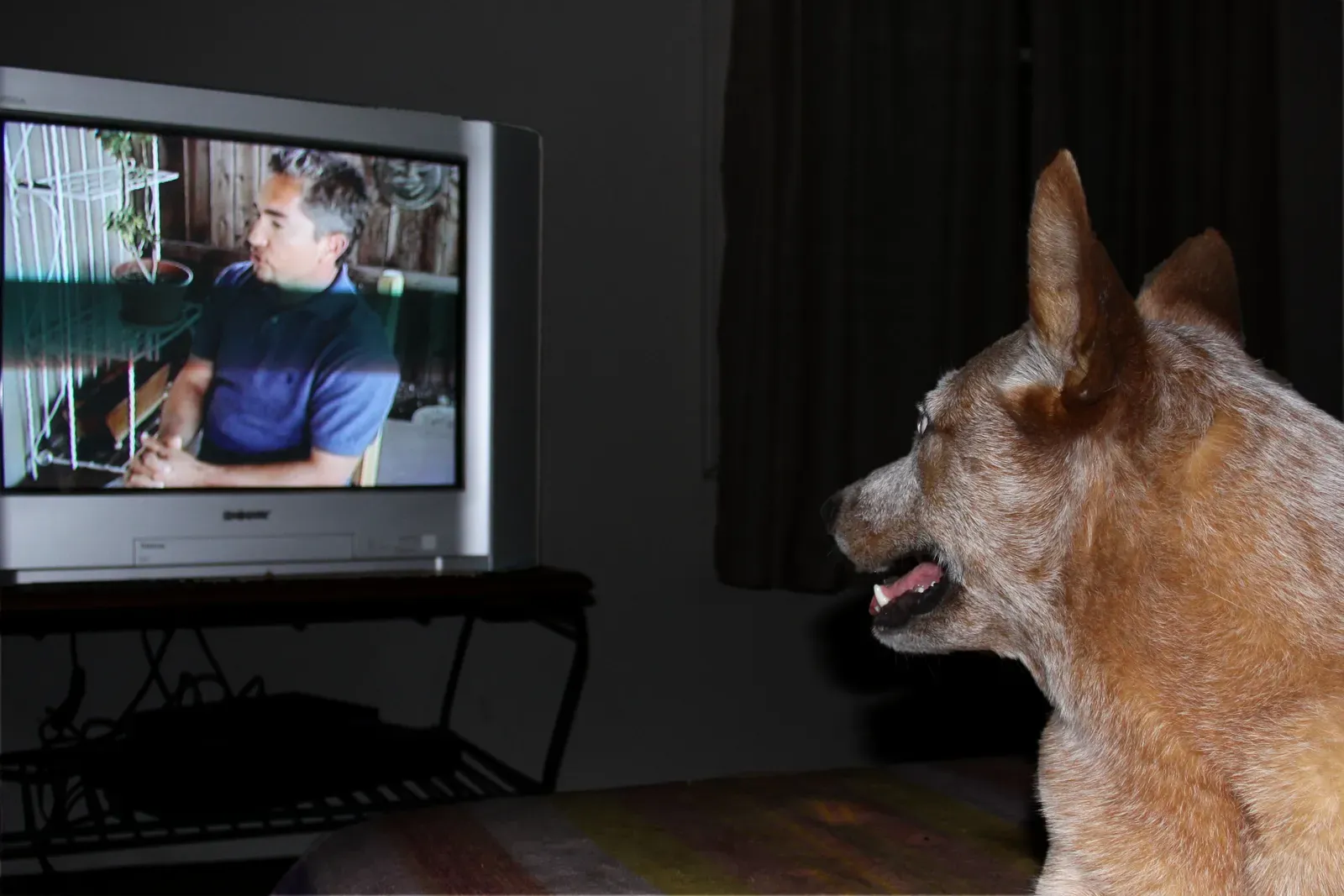
So, is your dog secretly judging your TV show choices? Probably not in the way you imagine. They’re not calculating whether your streaming picks reflect good taste. What they are doing is far more touching. They’re paying close attention to you, your energy, your laughter, your gasps, and the sounds filling the room you share together.
If your dog spends most of their time with you, they may pick up on your emotions and energy while watching certain shows. Your laughter, gasps, breathing, or even shouting at the screen could make them curious enough to tune in. They’re not watching the plot. They’re watching you.
Next time your dog plops down beside you and stares intently at the screen, know that something real and wonderful is happening. They’re engaged, curious, and doing what dogs do best: being completely present with the person they love most. What show is playing in your house tonight? Your pup might already have a favourite. Have you ever paid attention to which one it is?


