

Picture this: you’re just vacuuming the living room on a Sunday afternoon, totally relaxed, and your dog bolts behind the couch like the world is ending. Sound familiar? If you live with a noise-sensitive dog, you already know that feeling – that mix of helplessness and “wait, is my dog okay?” that hits right in the heart.
Here’s the thing most people don’t realize. While it’s well established that sudden loud noises such as fireworks or thunderstorms commonly trigger a dog’s anxiety, research finds that even common noises such as a vacuum or microwave can be a trigger. Your home, the safest place your dog knows, can sometimes feel like a minefield to their sensitive ears. The good news? Once you know what you’re dealing with, you can do so much to help. Let’s dive in.
Why Dogs Are So Sensitive to Sound in the First Place
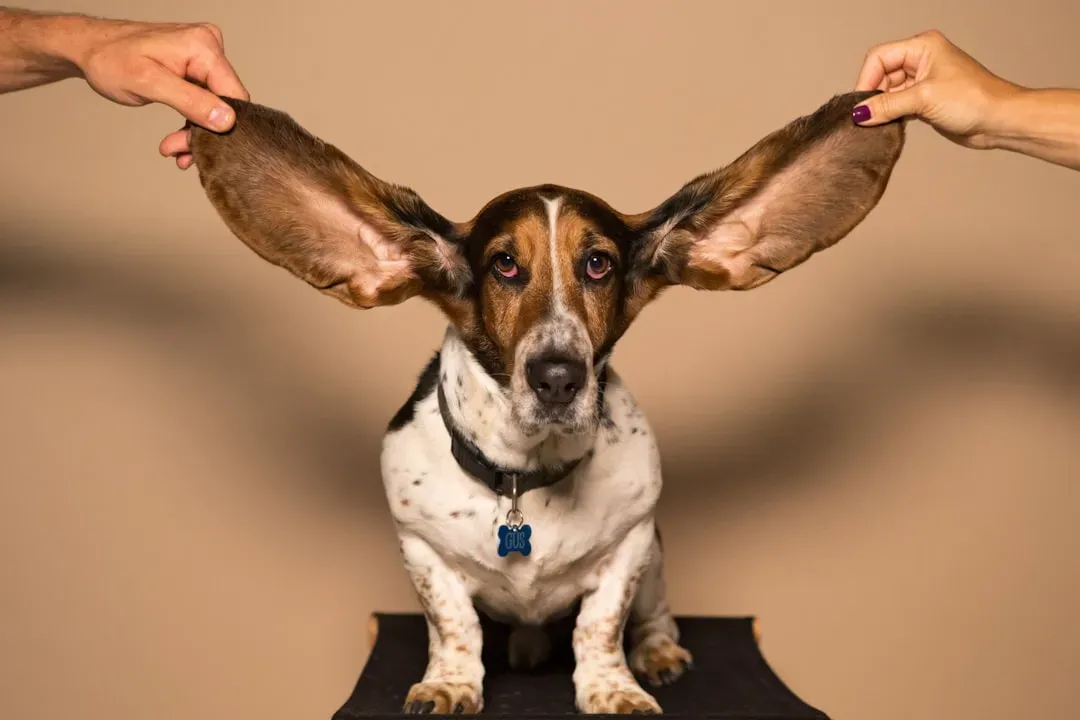
Before we talk about specific sounds, it helps to understand the “why” behind your dog’s fear. Dogs have incredibly sensitive hearing, which allows them to detect sounds that are imperceptible to humans, meaning loud noises can be particularly startling and distressing for them. Think of it like wearing noise-amplifying headphones in a concert hall. Every boom, beep, and buzz hits harder.
When a dog hears an alarming noise, its body floods with stress hormones. This fight-or-flight reaction can cause panting, pacing, barking, trembling, hiding, or even destructive behavior. That’s not drama. That’s biology doing exactly what it was designed to do.
Reported prevalence of noise sensitivities in domestic dogs varies by study, but often ranges as high as roughly half of all dogs. So if your pup struggles with sound, they are absolutely not alone, and neither are you.
The Vacuum Cleaner: The Original Household Monster
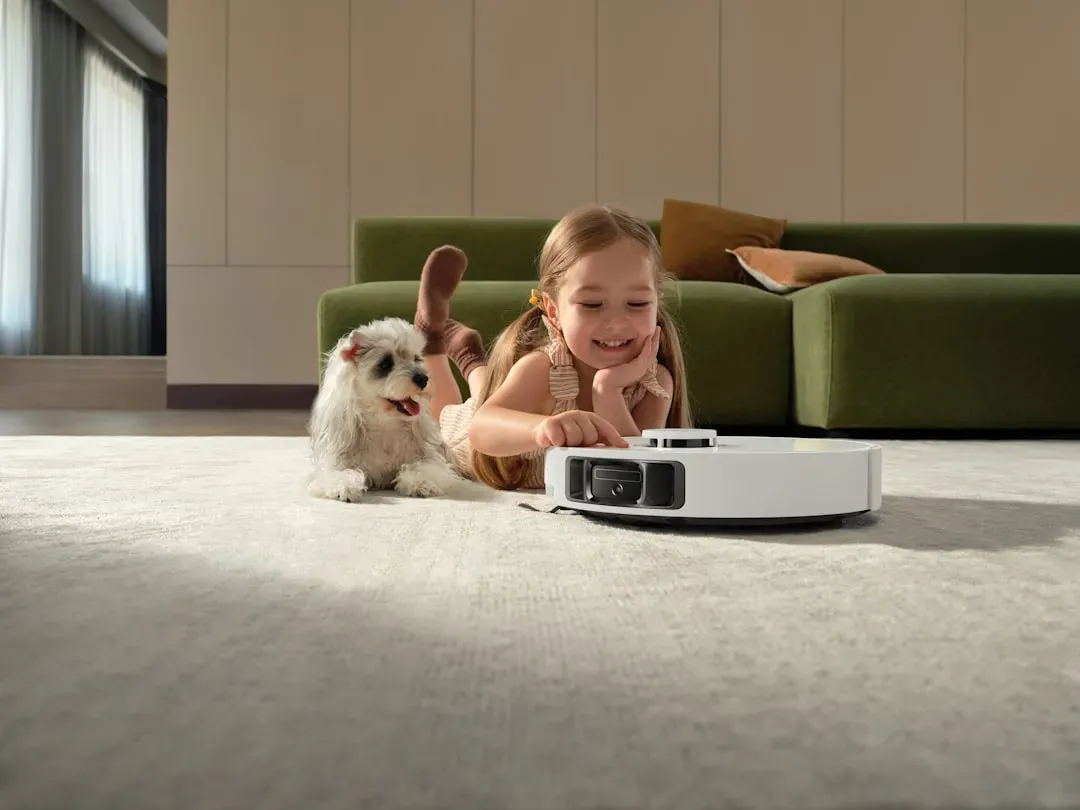
Some dogs attack vacuum cleaners, others hide from them. The dreaded vacuum is one of the most common “villains” in the canine household. Honestly, I get it. The thing roars, it moves unpredictably, and it seems to “chase” your dog around the room. From a dog’s perspective, that’s terrifying on multiple levels.
Household appliances such as vacuum cleaners can cause anxiety in noise-sensitive dogs, and these sounds are not only loud but also often involve a level of vibration that can be unsettling for dogs. The vibration part is something a lot of people miss. Your dog doesn’t just hear the vacuum – they feel it through the floor.
The fix? Start small. Behavioral training techniques such as desensitization and counter-conditioning can be effective. Desensitization involves gradually exposing your dog to the noise at a low level and rewarding them for calm behavior, while counter-conditioning focuses on changing your dog’s association with the noise by pairing it with something positive, like treats or playtime. Leave the vacuum in the room turned off for a few days first. Let your dog sniff it, ignore it, claim it as furniture. Then slowly introduce the sound.
Thunderstorms: More Than Just Noise

Thunder is perhaps the most commonly known sound that scares dogs. It’s not just the loud booms that are terrifying, though. Thunderstorms bring changes in the air, like drops in barometric pressure, which can significantly affect your pup’s behavior. Your dog might start acting anxious long before you even hear the first rumble. That’s not coincidence – they’re picking up on atmospheric changes you simply can’t detect.
Dogs’ sensitivity to changes in barometric pressure can trigger fearful reactions to thunder long before humans even hear it. So when your dog starts pacing on a clear afternoon, check the weather app. A storm might be rolling in quietly.
For thunderstorm anxiety, create a safe, cozy den space before storm season arrives. Providing a safe, quiet space for your dog can help them feel more secure. This space should be away from windows and external noises, and equipped with their favorite toys and bedding. You might also consider using white noise machines or calming music to mask the outside sounds.
Fireworks: The Sound That Sends Dogs Running
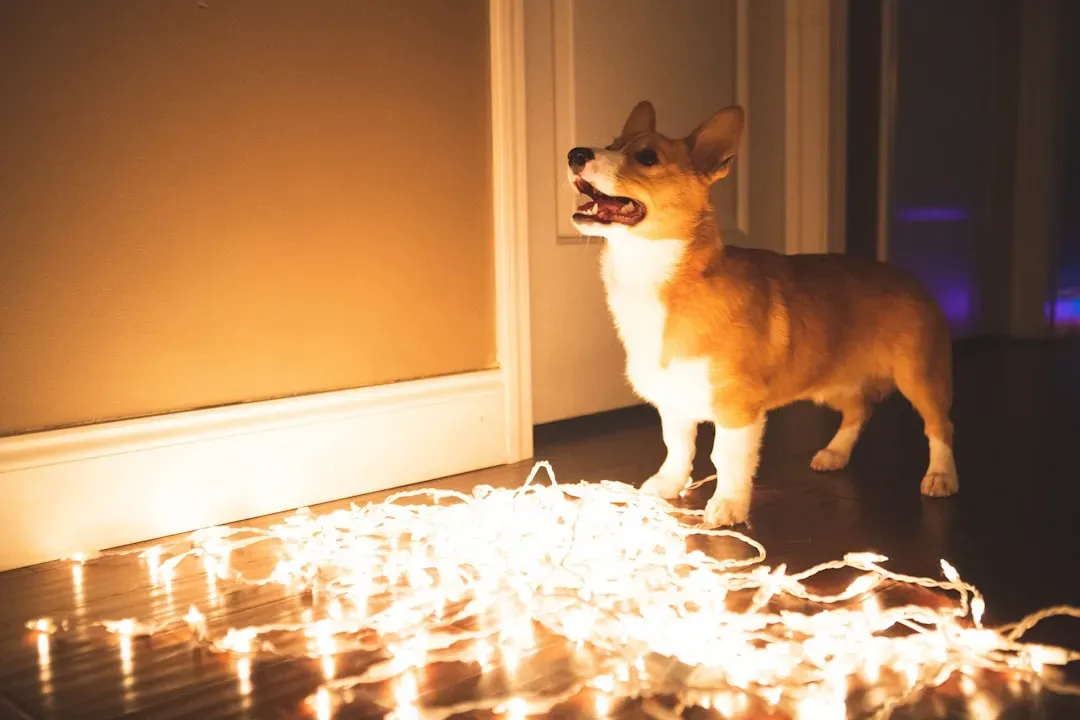
Fireworks are, without question, one of the most dangerous sounds for dogs. When pets get scared, they may try to flee and escape in search of safety. The source of firework noise can confuse dogs, so they may frantically try to escape outside, leading to pets running away from home and putting themselves in danger of injury or getting lost in their most frightened state.
Going for a long hike or spending time playing with pals during the day will help wear out your dog before the fireworks begin. A dog that’s mentally and physically exhausted might be less likely to react to fireworks, so plan a day of fun activities that will leave your dog ready for a snooze. Honestly, that advice works beautifully in practice.
Always ensure your dog can’t bolt. Always ensure your dog’s ID collar and/or microchip information are current, and secure your home and yard as a precaution. A panicked dog will find gaps in fences you didn’t even know existed.
Smoke Detectors and Alarm Beeps: The Sneaky Culprit

This one surprises most dog owners and it surprised me too when I first learned about it. Research found that high-frequency, intermittent noises such as the battery warning of a smoke detector are more likely to cause a dog anxiety, rather than low-frequency, continuous noise. That soft, irregular “chirp” your smoke detector makes when the battery is dying? It’s absolutely maddening to a dog.
A low-battery warning chirp of a smoke detector was found to be the reason for stress behaviors lasting several days in a dog. Days. Not hours. The unpredictability of those random chirps keeps a dog on high alert because they never know when the next one is coming. It’s like waiting for a jump scare that never ends.
The solution here is wonderfully simple. Minimizing exposure may be as simple as changing batteries more frequently in smoke detectors or removing a dog from a room where loud noises might occur. Mark your calendar, change those batteries regularly, and spare your dog the misery.
The Microwave Beep: Tiny Sound, Big Reaction
Let’s be real, the microwave beep feels harmless to us. Three cheerful little tones and your leftovers are ready. To some dogs, however, that high-pitched electronic beeping is genuinely alarming. High-pitched repeated sounds cause more distress than low-frequency continuous ones, which is exactly why those short, sharp microwave alerts land so hard on sensitive pups.
Watch for subtle stress signals around mealtime, especially if you’re using the microwave often. Some common signs of a dog’s anxiety include cringing, trembling, or retreating, but owners may be less able to identify signs of fear or anxiety when behaviors are more subtle. Stressed dogs could pant, lick their lips, turn their head away, or even stiffen their body. Sometimes their ears will turn back and their head will lower below their shoulders.
Counter-condition by offering your dog a small treat every time the microwave beeps. Soon enough, those beeps become a signal for something good rather than something scary. Repetition is your friend here.
The Washing Machine and Dryer: Rumbling Giants

Researchers discovered that high-frequency beeping and low-frequency continuous sounds such as alarm clocks, washing machines, and dishwashers can stress dogs out. The washing machine is especially tricky because it changes sounds mid-cycle, moving through fills, spins, and drains. That unpredictability keeps a dog from ever fully settling.
Many dogs will avoid the laundry room entirely, which is actually their smart way of coping. Respect that choice rather than forcing them near the machine. If your dog goes to hide somewhere, it is better not to approach them or try to bring them out. They are doing what works best for them to cope with the noises, and approaching them can increase their anxiety.
For puppies especially, early, gentle exposure is key. The best way to prevent a fear of noises in dogs is to expose them to noises when they are young. This should include household noises such as washing machines, vacuum cleaners, and the doorbell. A little preparation early on saves a lot of stress later.
The Doorbell: Stranger Danger at 3 Feet Away

Few sounds trigger a dog’s alarm response as instantly as the doorbell. It’s loud, sudden, close to the door (their territory), and it reliably means a stranger is approaching. Sudden, loud noises are one of the most common triggers for fearful behaviors in dogs, and many companion dogs suffer from noise sensitivity. The doorbell checks every box on that list at once.
Some dogs bark frantically, some tremble behind the sofa, and others do both simultaneously. The behavior isn’t defiance. It’s genuine alarm. The fear response is a normal, adaptive behavior that helps protect the individual from harm. Your dog is essentially doing their job, just a little too enthusiastically.
Train a “go to your mat” cue and reward your dog for heading calmly to their spot when the doorbell sounds. Practice it repeatedly with a family member ringing the bell. With enough repetition, the doorbell becomes a cue for calm reward, not for chaos.
The TV and Loud Music: Sound Overload at Home

It’s hard to say for sure which dogs are most affected by this one, but many owners notice their pups becoming restless, clingy, or withdrawn during action movies, video game sound effects, or booming bass from a speaker system. The combination of unpredictable sound bursts and vibration is genuinely overwhelming for sensitive ears. Frequent exposure to loud or high-pitched sounds triggers the release of stress hormones, raising heart rate and blood pressure. Over time, this can cause anxiety, digestive issues, poor sleep, weaker immunity, and heart strain.
Interestingly, the opposite also holds true. Studies show that kenneled dogs’ heart rate variability was higher, indicating decreased stress, when they were listening to soft rock or reggae music. Another study found that classical music can make kenneled dogs sleep more and bark less. So swapping your action thriller soundtrack for something softer during movie night might actually calm everyone in the room.
Give your dog a designated quiet zone away from the main TV area. A cozy crate with soft bedding in a back room works wonderfully. Let them choose to retreat when the sound gets to be too much, and reward them for settling calmly in their space.
The Hairdryer: Hot, Loud, and Right in Their Face

The hairdryer is a triple threat. It’s loud, it emits heat, and it often gets pointed in a dog’s direction during grooming. Vacuum cleaners and similar appliances like hairdryers aren’t just loud, they also invade your dog’s space. The whining motor is most likely what bothers them most. Add warm air blowing at them and it’s genuinely overwhelming, even for a calm dog.
Many grooming-related fears start right here, with early bad experiences involving a hairdryer. There are several reasons why a dog may develop a type of fear, such as a negative experience around a specific noise, lack of early socialization as a puppy, underlying illness, or because of worsening anxieties as they age due to changing brain chemistry. If your dog had a stressful grooming appointment as a pup, the hairdryer’s sound alone can bring that memory flooding back.
Introduce the hairdryer slowly, treating it like any desensitization process. Turn it on in another room first. Gradually bring it closer over multiple sessions, always pairing the sound with treats and praise. Never rush the process – patience here is everything.
A Gentle Reminder: You Are Your Dog’s Safe Place

If there’s one thing I hope you take from all of this, it’s that your dog’s fear is real, valid, and manageable with patience and love. Studies have found that owners not only underestimated their dogs’ fearfulness, but the majority of people responded with amusement rather than concern over their dog’s welfare. We can do better than that, and honestly, most of us want to.
There are many behavioral modification techniques that can help dogs learn to relax when faced with loud noises, but the most common approach is to teach dogs to associate scary sounds with something positive. Whether it’s treats, cuddles, calm music, or a well-placed safe space, small consistent steps add up to enormous change over time.
When things feel unmanageable, please don’t hesitate to reach out for professional support. If your dog’s fear, anxiety, and stress feel unmanageable, speak to your veterinarian or consider a referral to a veterinary behaviorist, as more extensive treatment including medications and behavior modification may be needed. There is no shame in asking for help. That’s what great dog owners do.
Your home should feel safe for every single member of your family, including the one with four legs and the most expressive eyes you’ve ever seen. With the right knowledge and a whole lot of compassion, you can give your dog the peaceful, secure life they deserve. What’s the sound your dog fears most? Drop a comment and let’s talk about it.


