
You come home after a long day, and there it is. A chewed sofa cushion, a half-eaten shoe, a suspicious pile of fluff where your favorite throw pillow used to live. Sound familiar? Here’s the thing most people don’t realize – your dog wasn’t being naughty. They were just desperately, creatively, magnificently bored.
The key to a happy and healthy dog is regular enrichment and allowing them to engage in their innate behaviors, such as playing, chasing, smelling, chewing, and scavenging. By allowing your dog to engage in these behaviors, you allow them to be physically, emotionally, and mentally satisfied. The best part? You don’t need to spend a fortune on fancy store-bought toys. The answer might literally be sitting in your recycling bin right now. Let’s dive in.
1. The Humble Cardboard Box: A World of Adventure in Plain Sight
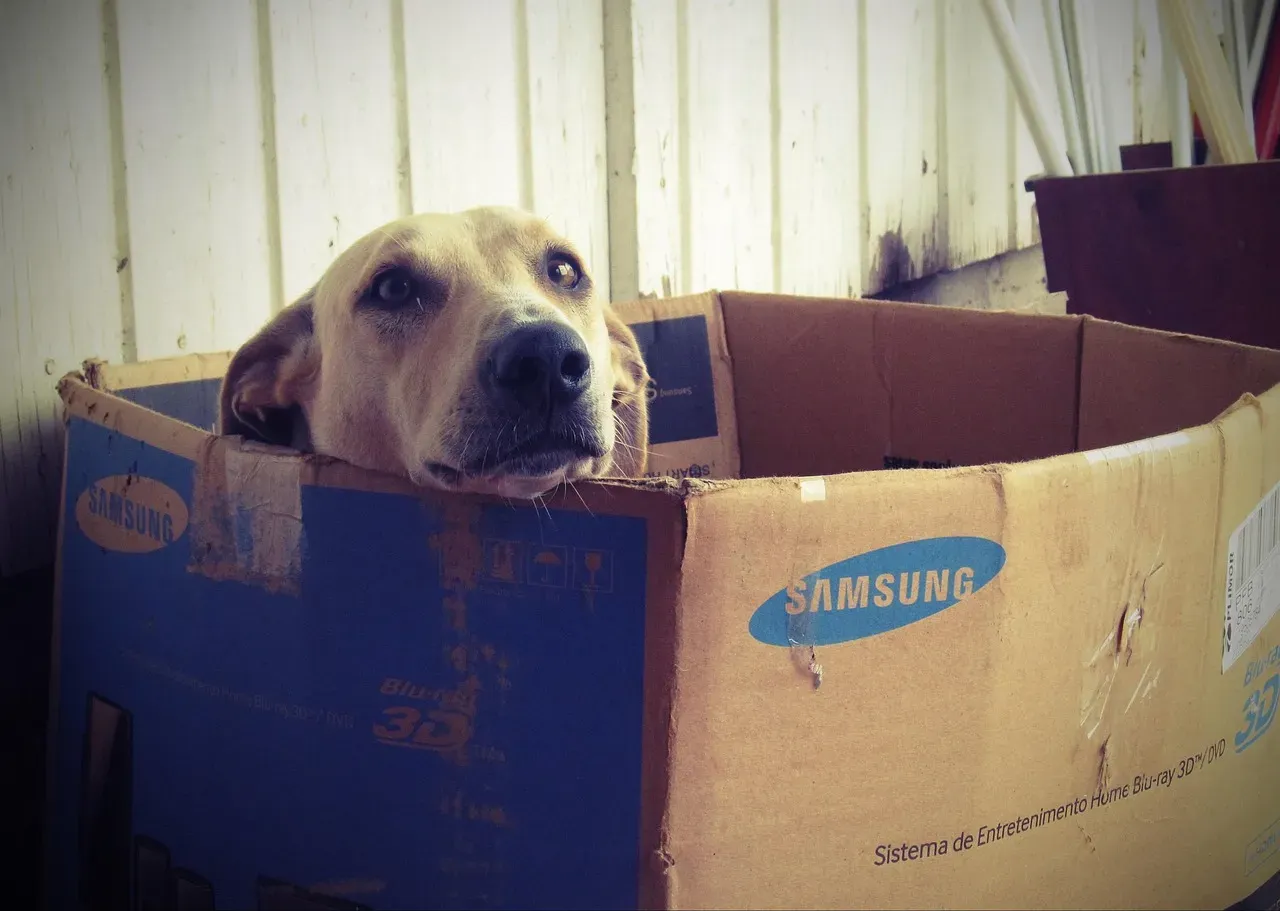
I know it sounds crazy, but that Amazon delivery box your dog has been eyeing since it landed on the doorstep is practically a gift from the universe. Cardboard boxes are a multipurpose item and can create several fun toys for pets of all sizes. Think of it like a treasure chest – the kind that crinkles, tears, and smells wonderfully of the outside world.
You can create a puzzle for a dog by placing a high-value, smelly treat inside a small box and nesting that box inside one or two others. Watch your dog work for the reward in the center box. Always supervise, though. Always supervise to ensure your dog doesn’t ingest any cardboard or small pieces. Once the box is soggy or shredded beyond recognition, toss it and grab the next delivery.
2. Toilet Paper and Paper Towel Rolls: The Zero-Cost Puzzle Feeder
Creating toys from cardboard rolls is a great way to recycle items you likely would throw away. A paper towel or toilet paper roll puzzle feeder requires dogs or cats to work for their food and solve a problem. Honestly, the simplicity of this one still surprises me every time I recommend it – and dogs go absolutely wild for it.
A simple puzzle feeder can be made from a cardboard paper towel tube. Cut random holes in the tube, add some treats to the tube, and press in the ends to close. Covering the tube with paper and twisting the paper ends adds extra challenge. Start easy, then make it harder as your pup figures it out. That gradual difficulty curve is the secret sauce to keeping them engaged long-term.
3. A Muffin Tin and Some Tennis Balls: The Classic Brain Game
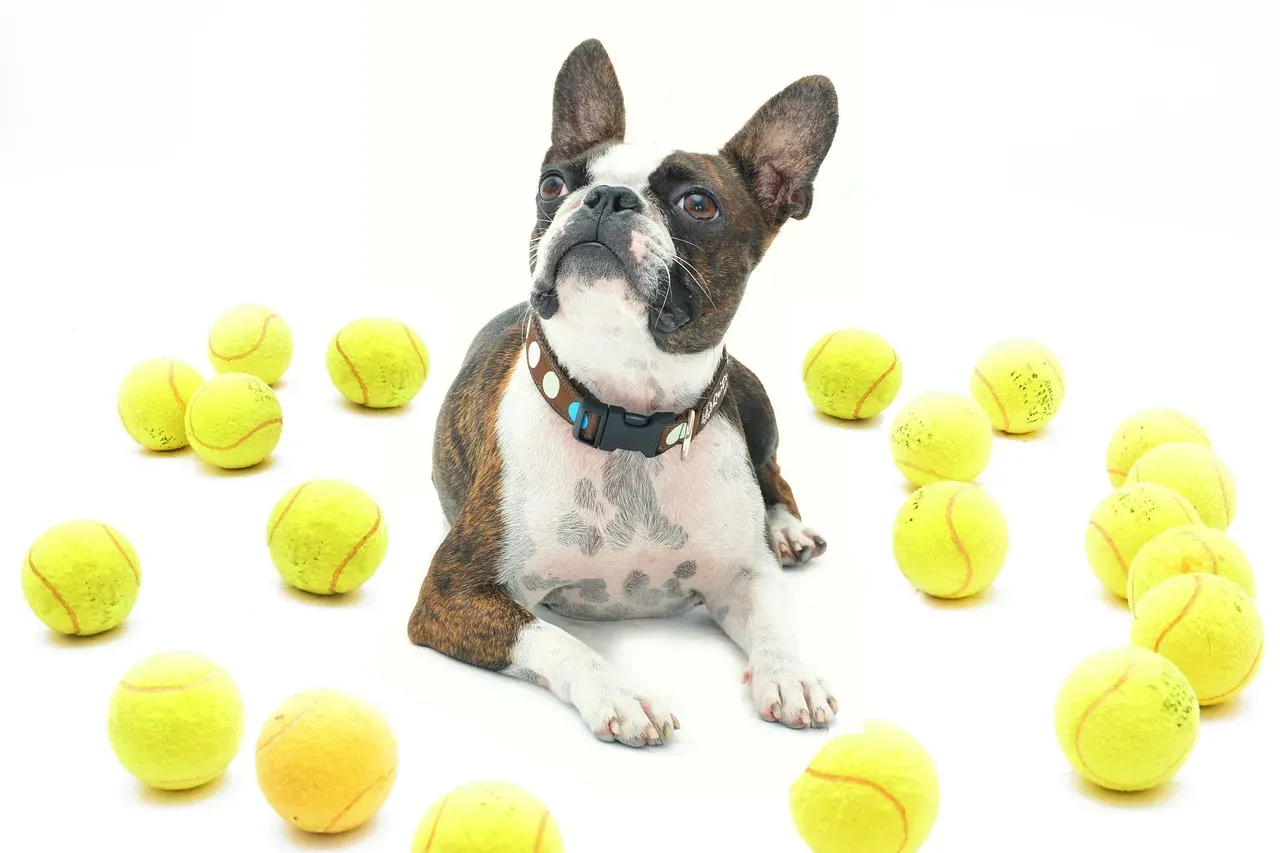
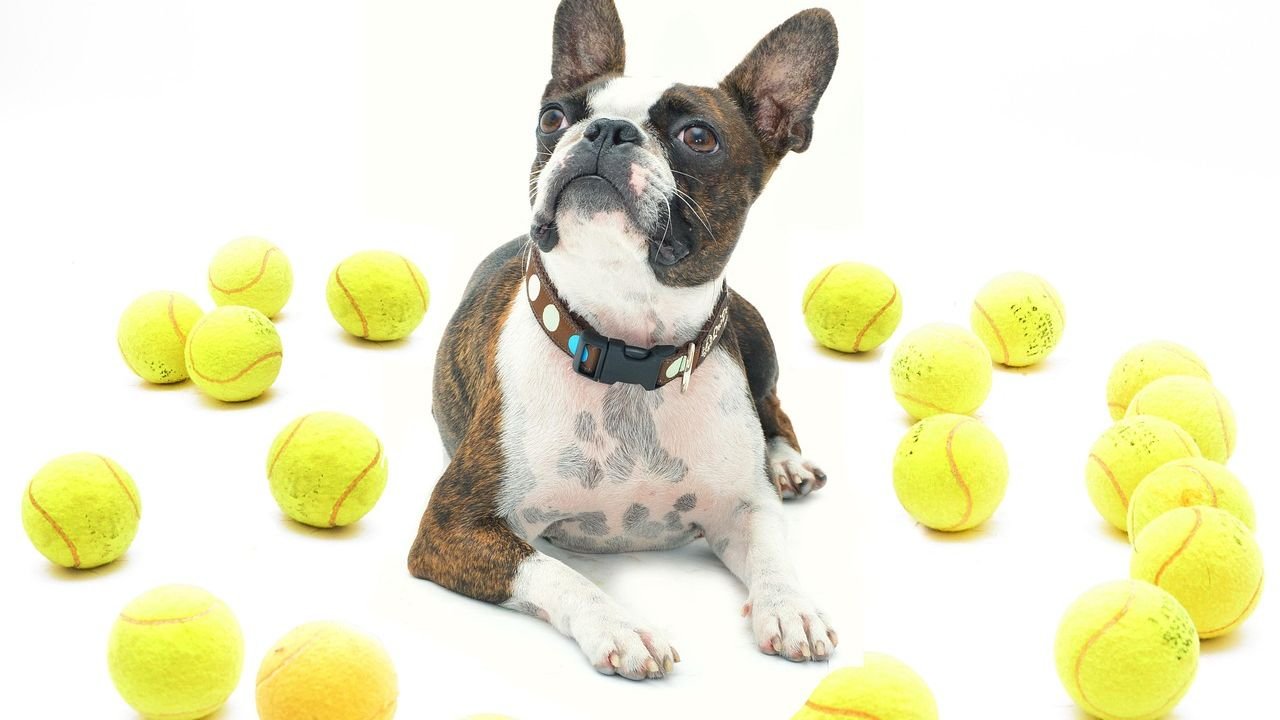
This one is genuinely one of my all-time favorites to recommend because it uses things almost every household already owns. You can use a muffin tin to create a simple yet effective puzzle. Place treats in some of the tin cups and cover them all with tennis balls. Your dog will enjoy uncovering the hidden treasures, employing a mix of scent detection and strategic thinking.
Making mealtime fun, challenging, and interactive is a great way to satisfy your dog’s innate instincts and curiosities. Every meal is an opportunity for enrichment, and food puzzles are a great way to slow down your dog’s eating and provide mental stimulation. If your dog wolfs down their food in three seconds flat, this setup can transform dinner into a satisfying ten-minute adventure. That alone is worth its weight in gold.
4. An Old Towel or Blanket: The Sniff-and-Find Game Your Dog Will Obsess Over

Your dog’s nose is doing something extraordinary every single second. The part of the dog’s brain that is devoted to analyzing smells is, proportionally speaking, 40 times greater than ours. Utilizing a dog’s sense of smell is another great way to engage their brain and enrich their lives. A simple old towel is the perfect tool to put that superpower to work.
Use a towel or blanket to create your own sniff-and-find game. Lay a towel flat and scatter small treats or kibble across the surface. Roll or fold the towel to hide the treats within the layers. Let your dog sniff and unroll the towel to uncover their rewards. This simple activity taps into their natural foraging instincts while offering a rewarding challenge. Watch their whole body language soften and focus. It’s genuinely one of the most calming activities you can offer an anxious or overstimulated pup.
5. Plastic Cups and Bowls: A Shell Game Built for Four-Legged Detectives
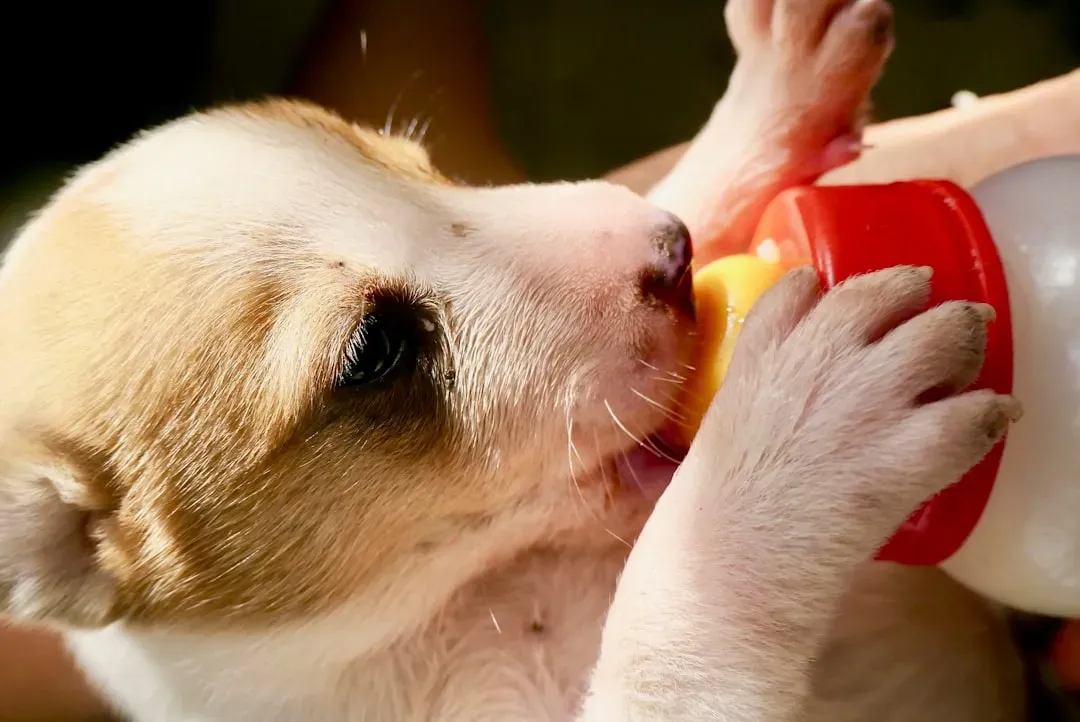
Let’s be real – this is basically the classic street magician shell game, dog edition. Plastic cereal bowls and juice cups can provide a puzzle challenge for your dog. Place a treat in one or more bowls and let your dog search by using their nose. The game can be as challenging as your dog likes and it is easy to vary. Stacking bowls, cups in the bowls, upside-down bowls, and refilling bowls already searched can all create a new twist for the activity.
This is especially wonderful for older dogs or dogs recovering from injury, since it’s a low-impact activity that still fires up their brain beautifully. Most researchers also believe that daily enrichment activities, including play, can help prevent or delay cognitive decline onset in older dogs. Think of it as a daily crossword puzzle for your senior pup. Simple, brilliant, and completely free.
6. Old T-Shirts and Jeans: Tug Toys That Smell Like You
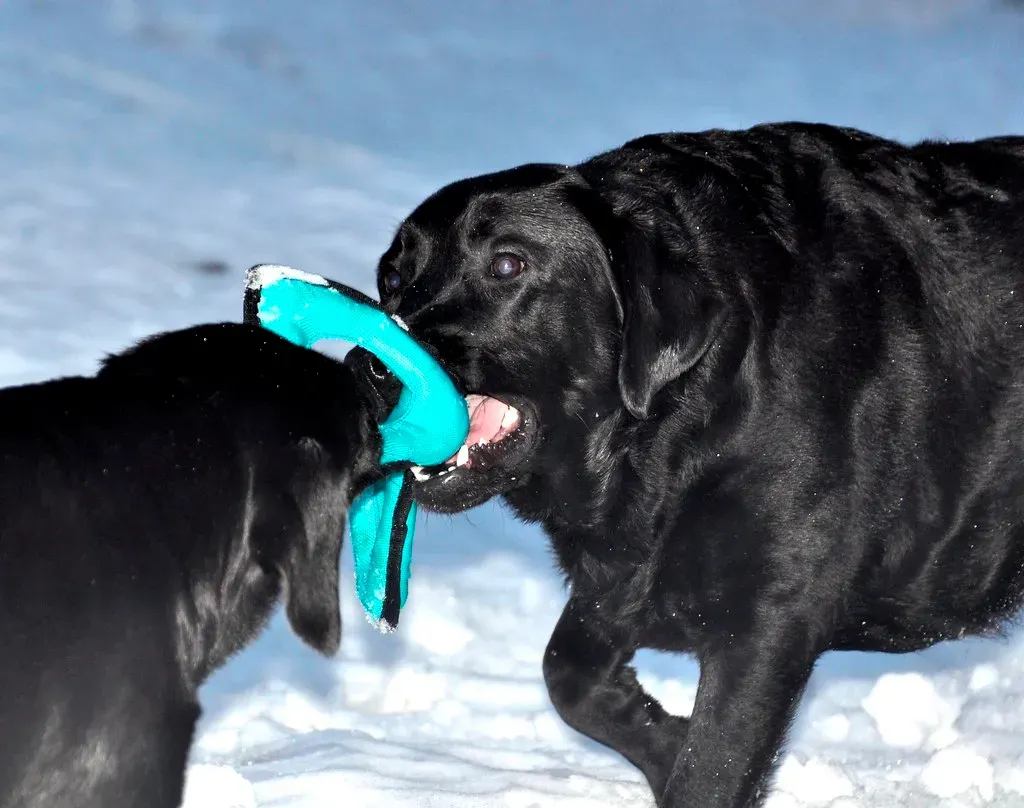
Here’s something that might surprise you. Dogs are deeply comforted by your scent – it’s one of the reasons they steal your laundry in the first place. That stack of T-shirts in the closet that nobody is wearing can be turned into a T-shirt rope toy for your dog. Cut them into long strips and braid them together tightly, and you’ve got a tug toy that costs absolutely nothing.
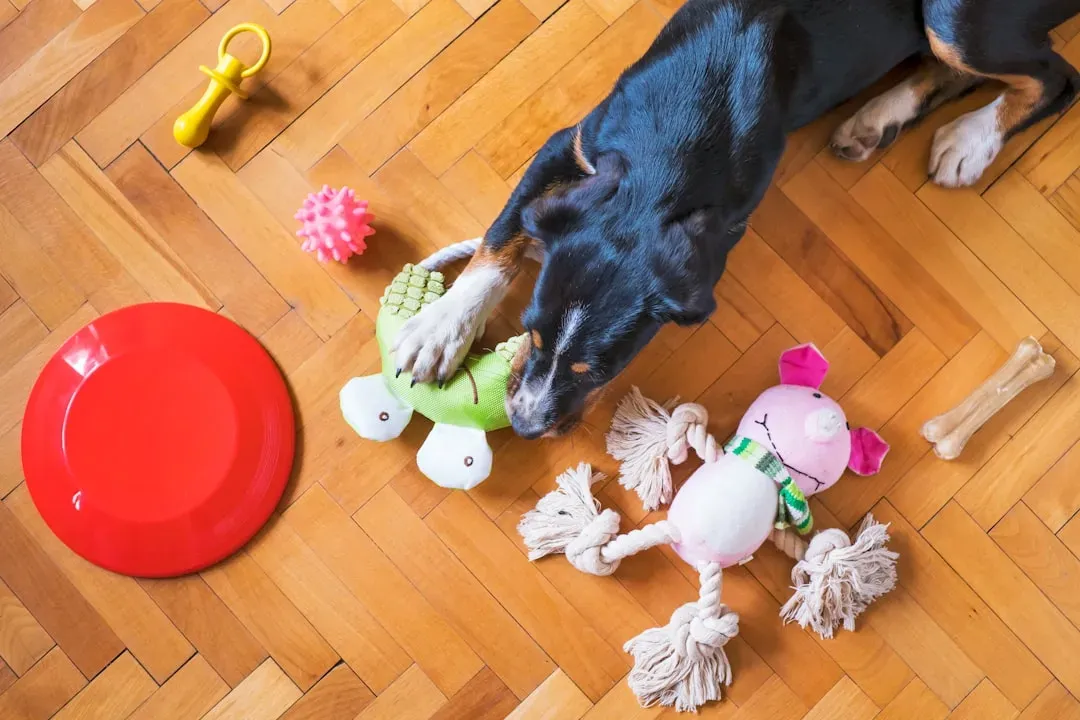
Chewing, shredding, and dissecting are all part of a dog’s natural behavioural repertoire, especially for puppies, adolescents, and high-energy dogs who need an outlet. Giving your dog safe options for this kind of destruction can prevent furniture casualties, reduce frustration, and satisfy their need to bite, rip, and tear. If your dog has been chewing things they shouldn’t, this is your first port of call. Give them something appropriate to destroy, and watch the sofa breathe a sigh of relief.
7. An Empty Plastic Water Bottle: The Crinkly Treat Dispenser
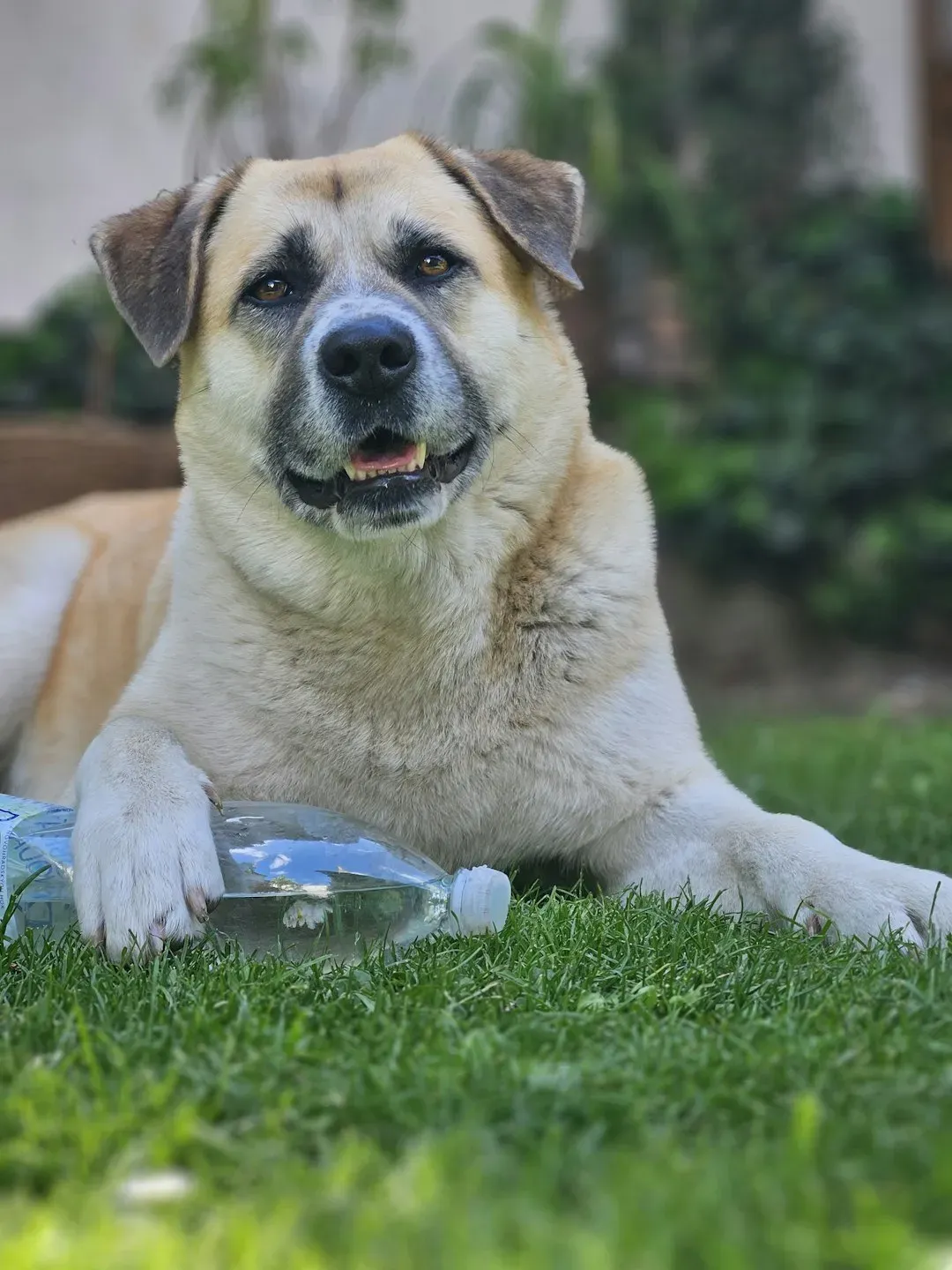
Transform an ordinary plastic bottle into a captivating puzzle toy. Remove the bottle cap and place a handful of treats inside. Treats will be dispensed intermittently as your dog rolls and nudges the bottle, encouraging active play and problem-solving. The crinkly sound it makes? That’s like a dinner bell and a toy all in one for most dogs.
A word of caution, though. Larger dogs may simply try to chew through the bottle, which isn’t safe. So keep a close eye on those big chewers, and swap the bottle out the moment it starts breaking apart. Also remove the label and cap before handing it over – small pieces are a choking hazard. Supervision is everything here.
8. A Silicone Baking Mat or Ice Cube Tray: The DIY Lick Mat
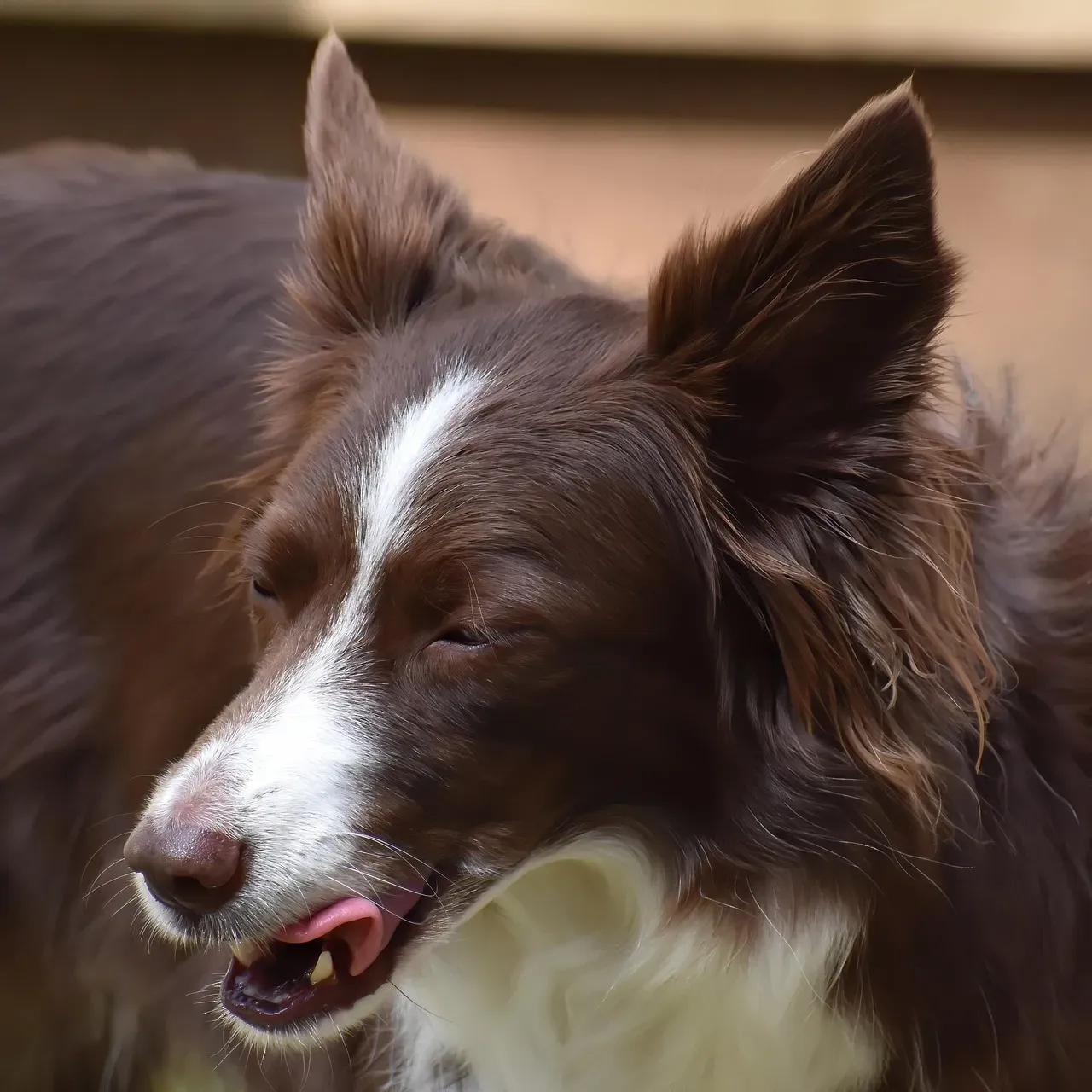
If you have a dog who’s nervous, reactive, or just wired from a busy day, licking is one of the most genuinely soothing behaviors available to them. It’s almost meditative for dogs. You can create a lick mat for your dog from a variety of items you might already have. Spread a thin layer of peanut butter on a cutting board and freeze it before giving it to your pup. Silicone pot mats or trivets also make great lick mats due to their texture and can be tossed in the dishwasher for easy cleaning.
Chewing and licking can be self-soothing for dogs. You can give them more rewarding options with food-stuffed items and lick mats. You can use anything from canned wet food or yogurt to peanut butter or pumpkin puree. Freezing these treats before giving them to your dog will keep them occupied for even longer. One quick safety note: always double-check that your peanut butter is xylitol-free, since xylitol is toxic to dogs. A quick label read could save a life.
9. Pillows, Chairs, and a Broomstick: The Indoor Agility Course
This one is a bit more active, and honestly, it’s as much fun for you as it is for your dog. Create an agility course using common household items and customize it to your dog’s abilities. This boredom buster is perfect for dogs who love to run, jump, and play – and you also get to bond with your dog while keeping them busy and stimulated. Use blankets, pillows, and plastic cups to create obstacles for your dog to navigate. Add a jumping bar by placing a broomstick between two chairs or on top of step stools if your pup is shorter.
Start with obstacles your dog can clear comfortably, and use encouragement and treats to guide them through. If your dog gets frustrated easily, don’t go straight to the trickiest version. Let them succeed a few times first – that builds confidence and keeps their motivation high. Think of it like building a little athlete – one confident jump at a time. The tail wags that follow are worth every rearranged cushion in the house.
A Final Thought Worth Holding Onto
Here’s the beautiful truth: your dog doesn’t need a toy store. They need you, a little creativity, and the understanding that their minds are just as hungry as their hearts. Pups that have opportunities to engage their senses are happier, healthier, and less likely to become bored, which can lead to destructive behaviors. Every cardboard roll, worn-out T-shirt, or muffin tin you repurpose is a small act of love that speaks directly to who your dog is at their core.
All dogs have natural behaviors they want to express – including chewing, running, chasing, shredding, digging, fetching, sniffing, barking, and playing. Enrichment means giving your dog opportunities to express these natural behaviors, which is crucial to their physical and emotional welfare. Best of all, enrichment strengthens the bond between you and your dog. So the next time you’re about to toss that empty box into the bin, maybe pause for just a second. Your dog might have other plans for it.
Which of these nine household items is your dog going to get first? Drop a comment below and let us know – we’d love to hear about the chaos and the joy!


