
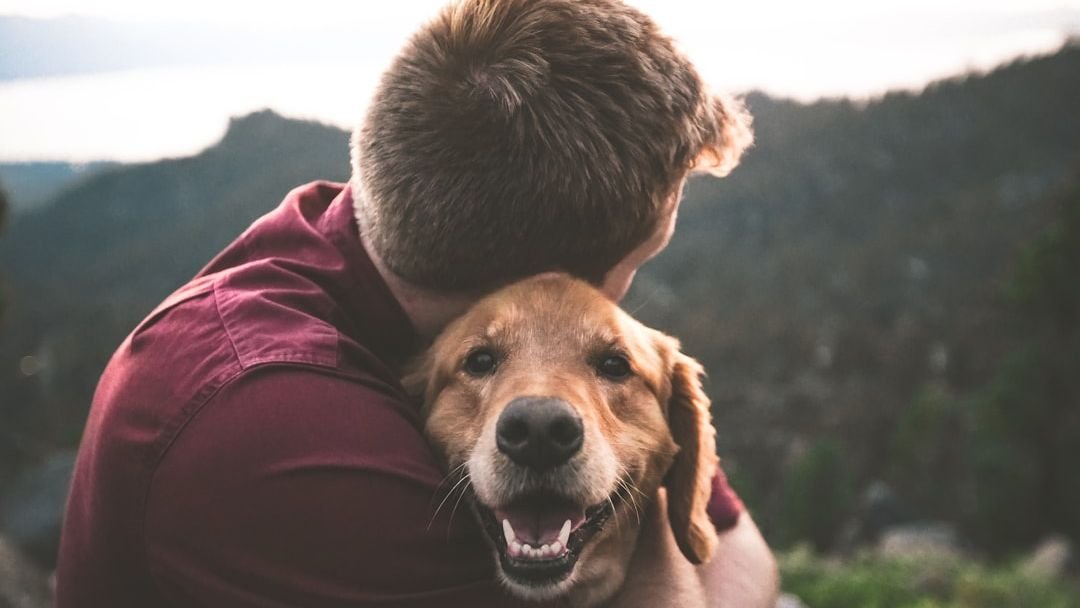
There’s a quiet revolution happening in living rooms, backyards, and veterinary clinics all over the world. The way we understand dogs – their emotions, their fears, their needs – has changed dramatically. And honestly? It’s about time.
For decades, many of us were told to be the “alpha,” to dominate our dogs, to never let them on the furniture, and to chalk up destructive behavior to spite or stubbornness. Science has since dismantled nearly all of that. Today, modern dog care is built on empathy, evidence, and a deeply human recognition that our dogs are feeling, thinking companions who deserve so much more than obedience. Let’s dive in.
Your Dog Has Feelings – And They Matter More Than You Think

Here’s something that still surprises people: it is widely accepted that dogs are sentient beings who experience emotions. Not just happiness and fear, but a whole spectrum of inner states that shape how they behave, how they eat, and even how healthy they stay. Think of it like an iceberg – most of what your dog is feeling is happening just beneath the surface.
Current conversations about wellbeing in animals predominantly revolve around how their physical reality relates to their mental state. However, we have a responsibility to make a better world for our dogs by providing them with opportunities to thrive, rather than just the minimum requirements for good welfare. That’s a huge shift in thinking. It means food and shelter are a starting point, not the finish line.
Research suggests dogs are sensitive to our emotional states as well as our social gestures, and they also can communicate with us using complex cues such as gaze alternation. Your dog isn’t just “being a dog” when they look deeply into your eyes. They’re actively reading you. That’s both beautiful and a little humbling, isn’t it?
Dogs can detect changes in human scent linked to stress hormones such as cortisol and adrenaline, and respond accordingly. When they sense sadness or distress, many dogs naturally offer comfort by sitting extra close, nudging your hand, or resting their head in your lap. So the next time your dog refuses to leave your side on a rough day, know that it’s not coincidence. It’s connection.
The Behavior Crisis No One Is Talking About

I’ll be honest – this one shocked me when I first came across the data. A study of over 43,000 dogs reveals that more than 99% exhibit some form of behavior problem. Published in the Journal of Veterinary Behavior, the research categorized issues into four main areas: aggression, separation/attachment, fear/anxiety, and housesoiling, finding that most dogs have behaviors ranging from moderate to severe.
Let that sink in for a second. Nearly every dog. One of the key findings was that nearly nine out of every ten dogs showed moderate to severe separation and attachment issues. Aggression-related problems affected more than half of dogs, and nearly half experienced fear and anxiety. These aren’t “bad dogs.” These are dogs living in environments that don’t always meet their deep emotional and behavioral needs.
Better care starts with owners learning to read their dogs’ body language and seeking help when necessary to prevent minor issues from escalating. The good news is that awareness is the first step, and you’re already here reading this. That matters enormously.
Separation Anxiety: The Silent Panic Attack in Your Home
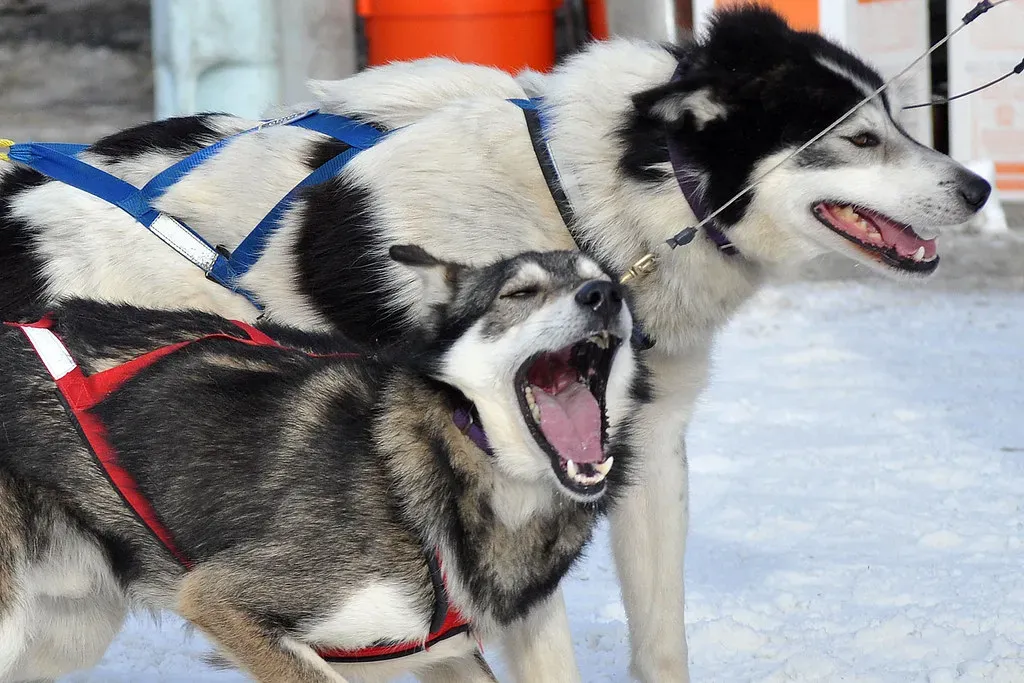
Picture this: you grab your keys, slip on your shoes, and your dog immediately begins to pace. By the time you close the front door, they’re howling. What looks like “bad behavior” is actually something far more painful. Separation anxiety is when your dog exhibits extreme stress from the time you leave them alone until you return. The symptoms can vary, but they will act as if they are terrified to be in the house on their own.
Dogs with separation anxiety vocalize, become destructive, or eliminate beginning either as the owners prepare to leave or shortly after departure. Destructive activity is often focused on owner possessions, or at the doors where owners depart or the dog is confined, and most often occurs shortly after departure. It’s not revenge. It’s raw panic. And knowing that changes everything about how you respond.
Prevention works best with gradual practice: start with short absences and slowly build up the time away. Keep departures and arrivals calm, establish a predictable routine, and provide enrichment such as toys, food puzzles, and scratching posts. Create safe, positive resting places like a kennel or cozy corner where pets consistently get treats and have good experiences. Small, consistent steps can genuinely transform your dog’s sense of security over time.
Separation anxiety in puppies and dogs isn’t always preventable, despite your best efforts. Once separation anxiety has taken hold, it can be a complicated process to treat. Consider working with a Certified Applied Animal Behaviorist or a veterinary behaviorist to help smooth the process. Asking for professional help isn’t a failure. It’s one of the most loving things you can do.
Ditch the Dominance: Why Positive Training Changes Everything

Let’s be real – the old “alpha” model had a good run, but the science has caught up with it. As canine training has shifted from the old obedience-driven model directed at show dogs to a more relationship-based approach aimed at companion dogs, trainers have discovered that the use of negative reinforcement and positive punishment actually slow a dog’s progress, because they damage its confidence and, more importantly, its relationship with a handler.
Science has spoken about the effectiveness of positive reinforcement methods. Modern behavioral and cognitive science has shown that positive reinforcement is the safest and most effective way to train dogs. Think of it this way: you learn better when your teacher encourages you, not when they shout at you. Dogs are no different.
When a dog solves a problem and receives a reward, their brain releases dopamine. This is the “seek” system in action. Dopamine creates a feeling of anticipation and pleasure. It strengthens the neural pathways associated with that specific action. In other words, rewarding good behavior isn’t just kind – it’s biologically powerful.
Unlike punishment-based methods that merely suppress unwanted behaviors temporarily, positive reinforcement creates permanent behavioral changes. When dogs consistently receive rewards for good behavior, they internalize these actions as their default responses. This means less need for ongoing corrections and more reliable behavior over time. That’s the kind of transformation every dog parent hopes for.
Mental Enrichment: Your Dog’s Brain Needs a Workout Too
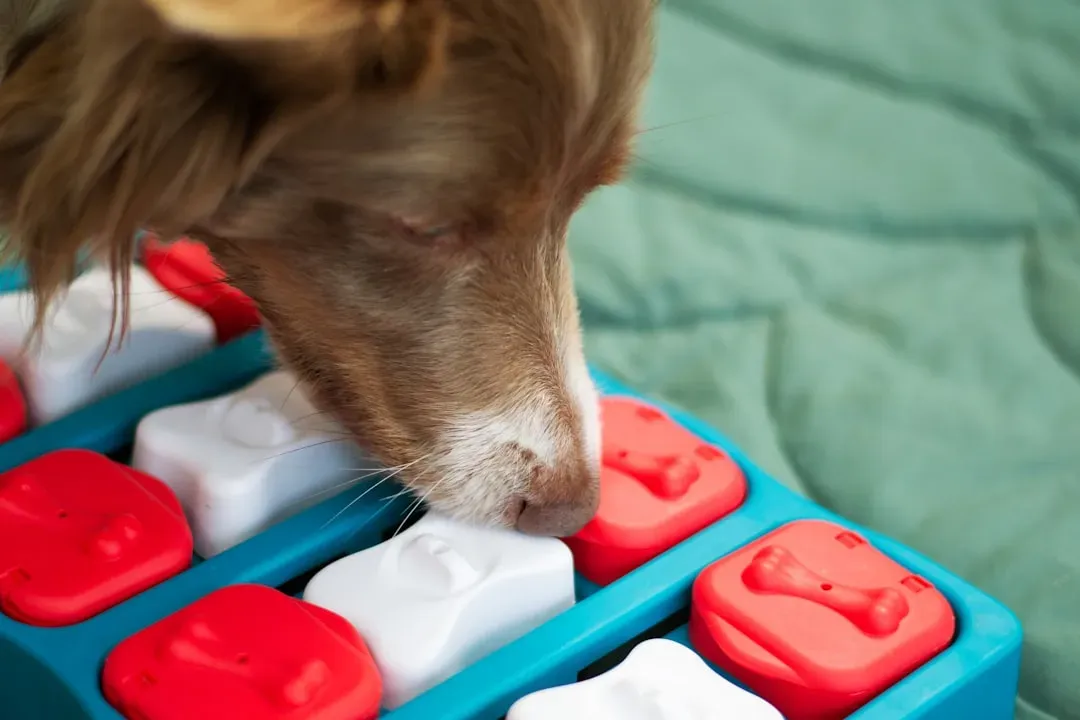
We obsess over walks and runs for our dogs – which is great! But here’s the thing: a tired body doesn’t always mean a satisfied mind. Pet parents are prioritizing mental health and enrichment in their pets. By gaining a deeper understanding of pet behavior and development, pet health care offers new approaches for pets of all ages. Some examples include training puzzle games, scent work, toys, and activities that promote structure like agility classes.
Boredom can lead to anxiety and destructive behaviors. Use puzzle toys, obedience training, or scent games to keep your dog’s mind active. Think of a bored dog like a toddler stuck indoors on a rainy day. Things will get chewed. Things will get loud. The solution isn’t punishment – it’s engagement.
To give your dog a happy, fulfilled life you need to balance levels of comforting predictability with stimulating novelty in their environment, as well as providing choice and enabling agency. That’s a surprisingly sophisticated idea. Dogs thrive when they feel safe but aren’t bored. Routine plus novelty. Like the best kind of life, really.
The Health Connection: When Emotions Show Up in the Body
Modern dog care has finally connected two things that should have always been linked: emotional health and physical health. They are not separate. Chronic stress can make other behavior problems more likely. It may also contribute to medical conditions such as gastrointestinal issues in dogs. A dog that seems “off” physically might actually be telling you something emotional.
Withdrawal, excessive barking, changes in appetite, or avoidance may be signs of emotional distress or even pain. Don’t ignore these signs. These aren’t quirks. They’re your dog’s way of waving a flag, asking for help in the only language they have.
In one study, key predictors for cancer development included time in the study, exercise frequency, pace, and duration – especially swimming – underscoring the role of exercise intensity in cancer risk. The data keeps coming in, and it keeps saying the same thing: how you care for your dog’s body and mind has long-term consequences. Prevention and attentive daily care are powerful medicine.
In addition to treating conditions, preemptive care has taken a front seat and “comprehensive wellness care” works to extend a pet’s life and well-being. This proactive approach focuses on preventing disease and maintaining optimal health through consistent vet visits and personalized care. Your vet is your partner – not just someone you call when something goes wrong.
A Final Thought From One Dog Lover to Another

Modern dog care isn’t about being a perfect parent. It’s about being a curious, attentive, and compassionate one. The old rules were written without the science we have today. Now we know dogs feel deeply, struggle genuinely, and thrive profoundly when they’re understood rather than simply commanded.
Your dog isn’t asking for a flawless home. They’re asking for one where they feel safe, seen, and loved in a language they understand. The research is clear, and the path forward is warm.
You already love your dog. Now you have the tools to love them better. What part of your daily routine with your dog do you think you’d most like to change first? Share your thoughts in the comments – we’d love to hear from you.


