

You’ve done everything right. Daily walks, consistent training, a cozy bed, plenty of cuddles. Yet something still feels off. Maybe your dog is more anxious than usual, snapping unexpectedly, or just looking a little… deflated. Before you book another training session or spiral into worry, consider this: the answer might be sitting right there in their food bowl.
The link between what your dog eats and how they feel emotionally is one of the most fascinating, and honestly underappreciated, areas of canine health right now. Most of us think of food as fuel for muscles and bones. But the story goes so much deeper than that. Let’s dive in.
The Gut Is Your Dog’s Second Brain (No, Really)

Here’s something that genuinely blew my mind when I first came across it. The gut-brain axis refers to the constant communication between the brain and the gastrointestinal tract, and because of this, the enteric nervous system is often called the body’s “second brain.” Think of it like a dedicated phone line running between your dog’s belly and their brain, open 24 hours a day.
The digestive system and the brain are in constant communication through the gut-brain axis, a two-way connection that enables signals and information to affect various aspects of a dog’s life, including their mood, stress levels, and behavior. So yes, every time your dog eats, that food is sending messages straight upstairs.
More specifically, the gut-brain axis refers to the bidirectional communication pathway between the gastrointestinal tract and the central nervous system, encompassing intricate networks of neurons, hormones, and immune cells. It’s complex, but the takeaway is beautifully simple: a healthy gut helps create a happy, balanced dog.
Serotonin, Dopamine, and the Feel-Good Factory in Your Dog’s Belly
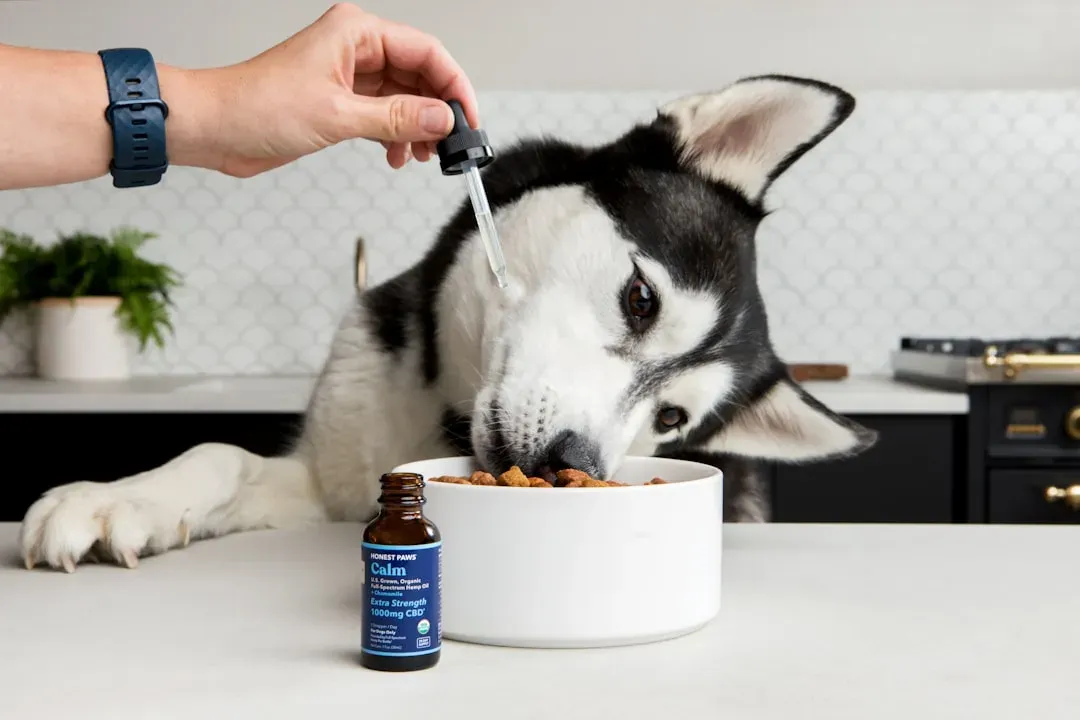
We usually think of serotonin and dopamine as brain chemicals. The surprise? A huge portion of them are actually made in the gut. About 90% of serotonin, the “feel-good” neurotransmitter, is synthesized in the enterochromaffin cells of the GI tract. That’s almost all of it, produced right there in your dog’s digestive system.
It is thought that around 70% of serotonin is made in the gut. Dopamine is the “reward” neurotransmitter, which helps your pet feel good when anticipating a reward. Just thinking about eating that treat releases dopamine. It is also involved in mood, decision making, motor function, and the control of other hormones.
Gut bacteria regulate neurotransmitters such as serotonin, dopamine, and GABA, which are important to mood and impulse control. Poor gut health can lower levels of these neurotransmitters, resulting in behavior changes consistent with anxiety, irritability, and other abnormal behaviors. Honestly, knowing this changes everything about how we view our dog’s emotional life.
When the Gut Goes Wrong: Signs Your Dog’s Mood Is Diet-Linked

The tricky part is that a gut imbalance doesn’t always look like a tummy issue. It can disguise itself as bad behavior. Anxiety, aggression, or sudden and unexplained behavioral changes may be linked to your dog’s gut health, and the canine gut-brain connection can influence overall mood, behavior, and mental state. Your “difficult” dog might actually be an uncomfortable dog.
Eating of non-food items, a behavior called pica, such as clothing, beds, couches, and toys, or destructive chewing can indicate underlying gastrointestinal distress, not merely “bad behavior.” So before you label your pup as naughty, consider whether their gut might be screaming for help.
Itching, scratching, gnawing at feet or skin, and chronic ear infections may indicate that your dog has food sensitivities or allergies. Poor gut health leads to an overactive immune system that reacts to certain foods and ingredients. Skin flare-ups and mood swings together? That’s often a gut health red flag worth investigating.
The Processed Food Problem: What That Bag of Kibble Might Actually Be Doing
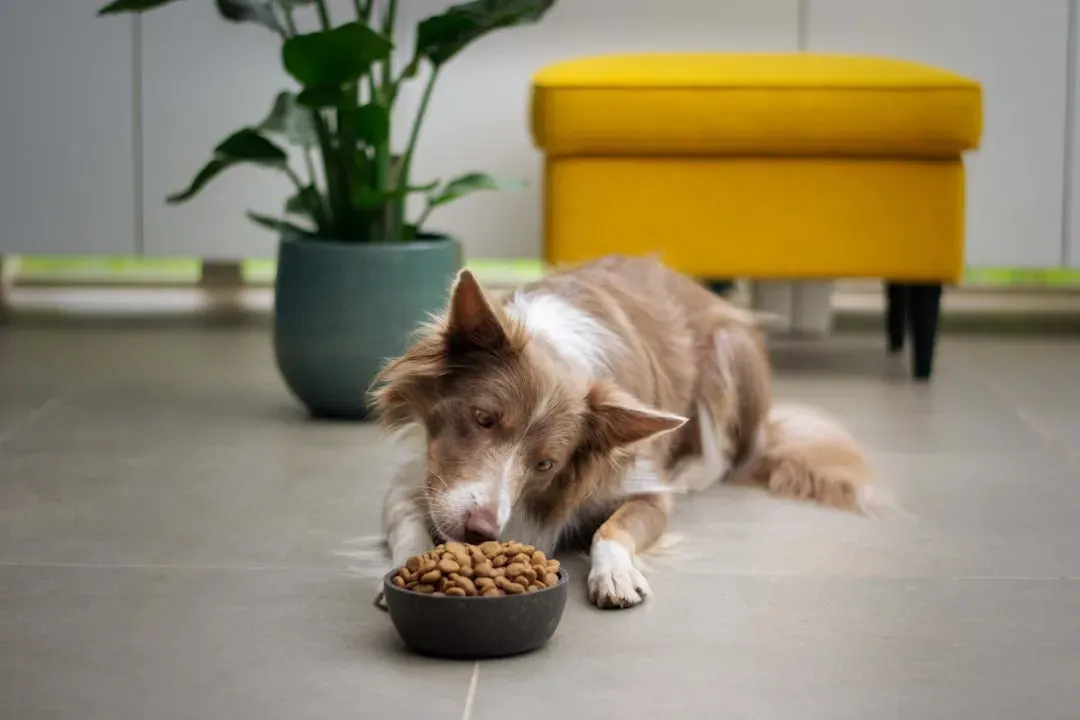
Let’s be real for a moment. Most dogs are eating highly processed food every single day of their lives, and we rarely question it. Poor dietary choices, such as high-sugar, high-fat, and processed foods, can lead to dysbiosis, a disruption of the gut microbiota balance. Dysbiosis is associated with inflammation, leaky gut syndrome, and altered neurotransmitter production, all of which can impact canine behavior, mood, and cognitive function.
Carbohydrates like soy, wheat, and corn in highly processed dry food are a sub-group of sugar. This sugar causes rapid rises and falls in a dog’s blood glucose and insulin levels, which can, in some instances, contribute to certain metabolic and behavioral disorders. Picture riding a rollercoaster all day long. That’s what your dog’s blood sugar might be doing after every meal.
Artificial colors and flavors are linked to hyperactivity and food sensitivities. Excess sugars and refined carbohydrates cause energy spikes and crashes. Low-quality by-products and fillers can lead to poor digestion and mood instability. Preservatives like BHA and BHT are suspected to have negative effects on the nervous system. Reading ingredient labels matters more than most of us realize.
Feeding for a Calmer, Happier Dog: Foods That Actually Help
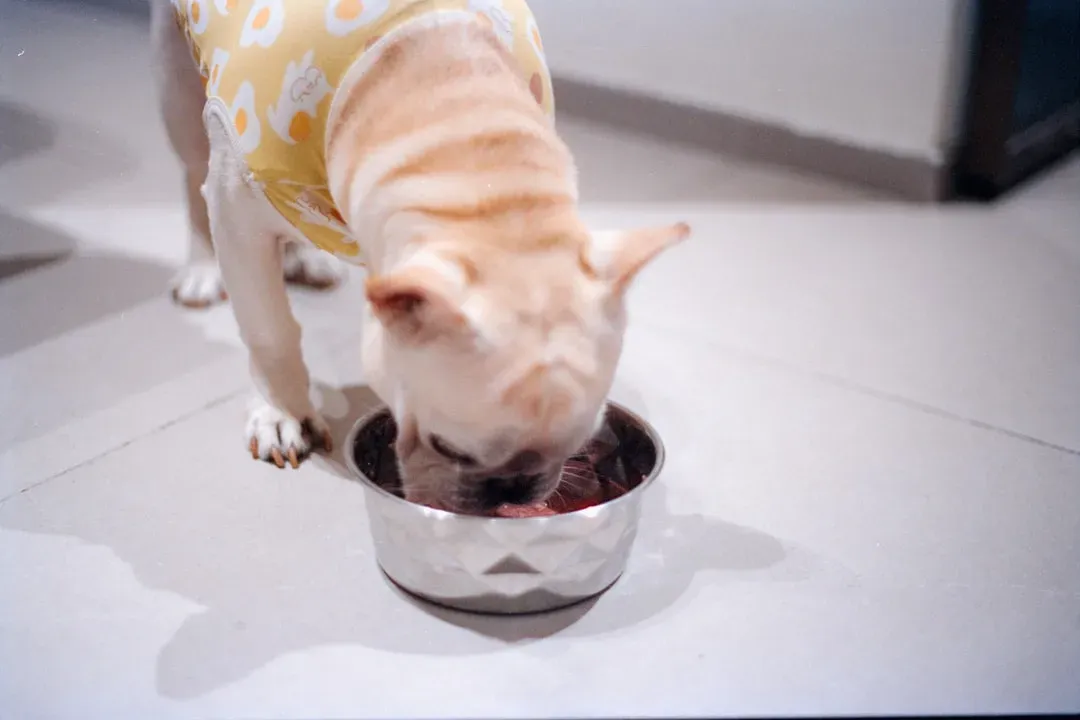
Here’s the good news. You have more power than you think. High-quality proteins like lean meats, fish, and eggs support brain function and energy stability. Omega-3 fatty acids found in fish oil, flaxseed, and bone broth help reduce anxiety and improve focus. Complex carbohydrates like sweet potatoes, pumpkin, and brown rice provide steady energy without blood sugar crashes. Probiotics and gut-friendly ingredients support digestion and mood balance.
Turkey and fish are high in tryptophan, an amino acid that helps to formulate serotonin and can assist with mood regulation. Think of tryptophan as a natural calm-down signal for your dog’s nervous system. Dogs fed a food containing prebiotic fibers and fish oil had a change in their microbiome composition and a significant decrease in plasma metabolites linked to anxiety behaviors.
Nutrient deficiencies, particularly in essential fatty acids, vitamins, and minerals, have been shown to contribute to behavioral abnormalities, including aggression and cognitive dysfunction. Omega-3 fatty acids, found in fish oil, have been recognized for their anti-inflammatory and neuroprotective effects, potentially mitigating cognitive decline and improving learning abilities in older dogs.
Practical Steps to Support Your Dog’s Gut-Brain Health Today
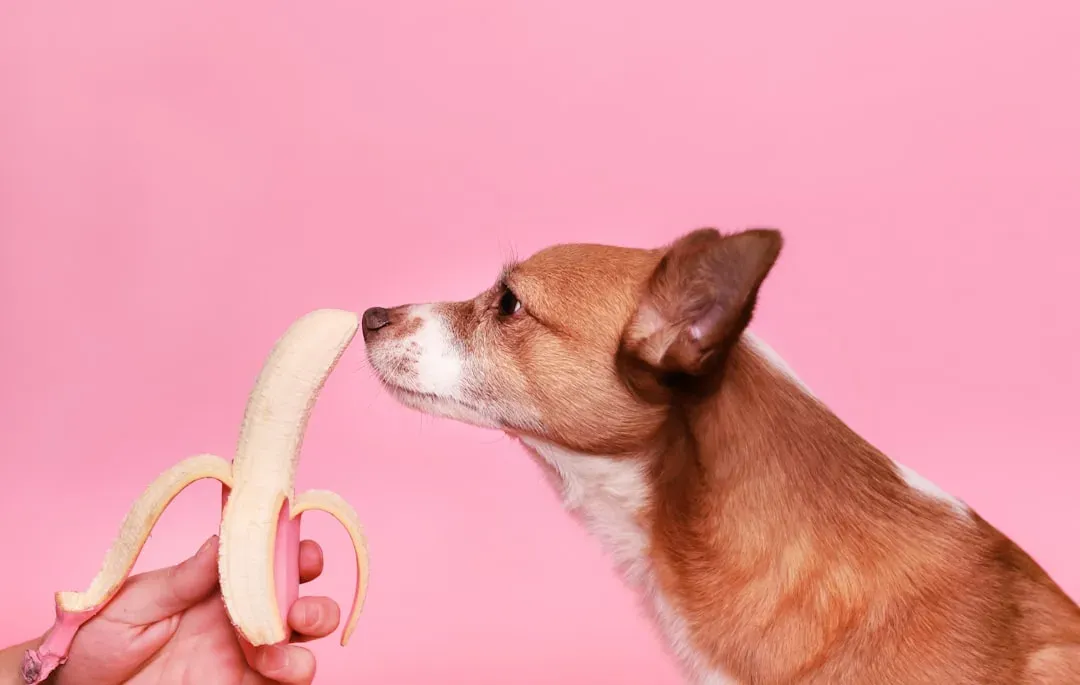
You don’t need to overhaul everything overnight. Small, consistent changes can shift things meaningfully over time. Start slow by mixing a small portion of new food with their current food and gradually increasing the amount over seven to ten days. Monitor energy and behavior and take note of any positive changes in energy levels, anxiety, or focus. Think of it like redecorating, not demolishing.
Studies have found that supplementing a dog’s diet with probiotics can lead to improvements in behaviors associated with anxiety and stress. This supports the idea that modifying the gut microbiome with beneficial bacteria can positively affect a dog’s mood and behavior. A quality probiotic could be one of the simplest upgrades you ever make for your pup.
Keep a log of your dog’s behavioral and digestive changes. Report to your veterinarian unusual restlessness, difficulty sleeping, hiding, or aggressive behavior. Your veterinarian can use your observations and their diagnostic tests to uncover and treat underlying gut disease. You are your dog’s best advocate, and your observations matter enormously.
Conclusion: Your Dog’s Bowl Is a Mood Tool
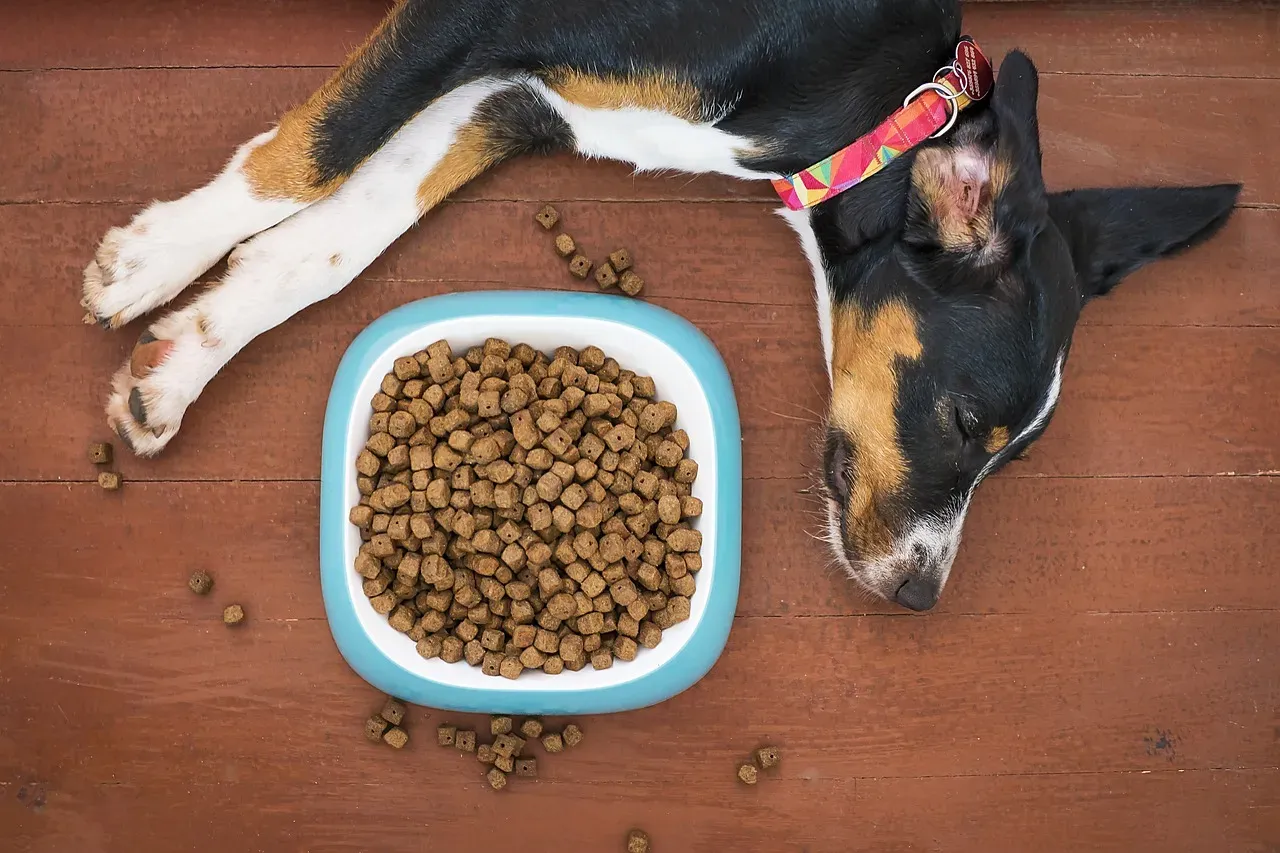
It’s a perspective shift that I think every dog parent deserves to have. We pour so much love into training, socializing, and enriching our dogs’ lives. Yet the foundation of their emotional wellbeing might come down to something as simple, and as powerful, as what they eat every single day.
A well-balanced, natural diet isn’t just about keeping your dog full. It directly influences their energy levels, mood, and overall well-being. The gut is not just a digestive machine. It’s an emotional engine, and you hold the key to keeping it running smoothly.
Your dog can’t tell you they’re feeling flat, irritable, or anxious. They can only show you. So the next time they seem off, before blaming genetics or temperament, look at the bowl. What you put in it today could genuinely change how your dog feels tomorrow. Isn’t that worth exploring?


