
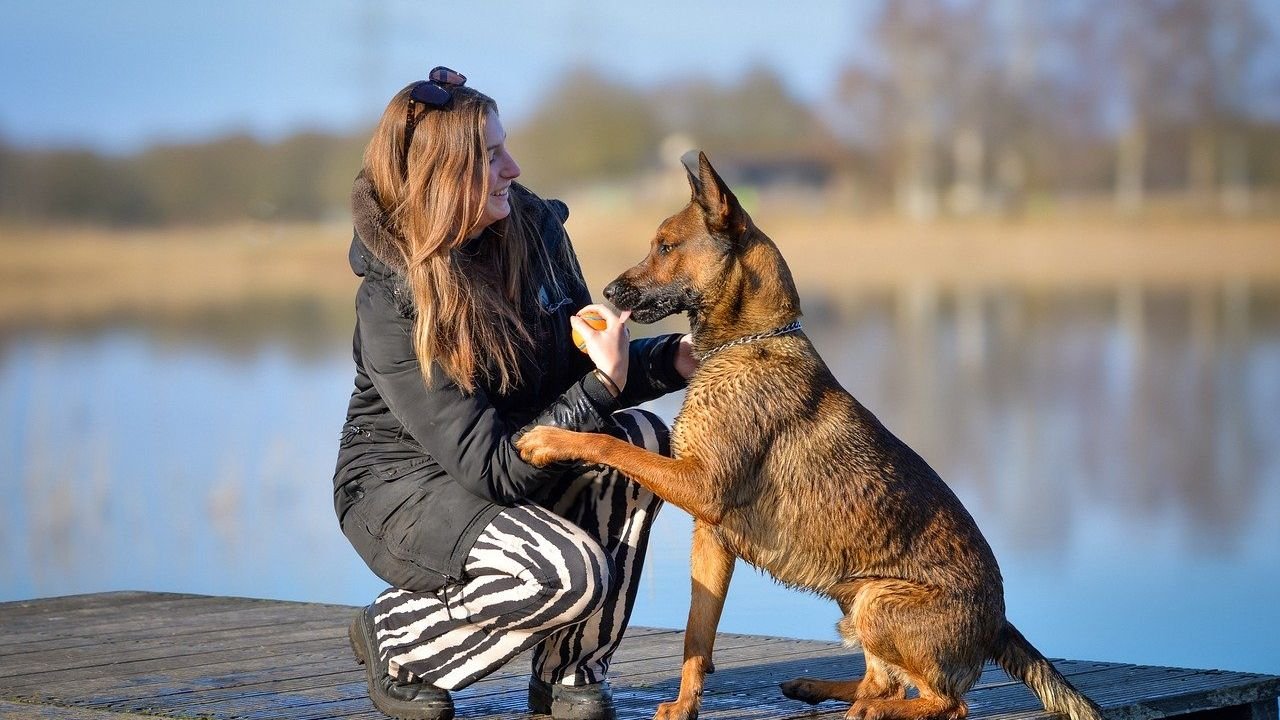
Have you ever watched your dog tap your leg with a specific paw, always the same one, every single time? You might have smiled and thought nothing of it. But here is the thing – that tiny, repeating gesture might be telling you something far more fascinating about your dog’s brain than you ever imagined.
It turns out dogs have their own version of “handedness,” and the science behind it is genuinely mind-blowing. From what it says about their emotions, to how it might affect their training, paw preference is one of those quietly remarkable discoveries that makes you look at your furry best friend in a whole new light. Let’s dive in.
Your Dog Has a Dominant Paw, and Science Can Prove It
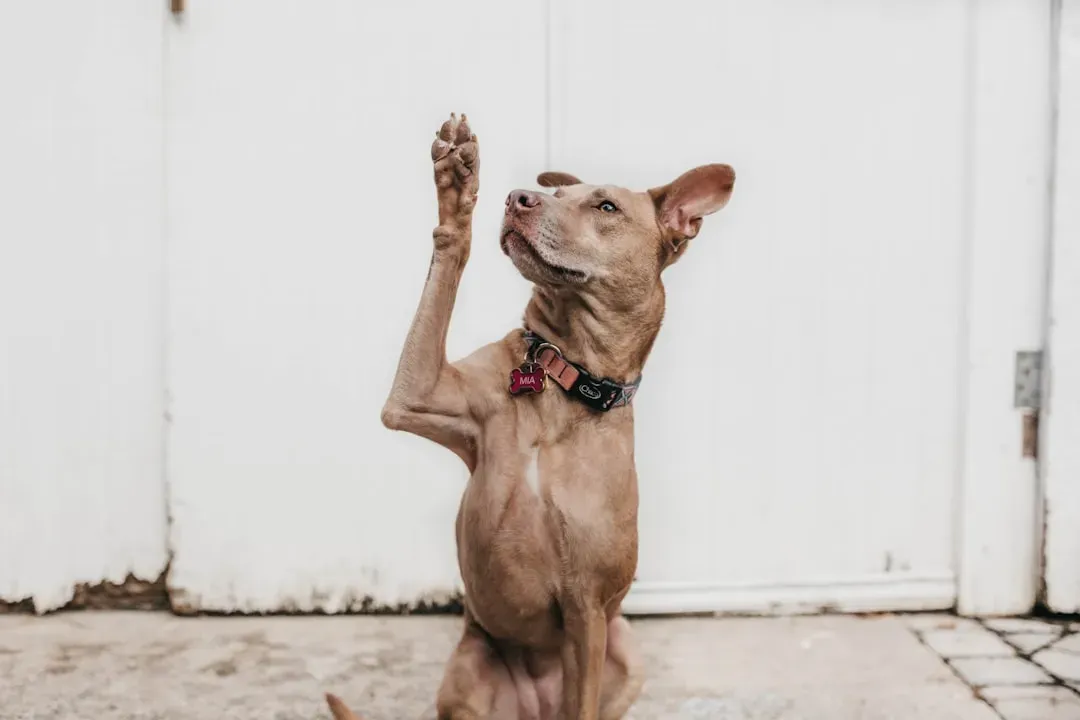
Here is a surprising truth for most dog lovers: your dog likely has a preferred paw, just like you have a dominant hand. Just like humans favor using their right or left hand, many dogs show a preference for using one paw over the other, and because a dog’s brain is organized similarly to ours – with two hemispheres that each hold specializations – they too can show what researchers call “laterality.”
The split, though, looks nothing like what we see in people. Whereas only roughly one in ten humans is left-handed, dogs seem to be much more evenly split with paw preference, and they can also show no paw preference at all, leading researchers to label them “ambilateral.”
According to a large-scale study from 2021, nearly three quarters of dogs have a preferred paw. That is a staggeringly high number. So the next time your pup consistently reaches for a toy with the same paw, know that it is not random. There is real neuroscience behind that little gesture.
Left, Right, or Neither: How the Numbers Break Down

Unlike in humans, where the overwhelming majority favor the right side, dogs are more democratically divided. In a 2013 study at Australia’s University of Adelaide, researchers concluded that roughly a third of dogs studied were left-pawed, about three in ten were right-pawed, and more than a third were ambilateral. Honestly, I find that kind of beautifully chaotic.
A meta-analysis found that while nearly four in five dogs demonstrated either a right or left paw preference, there was no overall right or left preference at the population level. Think of it like this: if you lined up a hundred dogs and asked them all to shake, you would get a gloriously mixed-paw crowd.
Unlike in humans, paw preference appears to be roughly evenly split, meaning handedness in dogs is specific to the individual, rather than the population. Your dog is genuinely, gloriously unique in which paw they call their own.
The Brain Behind the Paw: What Laterality Really Means
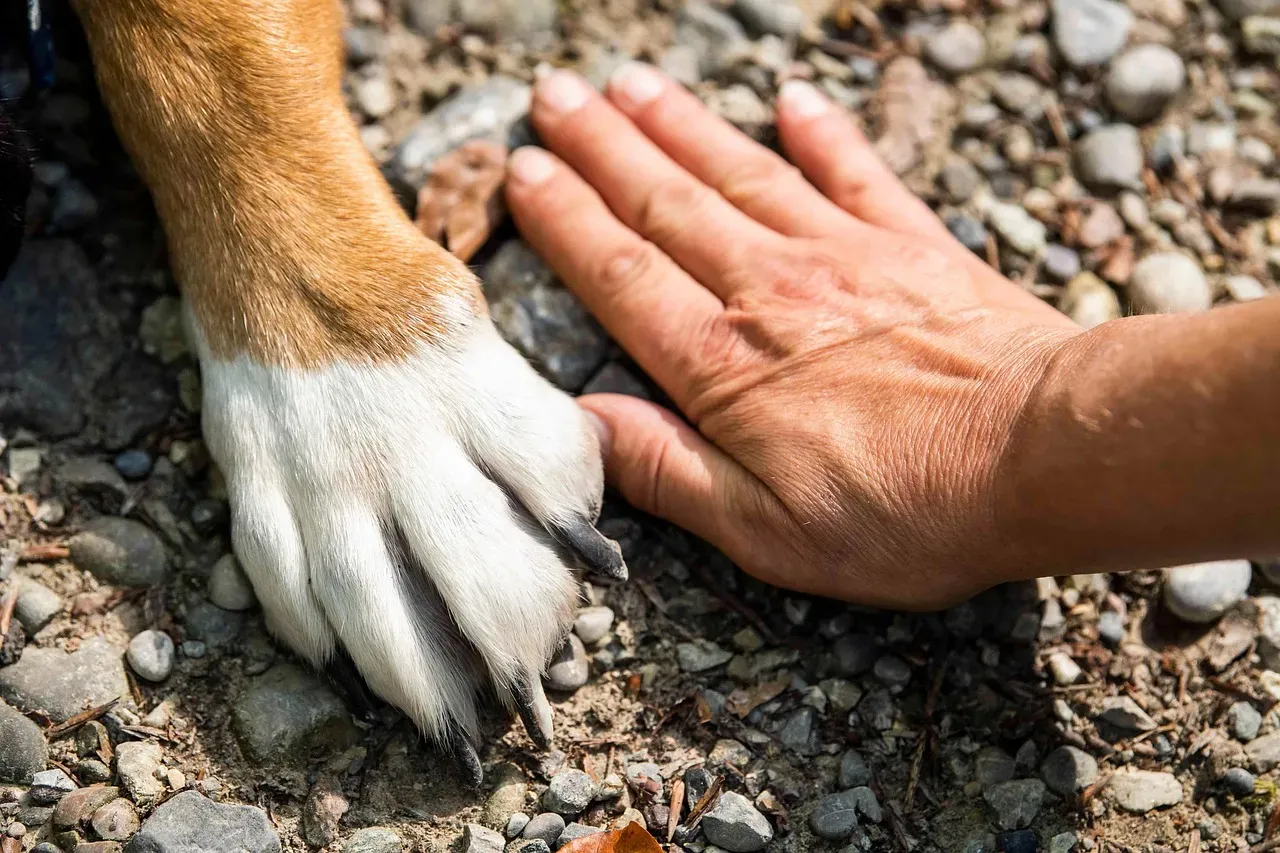
Paw preference, like handedness in humans, relates to activity in the brain’s hemispheres. The left hemisphere controls the right side of the body, and the reverse is true for the right hemisphere. Because each hemisphere is involved in processing different emotions, laterality may impact personality and behavior.
Here is where it gets emotionally rich. The left side of a dog’s brain, which controls the right side of its body, is more concerned with processing positive emotions. By contrast, the right side of a dog’s brain, which controls the left side of the body, focuses more on negative emotions such as fear or anxiety.
Lateralization is widespread in the animal kingdom and can come in quite handy – it is the brain’s ability to do two different things at once that allows an animal to search for food while simultaneously remaining vigilant against predators. So your dog’s dominant paw is really just the visible tip of a very complex neurological iceberg.
Does Paw Preference Reveal Your Dog’s Personality?
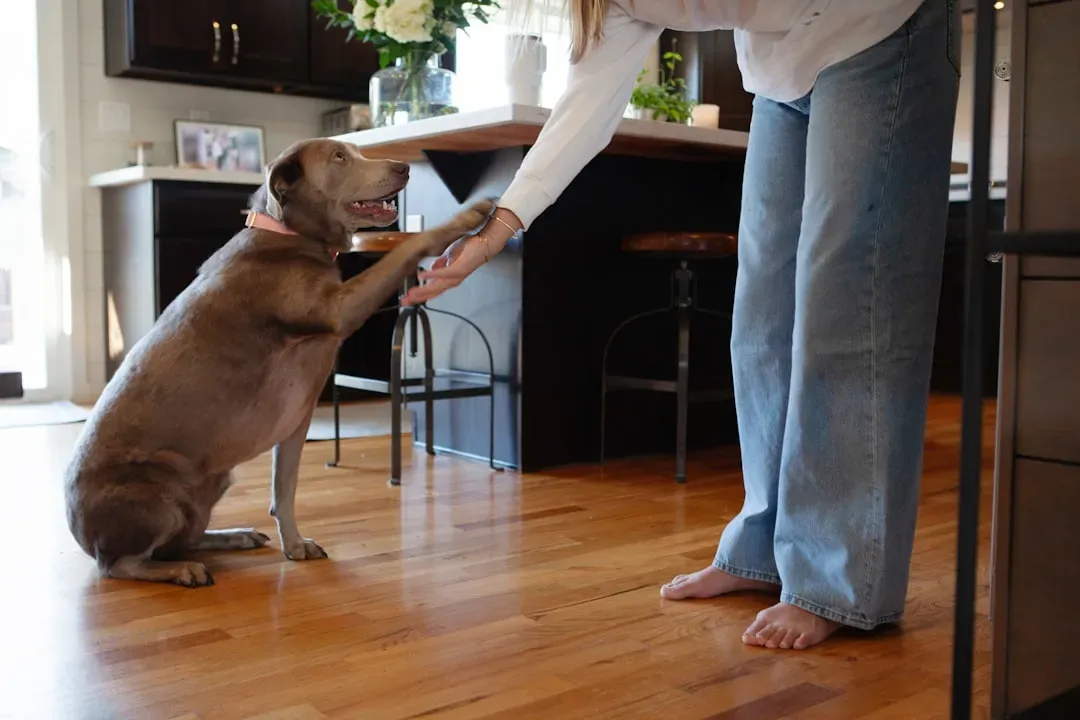
This is the question that gets researchers genuinely excited, and it is one I think every dog parent will find compelling. Research points to left-pawed dogs being more “pessimistic,” in this case being slower to approach an empty food bowl placed in an ambiguous location on a cognitive bias task, than right-pawed or ambilateral animals.
Ambidextrous dogs showed extreme reactivity to thunderstorm and fireworks compared to both left and right-pawed dogs. If your dog goes absolutely frantic during a storm, this might be more than just fear – it could be a neurological pattern worth paying attention to.
It is hard to say for sure how deeply paw preference predicts temperament, because the research is still evolving. The majority of research suggests that the degree of laterality is more predictive of behavior than a simple preference for the right or left paw. In other words, how strongly your dog favors one paw may matter just as much as which paw they favor.
Does Your Dog’s Sex or Age Affect Which Paw They Prefer?

Let’s be real – this is one of those facts that makes you want to immediately go test your own dog. Several studies point to strong sex differences in canine paw preference. Female dogs are more likely to be right-pawed, while males are more inclined to be left-pawed. The pattern mirrors what we see in cats, too.
Why male and female animals should differ in their paw use is still unclear, although explanations include hormonal factors and differences in brain anatomy. Age also plays a role. Researchers found that older dogs tended towards a right-paw preference when compared to younger dogs, suggesting that age may be a factor as well.
Studies of neutered pets show no preference for using one paw over the other. That is a remarkable detail. Hormones may play a far bigger role in shaping paw preference than anyone initially expected – yet another reminder of just how intricate our dogs truly are.
How to Discover Your Own Dog’s Paw Preference at Home
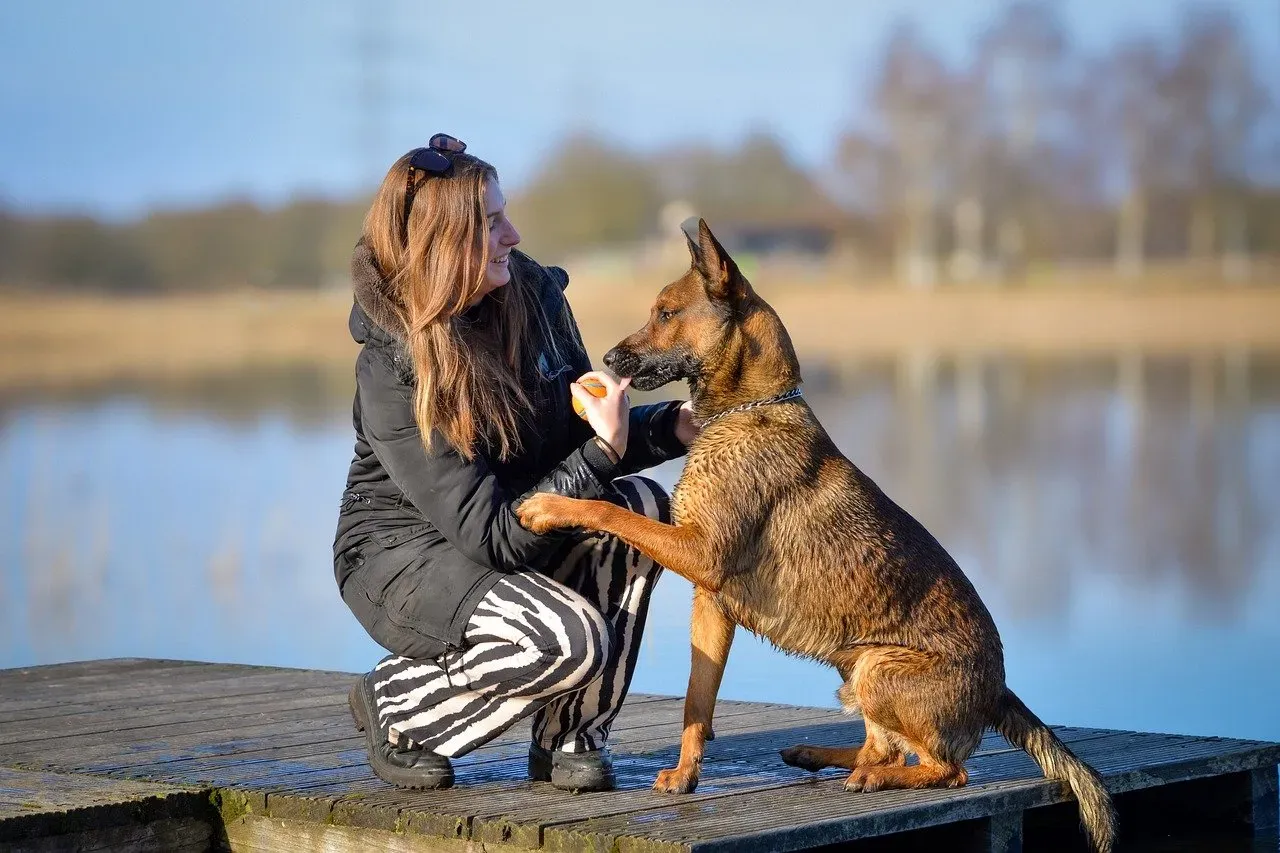
You do not need a laboratory to figure out whether your dog is a lefty, righty, or a true free spirit. One of the most popular research methods is known as the Kong Test. The experiment involves giving a dog a Kong, a hollow cylindrical rubber toy stuffed with food. The dog needs to hold the toy still while working to get at the food, and the number of times the dog uses each paw is compared to classify paw preference.
There is also a delightfully simple approach you can try in your living room right now. Hold a treat in your closed hand and note which paw your dog uses to interact with your fist. Do it many times, over several days, and patterns will emerge. You can also watch which hind paw your dog uses to scratch himself, or which leg your male dog lifts when urinating.
Research has shown that potential guide dogs that are right-pawed have a higher success rate in their training programs. Knowing your dog’s dominant paw is not just fun trivia – it is practical information. Teaching your dog to shake or high-five? Always start with their dominant paw for faster, more confident learning.
Conclusion: A New Way to See Your Dog
There is something deeply moving about discovering that your dog, the creature who follows you into every room and steals your spot on the couch, has their own dominant side. Their own neurological fingerprint. It is a small thing, but it points to something bigger: our dogs are far more complex, emotionally layered, and individually unique than we often give them credit for.
While it can be great fun trying to find out if a pet dog is a leftie or rightie, establishing an animal’s side preferences could also be important from an animal welfare perspective, because paw preferences can give us an insight into the emotions an animal is feeling. That is not a trivial thing. That is a window into your dog’s inner world.
So go ahead – grab a Kong, close your hand around a treat, and pay close attention to that paw your dog reaches out with. You might just be learning something that brings you even closer. Have you ever noticed a paw preference in your dog? Tell us in the comments – we would genuinely love to know!


