
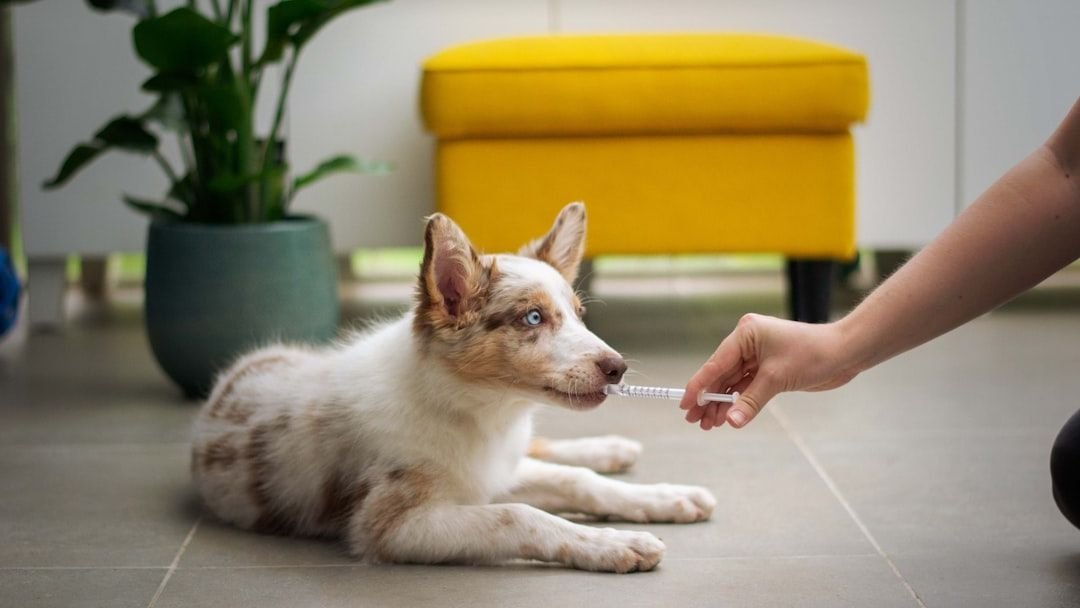
You walk into your kitchen, toss your keys on the counter, maybe grab a quick snack, and your dog is right there with you – tail wagging, eyes wide, full of trust. It’s one of the most comforting things in the world. But here’s the thing: that same cozy home you share could be quietly hiding dangers your dog has absolutely no way of knowing about.
Most dog lovers are shocked to discover just how many ordinary, everyday items can send their pup to the emergency vet. We’re not talking about obvious hazards. We’re talking about your chewing gum, your onion-loaded leftovers, your ibuprofen on the nightstand. The stuff you use every single day. Let’s dive in, because what you learn here could genuinely save your dog’s life.
That Chocolate Bar on Your Coffee Table

One of the most well-known yet still most dangerous foods for dogs is chocolate, and that’s because it contains theobromine, a compound dogs metabolize far more slowly than humans. Think of it like this: what processes harmlessly through your body in a few hours lingers in your dog’s system long enough to cause serious damage.
When consumed in larger quantities, chocolate can lead to vomiting, diarrhea, hyperactivity, tremors, seizures, and even death. Dark chocolate and unsweetened baking chocolate are the most potent due to their high theobromine content, but milk chocolate should be off-limits as well. So yes, even that half-eaten milk chocolate bar your dog swiped off the couch cushion is a real concern. Chocolate toxicity is, in fact, one of the most common causes of pet poisoning during the holidays, when bowls of the stuff seem to live on every surface. Keep it locked away. Always.
Sugar-Free Gum and Candy Hiding in Your Bag
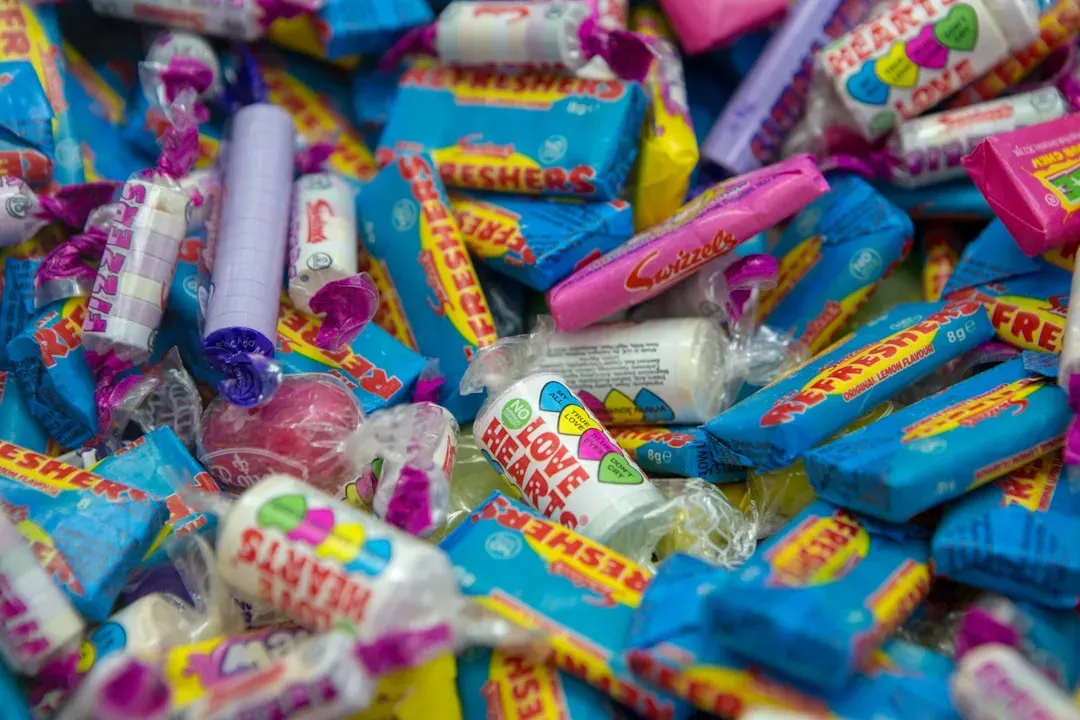
Here’s one that genuinely surprises a lot of dog owners. Candy, gum, toothpaste, baked goods, and some diet foods are sweetened with xylitol, an artificial sweetener that can cause your dog’s blood sugar to drop dramatically and can also lead to liver failure. Early symptoms include vomiting, lethargy, and coordination problems, and eventually your dog may have seizures. Liver failure can happen within just a few days.
Watch out for xylitol in everyday food items, because it’s often hidden in the ingredients. The low-calorie sweetener can cause low blood sugar, seizures, and liver failure if ingested. Xylitol might show up in candy, sugar-free gum, peanut butter, flavored medications, and other items. Your handbag sitting on the floor is basically an open invitation for a curious nose. Make it a habit to keep bags zipped and well out of reach.
Onions and Garlic Lurking in Your Kitchen

You’d never intentionally feed your dog an onion, of course. But what about that leftover pizza slice, or the garlic-heavy stir-fry you scraped into a low bowl? The onion family, whether dry, raw, or cooked, is particularly toxic to dogs and can cause gastrointestinal irritation and red blood cell damage. Signs of illness are not always immediate and can occur up to a few days later. That delay is what makes this one so sneaky.
Onions contain thiosulphate which is toxic to dogs. Ingestion causes a condition known as haemolytic anaemia, where red blood cells throughout the body essentially burst. This condition can be fatal. All forms of onion can be a problem, including dehydrated onions, raw onions, cooked onions, and table scraps containing cooked onions or garlic. Left-over pizza, Chinese dishes, and commercial baby food containing onion can all cause illness. Check every scrap before it hits the floor.
Your Grapes and Raisins in the Fruit Bowl
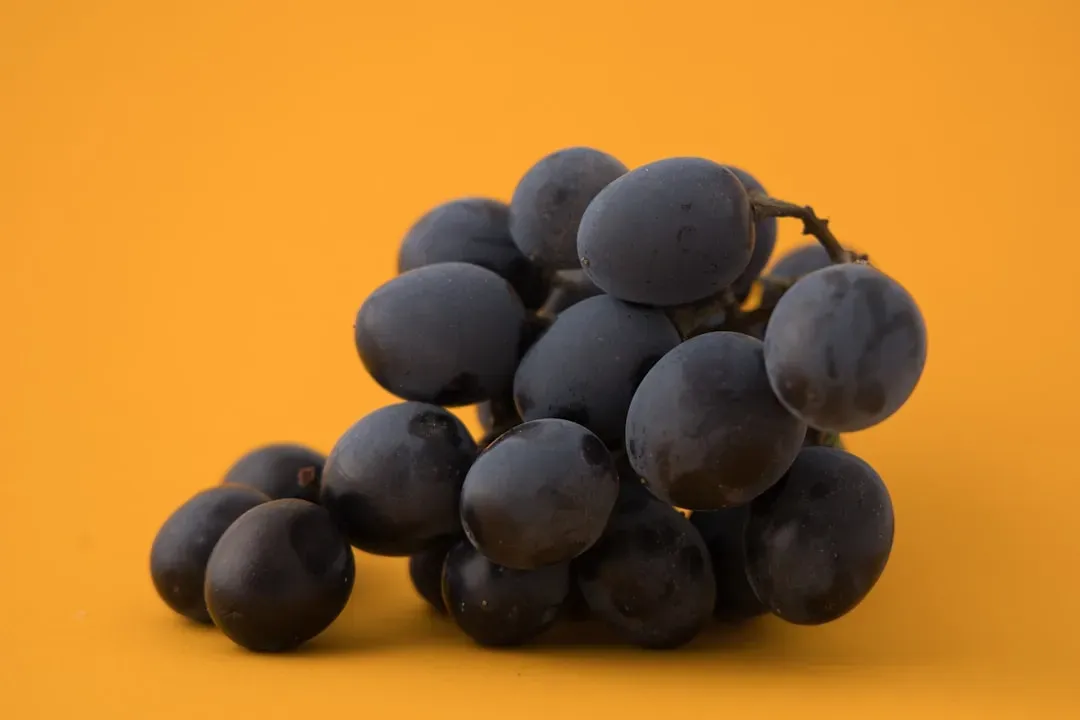
Honestly, this one still blows my mind every time I talk about it. Such a tiny, innocent-looking fruit. Grapes and raisins can put dogs at risk of kidney failure, even in a small amount. The exact cause of toxicity in dogs is unknown, but it appears that some dogs are much more sensitive to grape toxicity than others. That unpredictability is exactly what makes grapes so frightening.
Symptoms of poisoning usually show within 24 hours. As the poisoning progresses and the kidneys become affected, you may notice your dog vomiting or experiencing diarrhea, drinking and urinating excessively, or experiencing abdominal pain. Once the kidneys have failed, the prognosis is poor. Raisins are in many of the foods we love to eat, such as cakes, biscuits, and cereals, so it’s not just the fruit form we should be concerned about. Fruit bowls on low tables, raisin cookies left out, trail mix on the couch – all potential hazards. Move them up, lock them away.
Household Cleaning Products Under Your Sink
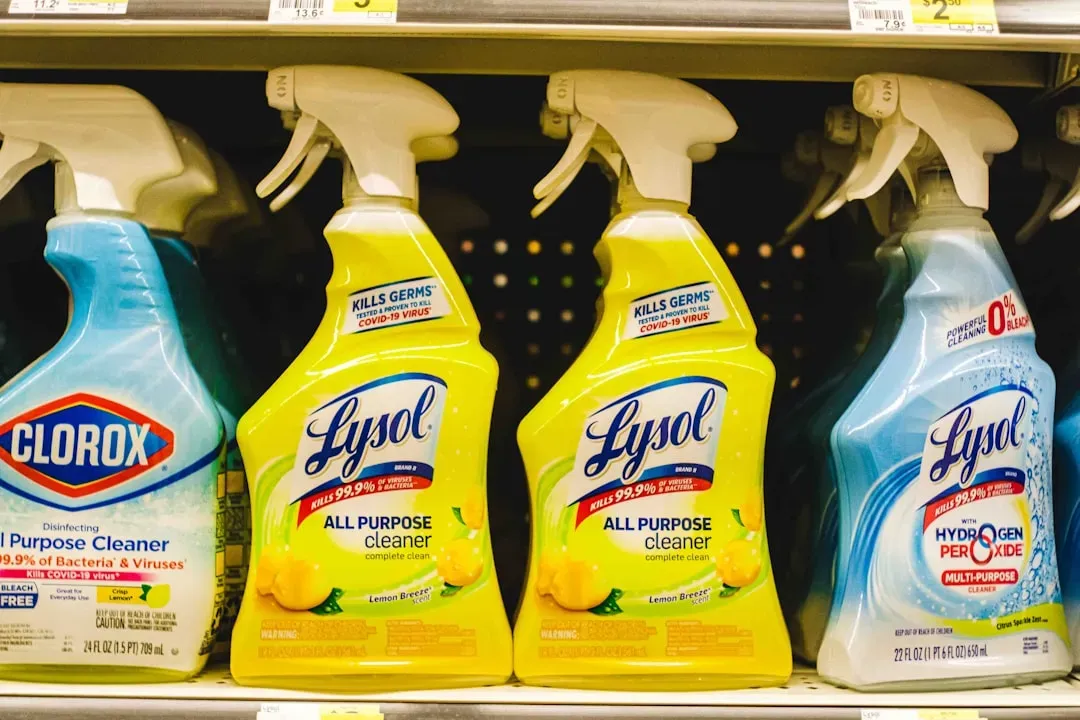
The same products you use to keep your home clean and safe for your family could be harmful to your pets. It’s an uncomfortable truth. That cabinet under the sink, which is often at dog-nose height, is basically a chemical cabinet to your curious companion.
Cleaning products made with chemicals like bleach, chlorine, and phenols can have a corrosive effect on your dog’s skin, eyes, and lungs if they inhale it. Artificial fragrances like phthalates can irritate your dog’s lungs too. Dogs can absorb toxins through their paw pads or ingest them when licking themselves, their toys, or their bedding. This is why letting your dog back onto a freshly mopped floor or a just-cleaned surface too soon is risky. Always allow surfaces to dry completely and use pet-safe products where possible.
Your Over-the-Counter Medications on the Nightstand
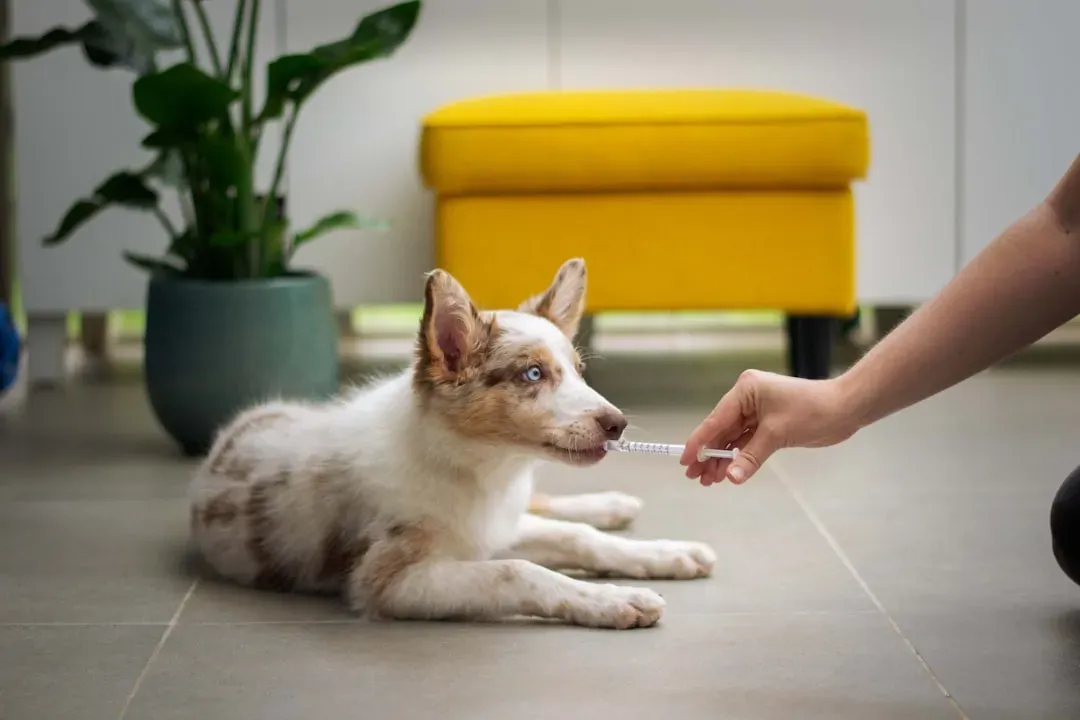
Each year, the ASPCA Animal Poison Control Center receives thousands of calls and compiles a list of the top 10 pet poisons, which most often are everyday household items. Sitting right at the very top of that list, year after year, is something you might not expect: human medications. About one quarter of all phone calls to the ASPCA Animal Poison Control Center are about accidental ingestion of human medications. All too quickly and easily, a dog can ingest a dropped pill or decide to chew a bottle within counter-surfing reach.
NSAIDs like ibuprofen and naproxen may cause stomach ulcers and kidney failure in dogs. Even small doses of certain non-steroidal anti-inflammatory drugs can cause serious kidney damage in dogs. That single ibuprofen that fell onto the floor without you noticing could be catastrophic for a small breed. Your dog can get into trouble at any age, so safe storage should be an ongoing priority. Keep medication in closed containers in a secure cabinet, preferably a wall cabinet instead of one your dog can access from the floor.
Your Dog Deserves a Home That Keeps Them Safe

Here’s the real takeaway: your dog doesn’t know what’s dangerous. They trust you completely to create a world that’s safe for them. That wagging tail, those trusting eyes – they’re counting on you.
Keeping your pet safe is an ongoing expression of love. By being aware of these common household items, you can take proactive steps to prevent a tragic accident and ensure your furry friend stays healthy and happy. The good news? None of this requires a massive overhaul of your home. It just takes a little awareness, a few habit changes, and one very important number saved in your phone.
If you suspect your pet has ingested a toxic substance, contact your veterinarian immediately and consider calling the ASPCA’s emergency poison hotline. The hotline is available 24 hours a day, seven days a week. Prevention will always be better than a frantic late-night emergency vet visit.
Walk through your home today with fresh eyes. Look at your kitchen counter, your handbag, your nightstand, your cleaning cupboard. Because your dog isn’t just a pet – they’re family. And family looks out for each other. What surprised you most on this list? Drop it in the comments, we’d love to hear from you.


