
Nature doesn’t hand out second chances easily. Whether it’s a blistering Saharan noon, an Arctic blizzard that drops temperatures to levels no human would dare face unprotected, or the pitch-black pressure of the deep ocean, life finds a way. Remarkably, it often thrives. The survival tactics animals use in extreme environments are so mind-bendingly clever that scientists are actively copying them to build better technology for humans.
For us dog lovers, this world of wild survival hits closer to home than you might think. Your dog carries ancient survival instincts hardwired from thousands of years of evolution, and understanding both the animal kingdom’s secrets and your dog’s own built-in toolkit will make you a far better, more empathetic guardian. Let’s dive in.
The Art of Insulation: How Animals Turn Cold Into a Non-Issue
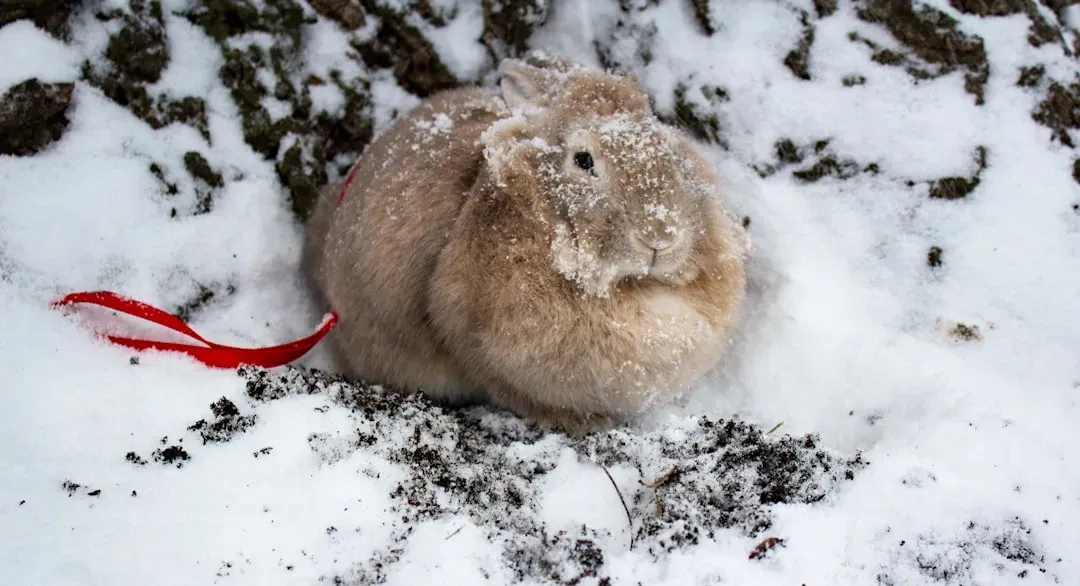
Here’s a wild thought: some animals treat sub-zero temperatures the way you treat a slightly chilly morning. Many animals rely on thick coats that provide insulation by trapping warm air close to their bodies, and the musk ox’s long, shaggy hair has enabled the species to survive in the Arctic for thousands of years. It’s basically a living, breathing sleeping bag.
Emperor penguins are among the world’s hardiest birds, uniquely adapted to live in environments where little else can survive, being the only species of penguin that breeds during the Antarctic winter, enduring temperatures as low as -50°C and extreme wind speeds of up to 200 kilometres per hour. Your dog, by comparison, deals with a cold walk to the mailbox and still expects a treat for it.
Long-haired or thick-coated dogs tend to be more cold-tolerant, but are still at risk in cold weather. Short-haired pets feel the cold faster because they have less protection, and short-legged pets may become cold faster because their bellies and bodies are more likely to come into contact with snow-covered ground. Knowing your dog’s coat type honestly changes how you should be dressing and managing their outdoor time in winter.
Pack Power: The Survival Secret Hidden in Community
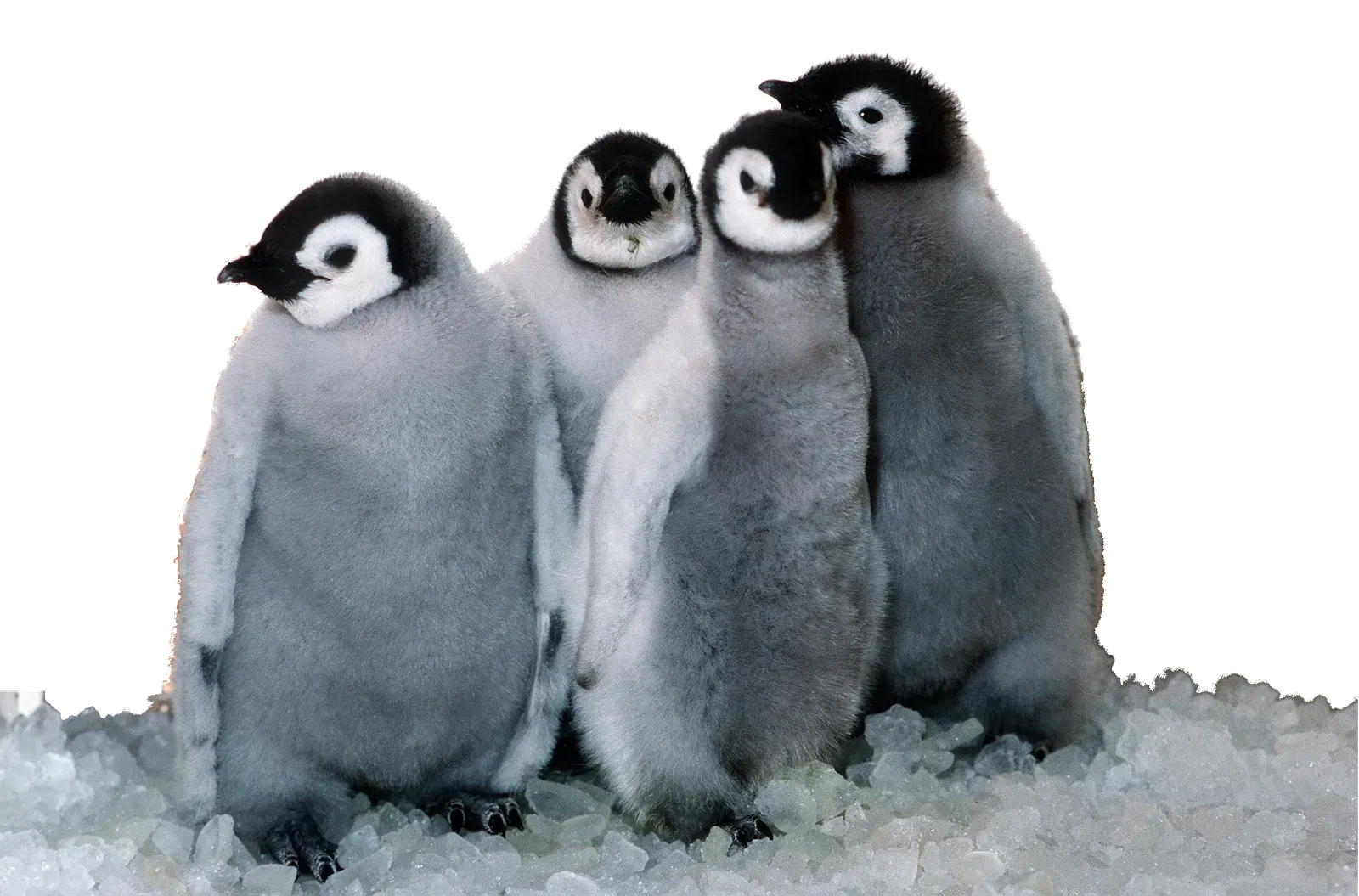
Honestly, one of the most beautiful survival strategies in nature isn’t a physical trait at all. It’s togetherness. The emperor penguin’s true strength comes in numbers: while other species of penguin are generally territorial during the breeding season, emperor penguins work cooperatively by huddling together for warmth. Think of it like the world’s most effective group hug.
Wolves hunt in packs to catch big prey, and this cooperative instinct runs deep in your dog too. Dogs are wired for social connection and they don’t do well in isolation, especially during stressful or extreme situations. Animals have instincts about severe weather changes and will often isolate themselves if they are afraid.
Watch your dog during a thunderstorm or a cold snap. If they press their body against yours or curl into a tight ball in a corner, they’re running the same ancient playbook as those penguins. They’re seeking warmth, safety, and community. Your presence is literally part of their survival strategy. That’s worth sitting with for a moment.
Built for the Burn: How Desert Animals Cheat the Heat
Saharan silver ants forage on scorching desert sand when temperatures reach up to 140°F, conditions so hostile that even desert predators must seek shelter. They have evolved several extraordinary adaptations, including uniquely shaped silver hairs that reflect both visible and infrared light, acting as a heat shield that can lower their body temperature by up to 10°F. Nature literally gave them a built-in sun deflector.
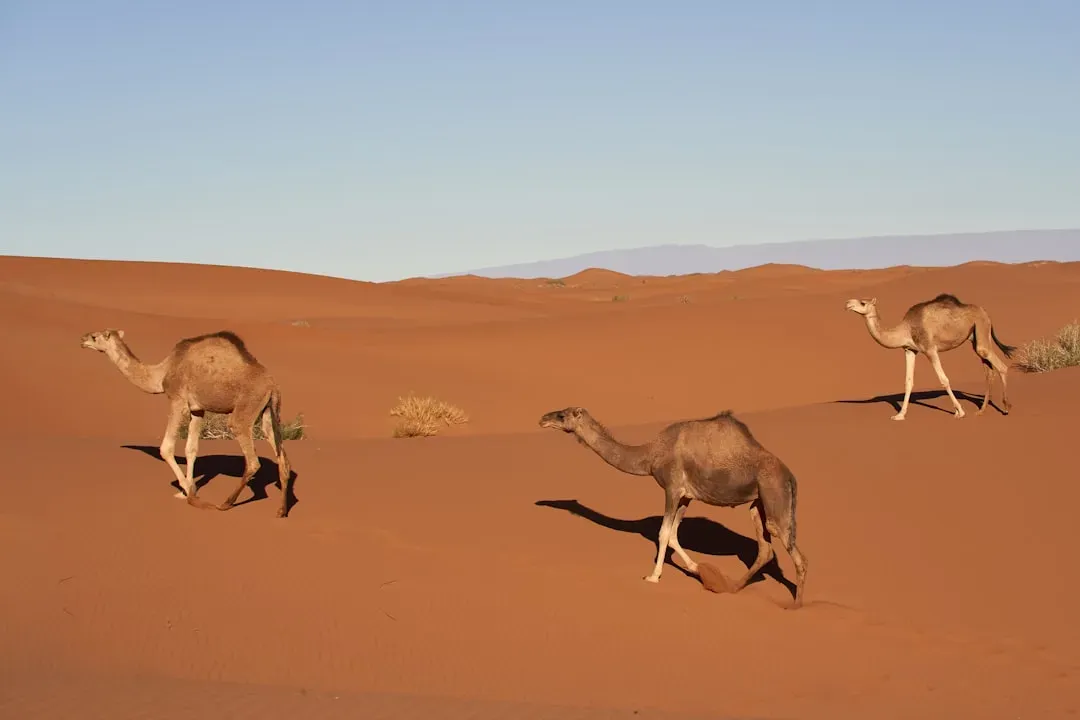
The Fennec fox has large ears that help it dissipate heat, and the Gila monster has a low metabolic rate that allows it to conserve energy during periods of high temperature. Every body part serves a purpose. Nothing is accidental. Camels store up to 36 kg of fat in their humps, producing around 10 liters of water through metabolic breakdown. That’s not a hump, that’s a portable survival kit.
For your dog in summer heat, the survival math is just as serious. Heat exhaustion and heat stroke are very serious conditions that could quickly result in death. Signs of heat stress include heavy panting, glazed eyes, rapid pulse, unsteadiness, a staggering gait, vomiting, or a deep red or purple tongue. Don’t wait for those signs to appear before you act. Prevention is everything.
The Power of Going Still: Torpor, Hibernation, and Metabolic Magic
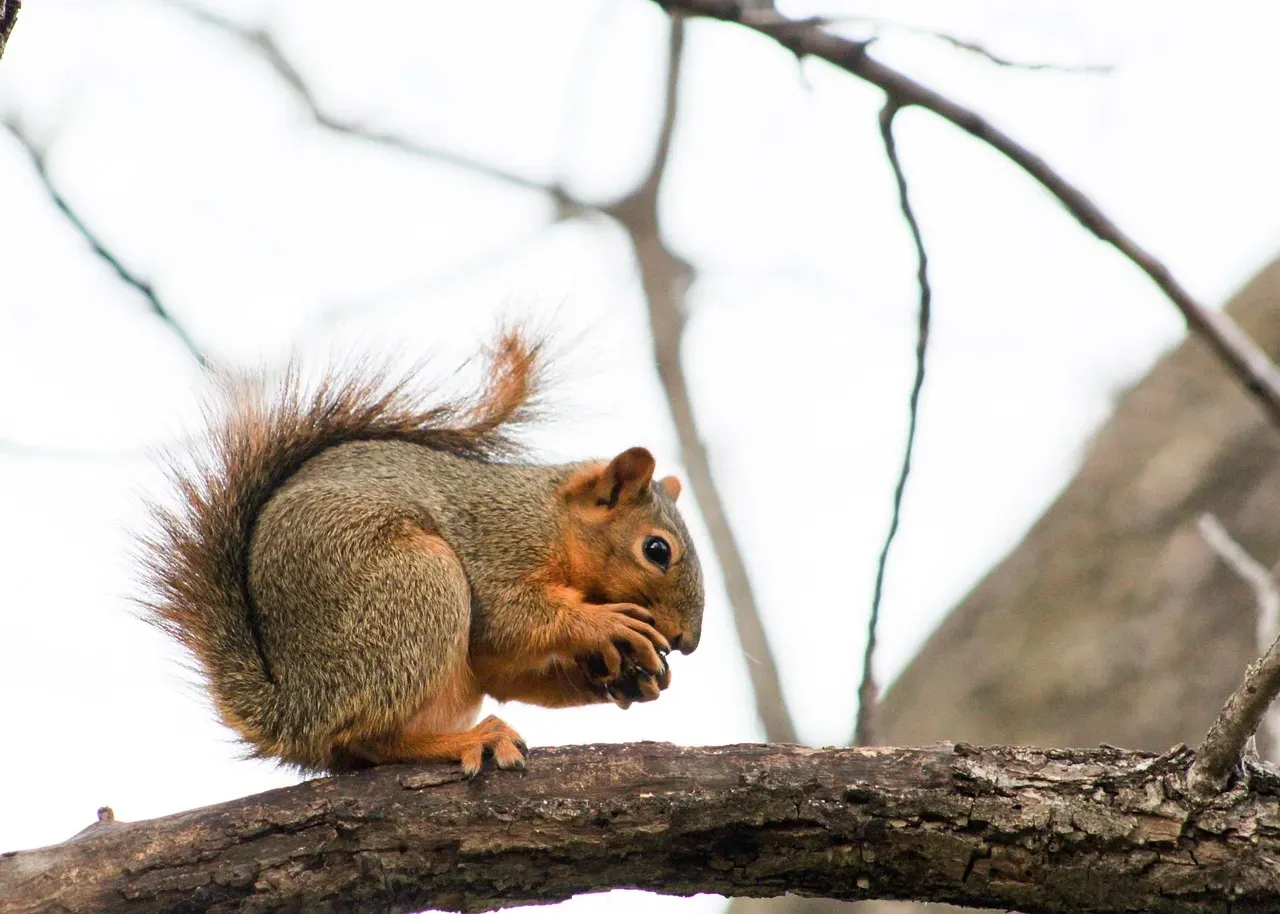
Let’s be real: sometimes the smartest survival move is to simply do nothing. Torpor is a temporary state of reduced metabolic activity and lowered body temperature, allowing animals to conserve energy. It is commonly observed in species such as bats and hummingbirds which experience food scarcity or temperature drops. During torpor, the animal’s heart rate, respiration, and overall metabolism decrease significantly, reducing energy expenditure and prolonging survival during resource-limited periods.
Grizzly bears slumbering in mountain dens are familiar examples of hibernation, but many bear species remain relatively active, and even grizzlies lower their body temperatures by only about 10 degrees F. Rodents such as groundhogs, on the other hand, do go into a deep hibernation, their heart rates dropping dramatically. The spectrum of stillness in nature is genuinely astonishing.
Your dog won’t hibernate, but you’ll notice them sleeping more, moving slower, and being generally less enthusiastic about outdoor adventures in bitter cold. Indoor dogs typically receive less exercise during cold weather and therefore may require fewer calories. Consider feeding them smaller portions in order to avoid weight gain. Think of it as your dog’s version of a winter slow-down. Honor it. Adjust their food accordingly, and find indoor enrichment to keep their mind sharp.
The Incredible Body: Built-In Physiological Tools for Impossible Places
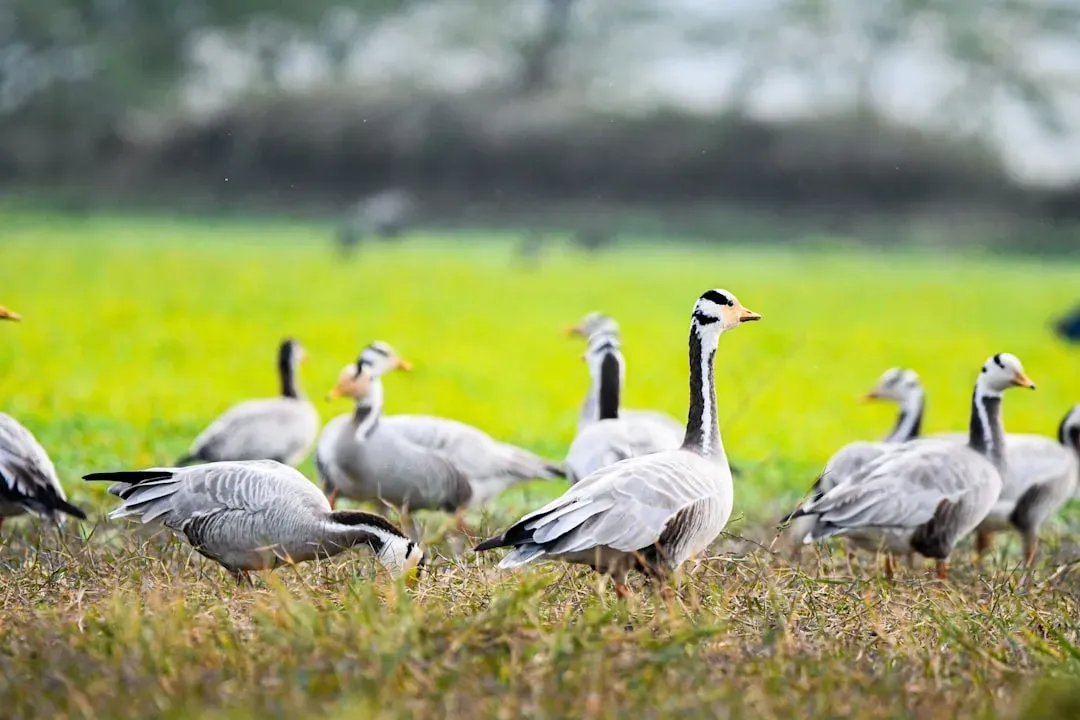
Bar-headed geese fly over Mount Everest using hemoglobin with 30% lower P50 affinity, loading oxygen efficiently at 7% atmospheric pressure, and increasing breathing rate and heart output during flight. I know it sounds crazy, but they fly over the world’s tallest mountain like it’s a casual commute. Their blood is literally engineered for altitude.
Antarctic krill thrive at -1.9°C by producing antifreeze glycoproteins that prevent ice crystal formation in their hemolymph. Meanwhile, kangaroo rats thrive in arid environments by employing remarkable water-conservation adaptations, deriving almost all their water from the metabolic breakdown of dry seeds and producing highly concentrated urine to minimize water loss. Every species has its own version of a physiological superpower.
For your dog, the body-based warning signs matter enormously. Prolonged exposure to the cold can lead to frostbite or life-threatening hypothermia. Frostbite is harder to detect initially, and it may take a few days to determine the extent of the damage. Ears, paws, and tail tips are most commonly affected. Check those spots first after cold outings. Your dog can’t tell you their paws are numb.
Behavioral Plasticity: When Instinct Meets Intelligence
Behavioral adaptations are specific actions or habits animals develop to increase their chances of survival and reproduction. Unlike physical traits like a polar bear’s fur, behavioral adaptations are how animals act, whether through instinct, learning, or both. These behaviors evolve through natural selection, where traits that help species overcome environmental challenges are favored.
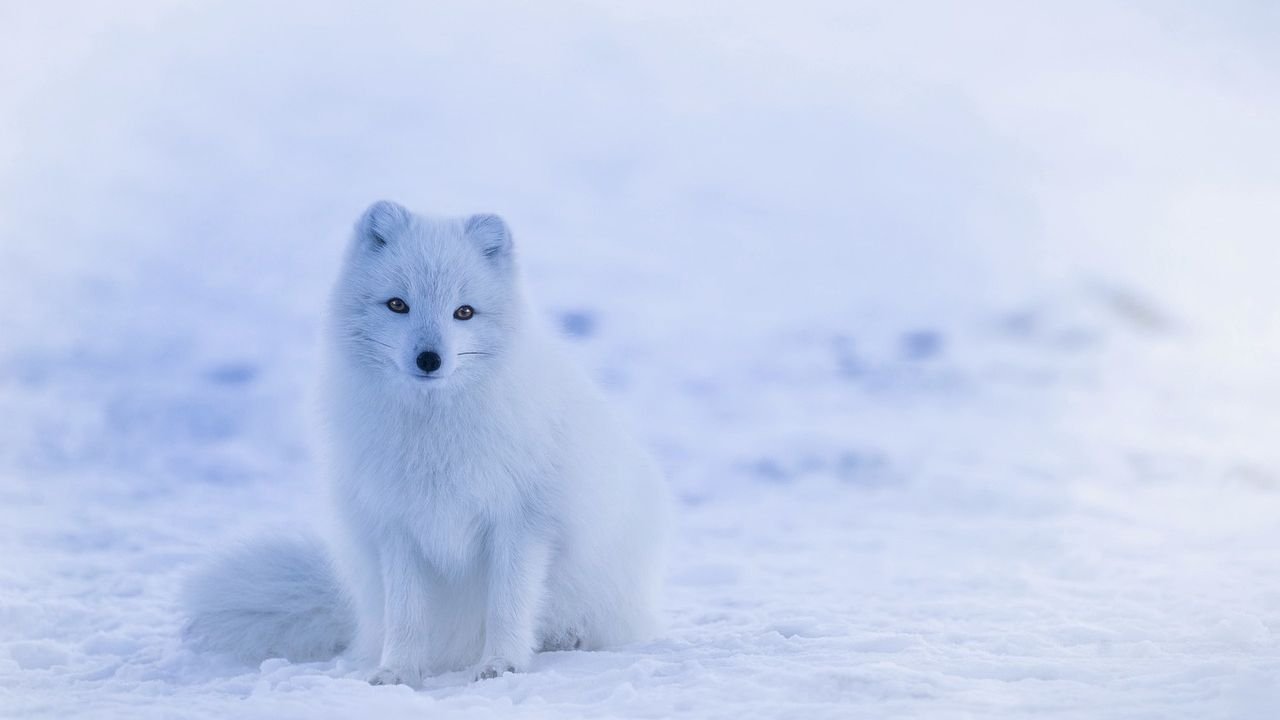
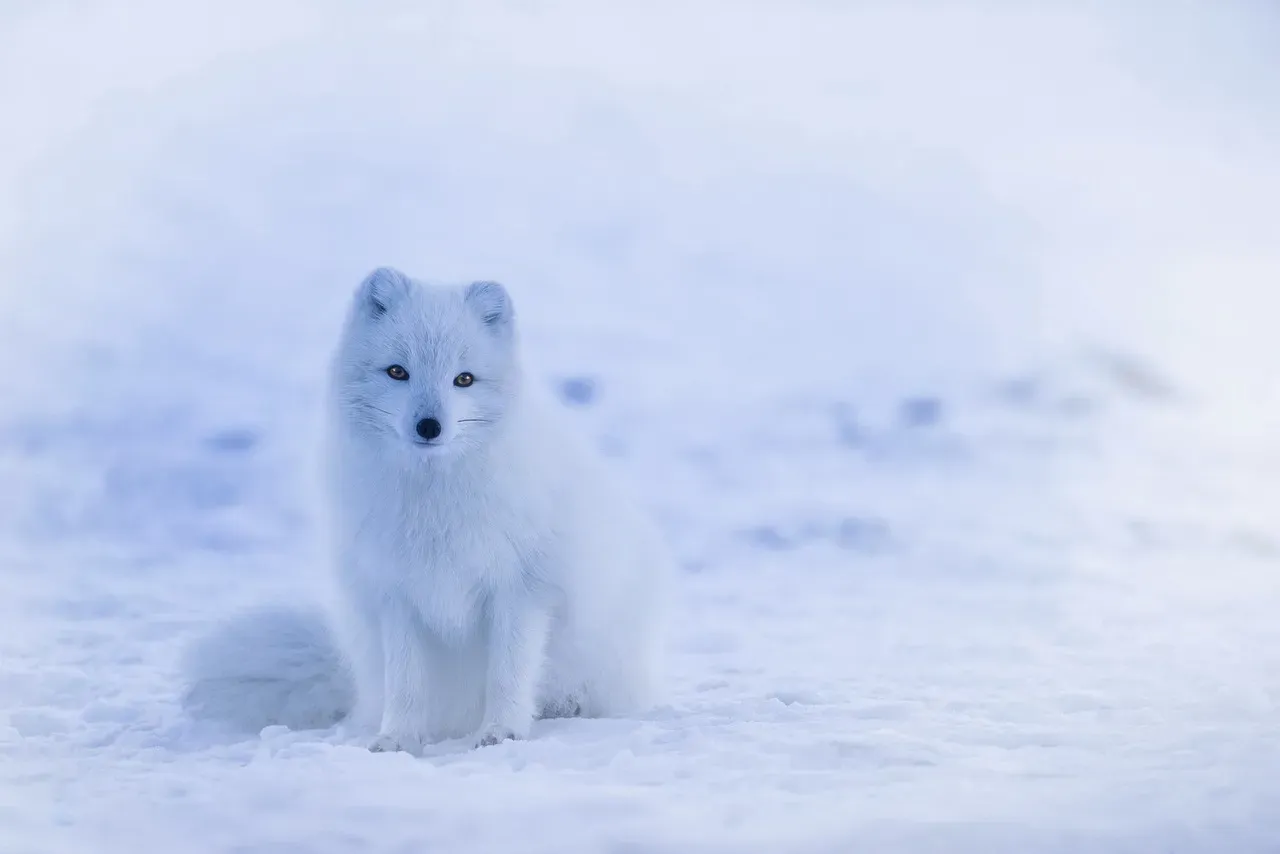
Arctic foxes have evolved various adaptations for extreme cold. Their dense fur insulates against subzero temperatures, while their compact bodies minimize heat loss. They also alter hunting strategies seasonally, preying on lemmings in summer and scavenging polar bear kills in winter. That seasonal flexibility is, honestly, pure genius. Adapt or perish. The Arctic fox chooses to adapt.
Your dog does this too, more than you probably realize. When your dog is in survival mode, they are actually reverting to their primal instincts. Their quest becomes very basic: food, water, safety, and shelter. Whether it’s a dog braving an unfamiliar environment or adjusting their sleeping spot based on the season, behavioral intelligence is always at work. Watching for shifts in your dog’s behavior, especially around extreme weather, gives you the earliest possible warning that something isn’t right. That behavioral awareness is what separates a good dog owner from a great one.
Conclusion: What the Wild Teaches Us About Loving Our Dogs Better
The animal kingdom is, without question, one of the most brilliant engineering projects ever conceived. From antifreeze proteins in Antarctic krill to the communal warmth of emperor penguin huddles, these strategies combine physiology, behavior, and symbiosis to maintain life under conditions that would otherwise be lethal. Every species has a plan. Every adaptation tells a story of resilience.
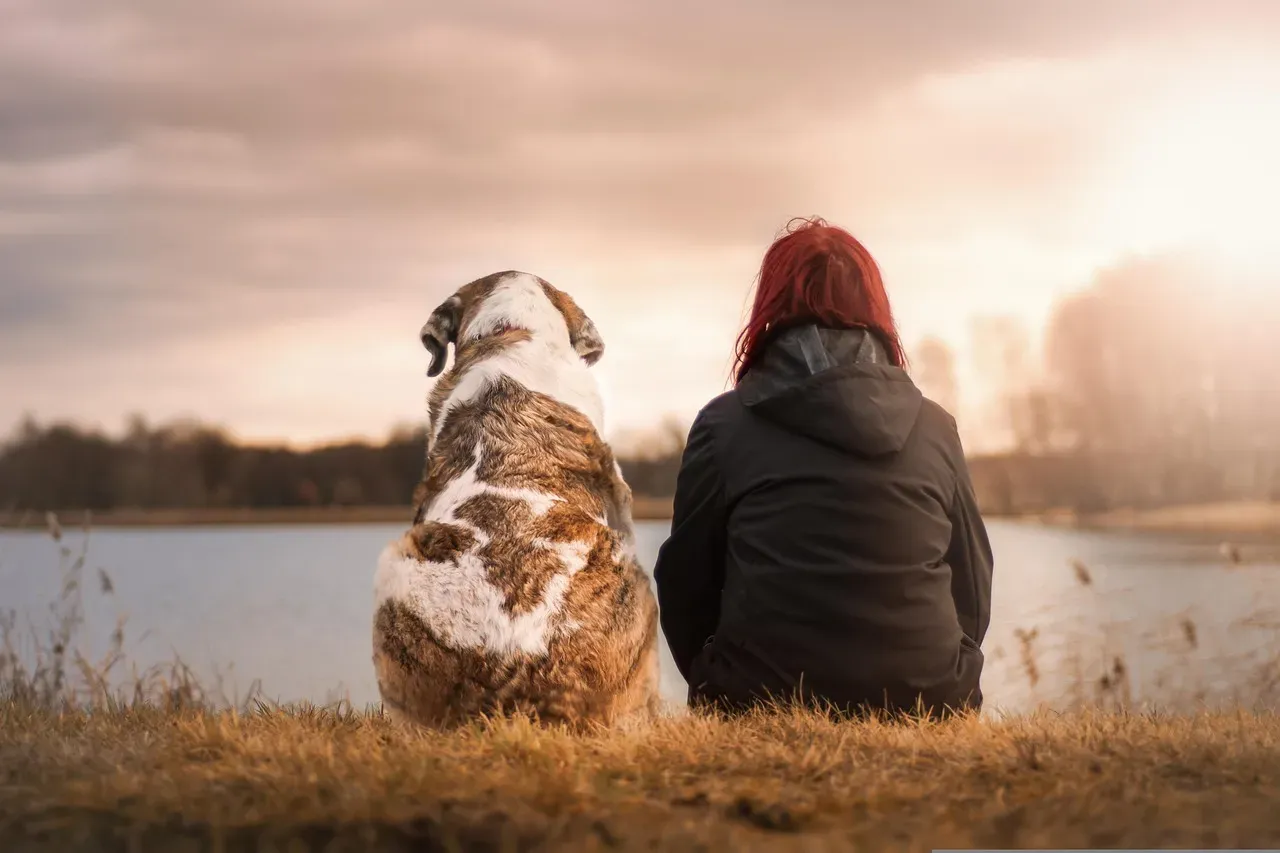
Your dog is part of that story. They carry ancient code inside them, survival instincts shaped over thousands of years of living alongside and apart from humans. Respecting that means watching them closely, adjusting their care with the seasons, and never assuming they’re fine just because they have fur.
The greatest lesson from the wild is simple: survival isn’t just about toughness. It’s about knowing your limits, leaning on your community, and adapting before crisis hits. Your dog deserves a guardian who does exactly that. What survival instinct in your dog have you noticed that still surprises you? Share it in the comments below.


