
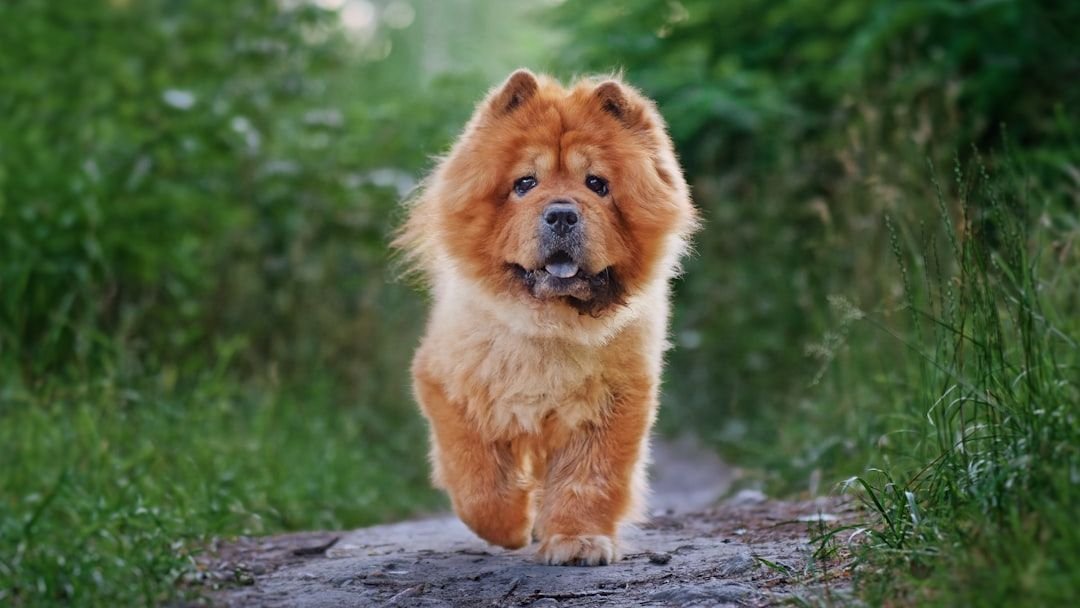
Every dog owner has been there. You call your dog’s name, they look you dead in the eyes, and then casually trot off in the opposite direction. Some dogs seem almost philosophically opposed to following instructions. Others practically trip over themselves trying to earn your approval.
The truth is, many difficult dog breeds were originally bred for independence, strength, and decision-making in challenging environments, and these traits, while admirable, can make obedience training a true test of consistency. On the flip side, some breeds are practically hardwired to please their humans, learning commands like they were born for it. So what separates the rule-followers from the free spirits? Let’s dive in.
1. Afghan Hound: The Gorgeous Rebel
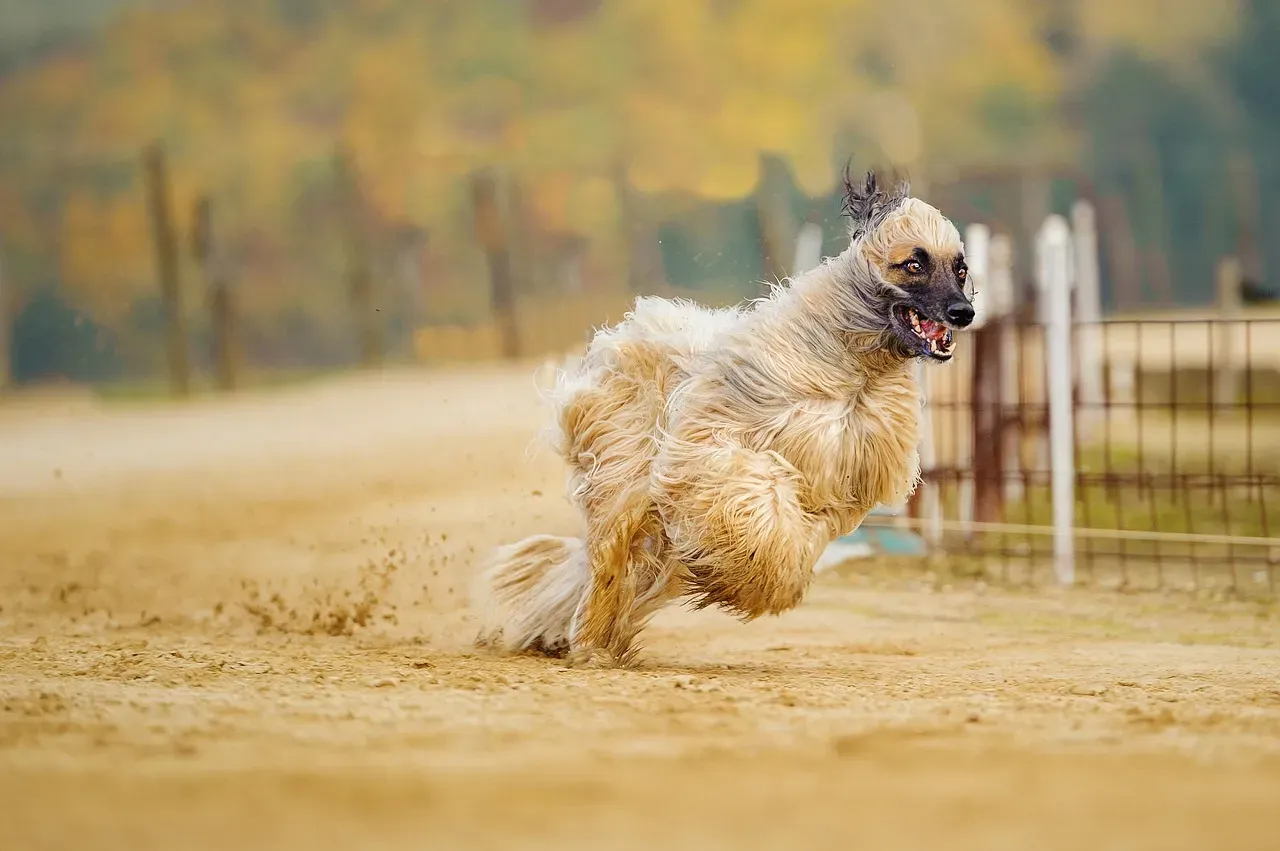
If dogs had a “couldn’t care less” award, the Afghan Hound would win it every single year. Originating thousands of years ago near modern-day Afghanistan, these elegant dogs once helped nomadic tribes flush out swift prey like rabbits and gazelles, and their noble appearance often conceals a mischievous and fiercely independent spirit. That independence isn’t laziness. It’s deeply wired into their DNA.
Despite being one of the world’s most expensive dogs, the Afghan Hound is considered to have the lowest obedience and working intelligence, needing at least 80 repetitions to understand a new command, which may stem from the fact that it is one of the most stubborn breeds, notorious for ignoring its owners’ commands. Honestly, there’s something almost admirable about a dog that operates entirely on its own schedule.
2. Basenji: The Dog Who Thinks Commands Are Suggestions
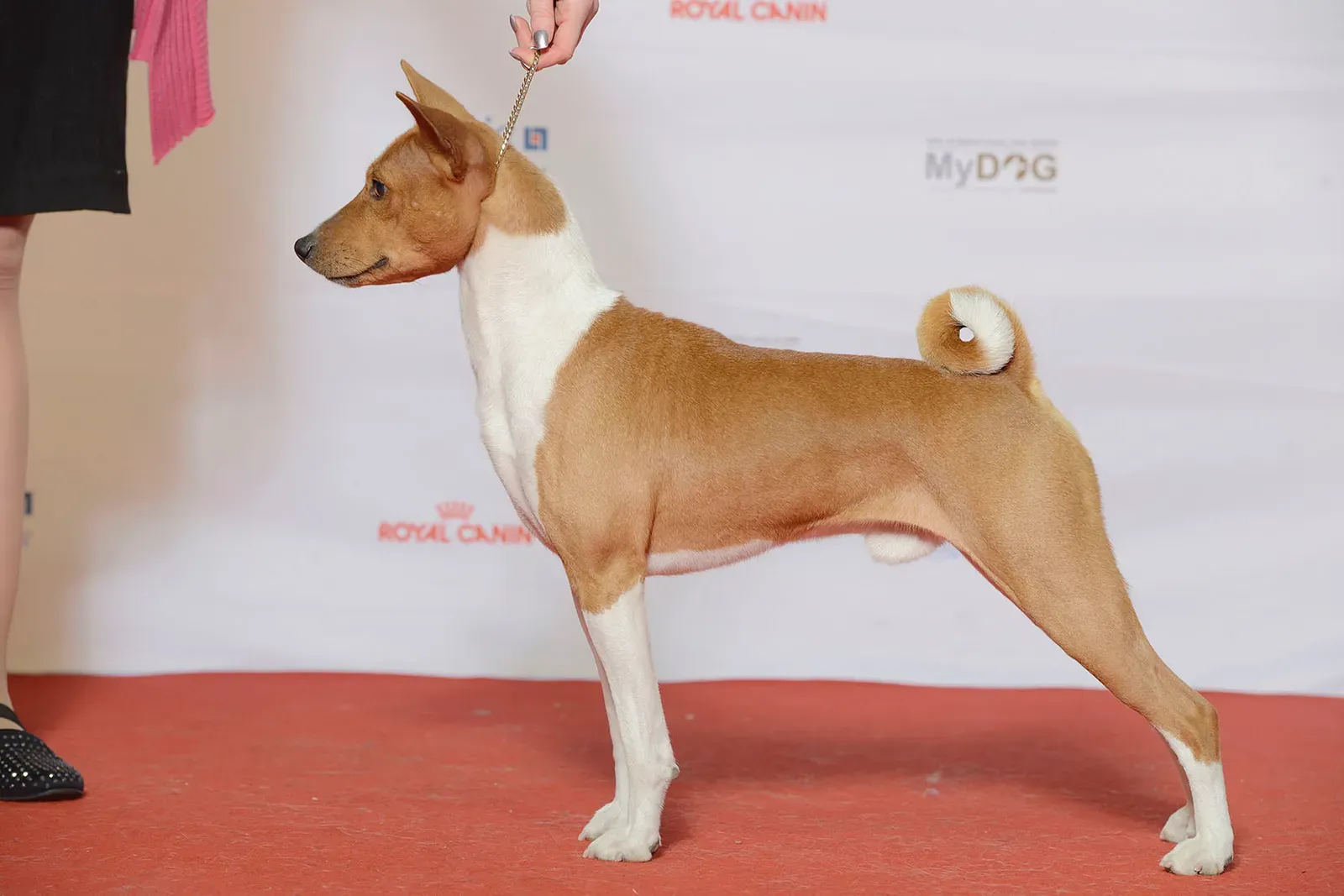
The Basenji doesn’t like bothering with training. It’s not that these dogs aren’t smart; it’s just that unlike breeds like the German Shepherd who are quite modern and bred to be trainable, the Basenji has spent thousands of years thinking for themselves. Think of it like asking a seasoned freelancer to clock in at 9am every day. They’ve been self-directed for too long.
With a cat-like demeanor and a great sense of independence, the Basenji possesses a self-sufficient nature and is also intelligent, which is the key reason behind its non-obedience to commands or training attempts. This breed will do everything with a smile on its face, but on its own terms and in its own time, so going slowly, calmly, and with plenty of rewards is essential to build a happy relationship.
3. Chow Chow: Ancient, Aloof, and Utterly Unbothered
The Chow Chow is one of the oldest breeds in the world, and like many primitive breeds, they never quite see the point in listening to humans. They are notoriously stubborn, independent, and just don’t get the same thrill out of pleasing their owners that a Golden Retriever does. If Golden Retrievers are golden students sitting in the front row, Chow Chows are the ones reading a separate book in the back.
Chow Chows are not just distinctive in appearance but also in personality. They tend to be aloof and very independent, which can make training a real challenge. That said, with consistency and a lot of patience, they do bond deeply with their owners. They just won’t be showing off at puppy school any time soon.
4. Bloodhound: Too Busy Sniffing to Listen
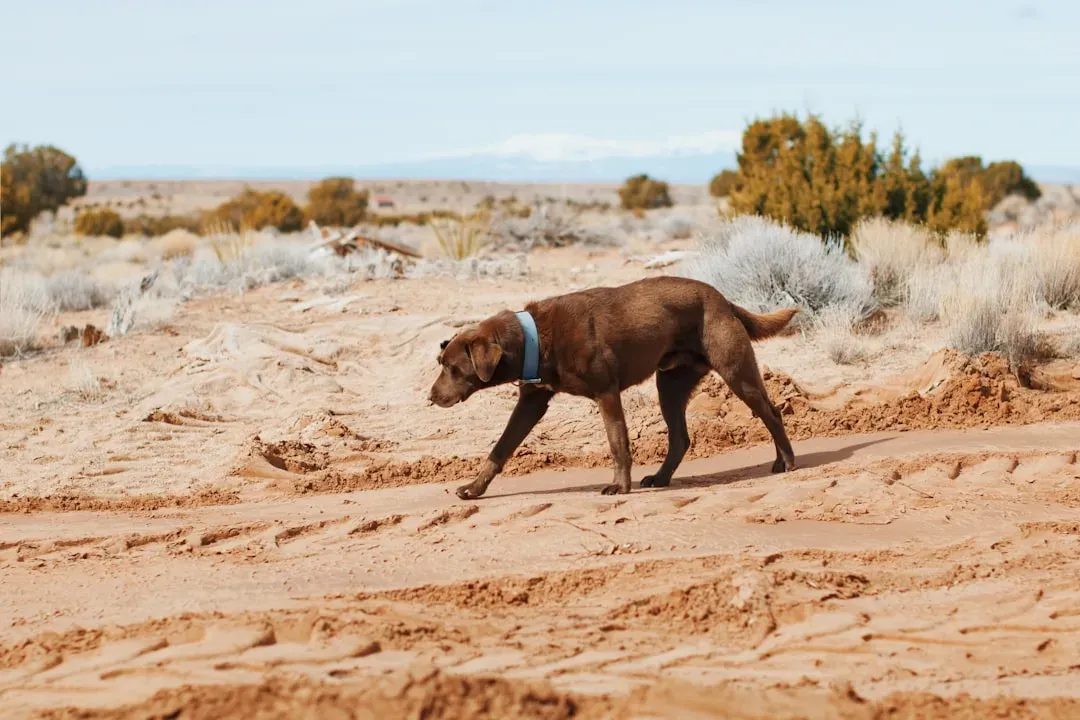
The Bloodhound’s nose is basically a supercomputer, and unfortunately for training purposes, it dominates everything else. Bloodhounds are hard to train because they are distracted by smells near and far. They are gentle, easygoing dogs with strong persistence in following scent trails, and because of their powerful instinct to track, obedience training can be difficult for inexperienced handlers.
The bloodhound is law enforcement’s go-to choice to locate fugitives and find missing individuals. However, their instincts and self-reliance can pose a challenge during training, as bloodhounds are stubborn and easily sidetracked, making standard training techniques less effective. The irony is almost too funny: a dog used professionally by law enforcement that you can’t get to sit in the living room.
5. Siberian Husky: Brilliant, Energetic, and Wildly Independent
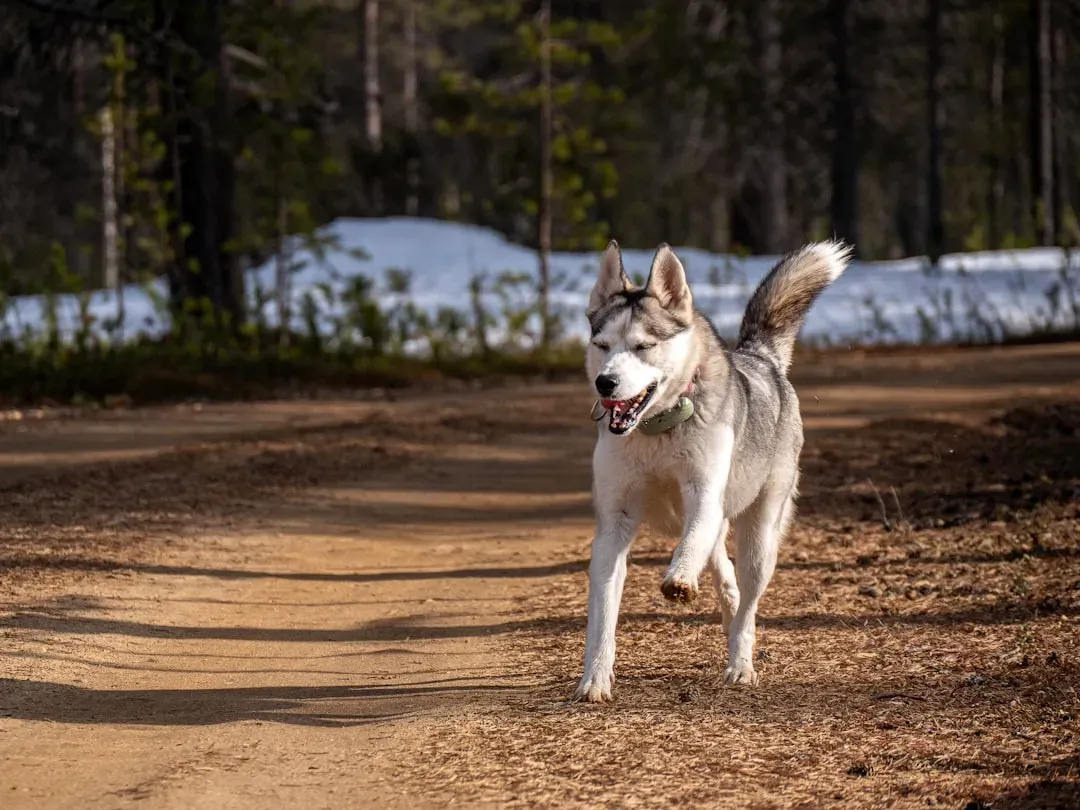
Siberian Huskies are free-spirited dogs blessed with high intelligence and energy levels, neither of which is necessarily a useful asset in the home. While they are smart and can learn obedience in a domestic setting, they aren’t always quite as eager to please as we might hope. It’s a bit like hiring a genius contractor who also does everything on their own timeline.
This high-energy breed requires a lot of exercise and is prone to bolting out the door. They are also very intelligent and skilled escape artists with a strong will that can lead them to ignore you in favor of doing whatever they want. Here’s the thing with Huskies: they need a job, a challenge, and a very tall fence.
6. Basset Hound: Laid-Back to a Fault
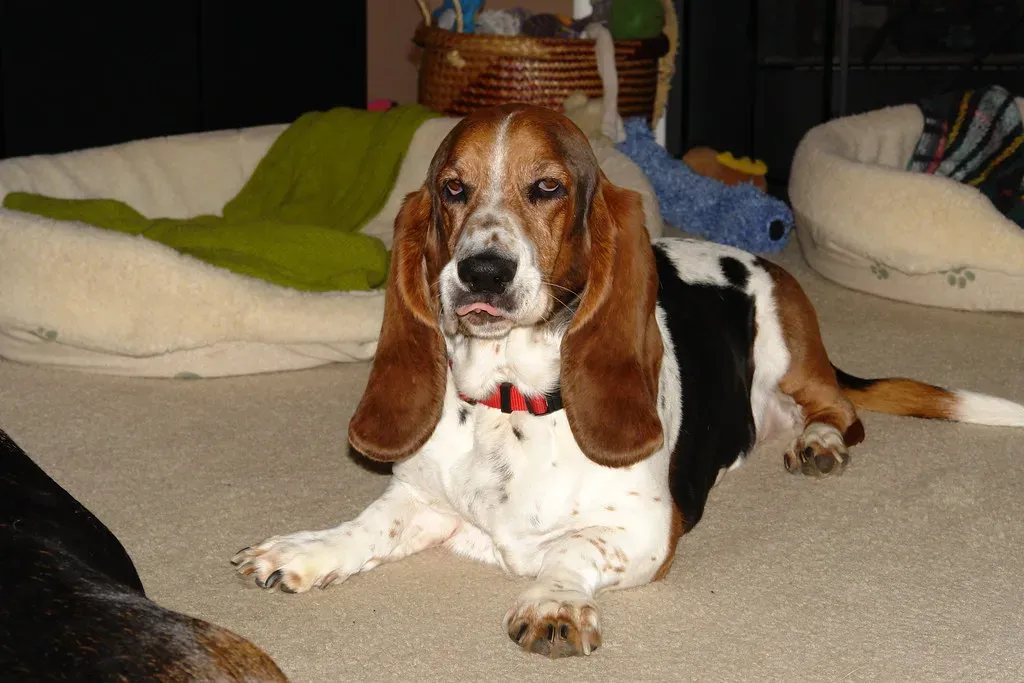
Basset Hounds are famous for their easygoing demeanor, but any pup parent of a Basset Hound will know exactly why they’re a top contender for the hardest dog to train; they’re slow learners and one of the most difficult breeds to housebreak. Their long droopy ears and soulful eyes make you want to forgive them for everything, which is probably part of the problem.
Basset Hounds can be stubborn, and like their scent hound cousins such as the bloodhound and beagle, they struggle to ignore surrounding smells long enough to stay focused on learning. Anyone raising a Basset Hound and hoping for high obedience should understand it is a lifelong process. They’re not in a hurry. They never were.
7. Beagle: The Nose Knows, and It’s Going That Way
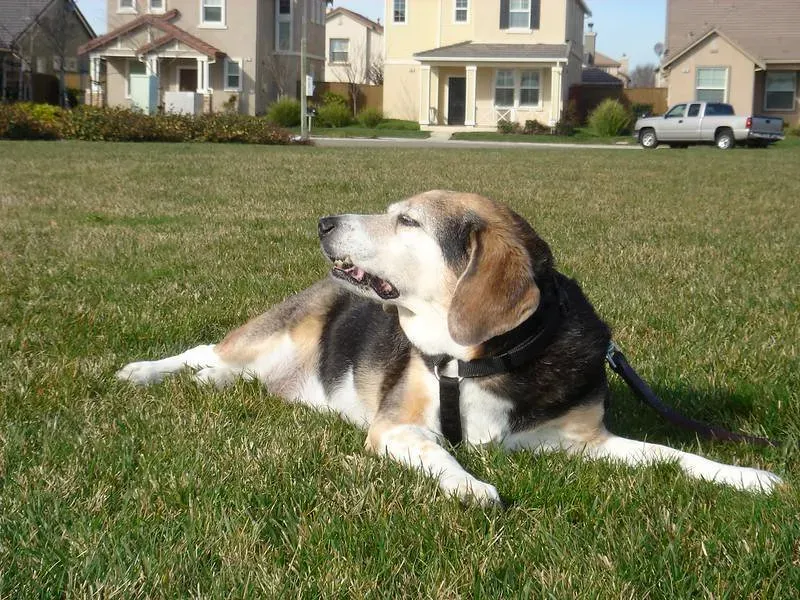
Beagles are adorable, sociable, and full of personality. They’re also almost magnetically drawn to smells, which makes training feel like trying to hold a conversation with someone who keeps walking away. They are energetic, playful, and tremendously scent-driven, giving them very short attention spans to devote to learning commands. Happily, they are a delightfully easy-going breed, so all is quickly forgiven!
The so-called stubbornness of breeds such as the Beagle stems from their exploratory nature, not any kind of defiance or lack of intelligence. Think of training a Beagle like teaching someone who keeps spotting interesting things out the window. Short sessions, high-value treats, and a strong recall command are your best weapons.
8. Bulldog: Smart Enough to Get What They Want Without Moving
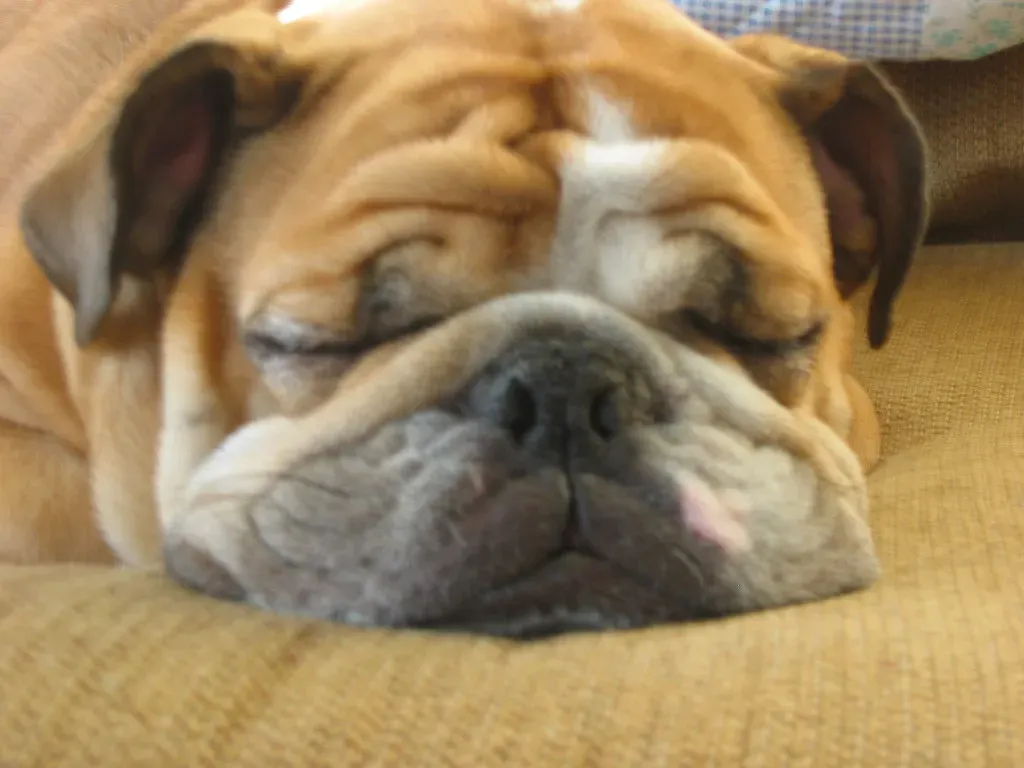
Let’s be real: Bulldogs have figured out something we haven’t. Bulldogs don’t have a good reputation for being smart or trainable. But this simply isn’t true. They are very smart; it’s just that they learned how to get their humans to do things for them while they take a nap. That is, frankly, a form of genius.
We can’t forget to count Bulldogs while considering the most stubborn dog breeds. Their laid-back nature while being non-obedient makes it extremely challenging for anyone to train them. They respond best to short sessions and food rewards. Still, don’t expect them to be performing agility runs any time soon. They have a schedule to keep, and it involves a cushion.
9. Jack Russell Terrier: Tiny Body, Enormous Stubbornness
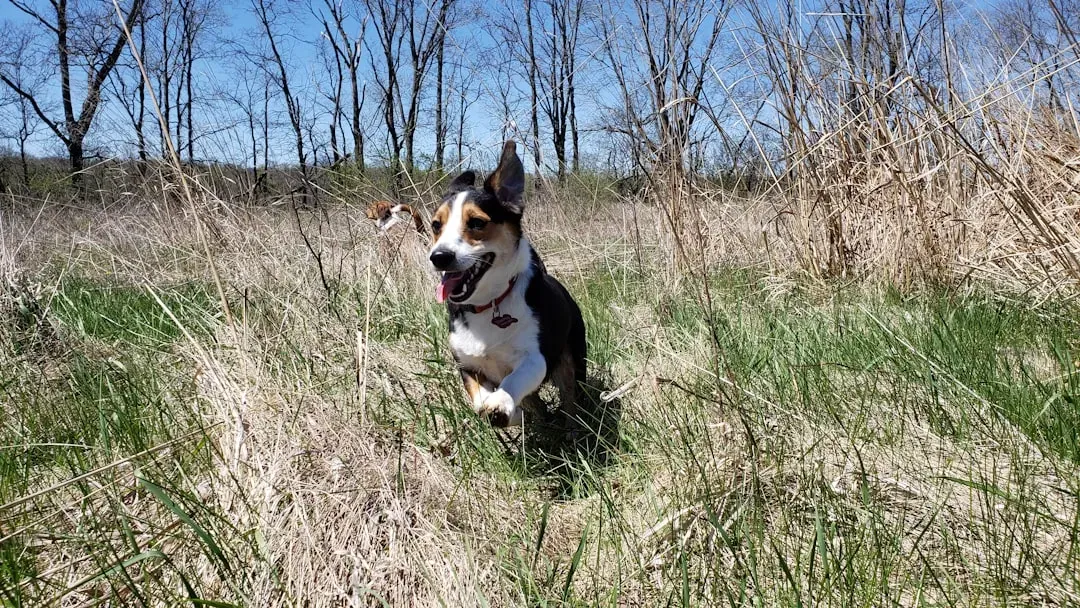
Do not let the size fool you. Jack Russell Terriers are small, powerful dogs that were bred to be used in fox hunting, and they have a very high prey drive, which makes them one of the hardest dogs to train. There’s a specific kind of chaos that only a Jack Russell can deliver, and it tends to arrive at full speed.
Jack Russells typically love training sessions, but the trick is keeping them entertained. The moment boredom kicks in, all bets are off. They’re not disobedient out of stubbornness so much as sheer impatience with anything that doesn’t engage their lightning-fast brains. Keep it short, keep it exciting, and always keep one eye on your socks.
10. Borzoi: Elegant, Graceful, and Absolutely Disinterested
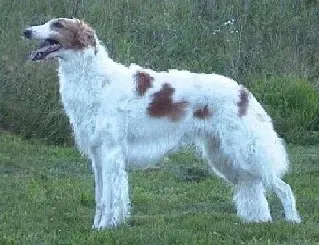
As sighthounds, Borzoi are independent dogs that usually don’t see much of a point in obeying instructions. Because of their laid-back nature, this is rarely a problem. However, they do tend to chase anything that moves and ignore their owners calling. Picture a supermodel who also sprints at 40 miles per hour and you’ve basically got a Borzoi.
Borzois do best with frequent, short training sessions rather than long hour-long lessons. They enjoy chase games where their sighthound abilities shine. I think the key with this breed is working with their instincts, not against them. They’ll never be your classic sit-stay-heel dog, and honestly, they’re too magnificent for that anyway.
11. Akita: Loyal to the Core, But on Their Own Terms
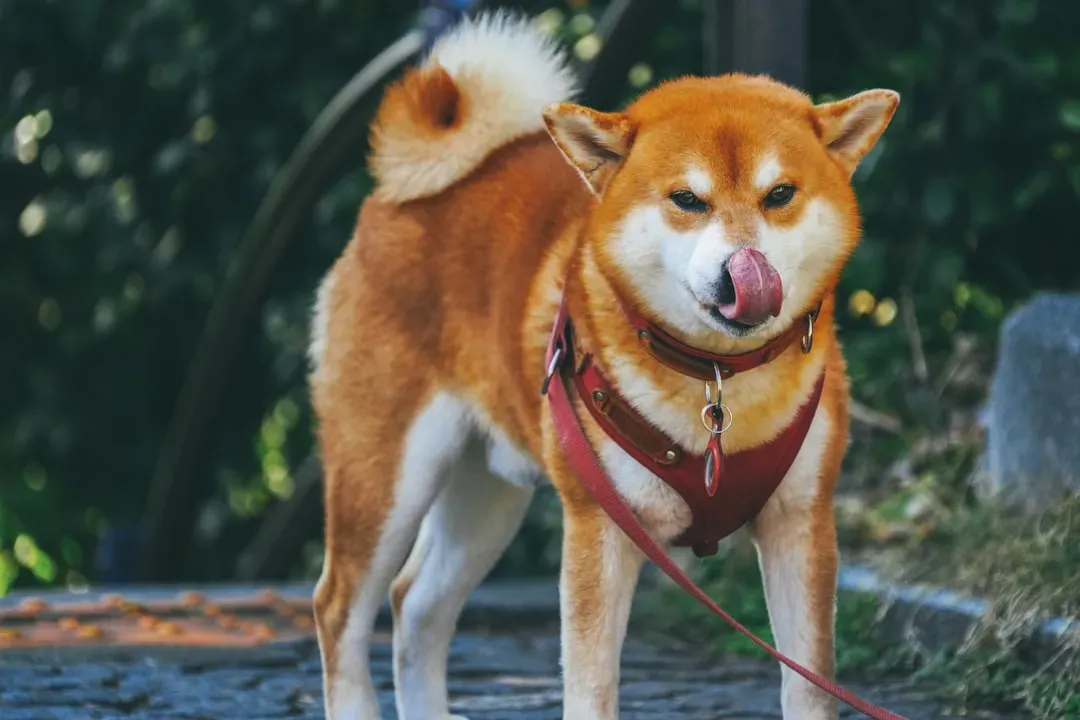
Akitas were bred to hunt big game, so they have a strong prey drive and can be aggressive if not adequately socialized and trained. Highly protective by nature, these dogs are often wary of strangers and do not always get along with other dogs. It takes an experienced pet parent to keep Akitas grounded and trained. They’re essentially the strong, silent type of the dog world.
Their impulsive nature and resoluteness make them unsuitable for first-time pet owners. They need strong leaders or someone who can spend more time exercising with them or use other tactful methods to keep their attention during training. With the right owner, an Akita can be breathtakingly loyal and well-mannered. Without guidance, they’ll decide the rules themselves. And their rules may not line up with yours.
The Natural People-Pleasers: Who’s on the Other Side?
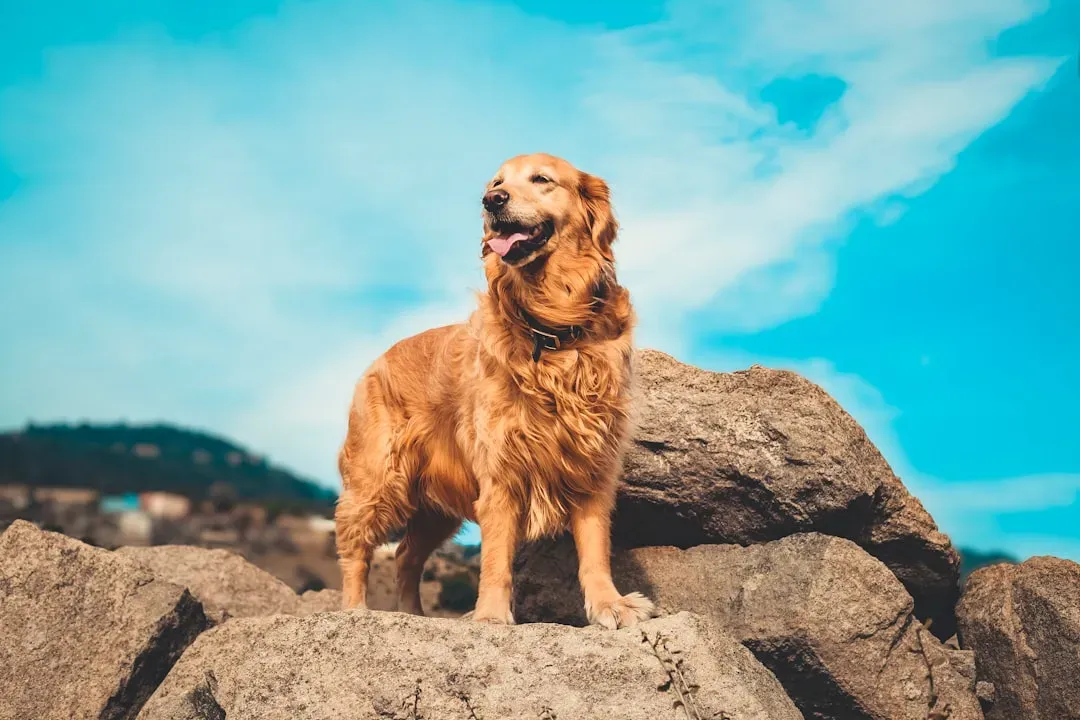
Now for the polar opposite. While the breeds above prefer their own agenda, some dogs are practically desperate to earn your praise. Dogs that are highly motivated by pleasing their handlers are often the easiest to train. They thrive on positive feedback, and their eagerness to learn new tricks and commands can be a massive benefit. It’s almost like having a coworker who genuinely loves extra assignments.
Renowned for their friendly demeanor, Golden Retrievers are great family dogs and highly trainable. They are intelligent and eager to please, making them quick learners. They are tolerant, devoted to their family, and food-oriented, which also helps! Labrador Retrievers sit right beside them in this category. Labs are known for their friendly and outgoing personalities and are among the easiest dogs to train, and their very high food drive doesn’t hurt. They’re bred to be people-pleasing, stable, and confident, which makes them an excellent family pet.
All three types of Poodle, Standard, Miniature, and Toy, tend to do well at training, and these intelligent and elegant dogs also come with a high desire to please their humans, allowing them to excel at obedience training and various dog sports. German Shepherds round out the dream team. The German Shepherd Dog is a tireless worker and wants nothing more than to please their handlers, and this beautiful and friendly dog is also very trainable and eager to please.
Conclusion: Stubborn Isn’t Stupid
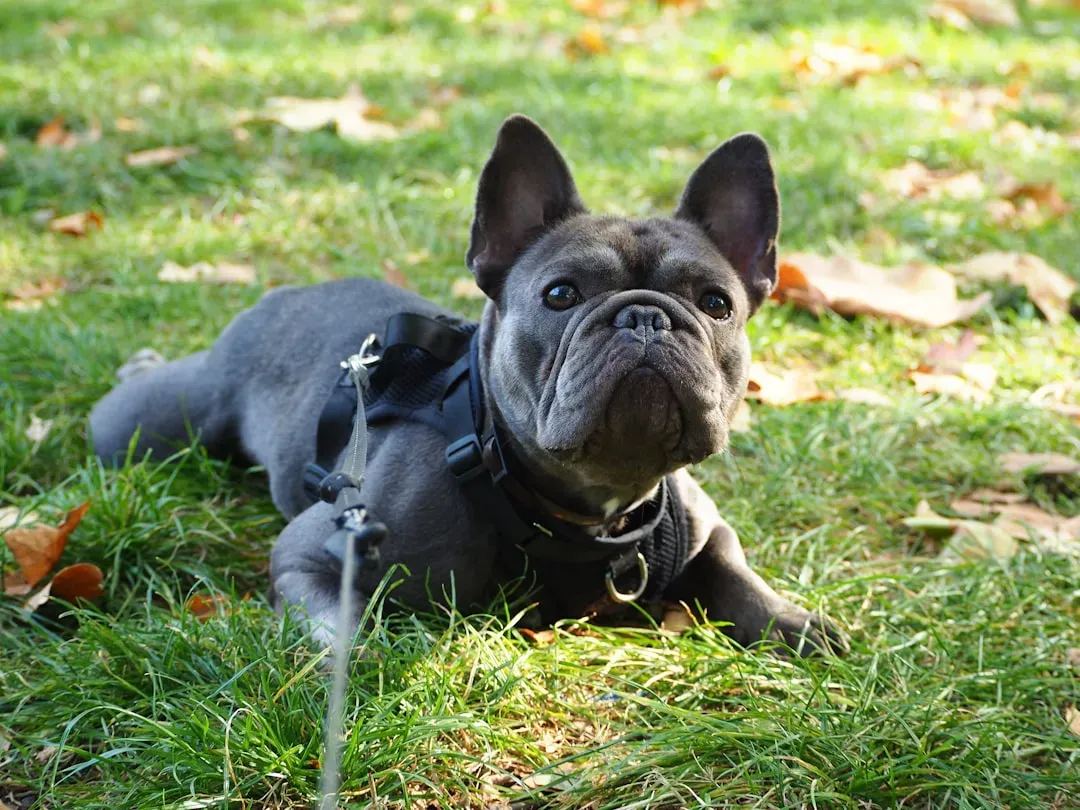
Here’s the most important takeaway from all of this. A dog that’s hard to train isn’t a bad dog. Not even close. Trainability is just one kind of intelligence. Even the hardest to train dogs can often be one of the smartest when it comes to solving problems on their own, doing what they were bred to do, or thinking independently. That stubbornness you’re wrestling with? It’s often centuries of selective breeding doing exactly what it was meant to do.
These free-spirited thinkers often test boundaries, ignore recall cues, or challenge authority, yet beneath their stubborn exterior lies sharp intelligence, strong instincts, and an independent drive shaped by their original purpose. Whether you’ve got a people-pleaser who’d do backflips for a biscuit or a regal rebel who treats commands like optional suggestions, the bond you build through training is what really matters.
The question isn’t really which dog is obedient. It’s whether you’re the right match for your dog’s personality. So what kind of owner are you, and which dog sounds most like yours?


