
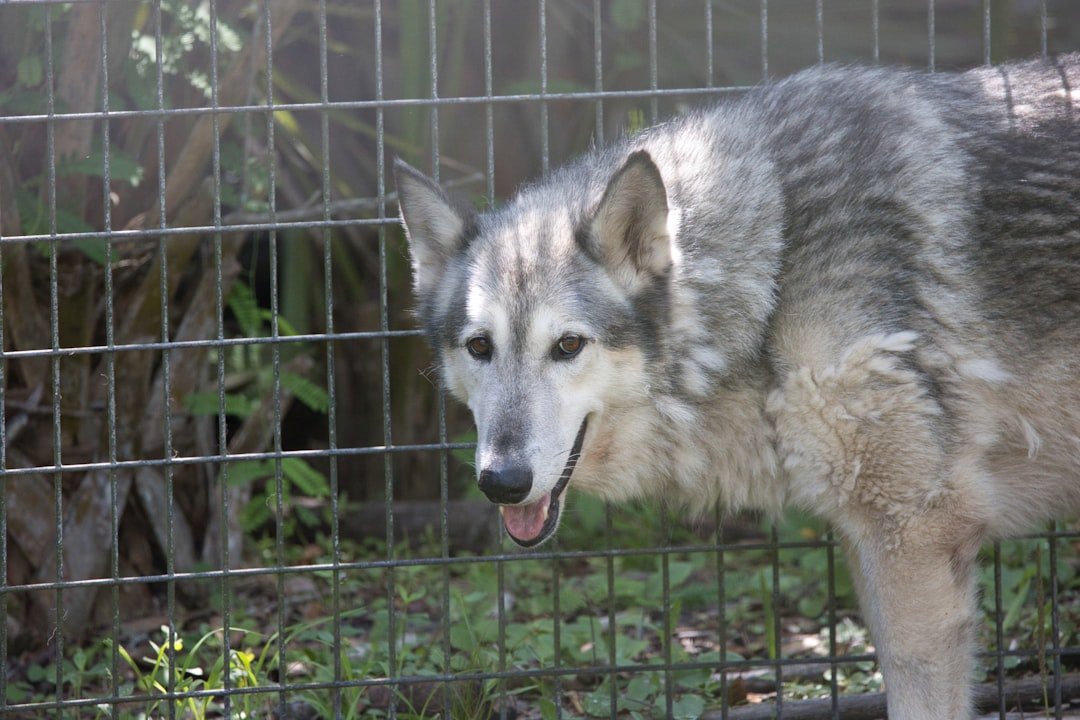
Greece – Wildlife conservationists identified the country’s first genetically confirmed wolf-dog hybrid through routine DNA analysis in the northern region.
A Startling Genetic Revelation Emerges
Callisto, a Thessaloniki-based organization dedicated to protecting large carnivores, uncovered the hybrid during tests on 50 wolf samples collected across the Greek mainland.[1][2] The discovery occurred amid efforts to trap a rogue wolf in nearby Halkidiki, where the animal had posed risks to local communities.[1] Biologist Aimilia Ioakimeidou announced the finding at a conference in Athens, stating, “This is the first genetic case to be confirmed in Greece.”[2]
Prior reports of wolf-dog hybrids in Europe relied on visual identification alone, often leading to misclassifications. This case relied on precise DNA evidence, setting it apart from unverified sightings in regions like Central Asia and the United States.[1] The hybrid, a young male near Thessaloniki, highlighted unexpected interactions between wild wolves and stray dogs in the area.
Unpacking the Hybrid’s DNA Profile
Genetic testing revealed the animal carried 55 percent dog DNA and 45 percent wolf DNA, confirming interbreeding between a stray dog and a wild wolf.[3][4] Wolves (Canis lupus) and dogs (Canis lupus familiaris) share 99.9 percent of their genetic material, allowing fertile offspring despite their divergence thousands of years ago.[1] Dogs originated from gray wolf ancestors between 15,000 and 40,000 years ago, through processes that may have involved humans rearing wolf pups.
Such hybrids remain exceptional in nature. Wolves breed only once annually and defend territories aggressively, typically repelling or attacking intruding dogs rather than mating with them.[1] Yet traces of dog ancestry appear in over half of Eurasian wolf genomes, suggesting sporadic natural hybridization over time.
Greece’s Wolves Stage a Remarkable Recovery
A 1983 hunting ban under the Bern Convention spurred wolf population growth, with Callisto’s six-year study estimating 2,075 individuals nationwide.[2] Packs have reestablished in former ranges, including three groups totaling at least 31 wolves in the Mount Parnitha area near Athens.[3] This resurgence reflects habitat regeneration and reduced human pressures.
The expanding wolf presence intersects with Greece’s estimated three million stray dogs, creating opportunities for rare encounters.[1] Recent incidents, such as a wolf attacking a five-year-old girl on a Halkidiki beach in September 2025, underscore rising human-wildlife tensions.[4]
Navigating the Broader Implications
The hybrid raises concerns about genetic dilution in wild populations, as fertile offspring could introduce domestic traits that affect survival skills.[3] Conservationists now question whether similar undocumented hybrids exist elsewhere, complicating efforts to monitor pure wolf lineages.
Key factors contributing to the rarity of wild wolf-dog hybrids include:
- Wolves’ annual breeding cycle limits mating windows.
- Strong territorial instincts deter canine intruders.
- Differences in behavior and habitat preferences between species.
- Human expansion altering natural barriers.
- Greece’s large stray dog population providing potential mates.
- First DNA-confirmed wolf-dog hybrid in Greece signals evolving wildlife dynamics.
- Wolf numbers reached 2,075, fueling both recovery and conflicts.
- Advanced genetics now enable precise hybrid detection for better management.
This breakthrough emphasizes the need for vigilant monitoring as wolves reclaim territories. It prompts reflection on balancing protection with public safety in shared landscapes. What do you think about the rise of such hybrids? Tell us in the comments.


