
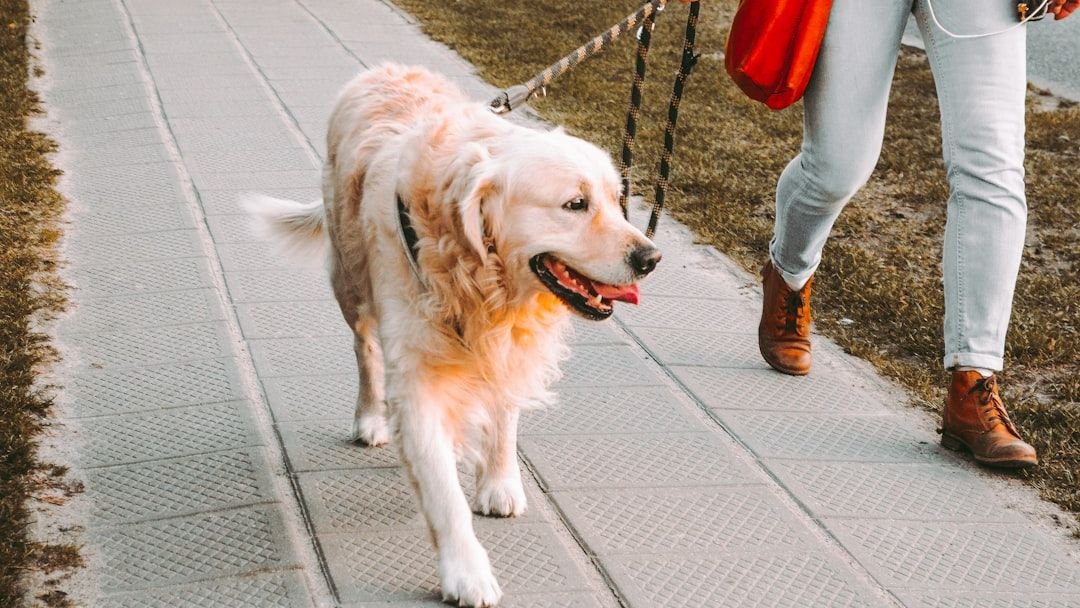
Picture this: your dog is sitting by the front door, leash in mouth, giving you that look. You know the one. Big eyes. Maybe a soft whine. Pure, unfiltered hope. Most of us grab that leash thinking, “Okay, quick bathroom break.” But here’s the thing – what’s actually happening on that walk goes so much deeper than a potty stop.
The daily walk is, honestly, one of the most powerful things you can do for your dog’s overall wellbeing. It touches their body, their brain, their emotions, and even your bond with them. It’s less like a chore and more like medicine. Free medicine. Let’s dive in.
1. It Keeps Their Body Strong and Their Weight in Check
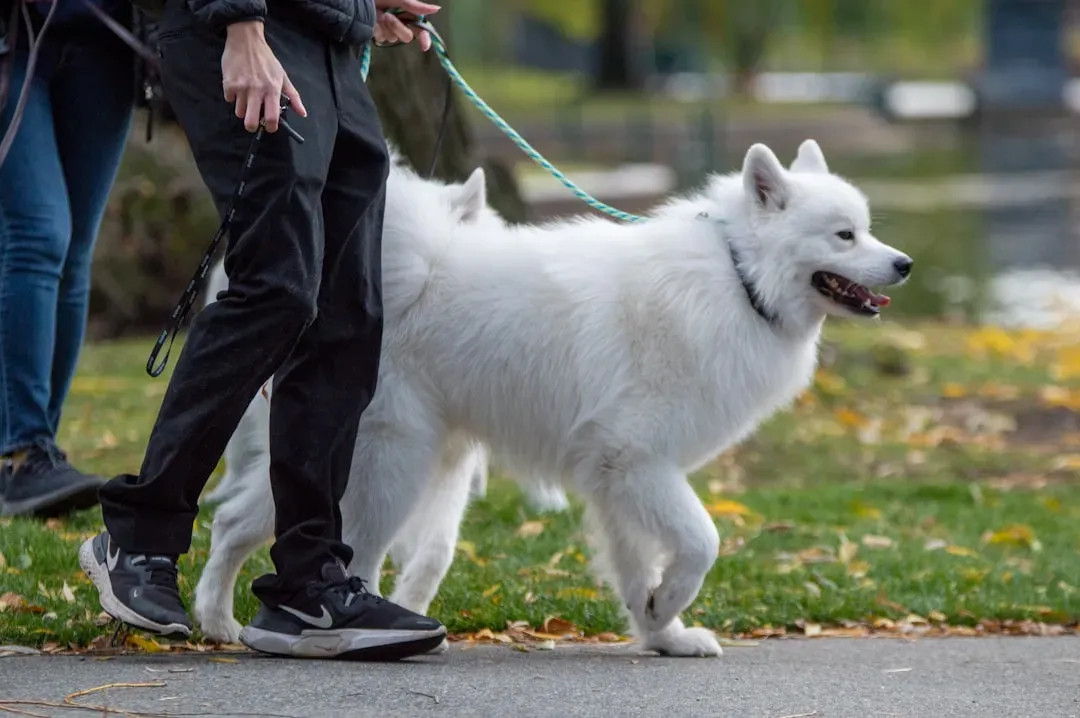
Regular walks help maintain your dog’s weight and prevent obesity, which is a growing concern in pet health. Obesity in dogs can lead to serious health issues such as diabetes, heart disease, and joint problems. Think of it this way: a chubby dog might look adorable, but the body underneath is quietly struggling.
A daily walking routine helps regulate their metabolism and burns off excess calories effectively. It also keeps their joints limber and muscles toned, reducing the risk of arthritis and other mobility issues as they age. Prevention, not treatment, is always the kinder path.
2. Sniffing Is Their Superpower – Let Them Use It
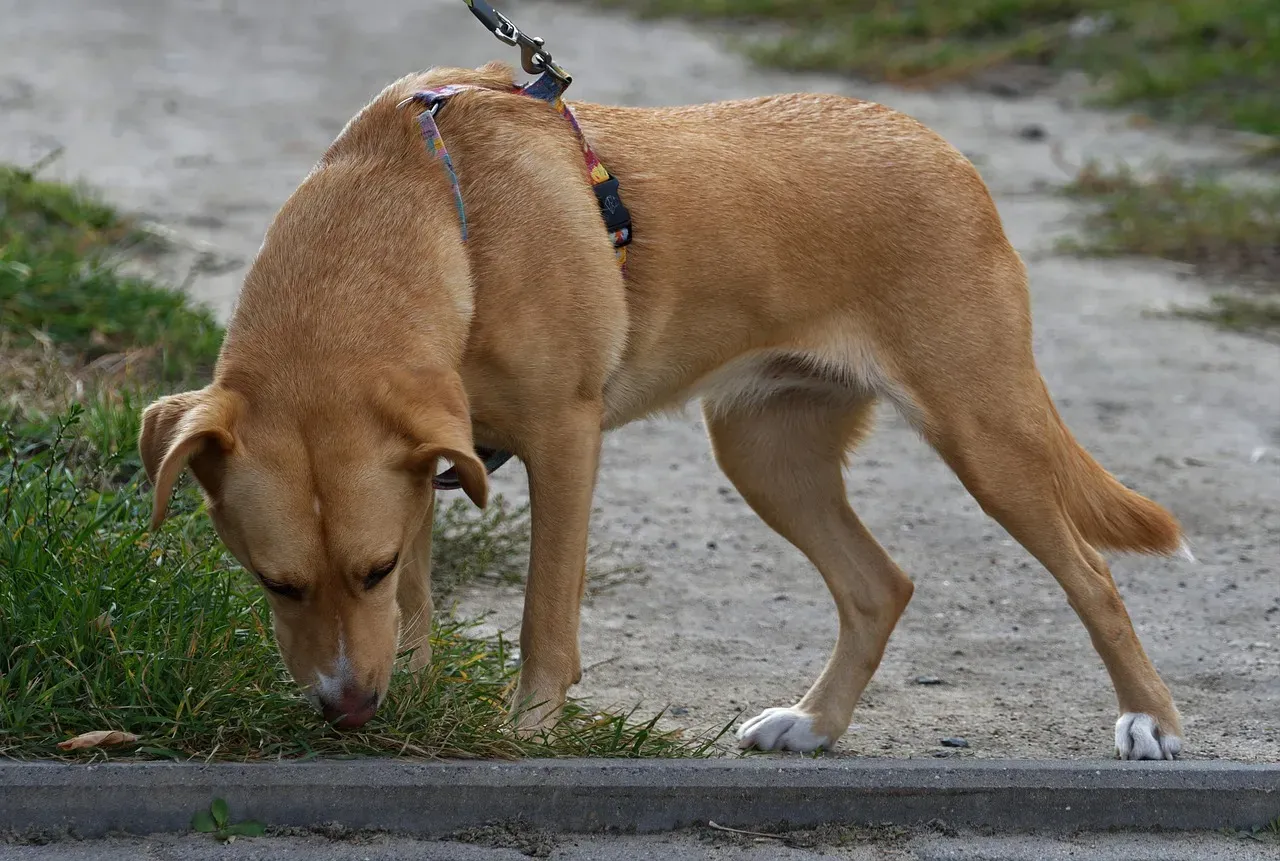
Ever notice how your dog’s tail wags a little faster when they catch a whiff of the great outdoors? That’s because sniffing isn’t just a way for dogs to explore their surroundings – it’s also a powerful stress reliever. When dogs sniff, they’re tapping into their natural instincts, engaging their brains, and stimulating their senses.
Regular walks provide opportunities for dogs to sniff to their hearts’ content, helping to reduce stress, anxiety, and boredom while promoting mental stimulation and relaxation. So next time your dog stops to smell every single blade of grass, resist the urge to tug the leash. That sniff session is doing real work.
3. It’s a Full Mental Workout for Their Brain

Walking exercises the mind as well as the body. Watching wildlife, exploring new paths, and seeing other people with their pets are great mental stimulation for your dog that he just cannot get in the same fenced area. A backyard, no matter how big, just doesn’t cut it.
Every walk is an opportunity for your dog to see, smell, and hear new things. This mental stimulation is an important piece in preventing cognitive decline in older dogs and helps reduce common behavior problems such as excessive barking or chewing. A well-stimulated dog is a happy dog, and less likely to find destructive ways to expend their energy at home.
4. Walks Prevent the Behavior Problems Driving You Crazy
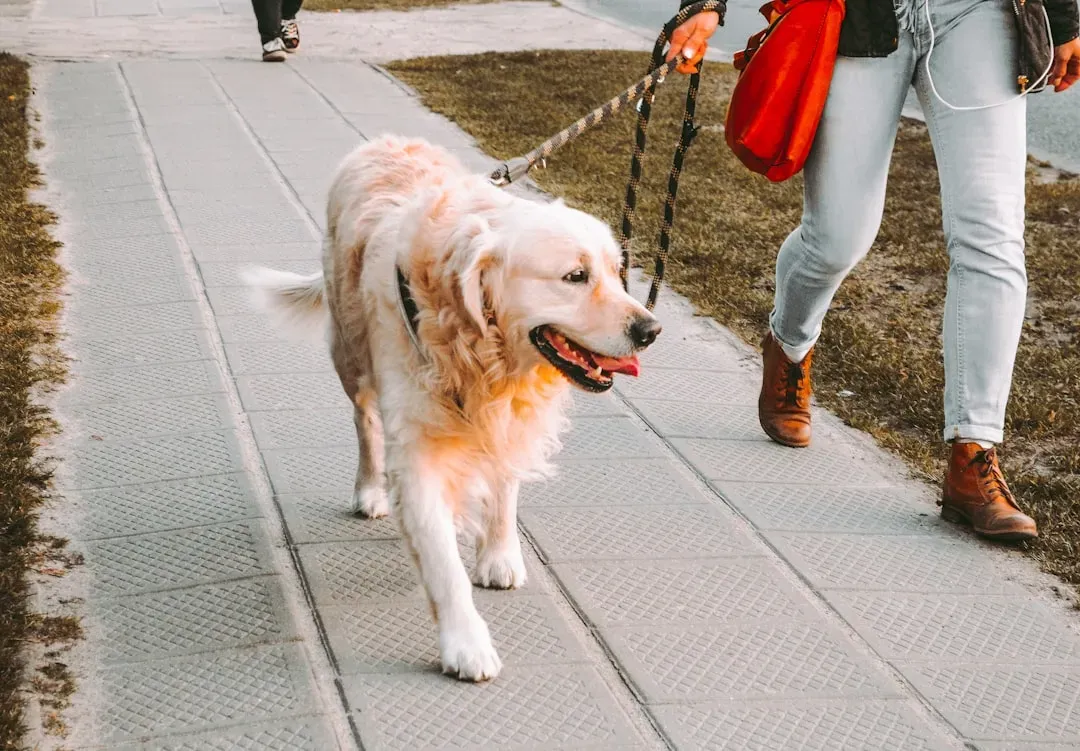
Like a child, your dog wants to know the world. If confined to the house for too long, your dog will get bored, and boredom can lead to destructive behavior. That couch your dog chewed? The shoes that mysteriously disappeared? Nine times out of ten, boredom is the culprit.
Dogs naturally engage in certain behaviors that we humans tend to think of as destructive, including hunting, scavenging, and exploring, which can be expressed as chewing, jumping up on people, and roaming. Regular walking gives your dog a chance to engage in those behaviors without being destructive. It also helps release pent-up energy and tires your best buddy out, both mentally and physically. That equates to a better-behaved dog.
5. Socialization: Building a Confident, Well-Rounded Dog

A lack of socialization can lead to a range of behavioral issues, including fear, aggression, anxiety, and excessive shyness. These problems can make it challenging to take your dog to new places or introduce them to new people and animals. On the other hand, a dog that has been well-socialized is typically more confident, relaxed, and better able to handle the unexpected.
While out walking, your pooch is most likely going to meet other dogs. This is a great opportunity to help your dog learn acceptable ways of socially interacting with new animals. It will also help build doggy confidence so your pet will be less afraid to make friends. Honestly, a shy dog that slowly learns to greet strangers with a wagging tail? One of the most rewarding things to witness.
6. It Supports Digestive and Urinary Health
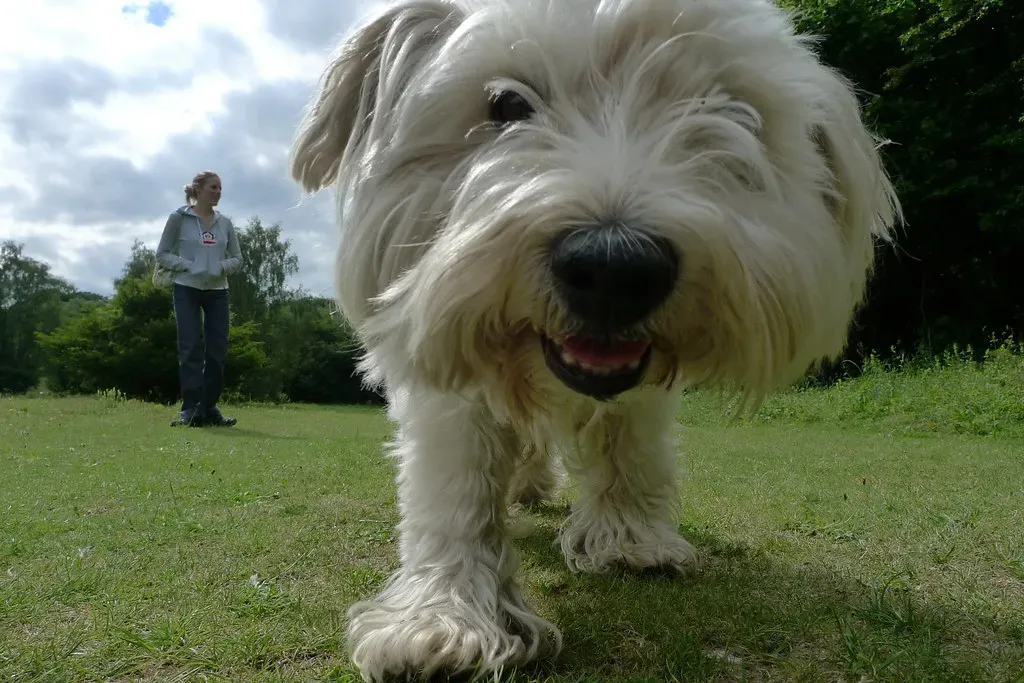
Walking is particularly beneficial for dogs as it aids their digestive and urinary health. In short, it helps them use the loo! Daily walks are a good excuse to practice using the bathroom outdoors, especially for puppies. Simple, yes. But incredibly important for their internal comfort.
Regular walks can help regulate a dog’s digestive system and can aid in relieving constipation. Consistent walking schedules allow dogs to relieve themselves regularly, which reduces the risk of urinary tract infections. This benefit is particularly important for dogs with a history of urinary issues. Routine matters more than we often realize.
7. Routine Walks Give Your Dog a Sense of Security
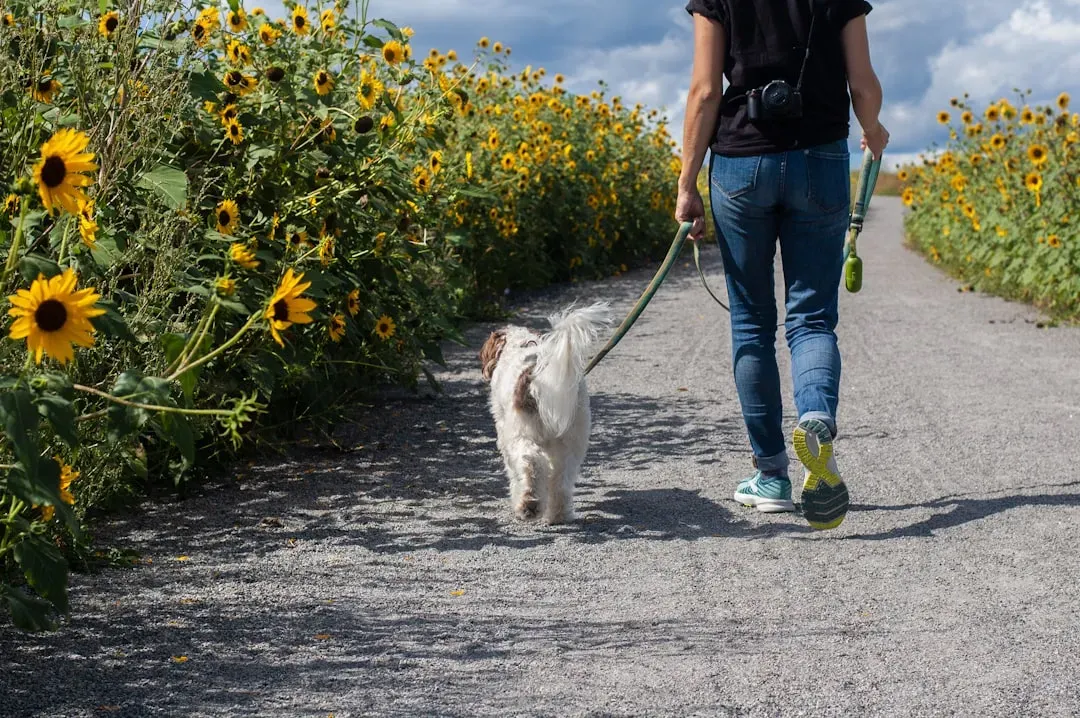
Dogs thrive on routine, and regular walks provide much-needed structure and predictability in their lives. Knowing that they’ll have the opportunity to go for a walk at the same time each day gives dogs a sense of security and stability, reducing anxiety and promoting a calm, confident demeanor.
I think this one is deeply underappreciated. Dogs are not spontaneous creatures in the way humans are. They find comfort in knowing what comes next. A consistent walk schedule is like a daily promise you keep to them – and they notice when you do.
8. It Deepens the Bond Between You and Your Dog
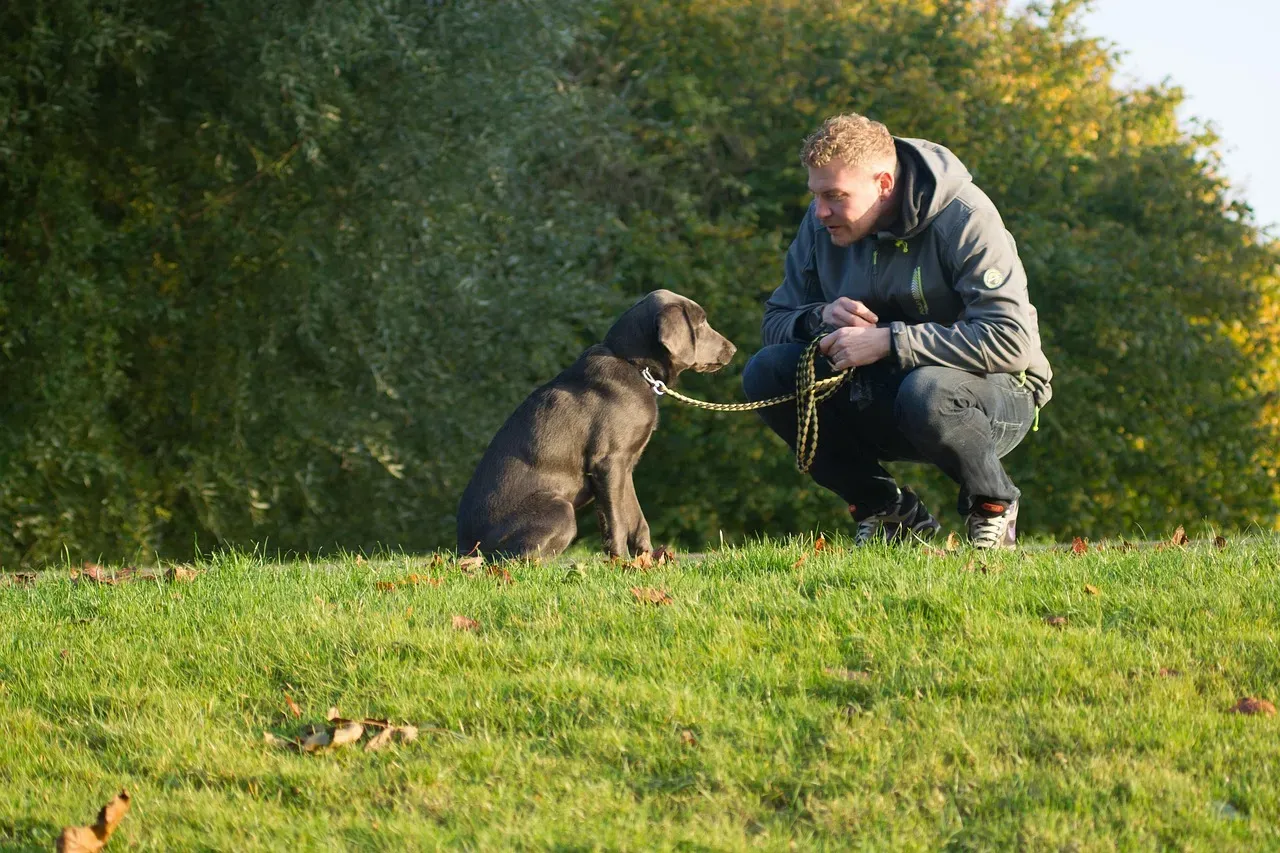
By going on frequent walks, your dog will learn to associate the fun experience of a walk with spending time with you. For people who work or care for children all day, the daily walk might be your dog’s opportunity to spend uninterrupted time with you. That certainly doesn’t go unnoticed by your dog.
Perhaps one of the most enjoyable benefits of walking your dog is the quality time you spend together. These moments are invaluable in building and maintaining a strong bond. It’s a time for mutual enjoyment and gives your dog a sense of companionship and security. Regular walks can significantly enhance your relationship with your pet and create a deeper connection.
9. Walks Are a Built-In Health Check You Didn’t Know You Were Doing
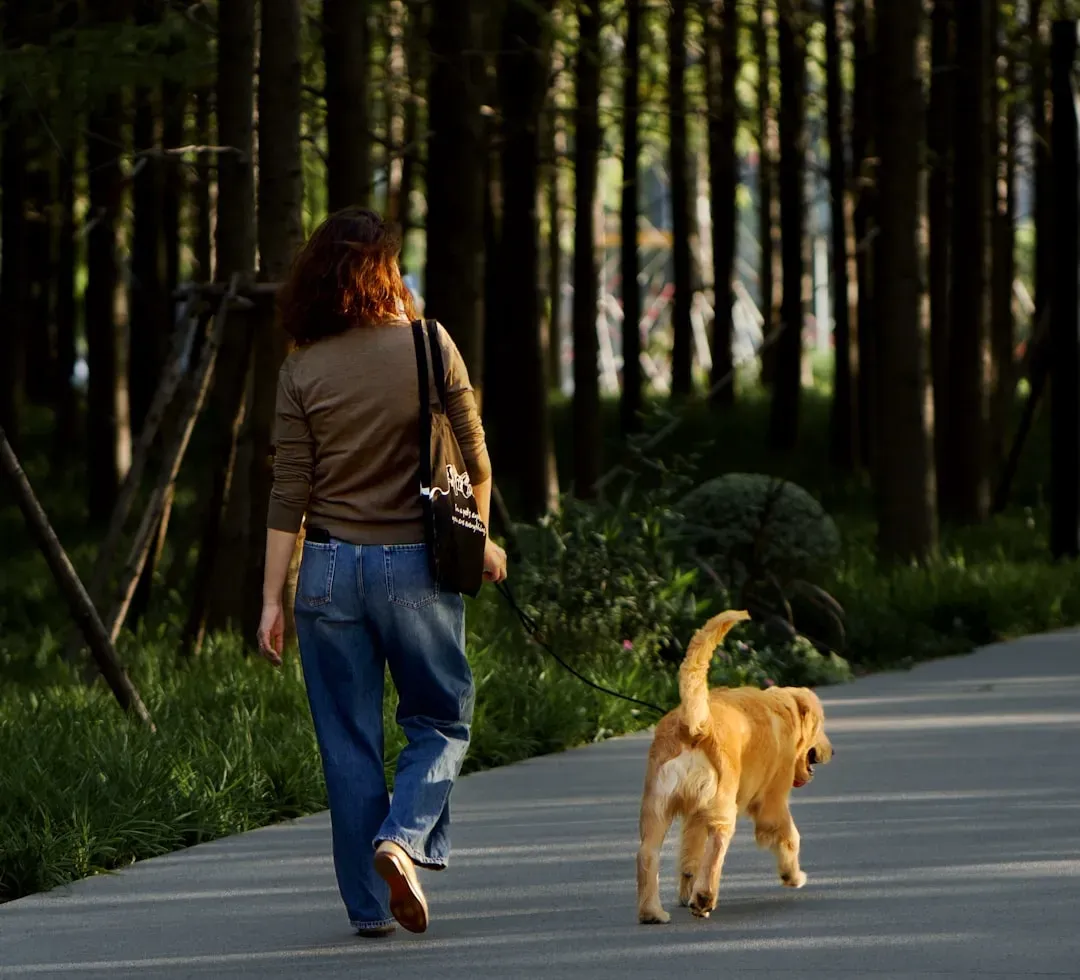
One of the most important health benefits of walking dogs is the opportunity to help keep tabs on your pup’s health. By walking your furry friends each day, you may spot a new behavior or something abnormal. Consider keeping a journal to track any unusual findings so you can follow up with your veterinarian with any concerns.
Watch for signs of fatigue or discomfort, particularly in dogs with health issues or older pets. Always consult with your veterinarian to tailor a walking regimen that suits your dog’s health condition and age. Daily walks put you in tune with your dog in a way that nothing else quite does. You notice the limp. The reluctance. The change in energy. You become their best early warning system.
Final Thoughts: The Leash Is Love
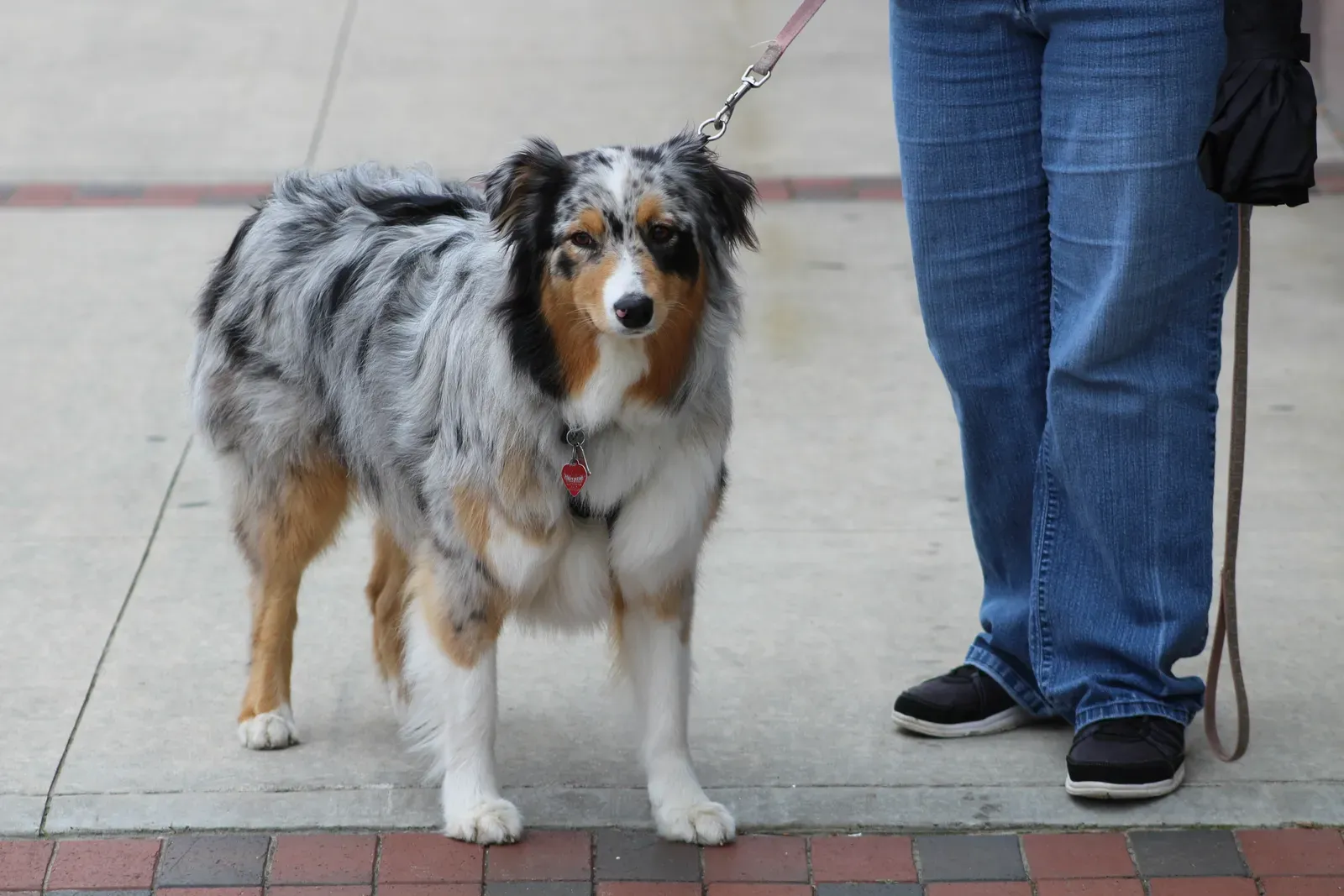
Let’s be real. Life gets busy. Some days the walk feels like one more thing on a never-ending to-do list. But when you understand what that walk actually means to your dog – the health, the joy, the security, the connection – it stops feeling like a task and starts feeling like a gift.
A daily walk may seem like a small part of your routine, but for your dog, it means everything. It’s how they stay healthy, mentally sharp, socially confident, and emotionally connected to you. That leash you’re clipping on? It’s one of the most loving things you own.
So, the next time your dog gives you that look by the door – what are you waiting for? What’s your dog’s favorite part of the walk? Tell us in the comments!


