
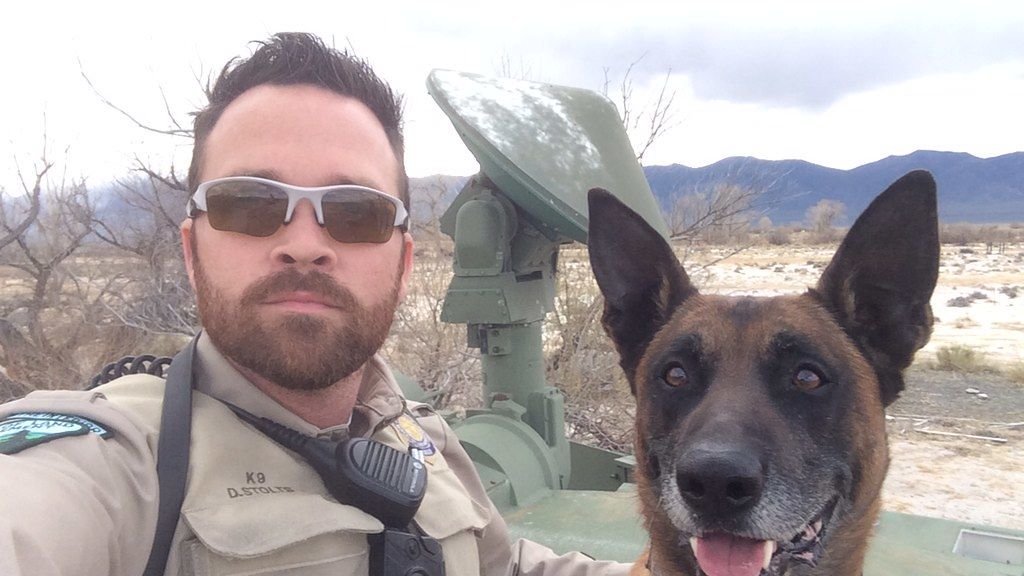
Your dog has been trying to talk to you every single day. Not in barks or whines – though those count too – but in the quiet, constant language of their body. A shift in posture. A flicker of the ear. The way their tail moves when you walk through the door. It’s all there, rich with meaning, and it costs you nothing to learn it.
Honestly, I think this is one of the most underrated skills a dog owner can develop. We spend hundreds on fancy trackers, cameras, and training tools, yet the most powerful communication device is already right in front of us. So let’s dive in and decode what your dog has been saying all along.
Your Dog Is Always Talking – Are You Listening?
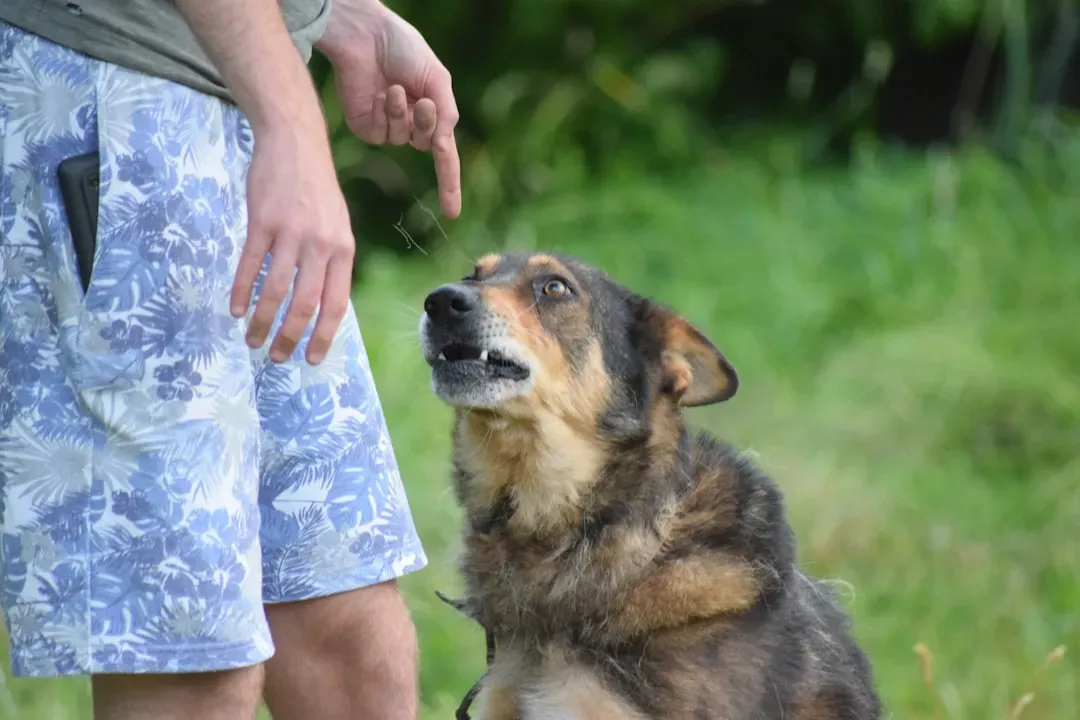
Here’s a surprising truth: most people miss nearly all of what their dog communicates in a day. Dogs are constantly communicating through body language, facial expressions, and energy, but most humans miss the vast majority of these signals. That’s not a knock on us – it’s just that we evolved as verbal communicators, and dogs didn’t.
While humans rely heavily on verbal communication, dogs express themselves through a sophisticated system of body language that includes facial expressions, postures, movements, and energy levels. Think of it like learning a second language. At first, it feels foreign. Then suddenly, everything clicks and you can’t stop noticing the signals everywhere.
Dogs communicate how they feel through body language – including their ears, eyes, mouth, posture, and tail – and understanding these signals helps prevent fear, stress, and bites while strengthening your bond. That last part is what makes this so worth your time. This isn’t just about safety. It’s about connection.
The Tail Tells a Whole Story – But Not the One You Think

Let’s be real: almost every dog owner believes a wagging tail means a happy dog. That’s the biggest misconception in dog communication. A wagging tail does not necessarily mean a happy dog. It simply means arousal of some kind. That can be happy arousal, or fear, excitement, or even aggressive arousal.
The details matter enormously here. To interpret the dog’s emotions and intentions, look at the speed and direction of the wag, as well as the position of the tail. Basically, the faster the wag, the more aroused the dog. A loose, wide wag that travels through the whole body is the joyful greeting you’re imagining. A stiff, rapid wag held high is something else entirely.
Studies show that dogs wag their tails to the right when they are happy or confident, and to the left when they are frightened. That level of detail is almost poetic when you think about it. Your dog’s tail is essentially broadcasting an emotional weather report, and now you have the tools to read the forecast.
Eyes, Ears, and Mouth: The Face Doesn’t Lie
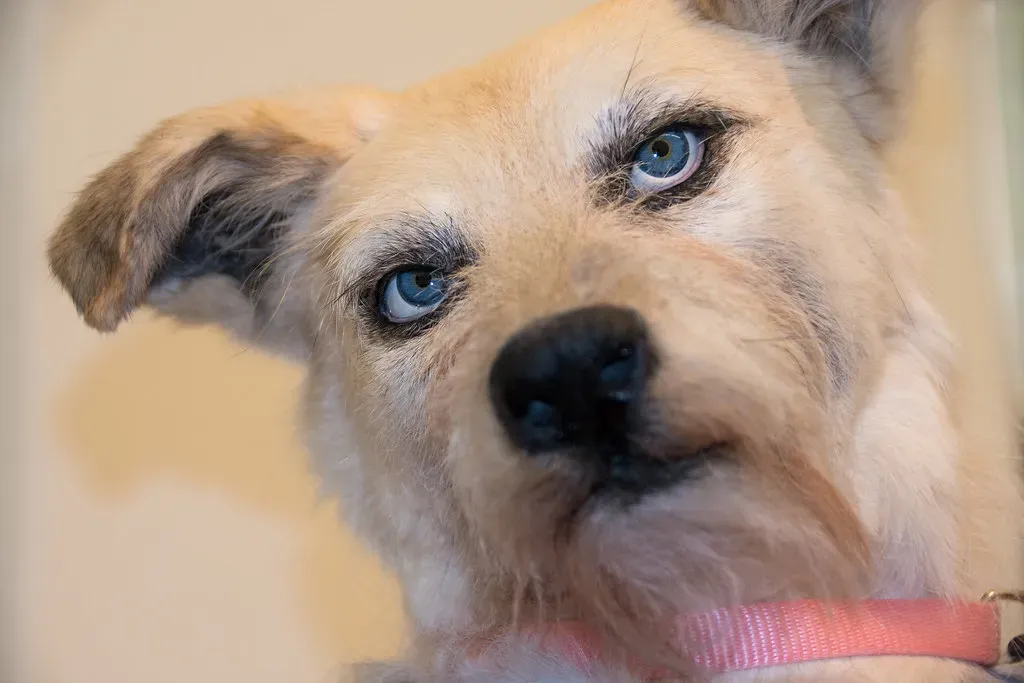
If the tail is the headline, the face is the full story. Ears are highly expressive in dogs. Ears that are forward and alert often indicate curiosity or attentiveness, while ears laid back can signal fear or submission. It sounds simple, but the nuance is in the combination. Ears pulled slightly back with a loose, wiggly body? Probably just excited to see you. Ears pinned flat with a stiff posture? That’s a dog in distress.
The dog might turn their head away from a stressor but angle their eyes toward it, causing the whites of their eyes to show – referred to as “whale eyes.” If you’ve ever seen that glassy, wide-eyed look on a dog in a photo where a child is draped over them, you’ve seen whale eyes. What looks cute to us is actually a dog politely screaming for help.
A relaxed mouth with a slightly open jaw and lolling tongue usually means a dog is happy and relaxed. Conversely, a tightly closed mouth or visible tension in the jaw can indicate stress, anxiety, or aggression. Watch your dog’s mouth the next time they meet a new person. That jaw tension will tell you more than any bark ever could.
Calming Signals: The Subtle SOS Most Owners Miss
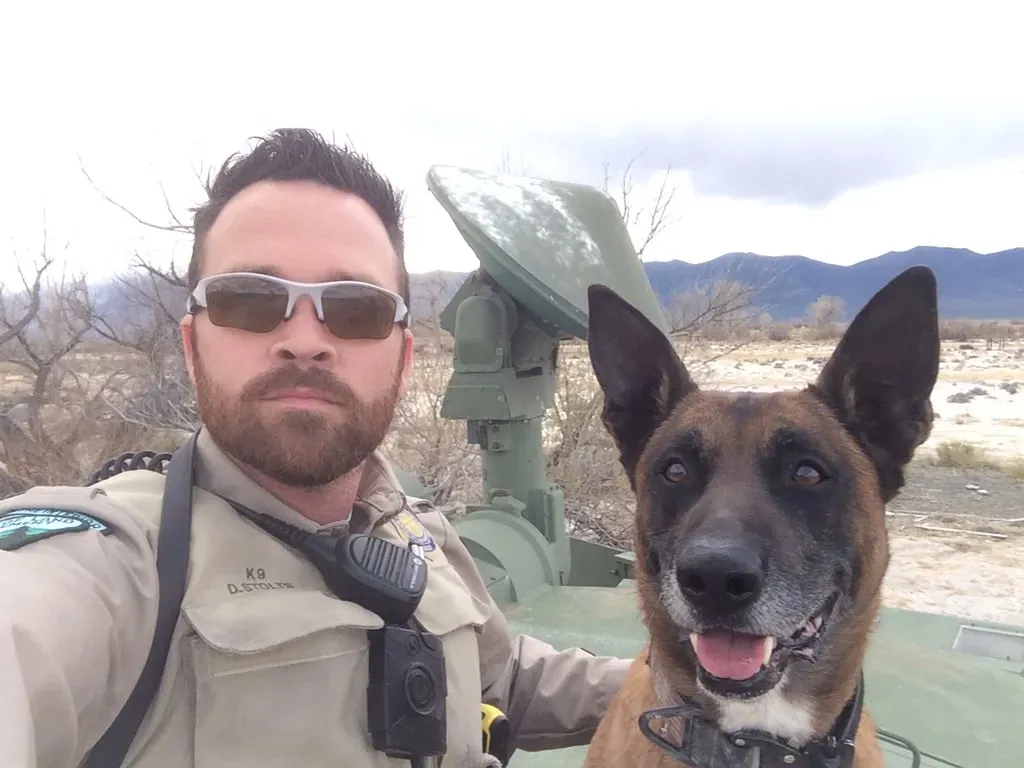
This is where things get genuinely fascinating. Dogs might perform a series of behaviors called calming signals. These movements are appeasement or displacement behaviors that represent an attempt to self-calm or reduce escalating tension. Imagine your dog is at the vet, surrounded by strange smells and strangers – and they start yawning. Not tired. Stressed.
A distressed dog might perform exaggerated yawns, sneeze, or lick their lips frequently. They might also shake their bodies as if their coat is wet, focus on self-grooming, or scratch themselves excessively. It’s hard to say for sure at first glance, but once you know these signals, you start seeing them everywhere – at the dog park, at a busy sidewalk café, even during family gatherings.
The critical thing is to respond. Dogs tend to repeat behavior that works well for them, so responding to your dog’s behavior and subtle body language is really important. For example, if a dog tries turning their head and blinking to say that they’re unsure and need space, and you understand and help them, then they’re more likely to do this next time. But if these subtle signals are missed, a dog may use more obvious signs, like lunging and growling. Catching the whisper means you never have to deal with the shout.
Posture Is Everything: Reading the Whole Dog at Once
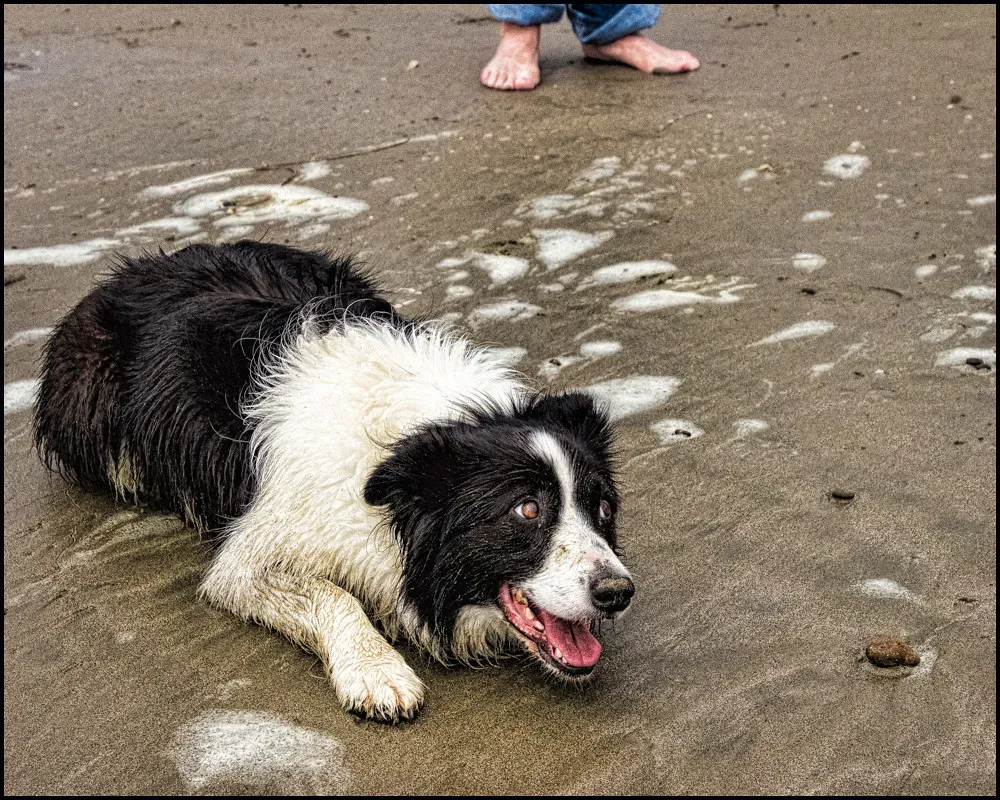
Dogs don’t just communicate with one body part – they use their entire body as a communication system. A wagging tail combined with stiff body posture sends a completely different message than the same tail wag with loose, bouncy movement. This is the golden rule. Never read one signal in isolation. Think of it like reading a sentence – one word means nothing without the others around it.
Consider a cowering dog hunched low to the ground. That’s a sign of fear or stress. The dog may be trying to get away from something, and the posture makes the dog appear smaller. On the flip side, loose, wiggly movement usually means a happy, confident dog, while a rigid body may indicate defensiveness or a readiness to react. The contrast between those two images is everything you need to remember.
Reading, understanding and responding to your dog’s body language is a key part of the companion-to-owner relationship. By understanding their cues and appropriately advocating for your dog, owners can continue to ensure their dogs remain happy, comfortable and safe while also guaranteeing the safety and well-being of those around them. That is as good a reason as any to start practicing today.
Conclusion: The Best Tool Has Been Free All Along
No subscription needed. No batteries required. The most powerful tool you have for understanding your dog is your own attention. Learning to read dog body language is like learning a new language – it takes time, practice, and patience, but the rewards are enormous. Dogs who feel understood are happier, more confident, and easier to live with.
Start small. Pick one signal – maybe the tail, maybe the ears – and observe your dog deliberately for a week. You’ll be amazed how quickly the picture comes into focus. When we learn to recognize our dog’s communication, we can set them up for success within their boundaries and also identify situations where they may need more support or training.
Your dog has never needed you to buy anything to feel understood. They just need you to look. Really look. Because when you do, you’ll realize they’ve been pouring their heart out to you every single day – you just finally know how to hear it. What signal in your own dog are you going to start watching for first? Drop it in the comments – we’d love to know!


