
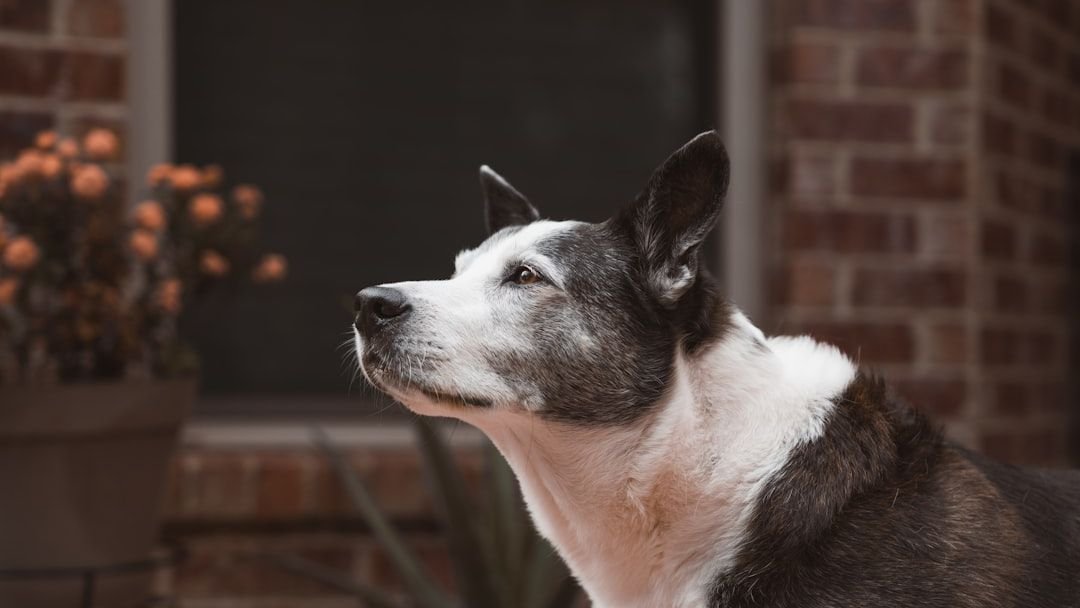
Your dog talked to you three times this morning. You probably missed all three. Maybe they yawned while you clipped on their leash. Maybe they turned their head away when you hugged them goodbye. Maybe their tail was wagging, but something about their whole body felt a little… off. Here’s the thing – your dog is speaking to you constantly, in a language most people never learn to read.
Dogs are constantly communicating through body language, facial expressions, and energy, but most humans miss the vast majority of these signals. That gap in understanding? It quietly erodes trust, breeds confusion, and sometimes leads to real problems. The good news is that learning to listen is easier than you think, and it starts right here. Let’s dive in.
Your Dog Is Not Being Stubborn – They’re Talking to You

Dogs may be quite effective communicators, but they only know how to express themselves through their own canine communication. New research reveals how dogs read our subtle cues and emotions, suggesting our canine best friends actually understand us far better than we understand them. That thought hits different, doesn’t it?
When dogs feel stressed, they’ll pointedly look away and avoid eye contact. People often interpret this as their dog ignoring them or being stubborn, but the dog is expressing discomfort. So the next time your dog turns away mid-conversation, they’re not giving you attitude. They’re asking for a little space.
According to a 2025 study, the majority of dog owners tend to misperceive their dog’s body language because they’re watching through the lens of their own context, emotions, and experiences. It’s not a failure of love – it’s a gap in knowledge. The moment you start seeing your dog’s behavior through their eyes rather than yours, everything shifts.
Dogs communicate constantly through their posture, facial expressions, and movement. Learning to understand your dog’s body language helps you build trust, prevent stress, and support their emotional well-being. Honestly, it’s one of the most powerful things you can do for your relationship with them.
The Subtle Signals Most Owners Miss Every Single Day
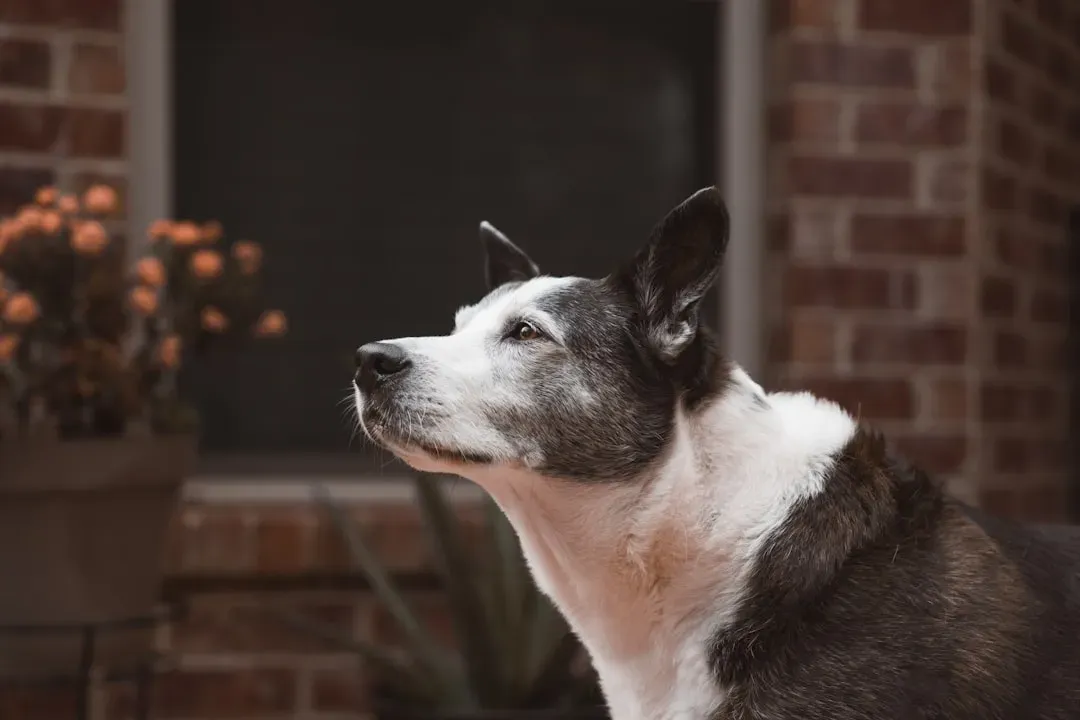
The most important and most overlooked signals are: yawning, licking their lips or nose, shaking off their whole body, and scratching. These happen in plain sight, dozens of times a day, and we breeze right past them. Think of it like someone waving at you while you’re scrolling your phone – the message is there, you’re just not looking.
Lip licking is one of the most frequent stress signals dogs display, and it’s often misinterpreted as the dog simply being hungry. It looks like a quick tongue flick that licks the nose or lips, often so fast you might miss it if you’re not paying attention. This is different from the slower, more deliberate licking after eating or drinking.
Stress-induced yawning is different from tiredness yawning. It often occurs in situations where the dog is clearly not tired, and it serves as a displacement behavior to cope with tension. It can be a big, exaggerated yawn right in the middle of an activity or interaction. Picture your dog yawning during a busy family dinner – that’s not boredom. That’s a plea for calm.
Dogs under stress might also stop taking treats, become unable to perform known commands, or show changes in their typical interaction patterns with people or other dogs. If your usually treat-motivated pup suddenly can’t focus, something in their environment is speaking louder than you are.
The Wagging Tail Lie We’ve All Believed
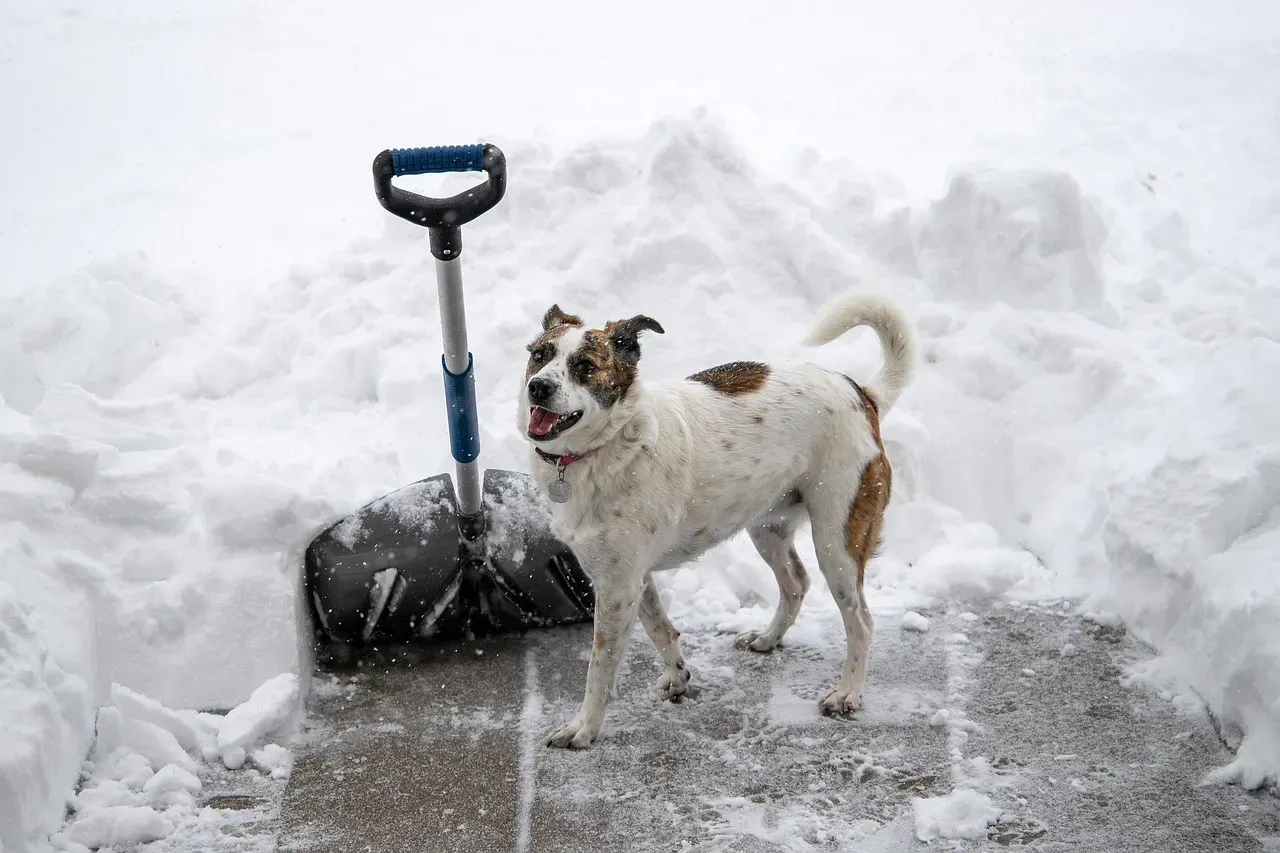
Let’s be real – almost every dog owner believes a wagging tail means a happy dog. It’s the universal symbol of canine joy. Except, well, it’s not that simple.
All a wagging tail means is that the dog is emotionally aroused. It could be excitement, but it could be frustration or worse. To interpret the dog’s emotions and intentions, look at the speed and direction of the wag, as well as the position of the tail.
Basically, the faster the wag, the more aroused the dog. Think about those long, slow, side-to-side tail sweeps your dog makes when greeting you – the type that wags the dog’s whole body. That’s a relaxed dog. A tight, rapid wag with a stiff body? That’s a very different conversation.
A study on tail-wagging showed that dogs tend to wag their tails more to the right when they’re feeling positive about something, such as interacting with their owner. I know it sounds crazy, but the direction of the wag carries meaning. Rightward equals warm feelings, leftward can indicate unease. Your dog is painting you a picture – in tail strokes.
When Ignoring Signals Becomes Genuinely Dangerous

This is where things get serious, and I think it’s important to be honest about it. Ignoring your dog’s stress signals isn’t just a communication miss. Over time, it puts both of you at risk.
Benign, subtle postures usually come before more aggressive, bold communications, but an individual dog may skip subtle signals or progress through graduated signals extremely rapidly depending on their perception of the situation and past experiences. In other words, the growl, the snap, the bite – those rarely come from nowhere. They come after many smaller signals that went unheard.
When a dog’s boundaries are crossed and their signals are ignored, the dog could feel threatened, irritated, and may get defensive. This can lead to aggressive reactions, and in most instances, approaching a dog who exhibits fear or stress puts that dog at a very high risk for a bite incident.
If you can help your dog become more comfortable by “listening” to their calming signals, you can sometimes avoid your dog having to use intensified body language, such as barking and lunging, to show their escalated discomfort and fear. Think of calming signals as your dog’s first, kindest request. Honoring them is the whole game.
How to Actually Respond When You See These Signals
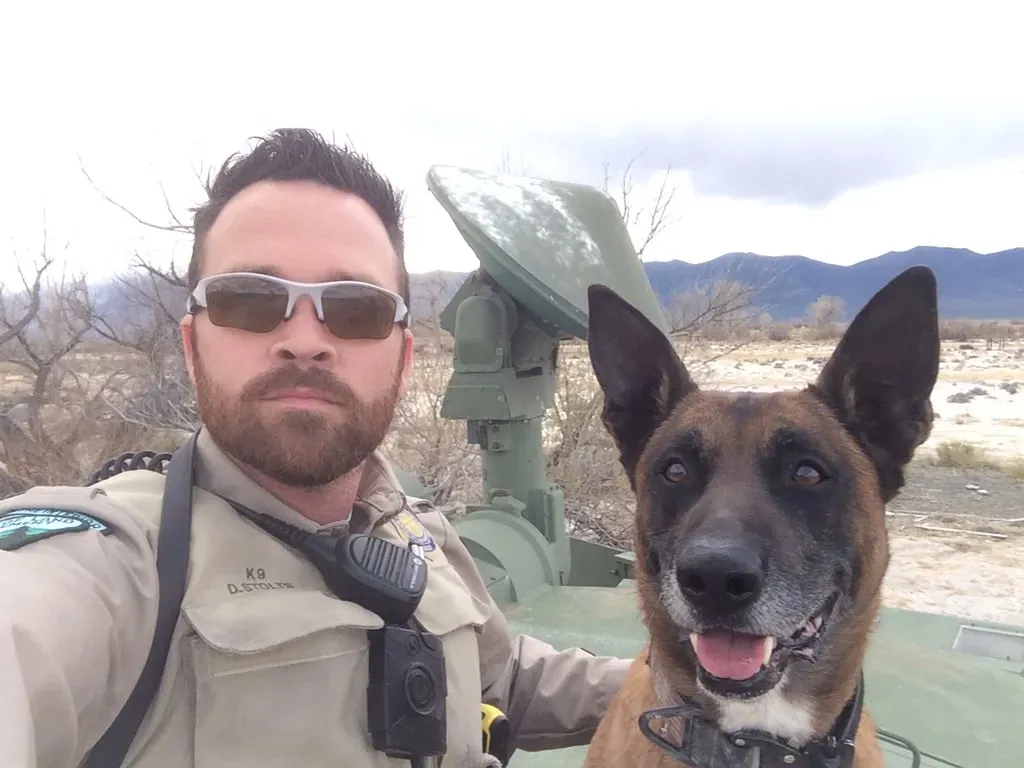
So you’ve started noticing the yawns, the lip licks, the averted eyes. Now what? The best response is simpler than most people expect – and it starts with not making things worse.
When responding to your dog’s signals, it’s important to remain calm, patient, and encouraging, as dogs are very sensitive to human emotions. If your dog appears unsure, anxious, or uncomfortable, give them space and allow them to move away or observe the situation from a distance rather than forcing interaction.
If your dog scratches and yawns when you take them to the veterinary office, you could use calming signals back – such as yawning at your dog – to communicate that things are okay. It sounds almost silly, but it works. Dogs respond to mirrored calm. You yawning softly back at them is like saying, “I hear you. We’re okay.”
Make sure to observe your dog’s entire body language rather than focusing on a single signal, as understanding the full picture helps you respond appropriately and support your dog’s emotional well-being. A wagging tail with soft eyes and a loose body means something completely different from a wagging tail with a stiff posture and a hard stare. Context is everything, always.
If you notice persistent signs of stress or anxiety in your dog, seeking guidance and support from a professional dog trainer or behaviorist is highly recommended. They can provide expert advice tailored to your dog’s unique needs and help you create a plan to address any underlying issues.
Conclusion: Becoming the Human Your Dog Needs You to Be
There’s something deeply moving about realizing your dog has been trying to talk to you all along. They weren’t being difficult. They weren’t misbehaving out of spite. They were communicating in the only way they know how, and they were hoping you’d understand.
Learning to read dog body language isn’t just interesting – it’s essential for preventing problems, building better relationships with dogs, and keeping everyone safe. The ability to accurately interpret what dogs are really saying can mean the difference between a fun day at the park and a traumatic incident, between a successful training session and a frustrating failure.
Start small. Watch for the quick lip lick. Notice the yawn that comes out of nowhere. Pay attention to whether that wagging tail is loose and joyful or tight and rigid. Every little thing your dog does is a word in a sentence they’re hoping you’ll finally read.
Understanding your dog’s body language is the key to a stronger bond and a happier, more confident dog. With patience and practice, you’ll learn to read their emotions and respond in a way that helps them feel safe, supported, and understood.
Your dog has never stopped talking to you. Are you ready to start listening? Share your experience in the comments – we’d love to hear what signals you’ve spotted in your own pup!


