
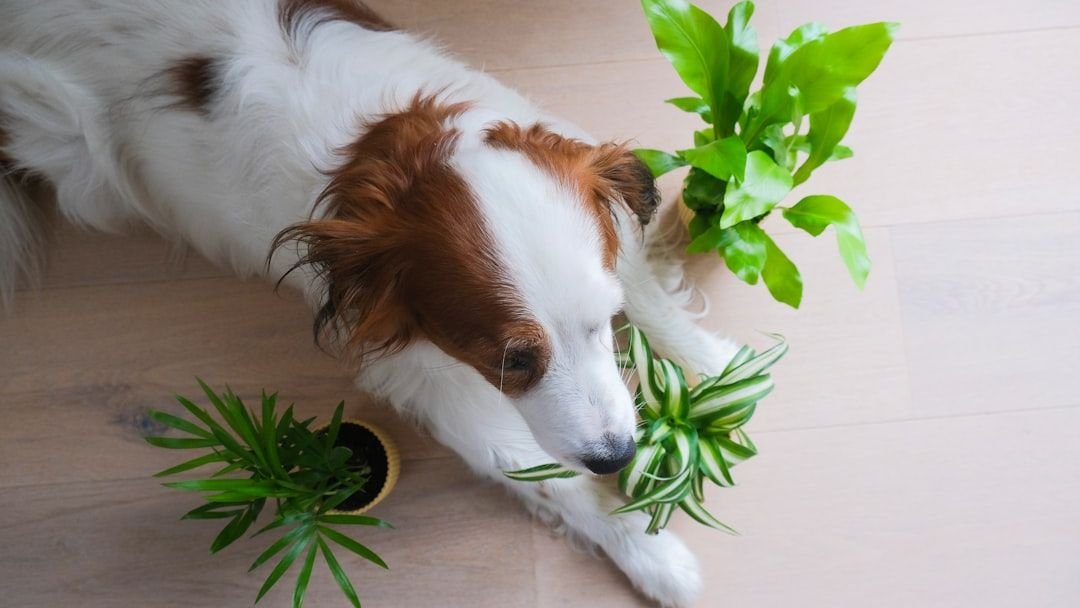
Picture this: it’s a golden Sunday afternoon, your dog is happily zipping around the backyard, nose to the ground, tail spinning like a helicopter. Pure joy, right? Now imagine that same curious nose leading straight into a plant that could send you both racing to the emergency vet.
Whether you’re an avid gardener or simply have a few plants near the front stoop, many shrubs, trees, and flowers commonly found in yards are dangerous if your dog eats them. Some cause discomfort, some will make your dog miserable, and some can even be fatal if ingested. The scary truth is that the most dangerous plants are often the prettiest ones. So let’s dive into the 11 common yard plants that could put your beloved pup in serious danger.
1. Sago Palm: The Deadliest Garden Resident
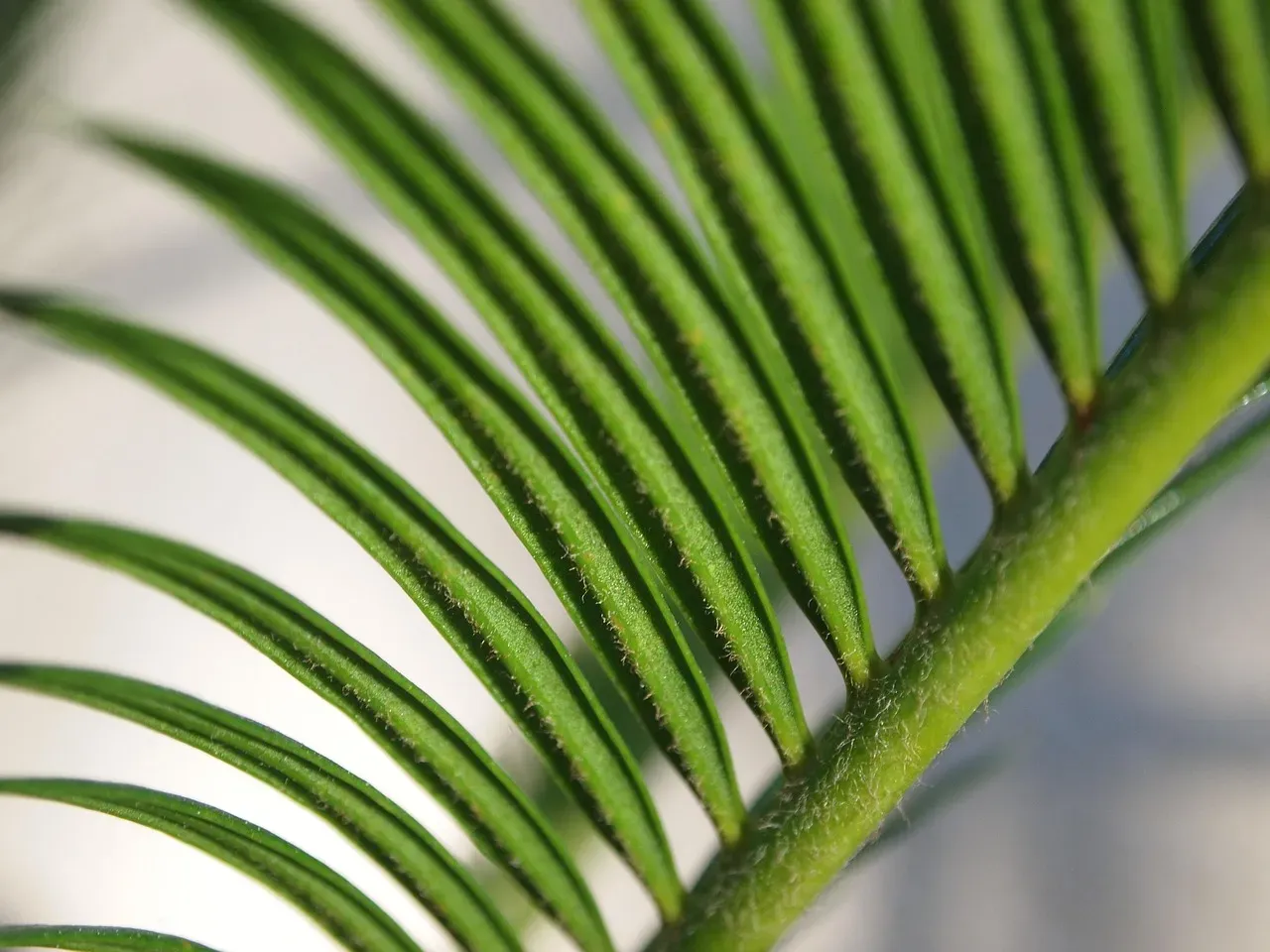
Honestly, if there’s one plant you need to take seriously above all others, it’s this one. Sago palms are becoming a popular potted plant in the home, yet many owners are not aware of the inherent danger they pose – they are toxic to both dogs and cats. Their tidy, tropical look makes them incredibly tempting for landscaping, but they are a wolf in sheep’s clothing.
The risk of pets eating sago palm is that any part of the plant can cause illness, ranging from GI distress such as vomiting, diarrhea, lethargy, and decreased appetite, to profound hemorrhagic diarrhea causing life-threatening blood loss, to liver failure. Many dogs that ingest sago palm do not survive. The sooner your dog gets medical care, the more likely they will be to survive. This is not a “wait and see” situation. If your dog has touched this plant, go to the vet immediately.
2. Oleander: Beautiful, Bountiful, and Brutally Toxic
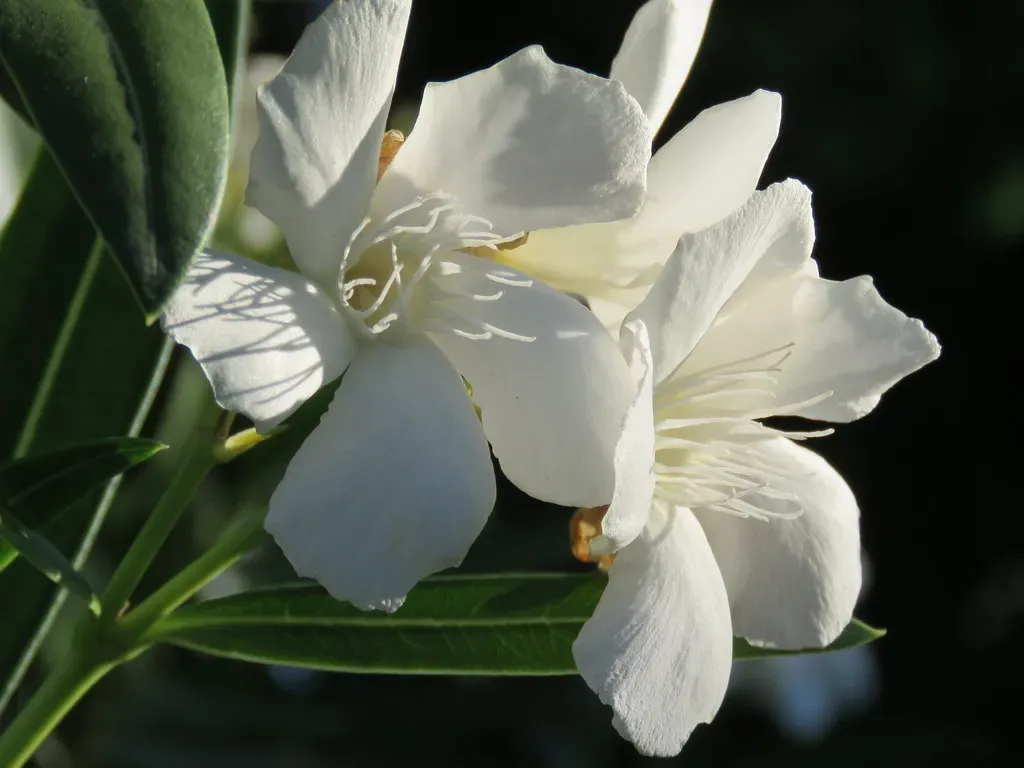
Oleander is a common landscaping plant, especially on the West Coast. This bushy shrub can grow as high as 12 feet, and it’s prized for its clusters of flowers in shades of yellow, white, pink, and red. It’s the kind of plant that makes a backyard look magazine-worthy. But here’s the thing – it’s extraordinarily dangerous.
Oleander contains toxic compounds called cardiac glycosides. These substances affect the heart and nervous system, and even a small amount can cause serious problems in dogs. Every part of the oleander plant is toxic, including the leaves, flowers, stems, and sap. There are even reports of animals becoming gravely ill by drinking water that had oleander leaves or flowers floating in it. If you have oleander in your yard and a dog who loves to roam, please strongly consider removing the plant entirely.
3. Azalea and Rhododendron: Spring Danger in Disguise
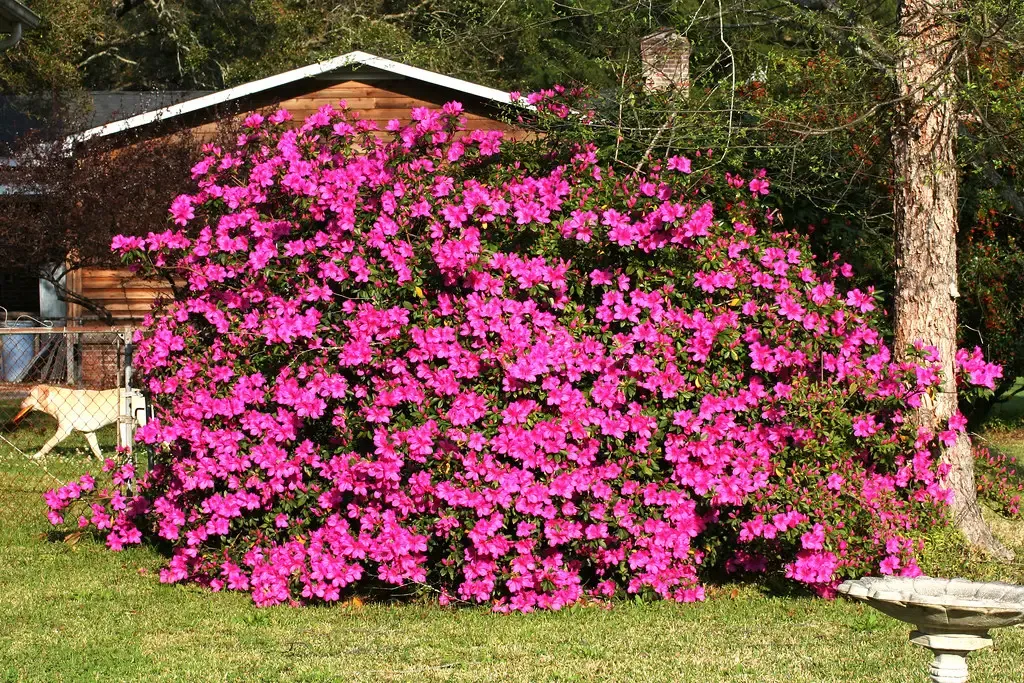
Every spring, gardeners across the country plant azaleas and rhododendrons for their spectacular blooms. They’re cheerful, colorful, and completely stunning. They’re also a real problem for dogs. All parts of these flowering beauties contain grayanotoxin, and the reaction your pup gets depends on how much they’ve eaten.
Rhododendrons and other azalea plants are highly toxic to dogs and humans. The toxins disrupt skeletal, heart, and nerve function, and effects can manifest within a few hours of consumption. Watch for signs like drooling, vomiting, weakness, and wobbly movement. The best prevention is to not have these plants at all, but sometimes that’s just not possible – say, you bought a house with a yard already full of azaleas. In that case, physically blocking your dog’s access to those plants is your best bet.
4. Foxglove: The Tall, Gorgeous Heartbreaker
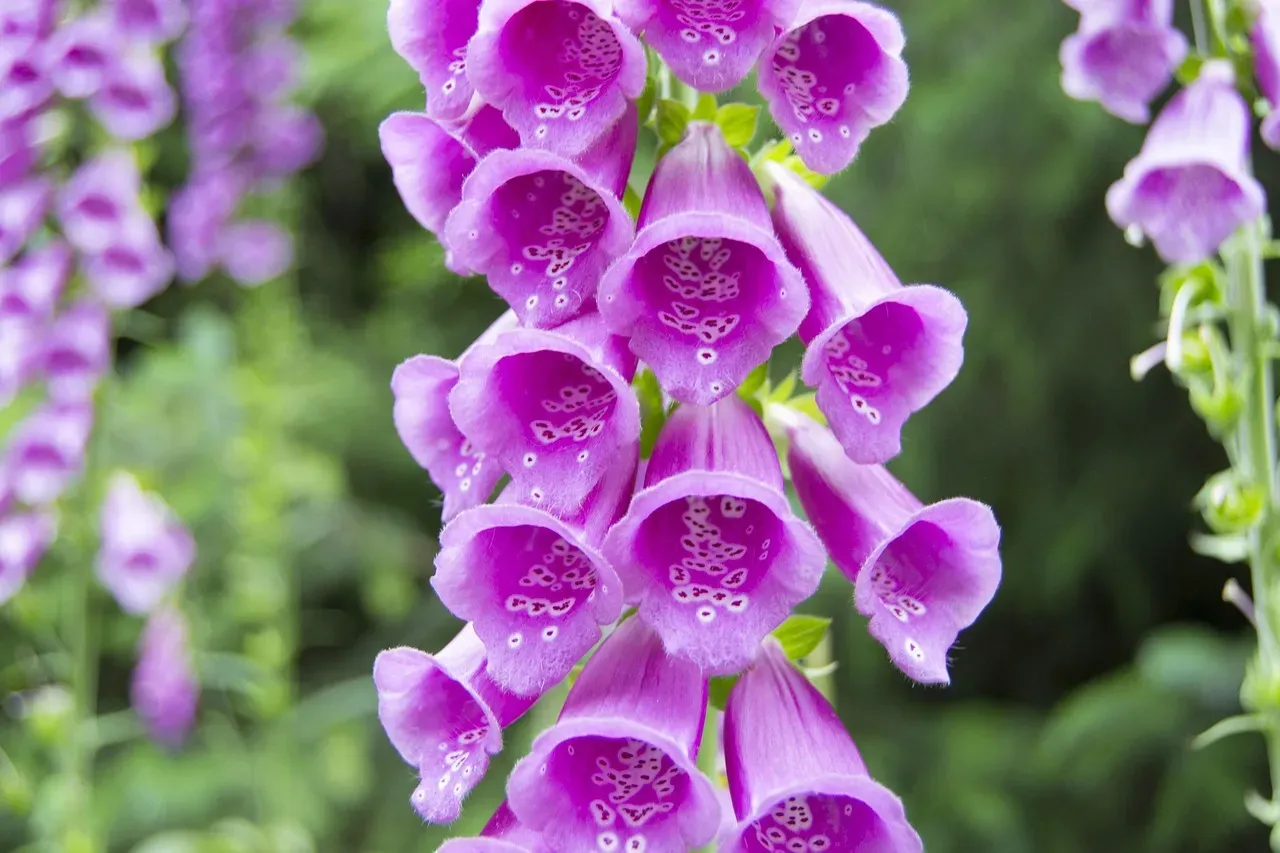
Foxglove towers in garden beds with its gorgeous trumpet-shaped blooms, and bees absolutely love it. It’s a cottage garden dream. For dogs, though, it’s a nightmare. Foxglove is very poisonous to dogs, cats, and even humans. It contains naturally-occurring poisons that affect the heart, specifically cardenolides or bufadienolides, which are cardiac glycoside toxins that interfere directly with electrolyte balance within the heart muscle.
All parts of these tall beautiful flowers, from the seeds to the petals, are extremely toxic to dogs. Ingestion can cause cardiac failure and even death. If you believe your dog has ingested or chewed a piece of this plant, treat it as a medical emergency and contact your vet as soon as possible. Foxglove poisoning lacks an antidote, so supportive therapy becomes the primary treatment approach. There’s no second chance with this one.
5. Lily of the Valley: Tiny Flowers, Massive Consequences
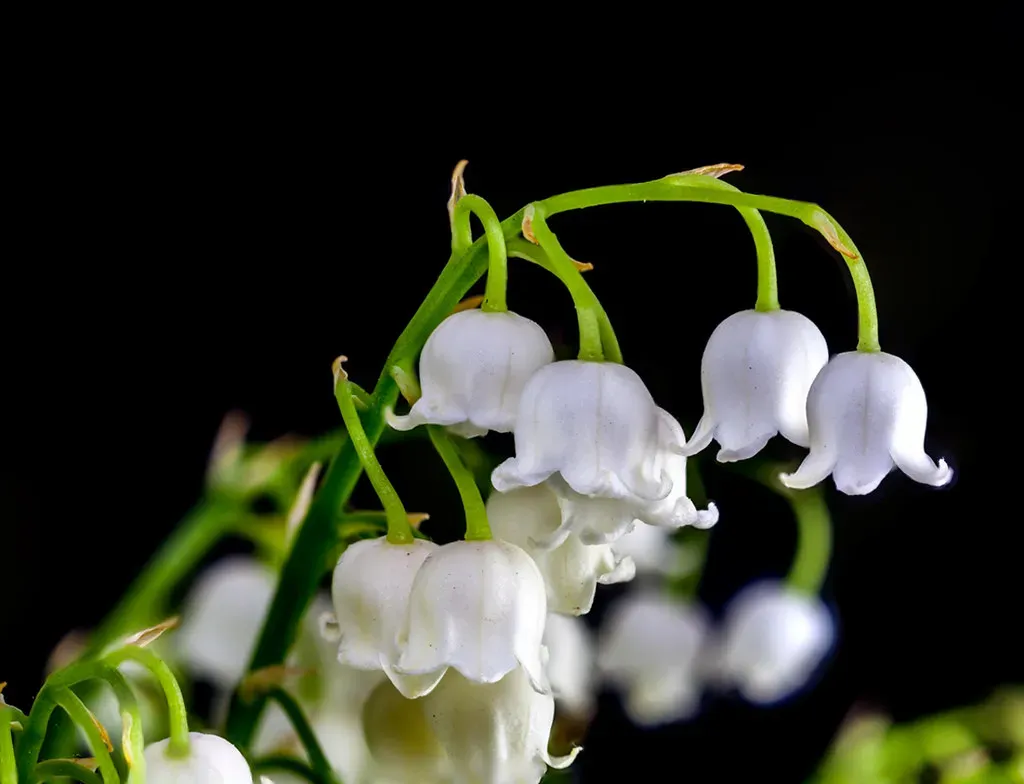
I know it sounds crazy, but this delicate little plant with its dainty white bells is one of the most heart-disrupting plants in the canine world. It almost seems too innocent to be harmful. Dogs who eat lily of the valley may experience cardiac arrhythmias, decreased heart rates, and seizures. The bulbs are toxic, and even mild cases show drooling and vomiting.
Symptoms of ingestion include diarrhea, vomiting, a drop in heart rate, and cardiac arrhythmia. This plant often grows wild or as a low ground cover, which makes it especially accessible to sniffing noses close to the ground. Something worth knowing: bulbs planted with bone meal will actually attract dogs, turning a buried danger into an irresistible snack. Keep your pup well away from any garden beds where this plant grows.
6. Daffodil: A Spring Classic That’s Secretly Sinister
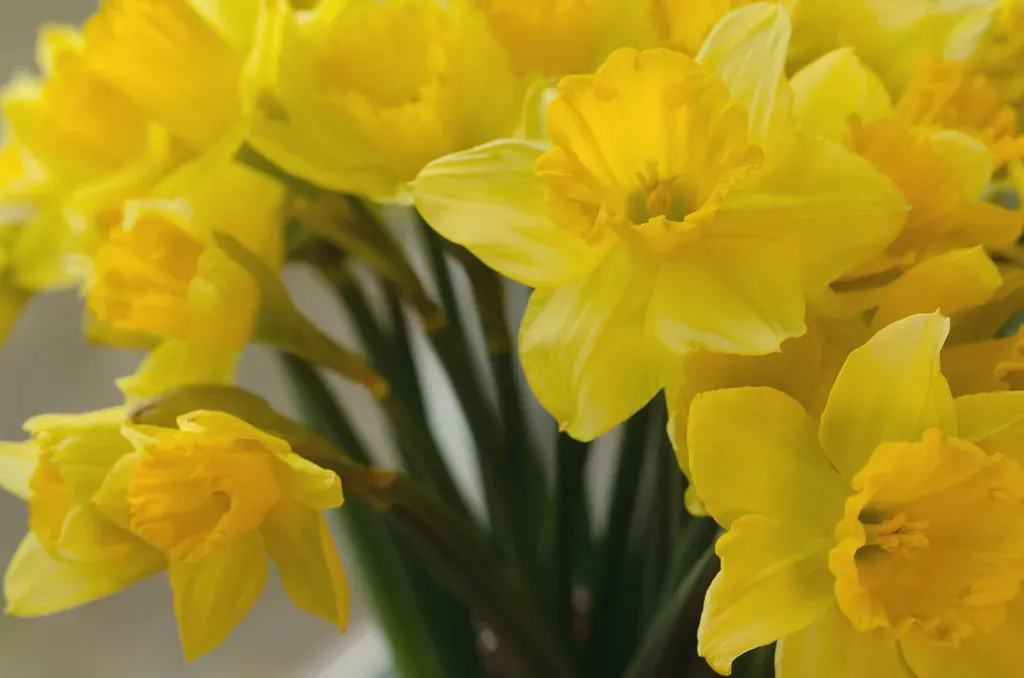
Few things signal spring quite like a row of bright yellow daffodils nodding in the breeze. They’re cheerful, they’re classic, and they’re a staple in gardens everywhere. All parts of the daffodil plant are potentially toxic, containing a poisonous substance called lycorine, but the bulb is the most harmful.
Eating any part of a daffodil can cause vomiting, diarrhea, abdominal pain, arrhythmias, convulsions, and a serious drop in blood pressure. Dogs who love to dig are at particular risk, since those tempting bulbs are literally buried in the dirt like treasure. Signs of plant poisoning may include diarrhea, lethargy, drooling, trembling, and abdominal pain. A dog just brushing up against daffodils can also cause skin irritations. Stick to admiring them from a distance, especially during planting and bulb season.
7. Hydrangea: The Showstopper With a Hidden Sting
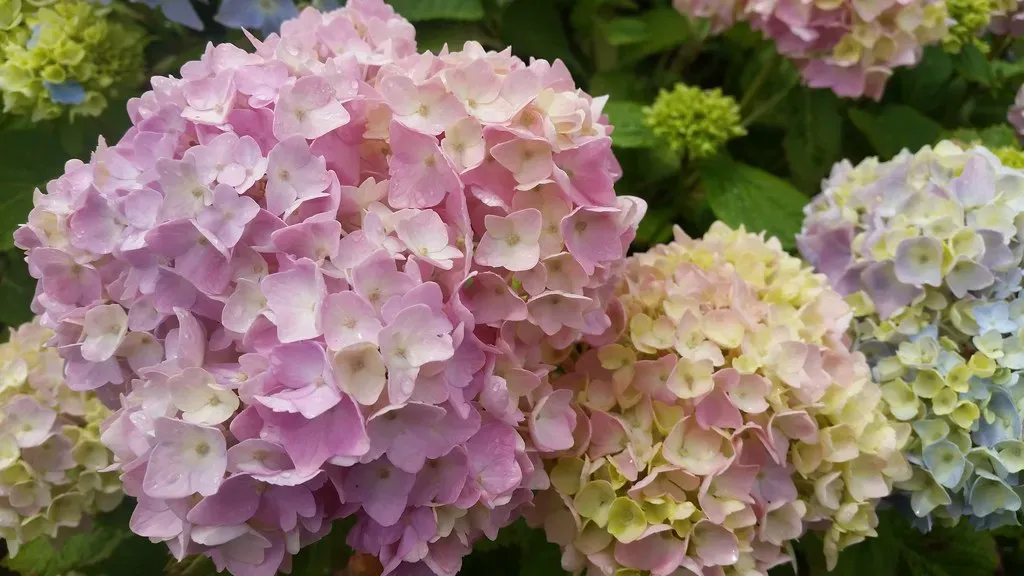
Hydrangeas are the undisputed queens of the summer garden. Big, bold, dramatic clusters of flowers in every shade of blue, pink, and purple – it’s hard not to fall in love. Hydrangeas are elegant shrubs that grow big, bright flowers in the spring and summer. There are many varieties, but most grow large clusters of small-petaled flowers ranging in color from blue to pink, purple, and white. Hydrangeas grow naturally in the eastern U.S. and are planted across the country. The flowers, buds, and leaves contain hydrangin, which breaks down into cyanide when consumed by dogs.
With high concentrations of toxic substances in the flowers and leaves, ingestion can cause lethargy, diarrhea, vomiting, and other gastrointestinal upsets. The good news? While all parts of the plant are toxic to dogs, it’s unlikely that a dog would eat enough of this plant to be fatal, though even a small amount can cause stomach distress. Still, don’t risk it. Create a physical barrier around your hydrangea beds if your dog is a chronic garden-grazer.
8. English Ivy: The Creeping Culprit
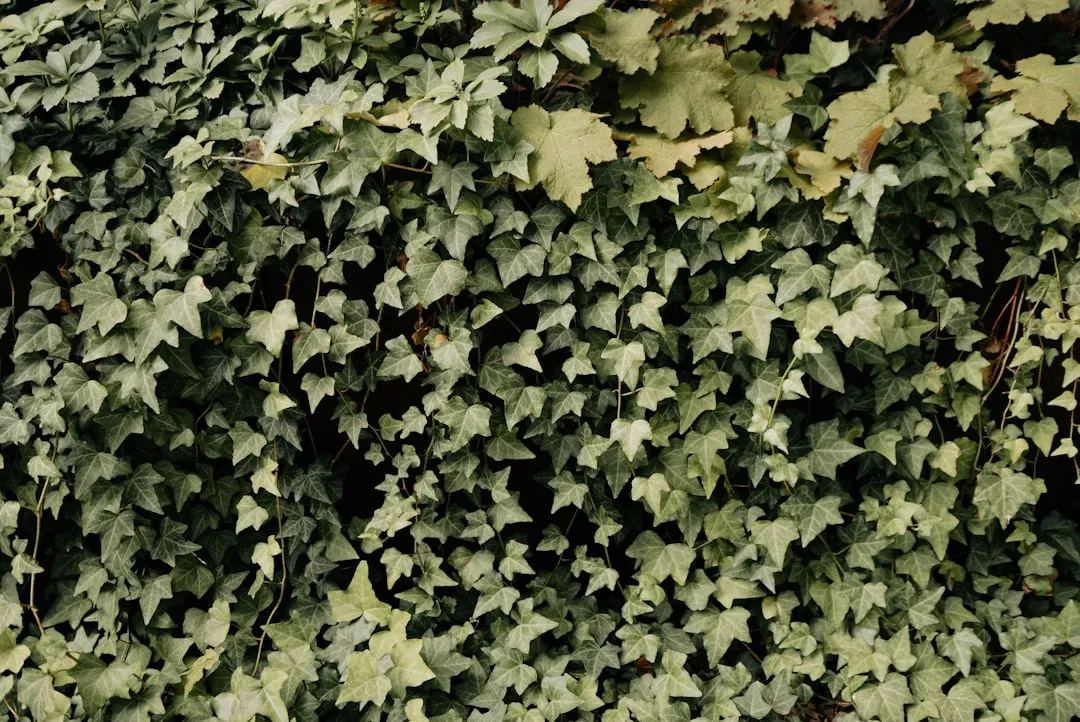
English ivy is one of those plants that gets everywhere. It drapes over walls, carpets the ground, and looks lush and romantic. Many people use it as a low-maintenance ground cover without realizing the risk it poses to their dogs. English ivy, or common ivy, grows in the woods as a vine wrapping around trees, or in your yard as a ground cover. It grows quickly and is considered invasive in most regions of the United States.
Although a vine rather than a shrub, ivy is a common part of many landscapes. The foliage of certain types of ivy plants is dangerous to dogs, although not usually lethal. Ingestion can result in excessive salivation and drooling, vomiting, diarrhea, a swollen mouth and tongue, and difficulty breathing. Ivy causes harm both inside and out, including dermatitis and damage to your dog’s gastrointestinal tract. If your dog loves to sniff along fence lines and walls, this is a plant to watch closely.
9. Iris: The Garden Staple You Need to Watch
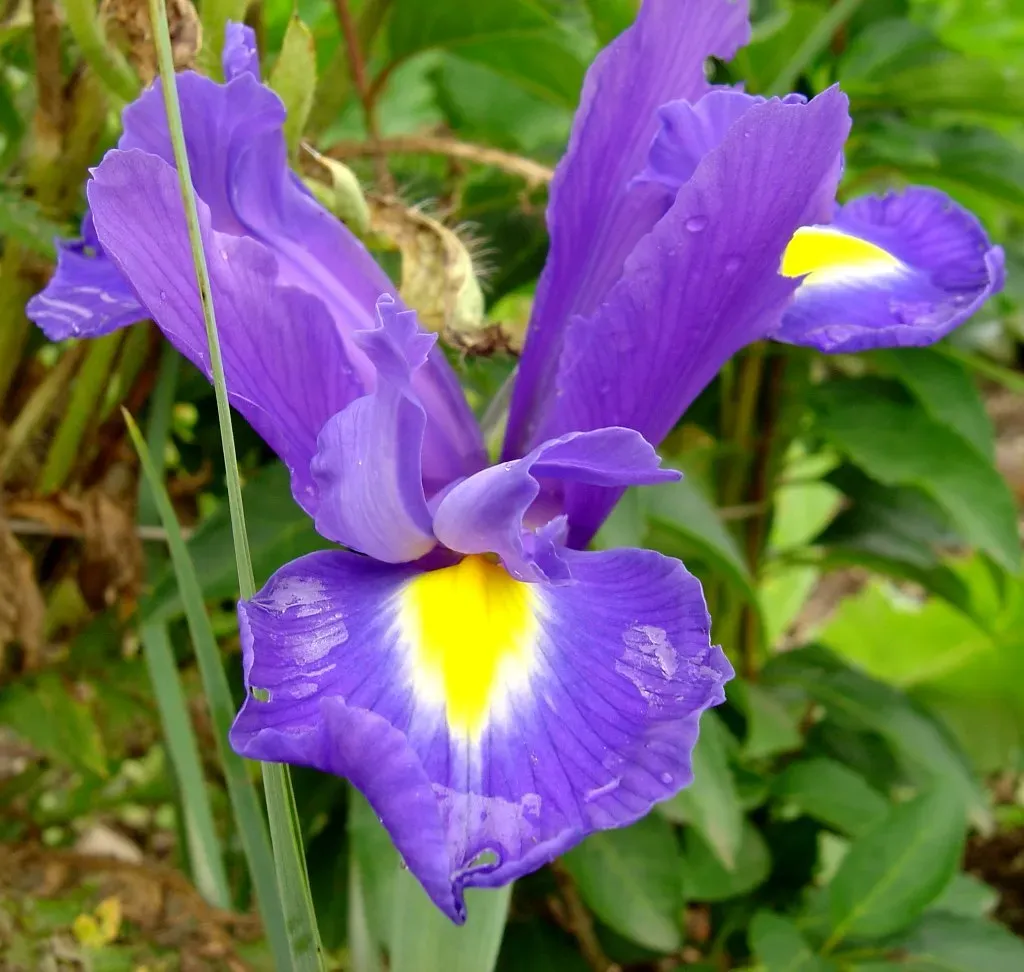
Irises are beloved for their striking, architectural blooms and their ability to come back year after year with almost zero effort. They’re in so many yards, so many flower beds, it’s easy to never even think of them as a threat. Ingesting any part of the iris plant can cause skin irritation, drooling, diarrhea, vomiting, and lethargy.
The underground rhizomes (the thick root-like structures) are considered the most potent part. While the entirety of the iris plant is toxic, the rhizomes are most potent and, if ingested, this plant can cause vomiting, drooling, lethargy, and diarrhea. Dogs who love to dig in flower beds are especially at risk during spring planting season when fresh rhizomes or bulbs are exposed. Cover newly planted iris bulbs with garden mesh and supervise your digger during outdoor time.
10. Tulip and Hyacinth: The Dynamic Duo of Spring Toxicity

Tulips and hyacinths are practically the faces of spring gardening. Colorful, fragrant, and widely planted, they seem completely harmless. But dogs, particularly puppies who investigate everything with their mouths, need to be kept far from these. The bulb of the tulip plant is especially toxic, so be extra careful if your dog loves to dig outside.
Hyacinths are considered toxic to dogs and can cause vomiting, diarrhea, and drooling if ingested. All parts of the plant contain toxins, but they are mostly concentrated in the bulbs, which are the most dangerous part for your pup. Think of bulbs like little toxic time capsules buried in your garden. The bulbs of tulips contain a toxin that is dangerous to dogs, and both tulips and hyacinths contain a similar toxin, with alkaloids located in the highest concentration in the bulbs. Use fencing or raised beds to keep curious snouts out of planted areas.
11. Autumn Crocus: The Most Deceptive Plant on This List
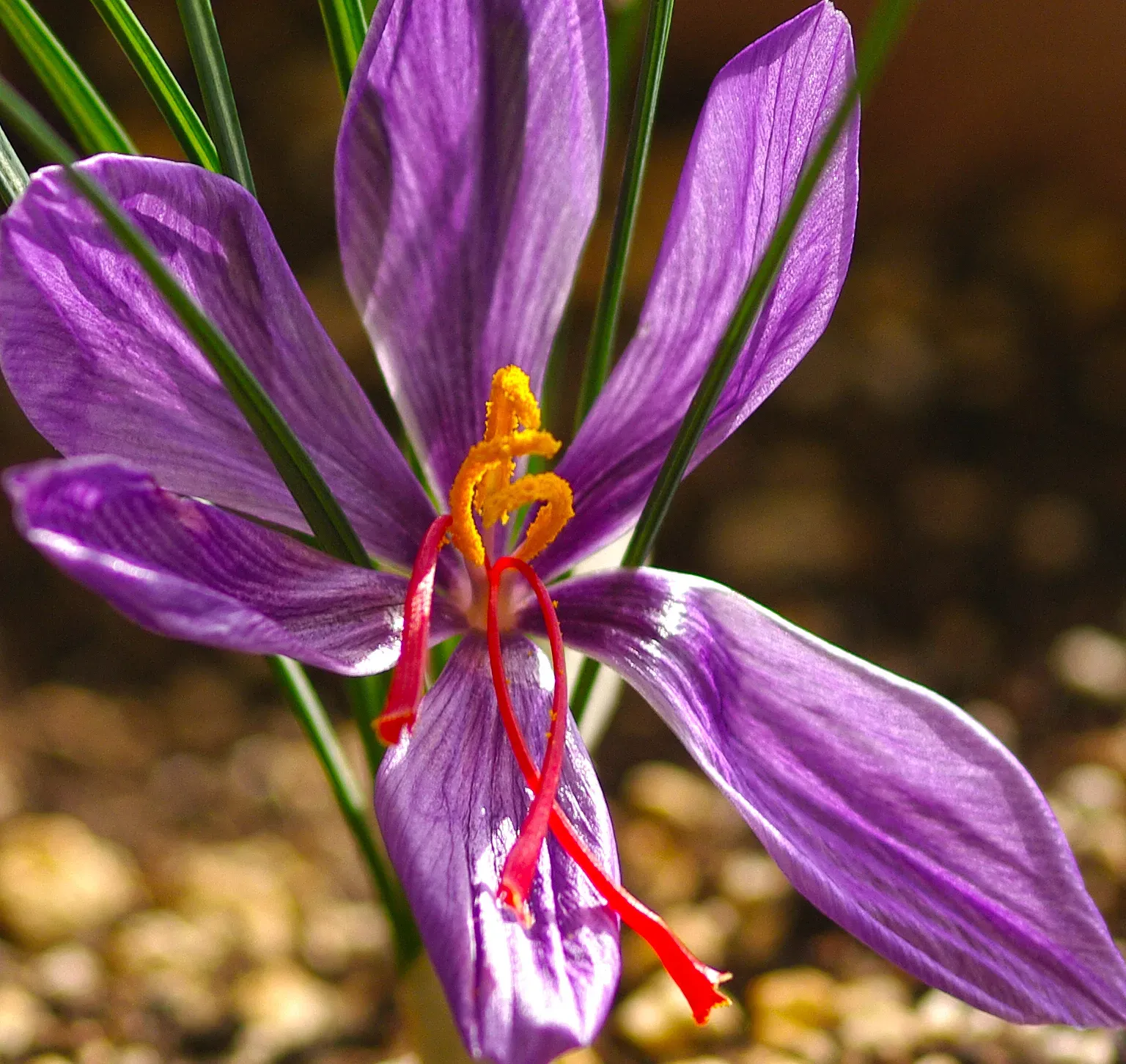
Here’s a plant that surprises even experienced dog owners. The autumn crocus looks absolutely beautiful and is incredibly popular in ornamental gardens. What makes it extra sneaky is that its symptoms can be delayed for days after ingestion. Autumn crocus contains colchicine, which is extremely toxic, causing gastrointestinal bleeding, severe vomiting, kidney and liver damage, and respiratory failure. Symptoms might be delayed for several days, so don’t wait to seek veterinary attention if your dog has ingested any part of this plant.
That delayed reaction is what makes autumn crocus so particularly dangerous – your dog might seem perfectly fine at first, and you may not connect the symptoms to the plant at all. While some plants can just give your pup diarrhea, there are others that are extremely poisonous and can cause serious problems like liver damage. Autumn crocus falls firmly in the serious category. If you suspect any exposure, don’t wait for symptoms – call your vet right away.
What to Do If Your Dog Eats a Toxic Plant
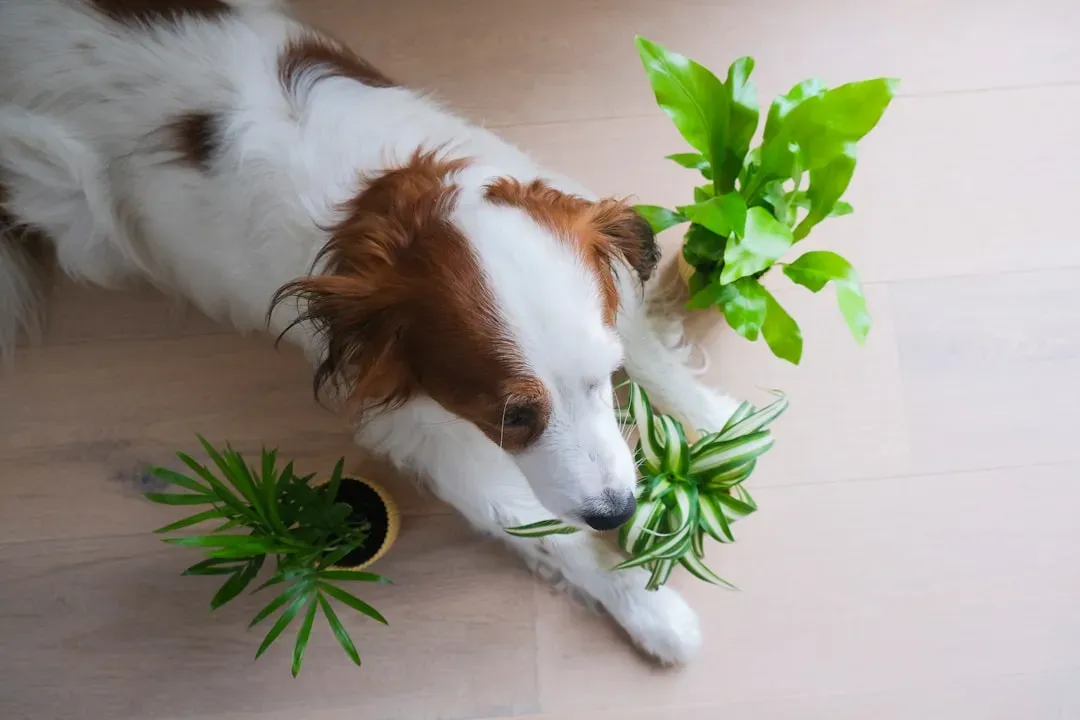
First, take a breath. Panic wastes precious time. When you reach the vet or a poison helpline, provide as much information as possible, including the suspected plant, the time of ingestion, your dog’s weight, and any symptoms your dog is showing. The more detail you can give, the faster and more effectively they can help.
Under no circumstances should you induce vomiting unless instructed to do so by the vet. Specific plant poisons require specific treatments, and vomiting can actually make some cases worse. If you aren’t sure what your pet ate, call the ASPCA’s Animal Poison Control Hotline at 888-426-4435 or the Pet Poison Helpline at 855-764-7661. They’re available 24 hours a day, 365 days a year, and can tell you how toxic the plant is and whether you need to seek veterinary care.
Conclusion: A Safer Yard Is a Love Letter to Your Dog

Your dog trusts you completely. They don’t know the difference between a friendly fern and a cardiac-disrupting foxglove. That’s not their job. It’s ours.
Don’t fall for the myth that dogs instinctively avoid dangerous plants. Dogs have no ability to distinguish between safe and unsafe plants. The best cure is prevention. Regularly survey your yard and identify any plants that may be dangerous, then restrict your dog’s access to them. A bit of research, a garden fence, or a simple plant swap can make your outdoor space a place of pure joy instead of hidden risk.
Your dog gives you everything. Giving them a safe yard to run in? Honestly, that feels like the very least we can do. Walk your yard today with fresh eyes. What do you think you might find growing there that you never paid attention to before?


