
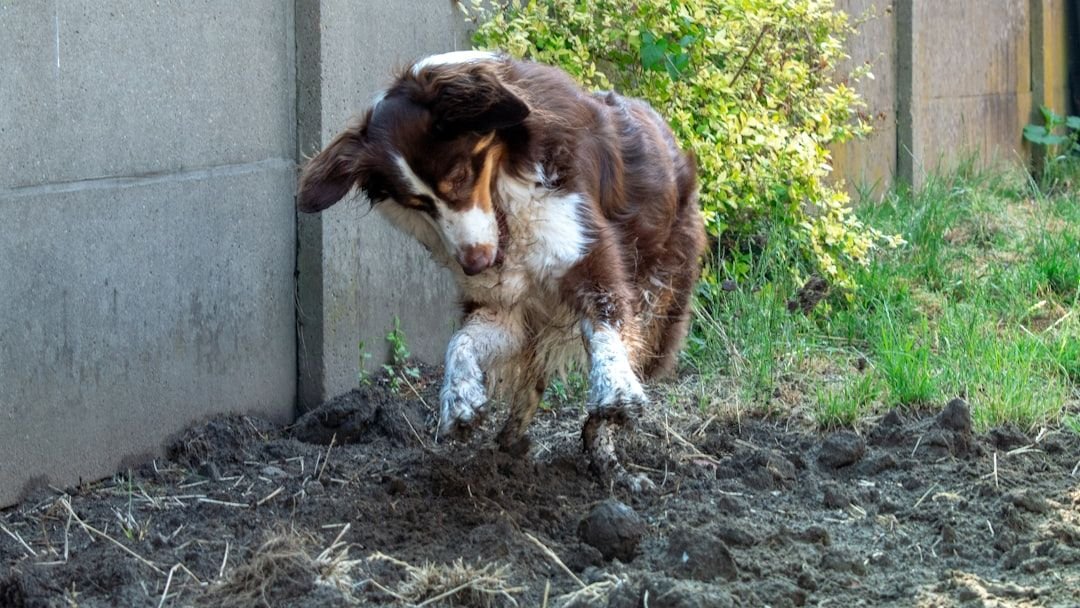
Picture this: your dog finishes their business, then suddenly launches into a frantic leg-kicking frenzy, flinging grass and dirt everywhere. You might chuckle or sigh at the mess, wondering if they’re finally trying to bury the evidence like a cat would. Here’s the thing, though – this quirky ritual has a purpose far more clever than cleanup.
It’s a snapshot into your pup’s wild side, a silent shout to the neighborhood dogs. Let’s uncover what those kicks really mean and why they happen every single time.[1][2]
Ever Caught Your Dog in the Act?
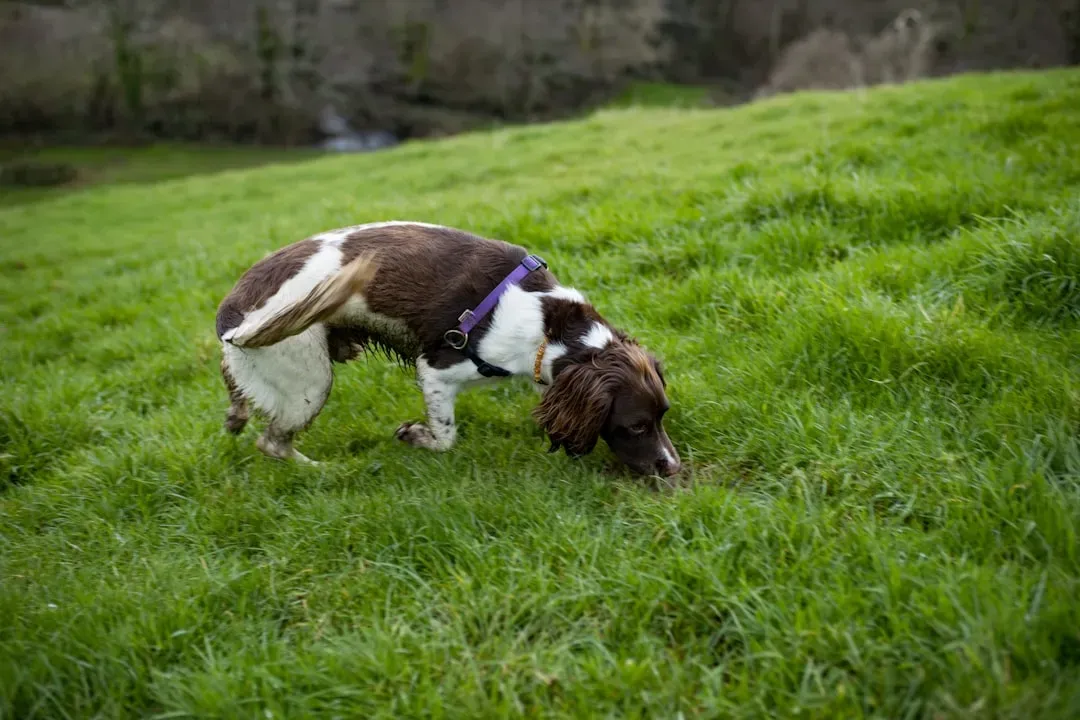
Next time you leash up for a walk, watch closely after your dog poops. Those rapid backward kicks aren’t random; they kick up debris with purpose. It’s almost like a victory dance, but loaded with intention.[3]
This ground-scratching shows up in dogs worldwide, from fluffy lap dogs to rugged herders. Wolves and coyotes do it too, hinting at deep roots. Honestly, it always surprises me how such a simple move packs so much meaning.
Busting the Covering-Up Myth
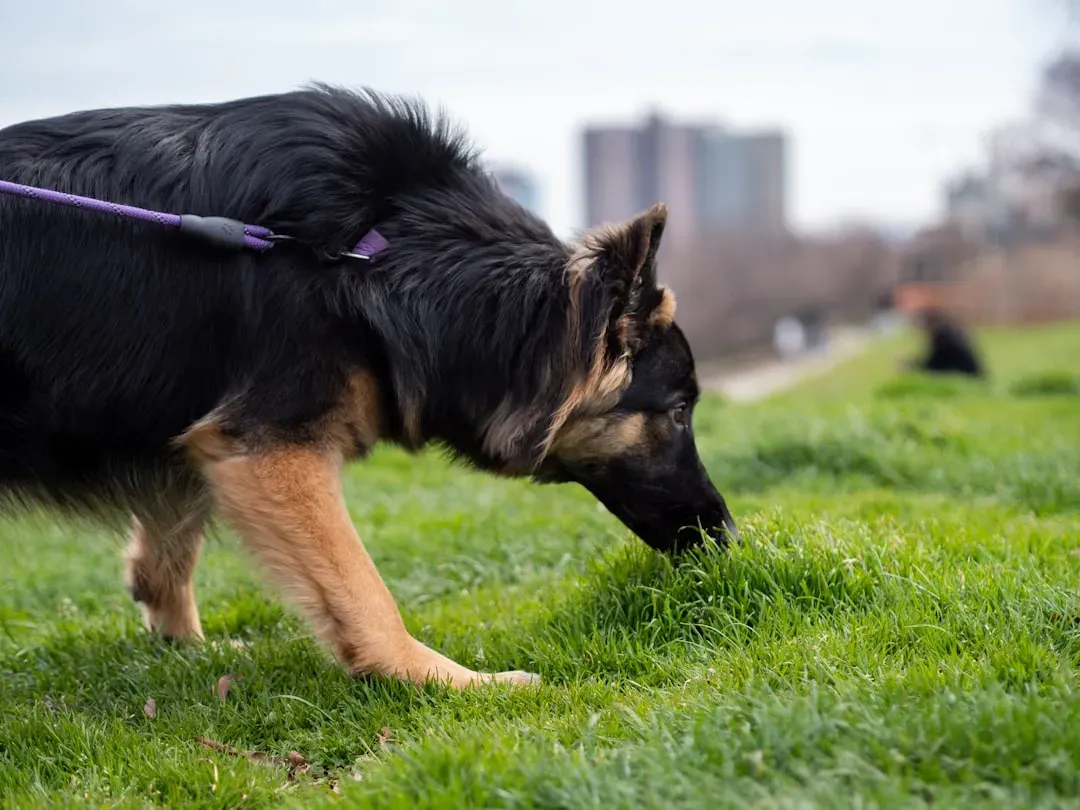
Dogs don’t care about hiding their poop the way cats meticulously bury theirs. That old idea of covering waste? Total misconception for canines. They’re not tidying up; they’re broadcasting.[1]
Instead of concealment, those kicks spread something invisible yet powerful. Your yard turns into a personal billboard. Let’s be real, if cleanup was the goal, they’d use their front paws or nose around more.
Science backs this: the behavior attracts attention, not hides it.[4]
Paws Packed with Pheromones
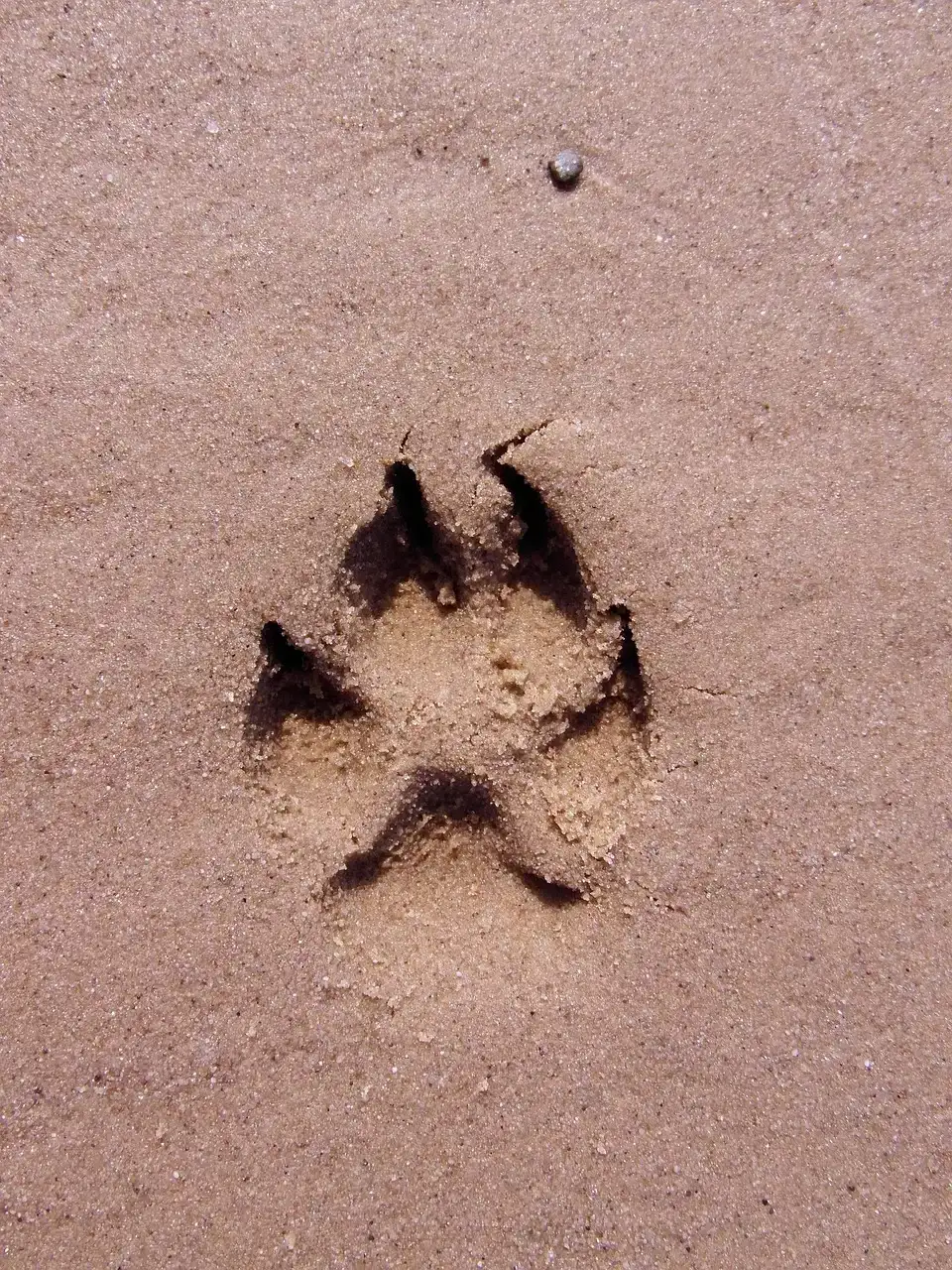
Hidden in your dog’s paw pads lie interdigital glands, tiny scent factories. When they kick, these glands release pheromones onto the ground and grass. Those smells linger far longer than poop or urine scents alone.[5][6]
It’s like spraying perfume after signing a check – extra emphasis. Other dogs sniff it out later, getting the full message. I think it’s genius how evolution turned feet into messaging tools.
Visual Clues for Fellow Canines
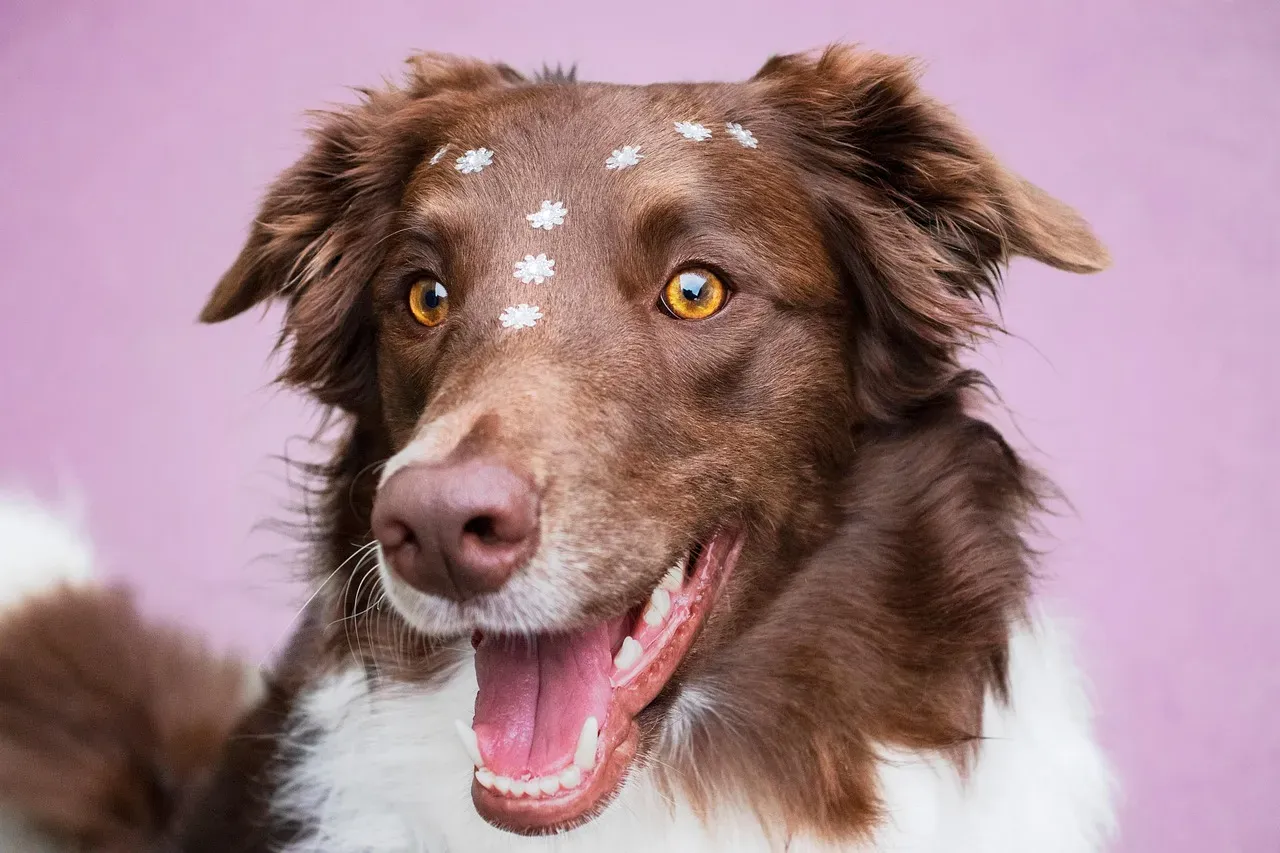
Beyond smell, the scratches leave visible slashes in the dirt. These marks scream “I was here” to any passing dog. No nose needed; eyes do the talking.[3]
In empty fields or busy parks, those lines serve as lasting billboards. Scientists see it as dual communication: scent plus sight. Pretty smart for a species without thumbs or Twitter.
Your dog’s not just smelling the air; they’re etching their story into the earth.
Roots in the Wild Pack Life
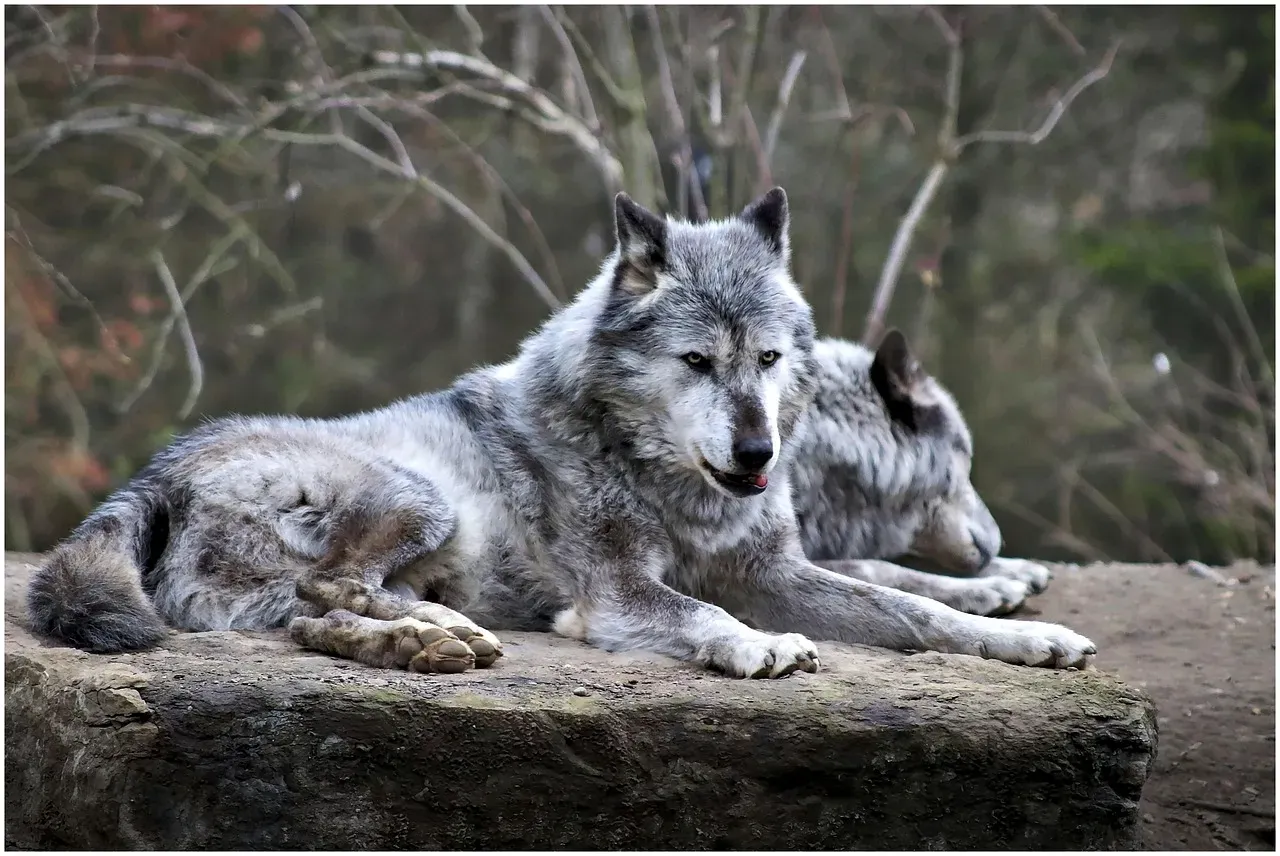
Trace this back to wolves roaming vast territories. Kicking marked safe zones or warned rivals. Domesticated dogs carry that DNA, even in cozy suburbs.[7]
Packs needed clear boundaries to avoid fights over food or mates. Modern pups echo that survival tactic on leashes. It’s a reminder they’re still wired for the wild.
Chatting with the Neighborhood Pack
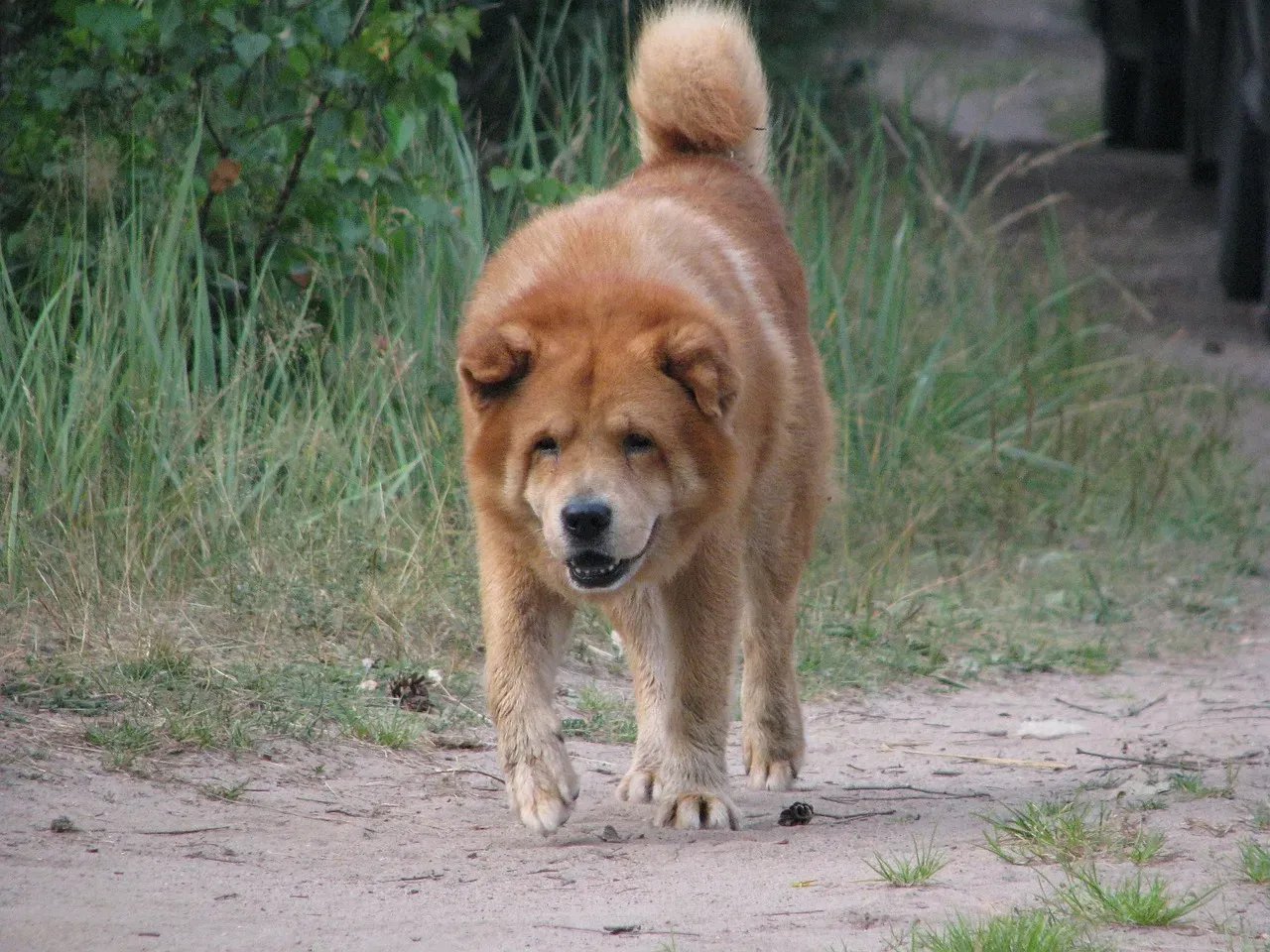
Often, kicks ramp up near other dogs. It’s like posting on a canine social feed: “This spot’s mine right now.” The combo of poop scent, paw pheromones, and scratches tells status and identity.[1]
Solitary walkers do it less frantically, but the urge persists. Females in heat or intact males dial it up. Your shy shelter dog? Might kick quieter, but the instinct hums.
Next walk, scan for rivals – it changes everything.
Not Just After Pooping
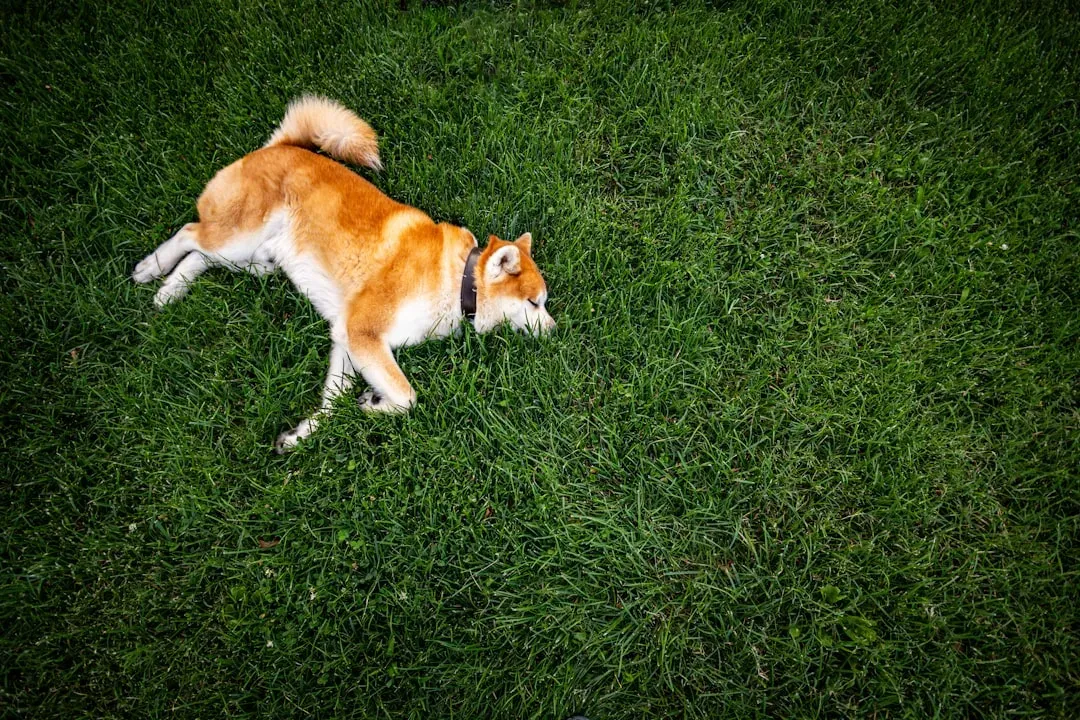
Surprise: dogs kick after peeing too, especially females squatting. Urine fades fast, so paws boost the signal. It’s versatile marking magic.[8]
Some scratch randomly to refresh borders. Neutered dogs tone it down, lacking hormone drive. Still, the habit sticks around.
When Kicks Might Signal Trouble
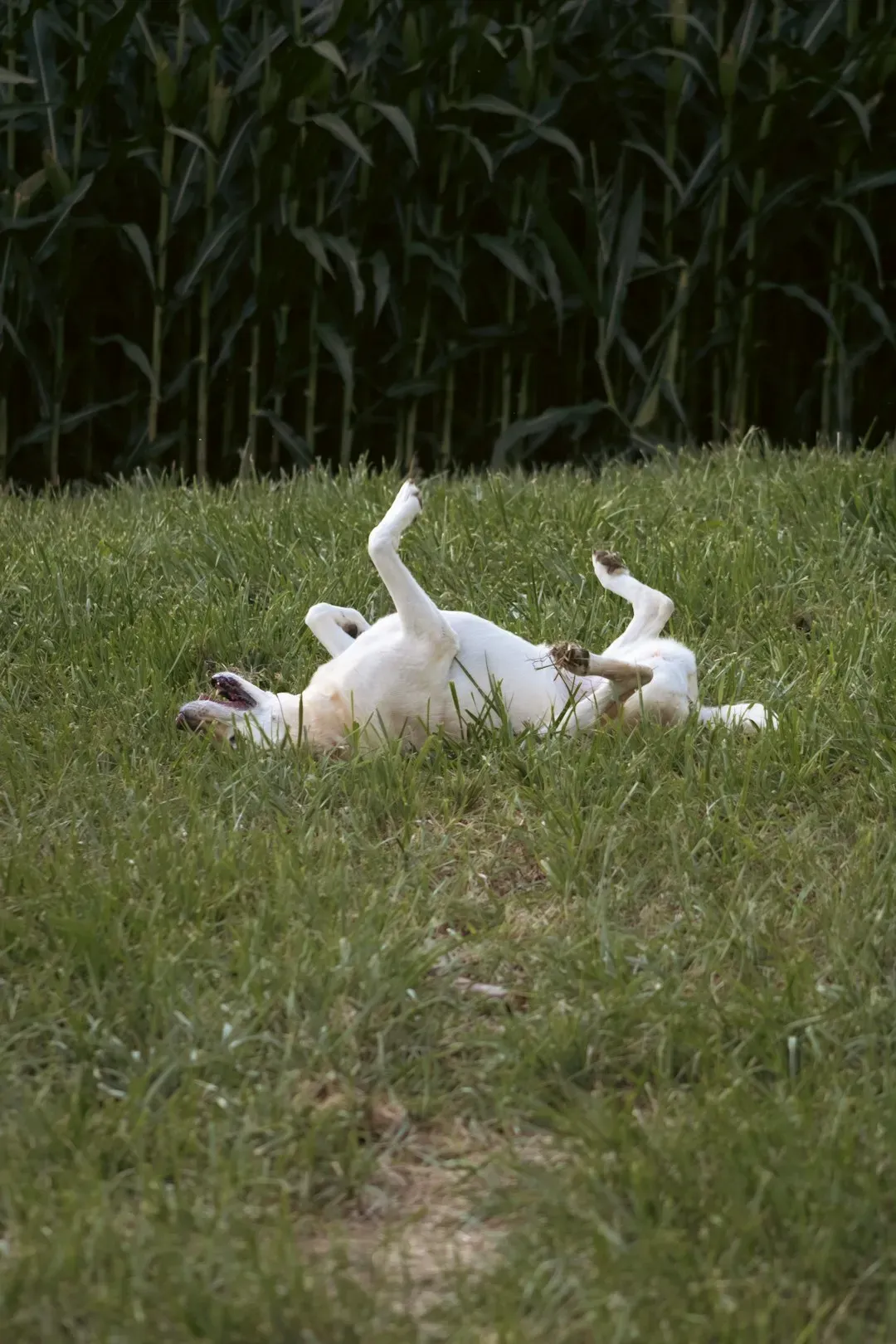
Mostly harmless fun, but excessive frenzy could mean dirty paws or itchiness. Rarely, anal gland issues prompt extra scooting – not kicking – though. Watch for limping or yelping alongside.[9]
Vets say normal is quick and post-business only. If your dog’s tearing up the lawn daily, a check-up rules out allergies. Better safe than sorry with those paws.
Wrapping Up the Mystery
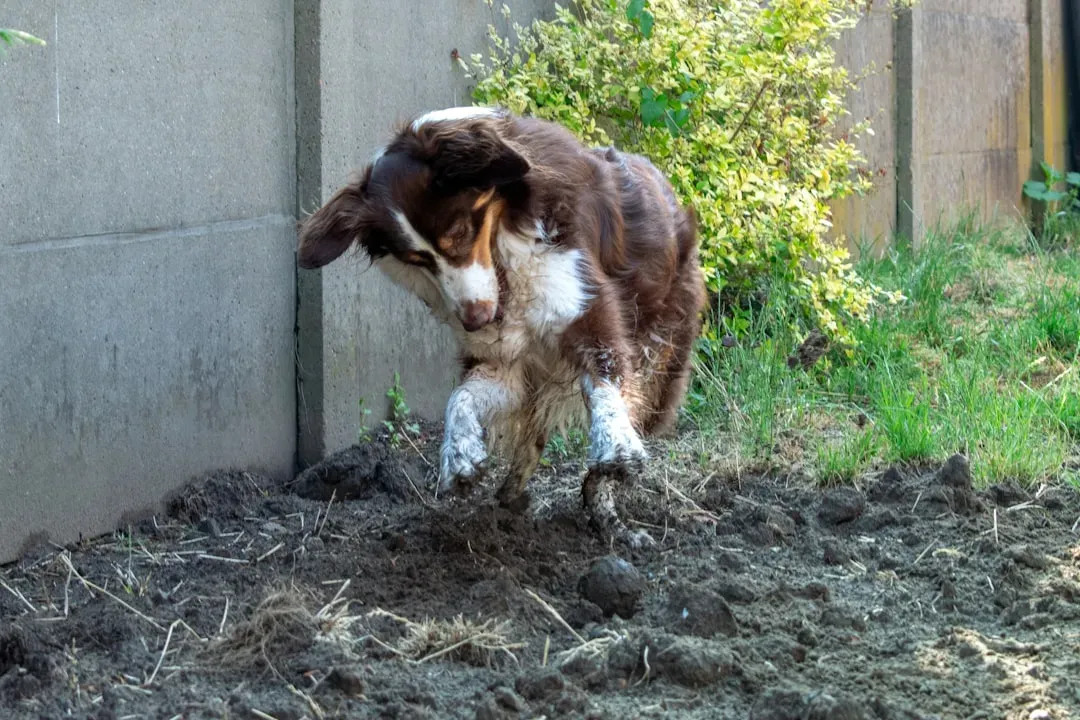
Those post-poop kicks reveal your dog’s inner communicator, blending scent, sight, and ancient instinct. Far from futile flailing, it’s territory signing at its finest. Embrace it as a window into their world.
Next time grass flies, smile knowing they’re claiming their throne. What does your dog’s kick style say? Share in the comments below.


