
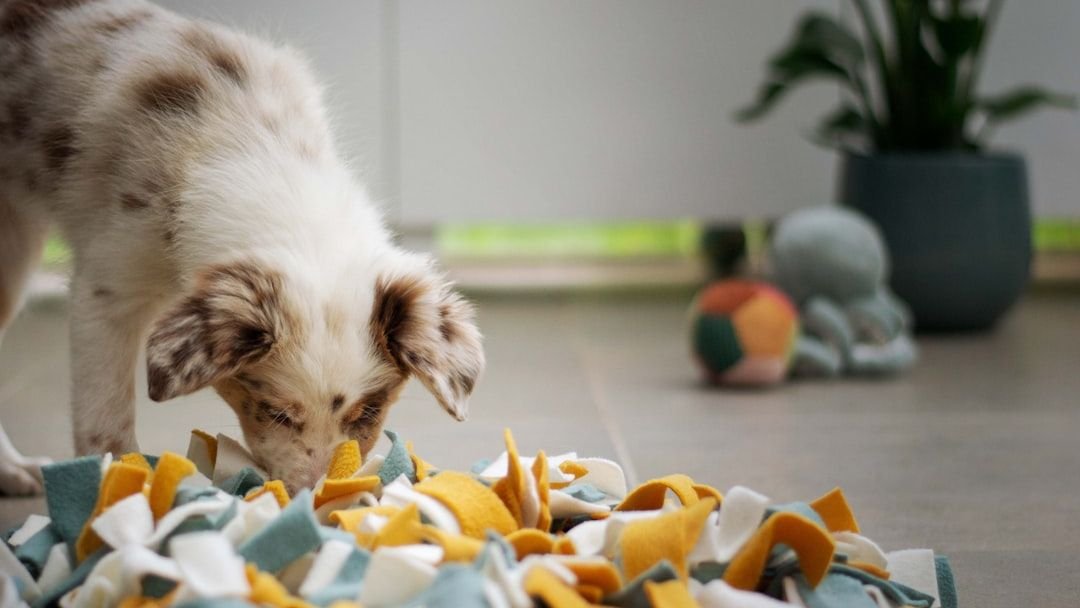
Imagine walking into a bakery and smelling warm bread. Nice, right? Now imagine that same walk, but instead of a vague waft of something delicious, you could identify every single ingredient, the exact temperature of the oven, and the person who baked it. That’s what your dog experiences – every single day. Their nose isn’t just a cute, squishy feature on their face. It’s their entire reality.
Most of us know dogs have a great sense of smell. But honestly, “great” barely scratches the surface. There’s a whole secret world your dog is navigating every time they step outside, every time they press their nose to the floor, and even every time they sniff you after a long day. Ready to have your mind blown wide open? Let’s dive in.
The Numbers That Will Make Your Jaw Drop
Dogs have a sense of smell that is between 10,000 to 100,000 times stronger than ours, with scent-tracking breeds like Bloodhounds representing the most extreme end of that range. Let’s be real – that number is almost impossible to wrap your head around. Think of it like this: if smell were vision, your dog could see something clearly from thousands of miles away that you’d struggle to spot from around the corner.
Dogs possess up to 300 million olfactory receptors in their noses compared to about six million in us, and the part of a dog’s brain devoted to analyzing smells is, proportionally speaking, roughly 40 times greater than ours. That brain power isn’t wasted either. Whereas in humans roughly 5% of the brain is dedicated to odors, in dogs this figure is an astonishing 33%. So when your dog seems distracted on a walk, they’re actually working harder than you realize.
A Nose Built Like a Precision Machine
Here’s something most people don’t know – the way a dog physically breathes through their nose is completely different from us. When dogs inhale, a fold of tissue just inside their nostril helps separate breathing from smelling. When we exhale through our nose, we push out any incoming odors. But when dogs exhale, the spent air exits through the slits on the sides of their noses, and the manner in which this exhaled air swirls out actually helps draw new odors into the nose.
Dogs can also smell separately with each nostril. Just as our eyes compile two slightly different views to form a 3D picture, a dog’s brain uses different odor profiles from each nostril to determine exactly where a smelly object is located. I think that’s just extraordinary. It means your dog doesn’t just smell something – they can literally pinpoint where in space it is, almost like olfactory GPS.
Your Dog Is Reading a Scent Story Everywhere They Go
With a single sniff, a dog’s nose interprets an entire story without words by using amines and acids emitted by other dogs as the basis for chemical communication. The chemical aromas communicate what a dog likes to eat and identify gender and mood. By simply smelling, a dog can determine if a new friend is male or female, happy or aggressive, healthy or ill. Next time your dog sniffs another dog at the park, they’re not being nosy. Well, technically they are – but it’s deeply social behavior.
Dogs also have a remarkable scent memory that can identify other dogs they have not seen for years and even remember which of them was the dominant member of the pair. When dogs belonging to the same family are separated for a while, they use scent to catch up on things. Changes in odors can convey where the dog went, what they ate, and what they did. It’s like reading a detailed diary through smell alone. Honestly, that kind of memory puts most of us humans to shame.
Your Dog Knows How You’re Feeling Before You Do
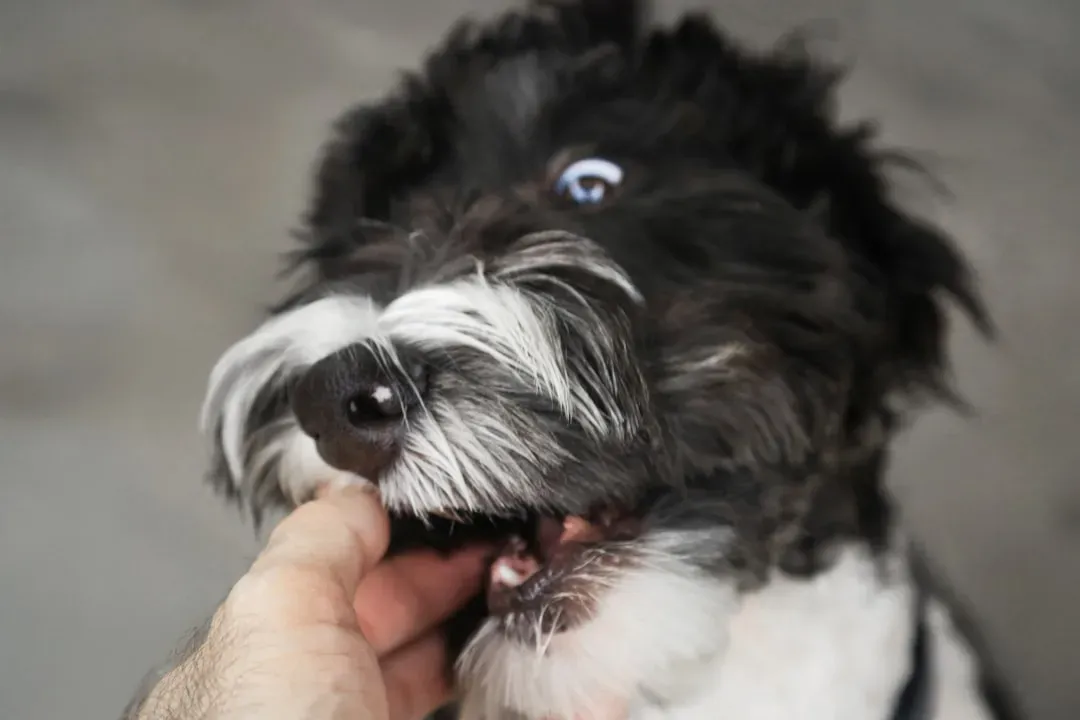
This one genuinely gets me every time. Dogs sense fear and anxiety through their noses. When we are stressed or scared, we secrete adrenaline, the fight-or-flight hormone, which dogs detect even though we cannot smell it ourselves. When we are anxious, our increased heart rate and blood flow also carries body chemicals to the skin surface where dogs can smell them more easily. So you really can’t hide a bad day from your dog. They know.
A study conducted at Emory University placed trained dogs in a functional MRI and presented them with five different scents. Only the familiar human scent activated the part of the brain associated with positive expectations and social rewards, suggesting that dogs associate our scents with good things. Your scent isn’t just information to your dog. It’s comfort. It’s home. That thought is genuinely beautiful.
When the Nose Saves Lives: Dogs as Medical Detectors
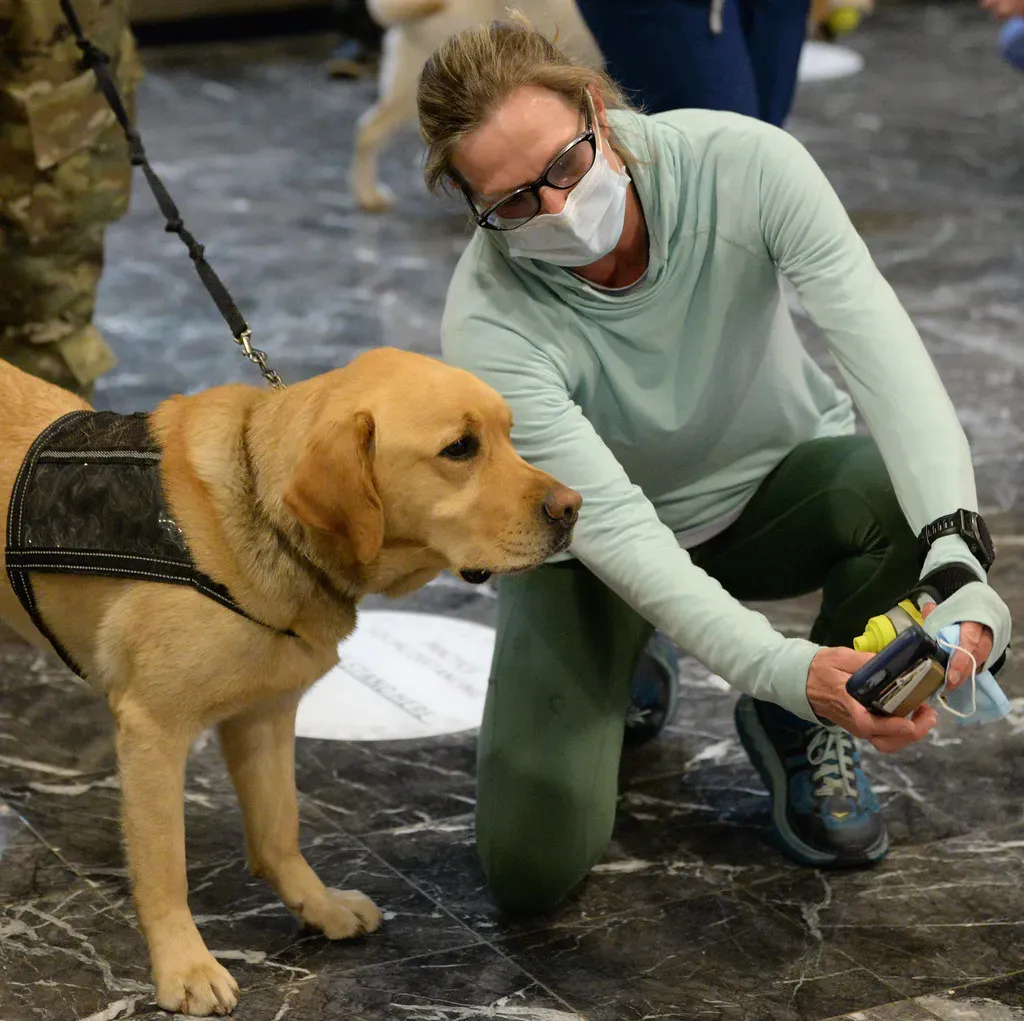
Cancer can change a person’s unique set of volatile organic compounds found in breath, sweat, blood and urine. Trained dogs have learned to sniff out these subtle scent cues in samples worn by people with cancer diagnoses. This isn’t just fascinating science trivia – it has real implications for early diagnosis. With a sense of smell researchers estimate is between 10,000 and 100,000 times superior to ours, dogs can detect the smell of cancer far earlier in the disease’s progress – even while cancer is still in situ and has not spread. Remarkably, they don’t even need to smell the growth directly. Dogs can detect this scent on waste matter like breath.
Recent studies show that dogs can detect not only specific scents of drugs or explosives, but also changes in emotions as well as in human cell metabolism during various illnesses, including COVID-19 infection. Research has found that two scent-trained dogs were able to detect whether an individual was infected with a virus with 94 to 96% accuracy and a detection time of just 5 to 10 seconds. It’s hard to say for sure what the full future of medical detection dogs looks like, but the potential is staggering.
The Sniff Walk: The Gift Your Dog Deserves More Often
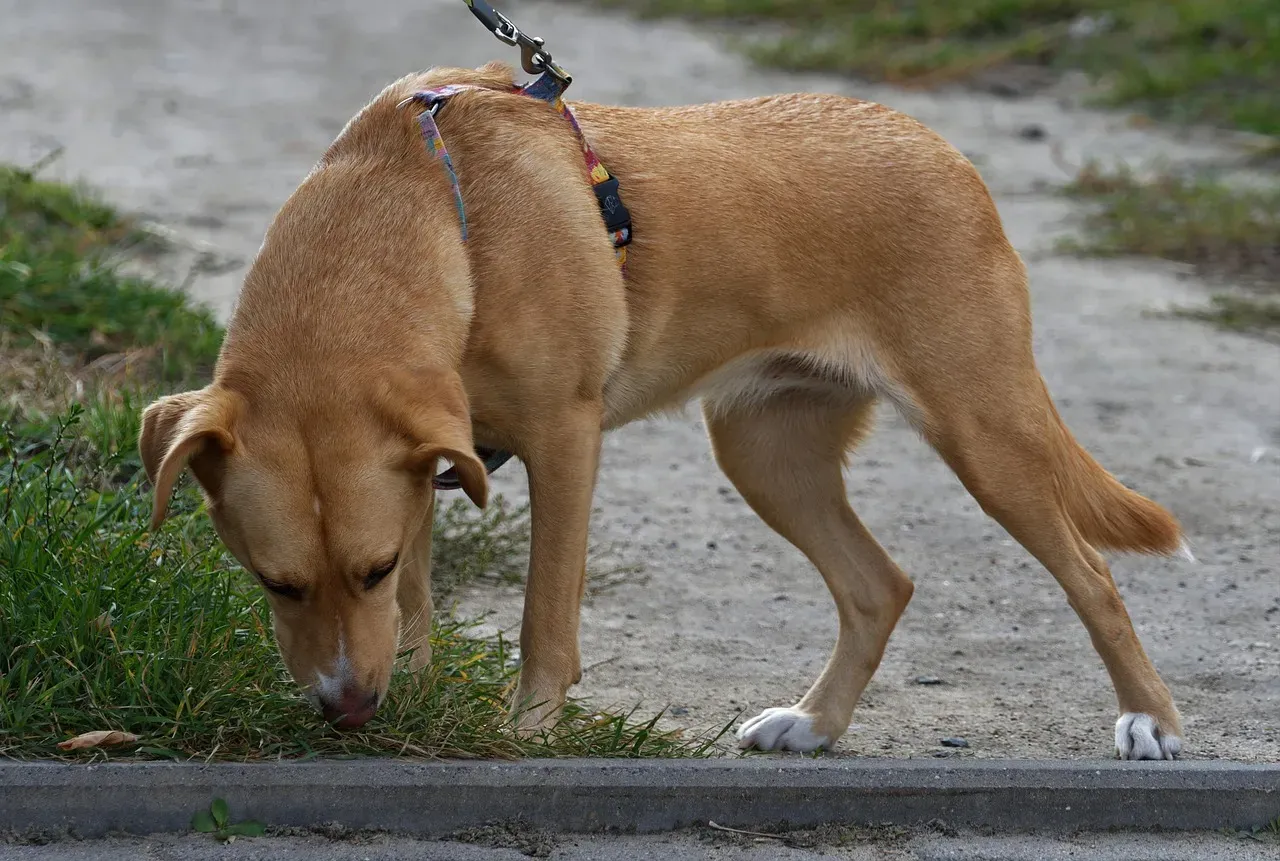
Here’s a practical truth that often gets missed: letting your dog sniff freely isn’t just a nice thing to do. It’s a genuine health need. Allowing your dog to go on sniff walks is vital for their overall mental well-being. The act of sniffing provides mental stimulation and enrichment as it activates their brain and engages their senses. It’s like solving puzzles or reading a captivating book for them. And yet so many of us tug the leash and rush them along. Guilty as charged.
Sniffing activates many parts of a dog’s brain, releasing the pleasure hormone dopamine and promoting rest, thereby helping to reduce stress. The mental energy used during sniff walks can certainly make your dog tired, but in a good way. Sniff walks are just as effective as physical exercise at expending pent-up energy and decreasing behaviors like destructive chewing or excessive digging. So if your dog is being a little tornado at home, more sniff time outside might just be the answer you’ve been looking for.
Conclusion: Seeing the World Through Your Dog’s Nose
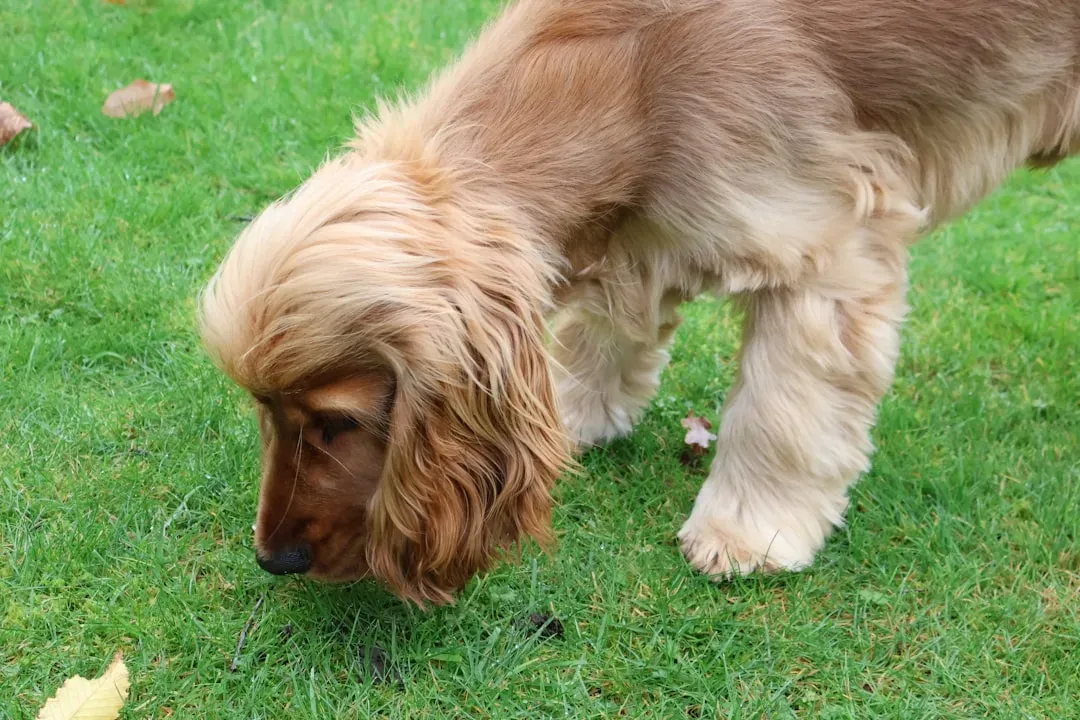
The next time your dog stops at a seemingly unremarkable patch of grass and refuses to budge, try not to be frustrated. In that moment, they’re reading a layered, complex, richly detailed story that we couldn’t begin to comprehend. Their nose is their newspaper, their social media feed, their GPS, and their emotional radar all rolled into one remarkable organ.
Understanding this changes the way you care for your dog. It means slower walks, more freedom to explore, and a deeper respect for the invisible world they navigate every day. When you see your dog nose-deep in a scent, that’s not distraction. That’s joy. That’s purpose. That’s your dog being fully, beautifully themselves.
The question worth sitting with is this: how many of your dog’s daily sniff moments have you rushed past without a second thought? What if slowing down for them just a little bit could make their whole world richer? Tell us in the comments – do you let your dog lead the way on walks, or is it something you’re working on?


