
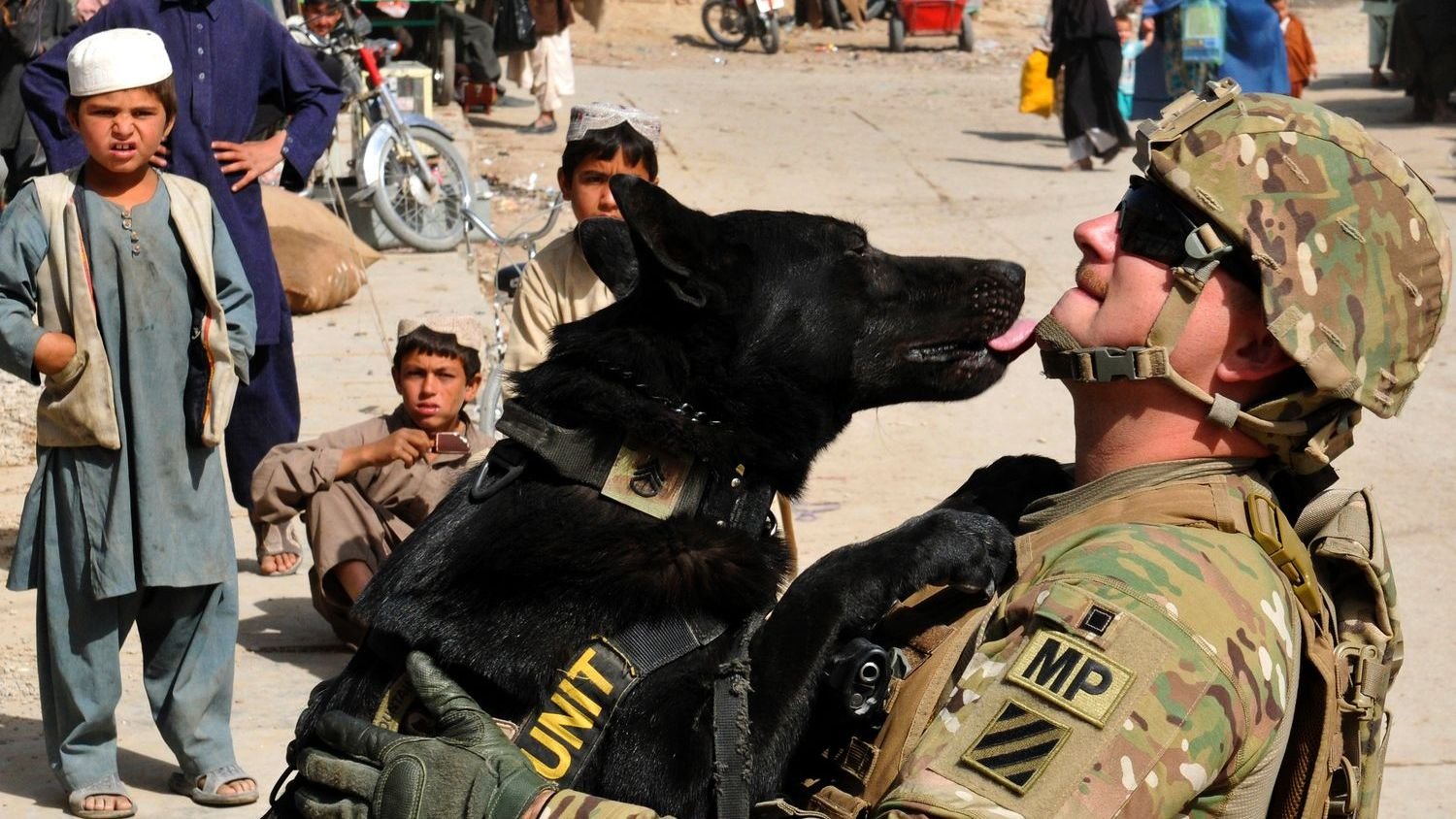
You walk through the door after a long day, and before you’ve even set down your bag, your dog is already spinning in circles, tail like a propeller, eyes locked on you like you’re the most important person on the planet. Meanwhile, your partner barely gets a glance. Sound familiar? Or maybe you’re the one being ignored while the dog loses its mind for someone else. Either way, it’s one of the most quietly fascinating things about living with dogs.
The truth is, your dog has almost certainly decided who their favorite human is. It’s not random. It’s not just about who holds the treat bag. There’s genuine science behind it, a whole blend of biology, emotion, timing, and personality. And honestly, understanding it might just change how you see your dog entirely. Let’s dive in.
The Science of Canine Attachment: Why Dogs Pick a Person
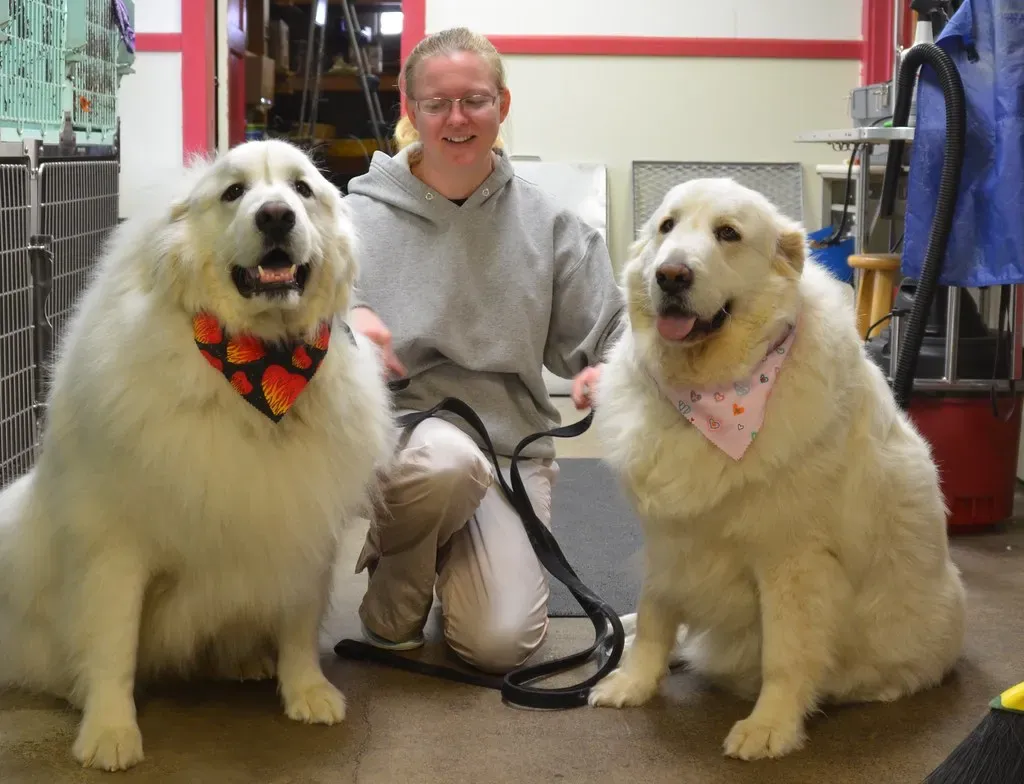
Here’s a surprising thing most people don’t realize: dogs actually show higher heart-rate variability, a physiological sign of feeling safe, when near specific humans, even when several familiar people are present. Their nervous system quietly votes. That’s not just loyalty. That’s biology.
Dogs attach most strongly to the person who consistently feels predictable, safe, and rewarding. Not the loudest, not the nicest on paper, but the one whose signals their brain can decode fastest. Think of it like a Wi-Fi signal at home.
It’s a bit like a Wi-Fi network: they’ll still “connect” with everyone in the house, but one person’s signal is just stronger, cleaner, always available. That’s the human they’ll turn to when they’re scared, tired, or overwhelmed.
Research has also shown that both dogs and humans release oxytocin, the “love hormone,” when they interact, and this hormonal connection fosters trust and emotional bonding. So yes, your dog is genuinely wired to fall in love with a specific person.
The Critical Puppy Window: Why Timing Is Everything
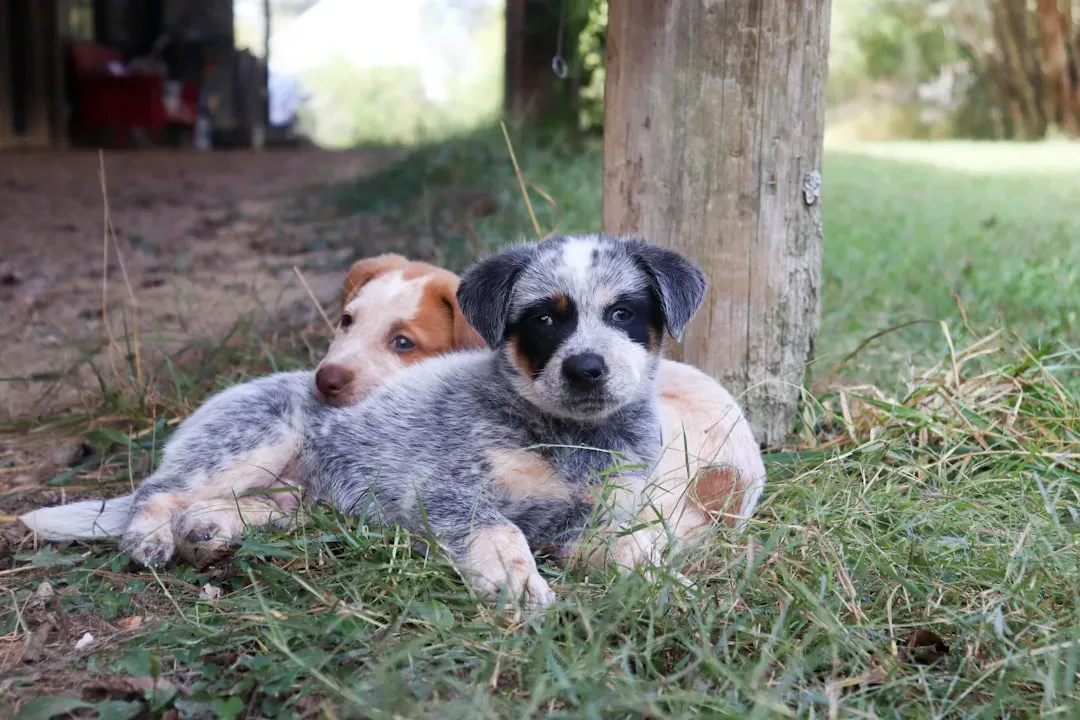
Honestly, the timeline here is a little mind-blowing. The first six months of a dog’s life represent the most crucial period for determining future bonding patterns. During this key socialization window, puppies’ brains are incredibly receptive to new experiences, and their early social interactions influence their attachment preferences for the rest of their lives. Dogs who receive consistent care from one person during this period often develop their strongest bonds with that individual.
Some dogs bond more deeply with one person because early experiences and emotional imprinting play a powerful role in shaping attachment. The first person to meaningfully interact with a puppy or newly adopted dog may form a lasting preference, even if others in the household are loving and involved.
This doesn’t mean all hope is lost if you adopted an adult dog. It is important to state that puppies are not the only ones capable of forming such strong bonds, as perfect companionship can be formed between dogs and humans regardless of age, gender, or breed. Love and consistency can always build something real.
Personality Compatibility: Dogs Basically Friend-Match Themselves
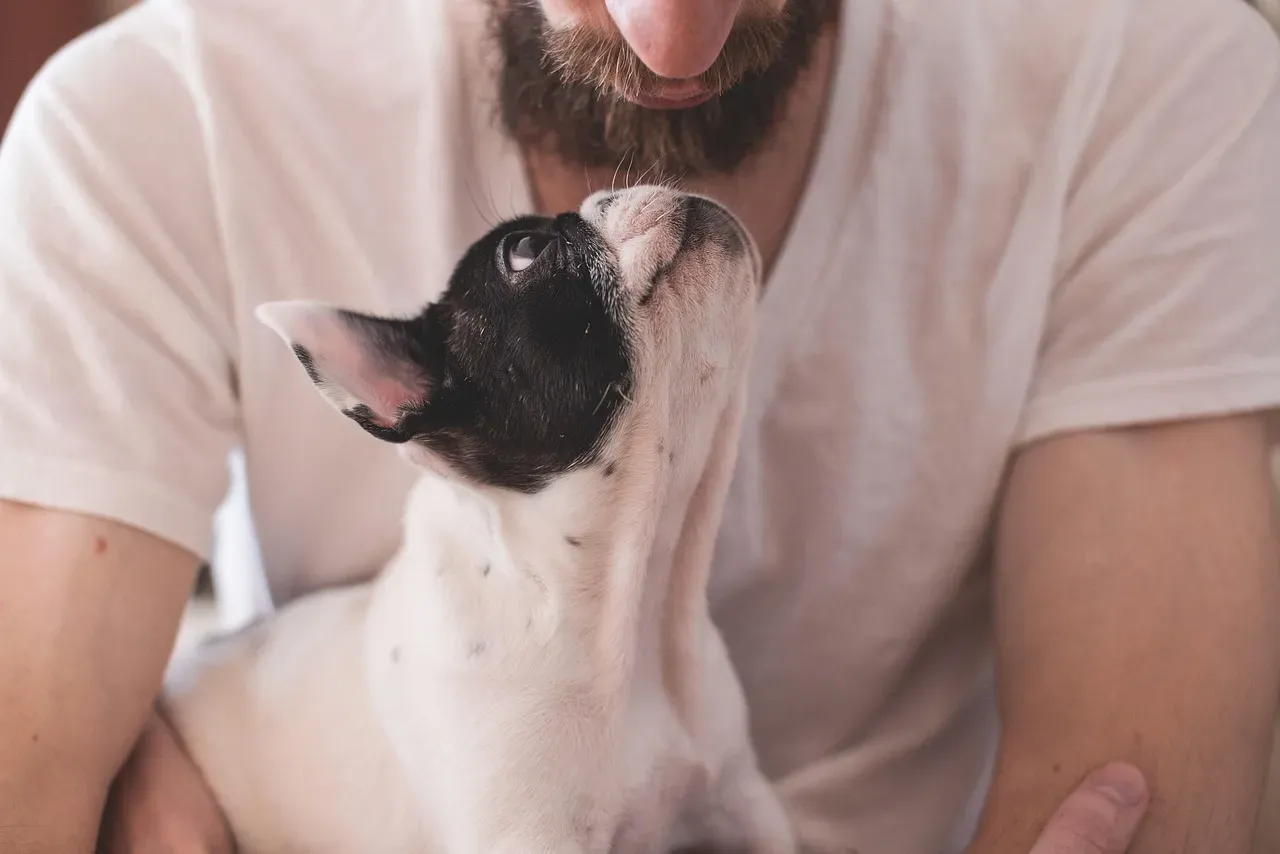
Let’s be real, we all know a human who walks into a room and every dog immediately loves them. That’s not magic. Cautious dogs naturally gravitate toward quiet, calm individuals, while high-energy dogs prefer active people who match their enthusiasm. This compatibility extends beyond energy levels to include how humans handle stress, communicate, and interact with the dog during both positive and challenging situations.
Think of it like human friendships. A dog that exhibits a lazy streak is more likely to form a strong bond with someone who is less active or prefers to spend their day at home. A timid dog will feel more comfortable with a shyer, more introverted owner, while a dog that likes to make itself heard will pair up happily with a larger-than-life human companion.
For example, if you have a tiny lap dog who loves to snuggle, they might be more drawn to the person in their home who likes to binge-watch television shows with cozy blankets on the couch. If you have a dog that’s on the hyper side, they could be more drawn to the active person in their home who takes them for hikes or long walks daily. It’s almost poetic, really.
The Role of Positive Associations and Daily Routines
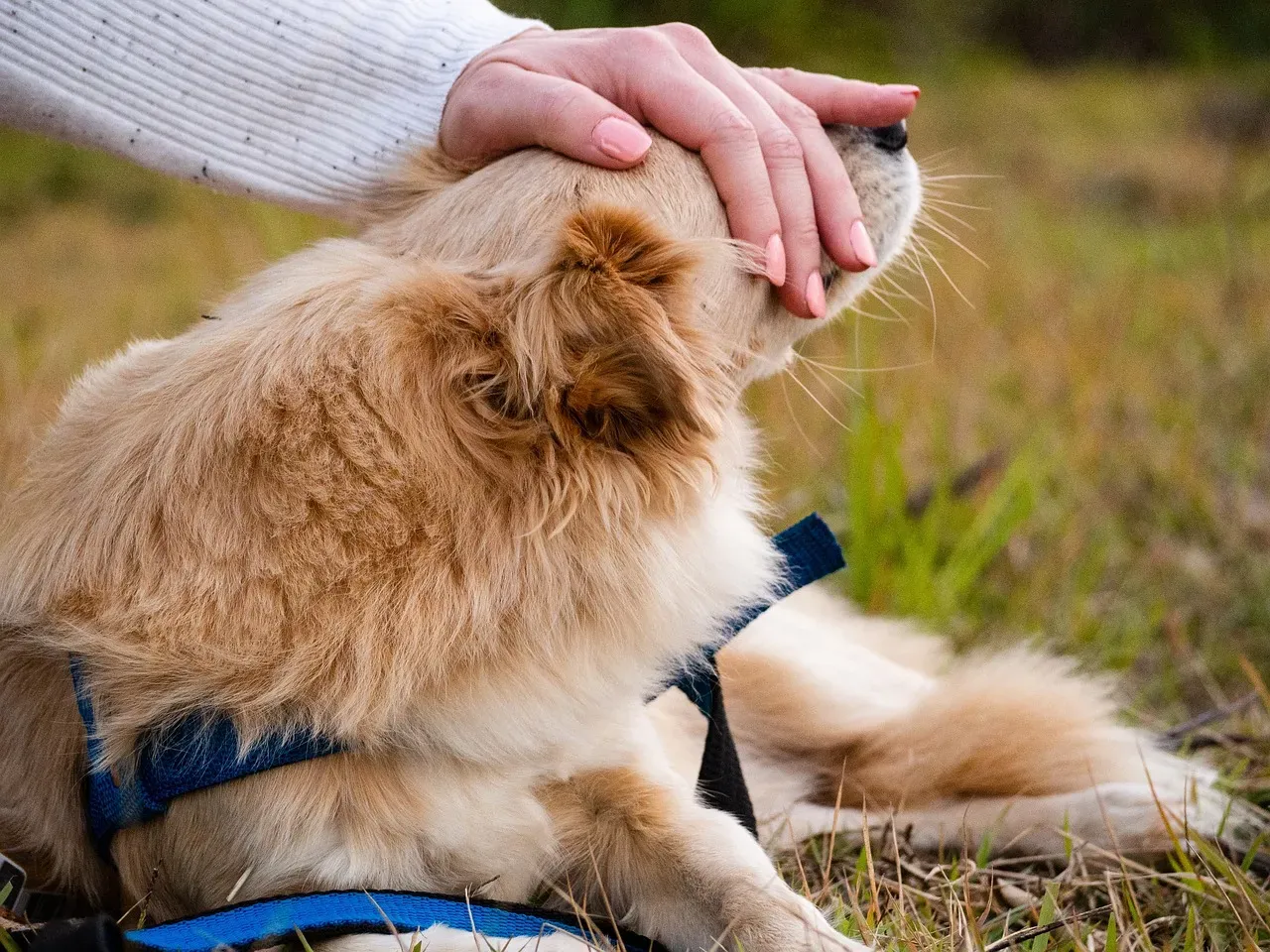
I know it sounds crazy, but the favorite human is often the one running what researchers describe as a kind of “tiny reward casino” without even knowing it. The “favorite” is often the one unintentionally running a tiny, constant drip of good things: a piece of cheese here, a quiet scratch there, a gentle “good dog” exactly when the dog lies down. Not bribery, just a steady stream of pleasant experiences linked to one person.
It’s easy to understand that dogs choose the people who give the most attention, affection, and one-on-one time. High quality is key here. If your dog spends hours in someone’s presence but that person ignores them most of the time, that time won’t matter.
Dogs also thrive on routine. Those who maintain a consistent schedule, providing regular meals, walks, and playtimes, often become the clear favorite in their dog’s eyes. It’s the small, daily things that stack up into something powerful over time.
The Signs Your Dog Has Chosen You (or Someone Else)
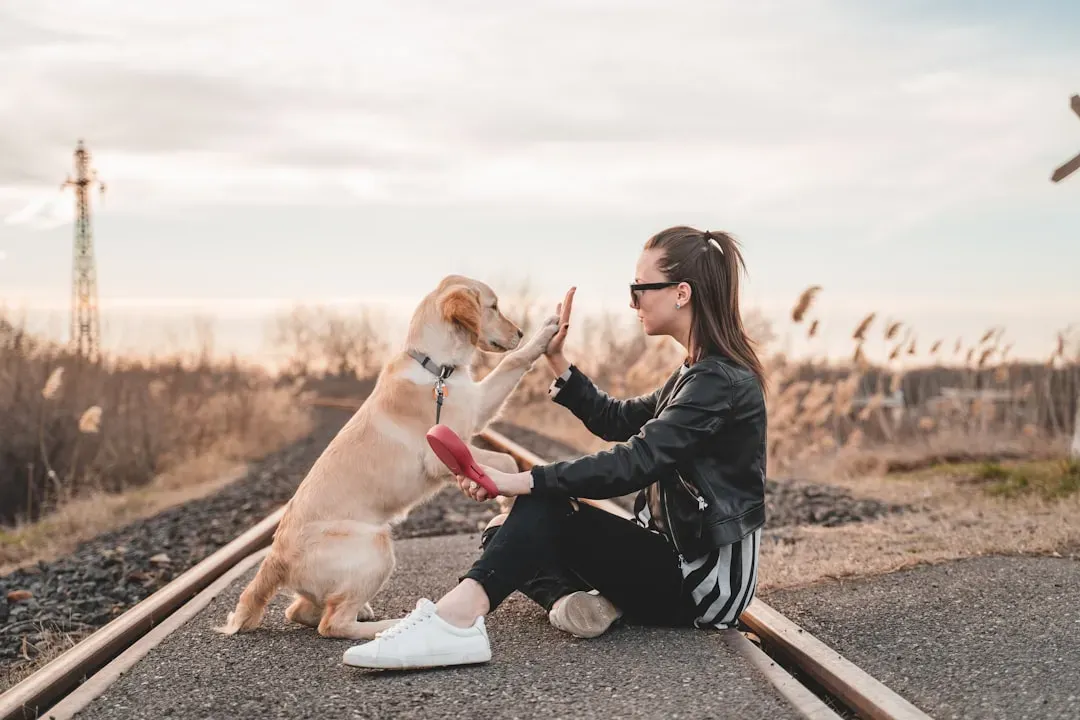
So how do you actually know who the chosen one is? The clues are everywhere, if you know what to look for. A dog will greet their favorite human each time they walk in the door no matter what else is going on. They may even bring a toy with them to say hello. If your dog is allowed on the couch or bed, they will tend to sleep with their favorite person, often trying to stay within touching distance.
Dogs may even use their favorite person’s scent to find them in the house. If you leave one room to go to another, your dog will track your unique scent from room to room until they successfully locate you. That’s commitment on a whole other level.
Experts agree that dogs definitely tend to claim a person in their household, and that once they’ve made their choice, it’s unlikely to change. Still, that doesn’t mean other family members are left in the cold. Many dogs form a primary attachment plus one or two “secondary favorites.” They may sleep near one person but seek comfort from another during storms or stressful moments.
How to Strengthen Your Bond Even If You’re Not “The One”
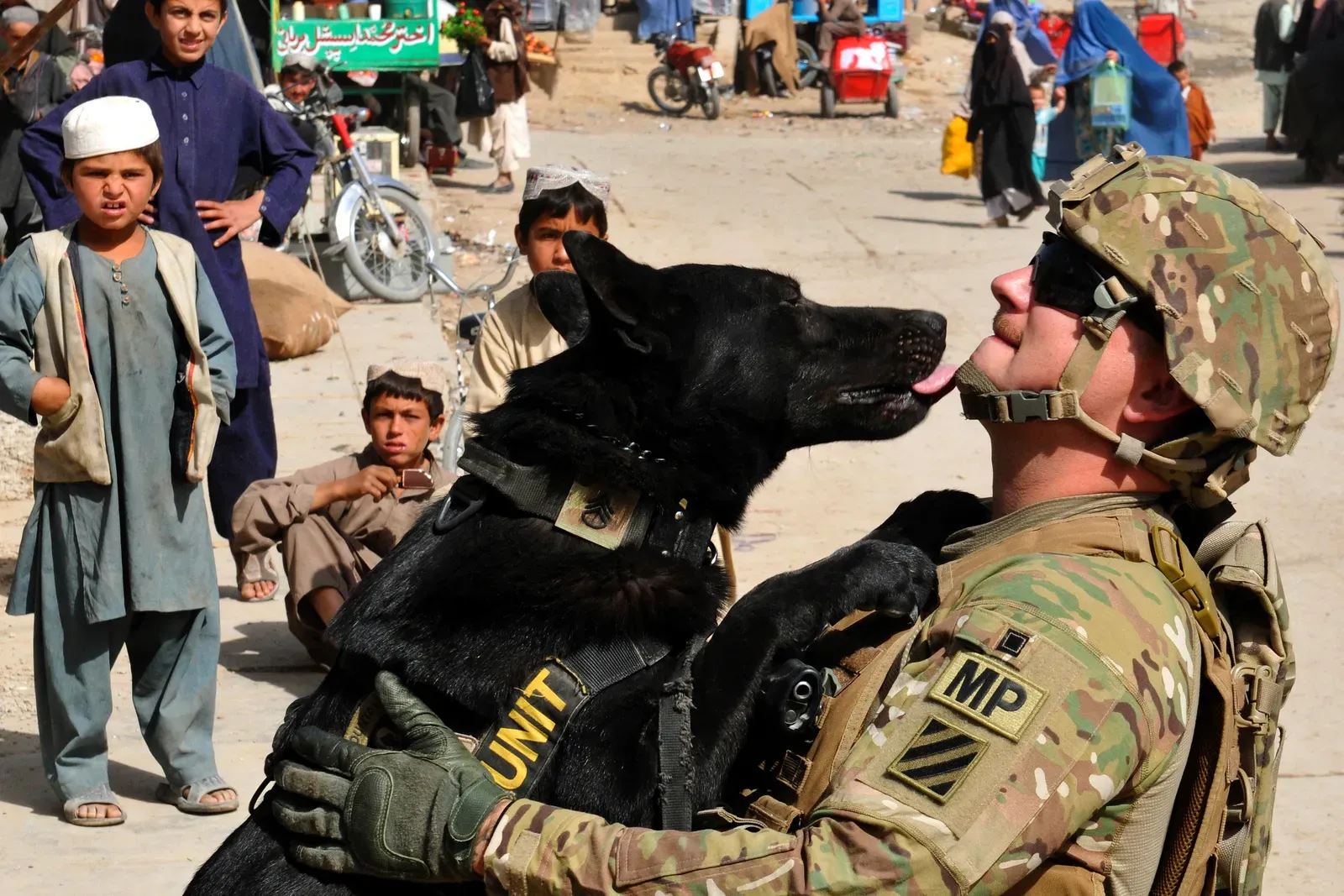
Here’s the thing that should make every second-favorite human feel hopeful: you can absolutely improve where you stand. Bonds are fluid, and dogs often attach most strongly to the people who reliably meet their day-to-day needs. You can strengthen the relationship by participating in daily care like feeding, walking, and grooming; engaging in fun, reward-based training; and being predictable and kind, since calm and consistent interaction builds trust quickly.
If you want to move up in the rankings, start small and boring: sit in the same room, phone down, body relaxed. When your dog glances over, toss a tiny treat or invite them for a short scratch, then let them walk away if they want. Five calm minutes, twice a day, will do more than one overly intense “bonding” marathon on the weekend.
Stimulating positive associations by enrolling in agility or obedience courses together can also reinforce the bond, and help your dog build positive associations with other humans in their world too. It really doesn’t have to be complicated. Show up consistently. Be kind. Be readable. That’s the whole formula.
Conclusion
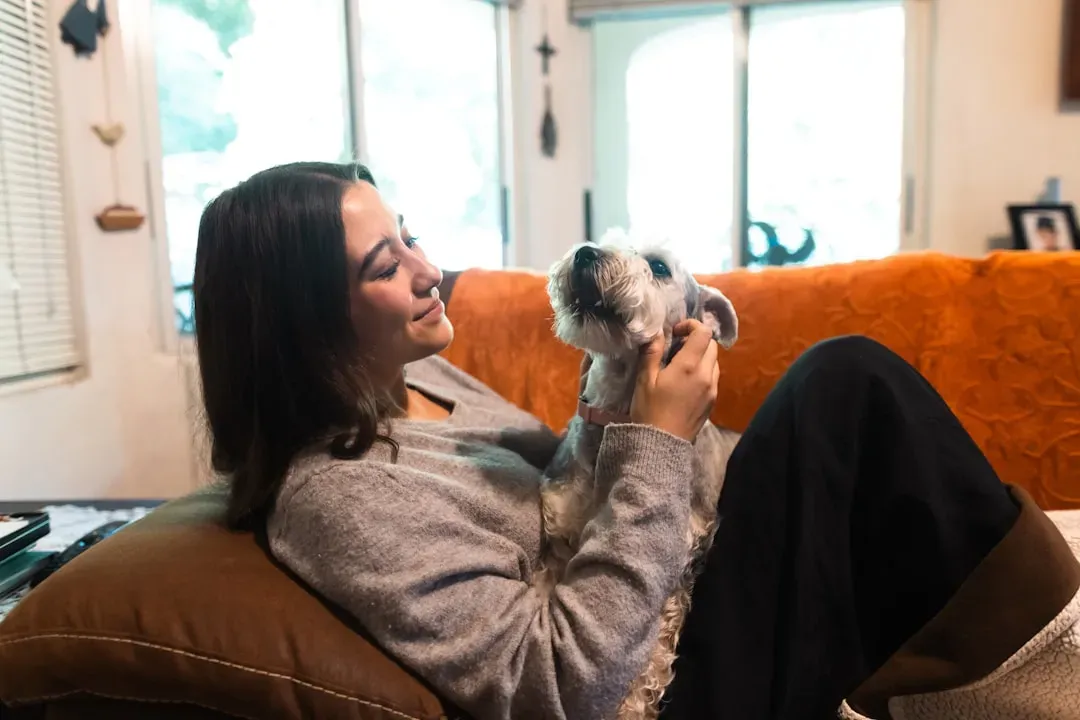
The relationship between a dog and their favorite human is one of the most genuine, uncomplicated forms of connection that exists. It’s built not on grand gestures or impressive titles, but on safety, consistency, and the simple act of showing up. The feelings behind an action mean more to a dog than the reason for it. When humans do things that make a dog feel safe, they attach that sense of safety to the person, not just the action.
The real win is not being “The Favorite” at all costs. It’s being someone your dog can fully relax around, whether you come first, second, or third in their secret ranking. And if you think about it, that’s a pretty beautiful standard for any relationship.
So the next time your dog curls up next to someone else, don’t take it personally. Take it as an invitation to understand them a little better. What do you think, have you figured out who your dog’s favorite human is in your home? Tell us in the comments!


