
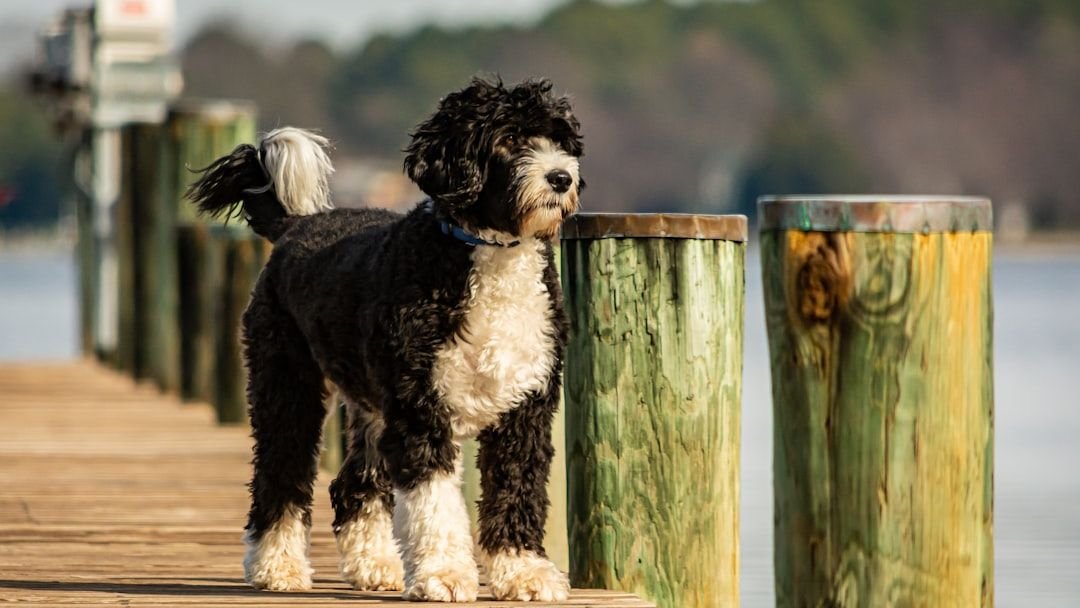
Picture this: a golden summer afternoon, the lake is sparkling, and you toss a ball into the water. Some dogs launch themselves in without a second thought, paddling with the confidence of a seasoned lifeguard. Others? They look at the water like it personally offended them. It turns out, where your dog stands on that spectrum has a lot to do with their breed, their body, and what their ancestors were literally designed to do.
Water and dogs have a fascinating, centuries-old relationship. Some breeds were painstakingly bred to dive into icy rivers, haul fishing nets, and rescue sailors. Others were shaped for entirely different jobs, and the water is genuinely a danger zone for them. Knowing which camp your dog falls into could one day save their life. Let’s dive in.
1. Labrador Retriever: The Ultimate Water Dog
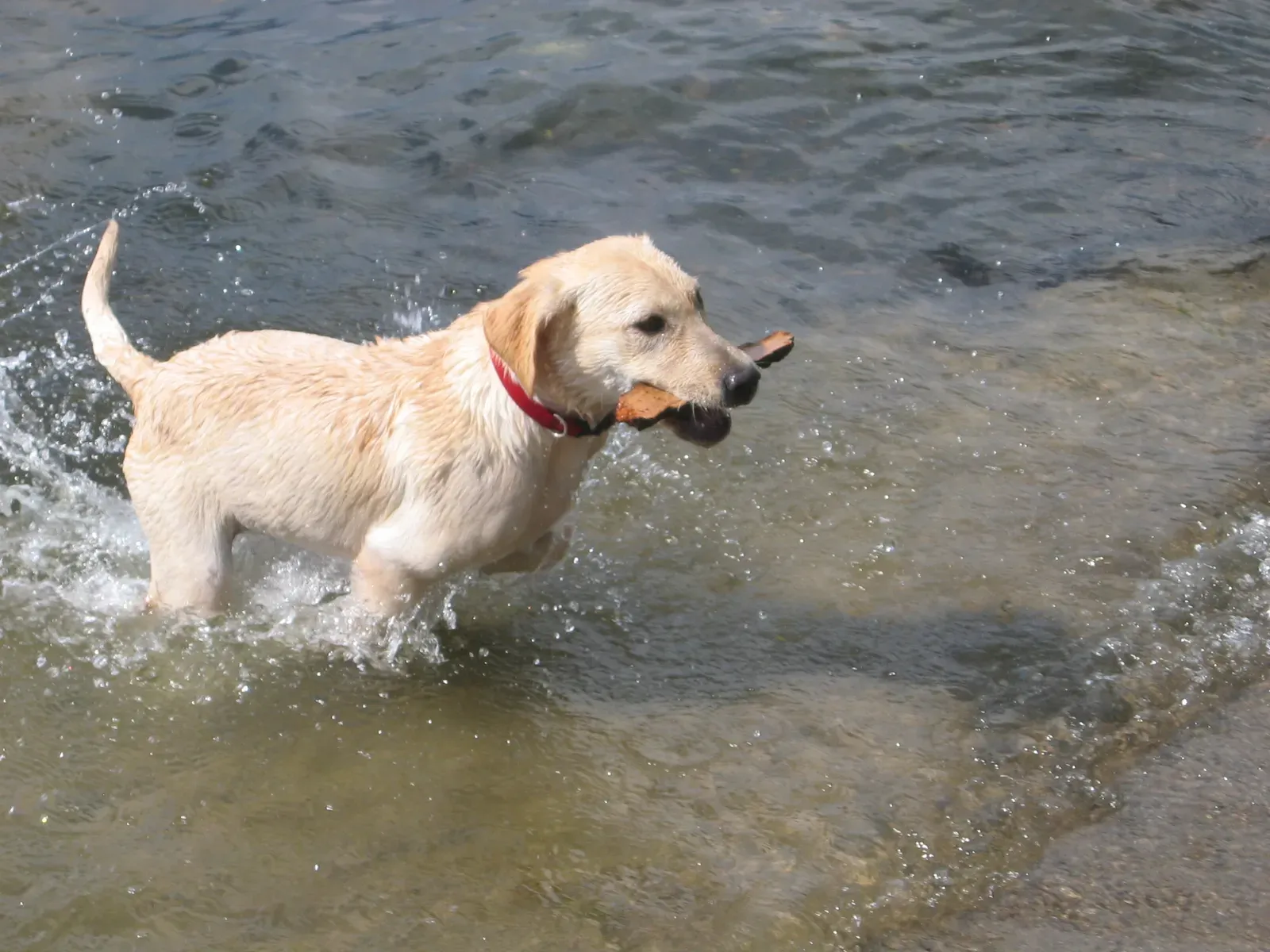
If there is one breed that practically defines water-loving dogs, it is the Labrador Retriever. The Labrador Retriever originated in Newfoundland, Canada, where they were bred to assist fishermen by hauling nets, retrieving fish, and recovering fishing gear. That working heritage runs deep in every single cell of their body.
With a thick, water-resistant coat, Labradors are great swimmers, and they love retrieving water toys or taking a dip on a hot day. Honestly, if you have ever owned a Lab, you already know this. They do not just like water. They adore it, celebrate it, and will drag you toward any pond, puddle, or garden hose they encounter.
2. Golden Retriever: Born to Retrieve, Born to Swim
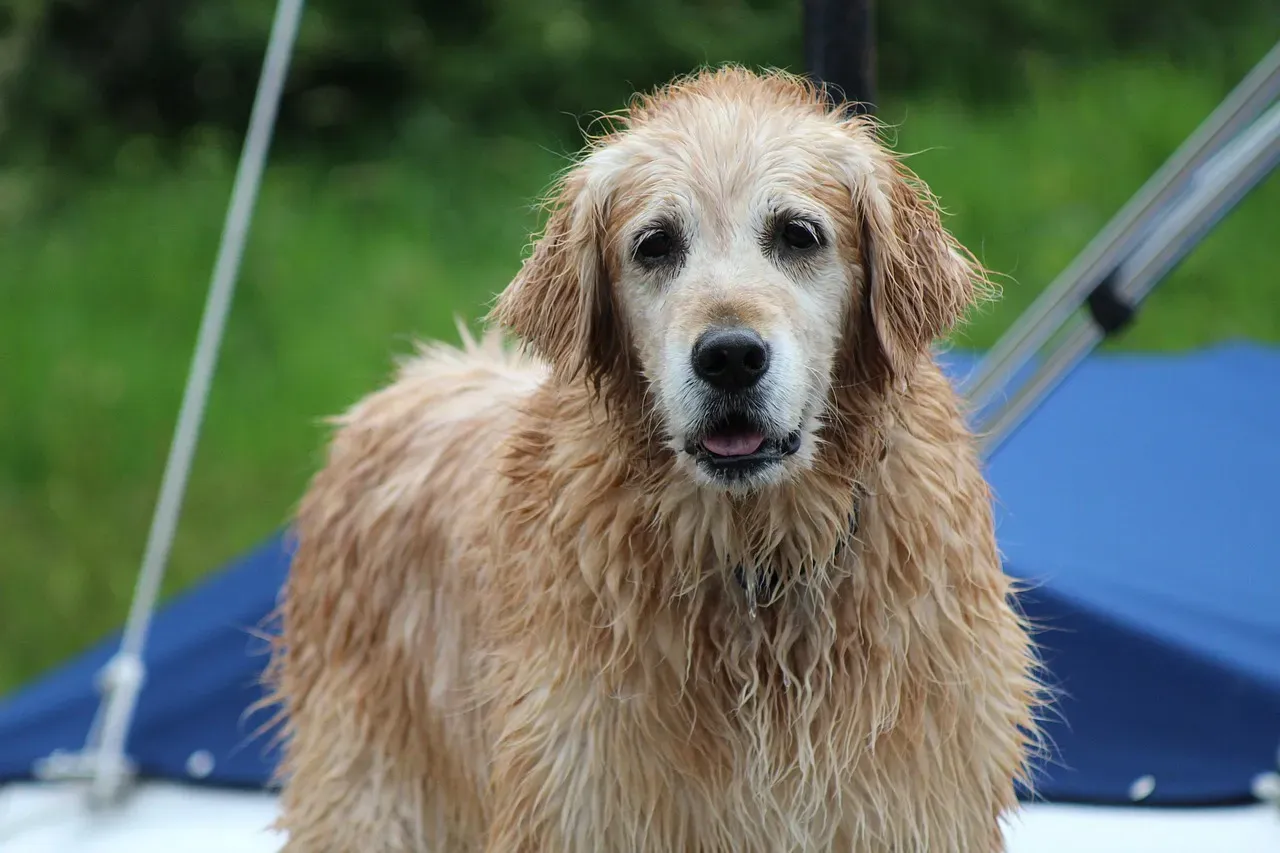
Golden Retrievers are known for their love of fetch and friendly personalities, but many people forget they are also born swimmers. Originally bred for retrieving waterfowl, Goldens are strong, confident in the water, and absolutely ecstatic whenever a lake or beach appears. That tail wagging as they splash toward you is one of life’s genuinely great joys.
Part of what makes Goldens such happy swimmers is their water-repellent fur. Thick and oily, it protects them from cold water and dries quickly after a good shake. Think of their coat like a high-performance wetsuit. Style and function, all in one fluffy package.
3. Newfoundland: The Gentle Giant Lifeguard
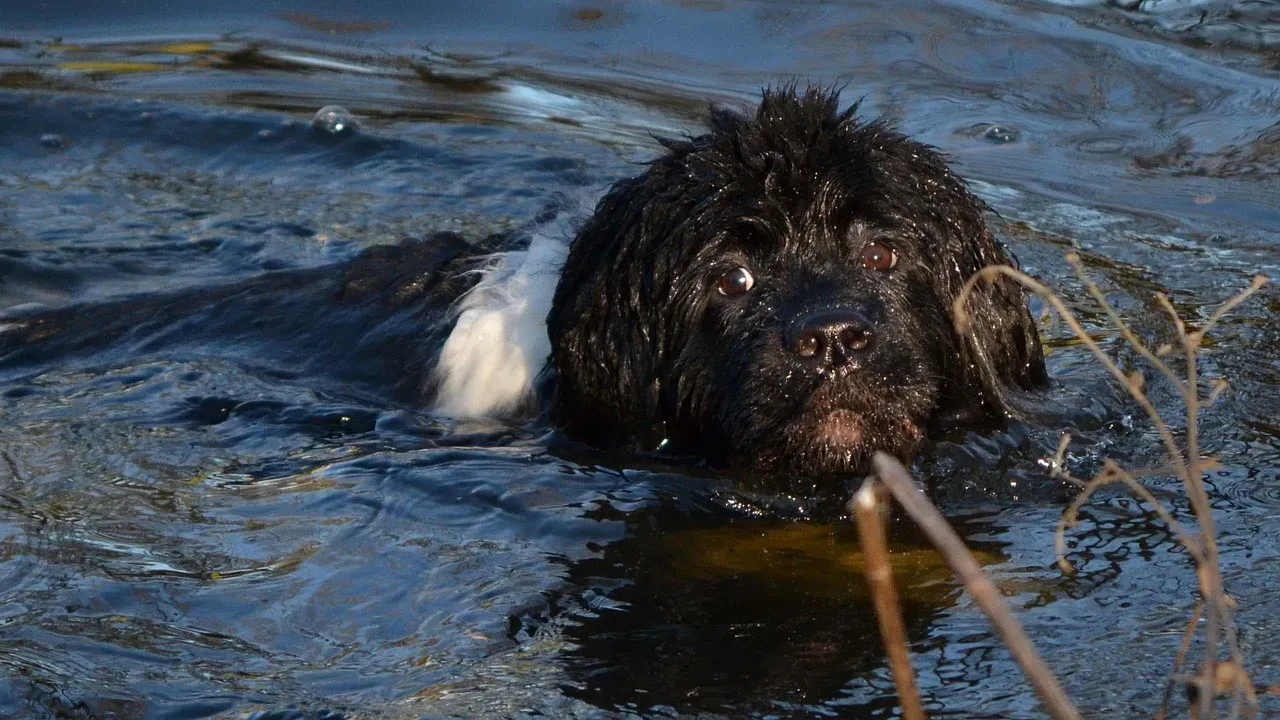
Hailing from Canada, the Newfoundland was originally bred to work on ships. These big dogs are adept at swimming and are strong enough to rescue a grown man from drowning. That is not an exaggeration. Newfoundlands have literally been used in real water rescue operations throughout history.
Unlike most other dogs who “doggy paddle,” Newfoundlands move their limbs in a down-and-out motion when swimming. This modified breaststroke gives Newfies more power and drive in the water. Their partially webbed paws and thick, water-resistant coat allow them to maneuver through icy waters with ease. For such a massive, soft-hearted dog, their swimming ability is nothing short of extraordinary.
4. Portuguese Water Dog: The Fisherman’s Right-Hand Pup
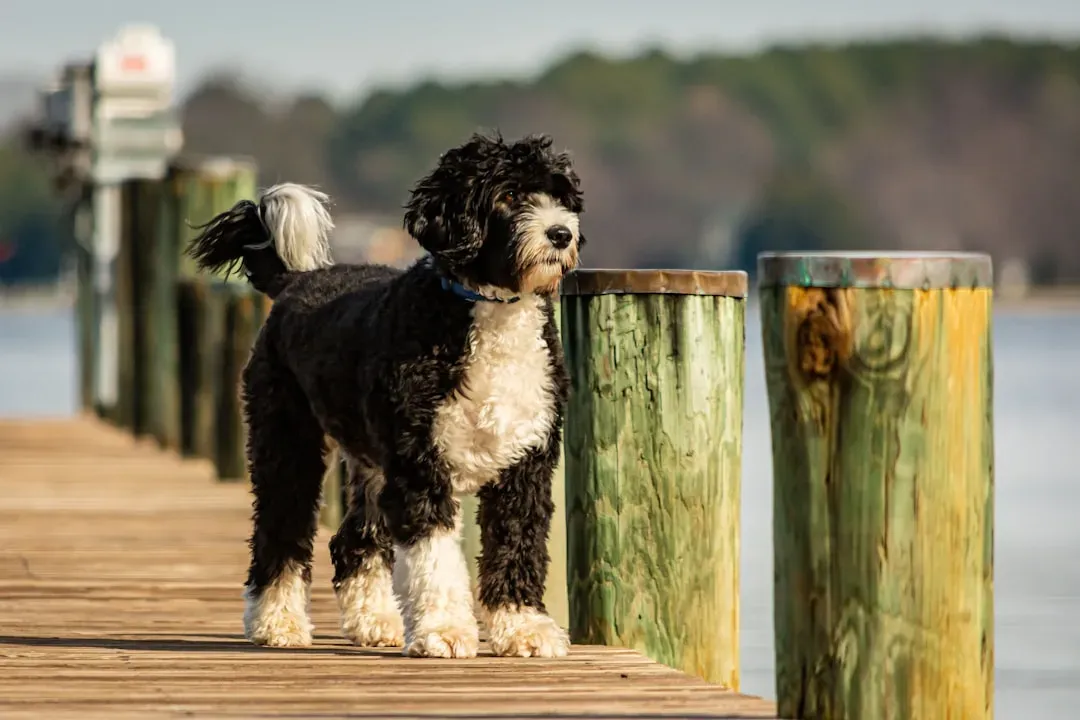
Since at least 1297, Portuguese Water Dogs have been the right-hand pup for Portuguese fishermen. These water-loving dogs herded fish into nets for their humans, but they almost went extinct when they were replaced with new technology in the early 20th century. Close call for one of history’s most remarkable working breeds.
In their native country, this web-footed breed was used to “herd” fish into the nets, as well as to swim out and retrieve broken nets and lost equipment. The Portuguese Water Dog needs a great deal of exercise and attention and will be even happier if all this takes place in the water. They are clever, energetic, and deeply bonded to their people. Give them a purpose near the water, and they will reward you endlessly.
5. Standard Poodle: The Swimmer in Disguise
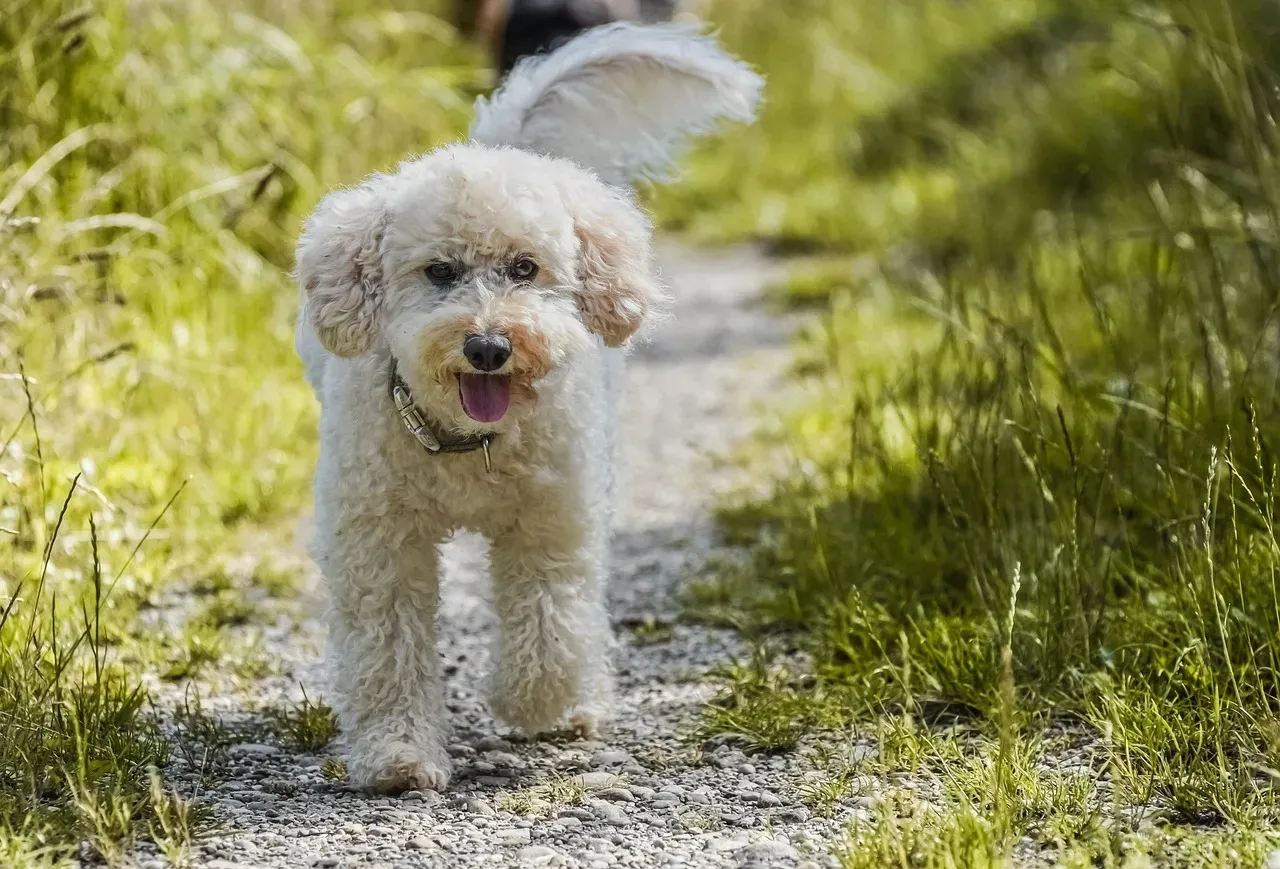
Here is something most people do not know. The name Poodle comes from the German word “pudelin,” which means “to splash,” despite the fact that they originated in France where they were bred to retrieve waterfowl. That fancy haircut you see at dog shows? There is a practical reason behind it.
The iconic Standard Poodle haircut was originally created to increase this hunting dog’s speed in water while keeping them warm as they swam after waterfowl. Standard Poodles are intelligent, athletic, and excellent swimmers who take to water naturally. Do not let the elegant exterior fool you. Underneath all that curly glory is a relentless water athlete.
6. Irish Water Spaniel: The Curly Comedian of the Lake
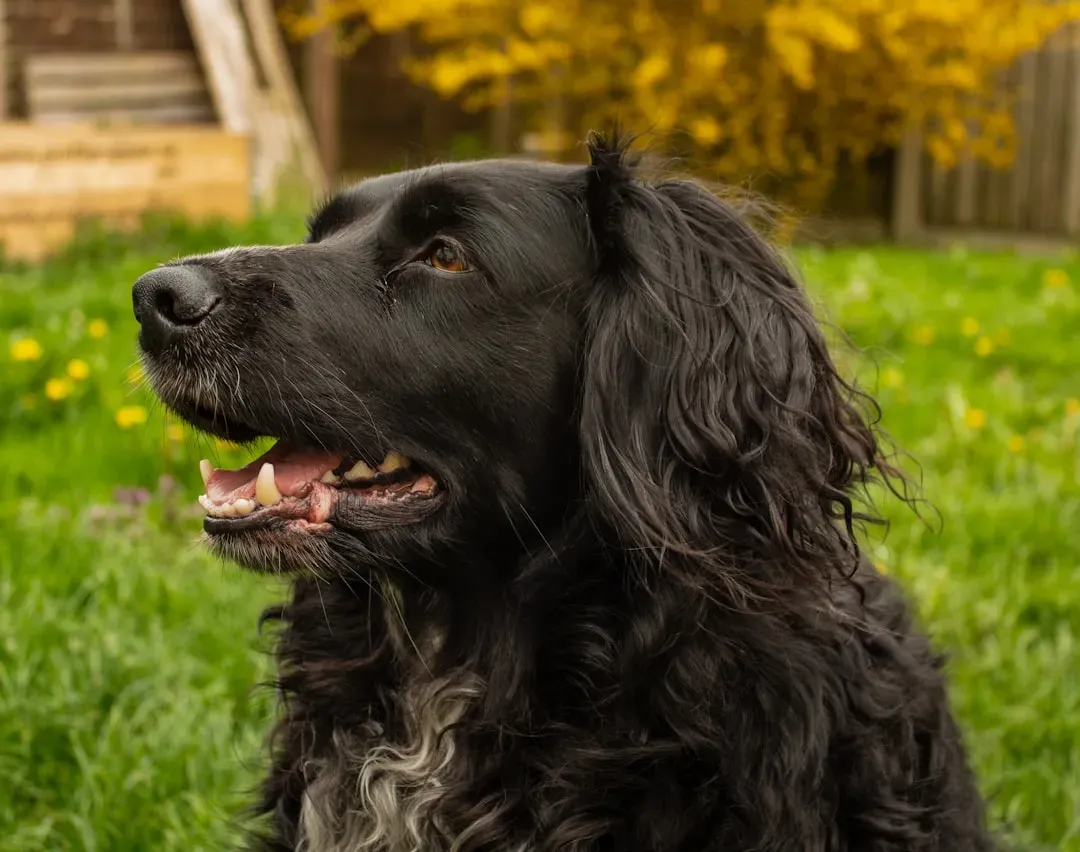
Irish Water Spaniels have lots of energy and are nicknamed the “clown of the spaniels” because of their cheery personality, and they often warm up quickly to new people. They are also seriously gifted in the water, and their coat is a key part of that ability.
Originally bred to be a water retriever, this relatively tall version of the Spaniel is a highly intelligent breed. Their distinctive, dense, curly-haired coat is water-repellent, which makes the Irish Water Spaniel perfect for swimming and water fun. If you are an active family who loves the outdoors, this breed will match your energy step for soggy step.
7. Chesapeake Bay Retriever: Cold Water Warrior
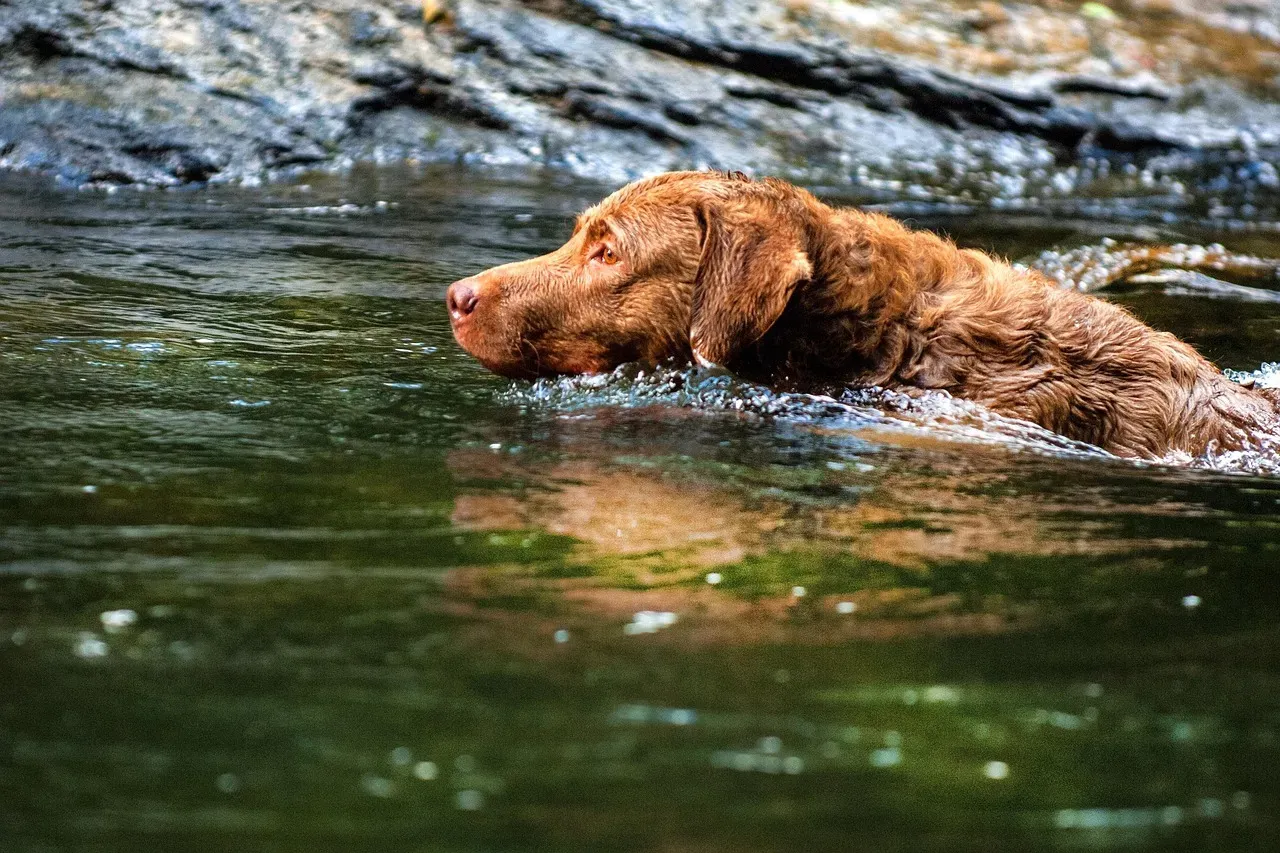
Chesapeake Bay Retrievers are confident companions bred to withstand the cold temperatures and rough waves of the saltwater bay. They are upbeat, tenacious, and have a strong work ethic both in and out of the water. These are not casual swimmers. These are dogs built for conditions that would make most breeds turn back toward the shore.
Chessies are hardy and well-suited to cold water. They have webbed feet, and short, thick fur with a dense, water-resistant undercoat and a wavy, wind-resistant outer coat. Think of them as the all-terrain pickup truck of the dog world. Built tough, built to last, and genuinely happiest when working hard in rough water.
8. American Water Spaniel: The Compact Midwest Swimmer
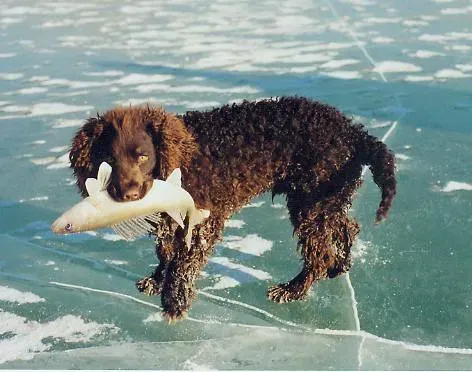
A rare gem among dog breeds, the American Water Spaniel is a compact, curly-coated swimmer developed specifically for working in the cold waters of the Midwest. Their wavy, waterproof coats and hardy temperament make them naturals in the water. They are small enough to work from a canoe, which makes them uniquely practical as hunting companions.
Like all water dogs, American Water Spaniels love to be in and around the water. They are native to the Great Lakes regions of the upper Midwest and were bred to have a crinkly-looking, oily outer coat that repels water, as well as webbed feet. The American Water Spaniel is pretty rare, but those in the know love their eagerness and energy.
9. Boykin Spaniel: South Carolina’s Swamp Swimmer
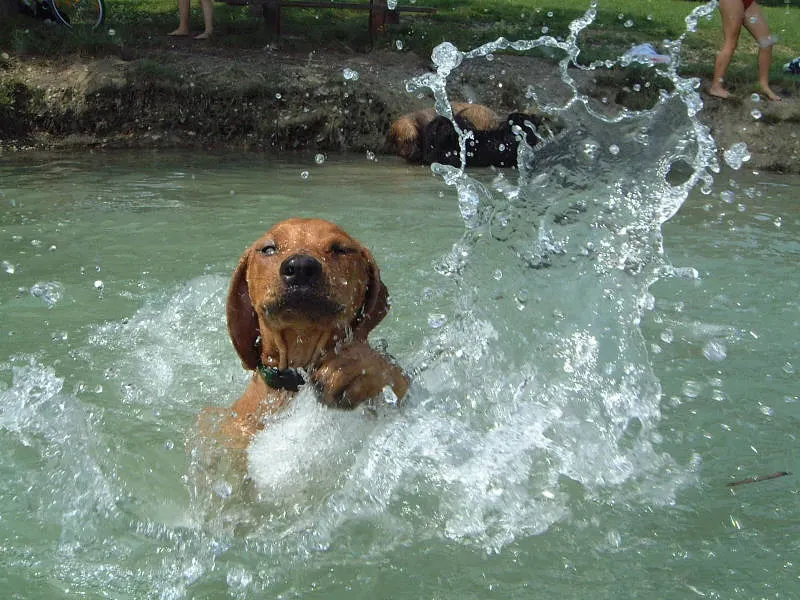
South Carolina’s state dog and a true Southern sweetheart, the Boykin Spaniel is a compact, enthusiastic swimmer that was bred to retrieve from swamps and rivers. With webbed feet and boundless energy, this breed does not hesitate to plunge into the water, whether they are hunting or just splashing around. They wear that Southern charm proudly.
The Boykin Spaniel has an easygoing demeanor at home, but do not let that fool you. They are a keen hunter and retriever when on the job. With their webbed feet, they excel at swimming, while their luxurious brown double coat keeps them warm. This lovable water dog is native to South Carolina and was specifically bred to work in swamps and lakes. A dog that is equally happy on the couch and in the swamp? That is a rare and wonderful thing.
10. English Bulldog: The Shore-Lover Who Should Stay Dry
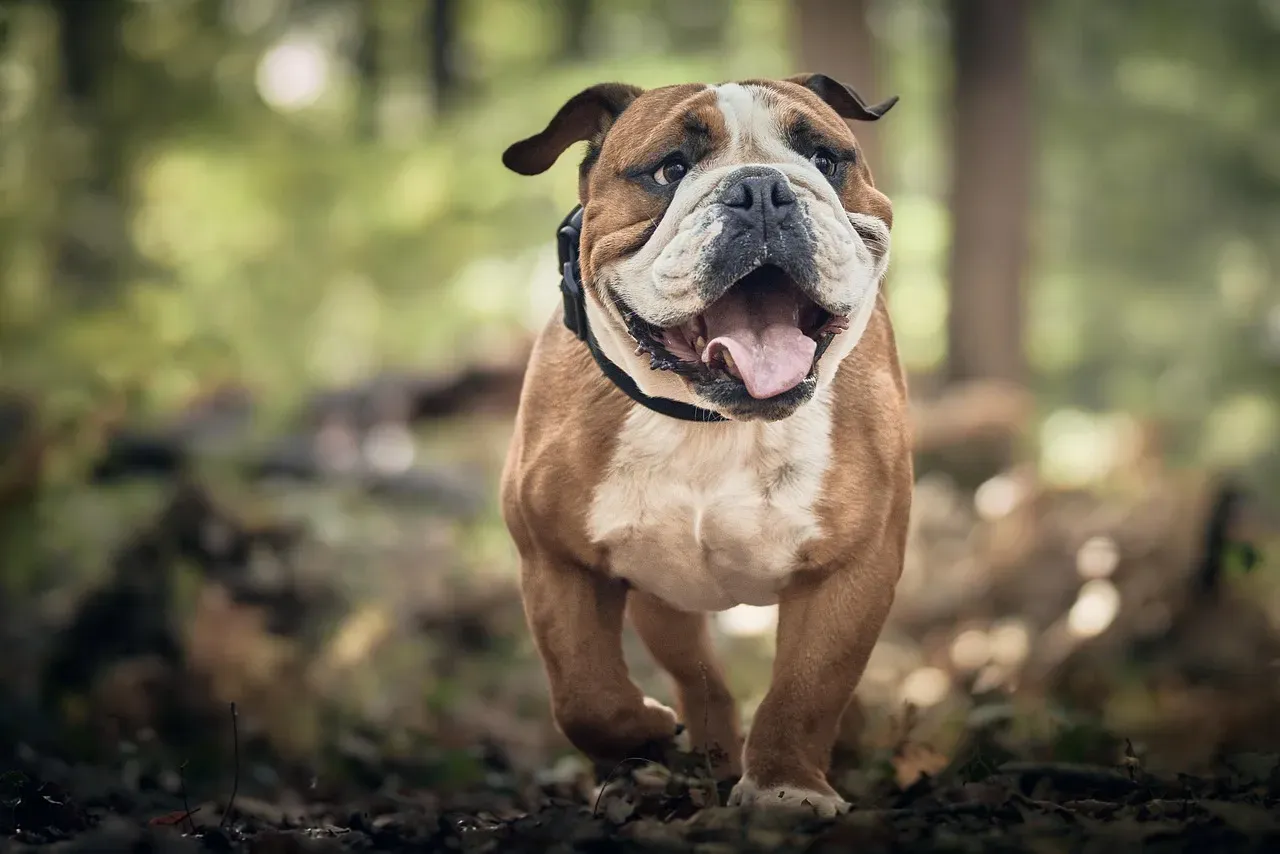
Now, here is where things get really important, and honestly, potentially life-saving. Both English bulldogs and French bulldogs possess the triple threat of flat faces, barrel-shaped bodies, and short legs. In other words, bulldogs simply are not made for swimming. Every single one of those physical traits creates a problem in the water, and having all three at once is genuinely dangerous.
Bulldogs, with their stocky bodies and short legs, are not built for swimming. Their heavy chests, large heads, and short snouts make it difficult for them to stay afloat. Due to their anatomy, Bulldogs have a higher risk of drowning if left unattended near water. If you have a Bulldog, always fit them with a properly sized canine life vest near any body of water, no exceptions.
11. Pug: Adorable, Brave, and at Real Risk in Water
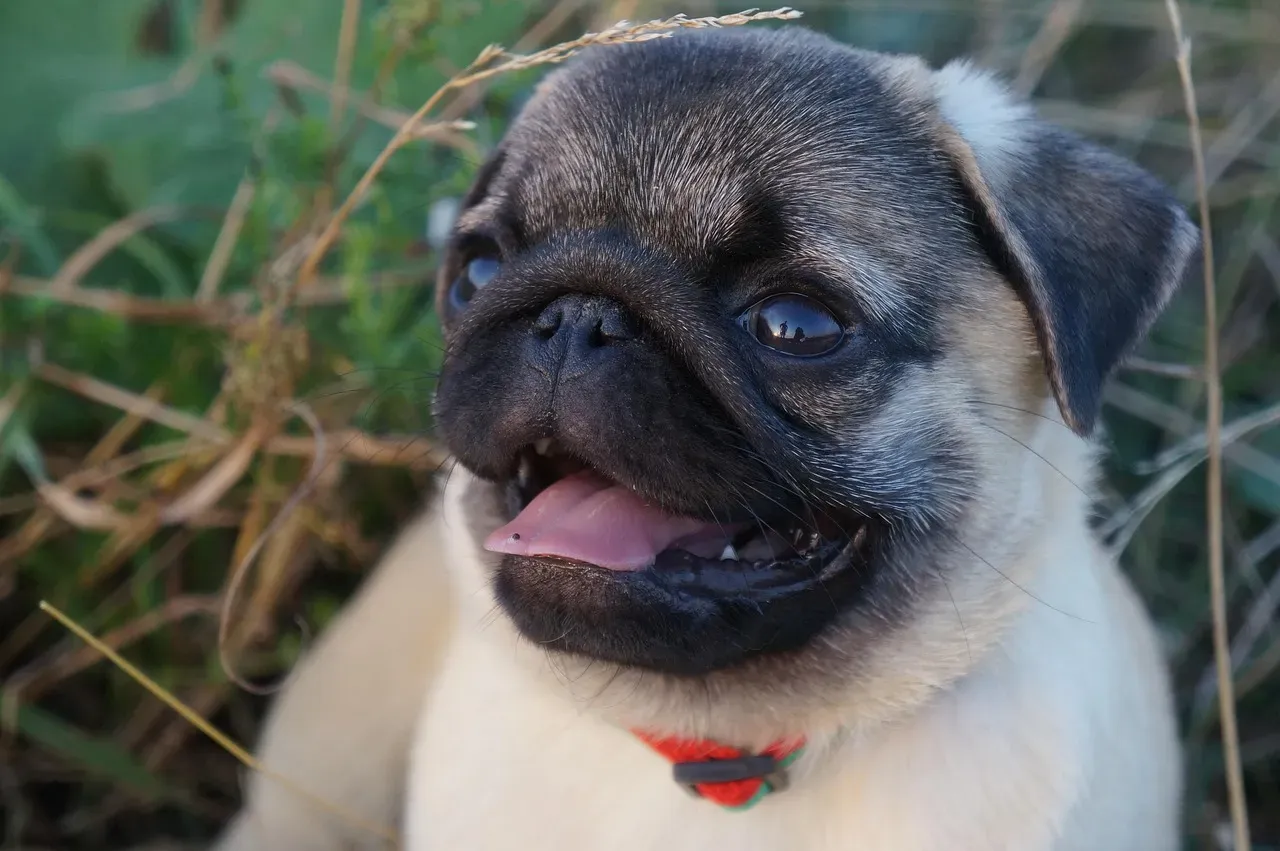
While pugs might enjoy wading and splashing in shallow water, their flat faces make breathing a challenge during the best of times. Add in the exertion of trying to keep their head above water, and it is hard for pugs to stay above water. It is not just uncomfortable for them. It is a genuine safety risk every time.
For many brachycephalic breeds, including pugs, keeping their faces above water means tilting their heads back so far that their back ends dip too low. Picture trying to swim while looking straight up at the sky. That is essentially what a Pug must do to breathe. Providing your Pug with a life vest is imperative around pools. Shallow wading is fine on a warm day. Deep water, never.
12. Basset Hound: Heavy Bones and Droopy Ears Are Not a Good Combo
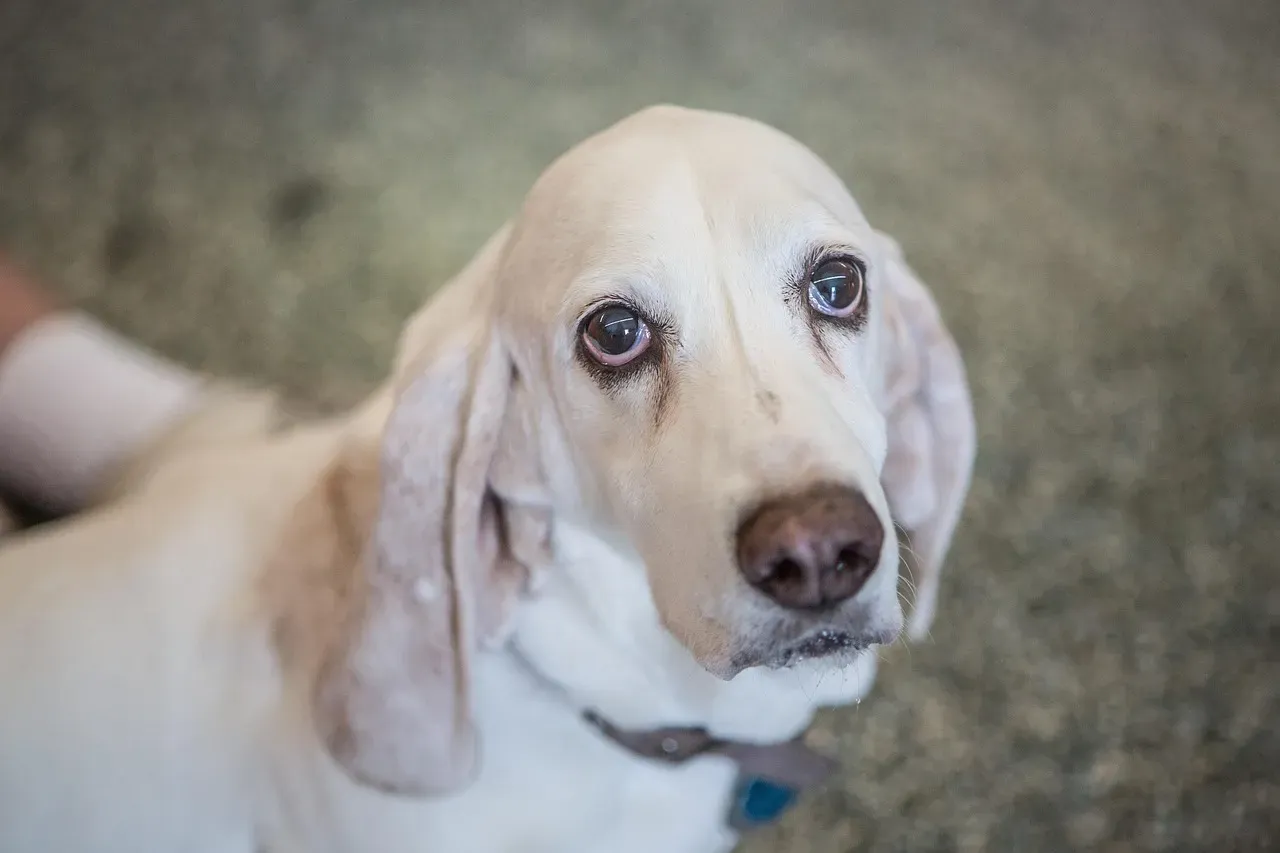
Besides the fact that the body of a Basset Hound is not designed for swimming, with their large heads and short legs that make it difficult to stay afloat, the large, floppy ears that are the trademark of this breed are prone to infections when water gets in the ear canal. It is a double concern that every Basset owner needs to understand.
This breed struggles with balance and propulsion in water, making swimming a challenging task. Their low center of gravity and heavy bones mean they can easily sink. Let your Basset enjoy watching from the shore with you. They will be perfectly happy with their long ears in the breeze and their paws firmly on dry ground.
13. Boxer: Athletic but Dangerously Flat-Faced
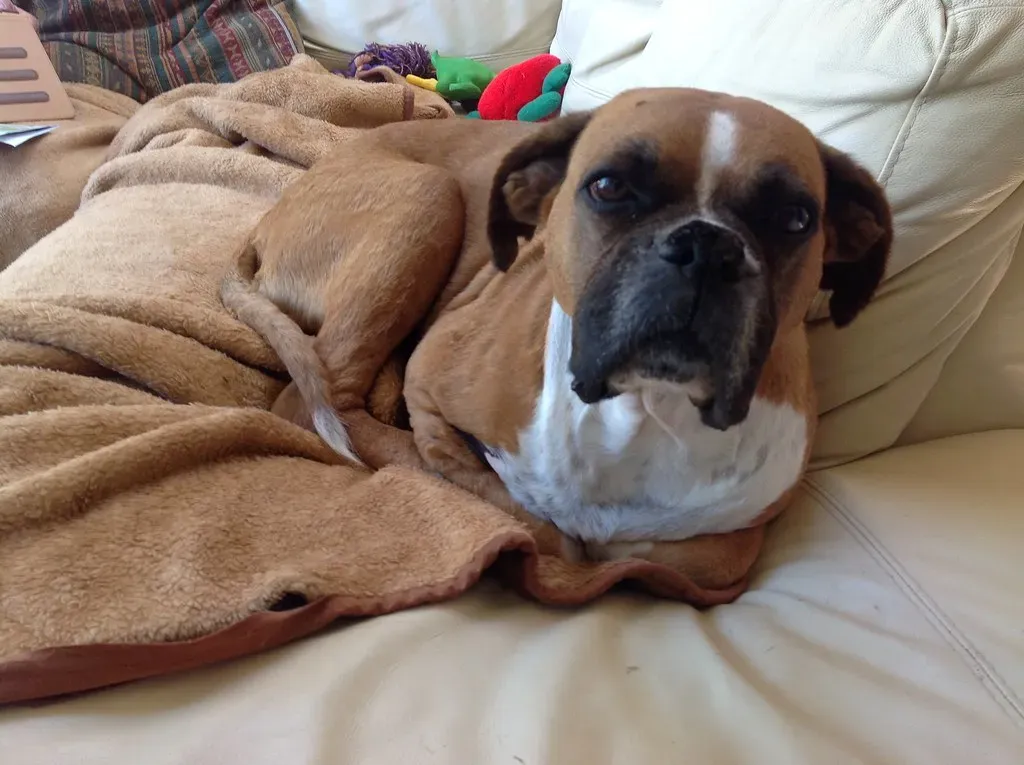
Boxers look powerful and athletic, and they are. I know it sounds surprising, but that impressive muscular build does not translate into swimming ability. The flat face on the Boxer makes swimming just as dangerous for these dogs as it is for the more diminutive Pug. The struggle to breathe and keep their noses above water means Boxers may tire quickly and run the risk of drowning if in the water too long.
Pet parents can still cool off their hot Boxers with a lovely spray from the hose, even making a game of it. That is a genuinely smart alternative. Keep it fun, keep it safe, and keep it shallow. A Boxer chasing a garden hose is a hilarious and perfectly joyful afternoon for everyone involved.
14. Dachshund: Short Legs, Long Body, Big Water Risk
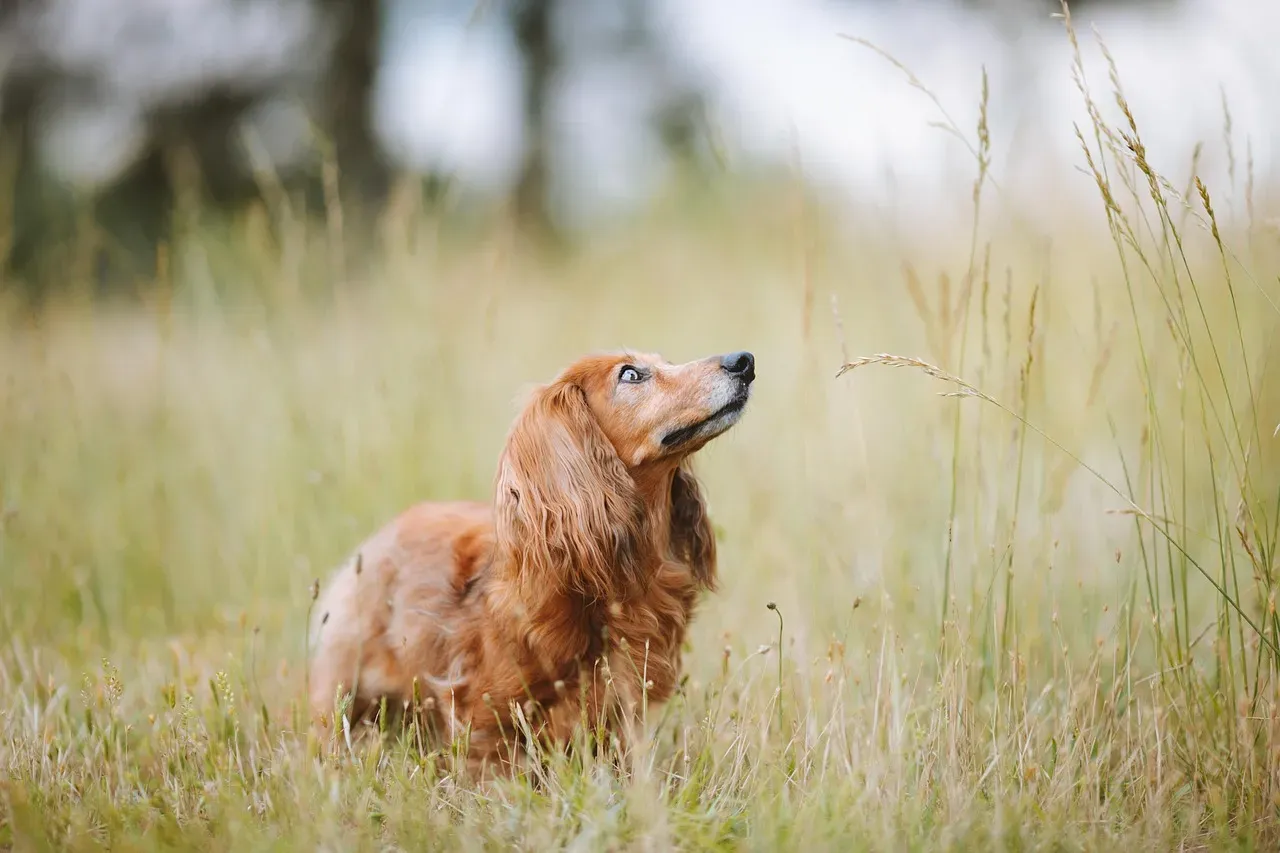
As with Corgis, the elongated body and short legs of Dachshunds make them poor swimmers. Even swimming in shallow water can tire the Dachshund’s little legs out to the point of danger. Keep a close eye on them when they are around any amount of water. Those tiny legs are working overtime just to stay afloat, and they exhaust quickly.
Their small stature means their bodies sit lower in the water, which can lead to struggles with buoyancy. Despite their playful and adventurous nature, Dachshunds should be closely supervised around water and provided with life jackets if they want to try their paw at swimming. A Dachshund in a tiny life jacket is admittedly adorable. It is also genuinely necessary. Safety and cuteness, working hand in paw.
A Final Splash: What Every Dog Owner Needs to Know
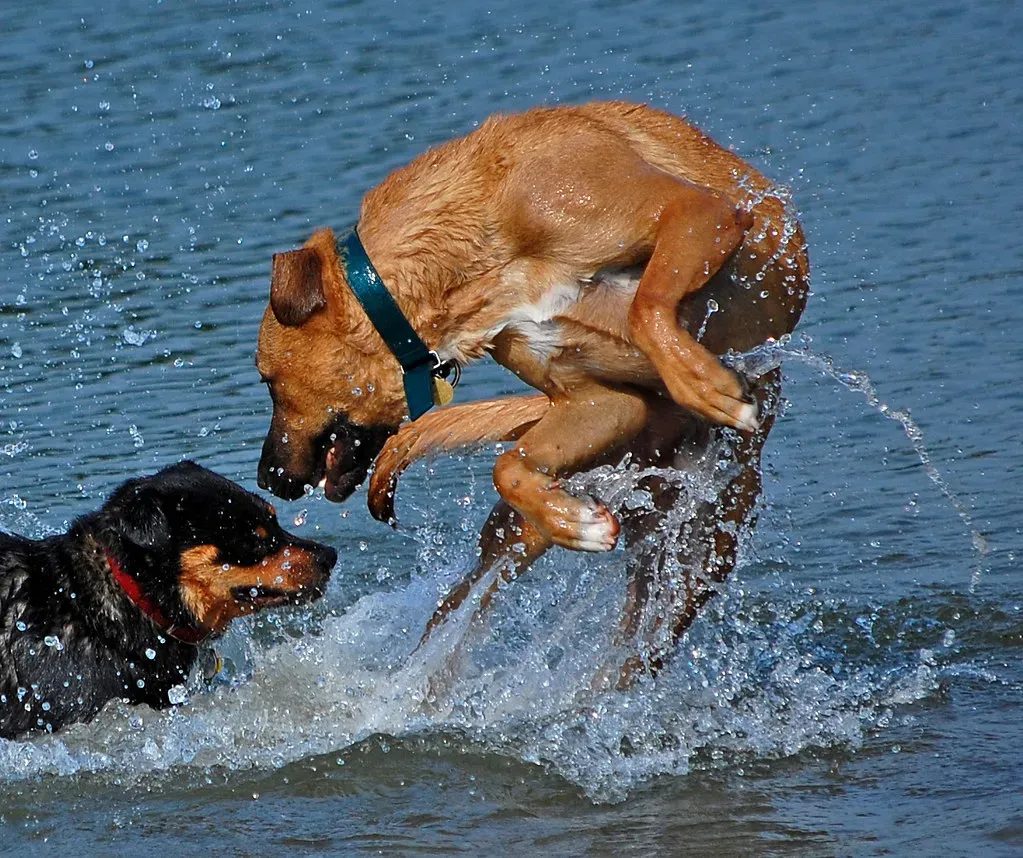
Here is the honest, loving truth: knowing your dog’s physical capabilities around water is one of the most important things you can do as their guardian. If you have a water dog, do not automatically assume they are an avid swimmer. While some dogs may naturally have a greater affinity for the water, it is important to introduce all dogs to the water gradually and under supervision. Even the strongest swimmers can get into trouble.
Whether your dog is a breed that is known to be a great swimmer, a brachycephalic breed, or a dog with a disproportionately sized head, some dogs do not like to swim. Forcing your dog into the water or throwing them into the pool is very dangerous because if they do not know how to swim they can quickly drown, and it can be a very frightening experience if your dog is afraid of water.
After swimming, rinse your dog to remove chlorine, salt, or other contaminants from their coat and skin. Swimming can lead to water in the ears, which can cause a painful infection. Any time your dog spends time in the water, you should clean their ears after they come out. These are small habits that make a massive difference to your dog’s long-term comfort and health.
Every dog deserves to enjoy summer safely, whether that means leaping into a lake or lounging under an umbrella with you. The best thing you can give any dog is a guardian who truly understands them. So which side does your dog fall on? The natural-born swimmer, or the proud shore-hugger? Either way, they are lucky to have someone who cares enough to know the difference. Tell us in the comments!


