
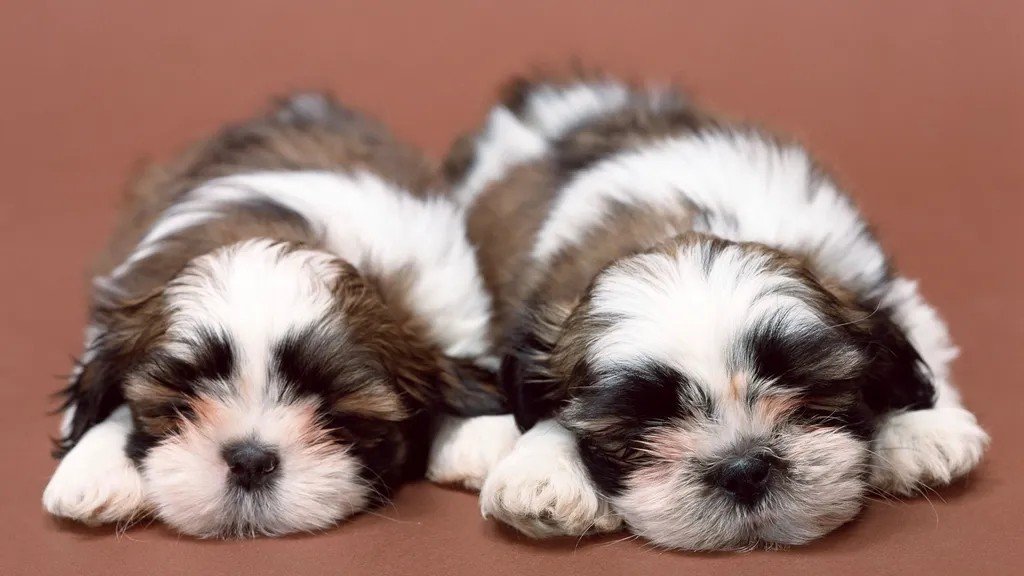
Picture this: you just moved into a cozy apartment. Your neighbor’s dog has been barking since 6 a.m. You love dogs, but you’re quietly wondering if there’s a better, calmer option out there for your life. Spoiler alert: there absolutely is.
While no dog is truly silent, there are breeds that are much less vocal than others. Some dogs will lounge on your couch for hours without making a peep. Others? Well, they’ve got opinions about everything from the mailman to a passing butterfly. Knowing which is which before you adopt could honestly save your sanity, your sleep, and your relationship with your neighbors.
Whether you’re hunting for a peaceful companion for apartment living, or you’re just curious why your dog never shuts up, this guide has got you covered. Let’s dive in.
1. The Basenji: The Dog That Doesn’t Really Bark
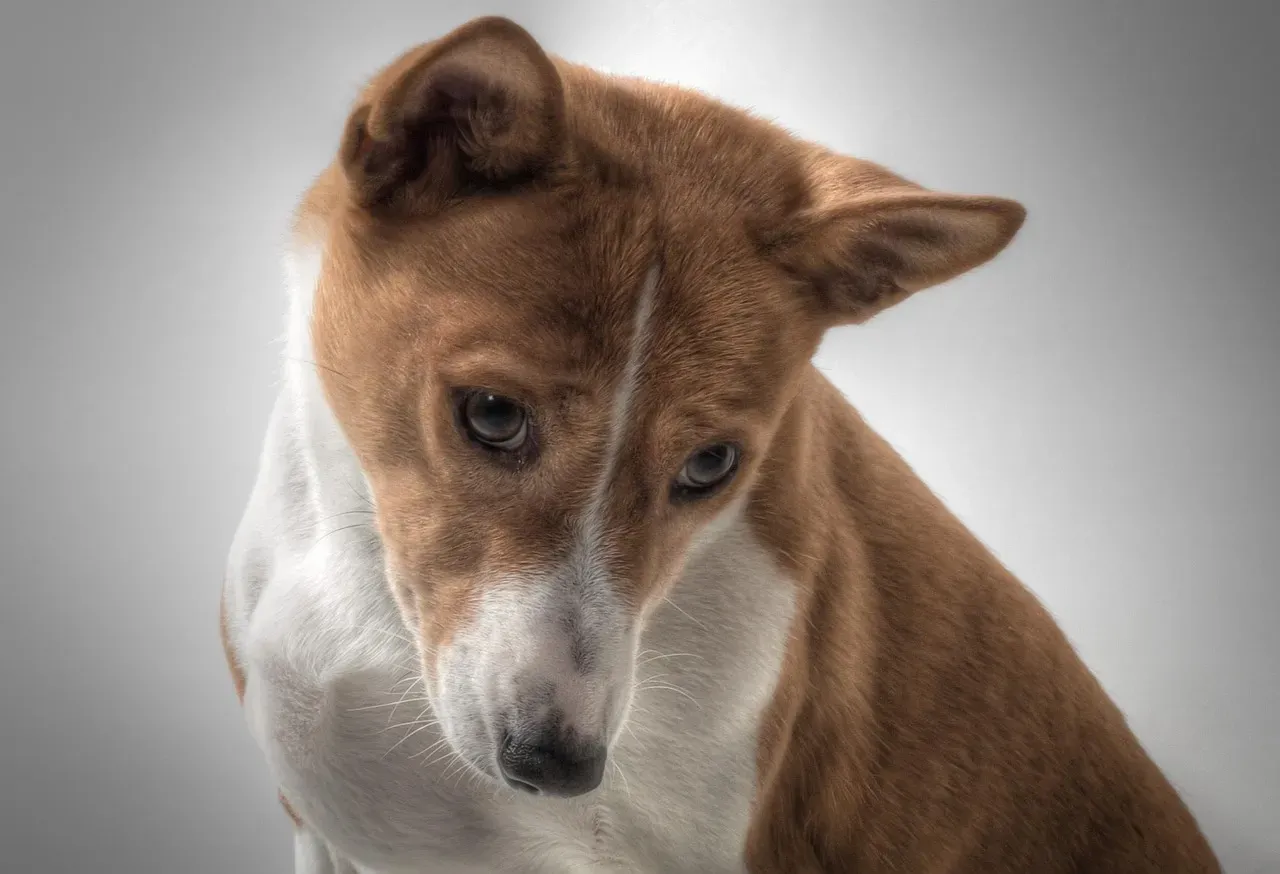
If you’ve never heard of a Basenji, get ready to be amazed. The Basenji is nicknamed the “barkless dog” due to its unique vocal limitations, and while it may not bark in the traditional sense, it can communicate with yodeling and chortling sounds, adding to its unique charm. Think of it like the dog version of someone who prefers texting over calling.
Originating from Central Africa, this breed is independent and curious, intelligent and playful, making them great companions. Their short coat requires minimal grooming, and they need regular exercise to stay happy and healthy. Honestly, if you’ve always wanted a low-drama, low-noise companion, the Basenji might just be your soulmate in dog form.
2. Greyhound: The Calm Couch Athlete
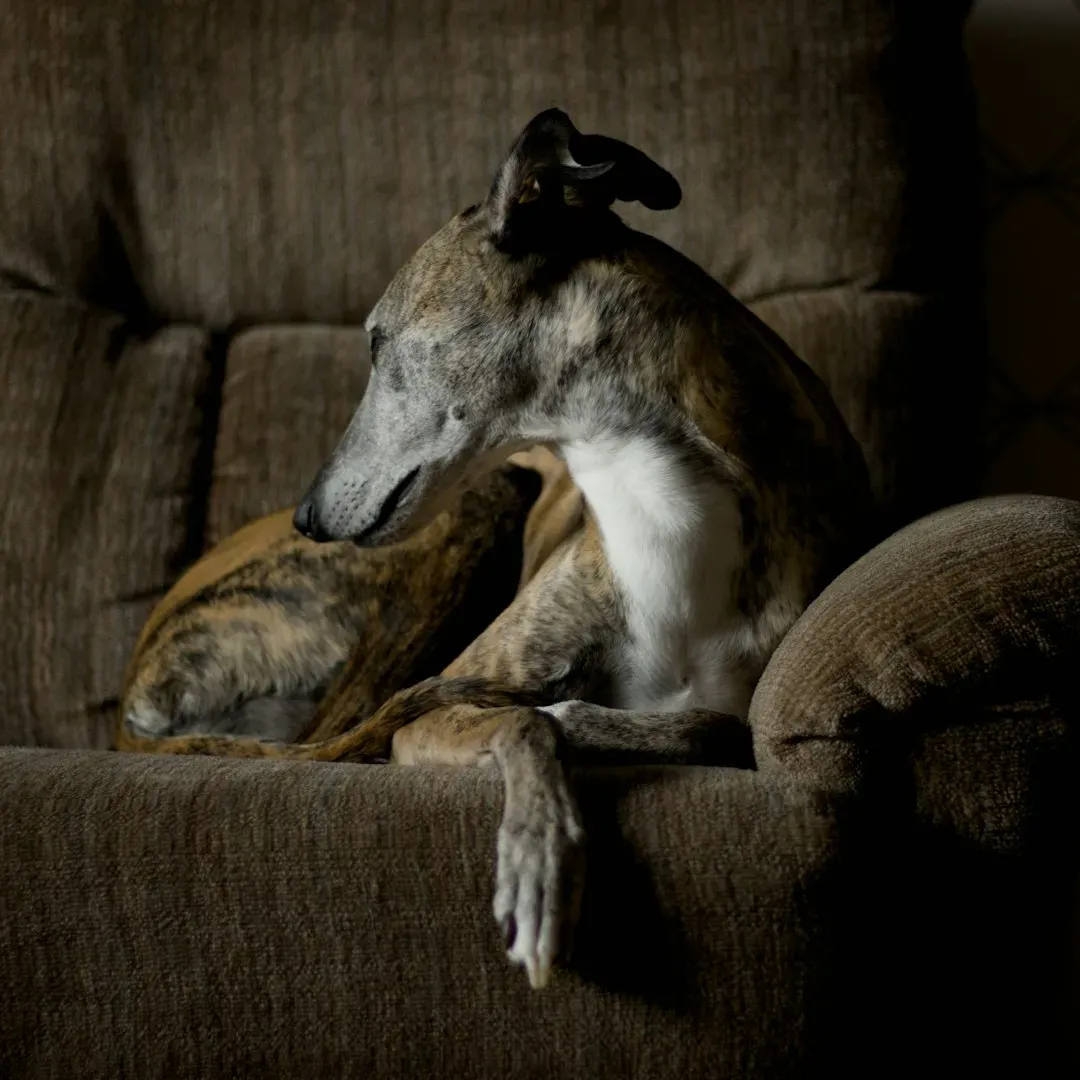
More well known for their speed around the race track, you’ll rarely hear a Greyhound bark unless it’s necessary. It’s one of those wonderfully ironic contradictions: the fastest dog breed is also one of the most relaxed housemates you could ask for.
Despite their racing background, Greyhounds are quiet and calm indoors. They are gentle and affectionate, often preferring to lounge around the house. Greyhounds need regular exercise but are not known for being vocal. Their short coat is easy to maintain, making them excellent companions for various households. Think of them like a retired athlete who now just loves napping and slow walks in the park.
3. Cavalier King Charles Spaniel: The Royal Softie
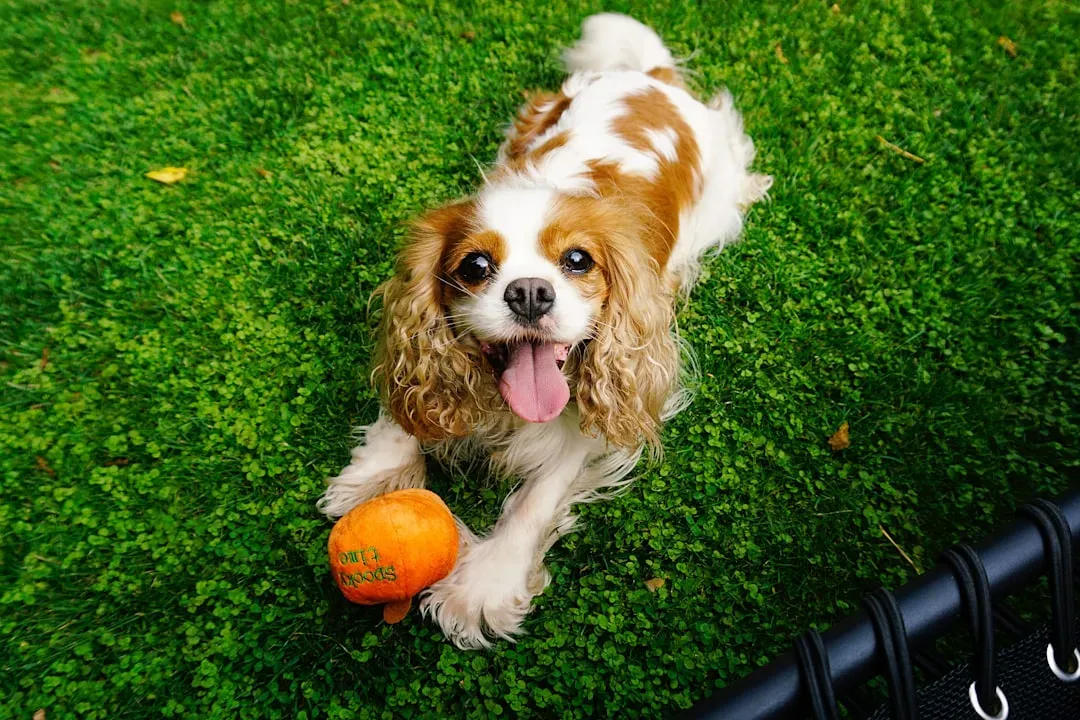
The Cavalier King Charles Spaniel has royal roots, so it’s no wonder they have a poised demeanor. Instead of guarding the home with an aggressive woof, you’re more likely to find the Cav calmly greeting strangers or cuddled up from a long day of napping. They’re basically the canine equivalent of a very well-mannered houseguest.
Their calm and gentle demeanor means they are a relatively quiet breed, only barking when they are bored or stressed, or want to get your attention when someone is at the door. They may also bark when left alone for long periods, but overall, Cavalier King Charles Spaniels enjoy the company of others and are known for forming strong bonds with their owners. Keep them company, and they’ll reward you with blissful, quiet devotion.
4. Bernese Mountain Dog: The Gentle Giant Next Door
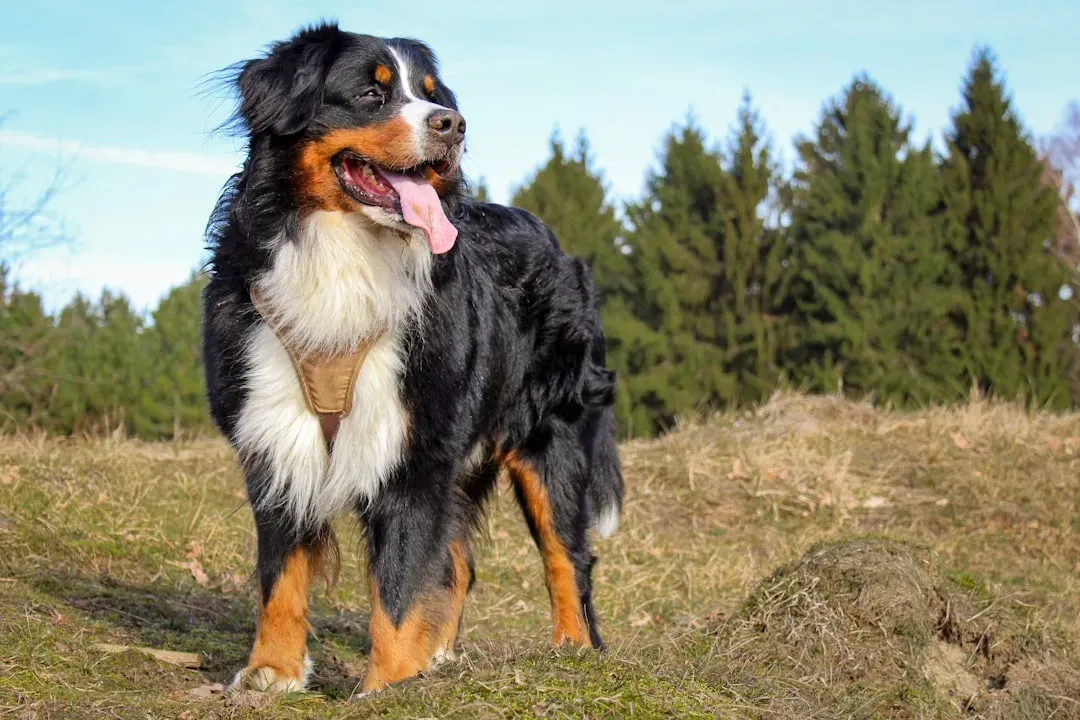
Bernese Mountain Dogs are calm, good-natured and strong. They’re known for being among the dogs that don’t bark and are very placid. However, they’re always ready to play or go on a long walk with their owner. They love to please people and are particularly good with children, making them a great addition to a family looking for a quiet but loving pet.
Bernese Mountain Dogs are large, gentle dogs known for their calm and friendly nature. They are affectionate with families and good with children and other pets. Bernese Mountain Dogs are not excessive barkers and have a thick coat that requires regular grooming. Brush them regularly, give them some outdoor time, and you’ve got a giant, fluffy, gloriously quiet best friend.
5. Whippet: Speedy but Silent
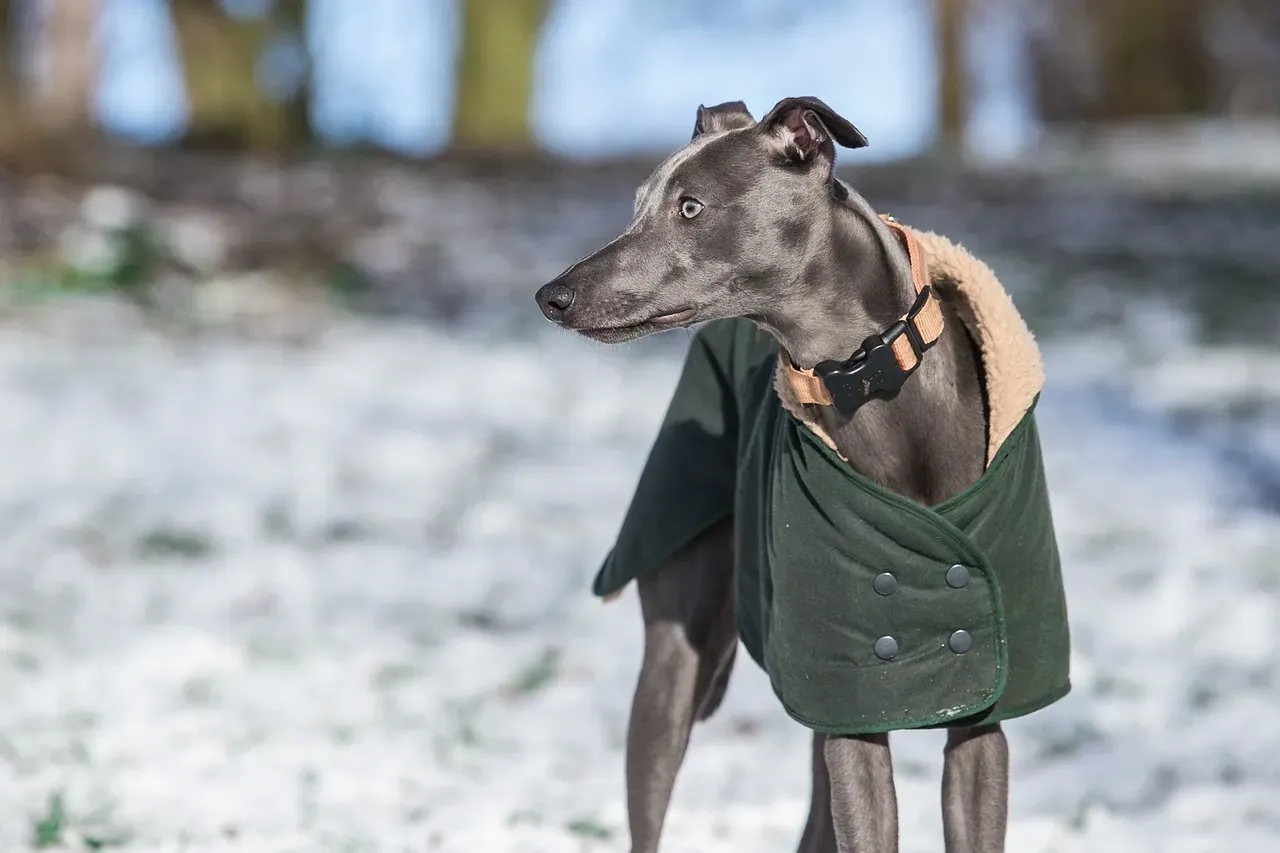
Similar to the Greyhound, the Whippet is a quiet breed that rarely makes its presence known by barking. If you’re looking for a good guard dog, this may not be it. However, they’re the perfect breed for those looking for a quiet, peaceful dog. Whippets are considered low-barking dogs but may bark more depending on their early training or individual personality.
The Whippet is a gentle and affectionate breed of sighthound which, while generally low maintenance, needs to be exercised properly and given plenty of space to run. Although these dogs rarely bark, some can be quite vocal when excitedly playing. They’re basically sprinters who happen to also love silence. A beautiful contradiction, if you ask me.
6. French Bulldog: The Quiet Little Charmer
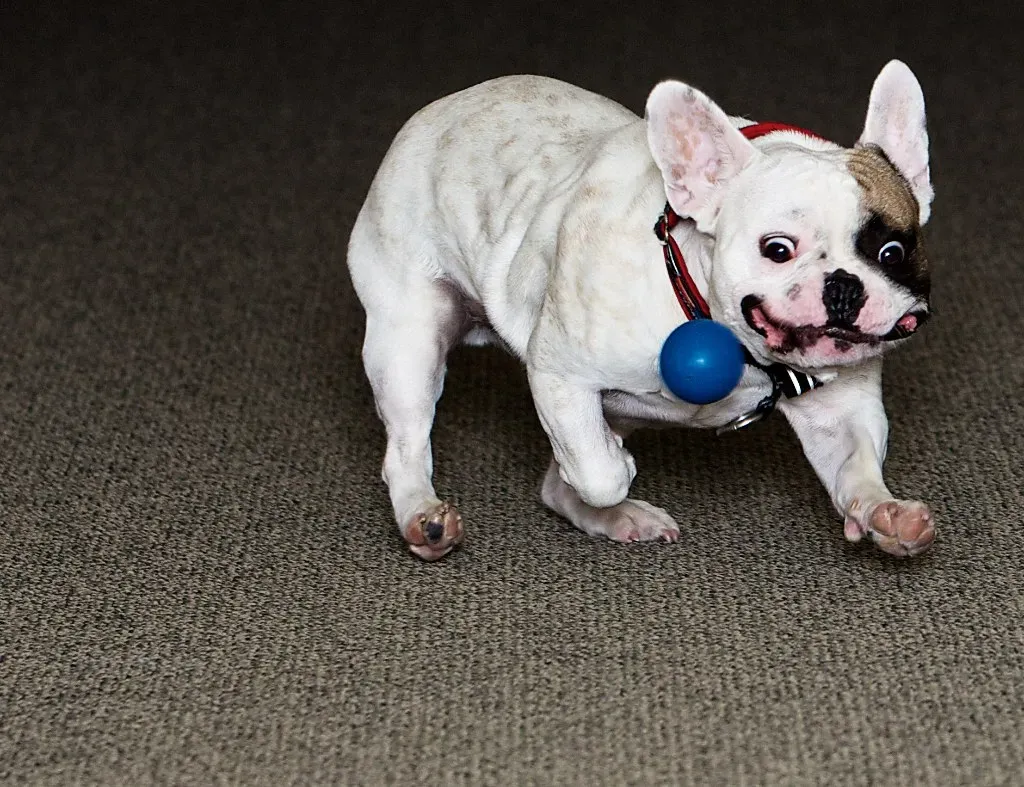
Little pups often get a bad rap for being yappy, but the French Bulldog is a small dog breed that doesn’t bark much. This playful companion thrives on human contact and generally has low energy, which makes them well-suited for apartment living. Although Bulldogs in general tend to be quieter, you might hear some loud snores during nap time.
Frenchies are popular small dogs who do well in apartments and quiet neighborhoods because barking is not their thing. They prefer to have their packs around them, and are playful and loving as well as cuddly. You’ll trade barking for snoring, and honestly, that’s a trade most dog lovers would happily accept.
7. Great Dane: Big Dog, Quiet Soul
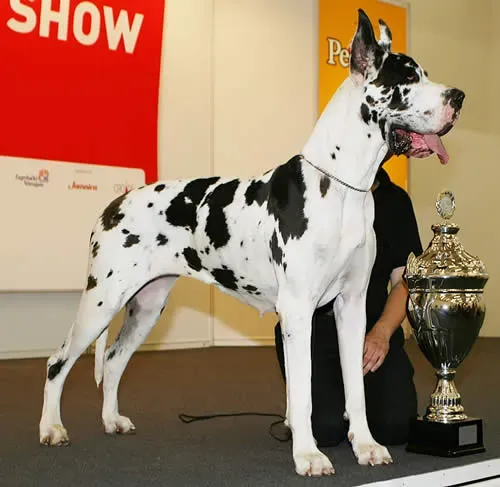
Great Danes, despite their size, are gentle and quiet. These giants are affectionate and loyal, often forming close bonds with their families. Great Danes are well-suited to indoor living due to their calm demeanor. They require regular exercise and have a short coat that is easy to maintain.
We’re not gonna lie, this gentle giant is huge (males weigh up to 200 pounds), and when it does bark, it’s loud and deep, but that doesn’t happen very often. “They tend to have a calm nature, which means they don’t bark often.” Great Danes are bred to be people-pleasers, so they are great family dogs that are easy to train. Here’s a fun metaphor: owning a Great Dane is like living with a very large, very polite person who occasionally clears their throat.
8. Shih Tzu: The Zen Lap Dog
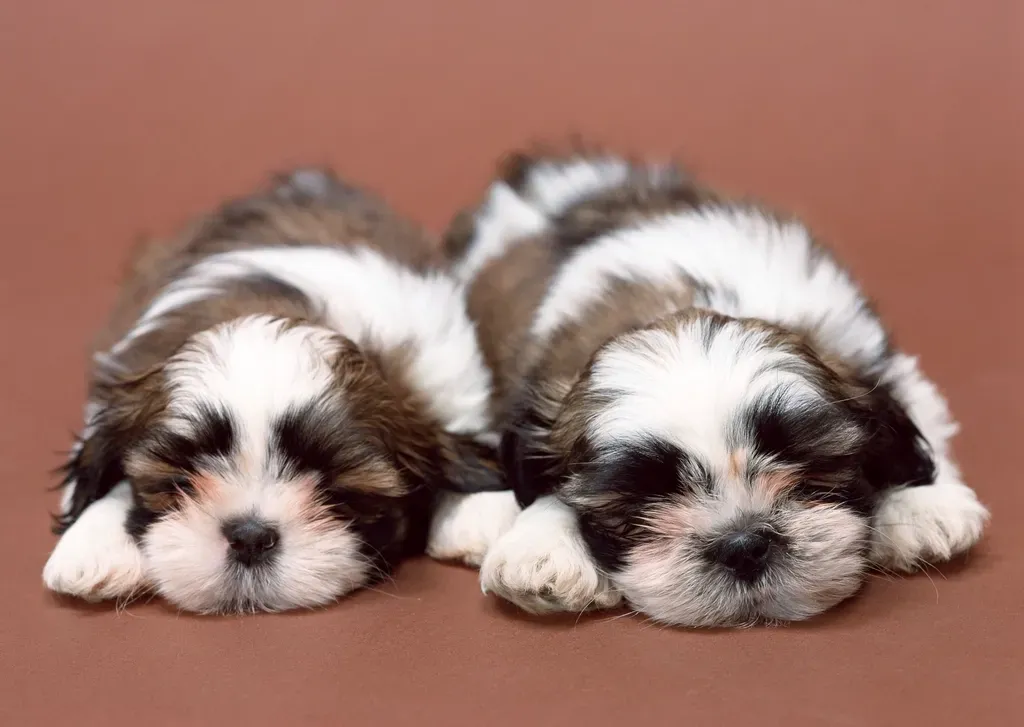
Shih Tzus, bred as companion dogs for Chinese royalty, are affectionate and gentle. They have a sweet disposition and are friendly towards everyone. While playful, they are not excessive barkers. Their long, flowing coat needs regular grooming, and they thrive on human interaction, making them ideal for families.
Shih Tzus are social watchdogs. They will bark when triggered by a doorbell, a visitor, or something seen outside, like another animal. But these moments are brief and purposeful. Think of the Shih Tzu as the dog equivalent of someone who speaks only when they have something genuinely worth saying.
9. Newfoundland: The Nanny Dog Who Stays Quiet
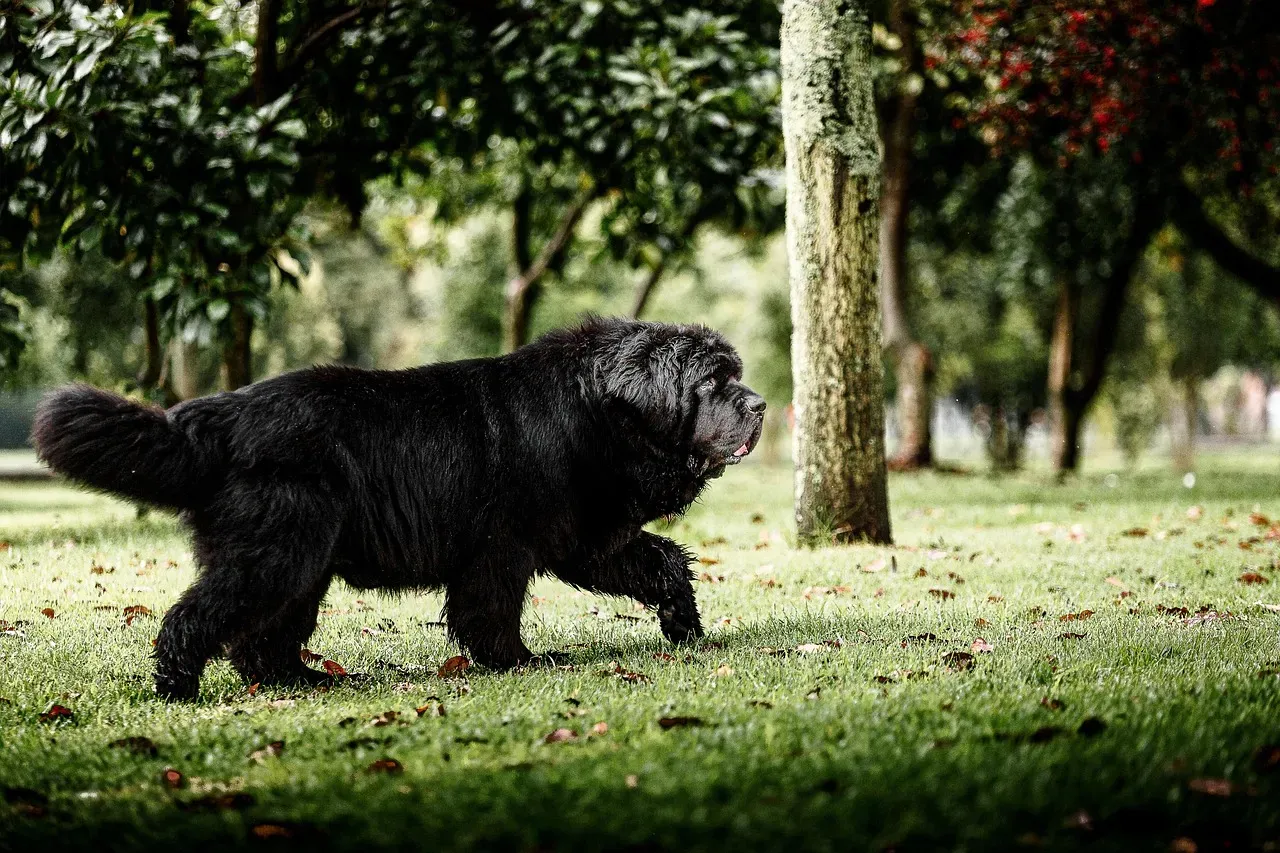
Also called “Newfies,” the Newfoundland dog is far more well known for its calm nature and thick fur rather than its bark. Another breed with a calm and gentle temperament, Newfoundlands are not known to be excessive barkers, and instead bark for a reason. They’re the kind of dog that watches over your children like a guardian angel without making a fuss about it.
Because of their quiet nature, they don’t bark much, a welcome trait if you already have a house with noisy kids. They tend to do well with children, earning them the name “nanny dog.” Early socialization and consistent training will keep the occasional bark-worthy triggers well managed. A truly special breed for families who love calm.
10. Akita: The Silent Hunter
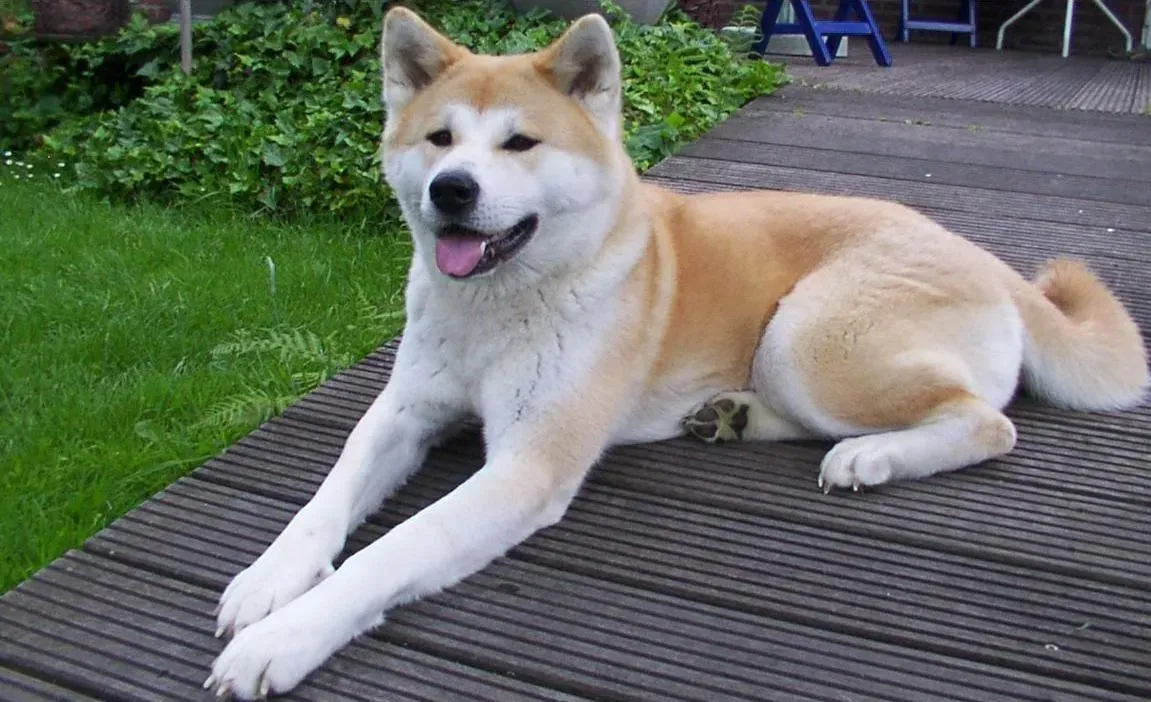
This independent ancient Japanese dog breed is known for its loyalty, dignity and courage. Nicknamed the “Silent Hunter,” the Akita is known for its lack of nuisance barking, although the breed can raise the volume as guard dogs. It’s hard to believe something so powerful chooses silence so often, but that’s exactly what makes the Akita so fascinating.
A well-trained Akita is less likely to bark than other breeds. This Japanese native is a working dog once used as guards and hunters for the ruling class. While they can become stubborn or protective, socialization from a young age may help them grow comfortable and prevent barking at strangers. Start early with training, stay consistent, and you’ll have one of the most impressive, dignified quiet dogs on the planet.
11. Borzoi: The Regal Silent Type
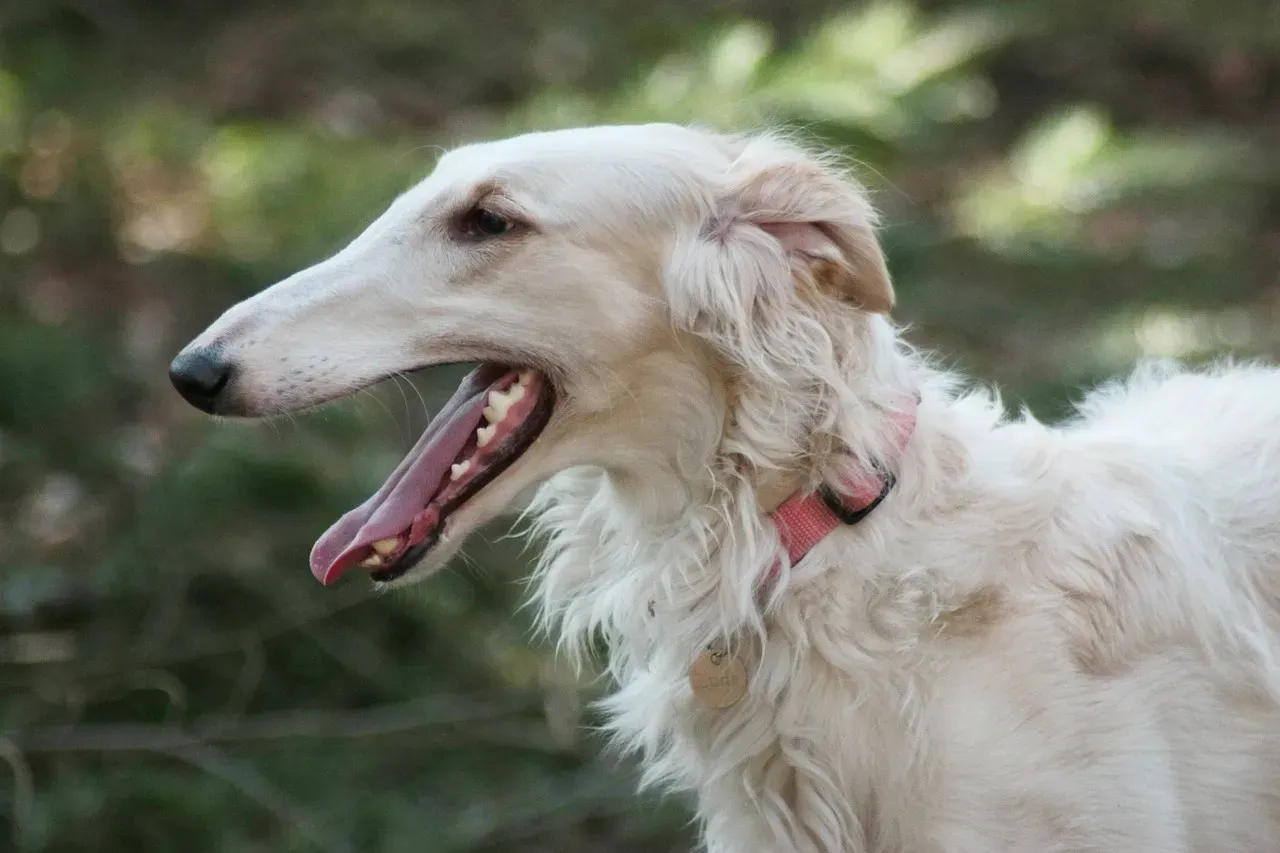
The Borzoi is recognized by their athleticism and distinctly long snout, but you might not know that they are also a quiet dog breed. These dogs look like something out of a Renaissance painting, and they behave about as calmly as one too. Elegant, composed, and wonderfully peaceful indoors.
According to rankings by apartment living experts, Basenjis, Cavalier King Charles Spaniels, Borzois, and Japanese Chin are among the quietest dog breeds. The Borzoi is a sighthound, and like the Greyhound and Whippet, its hunting style relied on speed rather than vocal alerts. That evolutionary quiet has made them one of the most serene companions you can find.
12. Pug: Quiet Bark, Loud Personality
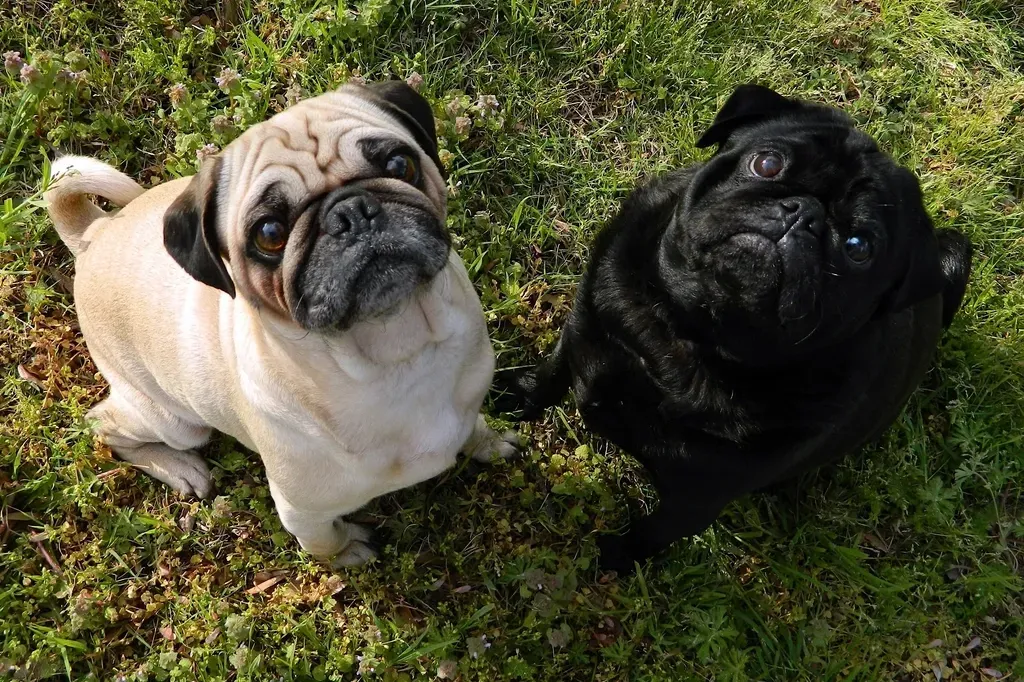
While Pugs are already a fan-favorite thanks to their immediately heart-warming appearance, this tiny family dog isn’t a big barker. Pugs are also adaptable, so you can take them everywhere. They’re the perfect little travel companions who won’t embarrass you at the coffee shop or the hotel lobby.
These quiet dogs love to spend time alongside their owners, and they don’t need a ton of exercise to stay happy. Pugs are also beloved because they have a fun personality and a lot of charm. While this dog rarely barks, Pugs do snuffle and snort. Fair warning: the snoring is real, it is loud, and weirdly, most Pug owners say it becomes oddly comforting.
Now for the Noisy Ones: Beagle
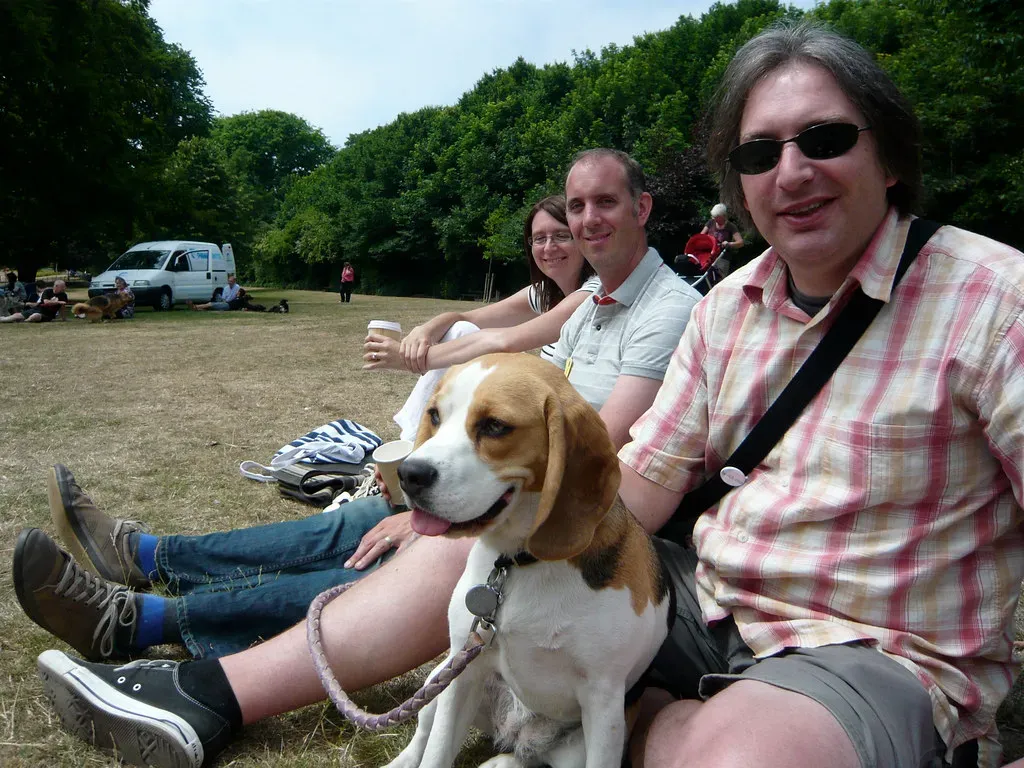
Let’s be real: Beagles are absolutely irresistible. Floppy ears, soulful eyes, warm personalities. Then you bring one home and realize they have a LOT to say. Beagles are famous for their loud “bay,” a specific type of bark that is often heard when they’re tracking or excited. This vocalization is deeply ingrained in their hunting instincts, and they bark constantly when they catch a scent or are left alone.
Beagles will bark when you walk in the door, at a plastic bag, and when strangers walk past the house. They just want you to know about everything, always. That’s endearing until it’s 11 p.m. on a Tuesday. With patient training and plenty of mental stimulation, you can manage the volume but know what you’re signing up for.
Siberian Husky: The Drama King of Dog Breeds
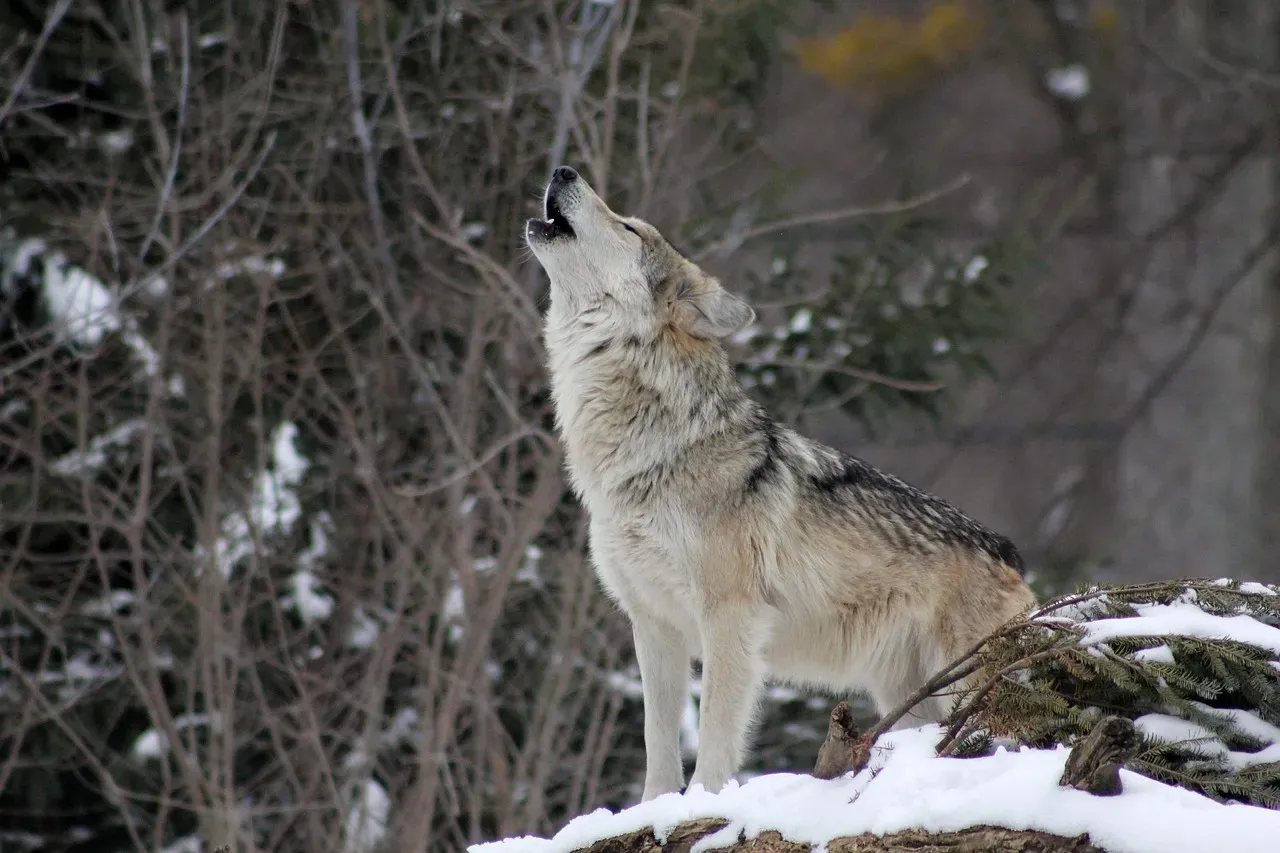
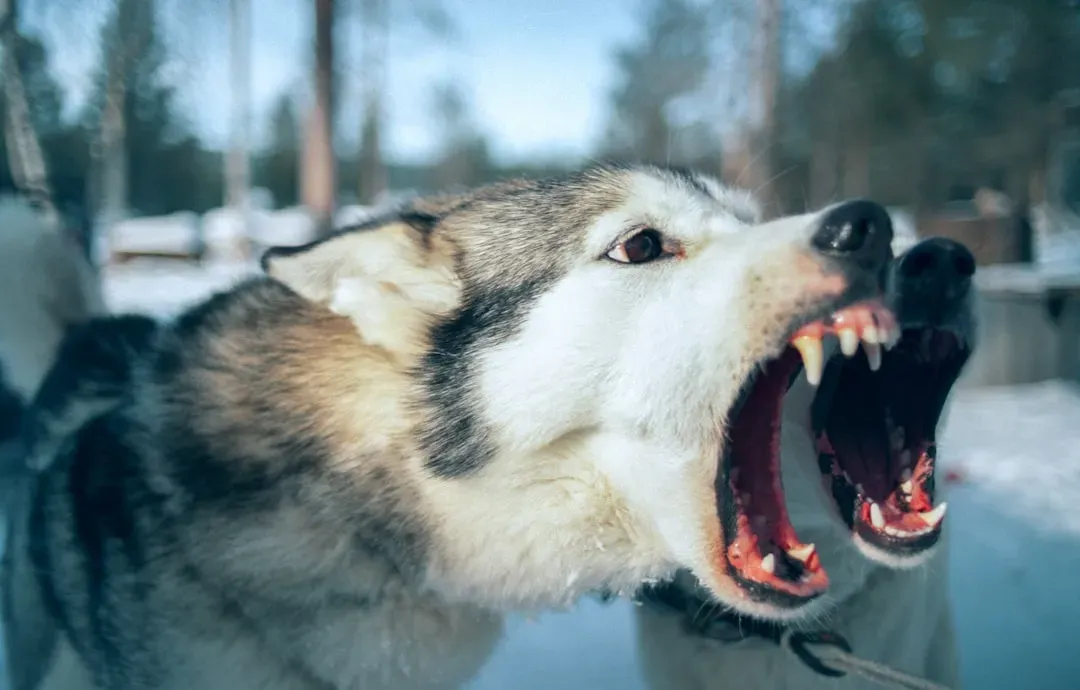
Huskies were bred to pull sleds across frozen terrain, and their vocalizations, howls in particular, are a way to communicate with their pack. While they are generally not constant barkers, they do love to howl and can be quite noisy, especially if they’re left alone or feeling restless. Think of them less like a dog and more like a very dramatic roommate with strong opinions.
From barking to whining to howling to screeching, a Husky uses all of these to express everything it feels. They will not shy away from expressing their excitement and will not keep it in if they are feeling stressed or anxious. If you love noise, personality, and pure theatrical energy, a Husky will never bore you. If you don’t, well, maybe revisit the Greyhound.
Yorkshire Terrier: Small Dog, Maximum Volume
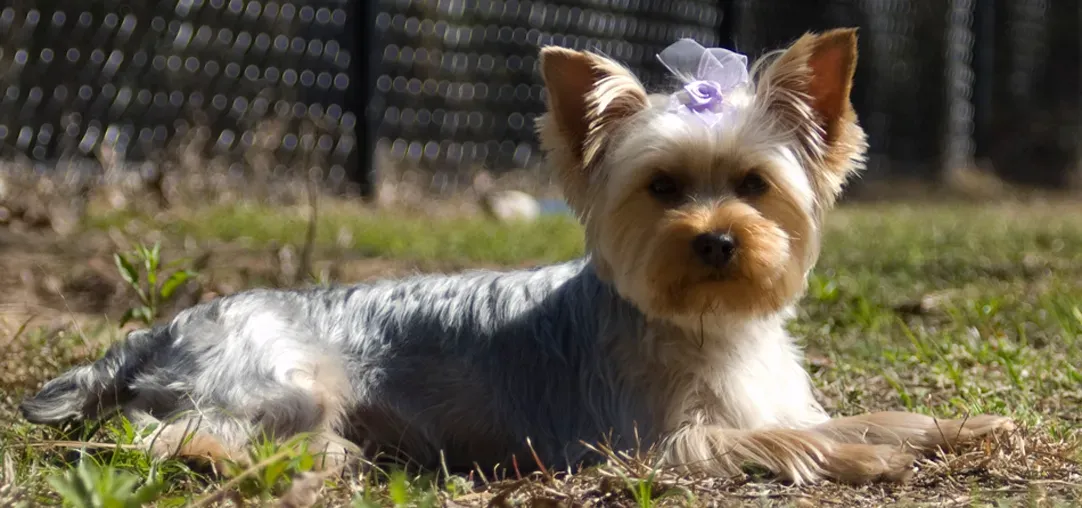
Another member of the “little dog syndrome” club, the Yorkshire Terrier is adorable, feisty and bold. Despite their small size, they tend to make excellent watchdogs due to their protective and vigilant nature. There’s something almost admirable about a dog that weighs seven pounds and absolutely does not care that you’re trying to sleep.
Sure, Yorkies are small, but they’re part of the Terrier family and they don’t know when to tone down their bark. They think they are bigger than they are and aren’t afraid to yap at the mailman, the Great Dane at the dog park, or even their own shadow. Early socialization and consistent “quiet” command training are your best friends with this breed. Start young, stay patient.
Chihuahua: Tiny but Tremendously Loud
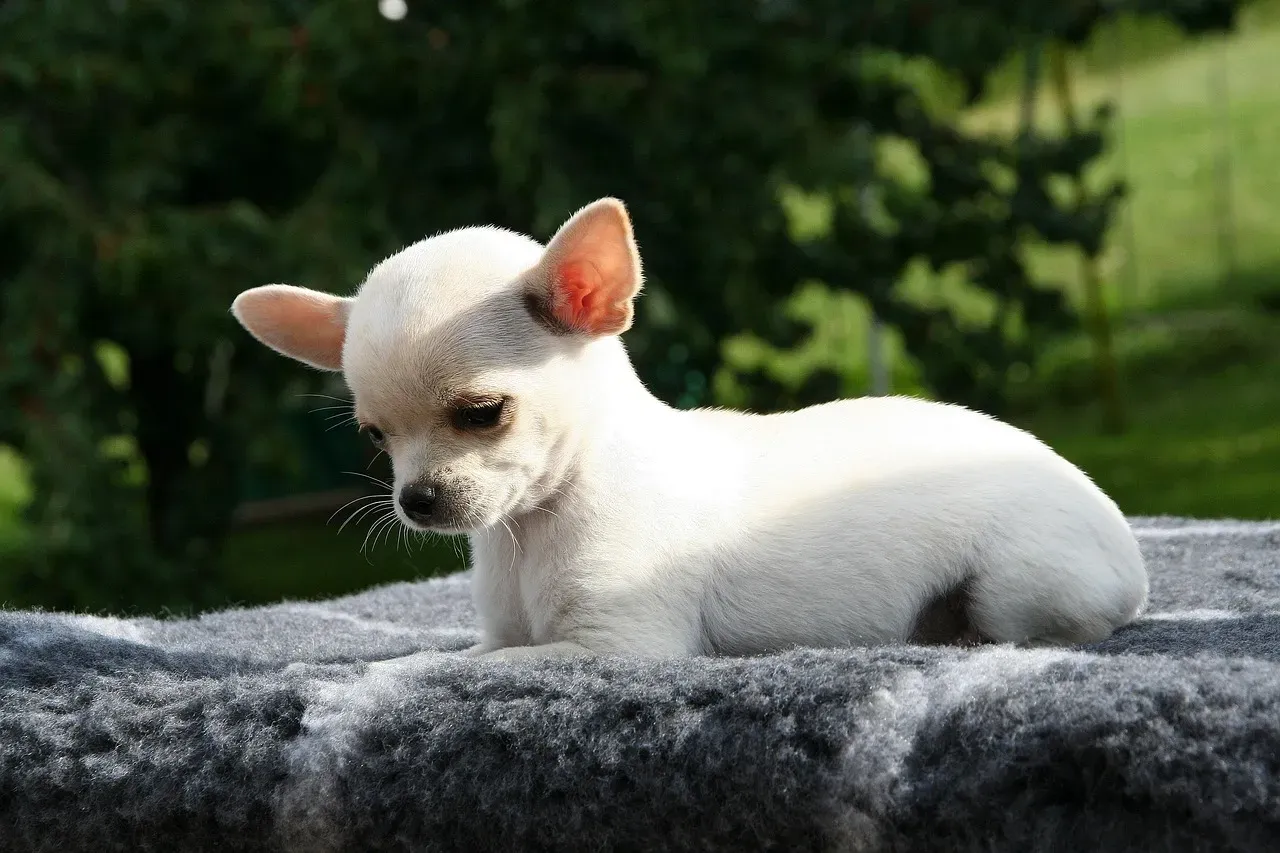
Chihuahuas are small but mighty. These plucky dogs often have what experts refer to as “little dog syndrome.” To compensate for their size, they will try to put on a display of dominance when a stranger enters the room, which often involves trying to be the loudest in the room, with excessive barking or yapping.
If well-socialized and trained from the time they’re puppies, excessive vocalizing can be avoided. Regardless, they’re very alert dogs and may always be more prone to barking than the quieter breeds. Their loyalty and charmingly outsized personalities more than make up for it. They are fiercely loving. Just be prepared to do the training work early and keep it consistent.
German Shepherd: Powerful Voice, Purposeful Bark
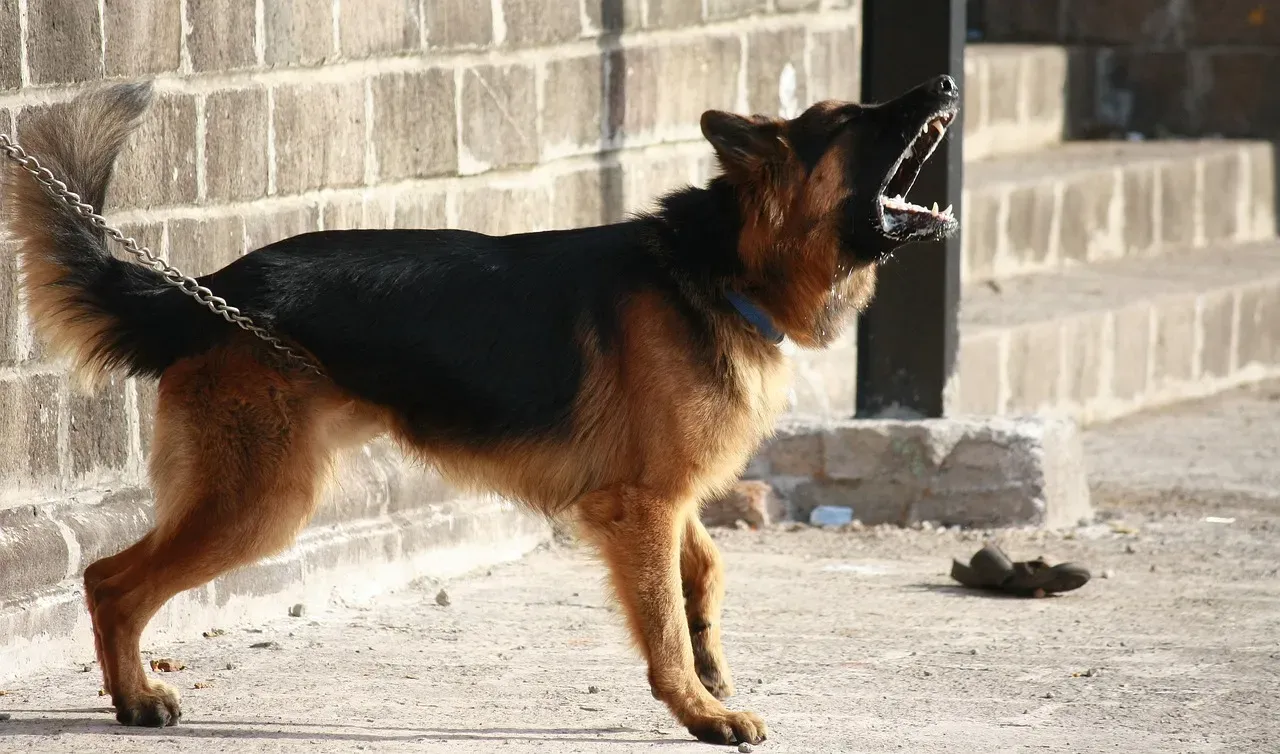
As a pastoral breed, German Shepherds were bred as guardians of the flock and expected to use this intimidating bark to raise the alarm and scare away intruders or predators. This history is baked into their DNA. When a German Shepherd barks, it means something, and it’s not quiet about it.
The second-loudest bark ever recorded came in 2009 from a German Shepherd named Daz at 108 decibels, which is equally as loud as a power saw. Bred to serve as protectors and guardians, German Shepherds work as military and police dogs and as service dogs to assist the visually impaired. Devoted to keeping intruders away, this breed will swiftly alert others at the slightest sign of suspicious activity. Incredible working dogs, but not the ideal choice if noise is a dealbreaker for you.
Miniature Schnauzer: Alert, Opinionated, and Proud of It
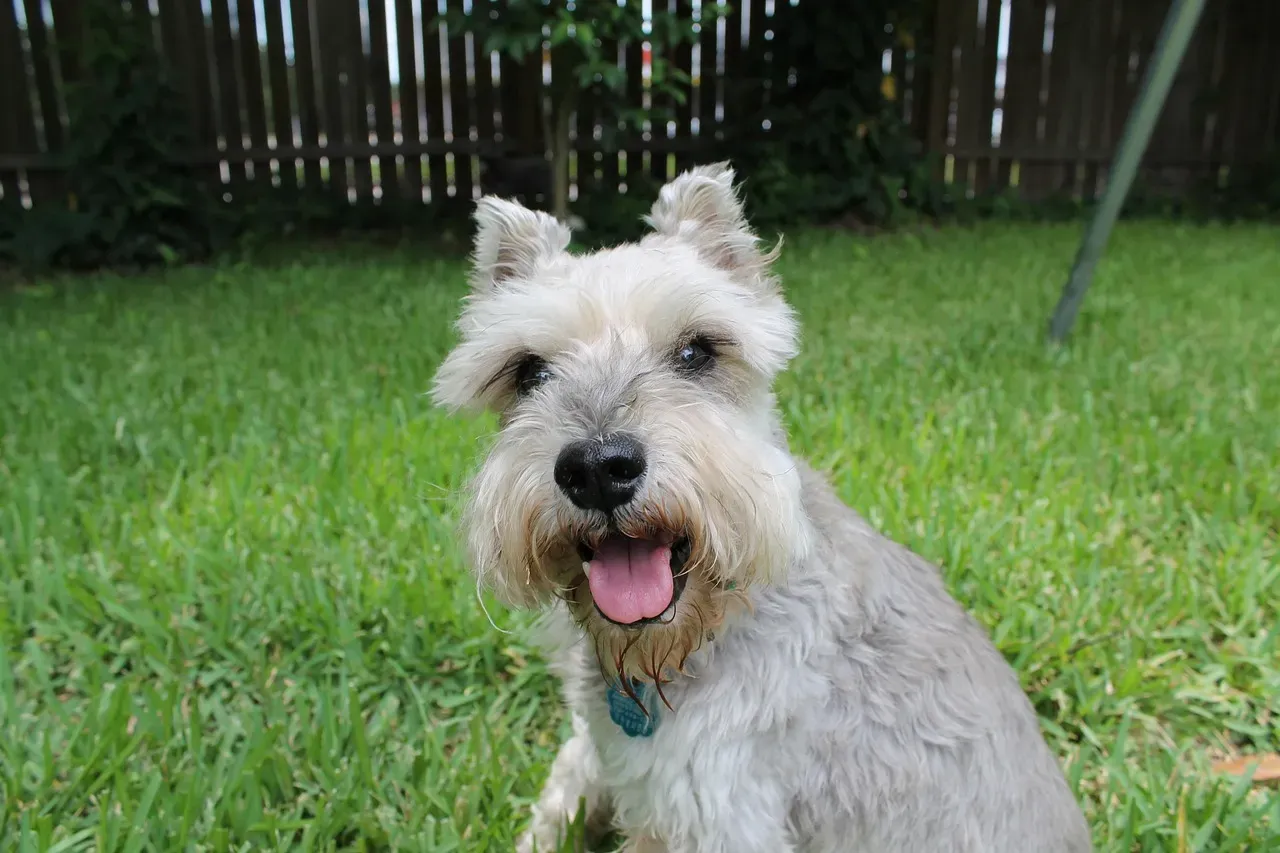
Miniature in stature, the Mini Schnauzer has a mega bark. Don’t let those adorable bushy eyebrows fool you. This breed is alert, confident, and has absolutely no issue announcing every single thing it notices. It’s like living with a tiny, very vocal security system that also demands belly rubs.
Some pups are prone to stress and may bark to cope with separation anxiety, while many herding dog breeds need to be vocal to help them round up livestock. The Miniature Schnauzer falls into the alert-barker category: they’re not anxious, they’re just enthusiastic informants. Channel that energy with mental stimulation, training, and regular exercise, and you’ll have a much more manageable household companion.
Conclusion: Silence Is Golden, But Noise Can Be Beautiful Too
Barking has many purposes: it’s one of the main ways your dog captures your attention, sends warnings to potential threats, and communicates with other furry friends. The reason dogs bark can vary across breeds. Some pups are prone to stress and may bark to cope with separation anxiety, while many herding dogs need to be vocal to help them round up livestock.
Here’s the thing: there’s no universally “bad” dog in this list. A noisy Beagle is just being a Beagle. A silent Basenji is just being a Basenji. The real question is which dog fits your lifestyle, your living situation, and honestly, your personality. Dogs that don’t bark tend to be well socialized, feel less anxious, and are overall more confident in various social situations. So environment and upbringing always play a role, regardless of breed.
Choose wisely, love deeply, and never underestimate how much a little research now can lead to years of joyful, harmonious life with your dog. So, which dog on this list surprised you the most? We’d love to hear your thoughts in the comments below!


