
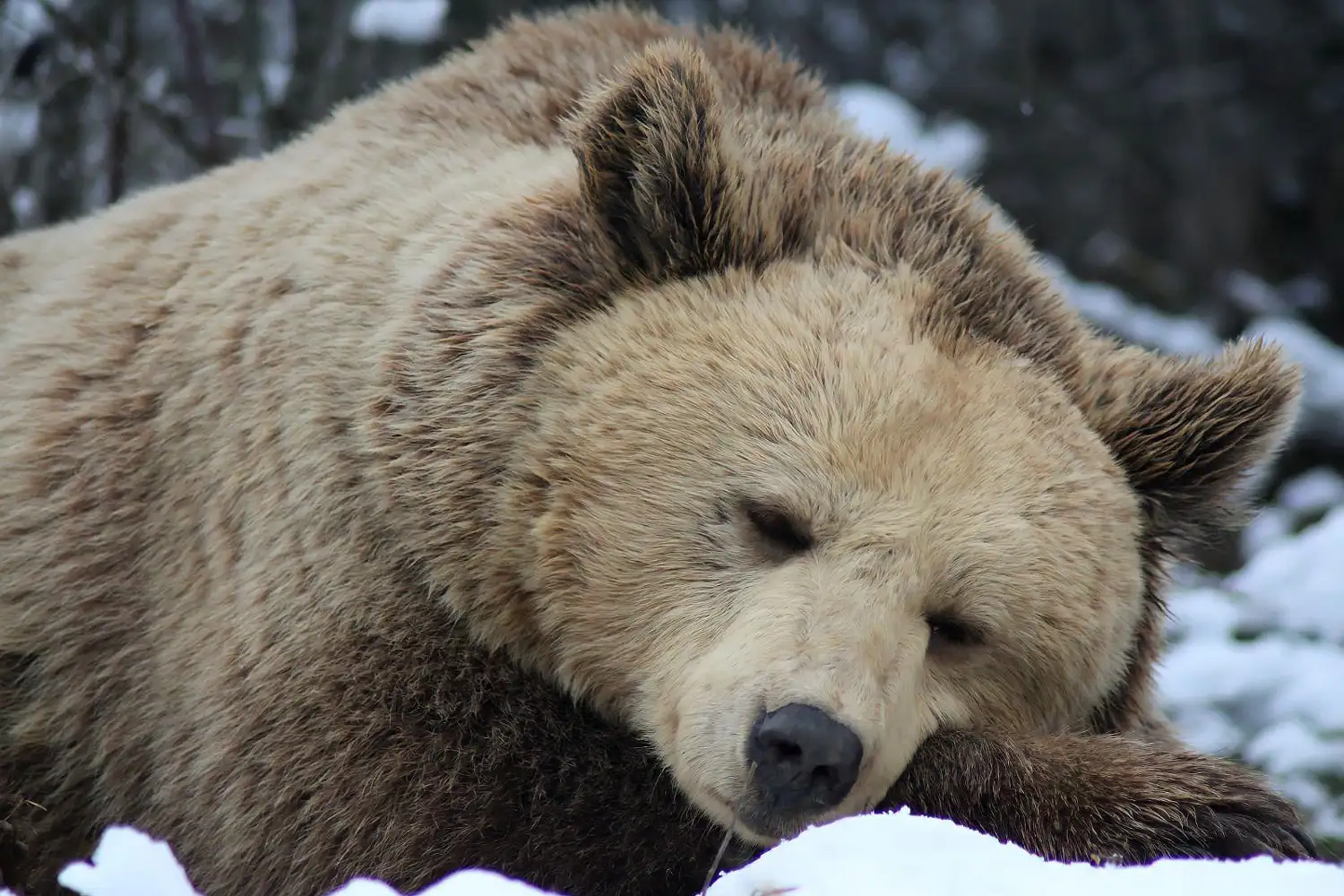
There are rescue stories that manage to reach right into your chest and squeeze. Then there are ones like Hope’s, a brown bear whose first year of life reads like something from a wildlife nightmare. Snatched from the wild, crammed into a concrete box, and put on display like a living ornament for curious diners. Honestly, it’s the kind of story that makes you stop and stare at the screen for a moment.
Yet here we are in 2026, and Hope is sleeping peacefully in her den, blissfully undisturbed and living entirely on her own terms. Her journey from a tiny cage by a roadside restaurant in Kosovo to a forested sanctuary is one of remarkable resilience. Let’s dive in.
A Cub Stolen From the Wild
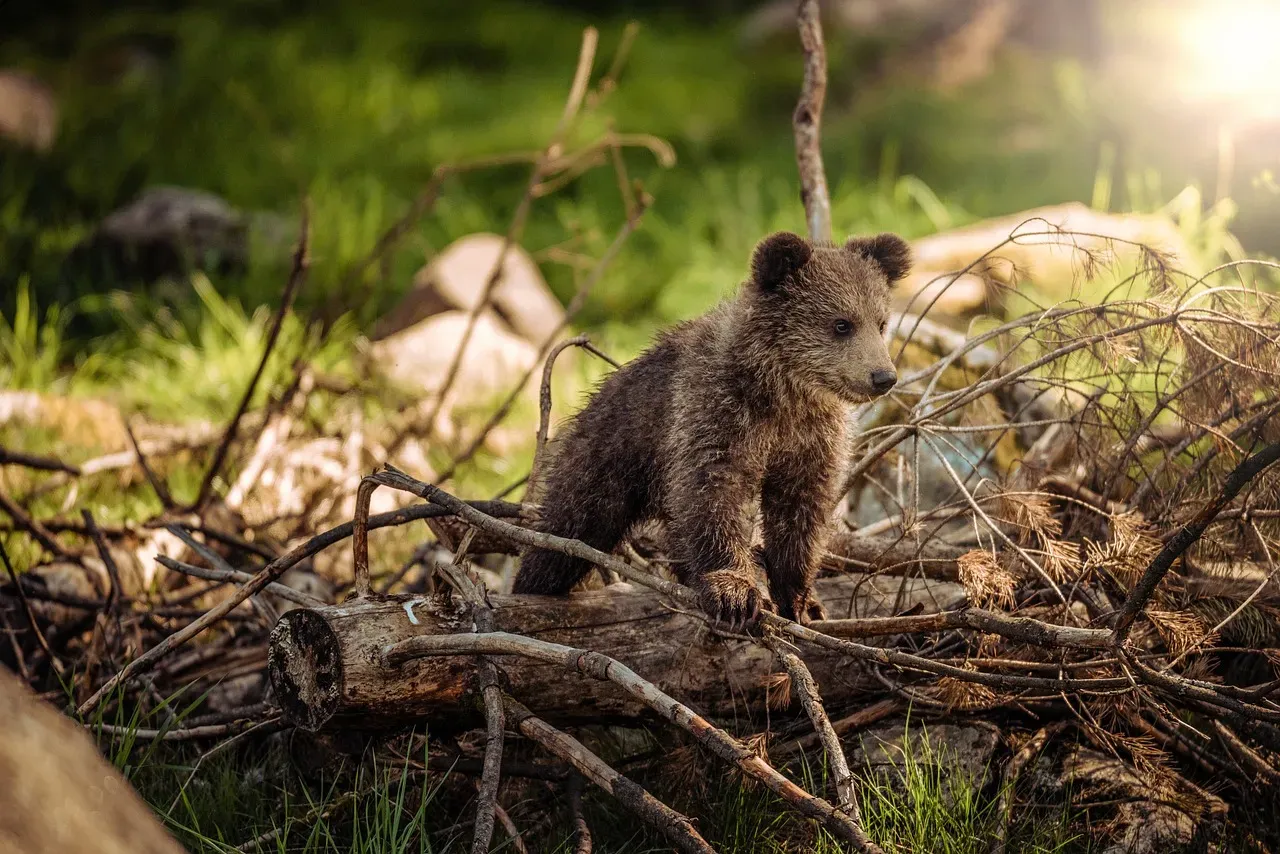
Born in 2012, Hope’s early life in the wild was cruelly interrupted when she was snatched from her mother as a young cub and placed in a cage near a restaurant in Kosovo to attract visitors. Think about that for a second. A bear cub, barely old enough to navigate the world with her mother, reduced to a roadside curiosity designed to lure customers through a restaurant door.
For many years, there was no law against keeping brown bears in Kosovo. All privately kept brown bears lived in small cages at restaurants. They were born mostly in the forests of Kosovo or Albania and taken from their mothers by animal dealers. As restaurant bears, they were supposed to attract customers, and thus profit, for their owners. It was a cruel industry hiding in plain sight, and Hope was its latest victim.
Life Inside a Cage No Bigger Than a Room
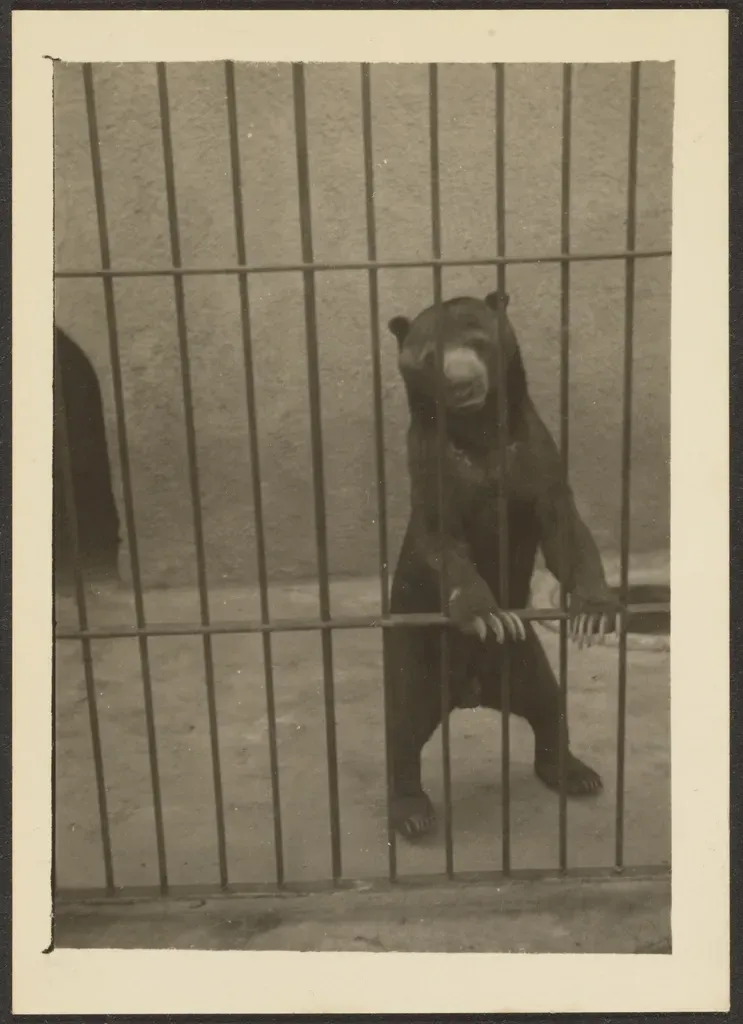
Hope grew up alone in that cage with a concrete floor and little room to move until May 2013, when she was freed and moved to BEAR SANCTUARY Prishtina in Kosovo. To put that in perspective, a brown bear in the wild can roam territories stretching dozens of kilometers. Hope had concrete.
Before Hope moved to BEAR SANCTUARY Prishtina, sanctuary manager Afrim Mahmuti visited the bear in her cage outside the restaurant, where the animal was “frightened, huddled in a cage no larger than 3–4 square meters.” The image is haunting. A young bear, all instinct and potential, reduced to a trembling silhouette in a concrete box. Mahmuti described her at that time as physically weak and emotionally overwhelmed. It is hard to say for sure how long that kind of early trauma stays with an animal, but anyone who has worked with rescued wildlife will tell you it can last a lifetime.
The Sanctuary That Changed Everything
BEAR SANCTUARY Prishtina was established to create a safe haven for the so-called “restaurant bears” in Kosovo that were kept in tiny dilapidated cages next to restaurants for the purpose of attracting customers. FOUR PAWS rescued all these bears, and thus ended this cruel form of brown bear abuse in the country for good. The sanctuary was not built overnight. It was founded in 2013 by FOUR PAWS in collaboration with KFOR, the Municipality of Pristina, and the Ministry of Environment in Kosovo.
Over the past 12 years, Hope has thrived at the sanctuary, where she has a large enclosure in the Balkans designed to mimic life in the wild, with multiple dens, a forested area, and ponds. At the sanctuary, the bears have the opportunity to finally display natural behaviours in a lifelong home while still getting the necessary professional care. The large enclosures provide enough space for the animals to roam freely as well as to withdraw, and all have trees and wooden structures to climb on and ponds to bathe in. It is, quite simply, the difference between a prison cell and a home.
Love, Friendship, and Learning to Be a Bear Again
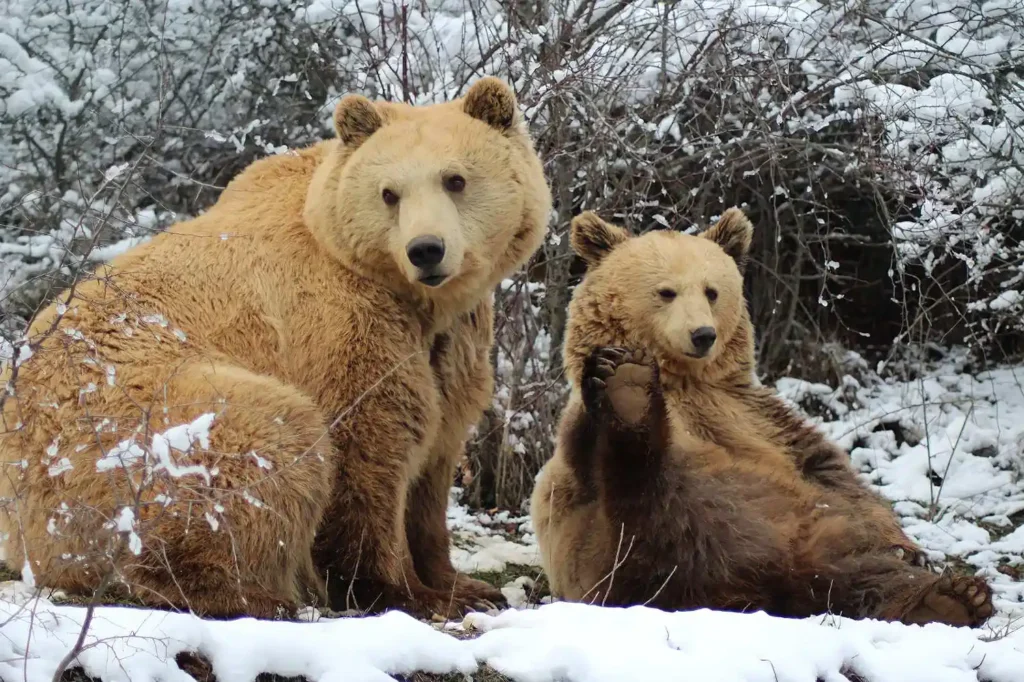
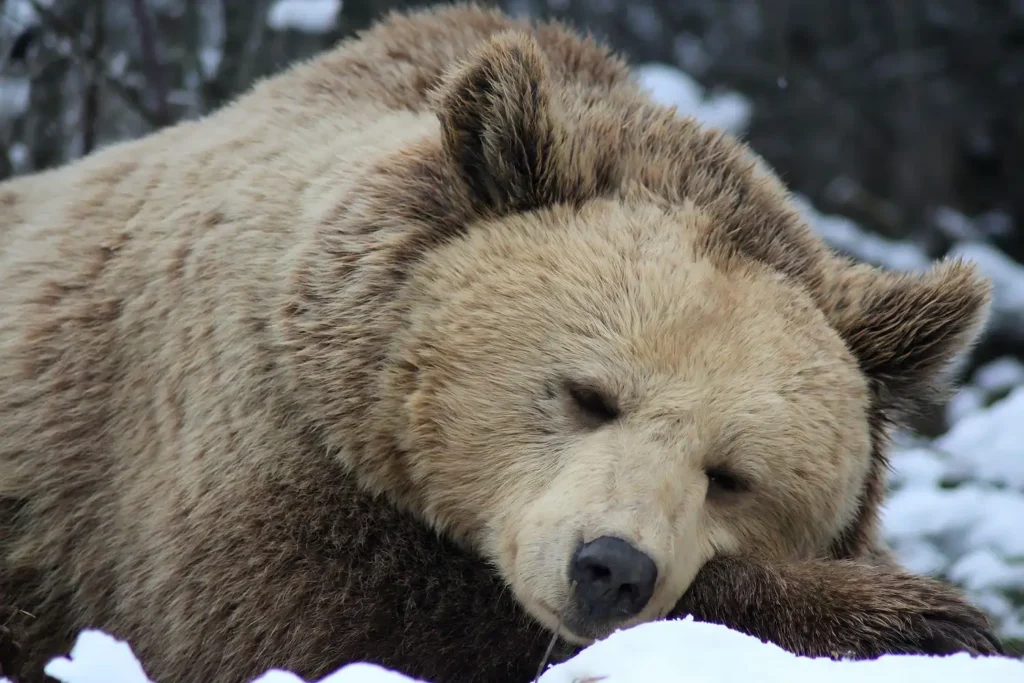
Hope has built confidence in her years at BEAR SANCTUARY Prishtina and has relearned natural behaviors such as hibernation. This might sound like a small thing, but hibernation is not just a biological function. For each bear to be hibernating means they are in good health, have a satisfying diet, and have suitable living conditions. When a bear enters torpor, it is a sign that they are comfortable and are living according to their instincts. For a bear like Hope, who grew up with none of those conditions, getting to hibernate is genuinely a milestone worth celebrating.
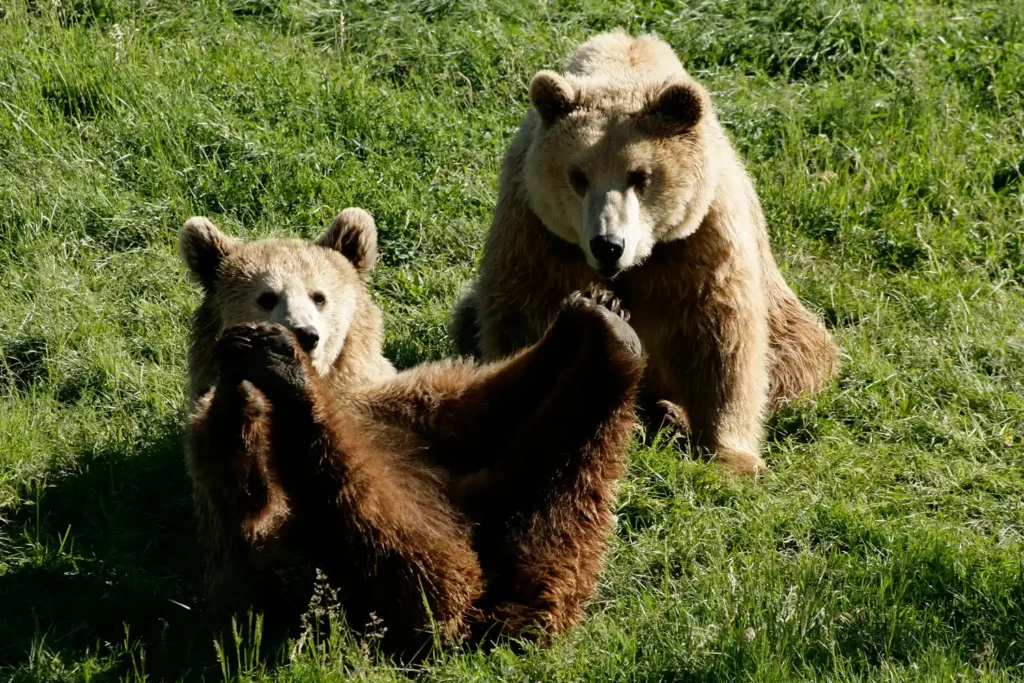
Hope also found something unexpected along the way: companionship. She shares her enclosure with her “boyfriend bear,” Tomi, a bear rescued from a small cage in Albania. Hope’s relationship with Tomi is a newer development. The two bears moved into the same enclosure in 2017, after Tomi was placed in a neighboring habitat and quickly caught the female bear’s attention. Their favorite part of the day is late afternoon, when the sun goes down, and you will see them playing together, rolling around in their enclosure. Two rescue bears, finding joy in each other. If that does not warm your heart a little, I’m not sure what will.
March Napness: Hope Enters the Spotlight for the Right Reasons
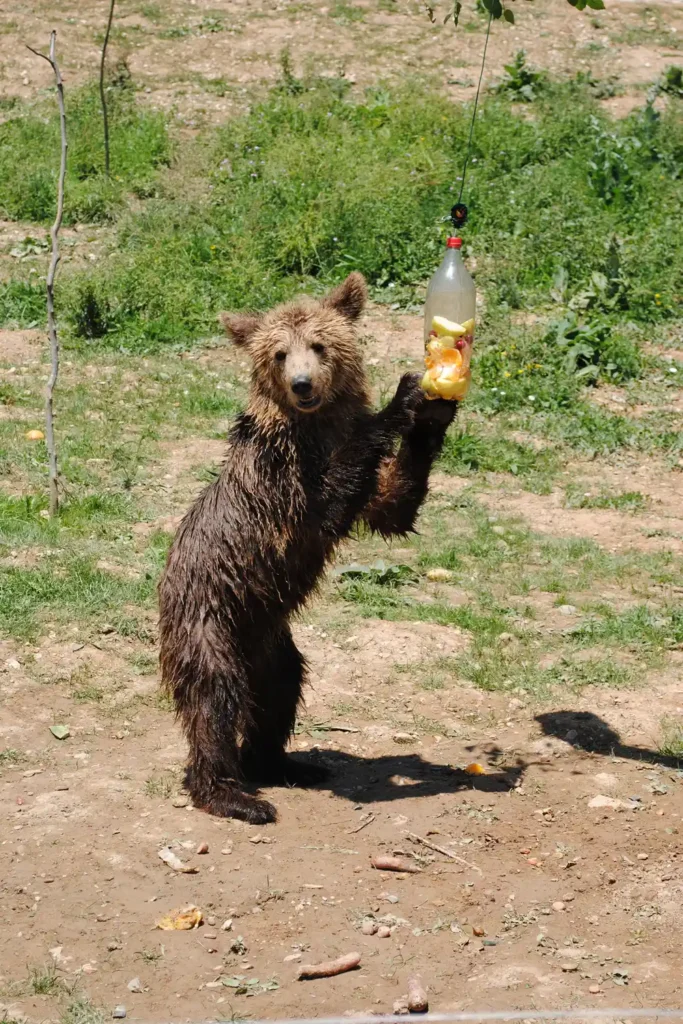
Now in its fourth year, March Napness is a bracket-style competition based on the NCAA’s basketball tournament, March Madness, and is hosted by the animal welfare organization FOUR PAWS. Instead of filling out your bracket with college basketball win predictions, animal lovers fill their March Napness brackets with the rescue bears they think will stay in hibernation the longest. Let’s be real, it is one of the most wholesome things on the internet right now.
For 2026, 22 rescue bears from 6 FOUR PAWS partnership sanctuaries are competing to see who can out-snooze them all, and Hope is entering the competition for her first time as Rookie of the Year. Every bear competing is already a winner, as they have all been saved from circumstances in which they were neglected and kept from exhibiting natural behaviors, such as hibernation. For a bear who once could not even feel the earth beneath her feet, competing in a hibernation contest feels like the most triumphant full-circle moment imaginable.
A Legacy Bigger Than One Bear
In 2023, it was reported that the sanctuary welcomed over 40,000 visitors annually. That number matters. Every person who walks through those gates learns something about what these animals endured and what they deserve. Since opening BEAR SANCTUARY Prishtina, FOUR PAWS has contributed to the end of the cruel private keeping of bears in the country. Hope’s rescue was not just one animal saved. It was a piece of a broader, harder-fought cultural shift.
FOUR PAWS has rescued over 200 bears in the 25 years since the opening of its first bear sanctuary in Austria. According to the sanctuary, four or five of the bears only partially hibernate due to their lack of experience with life in the wild, while 16 other bears at the sanctuary undergo full hibernation. The fact that most bears at the sanctuary can now hibernate at all is a testament to how much patient, dedicated rehabilitation work goes on behind the scenes, year after year.
What do you think – could you have imagined this kind of transformation was possible? Tell us in the comments.


