
There’s a moment most dog owners know well. You’re sitting on the couch, your dog curled beside you, eyes half-closed, tail occasionally thumping against the cushion. Everything looks fine. But then a quiet little question sneaks in: is she actually happy, or just… okay?
It’s a surprisingly deep question, and honestly, one that doesn’t get asked enough. There’s a real difference between a dog who is simply calm and settled, and one who is genuinely thriving with joy and emotional richness. The gap between the two can be subtle, even invisible, unless you know exactly what to look for.
That’s what this article is all about. No fluff, no guessing. Just clear, practical guidance to help you truly understand what your dog is feeling on the inside, so you can show up better for the extraordinary creature who already gives you everything. Let’s dive in.
The Difference Between Happy and Just “Fine”: Why It Matters More Than You Think
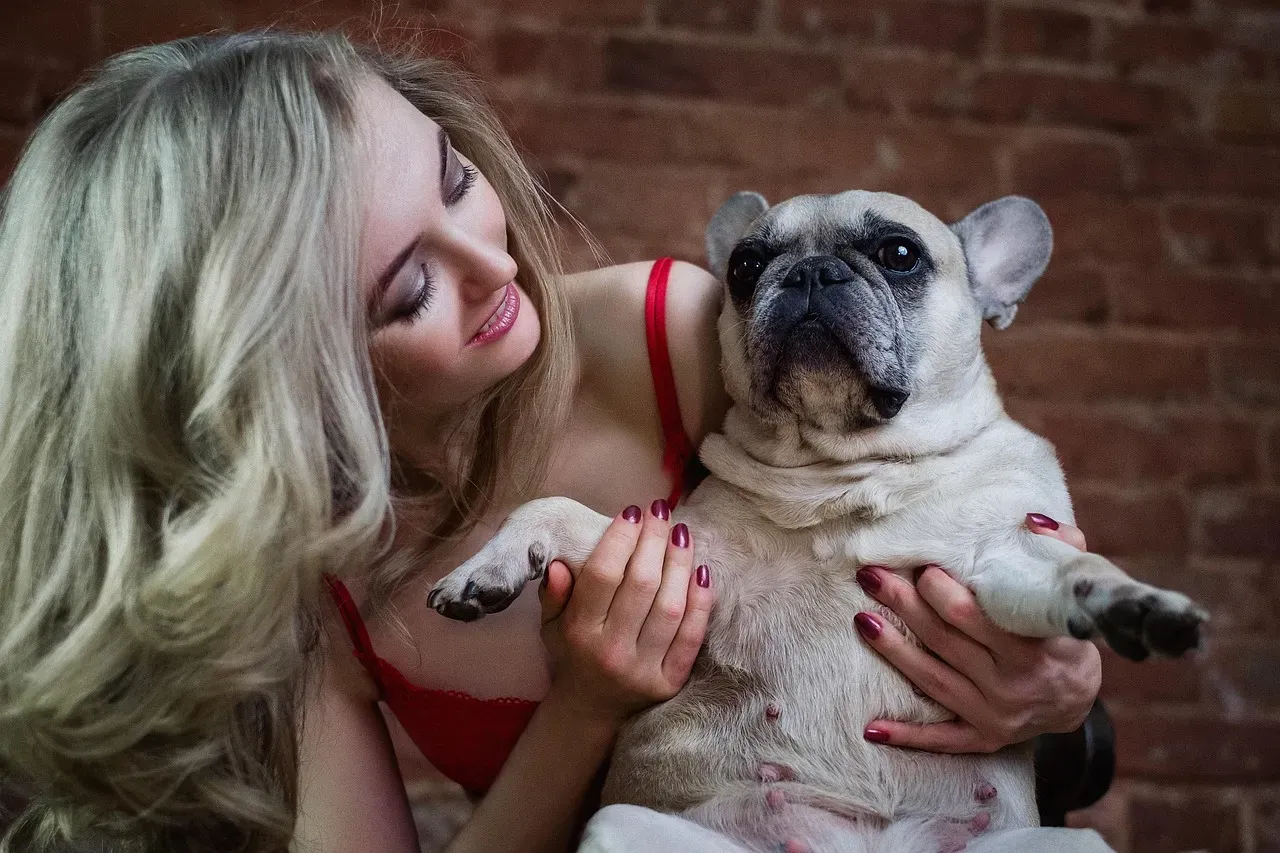
Here’s the thing most people don’t realize: a dog can appear perfectly calm and still not be emotionally thriving. Over-arousal is sometimes mistaken for true happiness. The same goes in reverse – a quiet, low-key dog is sometimes written off as sad when they might simply be deeply at peace.
A dog who jumps around and barks when you come home might seem happy to see you, but their release of emotion is different from one who is cheerful, content, and relaxed. Think of it like the difference between a person who laughs loudly at every party versus someone who smiles genuinely over a quiet cup of coffee with a close friend. Both can be happy, but in very different ways.
Dogs have the emotional capacity of a two to two-and-a-half-year-old child, so they can experience emotions like joy, fear, and anger. Like many toddlers, your dog lacks the vocabulary to tell you how they feel, so it’s up to you to learn how your dog expresses emotions. That’s not a small responsibility. That’s actually kind of beautiful.
Reading the Whole Body, Not Just the Tail

Let’s be real: most of us look at the tail and call it a day. But tail wagging is one of the most misunderstood signals in the dog world. A tucked or low, fast-wagging tail can mean “I am scared or unsure,” while a high, stiff wag can mean “I am agitated or aroused.” So no, a wagging tail is not automatically a green light.
The key is to look at the overall picture rather than focusing on just one detail. A wagging tail doesn’t always mean a dog is happy. It’s the rest of the body that gives the wag context. Honestly, once you start looking at your dog’s entire body as one communicating unit, everything changes.
A truly happy dog has an open countenance, a relaxed expression, a lack of stress lines around the face, and no tension in their body. Their skin should actually feel pliable to the touch, not like a plank of wood. Loose shoulders, soft eyes without a fixed gaze, and a dose of “wiggliness” or pure “flopped-outness” are all clues that your dog is feeling super chill. That’s your gold standard right there.
The Subtle Stress Signals You’re Probably Missing

While most pet parents can recognize obvious signs of a happy dog (wagging tail, playful bow) or an aggressive one (growling, showing teeth), the subtle signals of stress and anxiety often go unnoticed. This is where a lot of well-meaning dog owners unknowingly drop the ball, and it’s totally understandable.
Lip licking when not eating, yawning when not tired, excessive panting when not hot, and sudden scratching when not itchy are all displacement behaviors that indicate rising stress levels. Sound familiar? Your dog might be trying to tell you something, and you might keep thinking they’re just being quirky.
Learning to recognize these stress signals is one of the most important skills you can develop as a pet parent. When you can identify early signs of stress, you can remove your dog from uncomfortable situations before their anxiety escalates into more serious behavioral issues like aggression or fear-based reactions. Think of it as catching a tiny leak in the roof before it becomes a flood.
If your normally active and happy dog starts to isolate and show lethargy or decreased appetite, this is a sign that something has changed with their overall health, and seeking the care of a veterinarian is a suggested course to take. Never ignore a shift in baseline behavior. Your gut as a dog parent is almost always onto something real.
What Genuine Joy Actually Looks Like in Dogs
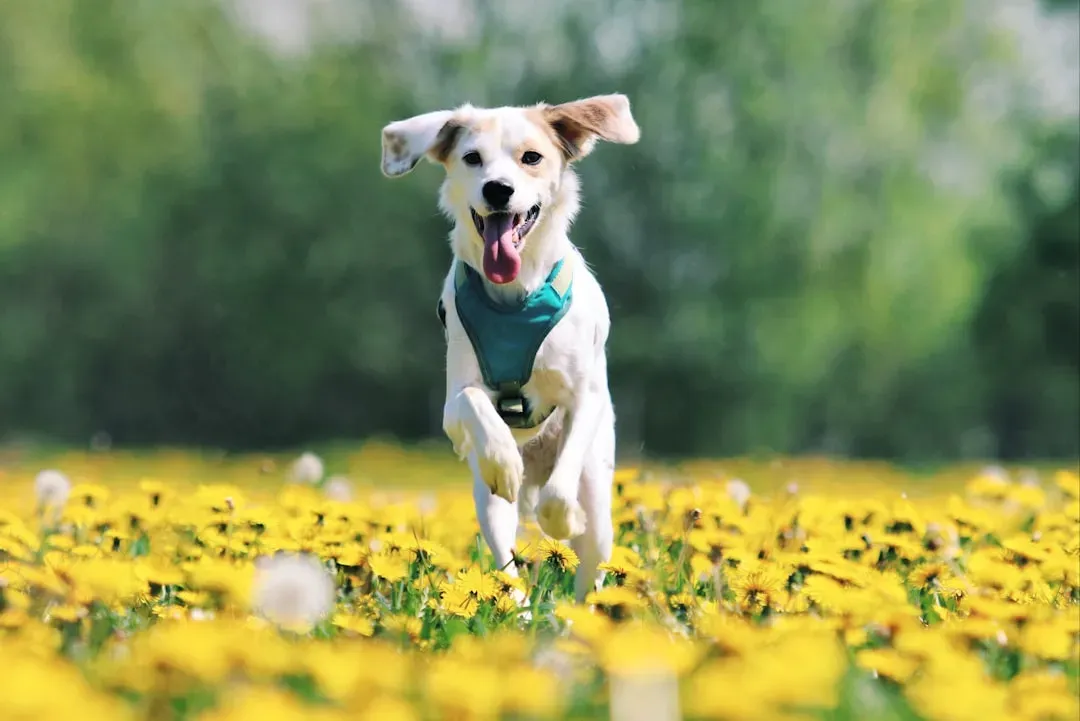
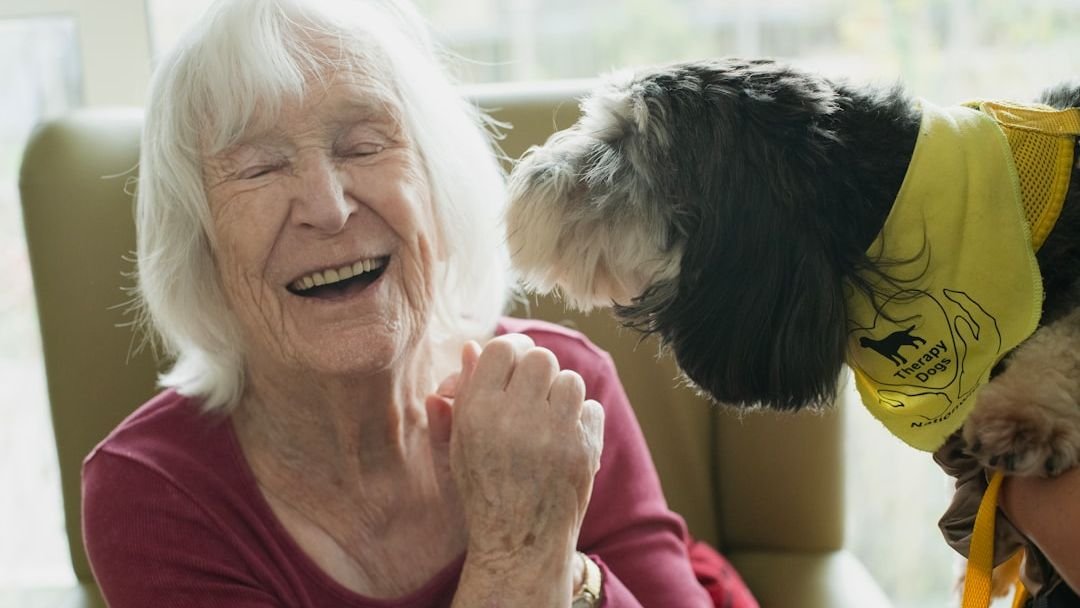
True happiness in dogs has a quality to it that’s hard to fake. Happy dogs enjoy playing, taking walks, riding in the car, and just spending time with you. They have good energy and are able to regulate their emotions and calm down easily from exciting activities. That ability to self-regulate, to come down from a high without falling apart, is a really underrated sign of emotional health.
When a dog is happy, their eyes and eyelids will be open and relaxed, their gaze will be soft, and they will blink often. I think the soft blink is one of the most overlooked signals there is. It’s pure, quiet trust. Eye contact between you and your pup triggers the release of oxytocin, sometimes called the “love hormone,” in both humans and dogs. This same hormone helps build trust between mothers and their babies. So, when your dog gazes at you with those soft, loving eyes, it’s not just cute – it’s strengthening your emotional connection and lowering stress for both of you.
A key sign is found in circular wags – if your dog is wagging its tail in a circle, it is showing you that it is very happy and joyful. Not side to side. In a circle. That little helicopter tail? Pure gold. Dogs that feel safe, healthy, and emotionally balanced tend to sleep soundly. A contented dog will nap in their favorite spots, curl up comfortably, and sometimes sprawl out without a care.
How to Actively Nurture Your Dog’s Emotional Wellbeing
Knowing the signs is half the battle. Acting on them is where the real magic happens. When dogs learn they can rely on you to meet their needs, it builds a sense of trust that’s essential to their emotional well-being. Dogs adopted later in life, especially from shelters, may need more time to feel safe and show relaxed, happy behavior. Once they realize they can count on you, these dogs are often capable of forming incredibly deep bonds.
Dogs thrive on consistency. Consistent behaviors and routines communicate to dogs what to expect and how to react. The more dogs feel they can read your mind, the stronger your bond will be. A predictable routine isn’t boring to a dog – it’s deeply reassuring. Like a warm blanket they can count on every single day.
Some dogs may get so excited during exercise, energetic play, or trips to fun new places that they have trouble settling down. While bursts of enthusiasm are among the signs of a happy dog, overly extreme or prolonged excitement can lead to overstimulation. Build relaxation into your play routine to help your dog wind down. A simple “settle” cue after play is one of the kindest things you can teach your dog.
Punishing dogs for displaying stress signals teaches them to suppress these communications, which can lead to dogs who “bite without warning” because they’ve learned not to show subtle warning signs. So if your dog yawns during a hug or licks their lips around strangers, don’t scold. Listen. They’re talking to you in the only language they have.
A Final Thought: Your Dog Is Always Speaking
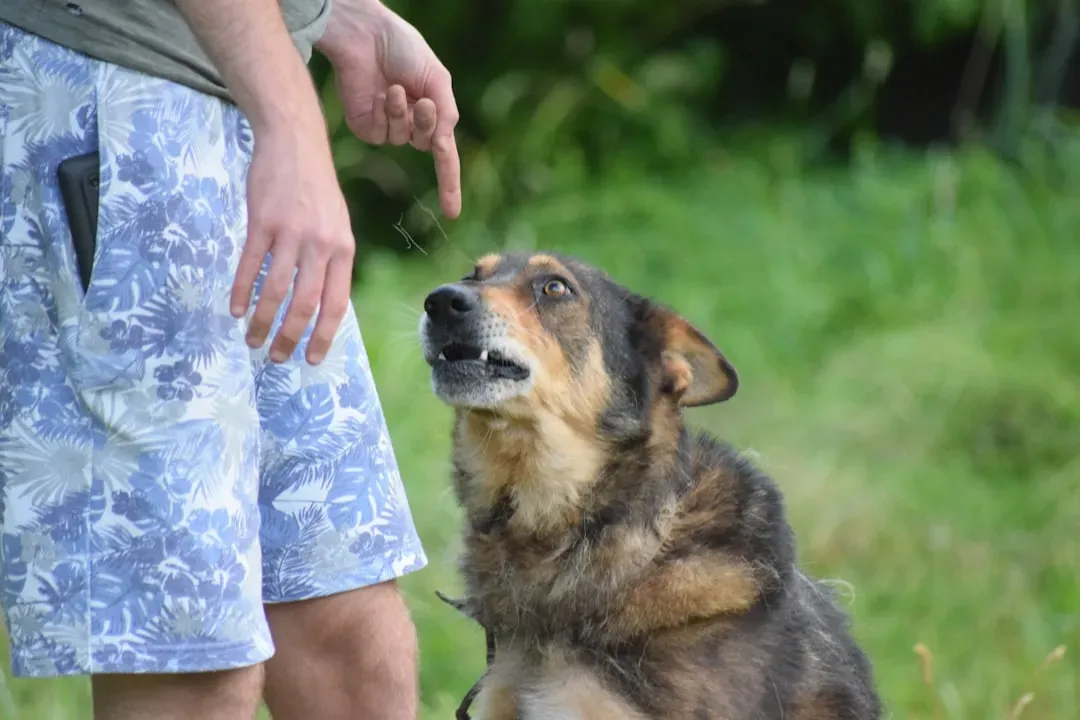
Here’s what I want you to walk away with. Your dog is not a mystery you’ll never crack. They’re actually incredibly communicative creatures who are trying, every single day, to tell you exactly how they feel. Your dog is “talking” to you all the time. If you learn what your dog is saying, you will develop a deeper bond of trust and respect. Your newfound understanding of your dog’s emotional state can help you predict their behavior and prevent problems before they arise.
Contentment is beautiful, don’t get me wrong. A calm dog is a gift. But genuine happiness? That’s a dog who trusts you, feels safe, plays freely, sleeps deeply, and greets each day with a quiet brightness behind their eyes. Learning to spot early signs of stress before it builds means that the more you respond appropriately to these cues, the more your dog learns that you’re tuned in to their needs, strengthening the bond you share.
Pay attention. Look beyond the wagging tail. Read the whole dog. Because the beautiful truth is this: when you truly understand your dog, you don’t just make them happier. You become exactly the human they always believed you were. So tell me, what’s one thing you noticed about your dog today that you’d never paid attention to before?


