
You’ve said “sit” about forty times today. You’ve used the treats, the calm voice, the patient energy. Your dog just stares at you like you’re speaking ancient Sumerian. Sound familiar? If you’re nodding with exhaustion and a little heartbreak, you are absolutely not alone. Thousands of devoted dog parents hit this exact wall, convinced something is deeply wrong with their dog or, worse, with themselves.
Here’s the thing though. The truth behind why some dogs seem completely unbothered by your best training efforts is far more fascinating and nuanced than simple stubbornness. There are real, science-backed reasons this happens, and understanding them can genuinely change everything. Let’s dive in.
Your Dog’s Brain Works Differently Than You Think
Understanding why certain dogs struggle with training isn’t about intelligence or stubbornness. It’s about recognizing how canine brains process different types of information and applying that knowledge to overcome common roadblocks. Think of it less like teaching a slow student and more like speaking a completely different language.
Your dog’s brain must connect the command, the action, and the reward in rapid sequence. When there’s too much delay, the association becomes weak or nonexistent. So that five-second pause before you hand over the treat? It might actually be teaching your dog absolutely nothing useful.
Every dog has a unique learning fingerprint. Some are visual learners who respond best to hand signals, while others are auditory processors who excel with verbal cues. Identifying your dog’s learning style dramatically impacts training success. Honestly, this alone is a game-changer for many owners.
The Breed Factor: Some Dogs Were Simply Not Built to “Obey”
Breed plays a significant role in how easily a dog can be trained. Some breeds are known for their high intelligence and trainability, such as Border Collies, Poodles, and German Shepherds. However, other breeds may have traits that make training more difficult. For example, stubborn breeds like Afghan Hounds or Basenjis may be less motivated to follow commands, as they have an independent streak.
Breed-specific traits can sometimes make it harder to implement general training techniques, requiring a more specialized approach. A Beagle nose-deep in a fascinating scent trail is not being defiant. That dog is doing exactly what thousands of years of selective breeding shaped it to do. It’s almost unfair to call that disobedience.
Each dog has its own unique personality and temperament. Some dogs may be naturally more stubborn, independent, or excitable than others, which can make training more difficult. Other dogs may have a strong prey drive or be overly enthusiastic, leading them to be distracted by things like moving objects, sounds, or even other animals. Understanding this distinction is the first step toward real progress.
Hidden Health Issues That Silently Sabotage Training
Sometimes, a dog may exhibit behaviors that seem difficult to train, but the underlying cause may be medical or physical in nature. Dogs with physical pain or discomfort may be less willing to engage in training sessions or follow commands. Hearing or vision impairments can also interfere with training, as the dog may not be able to respond to certain cues. In such cases, it’s essential to rule out any medical conditions before assuming that the dog is just being difficult.
Health problems cause behavior issues more often than people realize. Think about it, if you are not feeling well, you are probably going to be cranky or not yourself. Your dog is the same way, except a dog does not have words to tell you. Health issues that can change your dog’s behavior include arthritis, hip dysplasia, sore teeth, thyroid problems, epilepsy, ear infections, and hearing or eyesight loss.
Age also plays a significant role in memory retention. Older dogs can struggle with remembering commands due to cognitive decline. Just like humans, dogs’ memory can deteriorate over time. Regular mental stimulation and training can help mitigate this issue. If your senior dog is suddenly forgetting what they used to know well, please don’t assume laziness. Get them checked out first.
The Consistency Problem: Are You Actually the Issue?
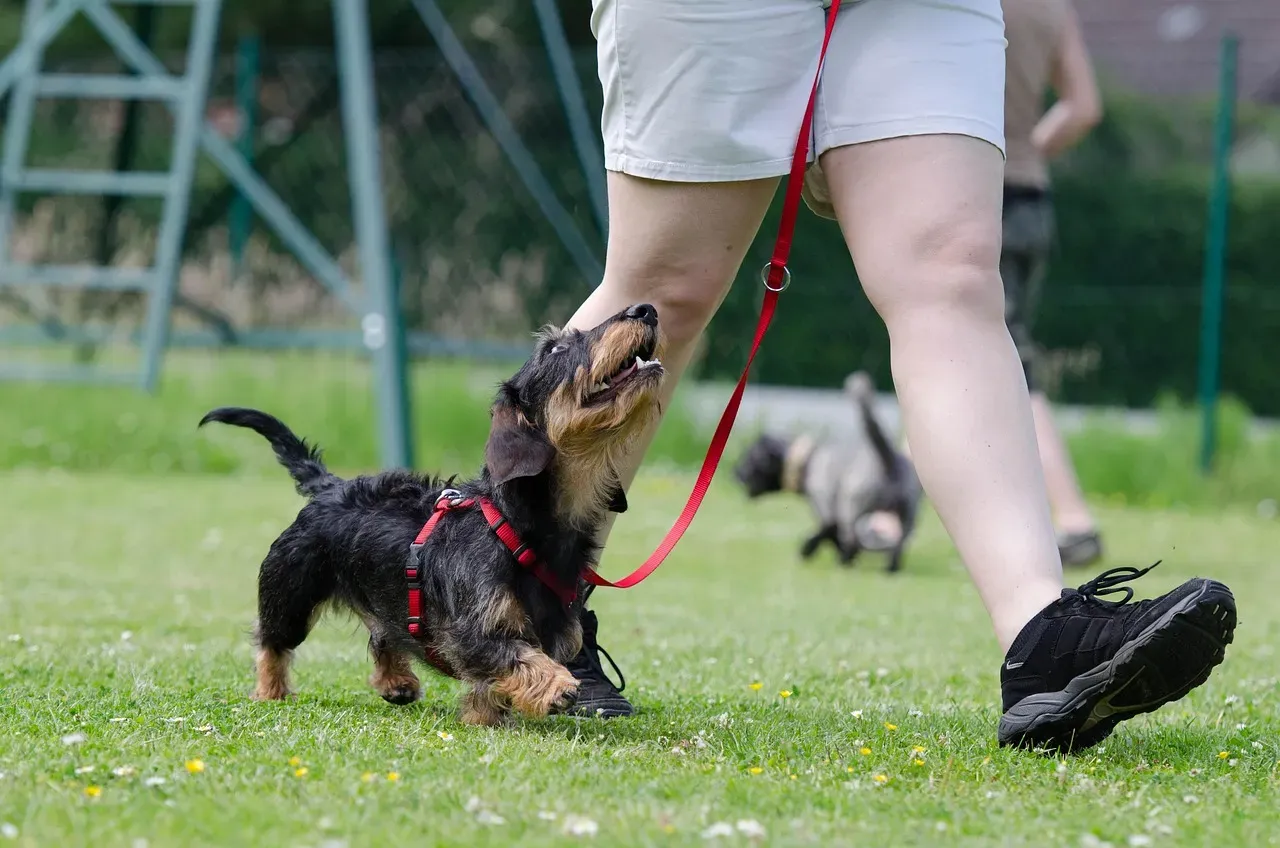
Another reason most dog training fails is because dog training requires absolute consistency. This is a very difficult thing for most people to understand and even harder for them to practice. SIT must mean SIT every time. If you tell your dog to SIT and he doesn’t and you are too tired to make him SIT, you have just started a problem. Now your dog knows that SIT doesn’t always mean SIT. It depends on how tired you are.
Different family members using varied techniques can create inconsistencies. Everyone involved in training should follow the same methods. This unity helps reinforce commands and behaviors. Clear communication among trainers ensures the dog receives the same message. Let’s be real, this is where most households quietly fall apart.
The more you say a word while the dog is confused, the less meaning the word has. Repeating “sit, sit, sit, SIT” in an escalating voice doesn’t teach anything. It actually trains your dog to tune the word out entirely. Ouch, right?
Stress, Past Trauma, and the Emotional Landscape of Learning

Stress hormones like cortisol actively interfere with memory retrieval in dogs. Major changes, such as moving homes, new family members, or schedule disruptions, can temporarily block access to previously learned behaviors. The memories aren’t lost, they’re just temporarily inaccessible. Think of it like your dog’s mental hard drive going into safe mode.
Past experiences shape a dog’s behavior and responsiveness to training. Dogs with traumatic histories or inadequate socialization may exhibit fear, anxiety, or reluctance to engage in training exercises. A rescue dog who spent months in a chaotic shelter is not the same as a puppy raised in a calm, loving home from day one. Their nervous systems are wired differently, at least initially.
Aversive-based training methods, especially if used in high proportions, compromise the welfare of companion dogs both within and outside the training context. A dog that has been scolded, startled, or punished during training may not be refusing to learn. That dog may genuinely be too afraid to try. There’s a heartbreaking difference between those two things.
Conclusion: Your Dog Isn’t Broken, and Neither Are You
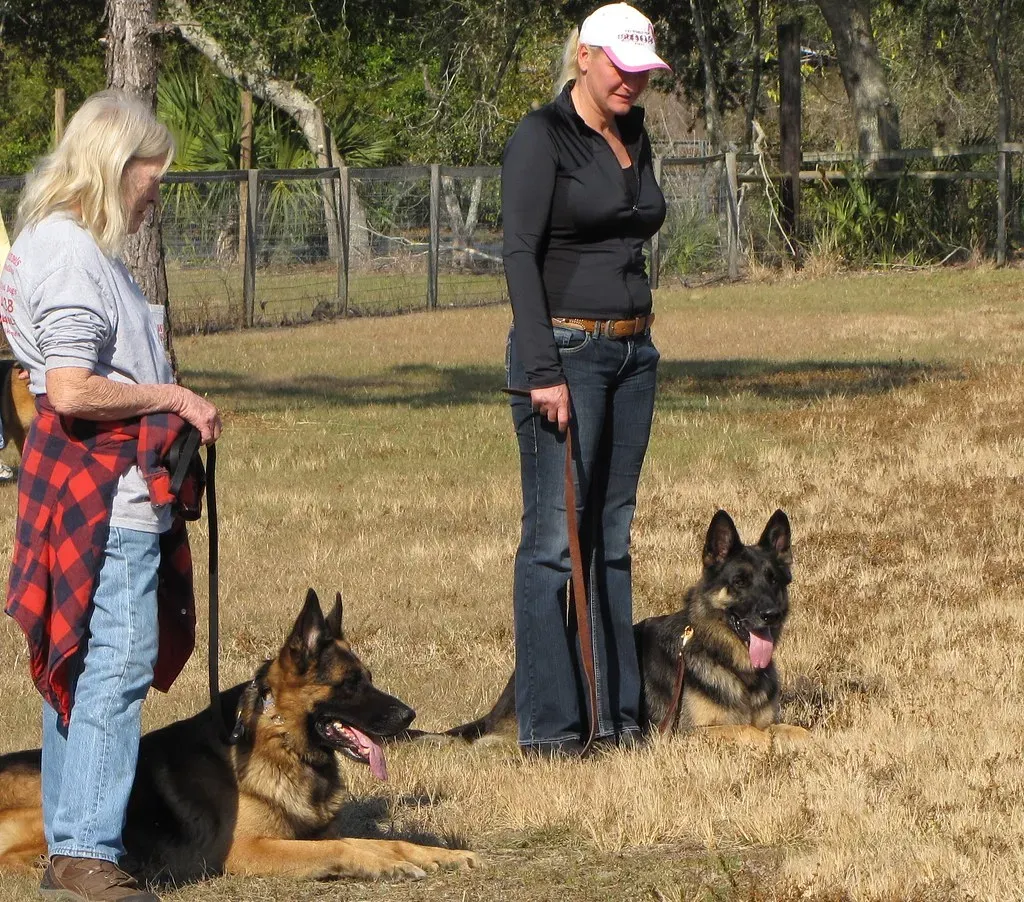
Here is what I want you to take away from all of this. When your dog seems impossible to train, it is almost never about the dog being stupid, or you being a bad owner. Environmental factors play a huge role in memory retrieval. A dog who performs “down” perfectly indoors might genuinely struggle with the same command on grass because their brain associated the behavior with specific environmental cues rather than the command itself.
To make training sessions more effective, keep them short and consistent. Use positive reinforcement like treats and praise to encourage good behavior. Training in various environments can help your dog retain commands better. Small shifts in your approach can produce genuinely remarkable results over time.
The most powerful thing you can do for your dog is to keep showing up with curiosity instead of frustration, with compassion instead of correction. Your dog is not plotting against you. They are simply a creature doing their best with the brain, body, and history they have. So the real question worth sitting with is this: now that you understand your dog a little better, what will you do differently tomorrow?


