
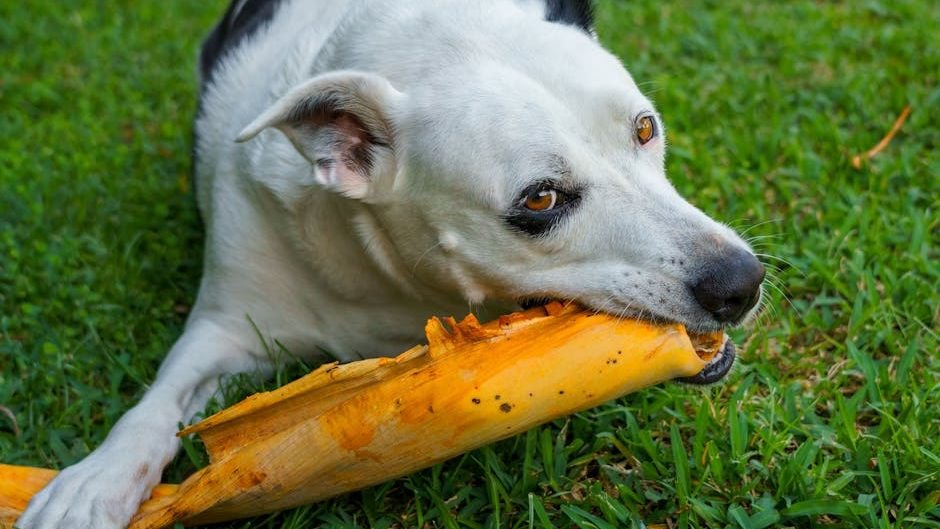
You reach for that colorful bag of treats, your dog’s tail goes into full helicopter mode, and for a moment everything feels perfectly right with the world. It’s one of the purest joys of dog ownership. But here’s the thing – what if that little ritual, that daily act of love, is quietly working against your dog’s wellbeing?
I know it sounds unsettling. Honestly, most dog owners never think twice about it. We read the front of the bag, see a happy golden retriever on the label, and assume everything inside is fine. The reality hiding in those tiny-print ingredient lists is worth knowing. Let’s dive in.
The Hidden Dangers Lurking in Your Dog’s Treat Bag
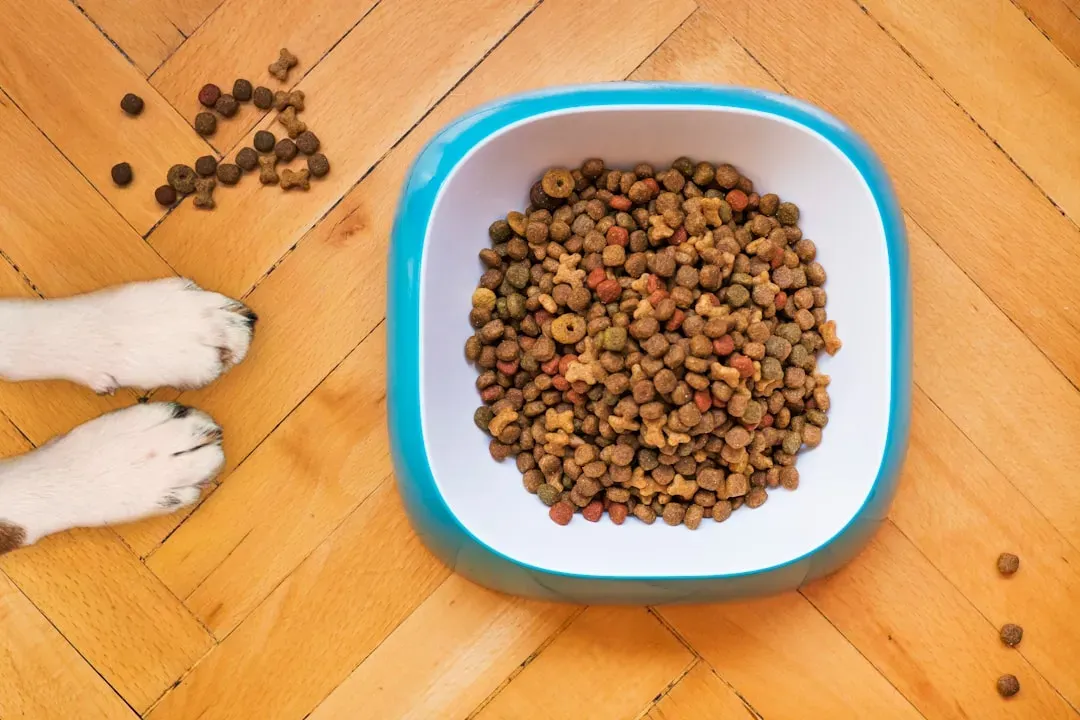
Think about the last time you handed your pup a treat. You probably didn’t check the ingredients. Most of us don’t, and that’s completely understandable. Many popular dog treats are packed with ingredients that can silently undermine your dog’s health, impacting everything from their digestion and skin to their long-term vitality. Hidden behind enticing marketing claims are cheap fillers, artificial chemicals, and dangerous sweeteners that have no place in a healthy canine diet.
Here’s what makes this especially tricky. Food and treat packaging can be very attractive, drawing your attention and making you think they are natural and wholesome. But the truth lies in the ingredients list. That cheerful packaging with “natural goodness” splashed across the front? It may be covering up a cocktail of chemicals your dog’s body simply wasn’t built to handle.
Synthetic preservatives are often added to extend the shelf life of treats and save manufacturers money. Many of these preservatives are considered carcinogens, which are dangerous to the health of your dog. In fact, some of the preservatives used in dog treats have been banned for human consumption, but they are still used in our pets’ treats. Let that sink in for a second.
Xylitol: The Sweet Ingredient That Can Kill
Of all the dangerous ingredients found in dog treats and human foods shared with dogs, xylitol stands in a category of its own. Of all the ingredients to avoid in dog treats, xylitol is arguably the most dangerous. This sugar alcohol is used as a low-calorie sweetener in many human products, from chewing gum and candy to baked goods and even some peanut butters. While perfectly safe for people, it is extremely toxic to dogs.
The speed at which this sweetener can cause harm is genuinely alarming. Research has shown that xylitol is absorbed extremely quickly, triggering the pancreas to release a sudden surge of insulin. This rapid insulin release can cause blood sugar levels to crash within 15 to 60 minutes. If left untreated, this condition can cause weakness, disorientation, tremors, seizures, and even death.
Another problem that xylitol can cause for dogs is liver damage. While in most cases the liver enzyme elevations are mild and dogs recover completely with medication, very large doses of xylitol in dogs can lead to liver failure, which is a much more serious and possibly fatal condition. The peanut butter scenario deserves special mention here. While your dog can have peanut butter, it’s important to be cautious when choosing which brand to use, as some brands contain xylitol. Always read the ingredient labels, even if it’s the same brand you have previously used. If you see xylitol listed, do not give it to your dog.
Synthetic Preservatives and Artificial Dyes: Slow-Burning Threats
Unlike xylitol, which acts fast, the harm caused by chemical preservatives and artificial dyes tends to build up quietly over time. Think of it like a dripping tap rather than a burst pipe. Health-related issues linked to synthetic preservatives in dog treats include liver damage, cancer, cell damage, damage to the circulatory and nervous systems, and even poisoning.
Butylated hydroxyanisole (BHA) and Butylated hydroxytoluene (BHT) are synthetic antioxidants used to preserve fats in foods. They are commonly found in dog treats and other pet foods to extend shelf life. Both have been linked to various health issues, including being classified as possible carcinogens. Long-term exposure can lead to liver and kidney damage.
Then there are those colorful, eye-catching treats that are clearly designed to appeal to you, the human shopper, not your dog. Artificial dyes are added to dog treats to make them more visually appealing for pet owners to buy. Dog treat companies knew that brown lumps of meat wouldn’t look too appealing, so they use food dyes to make their treats appear fun and enticing. However, those food dyes are not natural for dogs to consume, and they provide no nutritional value whatsoever. Your dog truly does not care if their biscuit is purple.
Sugar, Fillers, and the Obesity Trap
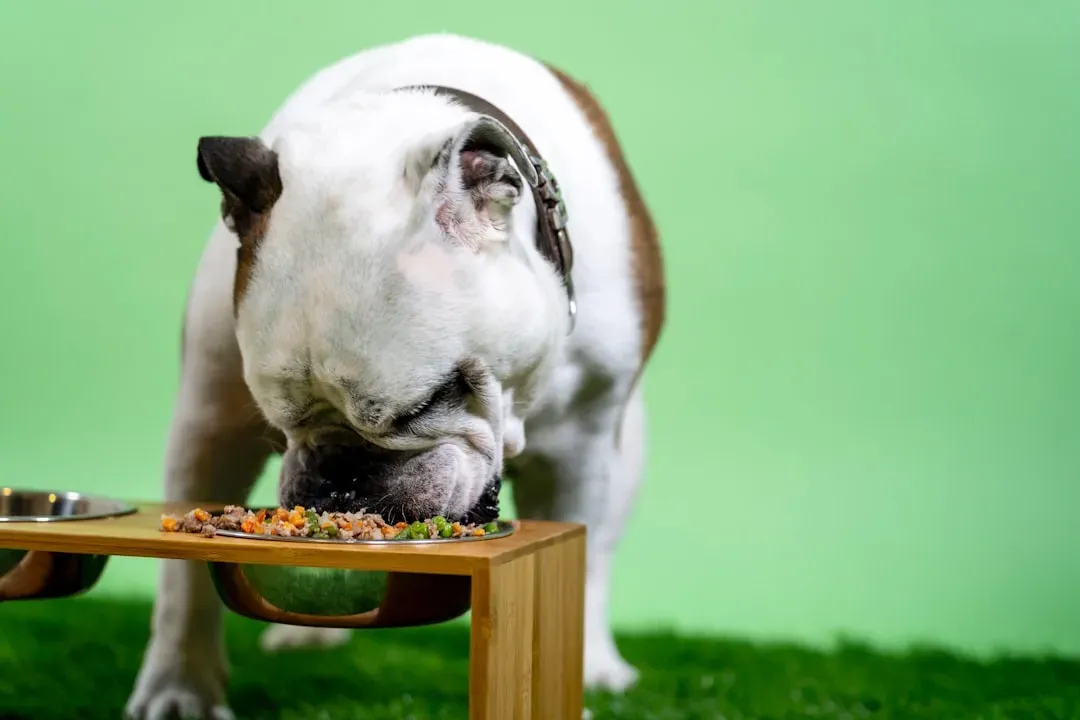
Let’s be real. Sugar in dog treats is one of those issues that doesn’t sound dramatic, but the long-term consequences are serious. Sugar can induce the same addictive properties in dogs as it does in humans. Unfortunately, many treats include sugar and can cause our fluffy ones to want more sugar-filled treats, which can quickly lead to obesity if left unchecked.
Corn syrup, a common sweetener used to enhance the flavor of dog treats, is high in sugar and offers no nutritional benefits. It can lead to weight gain and obesity, tooth decay and other dental problems, and increases the risk of developing diabetes. That’s a troubling list for something that’s just there to make a treat taste sweeter.
Cheap filler ingredients provide no nutritional value to pets and are not a natural part of a dog’s diet. Given that dogs aren’t supposed to consume these filler ingredients, their consumption can lead to bloat, food allergies, digestive problems, and diarrhea. Think of fillers like empty calories wrapped in a bow, shiny packaging that hides absolutely nothing of real value.
How to Choose Better Treats and Read Labels Like a Pro
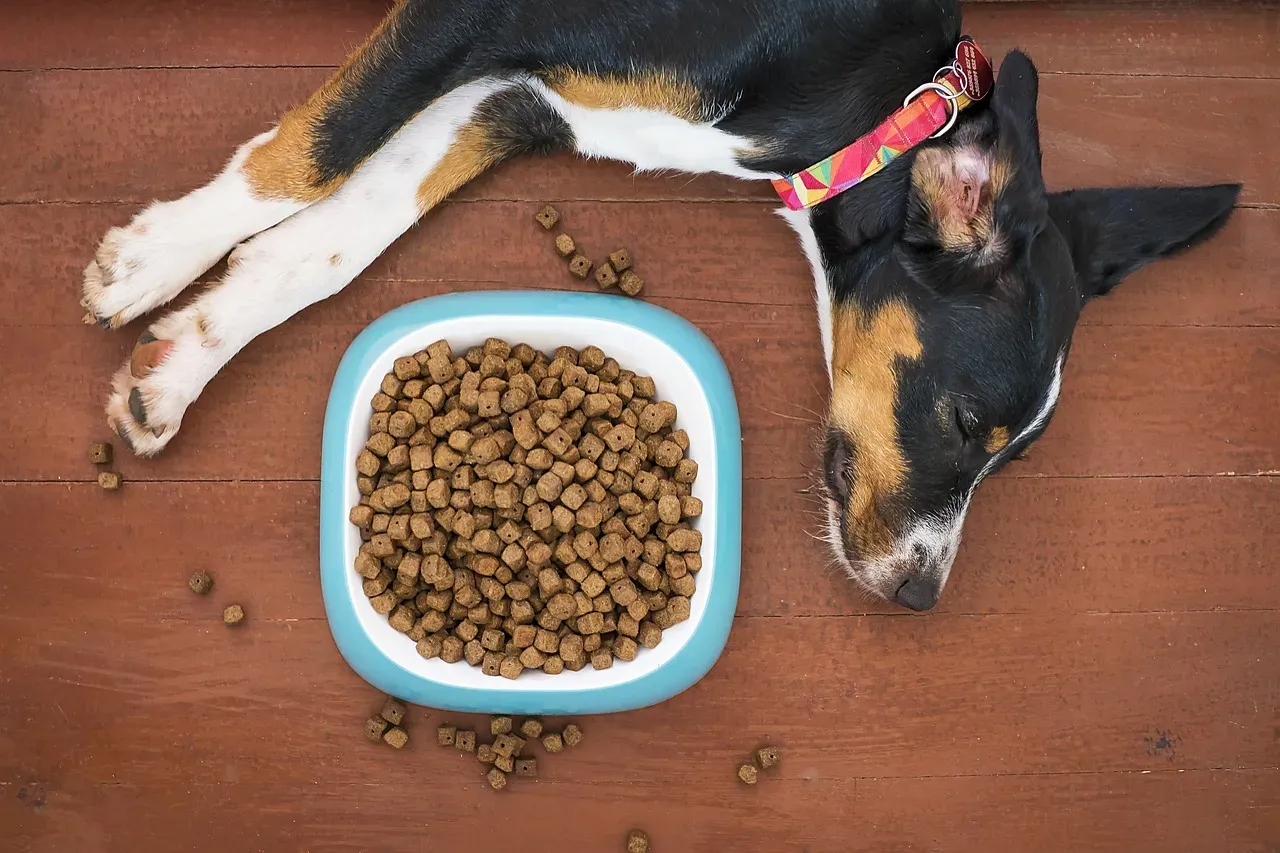
Here’s the good news. Once you know what to look for, shopping for safer treats becomes much easier. It just takes a minute of label-reading rather than going straight for the prettiest bag on the shelf. The ingredients of the diet are listed in descending order by weight. The first ingredient is always the protein source, followed by carbohydrates, fats, fiber, and then vitamins and minerals. So if the first ingredient is corn or a vague “meat by-product,” put it back.
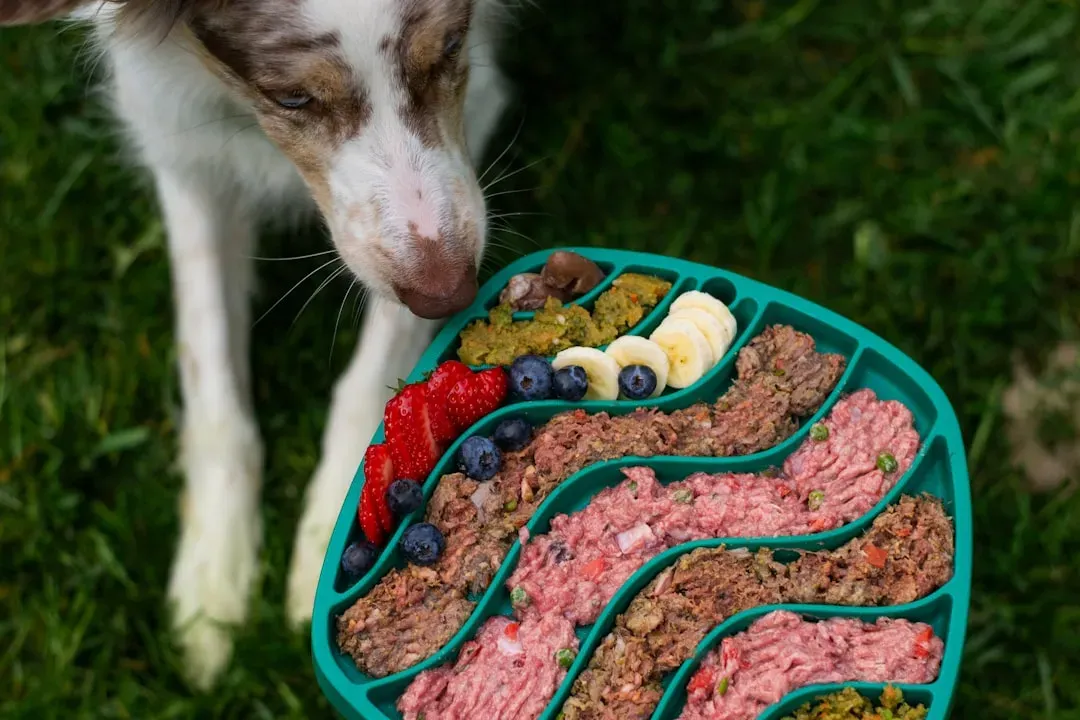
Look for treats preserved with mixed tocopherols (a form of Vitamin E), ascorbic acid (Vitamin C), or rosemary extract. These natural options are effective at keeping treats fresh without the associated health risks of their chemical counterparts. When it comes to the treat itself, simpler really is better. Many hypoallergenic treats eliminate common allergens, focusing instead on novel proteins like duck, venison, or fish, and simple carbohydrate sources such as sweet potatoes or peas. These alternative ingredients not only help in minimizing allergic reactions but also provide your dog with a balanced diet rich in nutrients.
Phrases like “with blueberries” or “made with kale” sound healthy, but these ingredients are usually in trace amounts and don’t meaningfully affect nutrition. Don’t be dazzled by clever marketing on the front of the bag. Flip it over. Always. And if you ever suspect your dog has eaten something harmful, immediately contact your veterinarian or Pet Poison Helpline. Do not induce vomiting or give anything orally to your dog unless your veterinarian directs you to do so. It is important to get treatment as quickly as possible.
Conclusion: Love Them With Better Choices
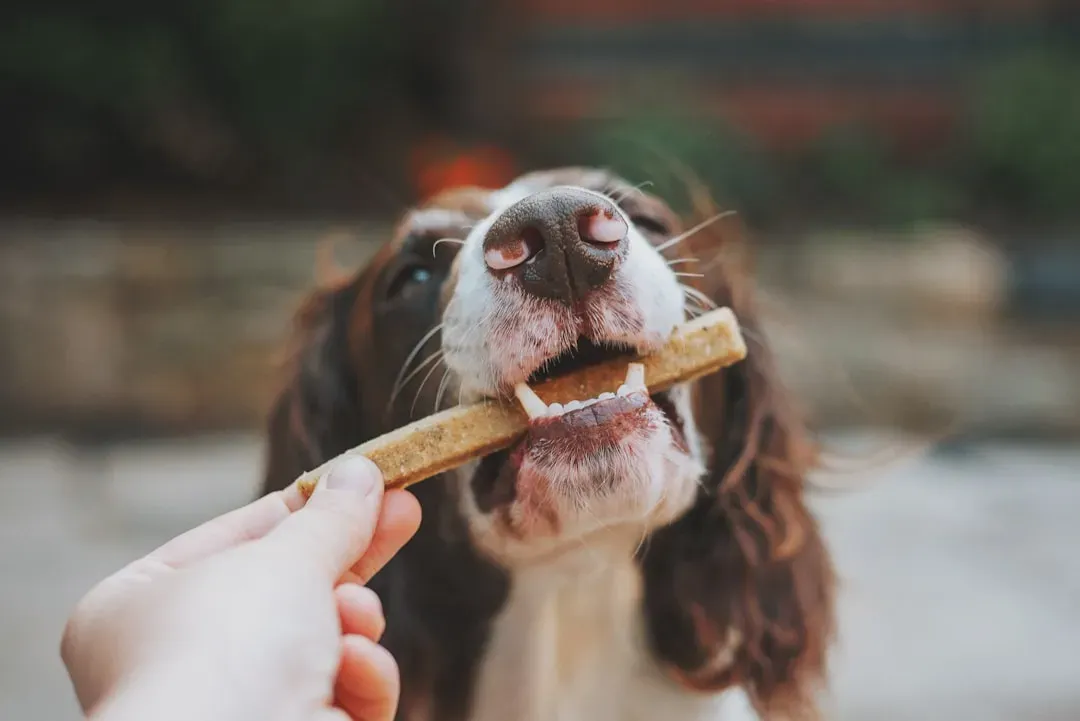
The truth is, treating your dog is one of the most natural and beautiful things you do for them every day. That tail wag? That’s real joy. Your intention has always been love, and that counts for everything. Now, with a little more awareness about what’s actually in those treats, you can make that daily ritual even more meaningful.
Swapping out chemically loaded snacks for single-ingredient treats, freeze-dried proteins, or even a small piece of plain sweet potato isn’t about being a perfect dog parent. It’s about being an informed one. Your dog can’t read the label. That’s your superpower in this relationship.
Treat time should be a moment of joy, not a slow-draining health risk. You’ve got all the tools you need to make it genuinely wonderful for both of you. So the next time you reach for that bag in the treat aisle, take five seconds to flip it over. Your dog is counting on you, and honestly, they deserve the very best you can give them.
What’s one ingredient you’ll be checking for the next time you buy dog treats? Share your thoughts in the comments below!


