
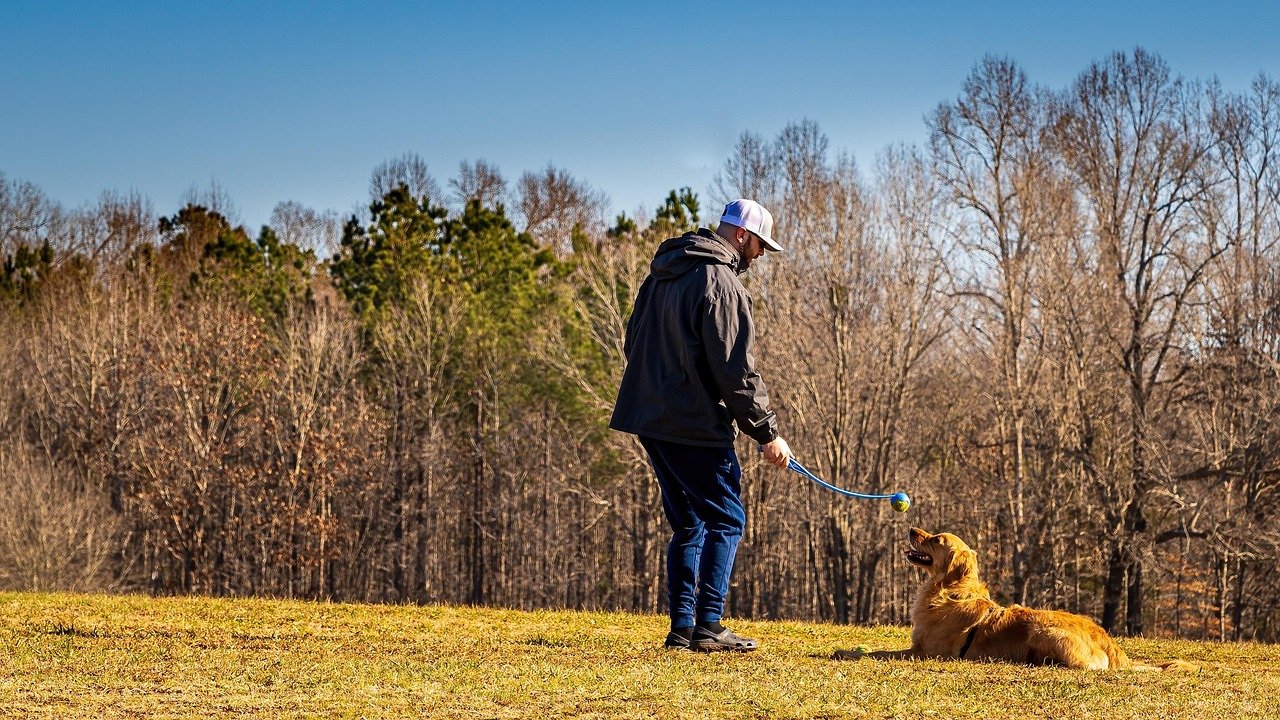
You’ve done everything right. Treats in hand, calm voice, patient repetition. You’ve watched the YouTube tutorials. You’ve read the blogs. Still, your dog looks at you mid-training session like you’re speaking a language from another galaxy, then casually trots off to investigate the corner of the couch. Sound familiar? You are absolutely not alone in this.
Millions of dog owners experience this exact frustration, wondering if their dog is broken, stubborn, or simply an outlier in the universe of trainable pets. The truth is far more interesting, and honestly, far more hopeful, than most people realize. Let’s dive in.
Your Dog Isn’t Being Stubborn – Their Brain Works Differently Than You Think

Here’s the thing most people don’t know: the way a dog’s brain processes commands is genuinely different from how we process language. Dogs process spoken commands through specialized auditory regions in their temporal cortex, but they’re actually reading multiple data streams simultaneously. That means your tone of voice, your posture, and the environment around them all compete for attention at once.
Timing matters more than most owners realize. The temporal lobe, which processes memory formation, works differently in dogs than in humans. While we can mentally connect events that happened minutes apart, dogs need nearly instantaneous feedback to form strong associations. So if your reward comes even a few seconds too late, you may be accidentally reinforcing the wrong behavior entirely.
Environmental factors also play a huge role in memory retrieval. A dog who performs “down” perfectly indoors might genuinely struggle with the same command on grass because their brain associated the behavior with specific environmental cues rather than the command itself. Think of it like learning a song on your guitar at home, then blanking when you try to play it on stage. Same song, different brain state.
Breed Instincts May Be Quietly Sabotaging Your Training Sessions
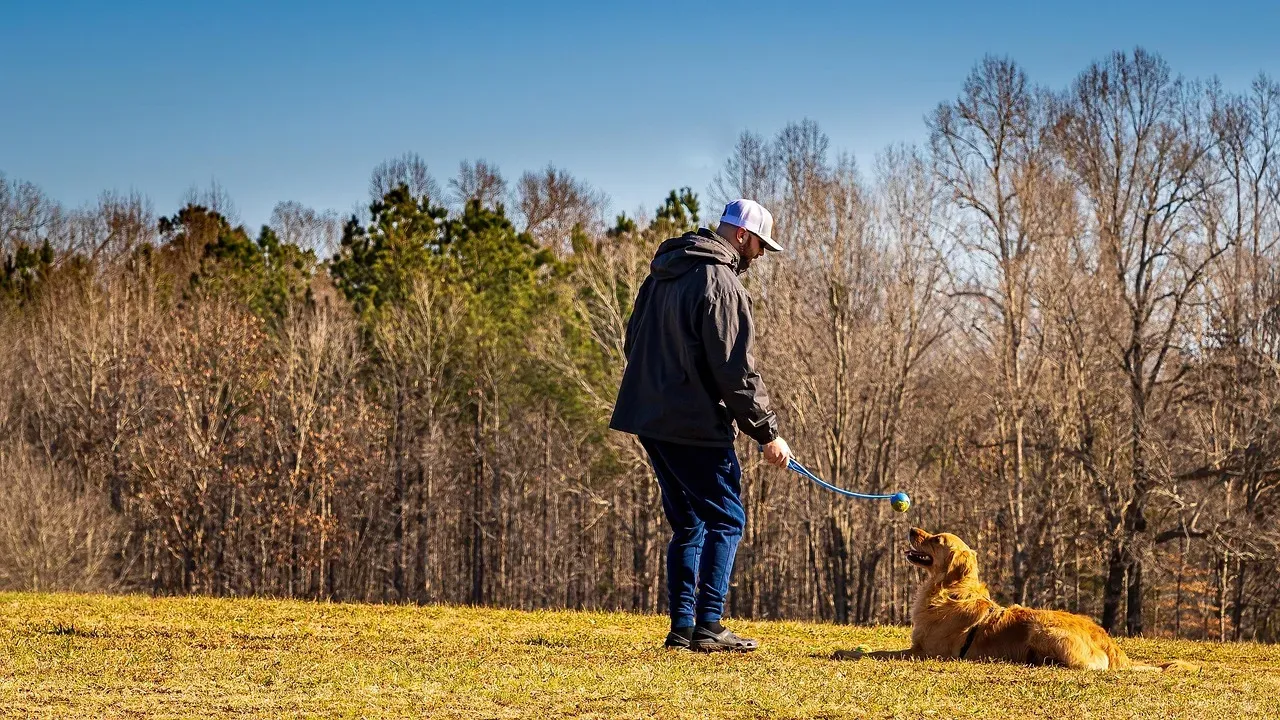
Let’s be real: not all dogs were designed to be “sit and stay” enthusiasts. Many dog breeds were originally developed for specific purposes, such as herding, guarding, hunting, or companionship, and those roles continue to shape their behavior today. Asking a scenthound to ignore a fascinating smell and focus on you is a little like asking a chef to ignore a kitchen fire to answer emails.
Hounds generally tend to be more aloof and independent, inclined to scout the territory on their own and follow a scent or a movement; they are not as interested in human interaction as bird dogs are. This isn’t defiance. It’s genetics doing exactly what centuries of selective breeding designed it to do.
Stubborn breeds like Afghan Hounds or Basenjis may be less motivated to follow commands, as they have an independent streak and may not see much reason to comply with their owners’ wishes. Honestly, I think that’s kind of admirable in a wildly inconvenient way. The fix? Learn your breed’s natural drives and work with them, not against them.
Hidden Health Issues Could Be the Real Reason Your Dog Isn’t Responding
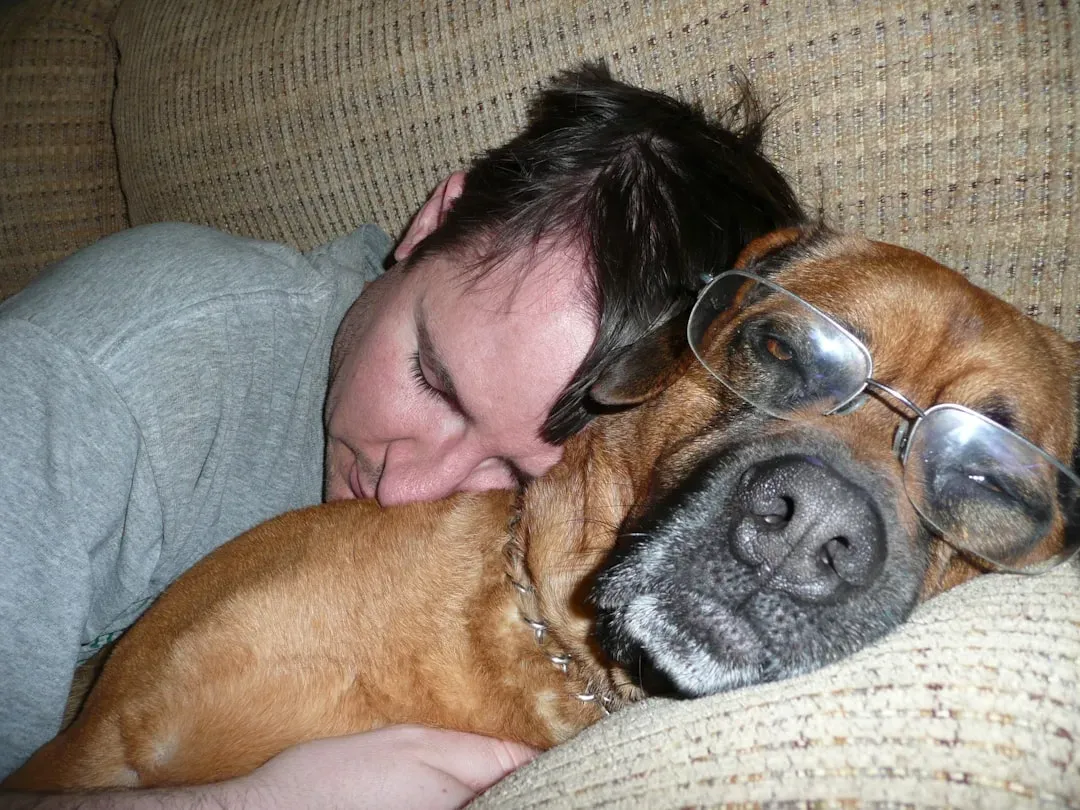
This is the one that surprises people most. Before you assume your dog is willfully ignoring you, please consider that something physical might be going on. Health problems cause behavior issues more often than people realize, and health issues are often missed. Think about it: if you are not feeling well, you are probably going to be cranky or not yourself. Your dog is the same way, except a dog does not have words to tell you.
Health issues can impact a dog’s ability to remember commands as well. Dogs suffering from illnesses or chronic pain may find it harder to focus. This can result in forgetting even the most basic commands. A dog with an undiagnosed ear infection, for instance, may not be ignoring “come” – they literally may not be hearing it clearly.
Health issues that can change your dog’s behavior include arthritis, hip dysplasia, luxating patellas, sore teeth, thyroid problems, epilepsy, ear infections, digestive issues, skin or environmental allergies, hearing loss, eyesight loss, and cancer. If your well-trained dog suddenly starts ignoring commands they previously mastered, a vet visit should be your very first step, not a training refresher.
Inconsistency in Your Household Is Probably Confusing Your Dog More Than You Know

Here’s an uncomfortable truth that most training articles dance around: sometimes the problem is us, not the dog. Often, the biggest obstacle in training isn’t the dog – it’s inconsistent human behavior. When one family member lets the dog jump up for a cuddle while another scolds the same behavior, the dog isn’t learning a rule. They’re learning that rules are optional.
Confusing command words can create a significant barrier in dog training. Dogs learn best when commands are clear and consistent. Using similar-sounding words or multiple phrases for the same action can confuse them. Switching between “come,” “here,” and “over here” may feel natural to us, but to your dog it sounds like three completely different instructions.
Studies indicate that stress also affects canine memory. High stress levels disrupt the balance of hormones. This can impair a dog’s ability to remember commands. Creating a calm training environment can reduce stress and enhance memory. So your tense, rushed ten-minute training session before work? It might be doing more harm than good.
Emotional Baggage and Anxiety Can Silently Block Learning

This one goes deep, and it matters enormously, especially if you’ve adopted a rescue. Dogs, like people, can carry emotional baggage from their past. If your pet has been through a traumatic situation, it might impact their capacity to trust, listen, and respond to commands. A dog in survival mode simply cannot be in learning mode at the same time.
Poorly socialized dogs face compound challenges. Not only do they struggle with stress management, but they often develop hypervigilance that makes sustained attention nearly impossible. These dogs need patient, gradual exposure work alongside command training. Rushing the process with an anxious dog is like trying to teach someone mathematics during a fire alarm.
Past experiences shape a dog’s behavior and responsiveness to training. Dogs with traumatic histories or inadequate socialization may exhibit fear, anxiety, or reluctance to engage in training exercises. The good news? With consistency, warmth, and the right support, even deeply anxious dogs can make incredible progress. It just takes more time, and that’s completely okay.
Conclusion: Your Dog Is Not a Lost Cause – They Just Need a Different Approach
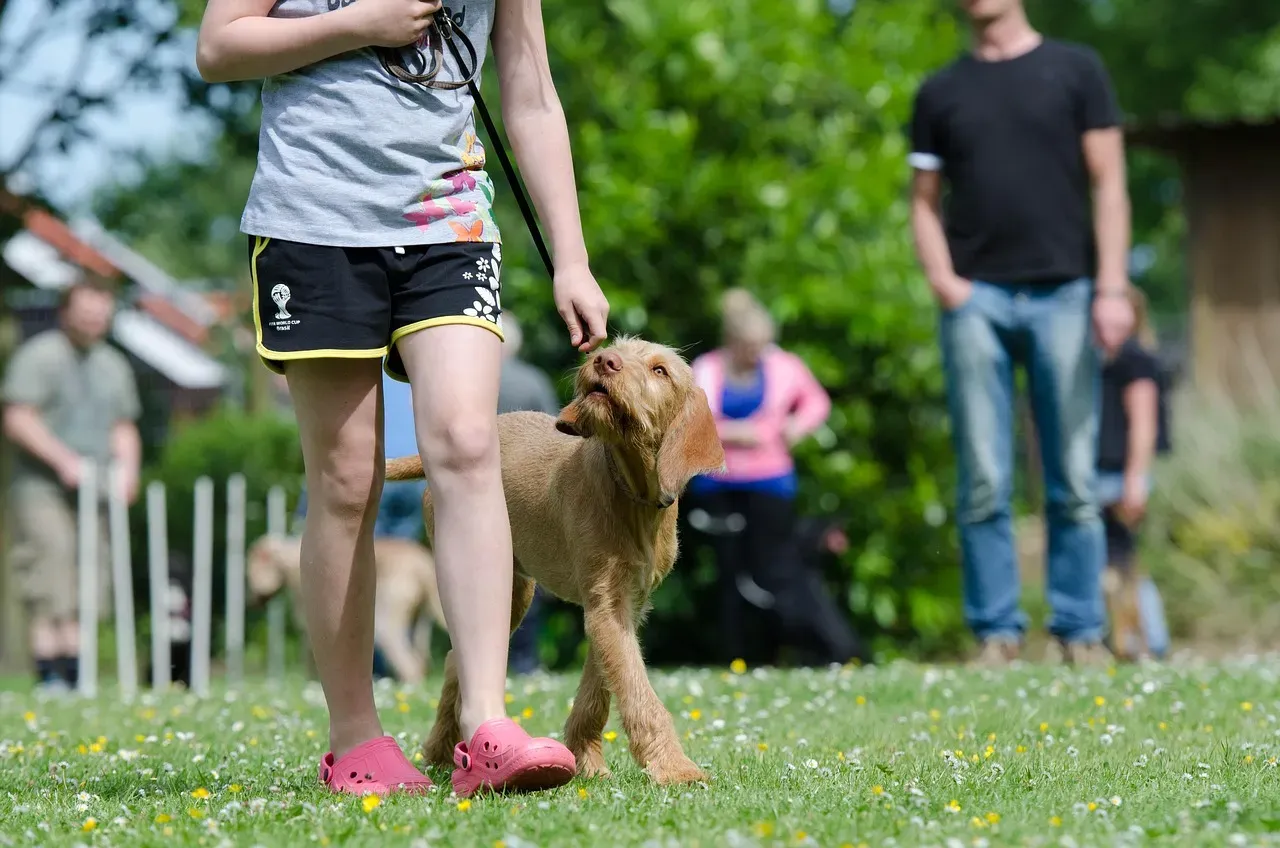
If you’ve read this far, you already care deeply enough to make a real difference for your dog. That matters more than any training technique. The truth is, every dog has a unique learning fingerprint. Some are visual learners who respond best to hand signals, while others are auditory processors who excel with verbal cues. Identifying your dog’s learning style dramatically impacts training success.
Professionals understand that every dog learns differently, so they create customized training plans to identify the dog’s unique challenges, motivation levels, and triggers. There is no one-size-fits-all formula, and the sooner we let go of that idea, the sooner real progress begins.
Your dog isn’t failing training. They’re waiting for training that actually speaks their language. So check their health, study their breed, simplify your commands, and above all, be the consistent and calm presence they need you to be. What do you think has been the biggest block in your own training journey? Share your story in the comments – chances are, another dog lover out there needs to hear it.


