

There’s something quietly heartbreaking about watching a dog you’ve loved for years start to slow down. Not just physically, but mentally. The dog who used to sprint to the door at the jingle of a leash now stands in the hallway looking a little lost. The spark still flickers. You just need to help fan it.
Here’s something most dog owners don’t know: mental decline in senior dogs is not inevitable. It is common, yes, but there is a whole world of science-backed, easy-to-do activities that can keep your older dog’s brain firing on all cylinders. And the best part? Most of them take no more than 15 minutes a day. So before you resign yourself to just watching your grey-muzzled best friend sleep through their golden years, let’s dive in.
Understanding What’s Actually Happening in Your Senior Dog’s Brain
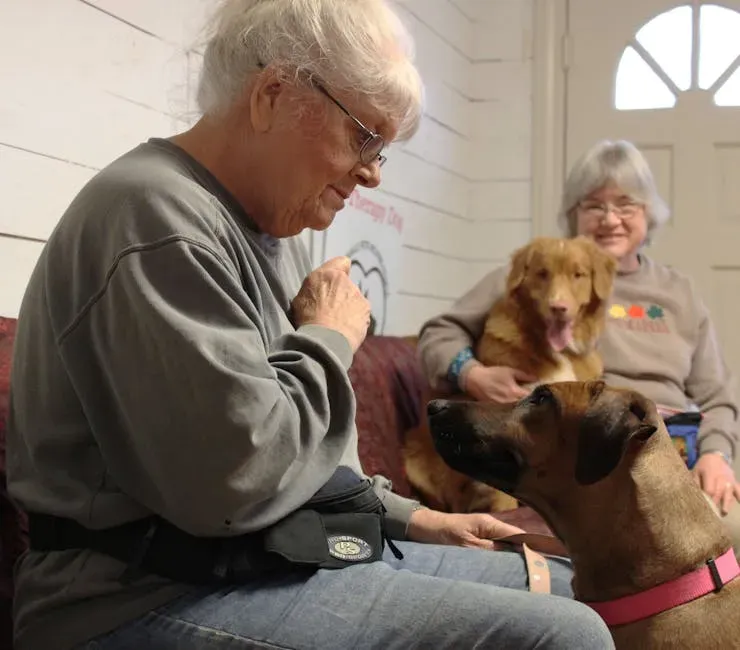
If your older dog has ever seemed confused, stood staring at a wall, or forgotten a command they’ve known for years, you’re not imagining things. One of the most common age-related brain issues in dogs is canine cognitive dysfunction, sometimes called “doggie dementia,” which develops when harmful byproducts of metabolism gradually damage brain tissues, leading to a slow decline in function. It’s eerily similar to what humans experience with Alzheimer’s disease.
Senior dogs are at the highest risk, with roughly 28% of dogs aged 11 to 12 affected, and that number rising to 68% in dogs aged 15 to 16 years old. Those are staggering numbers. Signs of canine cognitive decline can be so gradual that pet parents may not even notice them because they adapt to them or simply excuse them.
Signs to watch for include disorientation, such as staring blankly at walls or floors, getting trapped in corners or behind furniture, and going to the wrong side of the door. Knowing what you’re looking at changes everything, because the sooner you spot it, the sooner you can act.
The Science Behind Why Mental Stimulation Actually Works
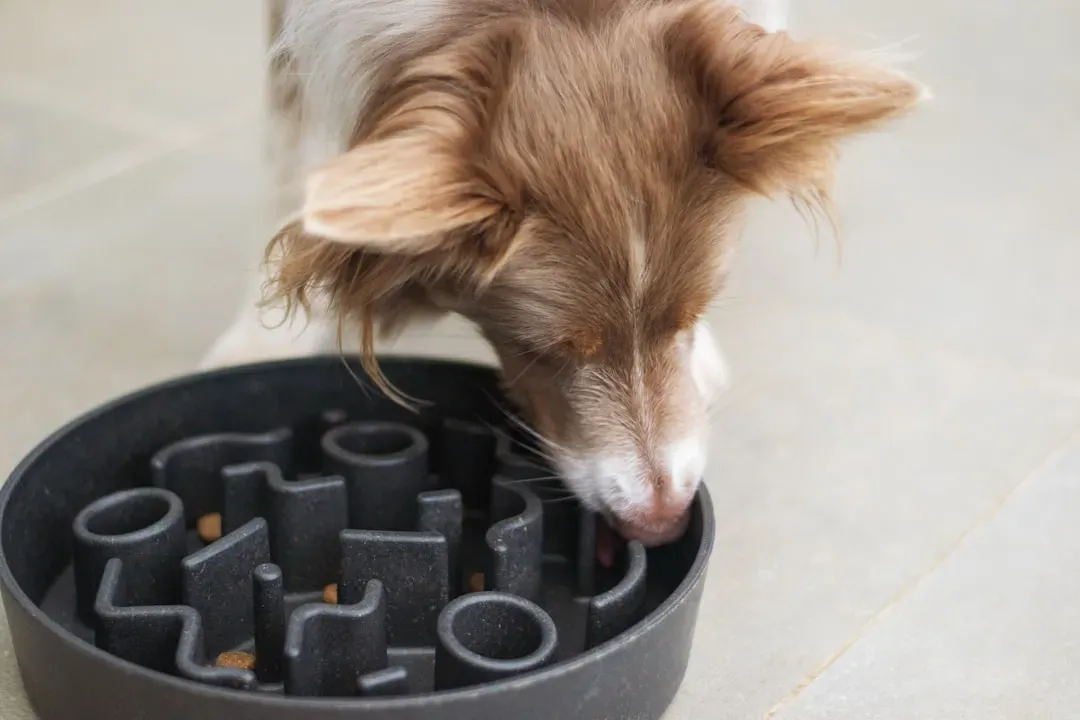
Think of your senior dog’s brain like a muscle. Use it, and it stays stronger for longer. Neglect it, and it wastes away quietly. Research shows that giving older dogs mental exercise through new problem-solving experiences and exposure to richer, different environments helps offset the usual decline in mental efficiency, actually changing the physiology of the brain by creating new connections between existing neurons in the cortex.
Research published in PubMed concludes that combinations of dietary intervention and behavioral enrichment may be more beneficial than single-pathway approaches in delaying cognitive aging and retaining various cognitive functions. In other words, it’s not just about one activity. It’s about layering small, consistent efforts every single day.
Environmental enrichment is very helpful for maintaining brain health, using the concept of “use it or lose it,” and continuing to provide physical exercise, play sessions, new toys, and even new training can all help enrich the lives and brains of older pets. Honestly, that is both simple and encouraging.
Turn Walks into a Full-Blown Sniff Safari
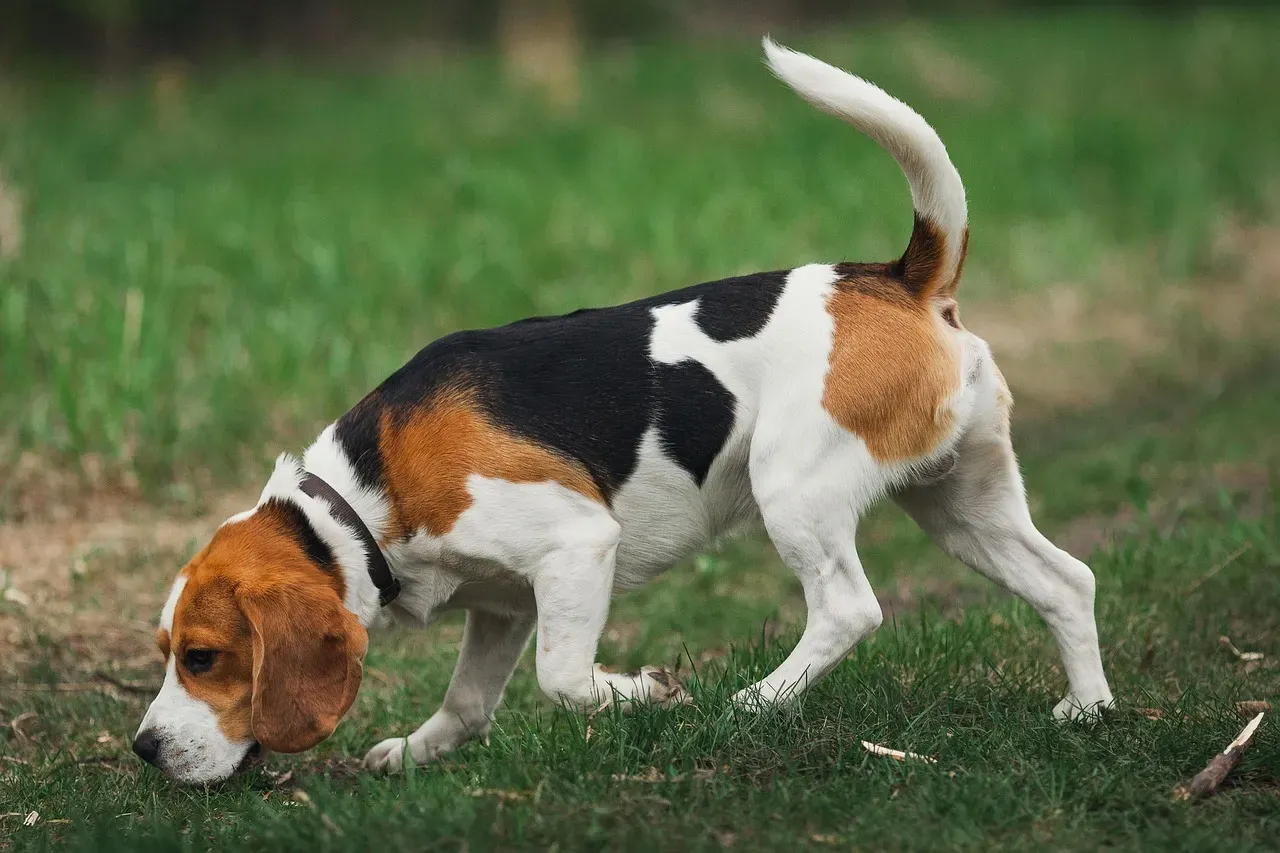
Forget the brisk, get-it-done walk where you’re basically dragging your dog past every interesting smell. That kind of walk is for you, not them. Opportunities to use their nose are great for senior dogs who may have limited mobility, so nose-work activities, including sniffy walks, also known as a “sniffari,” are especially valuable. Let your dog lead. Let them stop. Let them smell everything.
One veterinary school professor noted that 10 to 20 minutes of sniffing a day can provide more mental stimulation than almost anything else. That’s a remarkable thought when you consider a dog’s nose contains over 200 million scent receptor cells compared to roughly five million in humans. Your dog is essentially reading a novel every time they sniff a fire hydrant.
Scent walks allow senior dogs to explore the world at their own pace, reducing stress and boosting mood through sniffing, which lowers heart rate and releases dopamine. Switching up walking routes regularly introduces fresh scents and sights, keeping their mind engaged and walks exciting. Simple. Free. Deeply effective.
Puzzle Toys: The Daily Crossword for Your Dog
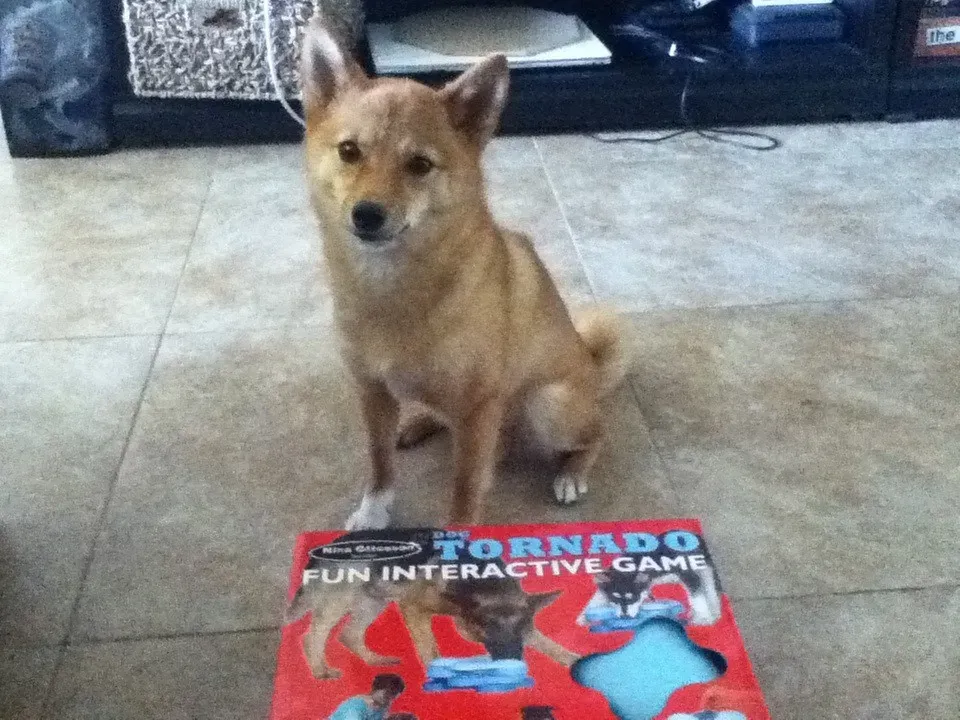
Just like some people kick off their morning with a crossword puzzle to stay sharp, your senior dog benefits enormously from problem-solving activities. Puzzle toys are an excellent way to engage an aging dog in mentally stimulating activities, as they engage problem-solving skills and keep the mind sharp. The goal isn’t to frustrate them. It’s to give them a satisfying challenge.
Hiding treats around the house is a fun idea to keep older dogs moving and thinking. Puzzle toys are great, but you need to rotate them so they don’t get used to the same one. Think of it like rotating the channels on TV. Familiarity breeds boredom, and boredom is the enemy of a sharp brain.
Start simple. A muffin tin with treats hidden under tennis balls is a genuinely great beginner puzzle. Start with simple activities and gradually increase the difficulty level as your dog gains confidence. The pride they feel when they figure it out is, honestly, one of the most heartwarming things you’ll ever witness.
Yes, You Really Can Teach an Old Dog New Tricks
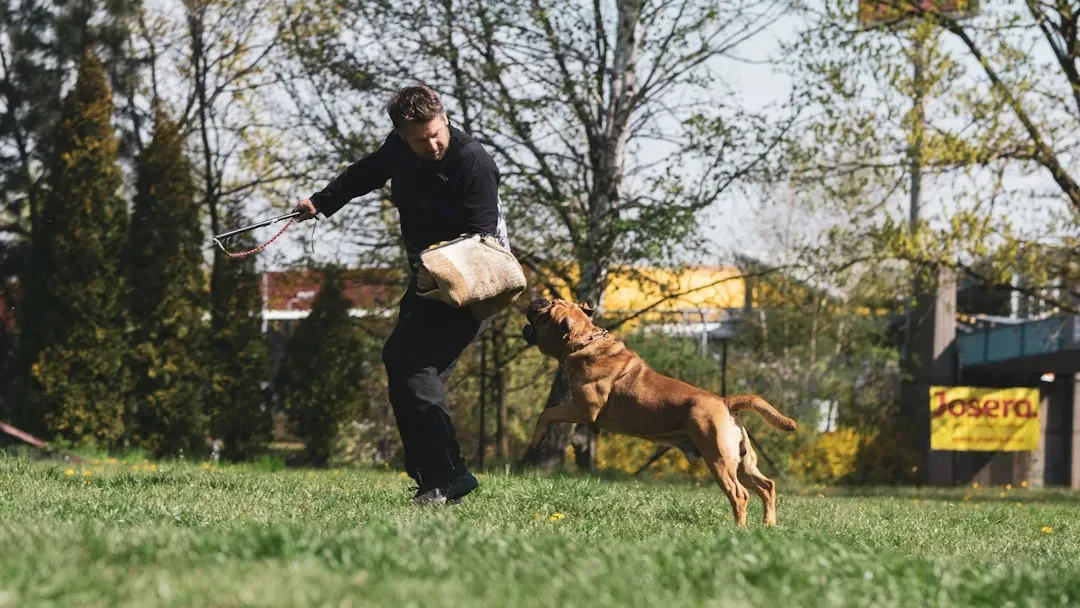
Let’s put that old saying to rest right now. Contrary to common belief, older dogs can be ideal candidates for learning new tricks due to their heightened focus and attentiveness, attributes that often surpass those exhibited during their puppy years. Your senior dog isn’t past their prime. They’re just operating on a different frequency.
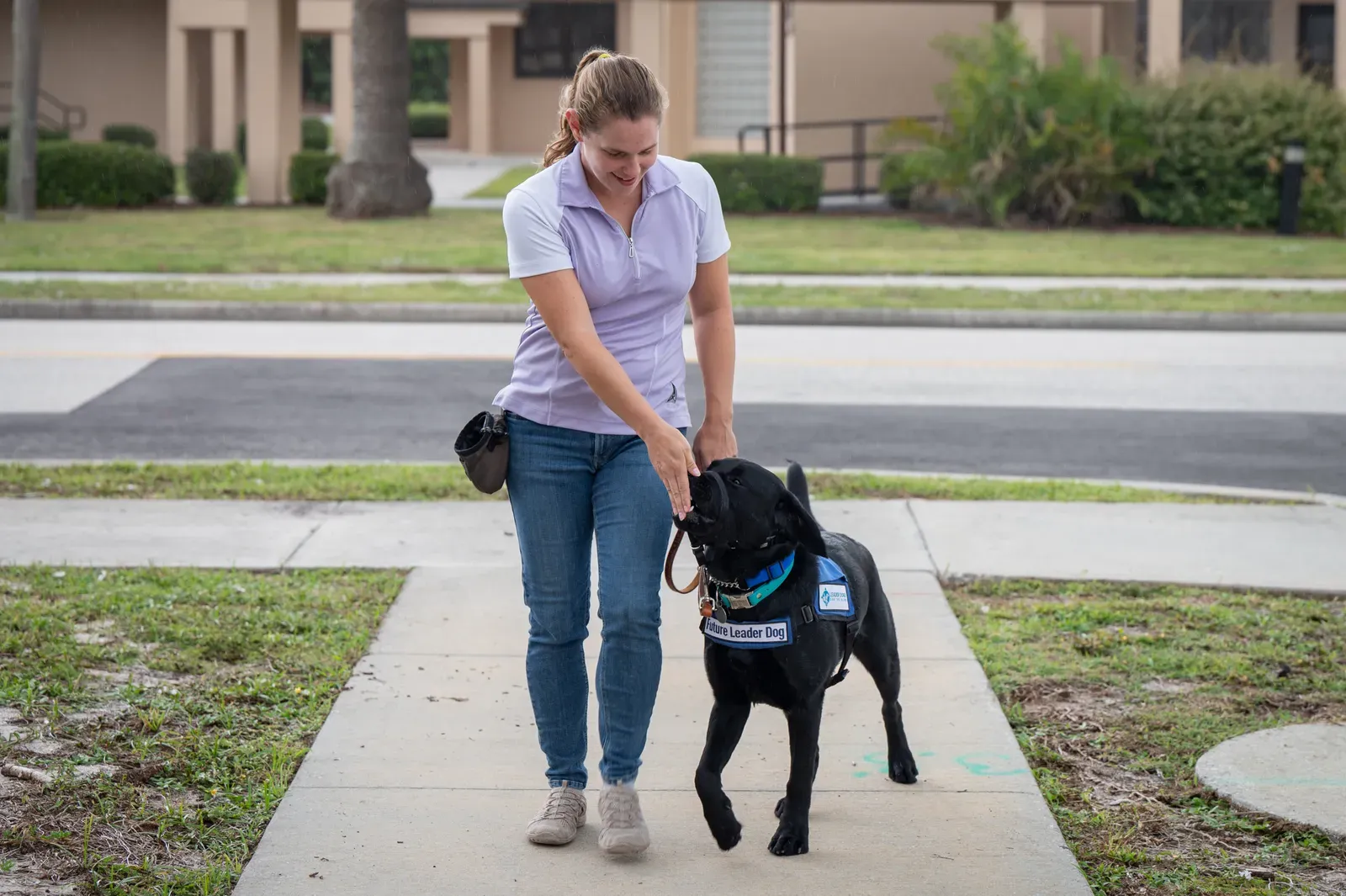
The idea that you can’t teach an old dog new tricks is simply false. In fact, teaching new tricks may be the key to slowing cognitive decline in your senior dog. Keep training sessions short, around five to ten minutes, and always end on a win. Positive experiences build confidence and keep the brain actively forming new pathways.
Even if your dog has already mastered some basic tricks, there remains a vast array of new skills and behaviors to explore. The process of training aging dogs not only imparts new abilities but also instills a sense of accomplishment, fostering confidence in them. That confidence is something you can actually see in their posture. Their tail lifts a little higher. It’s beautiful.
Nose Work Games: Tap Into Their Greatest Superpower
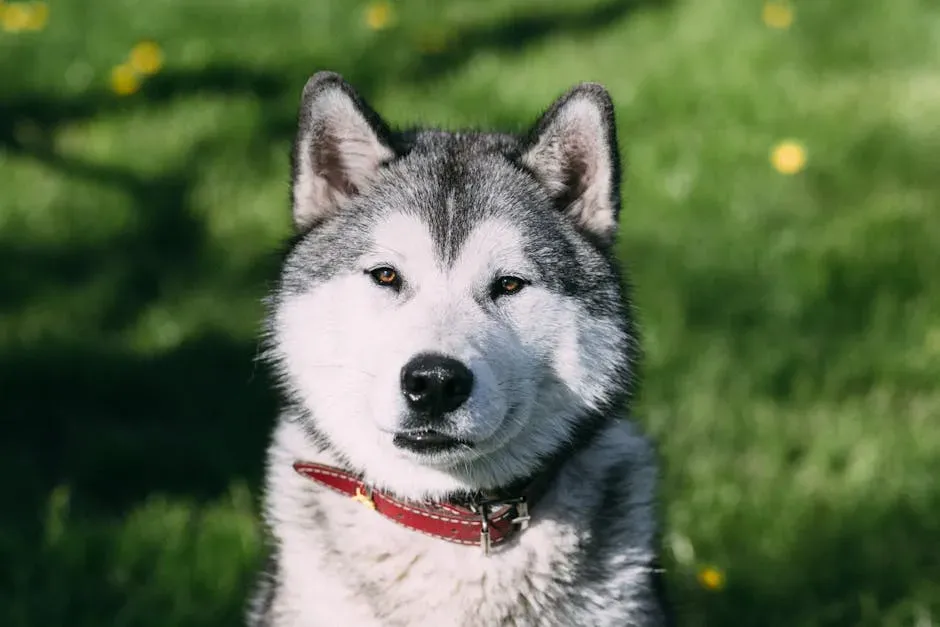
If there’s one activity that delivers the highest return on the smallest investment of time, it’s nose work. Dogs have more than 200 million receptor cells in their snouts compared to the five million humans have, making nose work an excellent activity for senior dogs. It requires no running, no jumping, and no expensive gear. Just their incredible nose and a treat worth hunting for.
Scent work and “find it” games engage a senior dog’s brain while satisfying their natural sniffing instincts. Activities like the shell game using cups, muffin tin puzzles, and box searches all provide fun, low-impact mental stimulation. Try hiding a treat in one of three cups and letting your dog sniff out the right one. Watch how quickly they get completely absorbed in the task.
The beauty of nose work is that it tires a dog out mentally without demanding anything physically taxing. For a dog dealing with arthritis or sore joints, this is genuinely life-changing. Their body can rest while their brain gets a proper workout.
Social Time: Don’t Let Them Become Isolated
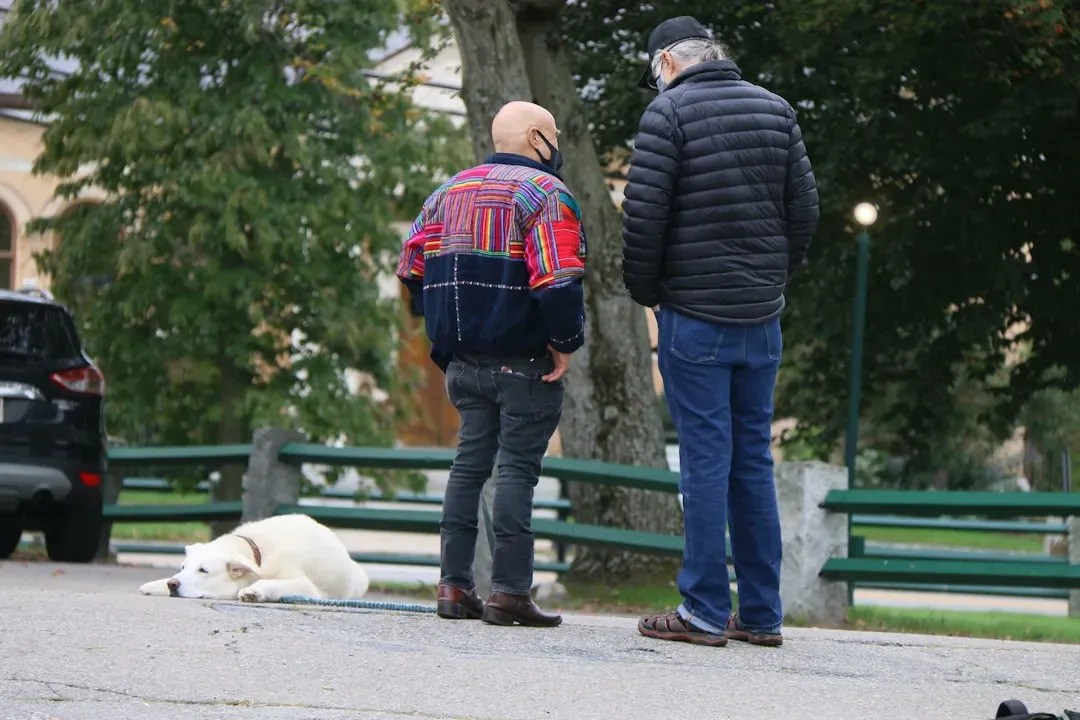
Here’s something people sometimes overlook. Socialisation with other dogs is not only beneficial for a dog’s overall well-being but can also contribute positively to their mental health, including cognitive function. Interacting with other dogs provides mental stimulation through communication, play, and problem-solving. Even calm, gentle social time with another relaxed dog can do wonders.
For some dogs, spending time with canine friends can be mentally stimulating. Watch your dog carefully to ensure they are not getting stressed or too worn out, especially if playing with younger dogs who usually have more energy and stamina. The key word here is comfortable. Not every senior dog wants a puppy bouncing off their head. Read your dog’s cues.
Look for calm meet-ups with similarly aged dogs, or even just quiet companionship. Sometimes just lying near a calm friend, sharing space and trading the occasional sniff, is enough to lift a senior dog’s whole demeanor for the rest of the day.
Enrich Their Environment at Home
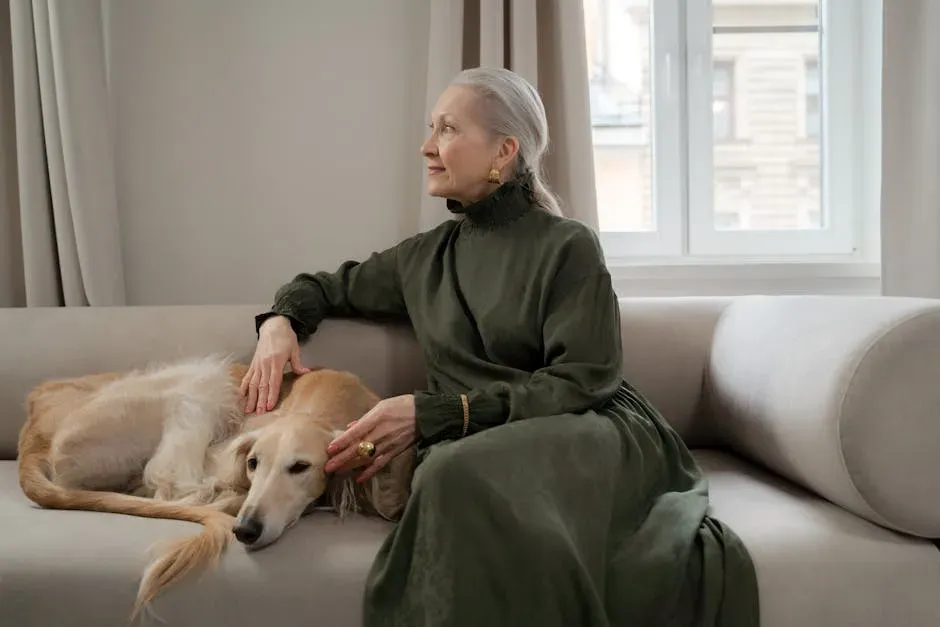
Your dog spends most of their time at home. That means home needs to be interesting. A dog’s lack of mental stimulation and physical exercise throughout its life can contribute to the development of cognitive dysfunction, and environments lacking enrichment such as noises, scents, and visual stimuli may actually accelerate cognitive decline as the dog ages. This is a big deal.
Creating a cozy, safe spot by a window or glass door where your senior dog can relax and observe the world outside gives them gentle mental stimulation and helps prevent boredom. It sounds almost too simple to work, but watching birds, squirrels, and people pass by is genuinely engaging for a dog. Think of it as their version of daytime television, only far healthier.
If your senior dog spends a lot of time in your backyard, chances are it has become a routine and somewhat boring environment. A few simple additions can make their time outside more stimulating, like hanging ropes or toys from a fence or tree, or adding small logs for them to investigate and climb upon. Fresh objects, new smells, small surprises. That’s the recipe.
Feed Their Brain from the Bowl Up
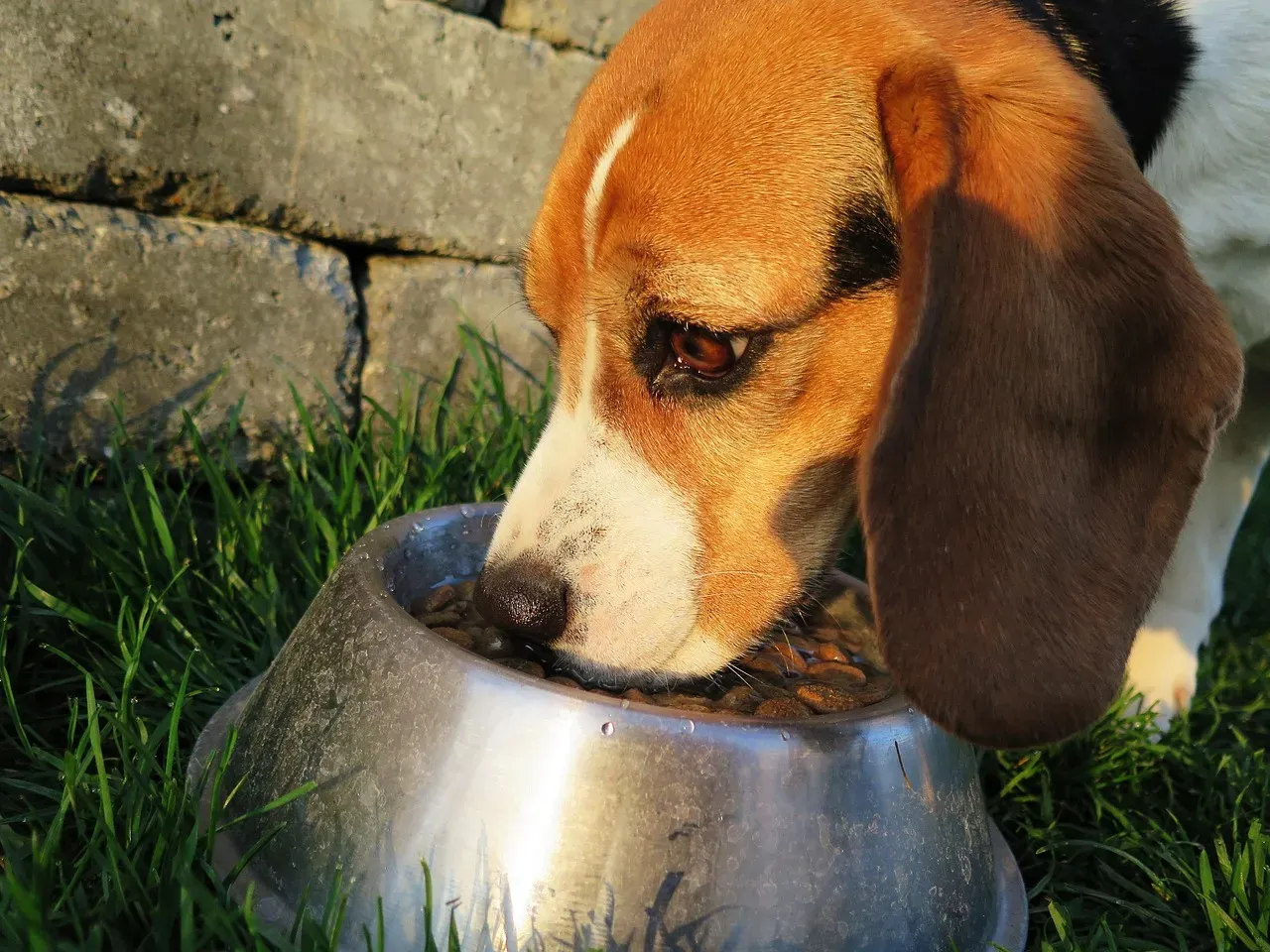
What goes into your dog’s bowl has a direct impact on what happens inside their skull. Diet therapy has been shown to be helpful for senior pets, and diets rich in antioxidants and medium-chain triglycerides can aid brain function. Think of antioxidants as tiny bodyguards that neutralize the free radicals damaging brain cells from the inside out.
Working with your veterinarian, consider foods rich in antioxidants as they are shown to boost learning and spatial attention. Brain-supporting foods you can consider, with vet guidance, include blueberries, raspberries, carrots, spinach, and kale. These aren’t exotic superfoods. They’re probably already in your kitchen.
Omega-3 fatty acids, which are anti-oxidant and anti-inflammatory, found in fish oil are another excellent option. A balanced diet and specific supplements can contribute to your senior dog’s brain health. Vitamins E and C in particular are known to protect the brain and nervous system, and combined with regular mental stimulation, these supplements can help slow the impacts of aging. Always consult with your vet before introducing new supplements.
Gentle Physical Exercise Still Matters Enormously
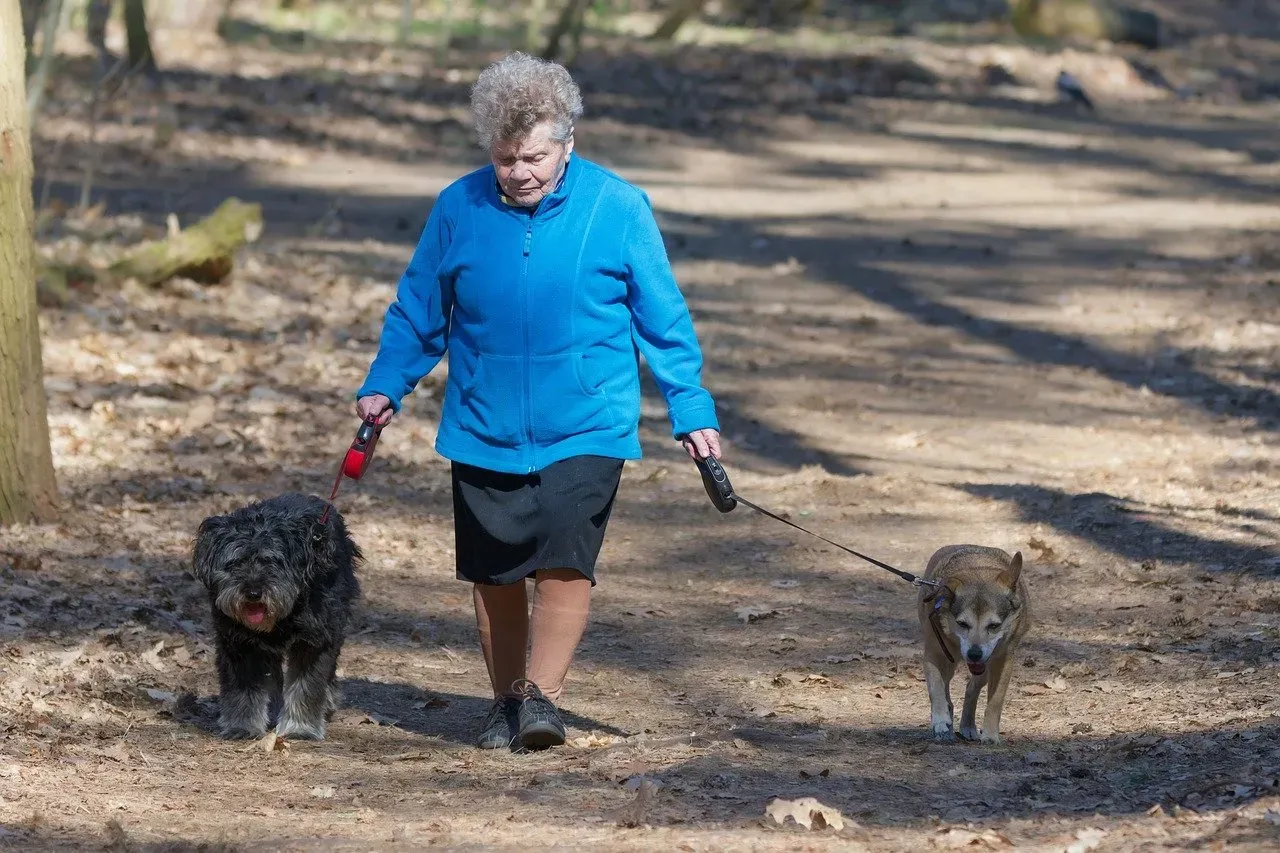
I know, this is an article about mental sharpness. But the mind and body are not separate systems. Physical activity is not just good for your senior dog’s body but also beneficial for their brain. Regular physical and mental exercise promotes good circulation, which in turn ensures that the dog’s brain is well supplied with oxygen and nutrients. Think of blood flow to the brain as the delivery service keeping everything running.
Regular exercise helps reduce stress, anxiety, and boredom, contributing to a happier and mentally balanced dog. The type and intensity of exercise should be appropriate for the dog’s age, breed, and health condition, and tailoring the routine to your dog’s specific needs ensures maximum cognitive benefits while minimising the risk of injury. A gentle 20-minute stroll beats a 5-minute sprint every time.
Walking your normal route in reverse, or choosing a totally different path, and stopping during the walk to run your senior through known commands while also introducing something new, can be a brilliant combined physical and mental workout. Be patient and keep it fun. It’s not about the miles. It’s about the moments of engagement along the way.
Partner with Your Vet: The Smartest Thing You Can Do
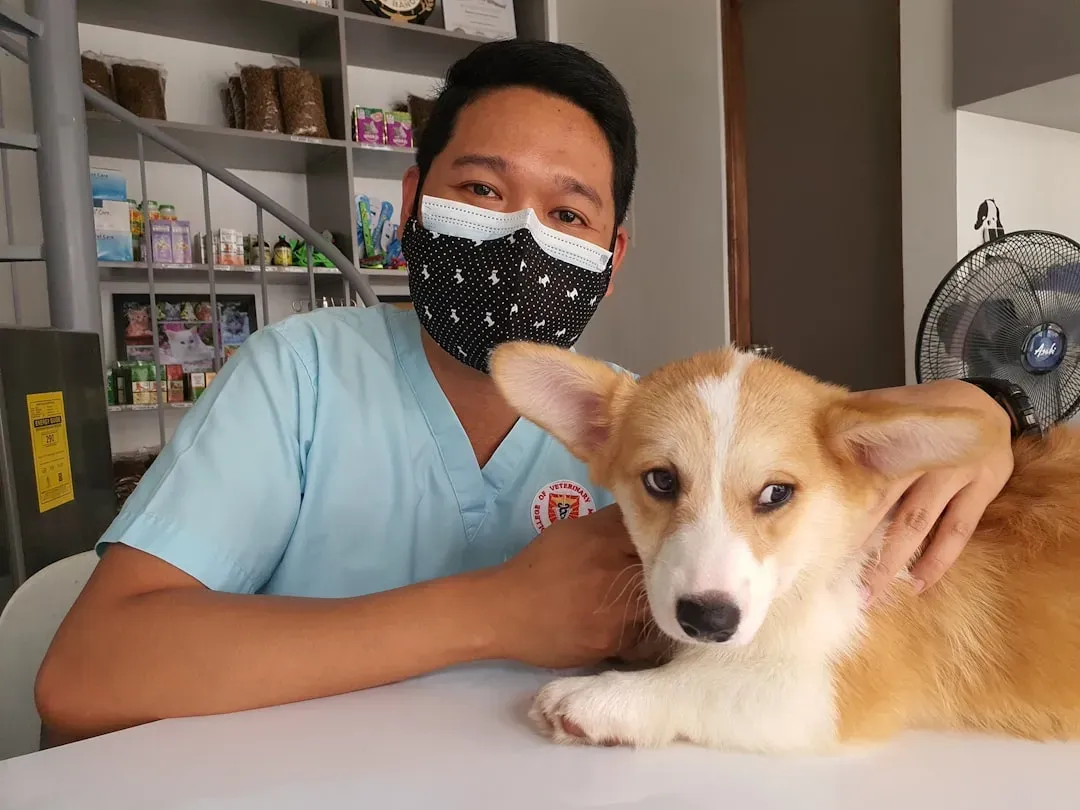
Let’s be real. Everything in this article helps. But nothing replaces the guidance of a veterinarian who knows your individual dog. It is vital to book at least annual wellness veterinary visits for your senior dog. Twice a year is even better. Many subtle signs of cognitive decline are missed precisely because owners only visit the vet when something is obviously wrong.
Should you notice any signs of cognitive changes, consult with your veterinarian as soon as you can. Early detection and appropriate management can have a significant impact on your dog’s quality of life. The window for intervention matters. Acting early is not an overreaction. It’s the most loving thing you can do.
A veterinarian’s plan can include treating contributing medical conditions, maintaining a consistent routine, reducing environmental stress factors, introducing enrichment activities, changing diet, and recommending specific supplements and medications when appropriate. You don’t have to figure this out alone. Your vet is your greatest ally in your dog’s golden years.
Conclusion: Every Day Is a Gift Worth Protecting
This tag does not indicate the copyright status of the attached work. A normal copyright tag is still required. See Commons:Licensing.
العربية ∙ বাংলা ∙
Bahaso Jambi ∙
Deutsch ∙ Deutsch (Sie-Form) ∙ English ∙ español ∙ euskara ∙ فارسی ∙ français ∙ italiano ∙ 日本語 ∙ 한국어 ∙ македонски ∙ മലയാളം ∙ Plattdüütsch ∙ Nederlands ∙ polski ∙ پښتو ∙ português ∙ русский ∙ slovenščina ∙ svenska ∙ Türkçe ∙ українська ∙ 简体中文 ∙ 繁體中文 ∙ +/−, Public domain)
Your senior dog doesn’t need a perfect life. They need a rich one. Small moments of joy, tiny challenges, fresh smells, a new trick, a gentle walk down a different street. These things, layered together, form a daily practice that genuinely protects the brain you love so much.
The grey muzzle doesn’t mean the game is over. Engaging their minds with thoughtful activities not only wards off boredom but also fosters a sense of purpose, ultimately contributing to their quality of life. Purpose. That’s what we all want for our dogs in their older years.
You already love your dog more than words can hold. Now you have the tools to show it every single day. So, which of these 10 ideas are you going to try first? Tell us in the comments. Your grey-muzzled companion would probably vote for the treat puzzle. They always do.


